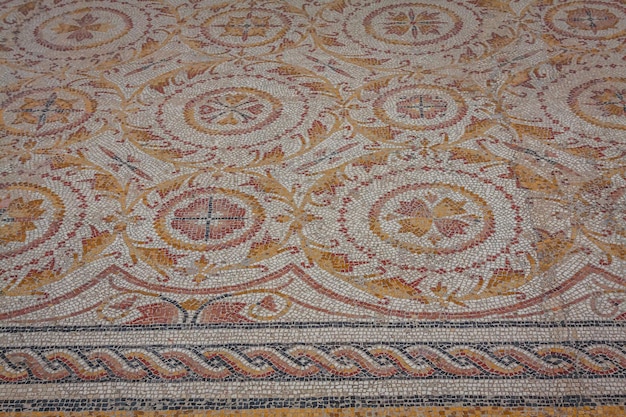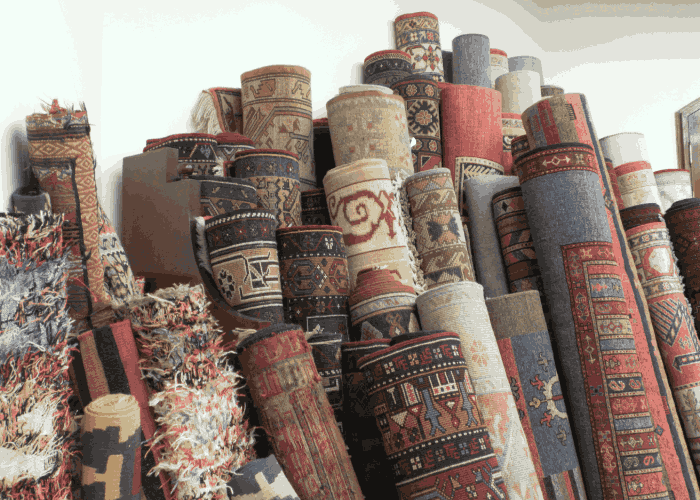
India, a land often celebrated for its technological prowess and bustling metropolises like Bengaluru, holds within its diverse tapestry a legacy far older and equally intricate: the unparalleled art of premium carpet craftsmanship. While the world increasingly looks to India for innovation in software and services, a quiet revolution in luxury interiors is unfolding, driven by master artisans whose skills have been honed over centuries. You might envision India through the lens of its vibrant tech hubs, but we invite you to look beyond these modern marvels.
This article will guide you on an exquisite journey, revealing the hidden gems of India’s carpet-making regions. You will discover the rich history, diverse techniques, and the sheer artistry that elevates Indian carpets to a class of their own. Prepare to explore a world where tradition, quality, and breathtaking beauty converge, offering you an opportunity to adorn your spaces with pieces that are not just floor coverings, but timeless works of art.
The Lure of Indian Carpets – A Global Legacy
For millennia, India has been a cradle of artistic expression, and its textiles, particularly carpets, have captivated connoisseurs worldwide. The story of Indian carpets is deeply intertwined with its imperial history, flourishing under the patronage of Mughal emperors who brought Persian weaving traditions to the subcontinent. This fusion sparked a unique aesthetic, blending intricate Persian motifs with indigenous Indian designs and vibrant color palettes.
The legacy continues today, with India standing as one of the largest producers and exporters of hand-knotted and hand-tufted carpets globally. However, mere volume does not tell the whole story. It is the unwavering commitment to quality, the meticulous attention to detail, and the preservation of age-old techniques that truly define India’s premium offerings.
When you invest in an Indian carpet, you are acquiring a piece of living history, a testament to enduring craftsmanship.
Why “Beyond Bengaluru”? Deconstructing the Modern Perception
The title “Beyond Bengaluru” serves as a metaphor, urging you to look past the contemporary image of India as a technology giant. While cities like Bengaluru, Mumbai, and Delhi represent India’s modern economic might, they are not the heartlands of its traditional luxury crafts. The true epicenters of premium carpet weaving lie in smaller towns and villages, where generations of families have dedicated their lives to this intricate art form.
These regions, often less visible on the global map, are where the magic happens. Here, skilled hands transform raw materials into masterpieces, preserving cultural heritage with every knot and thread. By looking “beyond Bengaluru,” you are embracing a journey of discovery, seeking out authenticity and unparalleled quality directly from its source.
It means appreciating the depth of India’s artisanal wealth that thrives outside its urban skylines.
Unveiling India’s Carpet Capitals – A Geographical Journey
India’s diverse geography mirrors its diverse carpet styles, with specific regions specializing in unique techniques, materials, and designs. Each area offers a distinct flavor, reflecting local traditions and historical influences. Understanding these regional distinctions will help you appreciate the breadth and depth of Indian carpet craftsmanship.
Bhadohi-Mirzapur: The Carpet Belt of India
Nestled in the state of Uttar Pradesh, the Bhadohi-Mirzapur belt is unequivocally the heartland of India’s carpet industry. Often referred to as “Carpet City,” Bhadohi alone accounts for a significant portion of India’s carpet exports. This region has a rich history of weaving, dating back centuries, and is renowned for its sheer volume and variety of hand-knotted and hand-tufted carpets.
The artisans here are masters of intricate designs, often drawing inspiration from Persian, Mughal, and classical Indian motifs. You will find carpets made from a variety of materials, including fine wool (often New Zealand or Merino wool), silk, and blends. The craftsmanship from this region is characterized by its density of knots, vibrant and lasting colors, and exceptional durability.
When you seek a classic, high-quality Indian carpet, Bhadohi-Mirzapur is often the origin.
Kashmir: The Epitome of Silk Elegance
The picturesque valley of Kashmir is synonymous with exquisite silk carpets, unmatched in their delicate beauty and intricate detail. Kashmiri carpets are traditionally hand-knotted, using a single knotting technique that allows for incredibly fine patterns and a luxurious, soft pile. The high knot count in these carpets means that complex designs, often depicting flora, fauna, and traditional Persian hunting scenes, can be rendered with astonishing clarity.
What truly sets Kashmiri carpets apart is their use of pure silk, which gives them a distinctive sheen and a remarkable softness underfoot. These carpets are often reversible, a testament to the meticulous craftsmanship. Owning a Kashmiri silk carpet is like possessing a jewel, a piece of art that reflects the serene beauty and artistic heritage of the region.
Jaipur: Vibrant Durries and Flatweave Artistry
Moving west to Rajasthan, the vibrant city of Jaipur is celebrated for its distinctive flatweave carpets, known as “durries.” Unlike pile carpets, durries are woven without knots, resulting in a flat, reversible textile that is both durable and versatile. Jaipur durries are famous for their bold geometric patterns, vibrant colors, and often incorporate traditional Rajasthani motifs.
While wool and cotton are common materials, contemporary Jaipur durries also experiment with jute, silk, and other natural fibers, offering a wide range of textures and finishes. The artistry extends to block-printed durries, which showcase another layer of traditional Indian textile craft. These carpets are perfect for adding a touch of rustic elegance or a burst of color to your modern interiors.
Agra: Mughal Splendor Reimagined
Agra, home to the iconic Taj Mahal, carries a legacy of Mughal artistry that extends to its carpet weaving. Historically, Agra was a significant center for carpet production under the Mughal emperors, who fostered a unique style characterized by sophisticated floral patterns, intricate medallions, and a rich, deep color palette. The designs often mirror the architectural details and garden layouts of Mughal palaces.
Today, Agra continues to produce hand-knotted carpets that pay homage to this grand tradition. While not as prolific as Bhadohi, Agra carpets are sought after for their classic elegance and historical appeal. They often feature dense wool piles and a meticulous attention to detail that evokes the grandeur of a bygone era, making them perfect for traditional and opulent settings.
Panipat: The Industrial and Traditional Weave Nexus
Located in Haryana, Panipat is often recognized as a major textile hub, particularly for its power loom production. However, it also has a strong tradition of handloom weaving, producing a range of carpets and rugs. While it might not be a “premium” hub in the same vein as Kashmir for silk, Panipat plays a vital role in providing quality wool and cotton carpets, often at a more accessible price point.
Artisans in Panipat are skilled in various techniques and can produce a wide array of designs, from traditional to contemporary. It’s a region where both large-scale manufacturing and smaller, traditional weaving units coexist, offering a diverse spectrum of floor coverings. You can find robust and durable wool carpets, as well as various types of flatweaves, originating from this industrious region.
The Art of Premium Carpet Craftsmanship – What Makes it Refined?
What truly elevates an Indian carpet from a mere floor covering to a refined piece of art lies in the convergence of several critical factors. It’s a meticulous process, where every step, from material selection to the final finishing, is executed with precision and passion. Understanding these elements will empower you to identify and appreciate truly premium craftsmanship.
Superior Materials: The Foundation of Luxury
The quality of a carpet begins with its raw materials. Premium Indian carpets utilize only the finest fibers, chosen for their durability, softness, luster, and ability to hold dye.
- Silk: Renowned for its unparalleled sheen, softness, and strength. Pure silk carpets, especially from Kashmir, are among the most luxurious and command the highest prices. They offer a delicate feel and a vibrant play of light.
- Merino Wool: Sourced from Merino sheep, this wool is exceptionally fine, soft, and resilient. It offers excellent dye uptake, resulting in rich, deep colors, and superior durability.
- New Zealand Wool: Highly prized for its purity, strength, and bright white color, which allows for vibrant and true color dyeing. It’s a staple in high-quality wool carpets due to its natural lanolin content, which provides stain resistance.
- Bamboo Silk: A sustainable alternative that mimics the luxurious feel and sheen of traditional silk. It’s soft, lustrous, and environmentally friendly, gaining popularity in contemporary designs.
- Cotton: Often used for the foundation (warp and weft) of hand-knotted carpets due to its strength and stability. In flatweaves like durries, it can also be the primary pile material, offering a softer, more casual feel.
- Jute: A natural, biodegradable fiber that provides a rustic texture and excellent durability. It’s often used in flatweaves and contemporary rugs for its earthy aesthetic.
The selection of these materials is not arbitrary; it is a conscious decision to ensure longevity, aesthetic appeal, and a luxurious tactile experience for you.
Masterful Weaving Techniques: Threads of Tradition
The method of construction is paramount in determining a carpet’s character, durability, and value. Indian artisans employ several distinct techniques, each requiring immense skill and patience.
- Hand-Knotted: This is the most labor-intensive and highly valued method. Individual knots are tied by hand onto the warp threads, creating a dense, durable pile. The knot count (knots per square inch) is a key indicator of quality and intricacy.
- Persian Knot (Senneh Knot): An asymmetrical knot, allowing for very fine and intricate designs. Common in many Indian and Persian carpets.
- Tibetan Knot: A distinct technique where knots are tied around a rod, then cut, creating a unique texture.
- Turkish Knot (Ghiordes Knot): A symmetrical knot, known for its strength and durability, often used in more robust weaves.
- Hand-Tufted: While still handmade, this method involves punching yarn into a fabric backing with a hand-held tufting gun, then securing it with latex and a secondary backing. It allows for quicker production and a wider range of textures and pile heights. Premium hand-tufted carpets can be very luxurious and durable.
- Hand-Loomed: Yarns are woven on a loom, similar to fabric, to create a flat or low-pile carpet. This technique is often used for simpler patterns and can produce a dense, durable weave.
- Flatweave (Durries/Kilims): These carpets are woven without a pile, creating a flat, reversible surface. The pattern is created by interweaving warp and weft threads. They are lightweight, durable, and often feature bold geometric or striped designs.
Each technique requires specialized knowledge passed down through generations, ensuring the integrity and beauty of the final product.
Exquisite Design & Pattern: A Visual Symphony
The aesthetic appeal of a premium Indian carpet is undeniable, a testament to the designers’ vision and the weavers’ execution. Designs range from ancient motifs to contemporary abstractions.
- Traditional Motifs: Drawing heavily from Persian and Mughal influences, you’ll find intricate floral patterns (e.g., Shah Abbas, Herati), medallions, tree of life, hunting scenes, and architectural elements. These designs often tell a story and are rich in symbolism.
- Geometric Patterns: Especially prevalent in durries and tribal rugs, these patterns feature bold lines, squares, triangles, and repetitive motifs, offering a strong visual impact.
- Contemporary Designs: Indian artisans are also adapting to modern aesthetics, creating carpets with abstract patterns, minimalist designs, and transitional styles that blend traditional elements with modern sensibilities.
- Customization: Many premium manufacturers offer bespoke services, allowing you to choose colors, patterns, sizes, and even materials to create a truly unique carpet tailored to your specific taste and interior design vision.
The precision with which these designs are rendered, especially in high-knot-count carpets, is a hallmark of true craftsmanship.
The Dyeing Process: The Soul of Color
The vibrancy and longevity of a carpet’s colors are crucial indicators of its quality. Premium Indian carpets often employ sophisticated dyeing techniques.
- Natural Dyes: Historically, dyes were derived from plants, insects, and minerals. While less common in mass production today, some premium artisan workshops still use natural dyes, which produce subtle, earthy tones that age beautifully over time and are environmentally friendly.
- High-Quality Synthetic Dyes: Modern synthetic dyes, when properly applied, offer excellent color fastness, a wider spectrum of colors, and consistency. Reputable manufacturers use dyes that are resistant to fading from light and washing.
The skill in achieving rich, even, and consistent colors, as well as creating nuanced shading (abrash), is a significant part of the carpet’s overall appeal and value.
Finishing & Shearing: The Defining Touches
The final steps in carpet production are equally important in defining its premium status. After weaving, carpets undergo several processes to enhance their appearance and feel.
- Washing: Carpets are carefully washed to remove excess dye and dirt, which also enhances the luster of the fibers.
- Shearing: The pile is precisely trimmed to an even height, bringing out the clarity of the design and creating a uniform surface. The skill of the shearer significantly impacts the final look and feel.
- Fringing & Binding: The ends of the carpet are secured with fringes or binding to prevent unraveling and add a decorative touch.
These finishing touches are what give a premium carpet its polished, luxurious appearance and ensure its structural integrity.
Investing in a Legacy – The Value Proposition of Premium Indian Carpets
Acquiring a premium Indian carpet is more than just buying a decorative item; it’s an investment in art, culture, and enduring quality. When you choose a handcrafted piece, you are bringing a story into your home, a narrative woven by skilled hands over countless hours. The value proposition extends far beyond mere aesthetics.
Durability and Longevity: Built to Last Generations
Hand-knotted carpets, particularly those made from high-quality wool and silk, are renowned for their exceptional durability. With proper care, these carpets are designed to withstand the test of time, often becoming cherished family heirlooms passed down through generations. Their robust construction means they can endure heavy foot traffic while maintaining their beauty and integrity.
Unlike machine-made alternatives, the individual knots in a hand-knotted carpet provide superior strength and resilience. This longevity makes them a sustainable choice, reducing the need for frequent replacements and contributing to a more mindful consumption pattern. You are investing in an item that will serve you faithfully for decades.
Artistic Value and Uniqueness: A Masterpiece for Your Floor
Each premium hand-knotted carpet is a unique work of art, bearing the subtle nuances of the artisan’s touch. No two hand-knotted carpets are exactly alike, even if they share the same design. This inherent uniqueness adds significant artistic value, transforming your floor into a canvas for traditional craftsmanship.
The intricate patterns and vibrant colors are a testament to human creativity and skill.
These carpets are not mass-produced commodities; they are the result of countless hours of dedicated labor, skill, and creative expression. They infuse your living space with a sense of warmth, character, and sophistication that cannot be replicated by factory-made items. You are acquiring a conversation piece, a focal point that reflects discerning taste.
Sustainability and Ethical Sourcing: Conscious Luxury
Many premium Indian carpet manufacturers are increasingly committed to sustainable practices and ethical sourcing. This includes using natural, renewable fibers like wool and cotton, employing environmentally friendly dyeing processes, and ensuring fair wages and safe working conditions for artisans. By choosing a reputable supplier, you can be confident that your carpet was made with respect for both people and the planet.
The handcrafting process itself is inherently more sustainable than industrial production, consuming less energy and producing less waste. Supporting these artisans helps preserve traditional crafts and provides vital livelihoods in rural communities. Your purchase contributes directly to a positive social and environmental impact, aligning your luxury choices with your values.
Enhancing Interior Design: The Ultimate Statement Piece
A premium carpet has the transformative power to elevate any interior space. It can anchor a room, define different zones, add warmth and texture, and introduce a focal point of color and pattern. Whether your aesthetic is traditional, contemporary, minimalist, or eclectic, there is an Indian carpet that can perfectly complement and enhance your design vision.
The rich textures and intricate designs add depth and character, creating an atmosphere of refined elegance. A well-chosen carpet can tie together disparate elements in a room, creating a cohesive and harmonious environment. It’s an essential element in luxury interior design, capable of making a powerful statement about your personal style and appreciation for quality.
Potential for Appreciation: An Asset, Not Just an Expense
While not all carpets appreciate in value, exceptionally rare and high-quality hand-knotted carpets, particularly antique pieces from renowned weaving regions or those made with rare materials, can indeed increase in value over time. Factors such as age, origin, knot count, material quality, design rarity, and condition all contribute to potential appreciation.
Even if not a significant financial investment, a premium Indian carpet represents an investment in enduring beauty and craftsmanship. Its longevity and timeless appeal mean that it will continue to bring joy and aesthetic pleasure for many years, far outweighing its initial cost. You are investing in a piece of art that enriches your life and your home.
Navigating Your Purchase – A Buyer’s Guide
When you decide to invest in a premium Indian carpet, navigating the market can feel daunting. However, armed with the right knowledge, you can make an informed decision and find a piece that you will cherish for a lifetime. Here’s what you need to know to ensure a confident and satisfying purchase.
Where to Buy: Finding Reputable Sources
The source of your carpet is crucial for ensuring authenticity, quality, and ethical production practices.
- Reputable Dealers and Galleries: Established carpet dealers and specialized galleries often have extensive knowledge, a curated selection, and a commitment to quality. They can provide certificates of authenticity and detailed information about the carpet’s origin and materials.
- Direct from Artisans/Weavers: If you have the opportunity to visit weaving regions like Bhadohi or Kashmir, purchasing directly from workshops or artisan collectives can be a rewarding experience. This offers transparency and often better pricing, but requires careful vetting.
- Online Platforms: Many high-end interior design stores and specialized carpet retailers have robust online presences. Look for detailed product descriptions, high-resolution images, customer reviews, and clear return policies. Ensure they offer authentication.
- Trade Fairs and Exhibitions: International and national trade fairs often feature reputable Indian carpet manufacturers and exporters. These events provide an excellent opportunity to see a wide range of products and speak directly with producers.
Always prioritize transparency and customer service, regardless of your chosen purchasing channel.
Key Questions to Ask: Your Due Diligence Checklist
Don’t hesitate to ask detailed questions. A reputable seller will be happy to provide comprehensive answers.
- What are the materials used? (e.g., “Is it 100% New Zealand wool, or a blend? Is the silk pure or bamboo silk?”)
- What is the origin of the carpet? (e.g., “Was this hand-knotted in Bhadohi or Kashmir?”)
- What weaving technique was employed? (e.g., “Is it hand-knotted, hand-tufted, or flatweave?”)
- What is the knot count (for hand-knotted carpets)? (A higher knot count generally indicates finer detail and higher quality, often expressed as knots per square inch or KPSI).
- What are the care instructions? (Understanding proper cleaning and maintenance is vital for longevity).
- Is there a certificate of authenticity? (This provides proof of origin, material, and craftsmanship).
- What is the return policy and warranty? (Important for peace of mind).
- Are the dyes natural or synthetic? (Both can be high quality, but knowing helps you understand the carpet’s characteristics).
Certification and Authenticity: Ensuring Your Investment
For high-value purchases, look for certifications that attest to the carpet’s quality and origin. While not universally standardized, some manufacturers provide their own certificates. In India, initiatives like the “Kaleen” label from the Carpet Export Promotion Council (CEPC) aim to promote ethical child-labor-free production.
Always seek documentation that verifies the material, origin, and hand-knotted status if that is what you are buying.
Customization Options: Tailoring to Your Vision
Many premium Indian carpet producers offer customization services. If you have a specific size, color palette, or design in mind, inquire about bespoke options. This allows you to create a carpet that perfectly integrates with your interior design, making it a truly unique expression of your style.
Customization can be a significant advantage when you are looking for something truly special.
To further aid your decision-making, here is a comparison of common premium Indian carpet types:
| Carpet Type/Region | Primary Material(s) | Typical Weaving Technique | Key Design Characteristics | Approx. Knot Count (KPSI) | Typical Price Range (per sq ft) |
|---|---|---|---|---|---|
| Kashmiri Silk | Pure Silk | Hand-knotted (Single Knot) | Intricate Persian/Mughal florals, hunting scenes, delicate patterns | 300-1000+ | $$$$$ |
| Bhadohi Wool (Premium) | New Zealand/Merino Wool | Hand-knotted (Persian/Turkish) | Classic Persian, Mughal, contemporary transitional, abstract | 80-300 | $$$-$$$$ |
| Bhadohi Wool (Hand-Tufted) | Wool, sometimes Bamboo Silk | Hand-tufted | Wide range: contemporary, abstract, geometric, transitional | N/A (density varies) | $$-$$$ |
| Jaipur Durrie | Cotton, Wool, Jute, Silk | Flatweave (Hand-loomed) | Bold geometrics, stripes, traditional Rajasthani motifs | N/A | $-$$ |
| Agra (Traditional) | Wool | Hand-knotted (often Persian) | Mughal-inspired florals, medallions, muted, rich color palettes | 100-250 | $$$-$$$$ |
Note: Price ranges are indicative and can vary significantly based on specific material quality, knot count, design complexity, brand, and market conditions. ($ = entry-level premium, $$$$$ = ultra-luxury).
Conclusion
As you reflect on this journey beyond the familiar image of Bengaluru, we hope you have gained a profound appreciation for India’s refined premium carpet craftsmanship. This ancient art form, sustained by generations of dedicated artisans, offers you a unique blend of history, artistry, and unparalleled quality. Each carpet is a testament to human skill, patience, and creative spirit, waiting to enrich your living spaces.
Investing in a premium Indian carpet is not merely a purchase; it is an embrace of culture, a commitment to enduring beauty, and a tangible link to a rich artisanal heritage. You are not just buying a floor covering; you are acquiring a piece of India’s soul, meticulously woven into every fiber. We encourage you to explore these exquisite creations, discover their stories, and allow them to transform your home into a sanctuary of refined elegance.
May your journey into the world of Indian carpets be as rewarding and beautiful as the masterpieces you uncover.
Frequently Asked Questions (FAQ)
Q1: What is the difference between hand-knotted and hand-tufted carpets?
A: Hand-knotted carpets are made by tying individual knots onto a warp and weft foundation, a labor-intensive process resulting in extreme durability and intricate designs. Hand-tufted carpets involve punching yarn into a fabric backing with a hand-held tool, then gluing it down. While still handmade, they are produced faster and are generally less expensive than hand-knotted carpets, offering a wide range of designs and textures.
Q2: How do I tell if an Indian carpet is truly premium quality?
A: Look for several indicators: the quality of the materials (e.g., fine wool, pure silk), the density of the knots (higher KPSI for hand-knotted), the clarity and intricacy of the design, the evenness of the pile, and the richness of the colors. A reputable dealer will also provide detailed information and potentially a certificate of authenticity. The overall feel and weight of the carpet are also good tactile indicators.
Q3: Are Indian carpets made with natural or synthetic dyes?
A: It depends on the carpet. Historically, natural dyes were used, and some premium artisan workshops still employ them. However, high-quality synthetic dyes are widely used today, offering excellent color fastness and a wider range of hues.
Both can result in beautiful, long-lasting colors when applied correctly. Always ask the seller about the type of dyes used if it’s a concern for you.
Q4: How should I care for my premium Indian carpet?
A: Regular vacuuming (without a beater bar, especially for delicate carpets) is essential. For spills, blot immediately with a clean cloth, do not rub. Professional cleaning every few years is recommended to maintain its beauty and extend its life.
Avoid direct, prolonged sunlight to prevent fading. Rotate your carpet periodically to ensure even wear. Always refer to specific care instructions provided by the manufacturer or seller.
Q5: Is it true that some Indian carpets appreciate in value?
A: Yes, certain premium Indian carpets, particularly rare antique hand-knotted pieces, those from renowned weaving regions, or those made with exceptional materials and craftsmanship, can appreciate in value over time. However, this is not guaranteed for all carpets. Factors like age, condition, rarity of design, and origin play a significant role.
Most premium carpets are an investment in enduring beauty and quality, rather than a speculative financial investment.
Q6: Are Indian carpets ethically produced?
A: Many reputable Indian carpet manufacturers and exporters are committed to ethical production, ensuring fair wages, safe working conditions, and no child labor. Organizations like the Carpet Export Promotion Council (CEPC) in India promote ethical practices through initiatives like the “Kaleen” label. When purchasing, inquire about the manufacturer’s ethical sourcing policies and look for certifications or assurances from your dealer to support responsible production.