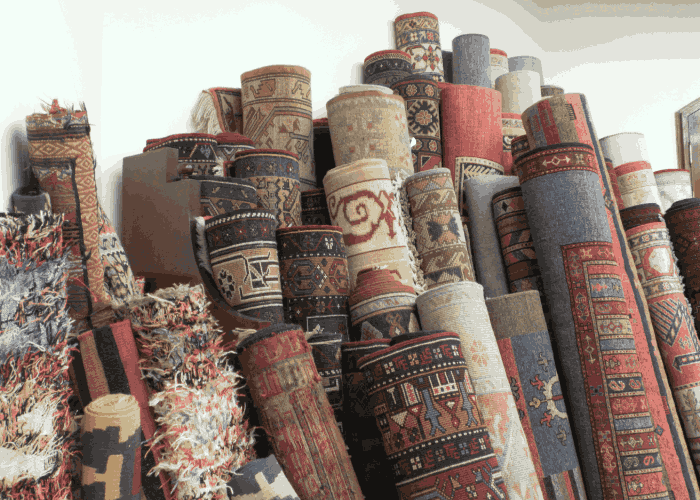
Have you ever considered the intricate journey of a premium Indian carpet? It begins not just in the hands of a gifted artisan, but often deep within the cultural heartlands of India, in places like Hyderabad. From these vibrant origins, where traditional patterns are meticulously brought to life, these masterpieces embark on a remarkable global journey.
They transcend local markets, gracing the most opulent homes and even reaching the hallowed halls of international diplomacy. This article invites you to explore the fascinating evolution of premium Indian carpets. You will discover how their unparalleled craftsmanship, rich history, and profound cultural significance have elevated them to a status symbol, cherished worldwide.
The Genesis of Grandeur: A Historical Tapestry
The story of Indian carpet weaving is as rich and intricate as the patterns themselves. Its roots delve deep into antiquity, but it truly flourished and reached its zenith during a transformative period in Indian history.
You might be surprised to learn that the golden age began with strong cultural cross-pollination. The arrival of the Mughals in the 16th century, particularly Emperor Akbar, brought a profound Persian influence to the subcontinent. This era marked a significant turning point, elevating carpet weaving from a craft to a sophisticated art form.
Mughal Patronage and Persian Influence
Emperor Akbar, known for his artistic sensibilities, established royal workshops in his capital cities, including Agra and Lahore. He invited master weavers from Persia to train local artisans, blending indigenous Indian creativity with refined Persian techniques. This fusion gave birth to a unique Indo-Persian style.
The Mughal carpets became renowned for their elaborate floral motifs, intricate hunting scenes, and vibrant color palettes. They often depicted gardens, trees of life, and intricate medallions, reflecting the grandeur and aesthetic preferences of the imperial court. These early masterpieces set the benchmark for quality and design that continues to influence contemporary weaving.
Key Weaving Hubs Emerge
As the craft gained prominence, various regions across India developed their distinct weaving traditions and specializations. Each hub contributed uniquely to the evolving landscape of Indian carpetry.
- Kashmir: Famed for its exquisite silk carpets, often featuring delicate floral designs and a high knot count. The softness and sheen of Kashmiri silk carpets are legendary.
- Mirzapur-Bhadohi Belt (Uttar Pradesh): This region is often called the “Carpet City of India.” It is a major hub for hand-knotted and hand-tufted wool carpets, known for their durability and variety of designs, from traditional Persian to contemporary.
- Jaipur (Rajasthan): Known for its vibrant “Jaipur Durries” (flat-weave rugs) and hand-knotted wool carpets. Jaipur designs often incorporate geometric patterns and bold colors, reflecting Rajasthani folk art.
- Agra (Uttar Pradesh): Historically significant, Agra continues to produce high-quality hand-knotted carpets, often replicating classic Mughal and Persian designs with a focus on intricate detailing and fine wool.
- Hyderabad (Telangana): While not traditionally a primary weaving hub in the same vein as Bhadohi, Hyderabad’s role in the premium carpet market has evolved. It is increasingly a center for bespoke carpet design, sourcing, and distribution, especially for high-end clients and international exhibitions, acting as a crucial interface between traditional weaving centers and global luxury markets.
These regions, with their specialized skills and unique aesthetics, collectively form the backbone of India’s carpet industry. They ensure a diverse range of premium options for you to explore.
The Essence of Excellence: What Defines a Premium Indian Carpet?
What truly sets a premium Indian carpet apart from its counterparts? It is a confluence of exceptional materials, time-honored techniques, and the unparalleled skill of generations of artisans. Understanding these elements will help you appreciate the true value of these magnificent creations.
Superior Materials: The Foundation of Luxury
The quality of a carpet begins with its raw materials. Premium Indian carpets utilize only the finest fibers, ensuring both beauty and longevity.
- Silk: Considered the pinnacle of luxury, silk carpets from Kashmir are renowned for their incredible luster, softness, and strength. They can achieve exceptionally high knot counts, allowing for breathtaking detail in their designs.
- High-Quality Wool: Merino wool, often imported from New Zealand or Australia, is a preferred choice for its softness, durability, and excellent dye-absorption properties. Indigenous Indian wool is also used, particularly for its natural resilience and rustic charm in certain styles.
- Pashmina: While less common for entire carpets, pashmina wool is sometimes incorporated into silk blends or used for intricate detailing, adding an extra layer of unparalleled softness and luxury.
- Cotton: Often used for the warp and weft foundation of hand-knotted carpets, cotton provides stability and strength, ensuring the carpet retains its shape over time.
The careful selection and preparation of these fibers are crucial. They dictate the carpet’s texture, appearance, and ability to withstand the test of time.
Artisanal Techniques: A Legacy of Skill
The method of construction is another critical differentiator. Premium Indian carpets are predominantly crafted using labor-intensive, traditional techniques that demand immense skill and patience. You are investing in a piece of art, not just a floor covering.
Here are the primary techniques you will encounter:
Hand-Knotted Carpets
This is the most revered and labor-intensive method, producing the highest quality and most durable carpets. Each knot is individually tied by hand onto a warp and weft foundation.
- Knot Count (KPSI): The density of knots per square inch (KPSI) is a key indicator of quality. Higher KPSI means more intricate designs, greater detail, and a denser, more durable pile. Premium carpets can range from 100 KPSI to over 1000 KPSI for the finest silk pieces.
- Weaving Process: Multiple artisans often work side-by-side on a single loom, meticulously following a detailed design map. This process can take months, or even years, for larger, more complex carpets.
- Durability: Hand-knotted carpets are renowned for their longevity, often becoming cherished family heirlooms that can last for generations.
Hand-Tufted Carpets
While still handmade, this technique uses a tufting gun to punch yarn through a fabric backing, which is then secured with latex and a secondary backing. It offers a balance between handmade quality and relative affordability compared to hand-knotted.
- Versatility: Hand-tufted carpets allow for greater design flexibility and quicker production times.
- Quality Variation: The quality can vary significantly based on the materials used and the density of the tufts. Premium hand-tufted carpets use high-quality wool and dense tufting.
Flat-Weave Carpets (Durries)
Durries are traditional Indian flat-weave rugs, woven without a pile. They are reversible and known for their durability and often vibrant, geometric designs.
- Materials: Typically made from cotton or wool, or a blend of both.
- Versatility: Lightweight and easy to maintain, durries are perfect for various settings, from casual to contemporary.
The Art of Dyeing: Color that Endures
The vibrant and enduring colors of Indian carpets are a testament to sophisticated dyeing techniques. Traditional methods often involve natural dyes derived from plants, insects, and minerals. These natural dyes produce rich, subtle variations and a beautiful patina that deepens with age.
While synthetic dyes are also used for consistency and colorfastness, premium carpets often favor natural dyes for their organic beauty and historical authenticity. The skill of the dyer in achieving perfect hues is as critical as the weaver’s craft.
From Local Showcases to Global Stages: The Ascent of Indian Carpets
The journey of premium Indian carpets from local workshops to international acclaim is a compelling narrative of perseverance, adaptation, and unwavering quality. You can trace this trajectory through several key phases of global engagement.
Early Exports and Market Penetration
India’s carpet weaving tradition has a long history of international trade, dating back centuries. During the colonial era, British traders recognized the exquisite quality of Indian carpets, particularly those from Kashmir and Agra. They began exporting them to European markets, where they quickly found favor among the aristocracy and wealthy merchants.
This early exposure laid the groundwork for future expansion. However, it was in the post-independence era that the industry truly began to strategize its global outreach, moving beyond mere trade to active market development.
The Role of International Exhibitions and Trade Fairs
A pivotal moment in the global rise of Indian carpets came with their prominent display at international exhibitions. Events like the Great Exhibition of 1851 in London showcased Indian craftsmanship to a global audience, drawing widespread admiration.
In modern times, Indian manufacturers and exporters actively participate in major global trade fairs such as Domotex in Hanover, Germany, and Coverings in North America. These platforms are crucial for:
- Showcasing Innovation: Presenting new designs, color palettes, and sustainable practices.
- Building Relationships: Connecting with international buyers, interior designers, and distributors.
- Understanding Market Trends: Gaining insights into global consumer preferences and adapting production accordingly.
Through these strategic engagements, you can see how Indian carpets progressively cemented their reputation for quality and design on the world stage.
Growing Demand in Luxury Markets
Today, premium Indian carpets are highly sought after in luxury markets across the globe. Key markets include:
- North America: The United States and Canada are significant importers, with a strong demand for both traditional and contemporary designs in high-end residential and commercial spaces.
- Europe: Countries like Germany, the UK, France, and Italy appreciate the artistry and heritage, incorporating Indian carpets into sophisticated interiors.
- Middle East: The Gulf Cooperation Council (GCC) countries, with their penchant for luxury, are major buyers of exquisite silk and fine wool carpets.
- Asia-Pacific: Emerging economies like China and Southeast Asian nations are showing increasing interest in premium home decor, including Indian carpets.
This widespread demand is fueled by a global appreciation for handmade luxury, unique cultural narratives, and the enduring quality that Indian carpets offer. You are part of a discerning global community that values authenticity and craftsmanship.
Celebrity Endorsements and High-Profile Installations
The visibility of Indian carpets has been further amplified by their presence in prestigious settings. You might have seen them:
- Gracing the floors of celebrity homes, featured in architectural digests and lifestyle magazines.
- Adorning luxury hotels and boutique resorts worldwide, adding a touch of exotic elegance.
- Commissioned for high-profile public spaces and private collections, signifying status and refined taste.
These placements not only boost brand recognition but also underscore the aesthetic versatility and enduring appeal of Indian carpet artistry.
Beyond Decor: Diplomatic Stages and Cultural Soft Power
The journey of premium Indian carpets extends far beyond private residences and commercial spaces. They have ascended to diplomatic stages, becoming powerful symbols of India’s rich cultural heritage and a tool for fostering international goodwill. You will find their presence in the most significant global settings.
Carpets as Gifts of State
For centuries, exquisite carpets have been exchanged as gifts between heads of state, signifying respect, alliance, and cultural appreciation. India, with its unparalleled weaving tradition, frequently uses its finest carpets for this purpose.
When you see a meticulously crafted Indian carpet presented to a foreign dignitary, it is more than just a beautiful object. It is a tangible representation of India’s artistic prowess, its long history, and its commitment to fostering strong international relationships. These gifts carry profound symbolic weight, embodying the warmth and generosity of the Indian people.
Gracing Embassies, Presidential Palaces, and International Forums
The presence of Indian carpets in diplomatic and governmental settings worldwide is a testament to their esteemed status. You can often find them:
- In Indian Embassies and Consulates: Adorning reception areas, offices, and official residences, creating an authentic and welcoming Indian ambiance for visitors.
- In Presidential and Royal Palaces: Commissioned for state rooms and private chambers, reflecting a preference for luxury and artisanal excellence.
- At International Organizations: Used in meeting rooms and public spaces within institutions like the United Nations or other global bodies, subtly showcasing India’s cultural footprint.
- In Luxury Hotels and Conference Centers: Providing an air of sophistication and cultural depth in venues that host international events and high-profile guests.
These installations are not merely decorative. They are strategic choices that communicate a message of heritage, sophistication, and national pride. They help shape perceptions of India as a nation rich in art and tradition.
Symbolism of Heritage, Artistry, and Prestige
An Indian carpet on a diplomatic stage speaks volumes without uttering a single word. It symbolizes:
- Rich Heritage: Each knot and pattern tells a story of centuries of tradition, passed down through generations of skilled artisans.
- Unparalleled Artistry: It showcases the meticulous skill, patience, and creative genius of Indian weavers, who transform raw materials into masterpieces.
- National Prestige: It represents India’s identity as a cradle of civilization and a guardian of ancient crafts in a modern world.
By adorning these important spaces, Indian carpets act as ambassadors of culture, silently promoting India’s soft power on a global scale. They invite admiration and appreciation for a craft that is deeply embedded in the nation’s identity.
The Business of Beauty: Market Trends and Economic Impact
The global rise of premium Indian carpets is not just a cultural phenomenon; it is also a significant economic driver. This industry contributes substantially to India’s economy, supporting countless livelihoods and adapting to evolving global market dynamics. You will find that this sector is both traditional and forward-looking.
Growth Drivers in the Global Market
Several factors are fueling the continued growth and demand for premium Indian carpets:
- Increasing Disposable Income: As global wealth grows, more consumers are investing in luxury home decor, viewing carpets as both functional items and artistic investments.
- Demand for Authentic and Handmade Products: There is a strong global shift towards products that tell a story, are ethically made, and possess unique craftsmanship, moving away from mass-produced items.
- E-commerce and Digital Reach: Online platforms have dramatically expanded the accessibility of premium Indian carpets to a global customer base, allowing you to explore and purchase from anywhere.
- Interior Design Trends: The rising popularity of personalized and culturally rich interiors in residential and commercial spaces drives demand for unique, high-quality carpets.
- Focus on Sustainability: Growing consumer awareness about environmental impact favors natural fiber carpets and sustainable production practices, areas where traditional Indian weaving excels.
Challenges and Opportunities
Despite its growth, the industry faces several challenges that require strategic solutions:
- Competition: Intense competition from other carpet-producing nations and machine-made alternatives.
- Maintaining Authenticity: Ensuring that hand-knotted authenticity is preserved and differentiated from cheaper imitations.
- Skilled Labor Shortage: Attracting and training new generations of weavers to sustain traditional skills.
- Ethical Sourcing and Fair Trade: Meeting global standards for fair wages, safe working conditions, and child labor eradication, which is crucial for international market access.
However, these challenges also present opportunities for innovation in design, branding, and sustainable practices. The industry is actively working towards addressing these issues to secure its future.
Sustainability and Fair Trade Initiatives
The premium carpet industry in India is increasingly embracing sustainability and fair trade principles. Many organizations and individual manufacturers are committed to:
- Eco-friendly Materials: Using natural, renewable fibers and non-toxic dyes.
- Waste Reduction: Implementing practices that minimize environmental impact during production.
- Fair Wages and Working Conditions: Ensuring artisans receive fair compensation and work in safe, healthy environments.
- Child Labor Eradication: Strict adherence to policies preventing child labor, often verified by independent certifications like GoodWeave.
These initiatives not only meet ethical consumer demands but also enhance the global reputation of Indian carpets, allowing you to purchase with confidence and a clear conscience.
Global Market Insights for Luxury Carpets
To give you a clearer picture of the market dynamics, here is a relevant data table outlining the global luxury carpet market, which premium Indian carpets are a significant part of.
| Year | Market Size (USD Billion) | CAGR (%) | Key Drivers |
|---|---|---|---|
| 2022 (Actual) | 18.5 | – | Post-pandemic recovery, high-net-worth individuals, luxury real estate boom |
| 2023 (Estimated) | 19.7 | 6.5% | Increasing disposable income, demand for bespoke designs, e-commerce growth |
| 2028 (Projected) | 27.5 | 7.0% | Urbanization, interior design trends, focus on sustainable luxury, emerging markets |
| 2032 (Projected) | 38.0 | 6.8% | Continued global wealth accumulation, brand loyalty, technological advancements in marketing |
| Note: CAGR (Compound Annual Growth Rate) is for the preceding period. Data is illustrative and based on general industry reports and projections for the luxury home decor segment. | |||
This table illustrates a robust growth trajectory for the luxury carpet market, indicating a strong and expanding global appetite for high-quality, artisanal products like premium Indian carpets. This trend benefits you as a discerning buyer, as it ensures continued innovation and quality in the market.
Choosing Your Own Piece of History: A Buyer’s Guide
Investing in a premium Indian carpet is a significant decision. It means bringing a piece of art, history, and culture into your home or office. To help you make an informed choice, consider these essential factors.
Factors to Consider Before Purchase
Before you commit, think about how the carpet will fit into your lifestyle and space:
- Material: Do you prefer the luxurious sheen of silk, the durability of wool, or the casual elegance of cotton? Each material has distinct characteristics in terms of feel, appearance, and maintenance.
- Weaving Technique: Are you looking for the heirloom quality and intricate detail of a hand-knotted carpet, the versatility of hand-tufted, or the reversible charm of a flat-weave durrie? Your choice impacts price, durability, and aesthetic.
- Design and Style: Do you lean towards traditional Persian-inspired motifs, classic Mughal patterns, contemporary geometric designs, or abstract art? Consider how the carpet’s pattern and color palette will complement your existing decor.
- Size and Shape: Measure your space carefully. A carpet should fit proportionally within a room, defining zones without overwhelming the area. Think about whether you need a rectangular, square, round, or runner carpet.
- Budget: Premium carpets are an investment. Set a realistic budget, but remember that quality often correlates with price, especially for hand-knotted pieces.
- Purpose: Will the carpet be in a high-traffic area, or is it purely decorative? This will influence your choice of material and construction for longevity.
Ensuring Authenticity and Quality
When purchasing a high-value item like a premium carpet, authenticity is paramount. You want to ensure you are getting a genuine, high-quality product.
- Reputable Dealers: Always buy from established dealers, galleries, or certified exporters with a strong reputation. Ask for their background and customer testimonials.
- Certifications: Look for certifications from recognized bodies. For Indian carpets, the Carpet Export Promotion Council (CEPC) is a key organization that promotes and regulates the industry. Some carpets may also carry labels like GoodWeave, which assures ethical production without child labor.
- Documentation: Request an invoice or certificate of authenticity that details the carpet’s origin, material, weaving technique, and dimensions.
- Inspect the Carpet: If possible, examine the carpet in person. Look at the knot density, the consistency of the weave, the quality of the dyes, and the overall finish. For hand-knotted carpets, the pattern will be visible on the back, often as clear as on the front.
Care and Maintenance Tips
Proper care will preserve the beauty and longevity of your premium Indian carpet for decades. You can easily maintain its splendor with a few simple steps:
- Regular Vacuuming: Vacuum regularly with a brush-less attachment to remove loose dirt and dust. Avoid vacuuming fringes directly.
- Rotate Periodically: Rotate your carpet every 6-12 months to ensure even wear and exposure to light, preventing uneven fading.
- Immediate Spill Cleanup: Blot spills immediately with a clean, white cloth. Avoid rubbing, which can spread the stain. For stubborn stains, consult a professional carpet cleaner.
- Professional Cleaning: Have your carpet professionally cleaned every few years, depending on traffic and usage. Choose a cleaner experienced with handmade carpets.
- Avoid Direct Sunlight: Prolonged exposure to direct sunlight can cause colors to fade. Use blinds or curtains to protect your carpet.
- Use a Rug Pad: A good quality rug pad beneath your carpet will prevent slipping, provide extra cushioning, and protect both the carpet and your floor.
By following these guidelines, you will ensure your premium Indian carpet remains a treasured centerpiece in your home for many years to come.
Conclusion
The journey of premium Indian carpets, from their humble beginnings in the skilled hands of local artisans to their prominent display on diplomatic stages, is a testament to enduring artistry and cultural richness. You have seen how centuries of tradition, combined with superior materials and meticulous craftsmanship, have elevated these creations to global icons of luxury and heritage.
They are more than just floor coverings; they are narratives woven in wool and silk, reflecting India’s profound artistic legacy and its ability to captivate an international audience. As you consider bringing one of these magnificent pieces into your own space, you are not merely purchasing an item of decor. You are investing in a segment of history, a symbol of unparalleled quality, and a commitment to preserving an art form that continues to weave its magic across the world.
The global appeal of premium Indian carpets is set to continue its ascent, enriching homes and diplomatic relations alike for generations to come.
Frequently Asked Questions (FAQ)
Q1: What makes Indian carpets “premium”?
A1: Premium Indian carpets are distinguished by several factors, including the use of high-quality materials like fine silk or Merino wool, intricate hand-knotting or hand-tufting techniques, high knot density (KPSI), the use of natural or colorfast dyes, and the unique artistic designs passed down through generations of skilled artisans. They often represent significant time and labor investment.
Q2: How can I tell if an Indian carpet is hand-knotted or machine-made?
A2: You can often distinguish a hand-knotted carpet by examining its back. The knots will be slightly irregular, and the pattern on the back will be as clear as the front. Machine-made carpets typically have a perfectly uniform pattern on the back, often with a visible synthetic backing or glue, and perfectly even fringes that are often sewn on rather than being an extension of the carpet’s foundation.
Q3: Which regions in India are famous for premium carpets?
A3: Key regions include Kashmir (renowned for silk carpets), the Mirzapur-Bhadohi belt (Uttar Pradesh) for hand-knotted and hand-tufted wool carpets, Jaipur (Rajasthan) for durries and wool carpets, and Agra (Uttar Pradesh) for classic Mughal designs. While Hyderabad is a significant hub for design and distribution, the actual weaving often occurs in these traditional centers.
Q4: Are Indian silk carpets durable?
A4: Yes, despite their delicate appearance, high-quality Indian silk carpets are remarkably durable. Silk is one of the strongest natural fibers. However, due to their luxurious nature and high cost, they are generally recommended for low to medium-traffic areas to preserve their sheen and intricate detail over generations.
Q5: How do I properly care for my premium Indian carpet?
A5: Regular vacuuming with a low-suction, brush-less attachment is crucial. Rotate your carpet periodically to ensure even wear. Blot spills immediately and avoid harsh chemicals.
For deep cleaning, always consult a professional carpet cleaner experienced with handmade rugs. Using a quality rug pad is also highly recommended for protection and stability.
Q6: What is the significance of “knot count” (KPSI)?
A6: Knot count, or KPSI (knots per square inch), indicates the density of knots in a hand-knotted carpet. A higher KPSI means more knots, allowing for greater detail and intricacy in the design, a denser pile, and generally higher durability. It is a key indicator of a carpet’s quality and value, with premium carpets often having a KPSI of 100 or more, and fine silk carpets reaching several hundred.
Q7: Why are Indian carpets considered “diplomatic gifts”?
A7: Indian carpets are chosen as diplomatic gifts due to their exquisite craftsmanship, rich history, and symbolic value. They represent India’s profound cultural heritage and artistic excellence. Presenting a finely made carpet is a gesture of respect, goodwill, and a way to showcase the nation’s soft power and artistic traditions on a global stage.