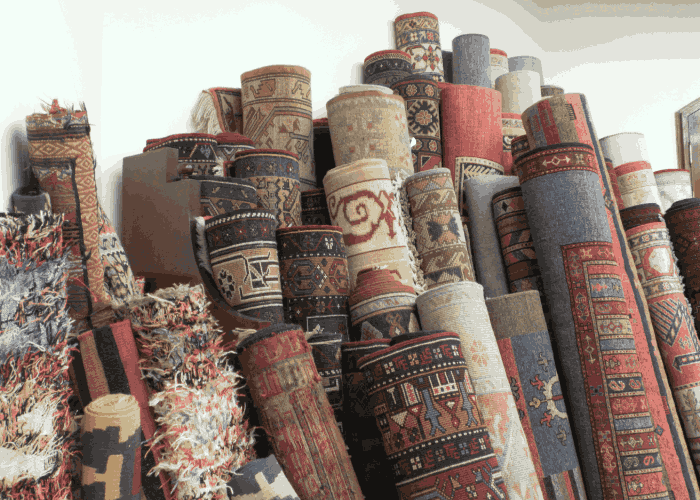
Imagine a fabric so fine, so lustrous, it feels like liquid gold beneath your fingertips. Now imagine this exquisite material meticulously hand-knotted into breathtaking patterns, forming a masterpiece that transcends mere floor covering to become a timeless work of art. This is the enduring legacy of Kashmiri silk carpets, a tradition that has adorned palaces and homes for centuries.
You are about to embark on a journey into the heart of Kashmir, a region renowned not only for its unparalleled natural beauty but also as the undisputed home to some of the world’s largest premium silk carpets. These aren’t just rugs; they are monumental tapestries of culture, history, and unparalleled craftsmanship. Prepare to discover the golden threads that weave together the story of a heritage preserved and celebrated.
The Legacy of Kashmiri Silk Carpets: A Timeless Art Form
The story of silk in Kashmir is as rich and intricate as the carpets themselves, deeply intertwined with the region’s history and cultural evolution. For centuries, the valley has been a crucible of artistry, where traditions have been passed down through generations, each adding another layer to its vibrant tapestry. You will find that this heritage is not just preserved but actively thrives in every knot and every design.
A Royal Introduction: Mughal Influence and Beyond
The art of carpet weaving was not indigenous to Kashmir but was magnificently introduced and nurtured by the Mughal emperors, particularly during the reign of Akbar in the 16th century. He brought skilled Persian weavers to the valley, who imparted their intricate techniques and aesthetic sensibilities to local artisans. This fusion of Persian finesse with Kashmiri ingenuity laid the foundation for a unique and enduring art form.
You can trace the influence of Persian gardens, intricate floral motifs, and geometric patterns in many traditional Kashmiri designs. Over time, local artisans adapted these styles, incorporating elements inspired by the breathtaking natural beauty of Kashmir itself. The result is a distinctive style that is immediately recognizable and highly coveted worldwide.
Why Kashmiri Silk is Special
Kashmir boasts a unique ecosystem ideal for sericulture, the rearing of silkworms. The region’s mulberry trees provide the perfect diet for silkworms, yielding some of the finest quality silk threads in the world. This indigenous silk is known for its exceptional strength, natural sheen, and ability to absorb dyes beautifully, making it the ideal medium for creating luxurious carpets.
When you encounter a genuine Kashmiri silk carpet, you are experiencing the culmination of centuries of refinement in both material and technique. The purity of the silk, combined with the unparalleled skill of the weavers, creates a product that is not just beautiful but also incredibly durable and long-lasting. It’s a testament to nature’s bounty meeting human artistry.
The Art of Weaving: From Cocoon to Carpet
The creation of a Kashmiri silk carpet is an arduous, painstaking process that demands immense patience, precision, and an unwavering dedication to craftsmanship. It is a journey that begins far before the first knot is tied, involving numerous stages, each critical to the final masterpiece. You will appreciate the dedication required when you delve into the details of this ancient art.
Silk Procurement and Preparation
The foundation of any premium silk carpet is, naturally, the silk itself. In Kashmir, the emphasis is on using pure mulberry silk, sourced from local sericulture units. The cocoons are carefully processed to extract long, continuous filaments, which are then reeled into yarn.
This raw silk yarn undergoes a meticulous cleaning and degumming process to remove impurities and enhance its natural luster. You will find that the quality of this initial preparation directly impacts the final carpet’s sheen and softness. Only the finest threads are selected to ensure the carpet’s exceptional quality and durability.
The Art of Dyeing: A Spectrum of Brilliance
Once prepared, the silk yarn is dyed using a carefully curated palette of colors. Traditionally, natural dyes derived from plants, minerals, and insects were used, creating hues that were both vibrant and remarkably stable. While modern dyes are also employed today, many master weavers still prefer natural pigments for their unique depth and timeless appeal.
The dyeing process is an art in itself, requiring an expert eye to achieve the desired shade and ensure colorfastness. Each batch of yarn is painstakingly immersed and monitored, guaranteeing that the colors will not fade over time. You will notice the subtle variations and rich saturation that characterize a truly well-dyed silk carpet, making it a visual feast.
Design Creation: Where Imagination Takes Form
Before a single knot is tied, a detailed design, known as a ‘talim’ or ‘naksha’, is created by master designers. These designs can range from traditional Persian and Kashmiri motifs to more contemporary patterns, each telling its own story. The complexity of the design dictates the number of colors and the intricacy of the weaving.
The ‘talim’ acts as a blueprint, a coded language that guides the weavers. It specifies the color and knot count for each section of the carpet, ensuring that the final product perfectly matches the designer’s vision. You will marvel at the precision and foresight required to translate such intricate drawings into a tangible textile.
The Knotting Process: A Symphony of Skill
The heart of carpet weaving lies in the knotting process, performed on a vertical loom. Kashmiri silk carpets predominantly use the Persian (Senneh) knot, known for its fine detail and durability. Each knot is individually tied by hand, creating a dense, velvety pile.
- Preparation of the Loom: Warp threads (vertical) are stretched tautly on the loom.
- Weaving the Foundation: A few rows of weft threads (horizontal) are woven to secure the base.
- Tying the Knots: Artisans meticulously tie individual knots around two warp threads, then cut the silk pile to a precise length.
- Securing with Wefts: After each row of knots, one or two weft threads are passed through and beaten down firmly with a comb-like tool to compact the knots.
This process is repeated thousands, sometimes millions, of times, with multiple weavers often working side-by-side on a single large carpet. The pace is slow, but the precision is unwavering. You will find that the sheer number of knots per square inch (KPSI) is a key indicator of a carpet’s quality and the time invested in its creation.
Finishing Touches: The Unveiling of Beauty
Once the weaving is complete, the carpet is carefully removed from the loom and undergoes several crucial finishing processes. These steps transform the rough-hewn textile into the polished, lustrous masterpiece you recognize.
- Shearing: The pile is expertly trimmed to a uniform height, enhancing the clarity of the design and the carpet’s overall texture.
- Washing: The carpet is thoroughly washed to remove any loose fibers and dirt, and to bring out the natural sheen of the silk. This process also softens the carpet and helps the colors bloom.
- Stretching and Drying: The carpet is carefully stretched and dried to ensure it lies perfectly flat and retains its shape.
- Fringe Treatment: The warp threads extending beyond the knotted area are meticulously finished to form the carpet’s fringes, often braided or left plain.
Every step of this finishing process is performed with the same meticulous care as the weaving itself. You will see that it is these final touches that truly elevate a Kashmiri silk carpet from a mere textile to a work of art deserving of its premium status.
What Makes a Kashmiri Silk Carpet Premium?
Not all silk carpets are created equal, and the term “premium” is earned through a combination of superior materials, exceptional craftsmanship, and artistic integrity. When you consider a Kashmiri silk carpet, you are looking at specific attributes that set it apart from others in the global market.
Knot Density: The Heart of Quality
One of the most significant indicators of a carpet’s quality and value is its knot density, measured in knots per square inch (KPSI). Kashmiri silk carpets are renowned for their incredibly high knot counts, often ranging from 300 to over 1000 KPSI. A higher knot density means:
- Finer Detail: More knots allow for much more intricate and precise designs, capturing minute artistic nuances.
- Greater Durability: A dense pile is more resistant to wear and tear, ensuring the carpet lasts for generations.
- Softer Feel: The compact nature of high-density knotting creates a remarkably soft and luxurious feel underfoot.
You can literally feel the difference when you run your hand over a high-KPSI carpet; it possesses a velvety smoothness that is unmistakable. This density also contributes significantly to the carpet’s weight and drape, giving it a substantial and luxurious presence.
Material Purity: 100% Pure Silk
A truly premium Kashmiri silk carpet is made with 100% pure silk in both its pile (the surface) and its foundation (warp and weft threads). Inferior carpets might use cotton or wool for the foundation, or even blend silk with synthetic fibers in the pile. However, this compromises the carpet’s integrity, sheen, and durability.
When you invest in a genuine premium piece, you are assured that every thread contributes to its exceptional qualities. The pure silk foundation provides strength and flexibility, while the pure silk pile offers unmatched luster and softness. This commitment to material purity is a hallmark of Kashmiri craftsmanship.
Intricacy of Design and Color Palette
The aesthetic appeal of a Kashmiri silk carpet is undeniably captivating. Master designers create patterns that are often incredibly complex, featuring delicate floral motifs, intricate medallions, or sophisticated geometric forms. The color palette is equally important, ranging from vibrant jewel tones to subtle, earthy hues, all applied with an artist’s touch.
You will notice how the colors interplay, creating depth and dimension in the design. The way light reflects off the silk fibers can make the colors appear to shift and shimmer, adding a dynamic quality to the carpet. This artistic mastery of both design and color is a key differentiator for premium pieces.
The Human Element: Artisan Skill and Dedication
Perhaps the most invaluable component of a premium Kashmiri silk carpet is the human element: the unparalleled skill and dedication of the artisans. These weavers are not just workers; they are custodians of a centuries-old tradition, possessing an innate understanding of their craft. Each knot is tied with intention, precision, and an almost meditative focus.
You are essentially purchasing thousands of hours of skilled labor, passed down through generations. This human touch imbues each carpet with a unique character and soul that no machine-made product can replicate. It is the artisan’s heart and hands that transform raw silk into a living work of art.
Durability and Longevity: An Heirloom for Generations
Due to the high-quality silk, dense knotting, and meticulous craftsmanship, premium Kashmiri silk carpets are renowned for their exceptional durability. They are designed to withstand the test of time, often lasting for many generations with proper care. These are not disposable items; they are investments that become treasured family heirlooms.
When you acquire a premium Kashmiri silk carpet, you are not just buying a decorative item; you are acquiring a piece of history and art that will enrich your home for decades. Its value, both aesthetic and monetary, tends to appreciate over time, making it a wise and beautiful investment.
Discovering the World’s Largest Premium Silk Carpets
Kashmir’s reputation as the home of premium silk carpets is further solidified by its unique capability to produce some of the world’s largest hand-knotted silk masterpieces. These monumental creations are not merely scaled-up versions of smaller rugs; they represent the pinnacle of weaving challenges and artistic ambition.
The Challenge of Scale: A Testament to Mastery
Creating an exceptionally large silk carpet presents an array of formidable challenges that only the most skilled and experienced weaving workshops can overcome. You might not immediately realize the complexity involved in such grand projects.
- Loom Construction: Custom-built, massive looms are required to accommodate the immense size, often spanning entire rooms.
- Design Cohesion: Maintaining design consistency and symmetry across such a vast surface requires meticulous planning and a highly detailed ‘talim’.
- Team Coordination: A large team of highly skilled weavers must work in perfect synchronicity for months, or even years, on a single piece.
- Material Management: Sourcing a consistent quality and quantity of silk yarn, dyed to exact specifications, for such a monumental project is a logistical feat.
- Handling and Finishing: Transporting, washing, and drying a carpet that might weigh hundreds of kilograms and cover hundreds of square feet requires specialized equipment and expertise.
These challenges highlight the extraordinary level of organization, teamwork, and individual skill inherent in Kashmiri weaving tradition. It is a true testament to their mastery that they undertake and successfully complete such colossal works of art.
Monumental Works for Grand Spaces
The market for these exceptionally large premium silk carpets is highly specialized. They are typically commissioned for grand spaces such as:
- Luxury hotels and resorts
- Palatial residences and estates
- Government buildings and embassies
- Private collector’s galleries
- Royal palaces across the globe
Imagine a single, seamless silk carpet dominating a vast hall, its intricate patterns unfolding like a grand artistic narrative. These carpets become the focal point of any space, transforming it with their sheer presence and luxurious texture. You will find that they are designed not just as floor coverings, but as central architectural and artistic elements.
The “Golden Threads” of Kashmir
The term “golden threads” perfectly encapsulates the essence of these magnificent creations. It refers not only to the literal golden hue of some undyed silk but also metaphorically to the immense value, prestige, and artistic brilliance they embody. When you see one of these grand carpets, you are witnessing a culmination of generations of knowledge and skill.
Kashmir’s ability to consistently produce these large-scale, premium silk carpets solidifies its unique position in the global luxury market. It is a place where tradition meets monumental ambition, resulting in textile art that continues to awe and inspire. These carpets are truly the golden threads that weave Kashmir into the fabric of global luxury and heritage.
The Economic and Cultural Impact
The carpet weaving industry is far more than just a craft in Kashmir; it is a cornerstone of the region’s economy and a vibrant expression of its cultural identity. You will find that its influence permeates many aspects of life in the valley.
Livelihoods for Thousands of Artisans
The weaving of silk carpets provides direct and indirect livelihoods for tens of thousands of people across Kashmir. This includes not just the weavers themselves, but also:
- Silk farmers and processors
- Dyers and yarn preparers
- Designers and ‘talim’ writers
- Loom builders and maintenance specialists
- Finishers, washers, and packers
This extensive ecosystem supports entire communities, often with families having been involved in the trade for generations. You are supporting a rich human chain of expertise when you purchase a Kashmiri silk carpet.
Preservation of Heritage and Skill
In a rapidly modernizing world, the carpet industry acts as a vital guardian of traditional skills and artistic heritage. Young artisans learn these complex techniques from their elders, ensuring that the knowledge is not lost. This continuous transfer of skill keeps the art form alive and evolving.
The intricate designs and traditional motifs tell stories of Kashmiri culture, history, and natural beauty. By continuing to weave these patterns, artisans actively preserve their cultural identity for future generations. You become part of this preservation when you appreciate and acquire these carpets.
Global Recognition and Export
Kashmiri silk carpets have garnered international acclaim for their exquisite beauty and superior quality. They are exported to discerning markets around the world, from the Middle East to Europe and North America. This global demand brings significant foreign exchange to the region.
The “Made in Kashmir” label on a silk carpet is a mark of prestige and authenticity, recognized by collectors and connoisseurs alike. You are joining a global community of admirers who value the exceptional artistry these carpets represent.
Challenges and Conservation Efforts
Despite its rich legacy, the Kashmiri carpet industry faces challenges, including competition from machine-made alternatives and the need for fair wages for artisans. Various initiatives are underway to support weavers, promote ethical sourcing, and ensure the sustainability of the craft.
Organizations and government bodies are working to provide training, market access, and financial stability to artisans. You can contribute to these efforts by choosing authentic, hand-knotted Kashmiri silk carpets from reputable sources, thus empowering the communities that create them.
Investing in a Kashmiri Silk Carpet: A Guide for Connoisseurs
Acquiring a Kashmiri silk carpet is more than just a purchase; it’s an investment in art, history, and enduring beauty. To ensure you make a wise and informed decision, here’s what you, as a discerning buyer, should consider.
What to Look For When Buying
When you are evaluating a Kashmiri silk carpet, several key factors will help you assess its quality and authenticity:
- Knot Density (KPSI): Invert the carpet and count the knots in a square inch. Higher KPSI (e.g., 300-1000+) indicates finer quality.
- Material: Ensure it is 100% pure silk, both in the pile and the foundation. The silk should have a natural sheen and feel soft, not plasticky.
- Design Clarity: Examine the precision of the pattern.
Clear, well-defined motifs without blurriness are a sign of skilled weaving.
You should always inspect both the front and back of the carpet, as the back often reveals the true density and precision of the knotting.
Authenticity Markers
To ensure you are purchasing a genuine Kashmiri silk carpet, keep these authenticity markers in mind:
- Origin: Always confirm the carpet’s origin. Reputable dealers will proudly declare it as hand-knotted in Kashmir.
- Silky Sheen: Pure silk has a distinctive, natural luster that changes with the angle of light. This is hard to replicate with artificial fibers.
- “Burning Test” (with caution): A tiny, loose silk fiber, when burned, will smell like burning hair and turn into a powdery ash.
Synthetic fibers will melt and smell like plastic. Exercise extreme caution if attempting this.
You should always purchase from reputable dealers who can provide certificates of authenticity and stand by the quality of their products.
Care and Maintenance Tips
Proper care will ensure your Kashmiri silk carpet remains beautiful for generations. Follow these guidelines:
- Regular Vacuuming: Gently vacuum with the suction-only setting, without a beater bar, to remove dust and debris. Vacuum in the direction of the pile.
- Rotate Periodically: Rotate your carpet every 6-12 months to ensure even wear and exposure to light, preventing localized fading.
- Spot Cleaning: For spills, blot immediately with a clean, white cloth. Avoid rubbing, which can spread the stain.
Use mild soap and water sparingly, and always test in an inconspicuous area first.
By following these simple care instructions, you will preserve the beauty and integrity of your invaluable silk carpet for many years to come.
The Value Proposition: An Heirloom Quality Investment
A premium Kashmiri silk carpet is not merely an expense; it is an investment in a piece of cultural heritage and artistic excellence. Its value extends beyond monetary terms:
- Artistic Value: Each carpet is a unique work of art, reflecting centuries of tradition and individual artisan skill.
- Historical Value: These carpets carry the legacy of Mughal emperors and ancient trade routes, connecting you to a rich past.
- Appreciating Asset: High-quality, hand-knotted silk carpets, especially those with exceptional knot density and unique designs, often appreciate in value over time.
- Heirloom Potential: Its durability ensures it can be passed down through generations, becoming a cherished family heirloom.
You are not just decorating your home; you are acquiring a tangible piece of history and art that will bring beauty and value for a lifetime and beyond.
Key Characteristics of Premium Kashmiri Silk Carpets
To further illustrate the distinct qualities that define these exceptional textiles, here is a summary of their premium characteristics:
| Characteristic | Description | Impact on Quality |
|---|---|---|
| Material | 100% Pure Mulberry Silk (Pile & Foundation) | Unmatched luster, softness, strength, and durability. |
| Knot Density (KPSI) | Typically 300 to 1000+ knots per square inch | Allows for intricate designs, superior detail, and exceptional longevity. |
| Weaving Style | Hand-knotted using the Persian (Senneh) knot | Creates a fine, dense pile with high pattern definition. |
| Dyeing Process | Often natural dyes, or high-quality synthetic dyes | Vibrant, rich, and colorfast hues that resist fading. |
| Design Complexity | Intricate floral, medallion, or geometric patterns | Reflects high artistic skill and extensive design effort. |
| Artisan Involvement | Months to years of dedicated hand-labor by skilled artisans | Imbues each carpet with unique character and soul, ensuring heirloom quality. |
| Feel & Drape | Luxuriously soft, velvety texture; supple and drapes smoothly | Indicates high knot density, pure silk, and expert finishing. |
This table summarizes what you should expect from a truly premium Kashmiri silk carpet, distinguishing it from lesser quality alternatives. Each attribute contributes to its status as a world-class textile.
Conclusion
From the serene valleys of Kashmir emerges an art form that captivates and endures: the hand-knotted silk carpet. You have journeyed through its rich history, witnessed the meticulous craft involved in its creation, and understood what elevates it to a truly premium status. These are not merely decorative items; they are vibrant expressions of culture, skill, and timeless beauty.
Kashmir’s “golden threads” tell a story of dedication, passed down through generations of artisans who transform raw silk into magnificent tapestries. Its capability to produce some of the world’s largest premium silk carpets further cements its legendary status. When you acquire a Kashmiri silk carpet, you are bringing home a piece of this extraordinary legacy, an heirloom that will enrich your life and space for generations.
We encourage you to explore the unparalleled beauty and craftsmanship of these carpets. Experience the luxurious feel, admire the intricate designs, and appreciate the immense human effort woven into every single knot. A Kashmiri silk carpet is more than an acquisition; it is an investment in art, history, and a touch of golden luxury from the heart of Kashmir.
Frequently Asked Questions (FAQ)
Q1: What makes Kashmiri silk carpets different from other silk carpets?
Kashmiri silk carpets are primarily distinguished by their use of 100% pure mulberry silk for both the pile and foundation, exceptionally high knot density (often 300-1000+ KPSI), and the predominant use of the Persian (Senneh) knot. This combination results in unparalleled softness, luster, intricate detail, and durability. You’ll also find unique design influences from Persian and local Kashmiri motifs.
Q2: How can I tell if a Kashmiri silk carpet is authentic?
You can verify authenticity by checking for 100% pure silk (pile and foundation), an exceptionally high knot count visible on the back, and a natural, shimmering luster. The carpet should be supple and drape smoothly. Always purchase from reputable dealers who offer certificates of authenticity.
A small, carefully performed burn test on a loose fiber (silk smells like burning hair and turns to ash) can also confirm silk, but exercise extreme caution.
Q3: Are Kashmiri silk carpets good for high-traffic areas?
While Kashmiri silk carpets are incredibly durable due to their high knot density and strong silk fibers, they are generally recommended for low to medium-traffic areas to preserve their exquisite sheen and intricate patterns. For high-traffic zones, you might consider a wool carpet. However, with proper care and placement, a silk carpet can certainly withstand regular use in many settings.
Q4: How should I clean and maintain my Kashmiri silk carpet?
You should vacuum your silk carpet gently with a suction-only attachment, avoiding a beater bar. Rotate it periodically to ensure even wear. For spills, blot immediately with a clean, white cloth.
Avoid harsh chemicals and always seek professional cleaning from specialists experienced with silk carpets every 3-5 years. Protecting it from prolonged direct sunlight is also crucial to prevent fading.
Q5: Is a Kashmiri silk carpet a good investment?
Yes, a premium Kashmiri silk carpet is considered an excellent investment. Due to their exceptional craftsmanship, use of pure materials, and artistic value, high-quality hand-knotted silk carpets often appreciate in value over time. They are designed to last for generations, becoming cherished family heirlooms that offer both aesthetic pleasure and financial value.
You are investing in a piece of art and history.