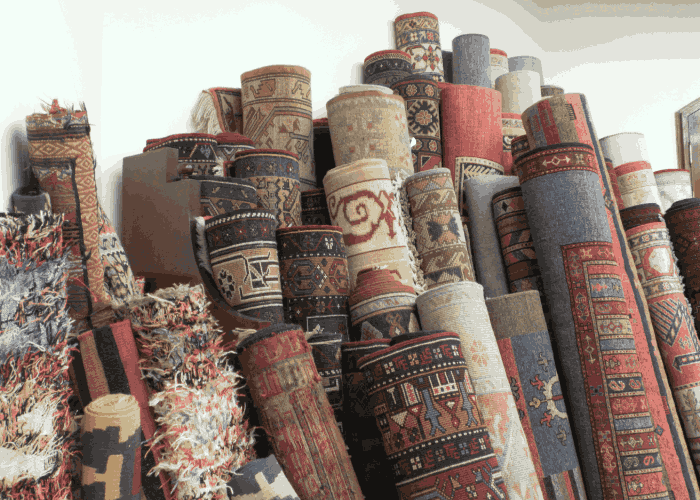
The world of premium Indian carpets is undergoing a magnificent transformation, moving far beyond traditional perceptions. For generations, Indian carpets have captivated hearts with their intricate designs, rich heritage, and unparalleled craftsmanship. You might associate them with classic Persian motifs or the robust practicality of tufted varieties.
However, a new era is dawning. This article invites you to look beyond the familiar, to explore the exciting innovations and forward-thinking trends that are redefining what a premium Indian carpet can be.
We’ll delve into how these exquisite floor coverings are evolving, embracing cutting-edge materials, revolutionary design philosophies, and sustainable practices. Get ready to discover the future of luxury underfoot, where tradition meets innovation in the most breathtaking ways.
The Legacy and the Leap: Why Indian Carpets are Poised for Evolution
India’s legacy in carpet weaving is legendary, rooted in centuries of artistic expression and meticulous handcraftsmanship. From the Mughal emperors to contemporary global markets, Indian carpets have always symbolized luxury, artistry, and enduring quality.
Historically, the strength lay in techniques like hand-knotting, which produces incredibly durable and intricate pieces, often utilizing natural fibers like wool and silk. You’ve likely admired the timeless beauty and profound depth these traditional methods create.
While machine-made tufted carpets gained popularity for their affordability and quicker production, the discerning global market is now demanding something more. There’s a growing desire for authenticity, unique design, ethical production, and a reduced environmental footprint.
This shift positions India perfectly to lead the charge. With its vast artisan base, rich textile heritage, and increasing focus on innovation, India is not just preserving its craft; it’s reinventing it. You are witnessing a pivotal moment where tradition is powering a leap into the future.
Material Innovation: Beyond Wool and Silk
While wool and silk remain cornerstones of premium carpet making, the future sees a dramatic expansion in material choices. Innovators are exploring new fibers that offer unique aesthetics, enhanced performance, and crucial environmental benefits.
Sustainable Fibers Taking Center Stage
Conscious consumerism is driving the demand for eco-friendly alternatives, and the carpet industry is responding with remarkable ingenuity. You’ll find an increasing array of sustainable fibers that are both luxurious and responsible.
- Recycled PET (Polyethylene Terephthalate): This fiber, derived from recycled plastic bottles, is a game-changer. It offers exceptional durability, stain resistance, and a surprisingly soft texture, often mimicking wool or even silk. You can now enjoy a luxurious carpet knowing it’s made from repurposed waste.
- Bamboo Silk: A plant-based alternative to traditional silk, bamboo silk offers a similar lustrous sheen and incredibly soft feel. It’s naturally hypoallergenic, biodegradable, and grows rapidly, making it an excellent sustainable choice.
- Nettle and Hemp: These ancient fibers are making a powerful comeback. Nettle provides a strong, durable yarn with a subtle sheen, while hemp offers robust texture and excellent longevity. Both are fast-growing, require minimal water, and are highly sustainable.
- Organic Cotton: For a softer, more casual feel, organic cotton is increasingly popular. It’s grown without harmful pesticides or chemicals, ensuring a healthier home environment for you and your family.
These materials don’t just reduce environmental impact; they also introduce novel textures and visual dimensions to carpet design. You’ll discover carpets with a unique story, born from innovation and a commitment to the planet.
Blended Yarns and Performance Fibers
The future isn’t just about single fibers; it’s about intelligent combinations. Blended yarns are emerging, marrying the best properties of different materials to create carpets with superior performance and unique tactile qualities.
Imagine the softness of wool combined with the stain resistance of a performance synthetic, or the sheen of bamboo silk interwoven with the strength of hemp. These blends offer you carpets that are not only beautiful but also incredibly durable and easy to maintain.
While still in nascent stages for premium hand-knotted varieties, the concept of integrating “smart” elements is also on the horizon. Think of carpets with subtle, integrated sensors for climate control or ambient lighting, though this is a more distant future trend for mass adoption in the luxury segment.
The focus for now is on enhancing practical performance without compromising the aesthetic and artisanal value. You can expect carpets that truly stand up to the demands of modern living while retaining their luxurious appeal.
Design Evolution: Breaking the Mold
The aesthetics of premium Indian carpets are undergoing a profound transformation. While traditional designs will always hold their charm, you’ll find a bold exploration of contemporary art, abstract forms, and textural innovation.
Abstract and Contemporary Aesthetics
Designers are increasingly moving beyond intricate medallion patterns and floral motifs to embrace modern sensibilities. You’ll see carpets that function as abstract art pieces, commanding attention with their unique visual language.
- Minimalism: Clean lines, subtle patterns, and monochromatic palettes are gaining traction. These carpets offer a sense of calm and sophistication, perfectly complementing modern interiors.
- Geometric Patterns: Bold shapes, interlocking forms, and architectural inspirations are creating dynamic and visually striking carpets. These designs can add a contemporary edge and structure to any space.
- Artistic Interpretations: Many designers are drawing inspiration from modern art movements, creating carpets that resemble abstract paintings. These pieces are often unique, reflecting the individual vision of the artist.
The emphasis is on creating a statement piece that resonates with your personal style, moving away from mass-produced uniformity. You have the opportunity to curate a space that truly reflects your individuality.
Textural Play and Dimensionality
The visual appeal of a carpet is increasingly complemented by its tactile experience. Future trends emphasize dimensionality and varied textures, transforming the carpet into a multi-sensory artwork.
- High-Low Pile: This technique creates a sculptural effect, where different parts of the design are raised or recessed. It adds depth and visual interest, making the carpet dynamic even in a single color.
- Cut and Loop: Combining cut pile and loop pile in the same carpet creates contrasting textures that highlight patterns and add a sophisticated feel. You can feel the difference underfoot, enhancing the overall experience.
- Sculptural Carving: Hand-carving techniques are used to create intricate details and three-dimensional effects, transforming the carpet into a relief sculpture. This level of craftsmanship elevates the carpet to a true art form.
- Multi-Level Weaving: Advanced weaving techniques allow for varying pile heights and fiber directions within a single carpet, producing complex textures and light-reflecting qualities.
These textural innovations invite you to engage with the carpet not just visually, but physically. You’ll discover a rich sensory experience that adds warmth and character to your living space.
Color Palettes: From Earthy Tones to Bold Statements
The future of carpet colors is diverse and dynamic, catering to a wide range of aesthetic preferences. While classic palettes endure, you’ll see a broader spectrum of sophisticated and adventurous choices.
- Sophisticated Neutrals: Beyond beige and grey, designers are exploring nuanced neutrals like warm taupes, cool silvers, and deep charcoals. These provide a versatile foundation for any decor.
- Muted Pastels: Soft, desaturated hues of blues, greens, pinks, and yellows are creating serene and calming environments. These colors offer a subtle touch of elegance without overwhelming a space.
- Unexpected Vibrant Accents: While the overall palette might be subdued, splashes of bold color are used strategically to create focal points or add a contemporary edge. Think of a deep sapphire or a rich emerald woven into an otherwise neutral design.
- Ombre and Gradient Effects: Seamless transitions from one color to another, or variations in intensity within a single hue, are creating captivating visual flows. These gradients add a sense of movement and artistry.
Furthermore, innovation in dyeing techniques, including a return to natural dyes and the development of low-impact synthetic dyes, ensures vibrant, lasting colors with minimal environmental impact. You can choose a carpet that not only looks beautiful but also aligns with your values.
Weaving Techniques and Craftsmanship Reinvention
The essence of premium Indian carpets lies in their craftsmanship. While traditional methods are revered, they are also being pushed to new limits, and lesser-known techniques are being revitalized for a modern audience.
The Resurgence of Traditional Hand-Knotted Excellence
Hand-knotting remains the pinnacle of carpet artistry and will continue to define the premium segment. Its labor-intensive nature, requiring thousands, sometimes millions, of individual knots, ensures unparalleled durability, intricate detail, and inherent value.
Innovations within hand-knotting include the use of finer yarns and higher knot counts, allowing for even greater detail and a smoother, more refined surface. You’ll find carpets with an almost photographic quality, showcasing the incredible skill of the artisans.
This technique is a testament to human patience and artistry, offering you a piece of living history that appreciates in value. Each hand-knotted carpet tells a unique story of its creation.
Tufting Reimagined: Hand-Tufted as an Art Form
While we speak of moving “beyond tufted” in general perception (referring to mass-produced, machine-tufted carpets), it’s crucial to distinguish this from high-quality hand-tufted carpets. Hand-tufting, when executed by skilled artisans, is a legitimate and often preferred technique for certain designs.
Hand-tufting involves punching yarn through a fabric backing with a hand-held tufting gun, then securing it with a secondary backing. This method allows for greater flexibility in design, complex shapes, and the creation of varied pile heights and textures that might be challenging or impossible with hand-knotting.
For you, this means access to intricate custom designs, bold contemporary patterns, and unique textural effects that are both luxurious and durable. Hand-tufted carpets offer a balance of artistic freedom, quality, and a slightly more accessible price point than hand-knotted, making them a premium choice for modern interiors.
Exploring Lesser-Known and Hybrid Techniques
The future also sees a renewed interest in, and modernization of, other traditional Indian weaving techniques, often combined to create truly unique pieces.
- Flat Weaves (Dhuries and Kilims): These versatile, reversible carpets are being reimagined with modern patterns, sophisticated color palettes, and luxurious materials. They offer a lighter, more contemporary feel than pile carpets, perfect for layering or adding a touch of understated elegance.
- Hand-Loomed and Hand-Woven: Techniques that create unique textures and variations in weave are gaining popularity. These methods often result in carpets with a more organic, artisanal feel, emphasizing the natural beauty of the fibers.
- Combining Techniques: Imagine a carpet that features a hand-knotted central medallion with a hand-tufted border, or a flat-woven base with sculptural hand-carved elements. Hybrid techniques allow for unprecedented design complexity and tactile richness, offering you truly bespoke options.
These innovations ensure that Indian carpets continue to evolve, offering an unparalleled range of choices that combine heritage with forward-thinking design and craftsmanship.
Sustainability and Ethical Production: The Non-Negotiables
In the premium segment, sustainability and ethical practices are no longer optional; they are fundamental. Consumers like you demand transparency and responsible sourcing, and premium Indian carpet manufacturers are responding with robust commitments.
Traceability and Transparency
Knowing the journey of your carpet, from the source of its fibers to the hands of the artisan, is becoming increasingly important. Manufacturers are implementing systems to provide full traceability.
- Supply Chain Visibility: You can expect to see brands offering detailed information about where their materials come from, how they are processed, and who is involved in the weaving process.
- Certifications: Look for internationally recognized certifications such as GoodWeave, which ensures carpets are made without child labor and promotes ethical production. Other certifications like OEKO-TEX and GOTS (Global Organic Textile Standard) guarantee that materials are free from harmful substances and organically produced, respectively.
- Ethical Sourcing of Materials and Labor: This includes ensuring fair wages, safe working conditions, and empowering artisan communities. Many brands are directly investing in these communities, providing training and support.
By choosing a certified carpet, you are not just buying a beautiful product; you are supporting a responsible and ethical industry.
Eco-Friendly Manufacturing Processes
Beyond materials, the production process itself is becoming greener. Manufacturers are adopting practices that minimize their environmental footprint.
- Water Conservation: Techniques that reduce water usage in dyeing and washing processes are being implemented.
- Reduced Chemical Use: A shift towards natural dyes and low-impact synthetic dyes, along with responsible waste management, is minimizing chemical runoff.
- Waste Reduction: Efforts are being made to reduce material waste during cutting and weaving, and to recycle remnants where possible.
- Renewable Energy: Some forward-thinking facilities are investing in solar power and other renewable energy sources to power their operations.
The longevity and durability inherent in a high-quality, hand-crafted carpet are also sustainable attributes. A well-made carpet is an investment that lasts for decades, reducing the need for frequent replacements and minimizing waste. You are investing in a product designed to endure.
The Digital Revolution and Personalization
Technology is not just influencing design and materials; it’s transforming how you discover, visualize, and even create your perfect carpet. The digital revolution is enabling unprecedented levels of personalization and accessibility.
AI-Powered Design Tools
Artificial Intelligence is beginning to play a role in the creative process, offering designers powerful new capabilities.
- Generative Design: AI algorithms can assist designers in generating unique patterns, exploring complex color combinations, and iterating on designs at an incredible speed. This can lead to truly novel and innovative carpet aesthetics.
- Trend Prediction: AI can analyze vast amounts of data to identify emerging design trends, helping manufacturers stay ahead of the curve and offer you the most current styles.
While AI won’t replace human artistry, it will serve as a powerful tool to enhance creativity and efficiency, ultimately offering you a wider array of sophisticated choices.
Virtual Reality (VR) for Visualization
Imagine being able to “try on” a carpet in your own living room before you buy it. Virtual Reality and Augmented Reality (AR) technologies are making this a reality.
- Immersive Previews: You can upload a photo of your space or use a VR app to virtually place a carpet, seeing exactly how it looks with your existing furniture and lighting. This eliminates guesswork and ensures confidence in your purchase.
- Customization Visualization: For bespoke orders, VR can allow you to see different material, color, and pattern combinations come to life in a realistic 3D environment.
This technology empowers you to make informed decisions, ensuring the carpet you choose perfectly complements your home.
Bespoke and Customization at Scale
The desire for unique, tailor-made products is stronger than ever. The future of premium Indian carpets is deeply intertwined with bespoke offerings, made more accessible by digital platforms.
- Design Your Own Carpet: Many premium manufacturers are offering online tools or direct consultations where you can specify sizes, materials, colors, and even patterns. You become the co-creator of your unique piece.
- Direct-to-Consumer Models: Digital platforms are connecting you directly with artisan workshops and designers, streamlining the custom order process and often providing more competitive pricing for bespoke items.
- Personalized Consultations: Expert designers are available to guide you through the customization process, helping you translate your vision into a tangible masterpiece.
This level of personalization ensures that your carpet is not just a floor covering, but a unique expression of your taste and lifestyle.
Projected Growth in Premium Indian Carpet Market
The global demand for high-quality, ethically produced, and uniquely designed home furnishings is on the rise. This table illustrates an optimistic, yet realistic, projection for the premium Indian carpet market, reflecting the trends discussed.
Table 1: Illustrative Projected Growth for Premium Indian Carpet Market Segments (Values in USD Billions)
| Market Segment | Current Market Value (2023 Est.) | CAGR (2024-2029) | Projected Market Value (2029) | Key Growth Drivers |
|---|---|---|---|---|
| Hand-Knotted Luxury Carpets | $1.8 | 8.5% | $2.9 | Authenticity, heritage, bespoke demand, investment value. |
| Hand-Tufted Designer Carpets | $1.2 | 9.2% | $2.1 | Design flexibility, modern aesthetics, customization, relative accessibility. |
| Sustainable & Eco-Friendly Carpets (across techniques) | $0.7 | 12.0% | $1.4 | Ethical consumerism, innovative materials, certifications. |
| Custom & Bespoke Carpets (all techniques) | $0.9 | 10.5% | $1.6 | Personalization, unique design, digital tools, direct-to-consumer models. |
| Total Premium Indian Carpet Market (Illustrative) | $4.6 | 9.8% | $8.0 | Global demand for luxury, sustainability, design innovation. |
Note: This table presents illustrative data based on market trends and industry insights, not actual financial reports. CAGR (Compound Annual Growth Rate) represents the average annual growth rate over the specified period.
As you can see, the premium segment, particularly those embracing sustainability and bespoke customization, is poised for significant expansion. This reflects a global appreciation for the unique value proposition that premium Indian carpets offer.
Conclusion
The future of premium Indian carpets is a vibrant tapestry woven with innovation, sustainability, and unparalleled craftsmanship. You are witnessing a remarkable evolution that honors centuries of tradition while boldly embracing the demands of the modern world.
From revolutionary materials and breathtaking design aesthetics to ethical production and digital personalization, Indian carpet manufacturers are setting new benchmarks for luxury floor coverings. They are moving definitively beyond the simplistic “tufted” label, creating pieces that are not just functional, but true works of art.
As you furnish your spaces, remember that choosing a premium Indian carpet means investing in enduring beauty, supporting artisan communities, and making a statement about your commitment to quality and responsible luxury. The possibilities are endless, and the future underfoot is truly spectacular.
Frequently Asked Questions (FAQ)
What makes an Indian carpet “premium” beyond just being hand-knotted?
A premium Indian carpet distinguishes itself through several factors. This includes the quality of materials (e.g., high-grade virgin wool, fine silk, sustainable performance fibers), the intricacy and density of the weave (higher knot count for hand-knotted, detailed designs for hand-tufted), skilled artistry, unique design innovation, and ethical production practices. You’re investing in craftsmanship, materials, and a story.
How do I identify a sustainable and ethically produced carpet?
Look for certifications from reputable organizations like GoodWeave, which guarantees no child labor and fair wages. Brands often provide transparency about their supply chain, materials used (e.g., recycled PET, organic cotton), and environmental initiatives. Don’t hesitate to ask manufacturers about their sustainability reports and ethical sourcing policies.
You have the power to make informed choices.
What are the key benefits of hand-knotted over hand-tufted carpets, and vice-versa?
Hand-knotted carpets are known for their exceptional durability, intricate detail, and investment value, often lasting for generations. They are typically denser and more labor-intensive. Hand-tufted carpets offer greater design flexibility, allowing for complex patterns, varied textures (high-low pile, carving), and often a more contemporary aesthetic.
They can be produced more quickly and are generally more accessible in price while still offering premium quality and artistry. Your choice depends on your priorities for longevity, design complexity, and budget.
Can I customize an Indian carpet to my specific design preferences?
Absolutely! Customization is a significant trend in the premium Indian carpet market. Many manufacturers and designers offer bespoke services, allowing you to specify size, shape, materials, colors, and even create entirely new patterns.
You can work directly with design teams to bring your unique vision to life, ensuring your carpet perfectly complements your interior space.
How do I care for a premium Indian carpet to ensure its longevity?
Proper care is essential for preserving your premium carpet. Regular vacuuming (without a beater bar for hand-knotted) is crucial. Address spills immediately with a clean, damp cloth and mild soap.
Professional cleaning every 1-3 years by a specialist who understands natural fibers and hand-woven techniques is highly recommended. Rotating your carpet periodically helps ensure even wear. You’ll find that with good care, your investment will last for many years.