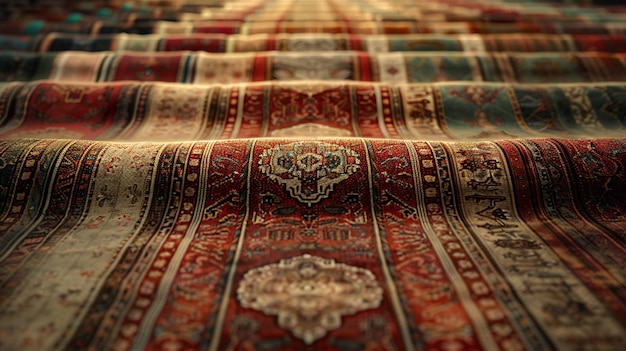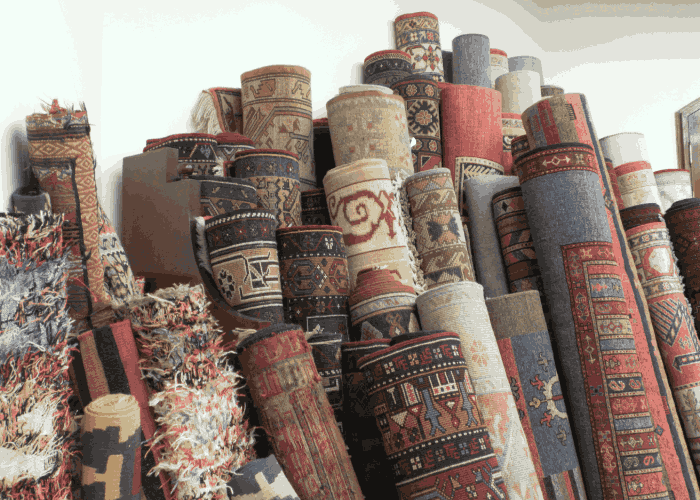
India’s rich tapestry of culture and craftsmanship has long been celebrated globally, and its carpets stand as a magnificent testament to this legacy. For centuries, Indian artisans have woven intricate stories into fibres, creating floor coverings that are not merely functional but true works of art. Today, we are witnessing a spectacular renaissance in India’s premium carpet industry, seamlessly blending age-old traditions with contemporary luxury demands.
This article invites you to embark on a fascinating journey through the heart of India’s carpet-making heritage. You will discover how the legendary Kashmiri silk rugs, renowned for their unparalleled fineness, continue to inspire while modern innovations cater to sophisticated global tastes. Prepare to unveil the meticulous craftsmanship, exquisite materials, and diverse designs that define the evolving landscape of Indian luxury carpets.
The Enduring Legacy: A Tapestry of History and Craftsmanship
The story of Indian carpets is deeply intertwined with its imperial past, particularly the Mughal Empire. It was during the 16th century, under the patronage of emperors like Akbar, that carpet weaving truly flourished, bringing Persian techniques and aesthetics to Indian soil. These early masterpieces were characterized by their intricate designs, vibrant natural dyes, and exceptional knot density.
Over generations, these skills were meticulously passed down, evolving into distinct regional styles. Each region developed its own unique identity, influenced by local flora, fauna, and cultural narratives. This rich historical foundation is what gives Indian carpets their profound depth and character today.
Geographical Hubs of Excellence
India is home to several prominent carpet weaving centres, each celebrated for its particular expertise and style. Understanding these hubs helps you appreciate the diverse range of carpets available.
- Kashmir: Synonymous with exquisite silk carpets, Kashmiri rugs are famed for their incredibly fine knotting, lustrous sheen, and intricate Persianate designs. The skill here is unparalleled, often resulting in pieces that feel like velvet underfoot.
- Mirzapur-Bhadohi Belt (Uttar Pradesh): This region is often called the “Carpet City of India” and is a major hub for both hand-knotted and hand-tufted carpets. It produces a vast array of designs, from traditional Persian and Mughal patterns to contemporary abstract styles, primarily using wool and wool-silk blends.
- Jaipur (Rajasthan): Known for its vibrant Dhurries (flat-woven rugs) and hand-knotted wool carpets, Jaipur incorporates traditional Rajasthani motifs and a lively colour palette. Its dhurries are particularly popular for their reversible nature and durability.
- Agra: Historically a significant centre during the Mughal era, Agra continues to produce high-quality wool and silk carpets with classic designs. Agra carpets are often recognized for their soft colour palettes and sophisticated patterns.
These regions represent not just manufacturing centres but living traditions, where entire communities are dedicated to preserving and perfecting the art of carpet weaving. The inherited skills and deep-rooted knowledge ensure that the craftsmanship remains authentic and of the highest quality.
The Art of Material Selection: Fibres of Distinction
The beauty and durability of a premium Indian carpet begin with the careful selection of its materials. Each fibre contributes unique characteristics, influencing the carpet’s texture, sheen, colour absorption, and overall feel. Indian artisans meticulously choose materials to achieve specific aesthetic and functional outcomes.
Kashmiri Silk: The Pinnacle of Luxury
When you think of ultimate luxury in carpets, Kashmiri silk often comes to mind. These carpets are woven from pure silk, renowned for its exceptional strength, natural sheen, and incredibly soft touch. The fineness of silk allows for an astonishingly high knot density, enabling weavers to create incredibly intricate and detailed patterns.
A true Kashmiri silk carpet shimmers under different lighting conditions, revealing the depth of its colours and the complexity of its motifs. Its delicate appearance belies its robust nature, making it a treasured heirloom that can last for generations. Owning a Kashmiri silk carpet is an experience in itself, a testament to refined taste.
Finest Wool: Durability Meets Elegance
Wool remains the most popular and versatile material for premium Indian carpets, celebrated for its natural resilience, warmth, and excellent dye-holding properties. The quality of wool can vary significantly, impacting the final product’s feel and longevity. High-quality wool carpets offer a perfect balance of comfort and durability.
Artisans often use premium wools such as New Zealand wool or indigenous Merino wool for their softness and strength. Hand-spun wool, in particular, offers a unique textural variation and a slightly irregular appearance that adds character and depth to the carpet. The use of natural, vegetable dyes further enhances the beauty, producing rich, nuanced colours that age gracefully.
Blends and Other Exotic Materials
To achieve specific textures, lusters, and performance characteristics, Indian weavers also expertly blend various fibres. Silk-wool blends are particularly popular, combining the sheen and detail of silk with the resilience and body of wool. This creates a carpet that offers the best of both worlds, often at a more accessible price point than pure silk.
- Bamboo Silk: A more sustainable and increasingly popular alternative, bamboo silk offers a similar luxurious sheen and softness to traditional silk. It is environmentally friendly and provides a beautiful drape and subtle lustre.
- Cotton: While rarely used for the pile of luxury carpets, cotton is frequently used for the foundation (warp and weft) of hand-knotted rugs. Its strength and stability provide a sturdy base upon which the knots are tied, ensuring the carpet maintains its shape and integrity.
The thoughtful combination of these materials allows for a vast spectrum of textures and visual effects, catering to diverse design preferences. You can find carpets that are sumptuously soft, ruggedly textured, or elegantly shimmering, all thanks to the mastery of material selection.
Mastery in Motion: Techniques that Define Indian Carpets
The creation of a premium Indian carpet is a labour of love, involving ancient techniques passed down through generations. Each method requires immense skill, patience, and a deep understanding of the materials. When you invest in an Indian carpet, you are not just buying a floor covering; you are acquiring a piece of woven artistry.
Hand-Knotted: The Soul of Indian Carpets
Hand-knotting is the most revered and time-honoured technique, producing carpets of unparalleled durability, intricacy, and value. This method involves individual knots being tied by hand around warp threads, then cut and tightly packed. The density of these knots, measured in knots per square inch (KPSI), is a primary indicator of a carpet’s quality and the complexity of its design.
Indian artisans primarily use two types of knots: the Persian (Senneh) knot and the Turkish (Ghiordes) knot. The choice of knot can subtly influence the carpet’s texture and how the design appears. A high KPSI means more detail, greater durability, and a finer, denser pile.
A single hand-knotted carpet can take months, or even years, to complete, a true testament to human dedication.
Hand-Tufted: Versatility and Design Freedom
Hand-tufting offers a more contemporary approach to carpet making while still retaining a handcrafted feel. In this technique, a pattern is stenciled onto a canvas backing, and a special tufting gun is used to punch individual yarn strands through the canvas. These loops are then secured with a latex backing and often covered with a secondary cloth backing.
Hand-tufted carpets can be created relatively faster than hand-knotted ones, making them a more accessible luxury. They offer immense design flexibility, allowing for a wide range of textures, pile heights, and intricate patterns. You can choose between a loop pile, where the yarn remains looped, or a cut pile, where the loops are sheared to create a plush, velvety surface.
Hand-Woven (Flatweave/Dhurries): Simplicity and Rustic Charm
Dhurries are flat-woven rugs, distinct from pile carpets, that have been an integral part of Indian homes for centuries. They are made by interweaving warp and weft threads to create a flat, reversible fabric. This technique results in a durable, lightweight, and often reversible rug that is perfect for high-traffic areas or for adding a touch of rustic elegance.
Indian dhurries, particularly from regions like Jaipur and Rajasthan, are celebrated for their bold geometric patterns, stripes, and vibrant colours. They offer a more casual yet stylish alternative to pile carpets, bringing a unique texture and aesthetic to your space. Their versatility makes them suitable for various interior design styles.
Hand-Loomed: Modern Interpretations
Hand-loomed carpets represent a blend of traditional weaving with modern efficiency. While still hand-operated, looms allow for a faster production process compared to individual hand-knotting. This technique is often used for creating contemporary designs with simpler patterns and textures.
Hand-loomed carpets can offer a sophisticated aesthetic with a clean finish, providing a durable and stylish option for modern interiors. They are an excellent choice if you are seeking the quality of handcrafted goods with a more streamlined look and often a more approachable price point.
Understanding these techniques helps you appreciate the immense skill and effort that goes into each carpet. Whether you choose the timeless artistry of a hand-knotted piece or the versatile charm of a hand-tufted rug, you are selecting a product of profound craftsmanship.
A Kaleidoscope of Design: From Timeless Motifs to Contemporary Statements
The visual appeal of Indian carpets is as diverse and vibrant as the country itself. From ancient imperial motifs to cutting-edge abstract art, the design vocabulary is rich and constantly evolving. You can find a carpet that perfectly complements your personal style and interior aesthetic, no matter how traditional or modern.
Traditional Mughal & Persianate Designs
The legacy of the Mughal Empire continues to inspire classical Indian carpet designs. These patterns often feature intricate floral motifs, such as lotuses, palmettes, and rosettes, arranged in symmetrical layouts. Medallions, often central to the design, are frequently surrounded by elaborate borders.
- Tree of Life: A highly symbolic motif representing growth, fertility, and immortality, often depicted with birds and animals.
- Buta (Paisley): A droplet-shaped vegetable motif, widely popular and used in various scales and interpretations.
- Garden Designs: Carpets designed to mimic formal Persian gardens, with clearly delineated sections and abundant flora.
These designs evoke a sense of timeless elegance and historical grandeur, bringing a touch of regal sophistication to any setting. They are perfect for creating a luxurious and traditional ambiance.
Regional Specialities and Folk Art
Beyond the classical Mughal patterns, various regions contribute their unique design elements, often reflecting local traditions, symbolism, and natural surroundings. These regional specialities add another layer of authenticity and charm to Indian carpets.
- Kashmiri Paisleys and Shawl Patterns: Drawing inspiration from the famous Pashmina shawls, Kashmiri carpets often feature intricate paisley motifs and highly detailed floral sprays.
- Mirzapur Geometrics: While also producing Persianate designs, Mirzapur carpets often feature bold geometric patterns, stripes, and simpler, more abstract motifs, particularly in their dhurries.
- Rajasthani Block Prints: Jaipur dhurries sometimes incorporate motifs reminiscent of traditional Rajasthani block printing, featuring stylized animals, folk art, and vibrant colour combinations.
Exploring these regional differences allows you to discover carpets with distinct personalities and stories, connecting you to the specific cultural heritage of their origin.
Modern & Abstract Designs: Contemporary Statements
In response to global design trends, Indian carpet manufacturers and artisans have embraced modern aesthetics, creating stunning contemporary pieces. These designs often depart from traditional motifs, incorporating abstract forms, minimalist patterns, and innovative colour palettes. You can find carpets that act as focal points in modern interiors, adding texture, color, and artistic flair.
- Abstract Expressionism: Bold brushstroke-like patterns, colour washes, and non-representational forms that evoke emotion and artistic freedom.
- Geometric Minimalism: Clean lines, simple shapes, and monochromatic or limited colour schemes that complement contemporary, minimalist décor.
- Transitional Designs: A harmonious blend of traditional elements reinterpreted with a modern twist, often using muted colours or simplified motifs.
This willingness to innovate ensures that Indian carpets remain relevant and desirable in today’s diverse interior design landscape. They demonstrate the versatility of Indian craftsmanship to adapt and lead in design.
Customization: Tailoring Your Vision
One of the significant advantages of India’s handcrafting tradition is the possibility of customization. Many premium carpet manufacturers offer bespoke services, allowing you to bring your unique vision to life. You can specify the exact dimensions, materials, colours, and even design motifs to create a carpet that is truly one-of-a-kind.
This level of personalization ensures that your carpet not only fits your space perfectly but also reflects your individual style and preferences. It transforms a floor covering into a personal statement, a unique piece of art crafted just for you.
The Investment Piece: Why Premium Indian Carpets are Worth It
Acquiring a premium Indian carpet is more than just a purchase; it’s an investment in art, heritage, and enduring quality. These carpets offer tangible and intangible benefits that extend far beyond their aesthetic appeal. When you choose a high-quality Indian rug, you are choosing a piece that will enrich your home and potentially appreciate in value over time.
Durability and Longevity: Built to Last
The meticulous hand-knotting technique, combined with the use of high-quality natural fibres like wool and silk, results in carpets of exceptional durability. Unlike machine-made rugs, hand-knotted carpets feature individual knots that are incredibly resilient to wear and tear. They are designed to withstand generations of foot traffic, often looking even better with age as the pile settles and develops a unique patina.
This inherent strength means your investment will provide warmth, comfort, and beauty for decades. You are buying a product that is not destined for landfill but rather for a long, cherished life in your home.
Artistic Value and Uniqueness: A Work of Art
Every hand-knotted Indian carpet is a unique creation, bearing the subtle marks of the artisan’s hand. No two pieces are ever exactly identical, making each carpet a singular work of art. The intricate designs, the nuanced colour variations from natural dyes, and the sheer effort involved elevate these carpets beyond mere décor items.
They are cultural artifacts, pieces of history, and expressions of human creativity. Displaying a premium Indian carpet is akin to showcasing a painting or a sculpture, adding profound artistic depth to your living space.
Enhancing Interior Aesthetics: Transforming Your Space
A well-chosen carpet has the power to utterly transform a room. It can anchor furniture, define zones within an open-plan space, and introduce warmth, texture, and colour. A premium Indian carpet, with its luxurious materials and intricate designs, immediately elevates the sophistication and comfort of any interior.
It acts as a unifying element, pulling together different design elements and creating a cohesive, inviting atmosphere. Whether you seek to add a pop of vibrant colour, a touch of traditional elegance, or a minimalist textural statement, there is an Indian carpet to fulfill your vision.
Sustainability and Ethical Sourcing: Conscientious Luxury
In an era of increasing environmental and social consciousness, premium Indian carpets often stand out for their sustainable and ethical production practices. The reliance on natural fibres like wool and silk, often dyed with vegetable colours, minimizes environmental impact. Handcrafting itself is a low-energy process, reducing carbon footprint compared to industrial manufacturing.
Furthermore, many reputable Indian carpet producers are committed to fair trade practices, ensuring artisans receive fair wages and work in safe conditions. By choosing a premium Indian carpet, you are often supporting traditional communities, preserving ancient skills, and making a purchase that aligns with your values of responsible consumption.
Here’s a comparison of key characteristics for different premium Indian carpet types:
| Characteristic | Kashmiri Silk | Hand-Knotted Wool (Mirzapur/Agra) | Hand-Tufted (Bhadohi) | Hand-Woven Dhurrie (Jaipur) |
|---|---|---|---|---|
| Primary Material | 100% Pure Silk | High-Quality Wool (e.g., New Zealand, Merino) | Wool, Wool-Silk Blends | Cotton, Wool |
| Technique | Hand-Knotted | Hand-Knotted | Hand-Tufted | Hand-Woven (Flatweave) |
| Knot Density (KPSI) | Very High (200-1000+) | Medium to High (80-300) | N/A (Tufted) | N/A (Flatweave) |
| Texture/Feel | Extremely Soft, Silky, Lustrous | Soft, Resilient, Warm | Plush (Cut Pile), Textured (Loop Pile) | Flat, Firm, Reversible |
| Typical Designs | Intricate Persianate, Floral, Medallion | Traditional Mughal, Persianate, Contemporary | Modern Abstract, Geometric, Transitional | Geometric, Stripes, Folk Art, Tribal |
| Durability | High (with proper care) | Very High | Medium to High | High |
| Price Range | Premium/Investment Grade | High-End Luxury | Mid-Range Luxury | Accessible Luxury |
| Ideal Placement | Low-traffic areas, Wall Hangings, Master Bedrooms | Living Rooms, Dining Rooms, Bedrooms | Living Rooms, Bedrooms, Offices | High-traffic areas, Kitchens, Casual Spaces |
Navigating the Market: A Buyer’s Guide to Premium Indian Carpets
Investing in a premium Indian carpet requires a discerning eye and some foundational knowledge. With so many options available, knowing what to look for will help you make an informed decision and ensure you acquire a piece that brings lasting joy and value. Here’s how you can confidently navigate the market.
Understanding Quality Metrics
Several key factors determine the quality and value of a premium Indian carpet. Being aware of these will empower you to make an educated choice.
- Knot Density (KPSI): For hand-knotted carpets, this is paramount. Higher KPSI indicates finer detail, more labour, and generally a higher quality. You can often see the knots on the back of the carpet; a denser weave means a better rug.
- Material Purity: Ensure the fibres are as stated. For silk, check for natural sheen and softness. For wool, look for resilience and a healthy lustre. Reputable dealers will provide clear material specifications.
- Dye Fastness: High-quality carpets, especially those using natural dyes, should have colourfast dyes that do not bleed or fade easily. A quick rub with a damp white cloth in an inconspicuous area can sometimes indicate dye stability.
- Construction Integrity: Examine the back of the carpet. The knots should be uniformly tied and tightly packed. The edges and fringes should be neatly finished and securely attached.
Where to Purchase: Trusted Sources
The source of your carpet is crucial for ensuring authenticity and quality. It is always recommended to buy from established and reputable vendors.
- Specialized Carpet Showrooms: These offer a curated selection, expert advice, and often have a direct relationship with weavers. You can physically inspect the carpet and understand its nuances.
- Artisan Cooperatives and Workshops: For a more direct connection to the craft, consider purchasing from cooperatives or workshops, especially when visiting India. This often supports local communities directly.
- Reputable Online Platforms: Many high-end dealers have excellent online stores, providing detailed descriptions, high-resolution images, and return policies. Always check reviews and the seller’s reputation.
Avoid buying from roadside vendors or unknown pop-up sales, as authenticity and quality can be questionable.
Authenticity and Certification
When purchasing a high-value carpet, inquire about any certifications or guarantees. Some manufacturers provide certificates of authenticity detailing the carpet’s materials, origin, technique, and age. While not universal, these can provide added assurance, especially for antique or very high-end pieces.
A trustworthy dealer will be transparent about the carpet’s provenance and be able to answer all your questions about its construction and materials. Do not hesitate to ask for detailed information.
Maintenance and Care: Preserving Your Investment
Proper care is essential to preserve the beauty and longevity of your premium Indian carpet. With a little attention, your rug will remain a cherished possession for many years.
- Regular Vacuuming: Vacuum regularly, but avoid using a beater bar, especially on delicate silk or antique rugs. Use a suction-only setting to remove dust and loose dirt.
- Rotate Periodically: Rotate your carpet every 6-12 months to ensure even wear and exposure to light, preventing localized fading.
- Address Spills Immediately: Blot spills with a clean white cloth, working from the outside in. Avoid rubbing, which can spread the stain. For stubborn stains, consult a professional.
- Professional Cleaning: Have your carpet professionally cleaned every 3-5 years, or more often in high-traffic areas. Ensure the cleaner specializes in hand-knotted rugs and understands the specific fibres and dyes used.
- Protect from Direct Sunlight: Prolonged exposure to direct sunlight can cause fading. Use curtains or blinds to protect your carpet during peak sun hours.
By following these guidelines, you can ensure your premium Indian carpet remains a vibrant and beautiful centrepiece in your home for generations.
Conclusion
The journey through India’s premium carpet renaissance reveals a world where ancient traditions meet modern luxury, creating pieces that are truly extraordinary. From the silken whispers of Kashmiri masterpieces to the robust elegance of Mirzapur wool, each carpet tells a story of unparalleled craftsmanship, artistic vision, and enduring heritage. You have seen how meticulous material selection, time-honoured techniques, and diverse design philosophies converge to produce floor coverings that are much more than mere decor.
Investing in an Indian carpet is an affirmation of quality, artistry, and ethical production. It is an opportunity to bring a piece of living history and breathtaking beauty into your home, enhancing your space with warmth, texture, and a unique narrative. As you consider your next purchase, remember the dedication of the artisans and the rich legacy woven into every fibre.
Embrace this renaissance and discover the perfect premium Indian carpet that resonates with your style and becomes a treasured heirloom for years to come. Your home deserves nothing less than the timeless elegance and profound artistry that these magnificent creations offer.
Frequently Asked Questions (FAQ)
Q1: What makes Indian carpets “premium”?
A1: Premium Indian carpets are distinguished by several factors: the use of high-quality natural materials like pure silk or fine wool, intricate hand-knotting or other skilled handcrafted techniques, high knot density, colourfast natural dyes, and unique, often complex designs. They represent significant artistic and labour investment.
Q2: How do I distinguish between a hand-knotted and a hand-tufted carpet?
A2: You can distinguish them by examining the back. A hand-knotted carpet will show the individual knots and mirror the design on the front, indicating a continuous weave. A hand-tufted carpet will have a canvas backing with a layer of latex or fabric glued over it, as the yarn is punched through and not individually knotted.
Q3: Are Indian carpets sustainable?
A3: Many premium Indian carpets are highly sustainable. They often use natural, renewable fibres like wool and silk, and vegetable dyes. The handcrafting process is low-energy, and many manufacturers adhere to fair trade practices, supporting local communities and reducing environmental impact.
Always inquire about the specific sourcing and production ethics of your chosen vendor.
Q4: How should I care for my premium hand-knotted carpet?
A4: Regular care includes gentle vacuuming (without a beater bar), rotating the carpet periodically for even wear, and immediately blotting any spills. Professional cleaning by a specialist in hand-knotted rugs is recommended every 3-5 years. Avoid direct, prolonged sunlight to prevent fading.
Q5: What is the typical lifespan of a hand-knotted Indian carpet?
A5: With proper care and maintenance, a high-quality hand-knotted Indian carpet can last for many decades, often becoming a cherished family heirloom. Some antique pieces are hundreds of years old and still retain their beauty and structural integrity, showcasing their incredible longevity.
Q6: Can I get a custom-designed carpet in India?
A6: Yes, many premium carpet manufacturers and artisans in India offer bespoke services. You can often specify dimensions, materials, colours, and even unique design motifs to create a carpet that perfectly matches your vision and interior space. This allows for unparalleled personalization.