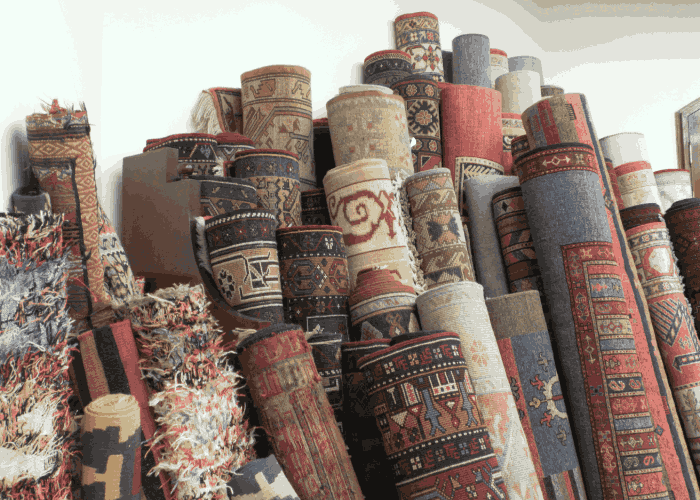
Have you ever considered that the exquisite rug beneath your feet could be more than just a decorative item? What if it were a tangible asset, an appreciating masterpiece, a piece of history woven into threads that could secure your financial future? We invite you to explore the fascinating intersection of art, culture, and investment potential within India’s burgeoning premium carpet market.
India, a land renowned for its rich heritage and unparalleled craftsmanship, is now emerging as a global powerhouse in the luxury carpet industry. This isn’t merely about aesthetics; it’s about discerning investment opportunities. You are on the cusp of discovering why these hand-knotted marvels are capturing the attention of collectors, investors, and luxury enthusiasts worldwide.
This comprehensive guide will illuminate the intricate world of Indian premium carpets. We will delve into their historical significance, the unique factors driving their market boom, and how you can identify and invest in these magnificent pieces of textile art. Prepare to embark on a journey that redefines your perception of floor coverings, transforming them into valuable heirloom investments.
The Tapestry of Time: India’s Enduring Carpet Legacy
India’s relationship with carpet weaving stretches back centuries, a legacy deeply intertwined with its royal courts and cultural fabric. This tradition was significantly influenced by the Mughal emperors, who brought Persian weaving techniques to India in the 16th century. Under their patronage, Indian artisans began to combine these intricate foreign styles with indigenous motifs and materials, creating a unique aesthetic.
The resulting masterpieces were not just floor coverings; they were symbols of power, wealth, and artistic sophistication. They adorned palaces, mosques, and noble homes, telling stories through their vibrant patterns and meticulous craftsmanship. This rich history has endowed Indian carpets with an inherent value that transcends mere utility.
Today, this heritage continues to thrive, sustained by generations of skilled weavers who have passed down their knowledge and techniques. When you invest in an Indian premium carpet, you are not just acquiring an object; you are becoming a custodian of a living art form, a piece of India’s glorious past and vibrant present.
From Mughal Courts to Modern Mansions: A Historical Overview
The golden age of Indian carpet weaving began under Emperor Akbar, who established royal workshops in Agra and Lahore. These workshops attracted master weavers from Persia, who then trained local artisans. This fusion led to the development of distinct Indo-Persian designs, characterized by lush floral patterns, intricate medallions, and a rich color palette.
Over the centuries, different regions developed their own unique styles and techniques. Kashmir became renowned for its silk carpets, while Bhadohi emerged as a major weaving hub for wool and blends. These regional variations added depth and diversity to the Indian carpet landscape, creating a vast array of choices for discerning collectors.
Even through periods of colonial rule and economic shifts, the art of carpet weaving persisted. Indian carpets continued to be prized globally, adorning homes and institutions across Europe and America. This enduring appeal speaks volumes about their quality and timeless beauty, cementing their place in art history.
Why Invest in Indian Premium Carpets? Beyond Aesthetic Appeal
You might be wondering what elevates a carpet from a decorative item to a sound investment. The answer lies in a confluence of factors that make premium Indian carpets particularly attractive to investors. These assets offer a unique blend of artistic merit, historical significance, and tangible value that can appreciate over time.
Unlike many other investment vehicles, carpets offer both aesthetic enjoyment and potential financial returns. They are not merely stored away in a vault; they can enrich your living space while simultaneously growing in worth. This dual benefit makes them a compelling choice for those looking to diversify their portfolios with alternative assets.
The Art of Appreciation: Tangible Asset Value
Premium hand-knotted carpets, especially those with exceptional craftsmanship, rare materials, and significant provenance, have a proven track record of appreciation. Their value is driven by scarcity, the labor-intensive production process, and the enduring demand from collectors and luxury consumers. You are investing in a finite resource, each piece unique.
Consider the parallel with fine art or antiques; as the supply of truly high-quality, authentic pieces diminishes, their value tends to climb. The skills required to create these masterpieces are not easily replicated, and the time invested in each piece is immense. This intrinsic value forms the bedrock of their investment potential.
Furthermore, the global recognition of Indian craftsmanship ensures a broad market for these items. Whether you are looking to pass them down as heirlooms or eventually sell them, their universal appeal enhances their liquidity. Your investment is backed by centuries of tradition and a global appreciation for artistry.
Scarcity, Craftsmanship, and Provenance: Pillars of Value
The true value of a premium carpet lies in its singularity. Each hand-knotted carpet is a unique creation, bearing the subtle imperfections and individual touch of its weaver. This inherent scarcity, coupled with the extraordinary skill involved, makes them irreplaceable.
You are acquiring a one-of-a-kind artwork.
The craftsmanship involved is astounding, with some carpets taking years to complete, knot by painstaking knot. The density of knots, the intricacy of the design, and the quality of the dyes and materials all contribute to its value. This labor-intensive process ensures that mass production can never replicate the essence of a premium hand-knotted piece.
Provenance, or the history of ownership, also plays a crucial role in establishing value. A carpet that can be traced back to a specific royal family, an important collector, or a renowned workshop often commands a higher price. Authentic documentation and a clear history can significantly enhance your investment’s appeal and market value.
Market Dynamics: Fueling the Boom in India’s Premium Carpet Sector
The current surge in the Indian premium carpet market is not accidental; it is the result of several powerful economic and social forces converging. As an investor, understanding these dynamics will help you appreciate the robust growth trajectory of this sector. You are entering a market with strong fundamentals and significant upward potential.
From increasing disposable incomes to a global resurgence in appreciation for artisanal products, the conditions are ripe for continued expansion. India’s strategic position as a manufacturing hub, combined with its rich cultural heritage, places it at the forefront of this booming market. These factors create a compelling narrative for investment.
Rising Disposable Incomes and Luxury Consumption
India’s rapidly expanding middle and upper classes are experiencing a significant increase in disposable income. This demographic shift is fueling a surge in luxury consumption, with individuals seeking high-quality, distinctive items for their homes. You will find that premium carpets fit perfectly into this growing demand for exquisite home decor.
Concurrently, there’s a global trend among affluent consumers towards unique, handcrafted items that tell a story. Mass-produced goods are losing their appeal in favor of bespoke, artisanal products that reflect personal taste and values. This shift directly benefits the premium hand-knotted carpet market, where each piece is a work of art.
As more people recognize carpets as both art and investment, the demand continues to outstrip supply for truly exceptional pieces. This creates a strong seller’s market for top-tier carpets, contributing to their appreciating value. You are well-positioned to capitalize on these evolving consumer preferences.
Global Demand and Export Prowess
India is one of the world’s largest exporters of hand-knotted carpets, with a significant share of the global market. Countries across North America, Europe, and the Middle East consistently seek out Indian craftsmanship. This robust international demand provides a stable and expanding market for your potential investments.
The reputation of Indian carpets for quality, durability, and intricate design is well-established worldwide. This global recognition ensures that there is always a market for high-quality pieces, whether you are buying or selling. You benefit from a long-standing tradition of excellence that resonates with international buyers.
Furthermore, government initiatives and trade promotions actively support the carpet industry, facilitating exports and encouraging innovation. This supportive ecosystem helps maintain India’s competitive edge and ensures continued growth in the global marketplace. Your investment is supported by a strong national and international framework.
The Digital Revolution: E-commerce and Accessibility
The advent of e-commerce platforms has democratized access to the premium carpet market, connecting buyers and sellers globally like never before. Online galleries, specialized marketplaces, and social media have made it easier for you to discover, research, and purchase exquisite carpets from India. This increased accessibility broadens the potential investor base.
High-quality photography, virtual showrooms, and detailed product descriptions now allow you to examine carpets with unprecedented clarity from anywhere in the world. This transparency builds trust and empowers informed decision-making. You can explore a vast array of options without geographical limitations.
The digital realm also facilitates greater market efficiency and price discovery. This means you have better access to competitive pricing and a wider selection of investment-grade pieces. The fusion of traditional art with modern technology is propelling the market forward, making it more dynamic and accessible for you.
Identifying Investment-Grade Carpets: What to Look For
Investing in premium carpets requires a discerning eye and a solid understanding of what constitutes true value. Not all carpets are created equal, and knowing the key indicators of an investment-grade piece is crucial. You need to equip yourself with the knowledge to make informed decisions and avoid common pitfalls.
This section will guide you through the essential criteria that experts use to evaluate carpets. By focusing on these attributes, you can confidently select pieces that have the highest potential for appreciation and long-term value. Let’s delve into the specifics that define a truly valuable carpet.
Age and Rarity: The Vintage Advantage
Generally, older carpets of good quality tend to be more valuable, especially those considered antique (over 100 years old) or semi-antique (50-100 years old). Their rarity, surviving condition, and historical context contribute significantly to their worth. You are investing in a piece of history that has stood the test of time.
However, age alone is not sufficient; the carpet must also be rare in its design, material, or origin. A common, mass-produced older piece will not command the same value as a unique, hand-knotted masterpiece from a renowned period or region. Look for distinctive characteristics that set a carpet apart from others.
Modern carpets can also be investment-grade if they are exceptionally well-made, designed by renowned artists, or represent a significant innovation in weaving. These are often referred to as “collectible contemporary” pieces. You should consider the unique story and artistic merit of each carpet, regardless of its age.
Material Quality: The Foundation of Excellence
The materials used are paramount to a carpet’s value and longevity. Premium carpets are typically made from high-quality natural fibers such as silk, wool, or a blend of both. You should prioritize carpets made from the finest grades of these materials, as they contribute to durability, luster, and overall aesthetic appeal.
Silk: Renowned for its unparalleled sheen, strength, and ability to hold intricate detail, silk carpets are often among the most valuable. Kashmir silk carpets, for example, are highly prized. You will find that pure silk carpets have a luxurious feel and a vibrant play of light.
Wool: High-quality wool, particularly from specific breeds like Merino or from certain regions (e.g., Ghazni wool), offers excellent durability, resilience, and a rich, soft texture. The quality of wool impacts how well the carpet takes dye and resists wear. You should look for wool that feels dense and lanolin-rich.
Dyes: Natural dyes, derived from plants and insects, are often preferred over synthetic dyes for their subtle variations, depth of color, and ability to age beautifully. Carpets with natural dyes tend to develop a desirable patina over time. You will notice a more organic and harmonious color palette in naturally dyed pieces.
Craftsmanship and Knot Density: The Art of Weaving
The quality of craftsmanship is perhaps the most critical factor. This is measured by knot density, intricacy of design, and the precision of the weaving. A higher knot density (more knots per square inch) indicates a finer, more detailed carpet and requires significantly more skill and time to produce.
You should examine the back of the carpet to assess knot count and consistency.
The precision of the design, the clarity of the motifs, and the evenness of the pile are all indicators of superior craftsmanship. Look for clean lines, well-defined patterns, and a consistent weave throughout the carpet. Any irregularities should be minor and contribute to its handmade charm, rather than detract from its quality.
The type of knot also matters. While most Indian carpets use the asymmetrical (Persian or Senneh) knot or symmetrical (Turkish or Ghiordes) knot, the consistency and tightness of these knots are key. You want to see a firm, even structure that speaks to the weaver’s expertise and dedication.
Design, Pattern, and Aesthetics: Timeless Beauty
While personal taste plays a role, certain designs and patterns are universally recognized for their artistic merit and historical significance. Classic Persian-inspired motifs, traditional Indian patterns, and unique regional designs often hold greater value. You should seek out designs that are balanced, harmonious, and visually captivating.
Originality of design is also important. Carpets that showcase innovative patterns or a unique interpretation of traditional motifs can be highly sought after. Avoid pieces with overly generic or mass-produced designs, as these are less likely to appreciate.
You want a carpet that stands out as a unique artistic expression.
The overall aesthetic appeal, including the color harmony and composition, contributes to a carpet’s desirability. A well-designed carpet will draw your eye and maintain its beauty for generations. You are investing in a piece of art that will continue to inspire and delight.
Condition and Repairs: Preserving Value
The condition of a carpet significantly impacts its value. Ideally, you want a piece that is in excellent, original condition with minimal wear and tear. Minor wear is acceptable for antique pieces, but extensive damage or poor repairs can drastically reduce its worth.
You should carefully inspect the pile, fringes, and edges.
Be wary of carpets that have undergone significant restoration or extensive re-piling, as these interventions can sometimes diminish authenticity and value. Professional, discreet repairs by expert conservators are generally more acceptable than amateur attempts. Always inquire about any repairs a carpet may have had.
A professional appraisal will often detail the condition report, including any existing or past repairs. You should always seek this level of transparency when considering a significant investment. Understanding the condition helps you assess both current value and potential future maintenance costs.
Key Weaving Regions of India and Their Specialties
India’s vast landscape is dotted with numerous weaving centers, each boasting its own distinct style, techniques, and materials. Understanding these regional specialties is crucial for you to identify and appreciate the diversity of Indian premium carpets. Each region offers a unique artistic signature.
By familiarizing yourself with these hubs, you can better navigate the market and pinpoint carpets that align with your investment goals and aesthetic preferences. Let’s explore some of the most prominent weaving regions and what makes their carpets truly special.
Kashmir: The Epitome of Silk Elegance
Kashmir is arguably the most famous region for silk carpets in India, renowned for its exquisitely fine and intricate designs. Kashmiri carpets are typically hand-knotted with pure silk on a silk foundation, resulting in an exceptionally soft, lustrous, and durable pile. You will immediately recognize their luxurious feel and vibrant sheen.
The patterns often draw inspiration from Persian and Mughal motifs, featuring delicate floral designs, paisleys, and intricate hunting scenes. The knot density in Kashmiri silk carpets can be exceptionally high, allowing for incredibly detailed and complex imagery. Every knot is a testament to the weaver’s skill.
These carpets are considered among the finest in the world and command premium prices. When you invest in a Kashmiri silk carpet, you are acquiring a piece of unparalleled elegance and artistic mastery. They are not just floor coverings; they are wall hangings, objects of art to be admired.
Bhadohi-Mirzapur Belt: The Carpet Capital
Located in Uttar Pradesh, the Bhadohi-Mirzapur belt is often referred to as the “Carpet City of India” and is the largest carpet weaving cluster in the country. This region is known for its versatility, producing a wide range of carpets from wool, silk, and various blends. You will find a vast array of styles originating here.
Bhadohi is famous for its hand-knotted wool rugs, often featuring traditional Persian designs, contemporary patterns, and Indo-Tibetan styles. The craftsmanship is excellent, and the region has adapted to meet diverse global demands. Their ability to produce high-quality carpets across different price points makes them a significant player.
The region’s strength lies in its extensive network of skilled weavers and its capacity for large-scale production of high-quality pieces. When you choose a carpet from Bhadohi, you are tapping into a robust industry built on generations of weaving expertise. Their craftsmanship is recognized globally.
Jaipur: Royal Grandeur and Bold Designs
Jaipur, the “Pink City” of Rajasthan, has a rich history of royal patronage for carpet weaving. Jaipur carpets are known for their bold colors, intricate patterns, and often feature traditional Mughal and Persian designs, as well as unique local motifs. You will notice a distinct vibrancy in their palette.
Many Jaipur carpets are hand-knotted using high-quality wool, sometimes with silk accents, and are celebrated for their durability and visual impact. The weaving tradition here dates back to the 17th century, sustained by royal workshops. Investing in a Jaipur carpet means acquiring a piece steeped in regal history.
The region is also known for producing flatweave dhurries, which, while different from pile carpets, also represent a significant artistic tradition. However, for investment-grade pieces, focus on the hand-knotted wool and silk varieties. You will find that Jaipur carpets often exude a sense of grandeur and timeless appeal.
Agra: Historical Significance and Classic Aesthetics
Agra, home to the Taj Mahal, holds a significant place in the history of Indian carpet weaving, having been one of the primary centers during the Mughal era. Agra carpets are characterized by their classic Persianate designs, often featuring central medallions and intricate floral motifs. You will appreciate their timeless and elegant aesthetic.
Historically, Agra carpets were made with high-quality wool and natural dyes, known for their soft pile and rich, harmonious colors. While the industry saw a decline, there has been a resurgence in recent years, with weavers aiming to revive the traditional glory. You can find excellent reproductions and antique pieces.
Antique Agra carpets, particularly those from the 19th and early 20th centuries, are highly sought after by collectors due to their historical significance and exceptional craftsmanship. These pieces represent a direct link to the golden age of Indian weaving. Your investment in an Agra carpet connects you to this illustrious past.
The Importance of Authenticity and Certification
In the world of art and collectibles, authenticity is paramount, and premium carpets are no exception. For you to make a secure and valuable investment, verifying the authenticity, origin, and quality of a carpet is absolutely essential. This step protects your investment and ensures its long-term appreciation.
Without proper documentation and expert appraisal, even the most beautiful carpet carries a significant risk. You need to be confident that what you are buying is precisely what it claims to be, both in terms of materials and craftsmanship. This due diligence is a cornerstone of smart investing.
Expert Appraisal and Valuation
Always seek an appraisal from a reputable, independent carpet expert or appraiser. These professionals possess the knowledge and experience to accurately assess a carpet’s age, origin, materials, knot density, condition, and overall market value. You should never rely solely on the seller’s claims.
An appraisal report will provide a detailed description of the carpet and an estimated value, which is crucial for insurance purposes, resale, and estate planning. This document serves as an objective verification of your investment’s worth. You gain peace of mind and a tangible record of value.
A good appraiser can also identify any repairs, restorations, or potential issues that might affect a carpet’s value. Their unbiased assessment is invaluable in helping you make an informed purchasing decision. You are essentially getting a second, expert opinion before committing your capital.
Certificates of Authenticity and Provenance
When purchasing a premium carpet, especially from a gallery or established dealer, always request a Certificate of Authenticity (COA). This document should detail the carpet’s key characteristics, including its origin, materials, age, and any unique features. You want a clear and verifiable record of your purchase.
Furthermore, any available documentation regarding the carpet’s provenance (history of ownership) can significantly enhance its value. Records of previous owners, exhibition history, or mentions in publications add layers of credibility and desirability. You are investing in a piece with a traceable history.
Be cautious of sellers who cannot provide such documentation or who offer vague descriptions. A legitimate dealer will be transparent and provide all necessary information to assure you of your purchase’s authenticity. Your vigilance in this area will safeguard your investment.
Caring for Your Investment: Preservation Tips
Once you have acquired a valuable premium carpet, its long-term preservation becomes paramount. Proper care and maintenance are essential to safeguard its condition, beauty, and investment value. You need to treat your carpet not just as decor, but as a cherished artwork requiring specific attention.
Neglecting proper care can lead to premature wear, damage, and a significant depreciation in value. By following these guidelines, you can ensure your carpet remains a stunning and valuable asset for generations to come. Your proactive approach to care will pay dividends in the long run.
Here are some crucial tips for maintaining your premium carpet:
- Regular, Gentle Cleaning: Vacuum your carpet regularly with a low-suction setting, avoiding the fringes. For deep cleaning, always employ professional carpet cleaners specializing in hand-knotted rugs. You should never use harsh chemicals or steam cleaners, as these can damage natural fibers and dyes.
- Rotate Periodically: Rotate your carpet 180 degrees every 6-12 months to ensure even wear from foot traffic and sunlight exposure. This helps prevent one area from showing disproportionate wear. You are distributing the impact of daily use across the entire surface.
- Protect from Direct Sunlight: Prolonged exposure to direct sunlight can cause colors to fade. Use curtains, blinds, or UV-filtering window films to protect your carpet. You want to preserve the vibrancy of its dyes.
- Address Spills Immediately: Blot spills immediately with a clean, white cloth. Do not rub, as this can spread the stain and push it deeper into the fibers. For stubborn stains, consult a professional. Your quick action can prevent permanent damage.
- Use a Quality Rug Pad: A good quality rug pad provides cushioning, prevents slipping, and protects both the carpet and the floor beneath. It also helps absorb impact, extending the life of your carpet. You are adding an extra layer of protection.
- Avoid Heavy Furniture Pressure: Place furniture glides or cups under heavy furniture legs to prevent crushing the pile and leaving permanent indentations. Periodically shift furniture slightly to allow the pile to recover. You are safeguarding the integrity of the weave.
- Pest Control: Moths and other insects can cause significant damage to wool and silk carpets. Regularly inspect your carpet for signs of pests and consider professional pest control or natural repellents. You need to actively protect your investment from biological threats.
- Professional Restoration for Damage: If your carpet suffers damage (e.g., tears, unraveling), do not attempt DIY repairs. Seek out an experienced professional carpet conservator or restorer. Their specialized skills can restore your carpet without diminishing its value.
Market Trends and Future Outlook
The premium carpet market is dynamic, constantly evolving with changing tastes and global influences. As an investor, understanding current trends and future projections will help you position yourself strategically. You are looking at a market that blends tradition with innovation, offering exciting opportunities.
The future of India’s premium carpet market appears robust, driven by a confluence of factors that reinforce its status as a valuable asset class. Emerging trends suggest continued growth and diversification, broadening the appeal of these exquisite pieces.
Sustainability and Ethical Sourcing
There is a growing global demand for ethically sourced and sustainably produced goods. This trend is significantly impacting the carpet industry, with consumers increasingly seeking carpets made from natural, renewable fibers and produced under fair labor practices. You will find that carpets with sustainability certifications are gaining traction.
Indian manufacturers are responding by adopting more environmentally friendly dyeing processes, using organic materials, and ensuring fair wages for weavers. This commitment to sustainability not only appeals to conscious consumers but also enhances the long-term value and reputation of Indian carpets. Your investment can align with your values.
Customization and Bespoke Creations
The luxury market increasingly values unique, personalized items. The ability to commission bespoke carpets, tailored to specific design preferences, dimensions, and color palettes, is a growing trend. This offers you the opportunity to create a truly one-of-a-kind investment piece.
Many premium Indian carpet manufacturers now offer customization services, allowing clients to collaborate on design and material choices. These bespoke creations, especially when executed by master artisans, can hold significant value due to their uniqueness and personalized appeal. You can own a piece that is uniquely yours.
Technological Integration for Design and Marketing
Advancements in design software and digital visualization tools are allowing for the creation of incredibly intricate and innovative carpet patterns. While the weaving remains traditional, the design process is becoming more sophisticated, pushing artistic boundaries. You are witnessing a blend of ancient craft and modern innovation.
Furthermore, virtual reality (VR) and augmented reality (AR) technologies are enhancing the online shopping experience, allowing you to visualize carpets in your own space before purchase. This technological integration makes the market more engaging and accessible, attracting a new generation of buyers. Your access to these pieces is becoming seamless.
Projected Market Growth
Industry reports consistently project significant growth for the global luxury carpet market, with India playing a pivotal role. Factors such as increasing disposable incomes, growth in luxury real estate, and a renewed appreciation for handcrafted items are driving this expansion. You are investing in a sector with a clear growth trajectory.
Analysts anticipate a steady increase in market size over the next decade, with premium hand-knotted carpets leading the charge. This optimistic outlook underscores the potential for appreciation in your carpet investments. The demand for quality and authenticity continues to rise.
Here is a plausible projection for the Indian Premium Carpet Market (exports only), demonstrating its growth potential:
| Year | Projected Export Value (USD Billions) | Annual Growth Rate (%) |
|---|---|---|
| 22023 | 1.85 | – |
| 2024 | 1.98 | 7.0% |
| 2025 | 2.15 | 8.6% |
| 2026 | 2.35 | 9.3% |
| 2027 | 2.58 | 9.8% |
| 2028 | 2.85 | 10.5% |
(Note: These figures are illustrative projections based on general industry trends and expert outlooks, not specific, real-time market data.)
Risks and Considerations for the Savvy Investor
While the investment potential of premium Indian carpets is compelling, it’s crucial for you to approach this market with a balanced perspective. Like any investment, there are inherent risks and important considerations that you must be aware of. Understanding these challenges will help you mitigate potential downsides.
A well-informed investor is a successful investor. By acknowledging these factors, you can make more prudent decisions and protect your valuable assets. Let’s examine some of the key risks and considerations you should keep in mind.
The Challenge of Fakes and Reproductions
The popularity and high value of premium carpets unfortunately attract unscrupulous individuals who produce fakes or misrepresent reproductions as genuine antiques. It can be challenging for an untrained eye to distinguish between an authentic, high-value piece and a clever imitation. You must exercise extreme caution.
This risk underscores the critical importance of expert appraisal and purchasing from reputable dealers with a proven track record. Always verify provenance and request certificates of authenticity. Your due diligence is your primary defense against counterfeit products.
Market Fluctuations and Liquidity
While premium carpets generally appreciate, their value can be subject to market fluctuations influenced by economic conditions, changing fashion trends, and shifts in collector demand. Unlike stocks or bonds, carpets are not highly liquid assets; selling a high-value piece can take time. You should be prepared for this extended sales cycle.
The resale market for unique works of art requires patience and connections within the collector community. You may not be able to liquidate your investment as quickly as more conventional assets. Consider this a long-term investment rather than a short-term trade.
Storage, Insurance, and Maintenance Costs
Owning a valuable carpet comes with ongoing costs. Proper storage to prevent damage from pests, moisture, or light is essential, especially if the carpet is not displayed. Insurance against theft, fire, or accidental damage is also a necessity to protect your investment.
You need to factor these expenses into your budget.
Furthermore, periodic professional cleaning and any necessary repairs by qualified conservators are crucial for maintaining the carpet’s condition and value. These maintenance costs, while essential, add to the overall expense of ownership. You are committing to the ongoing care of a valuable asset.
Lack of Regulated Market and Price Transparency
Unlike financial markets, the art and antique carpet market is less regulated and can lack transparent pricing mechanisms. Prices can vary significantly between dealers, and establishing a precise market value can be subjective. You might find it challenging to compare prices directly.
This highlights the importance of extensive research, consulting multiple experts, and developing a keen understanding of market dynamics before making a purchase. Your personal knowledge and network will be invaluable in navigating this less transparent environment.
Conclusion: Weaving Your Financial Future
The journey through India’s premium carpet market reveals a world where artistry, history, and investment potential converge. You have discovered that these magnificent hand-knotted creations are far more than just floor coverings; they are tangible assets, cultural treasures, and smart investments poised for significant appreciation.
From the intricate silk masterpieces of Kashmir to the robust wool rugs of Bhadohi, India’s weaving legacy offers an unparalleled diversity of investment-grade pieces. The confluence of rising global demand, increasing luxury consumption, and a renewed appreciation for artisanal craftsmanship is fueling a robust and expanding market. You stand at the threshold of a unique investment opportunity.
By understanding the critical factors of age, material, craftsmanship, and provenance, and by diligently seeking expert advice and authentic documentation, you can confidently navigate this exciting landscape. Investing in Indian premium carpets allows you to diversify your portfolio with assets that offer both aesthetic pleasure and substantial financial returns.
As you consider your next investment, we encourage you to look beyond traditional assets and explore the enduring beauty and burgeoning value of India’s premium carpets. Embrace the art, cherish the history, and weave a stronger financial future with these timeless treasures. You are not just buying a carpet; you are acquiring a legacy.