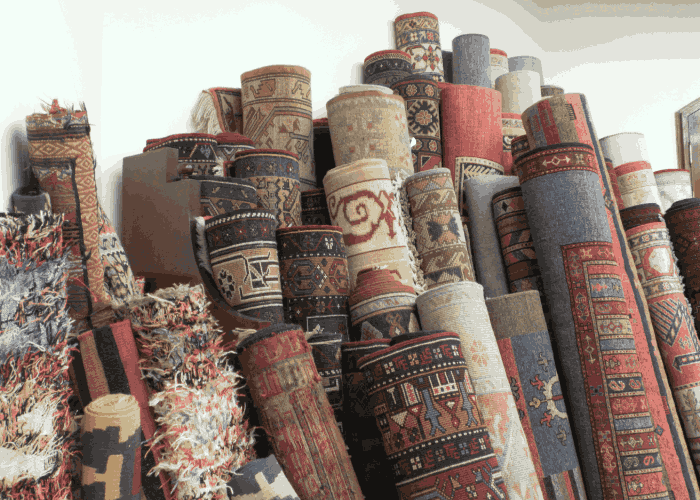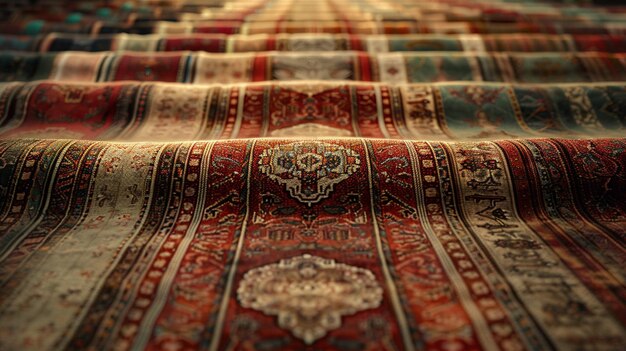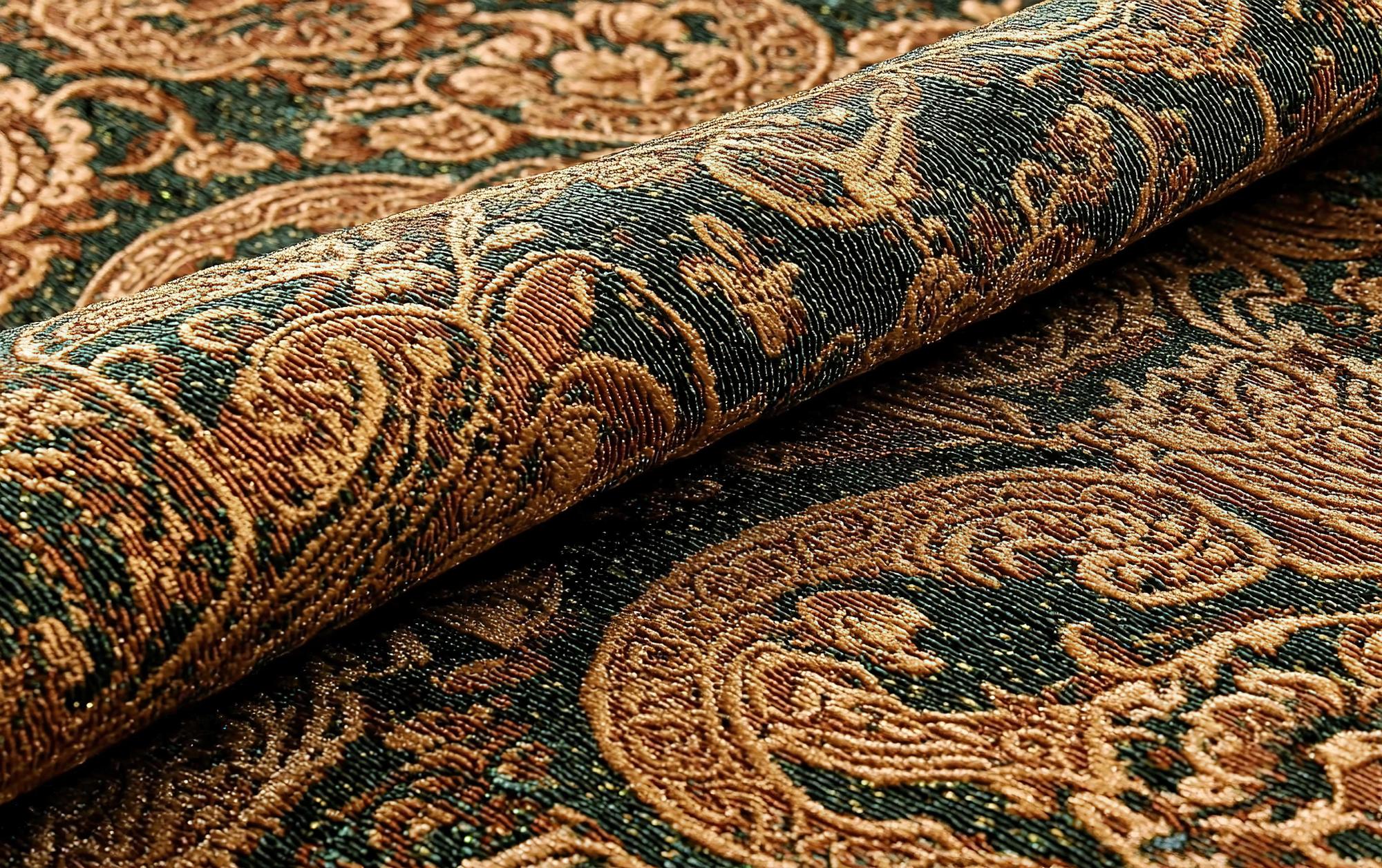
Stepping onto a premium Indian carpet is an experience, a tactile journey into centuries of artistry and tradition. These aren’t merely floor coverings; they are woven narratives, intricate tapestries of culture, skill, and enduring beauty. For the discerning individual, investing in such a piece represents a commitment to elegance and a profound appreciation for craftsmanship.
This comprehensive guide will walk you through the nuanced world of Indian carpets. We will empower you with the knowledge to make informed choices, ensuring your investment brings lasting joy and aesthetic appeal to your home. Discover how to select the perfect piece and provide it with the meticulous care it deserves.
The Allure of Indian Carpets: An Investment in Elegance
India’s legacy in carpet weaving is as rich and vibrant as the carpets themselves. Dating back to the Mughal era, this art form has evolved, blending indigenous aesthetics with Persian influences to create a distinct and highly sought-after style. Each carpet tells a story, reflecting the regional heritage and the weaver’s soul.
When you acquire a premium Indian carpet, you are not just decorating a space. You are bringing a piece of living history into your home. This rich heritage contributes significantly to their allure and long-term value.
A Legacy of Artistry and Craftsmanship
The true value of a premium Indian carpet lies in the unparalleled skill and dedication of its artisans. These carpets are primarily hand-knotted, a labor-intensive process that can take months, or even years, to complete. Each knot is individually tied, creating a durable and intricate surface that machine-made carpets simply cannot replicate.
This meticulous handcraft ensures that no two carpets are exactly alike. You will find subtle variations in pattern and color, which are hallmarks of genuine artisanal production. This uniqueness enhances their charm and collectibility.
Beyond Decoration: An Heirloom and Investment
Unlike mass-produced items, a well-chosen Indian carpet can appreciate in value over time. Factors such as rarity, age, materials, and the reputation of its origin contribute to its investment potential. Many become cherished family heirlooms, passed down through generations.
Consider the durability of these pieces. Made from high-quality natural fibers like wool and silk, and constructed with robust weaving techniques, they are designed to withstand the test of time. With proper care, your carpet will retain its beauty and integrity for decades.
Decoding Indian Carpet Types & Weaving Techniques
Understanding the different types of Indian carpets and their construction methods is crucial for making an educated purchase. This knowledge will help you appreciate the quality and identify what best suits your needs.
Hand-Knotted: The Pinnacle of Craftsmanship
Hand-knotted carpets are the epitome of luxury and durability. They are created on a loom, where individual knots are tied by hand onto warps (vertical threads). The density of these knots directly correlates with the carpet’s intricacy, durability, and value.
The primary materials used in these exquisite carpets are natural fibers, each offering distinct characteristics.
Materials for Hand-Knotted Carpets
- Wool: The most common and highly prized material for hand-knotted carpets.
- Durability: Wool is naturally resilient, stain-resistant, and can withstand heavy foot traffic.
- Softness: It offers a luxurious feel underfoot, providing warmth and comfort.
- Types: Indian carpets often feature high-quality wool from regions like New Zealand (known for its luster and strength) or indigenous Indian wool, which can be coarser but extremely durable. Himalayan wool is also highly regarded for its lanolin content, which adds natural stain resistance.
- Luster: Silk carpets possess an unparalleled sheen and softness, making them glow from different angles.
- Detail: The fine fibers of silk allow for incredibly detailed patterns and a higher knot count, creating a more defined image.
- Durability: While soft, silk is surprisingly strong. However, it is typically used in areas with less foot traffic due to its delicate appearance and higher cost.
- Stability: Cotton provides a strong and stable base, ensuring the carpet holds its shape.
- Affordability: It is less expensive than wool or silk, making it an excellent choice for the structural components.
Knot Density: The Measure of Quality
Knot density is a critical indicator of a hand-knotted carpet’s quality, durability, and the level of detail it can display. It is typically measured in knots per square inch (KPSI) or knots per square centimeter (KPSC).
Higher knot counts mean more labor, finer materials, and a more intricate design. A carpet with 100-200 KPSI is considered good quality, while truly premium pieces can exceed 500 KPSI, especially those made from silk.
Major Weaving Centers and Styles
India boasts several renowned carpet weaving centers, each with its unique style and specialization.
- Kashmir: Famous for its exquisite silk carpets, known for their intricate designs, high knot count, and delicate sheen. Often feature Persian-inspired motifs.
- Mirzapur-Bhadohi Belt (Uttar Pradesh): The largest carpet weaving hub in India. Produces a vast range of carpets, from traditional Persian and Mughal designs to contemporary patterns, primarily in wool.
- Agra: Known for its fine wool carpets, often featuring subdued color palettes and traditional designs.
- Jaipur: Produces vibrant, often geometric designs, including traditional Dhurries and hand-knotted wool rugs with bold colors.
- Amritsar: Historically known for its wool carpets, often with rich, deep colors and intricate medallion patterns.
Hand-Tufted: A Modern Alternative
Hand-tufted carpets are made using a “tufting gun” to punch yarn through a fabric backing. A secondary backing is then glued on to secure the fibers. While still handmade, this process is significantly faster and less labor-intensive than hand-knotting.
These carpets offer a more affordable entry point into the world of handmade rugs. However, they are generally less durable than hand-knotted carpets and may not hold their value as well over time. The use of adhesive can also lead to shedding and delamination over many years.
Hand-Woven (Flatweave): Dhurries & Kilims
Flatweave carpets, such as Indian Dhurries and Kilims, are made by interweaving warp and weft threads to create a flat, pile-less surface. They are reversible, lightweight, and often feature geometric or striped patterns.
Dhurries are typically made from cotton or wool, offering a versatile and durable option for various spaces. They are excellent for high-traffic areas or as a layering piece. While different in construction, they represent another beautiful facet of Indian weaving traditions.
The Smart Guide to Choosing Your Premium Indian Carpet
Selecting the right Indian carpet requires careful consideration of several factors. By addressing these points, you can ensure your choice is both aesthetically pleasing and perfectly suited to your lifestyle.
Determine Your Needs & Space
Before you begin browsing, take stock of your home environment and specific requirements. This foundational step will narrow down your options considerably.
- Room Size and Shape: Measure your room accurately. A carpet should generally leave an equal border of flooring visible around its edges, or define a specific zone within a larger open-plan space.
- Traffic Levels: Consider where the carpet will be placed. High-traffic areas (hallways, living rooms) demand durable materials like wool with a denser pile. Low-traffic areas (bedrooms, formal dining rooms) can accommodate more delicate materials like silk.
- Color Palette and Existing Decor: The carpet should complement your existing furniture and wall colors. Decide whether you want it to be a focal point with bold colors and patterns, or a subtle backdrop.
- Lifestyle: If you have pets or young children, opt for darker colors or patterns that can camouflage spills and wear. Wool is generally more forgiving than silk in such environments.
Material Matters: Wool, Silk, or Blends?
Your choice of material will significantly impact the carpet’s look, feel, durability, and price. Each fiber offers unique advantages.
- Wool:
- Pros: Extremely durable, excellent resilience, natural stain resistance, insulates well, comes in a wide range of colors and designs.
- Cons: Can shed initially (especially new rugs), may be heavier to move.
- Best for: High-traffic areas, living rooms, dining rooms, family rooms.
- Silk:
- Pros: Unparalleled luster, incredibly soft, allows for intricate detailing, feels luxurious.
- Cons: Very expensive, more delicate, prone to showing footprints, less stain-resistant than wool.
- Best for: Low-traffic areas, decorative wall hangings, formal spaces, bedrooms where luxury is paramount.
- Wool and Silk Blends:
- Pros: Offers a balance of durability (from wool) and luster/softness (from silk). Can provide a sophisticated look at a more accessible price point than pure silk.
- Cons: Care can be slightly more complex than pure wool.
- Best for: Areas where you want a touch of luxury without the full cost or delicacy of pure silk.
Craftsmanship & Quality Indicators
When inspecting a premium Indian carpet, several indicators will help you assess its quality and authenticity. Do not hesitate to examine the carpet closely.
- Knot Count (KPSI): As discussed, a higher knot count signifies finer detail and greater durability. For wool rugs, aim for at least 100 KPSI for good quality; for silk, anything below 300 KPSI might indicate lower quality.
- Evenness of Knots and Pile Height: Run your hand over the carpet. The pile should feel consistent, and the knots should be uniform on the back. Uneven pile or loose knots can indicate inferior craftsmanship.
- Dye Quality: High-quality carpets often use natural vegetable dyes or premium synthetic dyes that are colorfast. Test for color bleed by gently rubbing a damp white cloth on a small, inconspicuous area. Good dyes will not transfer.
- Fringe and Selvage Quality: The fringes should be an extension of the warp threads, not sewn on separately. The selvage (the finished edges along the length) should be tightly and neatly bound, preventing unraveling.
- Reputable Dealers and Authenticity: Purchase from established dealers who can provide certificates of authenticity, explain the carpet’s origin, and offer guarantees. Be wary of deals that seem too good to be true.
Typical Knot Densities by Material and Quality
This table provides a general guideline for understanding knot density in premium Indian carpets.
| Material Type | Quality Level | Approximate KPSI Range | Characteristics |
|---|---|---|---|
| Wool | Good | 100 – 150 | Durable, good detail, suitable for most areas. |
| Wool | Very Good | 150 – 250 | Finer detail, higher resilience, excellent investment. |
| Wool | Exceptional | 250 – 400+ | Highly artistic, very intricate designs, often heirloom quality. |
| Silk | Good | 300 – 500 | Good luster and softness, fine detail. |
| Silk | Exceptional | 500 – 1000+ | Highest detail, incredible sheen, very delicate, collector’s item. |
Budgeting for Elegance
Premium Indian carpets represent a significant investment, but the price range is vast. Be realistic about your budget and understand what you can expect within that range. Silk carpets will always be more expensive than wool, and higher knot counts directly correlate with higher prices.
Remember that you are paying for artistry, materials, and durability. A well-chosen carpet is an investment that will bring beauty and value to your home for many years.
Ethical Sourcing & Sustainability
Increasingly, consumers are concerned about the ethical implications of their purchases. When buying an Indian carpet, inquire about the manufacturer’s commitment to fair labor practices and environmentally friendly production methods. Many reputable dealers now highlight their efforts in this area.
Look for certifications or assurances that the carpet was produced without child labor and that weavers receive fair wages. This ensures your investment is not only beautiful but also ethically sound.
Preserving Your Investment: Comprehensive Carpet Care
Proper care is paramount to maintaining the beauty, integrity, and value of your premium Indian carpet. With diligent attention, your carpet will remain a stunning centerpiece for generations.
Initial Setup and Placement
The first steps you take after bringing your carpet home are crucial for its long-term health.
- Use a Quality Underlayment: A good rug pad provides cushioning, prevents slipping, and protects both the carpet and your floor. It also reduces wear by absorbing impact and preventing the carpet from stretching or buckling.
- Rotate Your Carpet Regularly: Rotate your carpet 180 degrees every 6-12 months. This ensures even wear and tear, especially in high-traffic areas, and uniform exposure to light.
- Manage Sunlight Exposure: Direct, prolonged sunlight can cause fading over time, especially with natural dyes. Consider using UV-filtering window treatments or positioning your carpet in areas with indirect sunlight.
Routine Maintenance: The Foundation of Care
Consistent, gentle cleaning is the best defense against dirt and premature wear.
- Regular Vacuuming:
- Frequency: Vacuum high-traffic areas once or twice a week, and low-traffic areas every few weeks.
- Technique: Use a vacuum cleaner with adjustable height settings and gentle suction. Avoid using a beater bar, especially on hand-knotted rugs, as it can damage the fibers and fringes. If your vacuum has a beater bar, disable it or use an attachment.
- Direction: Vacuum in the direction of the pile to avoid damaging the fibers. Flip the carpet over and vacuum the back periodically to dislodge trapped dirt.
- Spot Cleaning: Immediate Action is Key:
- Blot, Don’t Rub: For spills, immediately blot with a clean, white cloth or paper towel to absorb as much liquid as possible. Rubbing can spread the stain and push it deeper into the fibers.
- Mild Solutions: For most non-greasy spills, a mixture of mild detergent or white vinegar and water can be used. Always test on an inconspicuous area first.
- Rinse Thoroughly: After cleaning, blot the area with a damp cloth (water only) to remove any residue, then blot dry.
- Dealing with Specific Spills:
- Grease/Oil: Sprinkle cornstarch or talcum powder on the stain, let it sit for several hours to absorb the grease, then vacuum thoroughly.
- Wine/Coffee: Blot immediately. Mix one part white vinegar with two parts water and gently blot the stain. Repeat until the stain lifts.
- Pet Accidents: Blot thoroughly. Use an enzymatic cleaner specifically designed for pet stains, following product instructions carefully.
Deep Cleaning & Professional Care
Even with diligent routine cleaning, your carpet will eventually need a more thorough clean to remove embedded dirt and refresh its appearance.
- When to Seek Professional Help:
- Frequency: Most premium Indian carpets benefit from professional cleaning every 3-5 years, depending on traffic and household conditions.
- Signs: If your carpet looks dull, feels gritty, or has persistent odors, it’s time for a professional clean.
- Finding a Reputable Rug Cleaner:
- Specialization: Look for cleaners who specialize in oriental and handmade rugs. They understand the unique construction and dyes of these carpets.
- Methods: Inquire about their cleaning methods. Hand-washing or gentle immersion cleaning is generally preferred for Indian carpets over harsh steam cleaning or chemical treatments.
- References/Reviews: Ask for references or check online reviews to ensure their reputation and expertise.
- Understanding the Process: A professional cleaning typically involves dusting, pre-treatment, hand-washing, rinsing, and controlled drying. They will also inspect for any necessary repairs.
Environmental Factors and Prevention
Protecting your carpet from environmental threats is crucial for its longevity.
- Humidity Control: Extreme fluctuations in humidity can cause natural fibers to expand and contract, potentially damaging the carpet’s structure. Maintain a stable indoor humidity level, ideally between 40-60%.
- Pest Prevention (Moths, Carpet Beetles):
- Cleanliness: Regularly vacuuming, especially underneath furniture and along edges, is your best defense against pests.
- Inspection: Periodically inspect the back of your carpet and underneath furniture for any signs of moth larvae or carpet beetles.
- Repellents: Cedar blocks or lavender sachets can act as natural deterrents, but avoid direct contact with the carpet.
Storage Best Practices
If you need to store your carpet, proper preparation is essential to prevent damage.
- Clean Thoroughly: Always have the carpet professionally cleaned before storage to remove any dirt or food particles that might attract pests.
- Roll, Don’t Fold: Roll the carpet tightly, pile-side in, around a sturdy cardboard tube. Folding can create permanent creases and damage the foundation.
- Wrap Securely: Wrap the rolled carpet in breathable material like cotton sheeting or Tyvek. Avoid plastic, which can trap moisture and encourage mold growth.
- Choose a Safe Location: Store the carpet in a cool, dry, dark, and pest-free environment. Elevate it off the floor to protect against potential flooding.
Conclusion
Investing in a premium Indian carpet is more than a purchase; it’s an embrace of art, history, and enduring beauty. By understanding the intricate craftsmanship, discerning quality indicators, and committing to diligent care, you ensure that your carpet remains a cherished possession and a testament to timeless elegance.
Let this guide serve as your trusted companion on your journey to owning and preserving an exquisite piece of Indian heritage. With informed choices and dedicated care, your carpet will continue to weave its magic and captivate all who encounter its splendor for generations to come.
Frequently Asked Questions (FAQ)
Q1: How can I tell if an Indian carpet is truly hand-knotted?
A: Examine the back of the carpet. Hand-knotted rugs will have irregular, individual knots visible, and the pattern on the back will be nearly as clear as the front. Machine-made rugs will have perfectly even, uniform stitches and a less defined pattern on the back.
Q2: What is the ideal pile height for an Indian carpet?
A: The ideal pile height depends on the carpet’s material and intended use. Wool rugs for high-traffic areas often have a medium to low pile (around 1/4 to 1/2 inch) for durability. Silk rugs, due to their fine detail, typically have a very low, dense pile.
There is no single “ideal,” but consistency in pile height is a sign of quality.
Q3: Are vegetable dyes always better than synthetic dyes?
A: Historically, vegetable dyes were prized for their natural variations and aging properties. Today, modern synthetic dyes can be highly colorfast, vibrant, and environmentally responsible. The key is quality: ensure the dyes, whether natural or synthetic, are stable and won’t bleed.
Reputable dealers will often specify the type of dyes used.
Q4: My new wool carpet is shedding. Is this normal?
A: Yes, initial shedding is completely normal for new wool carpets, especially hand-knotted ones. This is typically excess fiber from the weaving process. Regular, gentle vacuuming will help reduce shedding over the first few months.
If shedding is excessive or continues for an extended period, consult your dealer.
Q5: Can I clean my silk carpet myself?
A: It is highly recommended to have silk carpets professionally cleaned by a specialist who understands their delicate nature. Silk is very susceptible to water damage and improper cleaning solutions can cause permanent damage, dullness, or dye bleeding. For small spills, blot immediately with a clean, dry cloth, but avoid using water or chemicals.
Q6: How do I protect my carpet from furniture indentations?
A: Use furniture coasters or protectors under heavy furniture legs. These help distribute the weight more evenly and reduce the depth of indentations. You can also periodically move furniture a few inches to allow the pile to recover.
For existing indentations, gently mist the area with water and use a soft brush or your fingers to fluff up the pile.
Q7: What should I do if my carpet gets wet from a leak or flood?
A: Act immediately. If the carpet is completely saturated, it’s best to call a professional rug cleaner or restoration service. They have specialized equipment to dry the rug thoroughly and prevent mold and mildew growth, which can quickly destroy natural fibers.
Do not attempt to dry a fully soaked rug yourself, as incomplete drying can lead to irreparable damage.