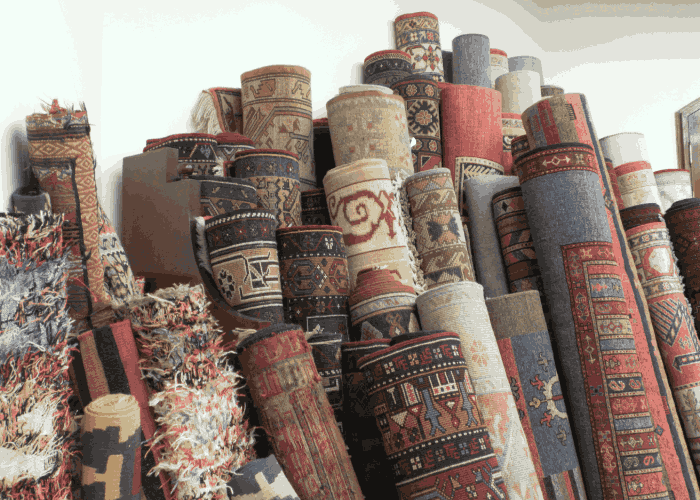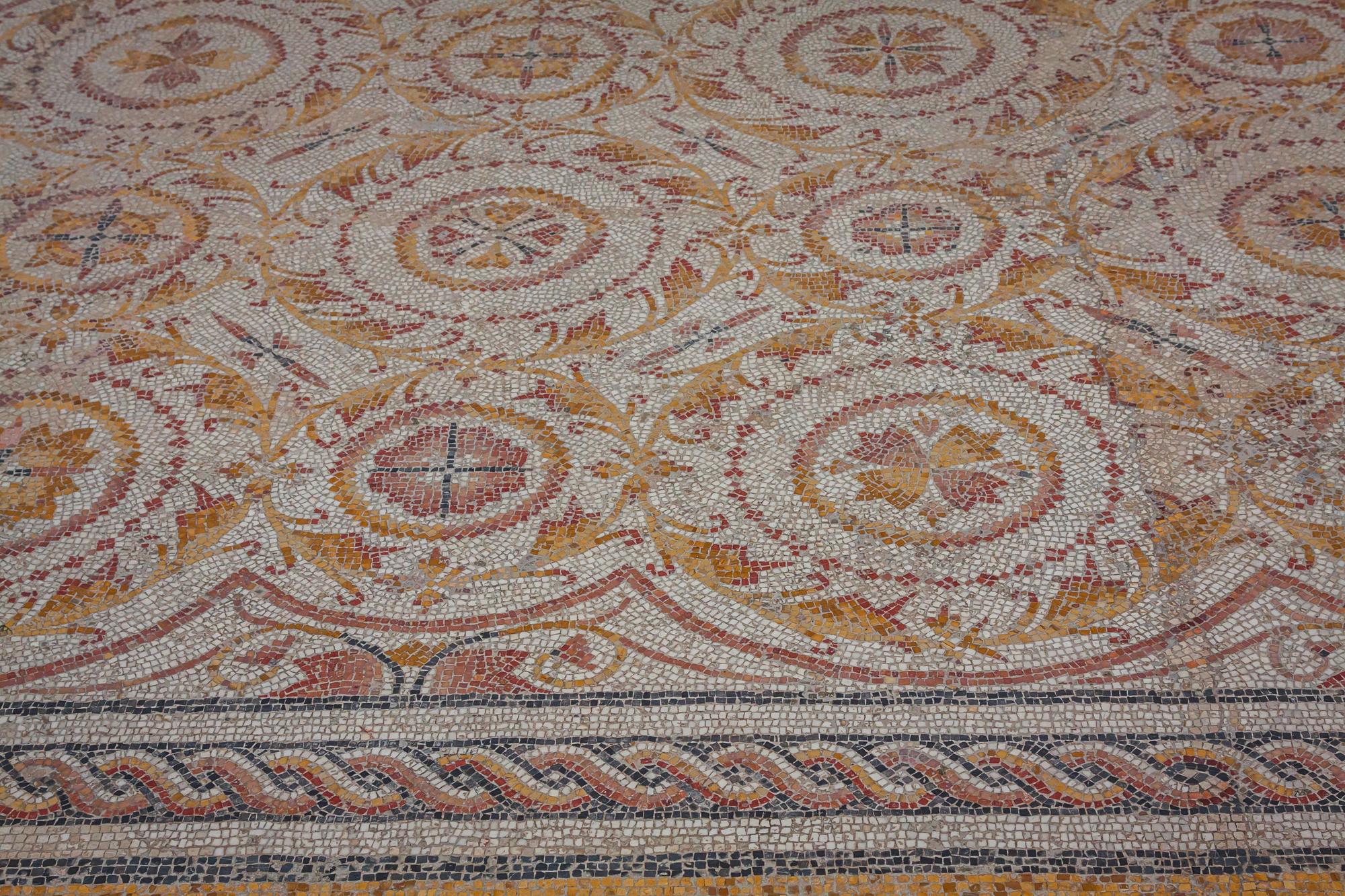
Step into a world where luxury meets legacy, where every fiber tells a story of unparalleled artistry and dedication. Imagine transforming your living space into a sanctuary of elegance and comfort, a place that truly reflects your discerning taste. This is the promise of India’s finest premium carpets, exquisite creations that are far more than mere floor coverings; they are timeless masterpieces.
For centuries, Indian artisans have perfected the intricate craft of carpet weaving, passing down techniques and traditions through generations. These magnificent textiles are not just decorative elements; they are investments in beauty, history, and comfort that elevate any home. You are about to embark on a journey to discover the profound beauty and enduring value these exceptional pieces offer.
The Enduring Legacy: A Tapestry of History and Culture
The history of carpet weaving in India is as rich and intricate as the patterns woven into the carpets themselves. This ancient art form flourished under the patronage of the Mughal emperors, who brought Persian weaving techniques to the Indian subcontinent in the 16th century. Their love for beauty and intricate design led to the establishment of royal workshops, particularly in Kashmir, Agra, and Lahore.
These early carpets, known for their opulent designs and vibrant colors, often depicted garden scenes, hunting motifs, and intricate floral patterns. You can still see the echoes of these grand traditions in many contemporary premium Indian carpets today. The fusion of Persian aesthetics with indigenous Indian motifs created a unique and breathtaking style that quickly gained international acclaim.
Over time, different regions developed their own distinctive weaving styles and design vocabularies. Mirzapur in Uttar Pradesh, for instance, became a prominent hub, known for its robust and diverse range of carpets. Kashmir, on the other hand, became synonymous with the delicate artistry of silk carpets, often featuring paisleys and chinar leaves.
Today, when you choose a premium Indian carpet, you are not just acquiring a beautiful object. You are becoming a custodian of a living legacy, supporting an art form that has enriched global culture for hundreds of years. This heritage continues to inspire weavers to create pieces that are both traditional and refreshingly new.
The Soul of the Fiber: Understanding Premium Materials
The true essence of a premium carpet lies in the quality of its materials. Indian master weavers meticulously select the finest natural fibers, each chosen for its unique properties, luster, and durability. These superior materials are what give your carpet its luxurious feel, vibrant appearance, and remarkable longevity.
Understanding these materials will help you appreciate the inherent value and choose the perfect carpet for your home. Each fiber contributes distinct characteristics, influencing the carpet’s texture, sheen, and how it interacts with light. You’ll find that the choice of material significantly impacts the carpet’s overall aesthetic and functional qualities.
Silk: The Epitome of Luxury and Luster
Silk carpets are renowned worldwide for their unparalleled softness, exquisite sheen, and vibrant color retention. Hand-knotted silk carpets from regions like Kashmir are particularly prized for their intricate details and reflective quality. The natural protein fiber of silk allows for incredibly fine knotting, resulting in highly detailed patterns.
When you walk on a silk carpet, you experience a luxurious smoothness that is unmatched by any other material. Its natural luminosity makes colors appear richer and more dynamic, shifting subtly with the light. While more delicate than wool, a well-maintained silk carpet is an enduring symbol of sophistication and elegance.
Merino Wool: Superior Softness and Resilience
Merino wool is considered one of the finest and softest wools available, making it an excellent choice for premium carpets. It boasts exceptional resilience, meaning it can withstand heavy foot traffic while retaining its shape and plushness. This natural fiber is also inherently stain-resistant and easy to clean, making it highly practical.
Carpets made from Merino wool offer a remarkable balance of comfort, durability, and natural beauty. You’ll appreciate its soft underfoot feel and its ability to absorb dyes deeply, resulting in rich, lasting colors. Merino wool also provides excellent insulation, contributing to a warmer home in winter and a cooler one in summer.
Pashmina: Rare Warmth and Unrivaled Softness
Pashmina, derived from the fine undercoat of Himalayan goats, is an exceptionally rare and luxurious fiber. While more commonly associated with shawls, some of the most exquisite and exclusive carpets incorporate Pashmina wool for an unparalleled level of softness and warmth. These carpets are true collector’s items, embodying ultimate luxury.
If you seek the absolute pinnacle of comfort and exclusivity, a carpet featuring Pashmina is an extraordinary choice. Its delicate nature requires meticulous hand-knotting and careful handling, reflecting its preciousness. You will find that Pashmina carpets offer a unique, comforting embrace that elevates any room.
High-Quality Cotton and Jute: Natural Strength and Texture
While often used as foundation warps and wefts, high-quality cotton can also be woven into durable and attractive flatweave carpets. Cotton offers a soft feel, excellent breathability, and is known for its strength and ability to hold vibrant dyes. It’s a versatile material that provides a different aesthetic.
Jute, a natural vegetable fiber, is celebrated for its strength, durability, and rustic texture. You’ll often find jute in eco-friendly and natural-style carpets, offering an earthy, organic feel. While not as soft as silk or wool, jute provides a robust and stylish option, especially for high-traffic areas or bohemian decor.
Here’s a comparative look at some premium carpet materials:
| Material | Key Characteristics | Feel | Durability | Luster/Sheen | Primary Use/Benefit |
|---|---|---|---|---|---|
| Silk | Finest fiber, natural protein, high dye affinity | Extremely soft, smooth, luxurious | Moderate (delicate) | High (shimmering) | Luxury, intricate detail, vibrant colors |
| Merino Wool | Fine, soft wool, natural crimp, lanolin content | Soft, plush, resilient | High (excellent) | Medium-Low (natural glow) | Comfort, durability, insulation, stain resistance |
| Pashmina | Ultra-fine goat undercoat, very rare | Unrivaled softness, exceptionally warm | Moderate (very delicate) | Medium (subtle sheen) | Ultimate luxury, exclusivity, warmth |
| High-Quality Cotton | Strong, breathable cellulose fiber | Soft, smooth, firm | High (good for flatweaves) | Low (matte) | Versatility, strength, natural feel, foundation |
| Jute | Coarse, strong vegetable fiber | Rough, textured, firm | High (very robust) | Very Low (earthy) | Eco-friendly, natural texture, high-traffic areas |
The Hands That Weave Magic: Unraveling the Craftsmanship
The true soul of a premium Indian carpet lies in the hands of its weavers. These artisans are not just workers; they are custodians of an ancient craft, possessing skills honed over generations. Their dedication transforms raw fibers into breathtaking works of art, knot by painstaking knot.
When you invest in a premium Indian carpet, you are supporting this incredible human endeavor. You are recognizing the immense skill, patience, and artistic vision that goes into every single piece. This commitment to traditional methods is what truly sets these carpets apart from mass-produced alternatives.
Hand-Knotting: The Pinnacle of Carpet Artistry
Hand-knotted carpets represent the highest echelon of carpet weaving, demanding extraordinary skill and time. Each knot is individually tied by hand onto the warp threads, forming the pile of the carpet. This meticulous process can take months, or even years, for a single large carpet, depending on its complexity and knot density.
The density of knots per square inch (KPSI) is a key indicator of a hand-knotted carpet’s quality and intricacy. Higher KPSI means a finer weave, more detailed patterns, and a more durable carpet. When you examine a hand-knotted carpet, you’ll feel the robustness and see the clarity of its design, a testament to countless hours of labor.
Hand-Tufting: Artistic Versatility with Modern Techniques
Hand-tufted carpets offer a versatile and often more accessible alternative to hand-knotting, while still maintaining a handcrafted quality. In this method, yarn is punched through a fabric backing using a specialized tufting gun. The loops are then either left intact or cut to create a cut pile.
While not as durable or intricate as hand-knotted carpets, hand-tufted rugs allow for a wider range of textures and contemporary designs. They are still made by skilled artisans, offering a significant upgrade over machine-made options. You can find beautiful and unique hand-tufted pieces that perfectly complement modern interiors.
Hand-Looming: Elegant Flatweaves and Dhurries
Hand-loomed carpets, particularly Dhurries, are woven on a loom using a flatweave technique, meaning they have no pile. This results in a thinner, reversible carpet that is extremely durable and often features geometric or striped patterns. Dhurries are a traditional Indian art form, known for their vibrant colors and crisp designs.
These carpets are excellent for high-traffic areas, or when you desire a clean, minimalist aesthetic. Their flat profile makes them easy to clean and less prone to trapping dirt. You’ll find that hand-loomed carpets offer a distinct charm and functionality, perfect for adding a touch of artisanal elegance without the plush pile.
A Spectrum of Style: Exploring Design Philosophies
Indian premium carpets are celebrated for their incredible diversity in design, reflecting centuries of artistic evolution and regional influences. Whether your taste leans towards the classical or the contemporary, you are sure to discover a carpet that resonates with your personal style. Each design tells a story, often rooted in historical motifs or natural inspirations.
The designs are not merely decorative but often carry symbolic meanings, enriching the carpet’s presence in your home. This rich tapestry of styles ensures that you can find a piece that truly complements your existing decor or becomes the focal point of a new design scheme. Let’s explore the breadth of these captivating design philosophies.
Traditional and Classic Designs: Echoes of Empire
Many premium Indian carpets draw heavily from classical Persian and Mughal designs, characterized by their exquisite symmetry and intricate detailing. These often feature central medallions, ornate borders, and dense floral patterns, including palmettes, arabesques, and various botanical motifs. Colors are usually rich and deep, evoking a sense of timeless grandeur.
You might encounter designs named after historical regions or cities, such as Tabriz, Kashan, or Isfahan, reinterpreted with an Indian sensibility. Carpets from Kashmir often feature distinctive chinar (plane tree) leaves, paisley motifs, and intricate prayer rug designs. These traditional pieces bring a sense of history and aristocratic elegance to your home.
Regional Specialties: Mirzapur, Agra, and Jaipur
Beyond the Mughal influence, specific regions have developed their own unique design characteristics. Mirzapur carpets, for example, are known for their robust construction and a wide array of patterns, from traditional florals to more contemporary geometric designs. They often utilize a rich palette of earthy tones and deep jewel hues.
Agra carpets are famed for their finely woven, often large-scale designs, frequently featuring open fields with scattered motifs or intricate all-over patterns. Jaipur is celebrated for its vibrant Dhurries, typically showcasing bold geometric patterns, stripes, and folk art motifs in a lively array of colors. You can choose a carpet that reflects a specific regional artistic heritage.
Modern and Contemporary Interpretations: Art for Today’s Home
While deeply rooted in tradition, Indian carpet weavers are also at the forefront of contemporary design. Many artisans and designers are creating stunning modern carpets that blend ancient techniques with fresh, innovative aesthetics. These designs often feature abstract patterns, minimalist motifs, and a more subdued or monochromatic color palette.
You can find carpets with bold geometric shapes, subtle textural variations, and artistic interpretations that cater to modern architectural styles. These contemporary pieces demonstrate the versatility of Indian craftsmanship, proving that traditional skills can produce highly relevant and fashionable designs for your modern living space. They offer a striking contrast to classic pieces.
Customization: Your Vision, Woven into Reality
One of the remarkable aspects of premium Indian carpet manufacturing is the possibility of customization. Many workshops offer bespoke services, allowing you to commission a carpet tailored precisely to your specifications. You can choose the design, colors, materials, size, and even the knot density.
This means you can create a truly unique masterpiece that perfectly harmonizes with your interior design vision. Imagine a carpet designed specifically for your space, reflecting your personal taste in every detail. This level of personalization ensures your carpet is not just a purchase, but a unique artistic collaboration.
Beyond Beauty: The Practical Benefits of a Premium Indian Carpet
While the aesthetic appeal of a premium Indian carpet is undeniable, its value extends far beyond its visual splendor. These meticulously crafted pieces offer a host of practical benefits that enhance your home’s comfort, functionality, and even its long-term value. You’ll find that investing in a quality carpet pays dividends in many ways.
Consider these advantages as you contemplate bringing one of these magnificent textiles into your living space. They are designed to withstand the test of time and provide enduring comfort. From improving acoustics to boosting insulation, a premium carpet thoughtfully contributes to your home’s overall well-being.
Exceptional Durability and Longevity
Hand-knotted premium carpets, especially those made from high-quality wool, are incredibly durable and designed to last for decades, often becoming cherished family heirlooms. The strength of natural fibers combined with the density of hand-tied knots creates a robust structure that resists wear and tear. You are investing in a product built to last.
Unlike machine-made carpets that can quickly show signs of aging, a premium Indian carpet maintains its beauty and integrity over a very long lifespan. With proper care, its colors will remain vibrant, and its pile will retain its resilience, offering you years of enjoyment. This longevity is a hallmark of true quality craftsmanship.
Superior Sound and Thermal Insulation
Carpets are natural insulators, and premium wool or silk carpets excel at this. They effectively absorb sound, reducing echoes and creating a quieter, more serene environment in your home. This is particularly beneficial in rooms with hard flooring or high ceilings, where acoustics can often be a challenge.
Furthermore, carpets provide excellent thermal insulation, helping to keep your home warmer in winter and cooler in summer. This can lead to energy savings, as your heating and cooling systems operate more efficiently. You’ll appreciate the cozy warmth underfoot and the peaceful ambiance a quality carpet provides.
Improved Air Quality and Allergy Considerations
Contrary to common misconceptions, carpets can actually help improve indoor air quality by trapping allergens, dust, and pet dander within their fibers. This prevents these particles from circulating in the air you breathe, especially when compared to hard surfaces where allergens can easily become airborne. Regular vacuuming then removes these trapped particles.
For individuals with allergies, choosing a natural fiber carpet like wool, which is naturally hypoallergenic and resistant to dust mites, can be a beneficial choice. You’ll find that a well-maintained carpet can contribute to a healthier indoor environment. Always opt for natural, high-quality materials to minimize chemical exposure.
An Astute Investment and Enhanced Home Value
A truly premium, hand-knotted Indian carpet is not just a purchase; it is an investment. High-quality, artisanal carpets often appreciate in value over time, especially rare or antique pieces. Their enduring beauty and craftsmanship make them desirable assets that can be passed down through generations.
Beyond monetary appreciation, a magnificent carpet significantly enhances the aesthetic and perceived value of your home. It creates an immediate sense of luxury, warmth, and sophistication that impresses guests and creates a welcoming atmosphere. You are adding a piece of art that elevates your entire living space.
Unparalleled Comfort and Aesthetic Enhancement
The soft, plush pile of a premium carpet offers an incredibly comfortable surface underfoot, providing a luxurious experience with every step. It adds a layer of warmth and coziness to any room, making your home feel more inviting and comfortable. This tactile pleasure is a significant benefit.
A well-chosen carpet also acts as the foundational element of a room’s decor, tying together various design elements and defining spaces. It can introduce color, pattern, and texture, transforming a bland room into a vibrant and cohesive environment. You have the power to create a stunning visual impact.
Choosing Your Masterpiece: A Buyer’s Guide to Premium Indian Carpets
Selecting a premium Indian carpet is an exciting journey, but it requires careful consideration to ensure you choose the perfect piece for your home and lifestyle. With so many options in materials, designs, and weaving techniques, making an informed decision is key. You want a carpet that you will cherish for years to come.
This guide will walk you through the essential factors to consider, helping you navigate the world of exquisite Indian carpets with confidence. By understanding these elements, you can make a choice that truly reflects your taste and meets your practical needs. Prepare to find your ideal floor art.
Assess Your Space and Lifestyle Needs
Before you begin your search, consider the room where the carpet will reside. What is the size and shape of the space? What is the level of foot traffic the area receives?
A busy living room might benefit from a durable wool carpet, while a bedroom could indulge in the softness of silk.
Think about your existing furniture, wall colors, and overall decorative style. Do you want the carpet to blend in or be a bold statement piece? Your lifestyle also plays a role; do you have pets or young children who might require more stain-resistant options?
Answering these questions will narrow your choices considerably.
Understand Knot Count and Weaving Technique
For hand-knotted carpets, the knot count per square inch (KPSI) is a crucial indicator of quality and detail. Higher KPSI typically means a finer weave, more intricate design capabilities, and greater durability. While not the only factor, it’s a good benchmark for assessing craftsmanship.
Familiarize yourself with the differences between hand-knotted, hand-tufted, and hand-loomed carpets. Hand-knotted rugs offer the highest value and longevity, while hand-tufted provide design versatility, and hand-loomed (Dhurries) are excellent for durability and a flat profile. You should choose the technique that aligns with your priorities.
Material Matters: Silk, Wool, or Blends?
Revisit the material section and consider which fiber best suits your needs. Silk offers unmatched luxury and sheen but requires more delicate care. High-quality wool, especially Merino, provides exceptional durability, softness, and stain resistance, making it a practical choice for many homes.
Some premium carpets use blends, such as wool and silk, to combine the best properties of both. A silk-and-wool blend can offer the durability of wool with a touch of silk’s luxurious sheen. You should always inquire about the fiber composition to ensure it meets your expectations.
Color Palette and Design Harmony
The color and design of your carpet are paramount to its aesthetic impact. Consider whether you want a traditional pattern with rich, deep hues or a contemporary design with a more muted or vibrant palette. The carpet should complement your existing decor without overwhelming it.
If your room has busy wallpaper or patterned furniture, a carpet with a simpler design or solid color might be more appropriate. Conversely, a plain room can be dramatically enhanced by a carpet with an intricate pattern and bold colors. You can use the carpet to introduce a focal point or unify disparate elements.
Set a Realistic Budget
Premium Indian carpets represent a significant investment, and prices can vary widely based on material, size, knot count, and design complexity. Hand-knotted silk carpets will generally be at the higher end, while wool or hand-tufted options might be more accessible. You should establish a budget range before you start shopping.
Remember that a high-quality carpet is an investment that will last for many years, potentially appreciating in value. Consider the long-term benefits and durability when evaluating the cost. You are paying for artistry, heritage, and enduring quality.
Where to Purchase: Reputable Dealers and Certifications
Always purchase your premium Indian carpet from reputable dealers who specialize in handmade rugs. These dealers can provide detailed information about the carpet’s origin, materials, weaving technique, and age. They often have established relationships with weavers and can guarantee authenticity.
Look for certifications or assurances of fair trade practices, especially if ethical sourcing is important to you. Some reputable dealers offer certificates of authenticity, which can be valuable for insurance purposes and future valuation. You want peace of mind knowing you’ve bought a genuine article.
Caring for Your Investment: Maintenance Tips for Longevity
A premium Indian carpet is a significant investment and a cherished piece of art that deserves proper care to maintain its beauty and extend its lifespan. With a few simple maintenance practices, you can ensure your carpet remains a vibrant focal point in your home for many decades. You’ll find that good care is surprisingly straightforward.
Regular maintenance not only preserves its aesthetic appeal but also protects its structural integrity and value. By following these guidelines, you can safeguard your precious carpet from premature wear and tear. Treat your carpet with the respect it deserves, and it will reward you with enduring beauty.
Regular Vacuuming: The First Line of Defense
Regular vacuuming is the most crucial step in maintaining your carpet. Vacuum at least once or twice a week, depending on foot traffic, to remove loose dirt and dust before it settles deep into the fibers. Use a vacuum cleaner with strong suction but avoid beater bars, which can damage the delicate fibers of hand-knotted rugs.
For fringes, use the hose attachment to avoid tangling or damaging them. You should vacuum in different directions to ensure thorough cleaning and prevent matting of the pile. This simple routine will keep your carpet looking fresh and prevent abrasive dirt from wearing down the fibers.
Address Spills Immediately: Act Fast
Accidental spills are inevitable, but quick action can prevent permanent stains. Blot the spill immediately with a clean, white cloth or paper towel, working from the outside in to prevent spreading. Do not rub the stain, as this can push the liquid deeper and damage the fibers.
For most spills, a mixture of mild soap and water can be used, applied sparingly to a cloth, then blotted. Always test any cleaning solution on an inconspicuous area first. For stubborn stains, or if you are unsure, contact a professional carpet cleaner experienced with handmade rugs.
You want to avoid harsh chemicals.
Rotate Your Carpet: Even Out Wear
To ensure even wear and exposure to sunlight, rotate your carpet 180 degrees every 6 to 12 months. This helps prevent one area from receiving disproportionate foot traffic or fading due to direct sun exposure. You’ll find this simple practice significantly extends the carpet’s uniform appearance.
If your carpet is in a high-traffic area, consider placing a rug pad underneath. A good quality pad provides cushioning, prevents slipping, and absorbs impact, further extending the life of your carpet. This small addition makes a big difference in protecting your investment.
Protect from Sunlight and Heavy Furniture
Direct and prolonged exposure to sunlight can cause fading over time, especially in areas with vibrant dyes. If your carpet is in a sunny spot, consider using curtains, blinds, or UV-filtering window films to protect it. You want to preserve the richness of its colors.
When placing heavy furniture on your carpet, use furniture glides or cups under the legs to distribute the weight and prevent permanent indentations. Periodically move furniture slightly to allow the pile to recover. This helps maintain the carpet’s plushness and prevents damage to the fibers.
Professional Cleaning: When to Seek Expert Help
Even with diligent home care, premium carpets benefit from professional cleaning every 3 to 5 years, or more frequently if they are in high-traffic areas. Choose a professional cleaner who specializes in hand-knotted or delicate rugs and uses appropriate cleaning methods. You should always ask about their experience with your specific carpet type.
Never allow a standard, hot-water extraction cleaner to clean your handmade carpet, as this can damage the fibers and dyes. A professional will use gentle, specialized techniques to thoroughly clean and restore your carpet’s vibrancy without causing harm. Trusting experts ensures its longevity.
The Global Appeal: India’s Contribution to World Carpet Art
India’s premium carpets are not merely domestic treasures; they are globally recognized works of art, highly sought after by connoisseurs, interior designers, and luxury homeowners worldwide. The country’s rich heritage in carpet weaving has positioned it as a leading force in the international market. You can find Indian carpets gracing homes and palaces across the globe.
The blend of ancient techniques with modern design sensibilities ensures that India’s carpet industry continues to innovate while honoring its past. This unique position allows India to offer an unparalleled range of styles, from timeless classics to cutting-edge contemporary pieces. You are part of a global appreciation for this artistry.
A Leading Exporter of Handmade Carpets
India stands as one of the world’s largest exporters of handmade carpets, a testament to the scale and quality of its weaving industry. The demand for Indian carpets is driven by their exquisite craftsmanship, diverse designs, and the use of premium natural materials. This robust export market supports countless artisan families.
From the intricate silk rugs of Kashmir to the durable wool carpets of Mirzapur, Indian products consistently meet the high standards of international buyers. You are choosing a product that has passed rigorous quality checks and gained worldwide approval. This global recognition speaks volumes about their excellence.
Innovation and Adaptation: Blending Tradition with Modernity
While deeply respectful of tradition, the Indian carpet industry is also dynamic and forward-thinking. Many designers and manufacturers are actively experimenting with new color palettes, abstract patterns, and textural variations to cater to evolving global tastes. This adaptability ensures continued relevance in contemporary interior design.
You’ll find Indian weavers creating stunning transitional carpets that bridge the gap between classic elegance and modern minimalism. They are adept at incorporating new trends while preserving the integrity of their traditional weaving techniques. This fusion offers you an exciting array of choices.
Cultural Diplomacy Through Art
Indian carpets serve as powerful ambassadors of the country’s rich cultural heritage and artistic prowess. They tell stories of ancient empires, skilled hands, and a deep appreciation for beauty, captivating audiences across continents. Each carpet is a piece of India’s soul, shared with the world.
When you bring a premium Indian carpet into your home, you are not just decorating; you are participating in a global dialogue of art and culture. You are celebrating human ingenuity and the enduring power of handcrafted excellence. This connection transcends mere commerce.
Frequently Asked Questions (FAQ)
What makes an Indian carpet “premium”?
A premium Indian carpet is characterized by several key factors. It typically uses high-quality natural materials like fine silk or Merino wool, is hand-knotted by skilled artisans, and features a high knot count (KPSI) for intricate detail and durability. The design, dye quality, and overall craftsmanship also contribute to its premium status.
How can I tell if a carpet is genuinely hand-knotted?
You can identify a hand-knotted carpet by examining its backing. The knots will be visible and slightly irregular, demonstrating individual craftsmanship. The fringes are an extension of the warp threads, not sewn on.
Machine-made carpets have perfectly even stitches and often have fringes sewn on separately. You’ll feel the difference in the texture and flexibility.
What is the average lifespan of a premium Indian carpet?
With proper care and maintenance, a high-quality hand-knotted Indian carpet can last for many decades, often 50 to 100 years or more. Many become treasured family heirlooms passed down through generations. Their longevity is a testament to their superior construction and materials.
How should I choose the right size carpet for my room?
For a living room, ensure the carpet is large enough for at least the front legs of all major furniture pieces to rest on it, creating a unified seating area. In a dining room, the carpet should be large enough so that chairs remain on the carpet even when pulled out. For bedrooms, a large carpet can cover most of the floor, or smaller rugs can frame the bed.
You want to create balance and define the space.
Are premium Indian carpets difficult to clean?
No, not necessarily. Regular vacuuming is sufficient for daily maintenance. For spills, immediate blotting is key.
However, for deep cleaning, it is highly recommended to use a professional carpet cleaner experienced with delicate, handmade rugs every 3-5 years. Avoid harsh chemicals and hot-water extraction methods.
What is the difference between a Dhurry and a traditional pile carpet?
A Dhurry is a flatweave carpet, meaning it has no pile; the warp and weft threads are woven tightly together to create a flat surface. Traditional pile carpets, whether hand-knotted or hand-tufted, have individual yarn loops or cut ends that stand upright, creating a soft, plush surface. Dhurries are reversible and very durable, while pile carpets offer more cushioning and intricate detail.
Can I customize a premium Indian carpet?
Yes, many reputable Indian carpet manufacturers and dealers offer customization services. You can often choose specific designs, colors, materials, sizes, and knot densities to create a bespoke carpet that perfectly matches your interior design vision. This allows you to commission a truly unique piece of art for your home.
As you reflect on the artistry, history, and profound beauty of India’s finest premium carpets, you are invited to envision the transformative impact such a masterpiece could have on your home. These are not merely decorative items; they are investments in heritage, craftsmanship, and enduring elegance that speak volumes about your refined taste. Each thread, each knot, and each vibrant hue tells a story, waiting to become a part of your own narrative.
By choosing a premium Indian carpet, you are embracing a legacy of artistic excellence and bringing a piece of living history into your cherished space. You are supporting generations of skilled artisans and ensuring that this magnificent craft continues to thrive. Elevate your home, enrich your life, and discover the unparalleled luxury that awaits you in the art of India’s finest carpets.