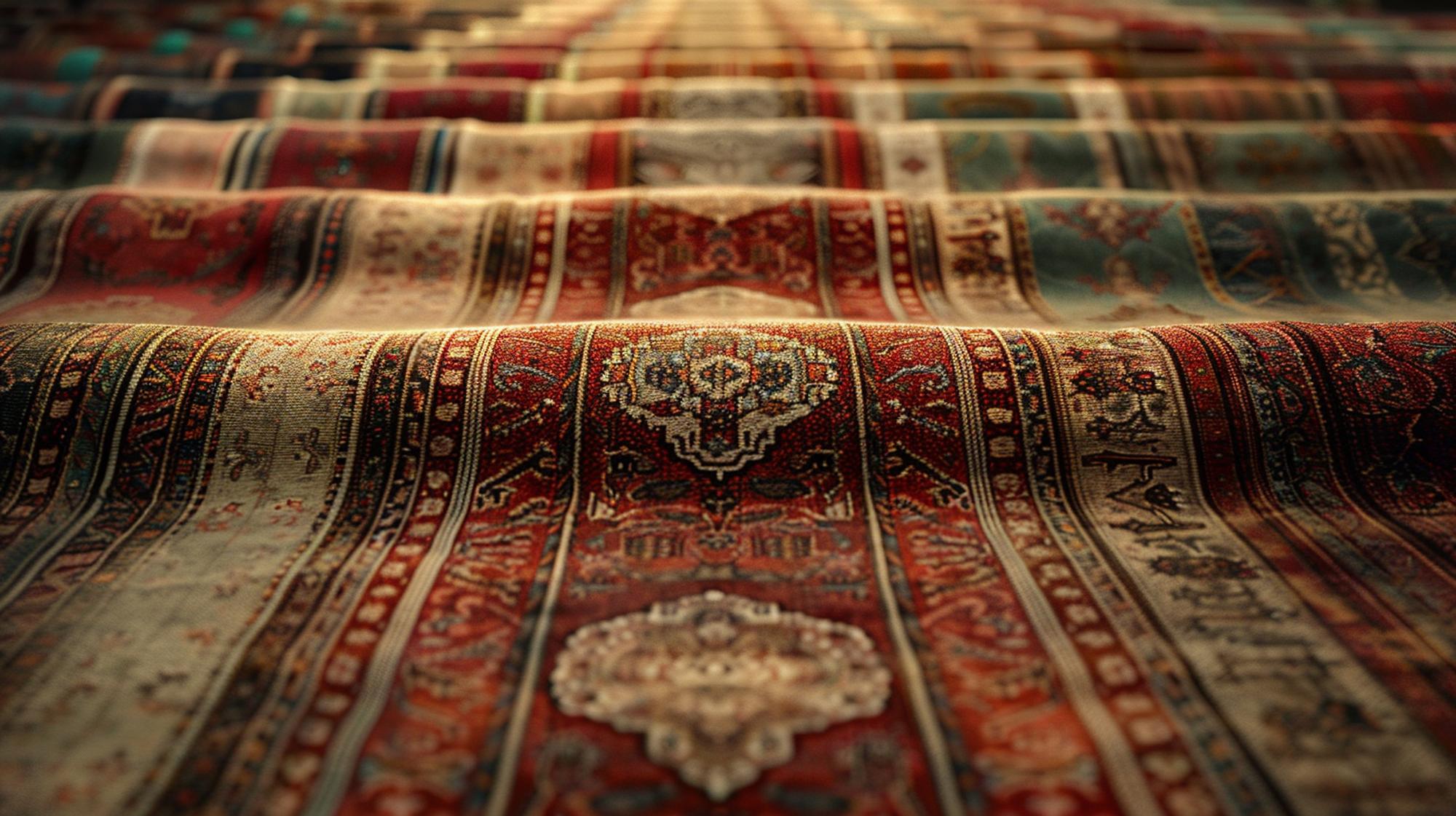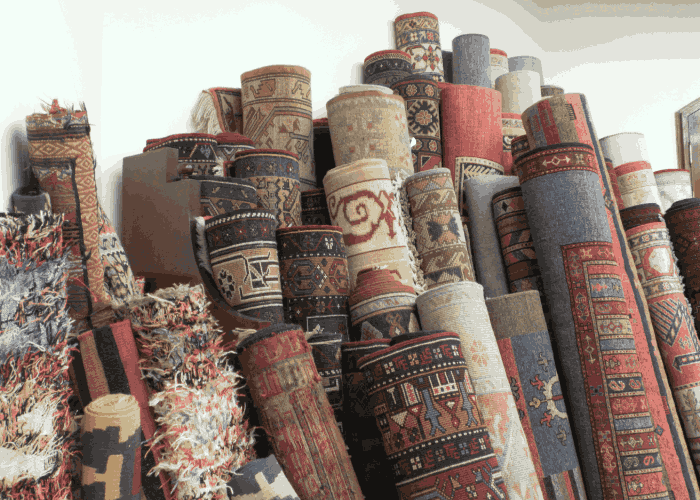
Step into a world where every fiber tells a story, where centuries of tradition are woven into masterpieces beneath skilled hands. You are about to embark on a journey that transcends mere home décor, exploring the profound artistry and rich heritage of India’s artisanal premium carpets.
For generations, Indian carpet weaving has been more than a craft; it is an enduring legacy, a vibrant tapestry of culture, history, and unparalleled skill. These aren’t just floor coverings; they are heirlooms, investments, and breathtaking works of art that speak volumes about the dedication of their creators.
If you’ve ever admired the intricate patterns, felt the luxurious texture, or wondered about the journey of a magnificent carpet, you’re in the right place. This comprehensive guide will take you beyond the threads, revealing the secrets that make Indian premium carpets truly exceptional.
A Tapestry of Time: The Storied History of Indian Carpet Weaving
The origins of carpet weaving in India are deeply intertwined with the arrival of the Mughal Empire. While earlier forms of weaving existed, it was Emperor Akbar in the 16th century who truly revolutionized the craft, bringing Persian master weavers to establish royal workshops.
This pivotal moment marked the birth of India’s sophisticated carpet industry. Akbar, a great patron of the arts, desired carpets that rivaled those of Persia, leading to a flourishing of design and technique within his empire.
Under Mughal patronage, Indian carpets began to develop their distinct identity. While initially influenced by Persian motifs, local artisans soon infused the designs with indigenous flora, fauna, and architectural elements, creating a unique Indo-Persian style.
The golden age of Mughal carpet weaving continued through the reigns of Jahangir and Shah Jahan, producing some of the most exquisite and finely knotted carpets ever made. These imperial workshops set the benchmark for quality and artistic excellence that continues to inspire weavers today.
As the Mughal Empire waned, the craft dispersed from royal courts to regional centers. Artisans carried their knowledge and techniques to different parts of India, leading to the development of distinct regional styles and specialties. This decentralization ensured the survival and evolution of the art form.
Today, this rich history is visible in every premium Indian carpet you encounter. You are not just buying a product; you are acquiring a piece of living history, a testament to centuries of artistic endeavor.
The Enduring Legacy Through Centuries
Despite political shifts and economic challenges, the art of Indian carpet weaving has persevered. It adapted, evolved, and continued to captivate discerning patrons worldwide.
The colonial era brought new demands and markets, further solidifying India’s position as a global leader in carpet production. While some commercialization occurred, the core tradition of hand-knotting and artisanal quality remained firmly intact in premium segments.
In the post-independence era, government initiatives and private enterprises have worked tirelessly to preserve and promote this invaluable heritage. They ensure that the skills are passed down through generations, safeguarding the future of this magnificent craft.
The Soul of the Craft: Materials and Techniques
What truly sets a premium Indian carpet apart is the meticulous selection of materials and the mastery of age-old techniques. Every step, from yarn preparation to the final knot, is executed with precision and profound respect for tradition.
The Finest Fibers: A Foundation of Quality
The quality of a carpet begins with its raw materials. Premium Indian carpets utilize only the finest natural fibers, chosen for their durability, luster, and ability to hold vibrant dyes.
-
Wool: This is the most common and versatile fiber for hand-knotted carpets. You will find several types of wool used:
- Himalayan Wool: Prized for its strength, lanolin content, and natural sheen, making it exceptionally durable and soft.
- Merino Wool: Known for its incredible softness and fine texture, often blended with other wools for added luxury.
- New Zealand Wool: Renowned for its purity, whiteness, and strength, providing an excellent base for vibrant, clear colors.
- Hand-Spun Wool: Often preferred for its unique character and subtle irregularities, which add depth and warmth to the carpet’s appearance.
The quality of wool directly impacts the carpet’s resilience, sheen, and how it ages over time. High-quality wool resists crushing and retains its beauty for decades.
-
Silk: The epitome of luxury, silk is used in the finest Indian carpets, particularly those from Kashmir.
- Mulberry Silk: The most common type, known for its extraordinary softness, brilliant luster, and strength.
- Tussar Silk: A wild silk that offers a slightly coarser texture and a unique, natural sheen, often used for its earthy tones.
Silk carpets are characterized by their incredible fineness, intricate detail, and ability to shimmer with changing light. They are often considered artistic masterpieces, best suited for areas where their beauty can be admired without heavy foot traffic.
- Cotton: While not typically used for the pile, cotton plays a crucial role as the foundation (warp and weft) of many hand-knotted carpets. Its strength and stability provide the structural integrity necessary for a durable carpet.
The Magic of Natural Dyes
A significant hallmark of premium artisanal carpets is the use of natural dyes. This ancient practice involves extracting colors from plants, insects, and minerals, yielding a palette of unparalleled depth and richness.
Imagine indigo for blues, madder root for reds, pomegranate skin for yellows, and walnuts for browns. These natural sources create dyes that are not only aesthetically superior but also environmentally friendly.
Natural dyes produce a subtle variation in color, known as ‘abrash,’ which adds character and authenticity to the carpet. This gentle mottling is a testament to the handmade process and is highly prized by connoisseurs.
Furthermore, natural dyes are celebrated for their longevity and ability to age gracefully. Unlike synthetic dyes that can fade harshly, natural colors mellow beautifully over time, developing a unique patina that enhances the carpet’s charm and value.
The Art of Hand-Knotting: A Labor of Love
The most distinguishing technique for premium Indian carpets is hand-knotting. This is an incredibly labor-intensive process, requiring immense skill, patience, and a deep understanding of the craft.
On a vertical loom, thousands, sometimes millions, of individual knots are tied by hand onto the warp threads. Each knot is a tiny piece of yarn, carefully looped around two warp threads and then cut to form the pile.
The density of these knots, measured in Knots Per Square Inch (KPSI), is a key indicator of a carpet’s quality and the intricacy of its design. Higher KPSI means a finer weave, more detailed patterns, and a softer, denser pile.
This meticulous process is often a collaborative effort involving several weavers working side-by-side. They follow a detailed pattern, known as a ‘cartoon,’ which guides their every knot, ensuring precision and fidelity to the original design.
A single premium hand-knotted carpet can take months, or even years, to complete, depending on its size, complexity, and KPSI. This extraordinary investment of time and skill is what imbues each carpet with its unique soul and enduring value.
Regional Riches: Iconic Indian Carpet Weaving Centers
India’s vastness and diverse cultural landscape have given rise to distinct regional weaving traditions. Each region boasts its own unique style, motifs, and techniques, reflecting local history and artistic sensibilities.
Bhadohi & Mirzapur (Uttar Pradesh): The Carpet Belt of India
Located in Uttar Pradesh, the twin towns of Bhadohi and Mirzapur form the heart of India’s carpet industry. This region is a powerhouse of production, known for its wide range of hand-knotted and hand-tufted carpets.
Weavers here are masters of various styles, from traditional Persian and Mughal designs to contemporary abstract patterns. You’ll find carpets made primarily from wool, often with cotton foundations, known for their robustness and versatility.
Bhadohi carpets are celebrated for their intricate detailing and often feature a harmonious blend of muted and vibrant colors. The sheer volume and variety produced here make it a pivotal center for both domestic and international markets.
Kashmir: The Jewel of Indian Carpets
Kashmir is synonymous with the pinnacle of Indian carpet weaving, particularly renowned for its exquisite silk carpets. The region’s history of fine craftsmanship, combined with Persian influences, has created a truly unique aesthetic.
Kashmiri carpets are characterized by their incredibly high knot density, lustrous silk pile, and intricate designs that often feature floral motifs, tree-of-life patterns, and hunting scenes. The colors are typically rich and vibrant, reflecting the natural beauty of the valley.
A pure silk Kashmiri carpet is a true collector’s item, known for its unparalleled softness, shimmering appearance, and the ability to change hue depending on the viewing angle. These carpets are often reversible, with equally fine knotting on both sides, a testament to their exceptional quality.
Jaipur (Rajasthan): Royal Heritage and Vibrant Hues
The Pink City of Jaipur has a rich history of royal patronage, which extended to carpet weaving. Jaipur carpets often draw inspiration from Mughal designs, featuring grand medallions, intricate floral patterns, and geometric motifs.
While wool is the primary fiber, you might also find cotton dhurries (flat-woven rugs) from this region, known for their bold geometric patterns and vibrant color palettes. Jaipur carpets often exude a regal charm and a sense of timeless elegance.
The weavers of Jaipur are also known for their innovative use of color, often incorporating bright, jewel-toned hues that reflect the vibrant culture of Rajasthan.
Agra: A Revival of Grandeur
Agra, home to the Taj Mahal, was once a significant center for Mughal carpet weaving. While its production declined over centuries, there has been a notable revival in recent times, focusing on reproducing classic Mughal and Indo-Persian designs.
Agra carpets are often characterized by their luxurious wool and silk blends, intricate detailing, and a return to the grand, opulent patterns of the imperial era. They are sought after for their historical authenticity and rich aesthetic.
The Art of Design and Symbolism
Beyond their tactile beauty, Indian carpets are visual narratives, rich in symbolism and meaning. Every motif, every color, and every pattern tells a story, connecting you to ancient traditions and philosophies.
Motifs: Whispers from the Past
The designs woven into Indian carpets are far from random. They are carefully chosen motifs, many of which have been passed down through generations, each carrying profound cultural and spiritual significance.
-
Floral Motifs: Flowers are ubiquitous, symbolizing paradise, fertility, and beauty.
- Shah Abbas: A classic Persian-inspired design featuring palmettes, lotus blossoms, and other floral elements interconnected by delicate vines. It represents an idealized garden.
- Tree of Life: A powerful symbol of growth, eternal life, and the connection between heaven and earth. These designs often depict birds, animals, and blossoming trees, creating a serene and harmonious scene.
- Vines and Arabesques: Representing continuity, infinity, and the intricate weave of existence.
- Medallion Designs: Central medallions, often circular or oval, are common. They can symbolize the sun, the eye of God, or a lotus flower, representing purity and enlightenment. Corners often feature quarter-medallions, completing the grand design.
- Geometric Patterns: While less common in the most intricate court carpets, geometric designs are prevalent in tribal and village rugs. They often carry protective symbols or represent natural elements like mountains and rivers in an abstract form.
- Pictorial and Figurative Designs: Less common but highly prized, these carpets depict hunting scenes, court life, or religious narratives. They are often considered true works of art, capturing moments in time.
Color Palettes: A Spectrum of Meaning
The colors used in Indian carpets are not merely decorative; they too carry symbolic weight and evoke specific emotions. The use of natural dyes further enhances this depth, providing a unique vibrancy.
- Red: Symbolizes passion, courage, wealth, and often, fire or royalty.
- Blue: Represents the heavens, truth, solitude, and water.
- Green: Associated with paradise, nature, spiritual renewal, and prosperity, particularly significant in Islamic art.
- Yellow/Gold: Signifies the sun, joy, wisdom, and often wealth or royalty.
- White: Purity, peace, and cleanliness.
- Brown: Earth, fertility, and humility.
The harmonious interplay of these colors creates a visual symphony, drawing you deeper into the carpet’s narrative. Each carpet is a masterclass in color theory, often balancing vibrant hues with more subdued tones.
Modern Interpretations: Blending Tradition with Contemporary Aesthetics
While deeply rooted in tradition, Indian carpet weavers are also embracing innovation. You will find contemporary Indian carpets that beautifully blend classic motifs with modern color palettes or abstract designs.
These modern interpretations ensure the craft remains relevant and appealing to a new generation of buyers. They offer a fresh perspective while maintaining the exceptional quality and hand-knotted authenticity that defines premium Indian carpets.
Investing in Heirloom Quality: Why Choose a Premium Indian Carpet?
When you choose a premium hand-knotted Indian carpet, you are not simply buying a decorative item. You are making an investment in artistry, durability, and a piece of cultural heritage that will enrich your home and potentially grow in value.
Durability and Longevity: Built to Last
One of the most compelling reasons to invest in a hand-knotted Indian carpet is its exceptional durability. Unlike machine-made rugs, which are often glued or mechanically woven, hand-knotted carpets are structurally robust.
The individual knots, tightly tied and secured, create a dense and resilient pile that can withstand generations of use. Made from high-quality wool or silk, these carpets are incredibly resistant to wear and tear, making them ideal for high-traffic areas.
With proper care, a premium Indian carpet can easily last for a hundred years or more, becoming a cherished family heirloom that passes down through generations.
Artistic Value: A Unique Masterpiece
Each hand-knotted carpet is a unique work of art, bearing the individual touch of the artisan. No two handmade carpets are ever exactly alike, even if they follow the same design. This inherent uniqueness adds to their artistic value.
The intricate designs, the subtle variations in color from natural dyes, and the sheer skill involved in tying millions of knots make these carpets true masterpieces. They are a testament to human creativity and dedication, far beyond the capabilities of any machine.
Owning a premium Indian carpet is like owning a painting or a sculpture; it is a piece of tangible art that transforms your living space and sparks conversation.
Investment Potential: Appreciating Assets
While not all carpets appreciate in value, high-quality, well-maintained hand-knotted carpets, particularly antique pieces or those from renowned weavers, can indeed be a sound investment. Their value often increases over time due to their rarity, craftsmanship, and historical significance.
Like fine art, the value of a premium carpet is influenced by its age, condition, materials, knot density, and the reputation of its origin. If you choose wisely, your carpet could become a valuable asset in your home.
Sustainability and Ethics: Supporting Artisanal Communities
In an age of mass production, choosing a hand-knotted Indian carpet is a conscious decision to support sustainable and ethical practices. The production process is largely environmentally friendly, relying on natural fibers and traditional, low-impact dyeing methods.
Furthermore, purchasing these carpets directly supports artisan communities. It provides livelihoods for skilled weavers, dyers, and designers, preserving ancient craft traditions and contributing to the economic well-being of thousands of families.
You are not just buying a carpet; you are investing in a human story, a cultural legacy, and a sustainable future for these invaluable craftspeople.
Transformative Power: Elevating Your Space
A premium Indian carpet has an unparalleled ability to transform a room. Its rich colors, intricate patterns, and luxurious texture can instantly add warmth, sophistication, and character to any interior.
Whether you seek to create a focal point, define a seating area, or simply add a touch of elegance, a hand-knotted carpet can anchor your décor and elevate the entire ambiance of your home. It brings a sense of history and global charm that few other furnishings can.
Caring for Your Masterpiece: Maintenance Tips
To ensure your premium Indian carpet remains a cherished heirloom for generations, proper care and maintenance are essential. These simple steps will help preserve its beauty and longevity.
- Regular Vacuuming: Vacuum your carpet regularly, perhaps once a week, but always use a vacuum cleaner without a beater bar or with the bar set to a high pile. A suction-only vacuum is ideal for protecting the delicate fibers and knots.
- Rotate Your Carpet: To ensure even wear and exposure to light, rotate your carpet 180 degrees every 6-12 months. This prevents one area from receiving disproportionately heavy foot traffic or sunlight.
- Address Spills Promptly: Blot spills immediately with a clean, white cloth. Do not rub, as this can spread the stain and push it deeper into the fibers. For stubborn stains, consult a professional carpet cleaner experienced with hand-knotted rugs.
- Professional Cleaning: Depending on foot traffic, have your carpet professionally cleaned every 3-5 years. Always choose a reputable cleaner who specializes in hand-knotted and antique rugs, as improper cleaning can damage the fibers and dyes.
- Protect from Direct Sunlight: Prolonged exposure to direct sunlight can cause dyes to fade, even natural ones. Use blinds, curtains, or UV-protective window films to minimize sun exposure, especially for areas near windows.
- Use a Quality Rug Pad: A good quality rug pad underneath your carpet provides cushioning, prevents slipping, and helps protect the carpet from wear by absorbing impact. It also allows air circulation, which is beneficial for the carpet’s foundation.
- Avoid Harsh Chemicals: Never use harsh chemical cleaners, bleach, or steam cleaners on your hand-knotted carpet. These can damage the natural fibers and dyes, leading to irreversible damage.
Navigating the Market: How to Identify a Premium Indian Carpet
Identifying a truly premium hand-knotted Indian carpet requires a discerning eye and some basic knowledge. Here’s what you should look for when making your selection.
Knot Density (KPSI): The Mark of Fineness
KPSI, or Knots Per Square Inch, is arguably the most important indicator of a hand-knotted carpet’s quality and the intricacy of its design. To check KPSI, flip the carpet over and count the number of knots in one linear inch along the warp (lengthwise) and one linear inch along the weft (widthwise). Multiply these two numbers to get the KPSI.
While there’s no fixed rule, generally, a higher KPSI indicates a finer weave, more detailed design capabilities, and often a higher price. For premium wool carpets, you might expect KPSI ranging from 100-300. For silk carpets, this can go much higher, often 400-1200+ KPSI.
Materials: Feel the Difference
Examine the fibers closely. High-quality wool should feel soft yet resilient, with a natural lanolin sheen. Silk should be incredibly soft, smooth, and possess a distinct luster that shimmers in different lights.
Avoid carpets that feel coarse, brittle, or appear dull. If possible, gently pull at a few fibers; they should be strong and not easily breakable. A cotton foundation should feel sturdy and tightly woven.
Dye Quality: Vibrancy and Consistency
Look for rich, vibrant colors that are evenly distributed. If natural dyes are used, you might see subtle variations in color (abrash), which is a sign of authenticity and adds character. However, the colors should not bleed when gently rubbed with a damp white cloth.
Poor quality dyes can fade unevenly or bleed, diminishing the carpet’s beauty and value over time.
Construction: The Details Matter
- Evenness of Knots: On the back of the carpet, the knots should appear relatively uniform and tightly packed. This indicates a skilled weaver and consistent tension.
- Selvedges (Sides): The finished edges of the carpet should be straight, tightly bound, and secure, preventing unraveling.
- Fringes (Ends): The fringes are extensions of the warp threads. They should be evenly cut, securely finished, and free from excessive fraying.
- Pile Height: Premium hand-knotted carpets typically have a relatively low to medium pile height, allowing the intricate design to be clearly visible. Excessively high pile might hide design details and can be prone to crushing.
Reputable Dealers and Provenance
Always purchase your premium Indian carpet from a reputable dealer. A knowledgeable dealer will be transparent about the carpet’s origin, materials, and age. They should be able to provide you with a certificate of authenticity or detailed information about the piece.
Understanding the provenance – where and by whom the carpet was made – adds to its story and value. Don’t hesitate to ask questions and seek expert advice.
Here’s a quick guide to help you differentiate based on common characteristics:
| Material Type | Typical KPSI Range | Characteristics | Price Indication (Relative) |
|---|---|---|---|
| Hand-Spun Wool | 60-150 | Durable, rustic feel, subtle color variations (abrash), good for high traffic | Medium |
| Merino/New Zealand Wool | 100-250 | Softer, finer pile, good detail, consistent color, excellent durability | Medium-High |
| Silk & Wool Blend | 150-350 | Combines durability with luster, fine detail, luxurious feel | High |
| Pure Silk (Kashmiri) | 300-1200+ | Exquisite detail, ultimate luster, delicate, often reversible | Very High |
Conclusion
You have now journeyed beyond the threads, delving deep into the captivating world of India’s artisanal premium carpet heritage. From the royal workshops of the Mughals to the bustling looms of Bhadohi and the serene valleys of Kashmir, you’ve discovered the rich history, the meticulous craftsmanship, and the profound symbolism woven into every fiber.
These aren’t just objects; they are living testaments to human skill, patience, and artistic vision. They represent a legacy passed down through centuries, a bridge between the past and the present, and a promise of enduring beauty for the future.
When you choose a premium Indian carpet, you are embracing a piece of history, investing in a unique work of art, and supporting a vibrant tradition that enriches lives and spaces alike. May your chosen masterpiece bring warmth, elegance, and countless stories to your home for generations to come.
Frequently Asked Questions (FAQ)
What does KPSI mean, and why is it important?
KPSI stands for Knots Per Square Inch. It is a crucial measure of a hand-knotted carpet’s quality and fineness. A higher KPSI generally indicates a more intricate design, denser pile, and often, a greater investment of time and skill, leading to a more valuable carpet.
How do I clean my hand-knotted carpet?
For routine cleaning, vacuum regularly with a suction-only attachment or a vacuum without a beater bar. For spills, blot immediately with a clean white cloth. For deep cleaning, it is highly recommended to hire a professional carpet cleaner who specializes in hand-knotted and antique rugs, typically every 3-5 years.
Are natural dyes better than synthetic dyes for carpets?
Many connoisseurs prefer natural dyes for their unique depth of color, their ability to age gracefully, and their eco-friendliness. Natural dyes often create subtle variations (abrash) that add character. While modern synthetic dyes can be colorfast, natural dyes are often considered superior for premium, heirloom-quality pieces due to their unique aesthetic and historical connection.
How long do premium hand-knotted Indian carpets typically last?
With proper care and maintenance, a high-quality hand-knotted Indian carpet can easily last for several generations, often 50 to 100 years or even more. They are designed to be durable heirlooms that withstand the test of time.
What’s the main difference between hand-knotted and hand-tufted carpets?
Hand-knotted carpets are made by tying individual knots onto a loom, a highly labor-intensive process that creates a durable, long-lasting, and often more valuable carpet. Hand-tufted carpets, while still made by hand, involve punching yarn through a fabric backing with a tool, and then gluing a secondary backing to hold the fibers in place. Hand-tufted carpets are generally less durable and less expensive than hand-knotted ones.
How can I tell if a carpet is genuinely handmade and not machine-made?
Look for irregularities: genuine handmade carpets will have slight imperfections, such as uneven knotting on the back, slightly irregular fringes, or minor variations in pattern symmetry. Machine-made carpets are perfectly uniform. Also, examine the fringe; on a hand-knotted rug, the fringe is an extension of the warp threads, while on machine-made rugs, it’s often sewn on separately.
Do Indian carpets increase in value over time?
While not guaranteed for all, high-quality, well-maintained hand-knotted Indian carpets, especially those with exceptional craftsmanship, rare designs, or significant age, can appreciate in value. Factors like knot density, material quality, origin, condition, and market demand all play a role in a carpet’s investment potential. Consulting with an expert appraiser can provide more specific insights into a particular piece.