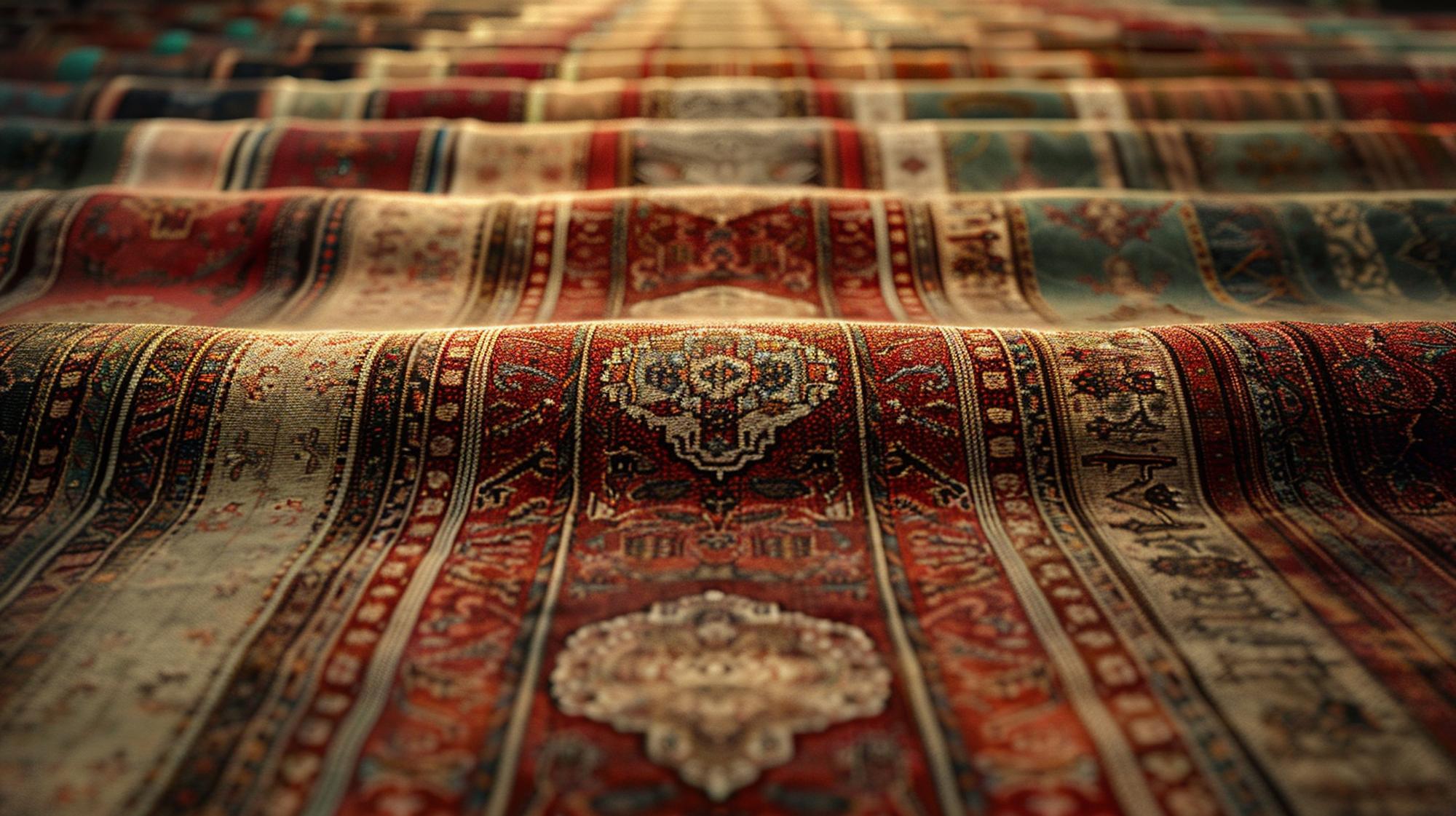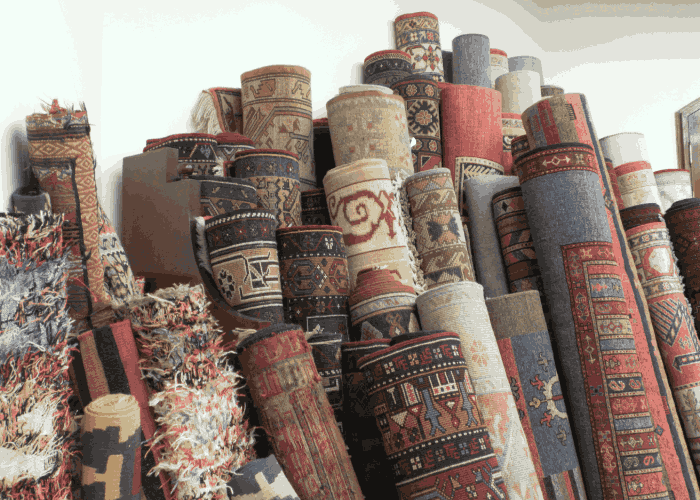
Imagine a masterpiece underfoot, a symphony of color and texture that tells a story spanning centuries. This isn’t just a floor covering; it’s a piece of art, a legacy, a testament to unparalleled craftsmanship. Welcome to the world of India’s premium carpets, exquisite creations that have transcended their origins to grace the most opulent spaces globally, even making a memorable appearance at the iconic Met Gala.
You are about to embark on a journey exploring the rich heritage, intricate processes, and undeniable allure of these magnificent textiles. From the skilled hands of master weavers to the luxurious interiors of global residences, Indian carpets offer an unmatched blend of tradition, quality, and aesthetic appeal. Discover why they are not merely decorative items but coveted investments, elevating every space they inhabit.
The Enduring Legacy of Indian Carpet Weaving
The story of Indian carpet weaving is deeply intertwined with the nation’s vibrant history and cultural tapestry. Its roots stretch back centuries, flourishing under the patronage of emperors and evolving through successive generations of artisans. Understanding this rich past is key to appreciating the value of these extraordinary pieces.
A Royal Introduction: The Mughal Influence
The art of carpet weaving in India received a significant impetus during the Mughal era, particularly under Emperor Akbar in the 16th century. He brought Persian weavers to India, merging their sophisticated techniques and intricate patterns with indigenous artistic sensibilities. This fusion gave birth to a unique style that combined Persianate motifs with Indian flora and fauna.
You can still see this rich historical influence in many traditional Indian carpet designs today. The intricate medallions, flowing arabesques, and detailed floral patterns are direct descendants of this glorious period. It was during this time that the foundations for India’s reputation as a purveyor of fine carpets were firmly laid.
Evolution of Craftsmanship: From Generation to Generation
Over centuries, the craft evolved, with techniques and designs passed down through families. Weaving became more than just a skill; it became a way of life, a sacred tradition. This generational transfer of knowledge ensures that the intricate details and secret methods are preserved.
Each knot tied, each thread dyed, reflects a deep understanding of materials, colors, and patterns. This unwavering dedication to perfection is what sets Indian carpets apart. You are investing in a piece of living history, crafted by hands that understand its profound legacy.
Geographical Hubs: Centers of Excellence
India’s vast landscape is dotted with regions renowned for their distinct carpet weaving traditions. Each hub contributes its unique flavor to the overall tapestry of Indian carpet artistry. These regions have become synonymous with specific styles and techniques.
- Bhadohi-Mirzapur Belt, Uttar Pradesh: Often called the “Carpet City of India,” this region is the largest carpet manufacturing cluster. It is famous for its hand-knotted wool and silk carpets, producing a wide range of designs from traditional to contemporary.
- Kashmir: Renowned for its exquisite silk and wool carpets, Kashmiri carpets are characterized by their intricate designs, often inspired by local flora and fauna, and their exceptionally high knot counts. They are known for their softness and luxurious feel.
- Jaipur, Rajasthan: This region is celebrated for its vibrant Dhurries (flatweave carpets) and hand-knotted wool carpets. Jaipur carpets often feature bold geometric patterns and a rich palette of colors, reflecting the region’s royal heritage.
- Agra, Uttar Pradesh: Historically significant for its Mughal-era carpet production, Agra continues to produce high-quality hand-knotted carpets, often featuring traditional Persian designs and a lustrous finish.
When you choose a carpet from one of these regions, you are selecting a piece imbued with the unique spirit and expertise of its origin. This geographical diversity offers you an incredible array of choices, each with its own story and character.
What Makes Indian Carpets Truly Premium?
The term “premium” isn’t merely a label when it comes to Indian carpets; it’s a promise of unparalleled quality, artistry, and ethical production. Several key factors contribute to their esteemed status in the global luxury market. Understanding these elements will help you appreciate the true value of your investment.
Exquisite Materials: The Foundation of Luxury
The quality of a carpet begins with its raw materials. Indian premium carpets utilize only the finest fibers, carefully selected for their durability, luster, and ability to hold vibrant dyes. These materials contribute significantly to the carpet’s longevity and aesthetic appeal.
- Silk: Revered for its unparalleled sheen, softness, and strength, silk carpets are the epitome of luxury. They showcase intricate designs with breathtaking clarity and change appearance with varying light, offering a dynamic visual experience.
- High-Quality Wool: Often sourced from New Zealand, Merino, or indigenous Indian sheep, premium wool is prized for its resilience, natural stain resistance, and rich texture. It provides warmth and comfort, making it ideal for high-traffic areas.
- Pashmina: A rare and luxurious fiber, pashmina wool from Himalayan goats is incredibly soft and fine. Carpets made with pashmina offer an exquisite, velvety texture and exceptional warmth.
- Bamboo Silk: An eco-friendly alternative, bamboo silk offers a similar lustrous appearance and soft feel to traditional silk. It’s durable and sustainable, appealing to environmentally conscious buyers.
- Jute and Cotton: Often used for flatweave Dhurries, these natural fibers provide a durable, rustic, and often reversible option. They are excellent for casual settings and layering.
When you run your hand over a premium Indian carpet, you can feel the difference these superior materials make. They contribute to the carpet’s comfort, longevity, and overall luxurious appeal.
Masterful Weaving Techniques: Artistry in Every Knot
The method of construction is paramount in determining a carpet’s quality, durability, and value. Indian artisans employ several sophisticated techniques, each requiring immense skill and patience. These methods are passed down through generations, ensuring their authenticity.
- Hand-Knotted: This is the most labor-intensive and prestigious method. Each knot is individually tied by hand onto the warp threads, creating a dense, durable pile. The knot count per square inch is a key indicator of quality, with higher counts signifying finer detail and stronger construction. A hand-knotted carpet can take months, even years, to complete.
- Hand-Tufted: In this method, yarn is punched through a fabric backing with a “tufting gun,” and then a secondary backing is applied with latex glue. While quicker to produce than hand-knotted carpets, hand-tufted pieces still offer a handcrafted look and feel, and their quality can be very high depending on materials and craftsmanship.
- Hand-Loomed: These carpets are woven on a loom, often producing a flatter, denser pile than hand-knotted carpets. They offer a more uniform appearance and are generally more affordable than hand-knotted pieces, yet still retain a handcrafted quality.
- Flatweave (Dhurries): These are reversible, pile-less carpets woven on a loom, similar to tapestry. Dhurries are known for their durability, versatility, and often feature geometric or striped patterns. They are a popular choice for their casual elegance and ease of maintenance.
The choice of weaving technique directly impacts the carpet’s texture, design capability, and lifespan. You can select a technique that perfectly aligns with your aesthetic preferences and practical needs.
The Art of Dyeing: Vibrant and Enduring Hues
Color is a critical element in a carpet’s appeal, and Indian artisans are masters of dyeing. They employ both traditional natural dyes and modern chrome dyes to achieve a vast spectrum of vibrant and colorfast hues. The dyeing process is meticulously controlled to ensure consistency and longevity of color.
Natural dyes, derived from plants, insects, and minerals, offer subtle variations and a rich, organic feel that ages beautifully. Chrome dyes provide a wider, more consistent color palette with excellent fade resistance. The careful selection and application of dyes ensure that your carpet will retain its beauty for decades.
Design and Aesthetics: A Symphony of Patterns
Indian carpets are renowned for their breathtaking array of designs, ranging from time-honored classics to cutting-edge contemporary patterns. This versatility ensures there is a perfect carpet for every interior style and personal taste.
- Traditional Motifs: These often draw inspiration from Persianate designs, featuring intricate medallions, precise floral patterns, elaborate ‘Tree of Life’ motifs, and delicate arabesques. These designs evoke a sense of heritage and timeless elegance.
- Contemporary Designs: Many Indian manufacturers collaborate with international designers to create modern, abstract, geometric, or minimalist patterns. These carpets seamlessly integrate into modern luxury interiors, offering a fresh perspective on traditional craftsmanship.
- Customizability: A significant advantage of premium Indian carpets is the option for customization. You can commission a carpet in specific sizes, colors, and even unique designs. This bespoke service ensures your carpet perfectly complements your space and vision.
Whether you seek a carpet steeped in history or a bold statement piece, Indian artisans can bring your vision to life. The design possibilities are virtually limitless, reflecting an incredible depth of creative talent.
Certifications and Ethical Sourcing: A Conscience Investment
The premium carpet industry in India places a strong emphasis on ethical practices and sustainability. Many manufacturers adhere to international standards for fair trade and child-labor-free production. When you purchase a certified Indian carpet, you are not only acquiring a beautiful object but also supporting responsible manufacturing.
Look for certifications from organizations like GoodWeave International, which ensures that no child labor was used in the making of your carpet. This commitment to ethical sourcing adds another layer of value and peace of mind to your investment. You can feel good knowing your luxury item was produced responsibly.
From Artisanal Workshops to Global Catwalks: The Met Gala Connection
The journey of Indian premium carpets from humble artisanal workshops to the world’s most exclusive events and luxury homes is a testament to their undeniable appeal. Their presence at high-profile gatherings like the Met Gala symbolizes their elevated status in global design and fashion.
The Met Gala Moment: A Symbol of Global Recognition
While specific carpet designers or brands might not always be explicitly named at the Met Gala, the event itself often features bespoke carpets as part of its elaborate décor. These are frequently custom-designed and commissioned from top-tier manufacturers worldwide. Indian premium carpet makers have been integral to such high-profile installations, showcasing their capability to deliver monumental, intricate, and luxurious pieces for the most discerning clients and events.
The very fact that Indian craftsmanship is considered for such a prestigious event underscores its global standing. It highlights the industry’s ability to produce not just beautiful home furnishings, but also grand-scale installations that set the stage for international glamour. This exposure brings recognition to the unparalleled skill of Indian artisans.
Designer Partnerships and International Collaborations
Indian carpet manufacturers frequently collaborate with renowned international interior designers, architects, and fashion houses. These partnerships bridge traditional craftsmanship with contemporary design sensibilities. The result is often groundbreaking collections that push the boundaries of carpet design.
These collaborations allow Indian artisans to explore new materials, techniques, and aesthetic directions. They also introduce their exceptional work to a broader global audience, further solidifying India’s position as a leader in premium carpet production. You benefit from designs that are truly world-class, combining ancient techniques with modern vision.
Showcasing Indian Artistry on International Stages
Beyond the Met Gala, Indian premium carpets are regularly featured at leading international design fairs, exhibitions, and showrooms. Events like Salone del Mobile in Milan or Maison&Objet in Paris provide platforms for showcasing the latest innovations and traditional masterpieces. These venues allow buyers and designers from around the world to experience the quality firsthand.
This consistent international presence helps to maintain and enhance the reputation of Indian carpets. It demonstrates their versatility and ability to complement diverse global aesthetics. You are seeing the highest level of craftsmanship recognized on the world stage.
Innovation in Design and Material: Adapting for the Future
While deeply rooted in tradition, the Indian carpet industry is also forward-thinking. Manufacturers are constantly experimenting with new fibers, sustainable practices, and innovative design approaches. This blend of heritage and modernity keeps Indian carpets relevant and desirable in an ever-evolving market.
From incorporating recycled materials to developing new textures and finishes, innovation ensures that Indian carpets remain at the forefront of luxury design. This commitment to progress means you can find carpets that are not only beautiful but also environmentally conscious and technologically advanced.
The Global Appeal: Why Luxury Homes Choose Indian Carpets
The allure of Indian premium carpets extends far beyond their historical roots and intricate designs. They are sought after by discerning homeowners, interior designers, and collectors worldwide for a multitude of compelling reasons. These carpets aren’t just floor coverings; they are statements of style, heritage, and astute investment.
Exclusivity and Uniqueness: A Personal Touch
In a world increasingly dominated by mass-produced goods, the handcrafted nature of Indian premium carpets offers an unparalleled sense of exclusivity. No two hand-knotted carpets are ever exactly alike, even if they share the same design. Each piece carries the subtle nuances of the artisan’s hand, making it truly unique.
When you acquire an Indian premium carpet, you are investing in a singular work of art. This uniqueness adds a profound personal touch to your home, distinguishing it from others. It’s a statement that reflects your appreciation for genuine craftsmanship.
Durability and Longevity: An Investment for Generations
Premium Indian carpets, especially hand-knotted wool and silk varieties, are renowned for their exceptional durability. With proper care, these carpets are designed to last for generations, often becoming cherished family heirlooms. Their robust construction and high-quality materials ensure they withstand the test of time.
Unlike transient trends, a well-made Indian carpet retains its beauty and value over decades. This longevity makes them a wise and sustainable investment for your home. You are purchasing a piece that will enhance your living space for many years to come.
Aesthetic Versatility: Complementing Diverse Interiors
One of the most appealing aspects of Indian premium carpets is their remarkable aesthetic versatility. Whether your home boasts a classic, contemporary, minimalist, or eclectic interior design, there is an Indian carpet that will seamlessly integrate and elevate the space.
Traditional designs can add a touch of timeless elegance and warmth to modern settings, creating an intriguing contrast. Contemporary designs, on the other hand, perfectly complement sleek, minimalist aesthetics, providing texture and visual interest. You can find a carpet that effortlessly ties your entire room together.
Story and Heritage: Connecting with a Rich Cultural Past
Every premium Indian carpet carries with it a story – a narrative of ancient traditions, skilled artisans, and centuries of cultural exchange. When you bring an Indian carpet into your home, you are not just adding a decorative item; you are inviting a piece of rich heritage and history into your living space.
This connection to a profound cultural past adds depth and character to your home. It allows you to appreciate the artistry and dedication that went into its creation, making your living environment more meaningful. You are becoming a custodian of a beautiful tradition.
Customization: Tailored to Your Vision
For those seeking absolute perfection, the ability to customize an Indian premium carpet is an invaluable advantage. You can specify precise dimensions, select unique color palettes, and even commission bespoke designs to perfectly match your interior vision. This level of personalization is a hallmark of true luxury.
Working with skilled artisans and designers, you can create a carpet that is truly one-of-a-kind, tailored to your exact specifications. This ensures that your carpet is not just a purchase, but a unique expression of your style. It is designed to fit your space and your personality perfectly.
Investing in an Indian Premium Carpet: Your Buyer’s Guide
Acquiring a premium Indian carpet is a significant investment that requires careful consideration. To ensure you make an informed decision and find the perfect piece for your home, here are some key factors to keep in mind. This guide will help you navigate the choices available.
Key Considerations for Your Purchase
- Material: Decide between silk, wool, or a blend based on your desired look, feel, durability, and budget. Silk offers luxury and sheen, while wool provides warmth and resilience. Consider the specific type of wool for its properties.
- Weaving Method: Hand-knotted carpets are the most durable and valuable, offering intricate detail and longevity. Hand-tufted or hand-loomed options provide handcrafted beauty at different price points. Dhurries are excellent for flatweave versatility.
- Knot Count (for Hand-Knotted): A higher knot count (knots per square inch) generally indicates finer detail, greater durability, and higher value. For silk carpets, knot counts can be exceptionally high, reflecting immense labor.
- Origin: While all Indian carpets share a common heritage, specific regions like Kashmir, Bhadohi, or Jaipur are known for distinct styles and qualities. Researching the origin can help refine your choice.
- Design and Color: Choose a design that complements your existing décor and personal aesthetic. Consider how the colors will interact with your room’s lighting and furnishings. You can opt for traditional or contemporary patterns.
- Size and Placement: Measure your space carefully to determine the ideal carpet size. Consider the room’s function and traffic levels when selecting the appropriate material and construction. A large rug can anchor a room, while smaller ones define zones.
- Budget: Premium Indian carpets represent a range of price points depending on material, size, knot count, and complexity of design. Establish a budget to guide your selection effectively. Remember, it’s an investment.
Authenticity: How to Verify Your Investment
Ensuring the authenticity of your premium Indian carpet is crucial. Look for reputable dealers who can provide detailed information about the carpet’s origin, materials, and weaving method. Ask for certifications, especially those related to ethical production.
A reputable dealer will offer a certificate of authenticity and be transparent about the carpet’s provenance. You should also inspect the carpet carefully for consistent knotting, quality of materials, and precision of design. Trust your instincts and the dealer’s reputation.
Care and Maintenance: Prolonging Its Life
Proper care is essential to preserve the beauty and longevity of your Indian premium carpet. Here are some general guidelines:
- Regular Vacuuming: Vacuum regularly with a low-power setting, avoiding the fringe, to remove dirt and dust.
- Rotate Annually: Rotate your carpet annually to ensure even wear and exposure to sunlight, preventing uneven fading.
- Professional Cleaning: Have your carpet professionally cleaned every 2-5 years, depending on traffic and spills. Always choose a cleaner experienced with fine hand-knotted carpets.
- Immediate Spill Treatment: Blot spills immediately with a clean, white cloth. Avoid rubbing, which can spread the stain. Consult a professional for stubborn stains.
- Use a Rug Pad: A good quality rug pad will prevent slipping, reduce wear, and provide extra cushioning.
By following these simple care instructions, you can ensure your Indian carpet remains a stunning centerpiece in your home for many years. It is an investment that truly pays dividends in beauty and comfort.
Environmental Impact: Sustainable Practices
Many premium Indian carpet manufacturers are increasingly adopting sustainable practices. This includes sourcing natural, renewable fibers like wool and cotton, using eco-friendly dyes, and minimizing waste. Support brands that prioritize environmental responsibility.
Choosing a sustainably produced carpet not only benefits the planet but also aligns with conscious luxury living. You can enjoy your beautiful carpet knowing it was made with respect for both people and the environment.
Comparison of Indian Premium Carpet Types
To help you compare different types of Indian premium carpets, here is a concise table outlining their key characteristics. This will assist you in understanding the distinctions between various options available to you.
| Carpet Type | Primary Material | Weaving Method | Typical Knot Count (per sq. inch) | Key Characteristic | Relative Price Range |
|---|---|---|---|---|---|
| Hand-Knotted Silk | Silk | Hand-Knotted | 250 – 1000+ | Luxurious sheen, exceptional softness, intricate detail, high durability. | High to Very High |
| Hand-Knotted Wool | Wool (New Zealand, Merino) | Hand-Knotted | 100 – 400 | Durable, resilient, rich texture, excellent for high traffic, natural stain resistance. | Medium to High |
| Hand-Tufted Wool | Wool, sometimes blends | Hand-Tufted | N/A (Tufting technique) | Handcrafted look, softer feel than machine-made, faster production, versatile designs. | Medium |
| Dhurrie (Flatweave) | Cotton, Jute, Wool | Hand-Loomed (Flatweave) | N/A (Pile-less) | Reversible, durable, lightweight, often geometric or striped patterns, casual elegance. | Low to Medium |
| Hand-Knotted Pashmina | Pashmina Wool | Hand-Knotted | 400 – 800+ | Unparalleled softness, extreme fineness, very warm, rare and exclusive. | Very High |
This table provides a general overview, and specific qualities can vary between manufacturers and individual pieces. Always consult with your dealer for precise details about any carpet you are considering.
Conclusion: The Enduring Allure of Indian Premium Carpets
From the intricate patterns inspired by Mughal emperors to their celebrated presence at global events like the Met Gala, Indian premium carpets represent a pinnacle of artistry, heritage, and luxury. They are not merely floor coverings but timeless investments that enrich any space they inhabit. You are choosing a piece of history, crafted with unparalleled skill.
The dedication of generations of artisans, combined with the finest materials and ethical practices, ensures that each Indian premium carpet tells a unique story. It’s a story of beauty, resilience, and cultural depth. When you bring one into your home, you’re not just decorating; you’re curating an experience.
We invite you to explore the exquisite world of Indian premium carpets. Discover the perfect blend of tradition and modernity that will transform your luxury home into a sanctuary of style and comfort. Let these magnificent creations become cherished heirlooms for your family, admired for their beauty and enduring legacy.
Frequently Asked Questions (FAQ)
What is the primary difference between hand-knotted and hand-tufted carpets?
The main difference lies in their construction. Hand-knotted carpets involve individual knots tied by hand onto a warp, making them extremely durable, intricate, and valuable. Hand-tufted carpets are made by punching yarn into a fabric backing with a tool, then securing it with latex glue and a secondary backing, making them quicker to produce and generally less expensive.
How do I properly clean my premium Indian carpet?
For daily maintenance, regular vacuuming with a low-power setting (avoiding the fringe) is recommended. For spills, blot immediately with a clean white cloth. For a deeper clean, it is essential to have your premium carpet professionally cleaned every 2-5 years by a specialist experienced in handling fine hand-knotted rugs.
Avoid harsh chemicals or steam cleaners.
Are Indian premium carpets a sustainable choice?
Many Indian premium carpet manufacturers are increasingly committed to sustainable and ethical practices. This includes using natural, renewable fibers like wool and cotton, employing eco-friendly dyes, and adhering to fair trade and child-labor-free production standards. Look for certifications like GoodWeave International to ensure ethical sourcing.
How can I identify an authentic hand-knotted Indian carpet?
Authentic hand-knotted carpets have variations in knotting on the back, where individual knots are visible and slightly uneven. The fringe is an extension of the carpet’s foundation. Machine-made carpets will have perfectly uniform knots and often a glued-on fringe.
Always purchase from a reputable dealer who can provide a certificate of authenticity and detailed provenance.
What is the typical lifespan of a premium Indian carpet?
With proper care and maintenance, a high-quality hand-knotted Indian carpet made from premium wool or silk can last for many decades, often becoming a family heirloom. Their robust construction and durable materials are designed for longevity. Hand-tufted or hand-loomed carpets will also last for a significant period, though generally not as long as hand-knotted ones.
Are custom designs and sizes available for Indian carpets?
Yes, one of the significant advantages of premium Indian carpet manufacturers is their ability to offer extensive customization. You can often commission carpets in specific sizes, unique color palettes, and even bespoke designs to perfectly match your interior vision. This service allows for a truly personalized and exclusive piece.