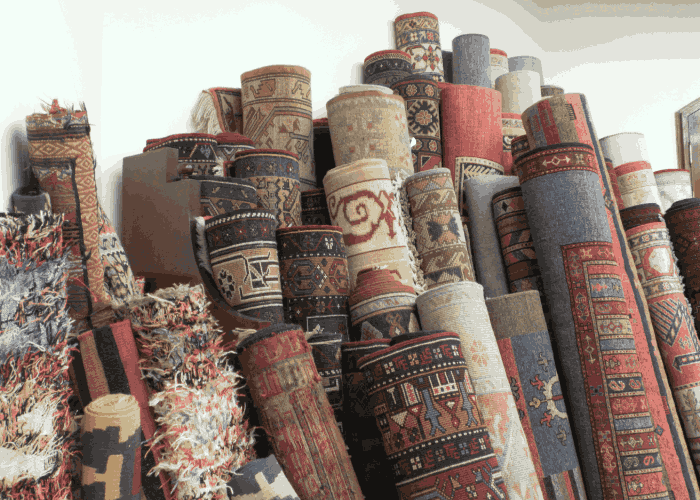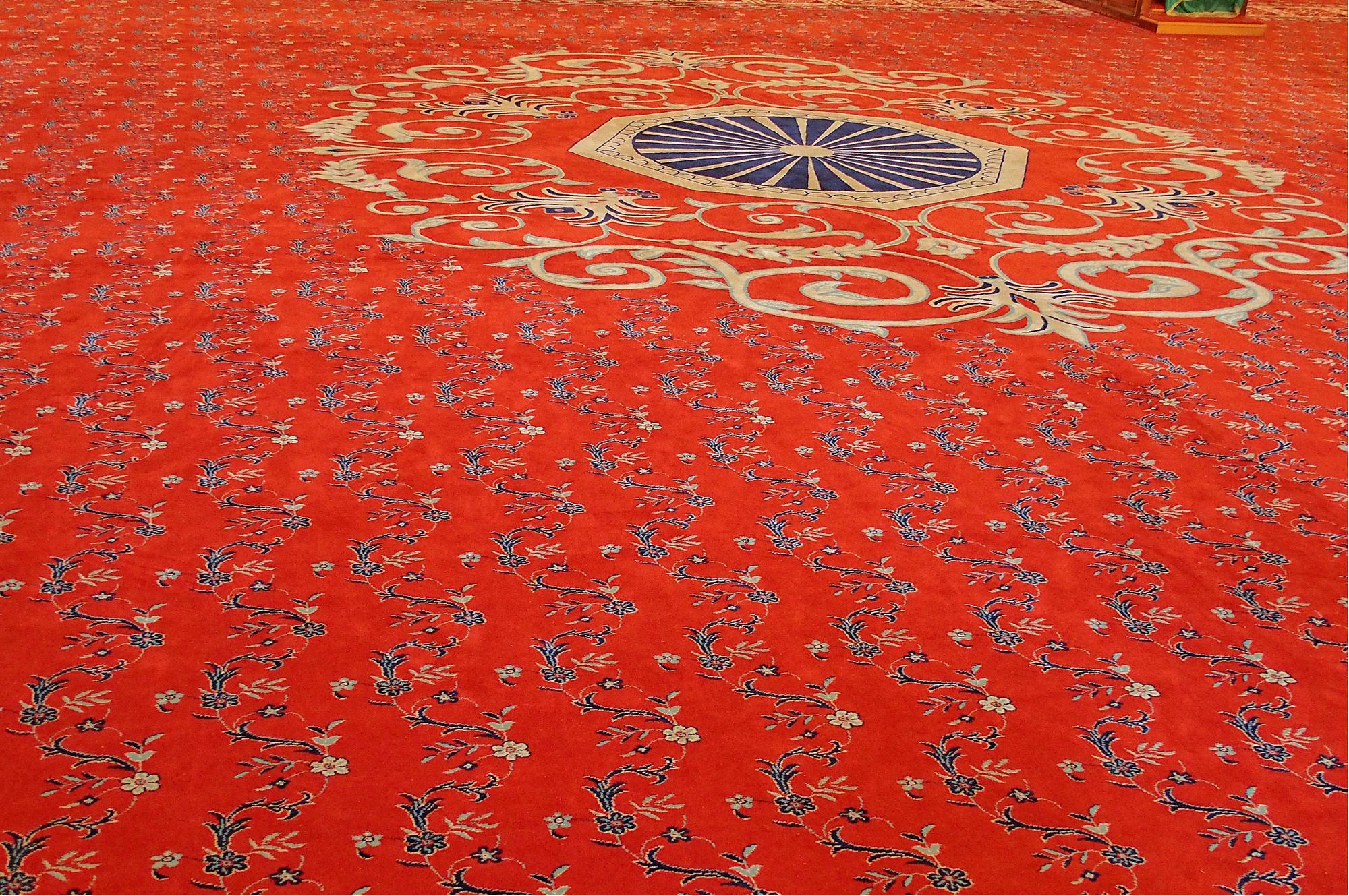
The very name Kashmir evokes images of breathtaking landscapes, serene lakes, and snow-capped peaks. But beyond its natural splendor, this northern Indian region harbors a treasure trove of artistic heritage that has captivated the world for centuries. We are talking about the exquisite handmade carpets, often referred to as Kashmir’s golden threads, which have journeyed from localized craft to an emblem of global luxury.
These aren’t just floor coverings; they are intricate narratives woven with silk and wool, steeped in history, and imbued with the soul of their creators. Each knot tells a story of unparalleled craftsmanship, dedication, and generations of artistic legacy. You are about to embark on a fascinating exploration of how these magnificent pieces of art have ascended to become highly coveted items in the world of premium home décor and art collection.
Prepare to discover the rich history, the meticulous artistry, the economic impact, and the global journey of India’s most celebrated handmade carpets. You will gain insight into what makes them so special, how they are made, and why they hold such significant value. Let’s unravel the threads of this remarkable narrative together.
The Soul of Kashmir: A Legacy Woven in Time
The story of Kashmiri carpets is as rich and intricate as the patterns they display, deeply intertwined with the region’s cultural fabric. Their genesis can be traced back to the Mughal era, specifically to the reign of Emperor Zain-ul-Abidin in the 15th century. It was he who introduced Persian carpet weaving techniques and artisans to Kashmir, laying the foundation for an industry that would flourish for centuries.
This royal patronage was crucial, providing the necessary impetus and resources for the craft to take root and evolve. Over generations, Kashmiri artisans not only adopted these techniques but also infused them with local aesthetics and indigenous designs. The result was a unique synthesis, creating carpets that bore the hallmarks of Persian elegance combined with Kashmiri artistry.
The fertile valleys and abundant resources of Kashmir, including fine wool and natural dyes, further contributed to the success of this craft. The isolation of the valley also helped preserve these traditional methods, allowing the art to be passed down through families with minimal external interference. You will find that this historical depth is palpable in every genuine Kashmiri carpet.
For centuries, carpet weaving remained a cherished family tradition, with skills meticulously transferred from one generation to the next. This unbroken lineage of knowledge and expertise is a cornerstone of the industry’s enduring quality and authenticity. It’s a heritage you can literally feel beneath your fingertips.
The Art of the Artisan: Craftsmanship Beyond Compare
What truly sets Kashmiri carpets apart is the sheer dedication and skill involved in their creation. This is not merely manufacturing; it is an act of profound artistic expression and manual dexterity. Every step, from material selection to the final knot, is executed with precision and care, a testament to the artisan’s mastery.
The Pristine Materials
The foundation of any premium carpet lies in its materials, and Kashmiri carpets utilize only the finest. You will typically find them crafted from two primary materials: silk and wool, or sometimes a luxurious blend of both.
- Pure Silk: Renowned for its unparalleled softness, natural sheen, and strength, pure silk carpets are the epitome of luxury. They capture light beautifully, displaying a mesmerizing play of colors that changes with your viewing angle. This material allows for incredibly fine knotting, leading to intricate details.
- High-Quality Wool: Merino wool is often preferred for its softness, durability, and excellent dye-absorption properties. Sometimes, a blend of local and imported wool is used, chosen for its resilience and ability to withstand the test of time. Wool carpets offer warmth and a rich, matte texture.
- Cotton: Often used for the warp and weft (the foundation threads), cotton provides stability and strength to the carpet structure. It ensures the carpet lays flat and maintains its shape over decades.
The Art of Natural Dyeing
The vibrant and lasting colors of Kashmiri carpets are a result of traditional dyeing techniques, often utilizing natural dyes. Artisans meticulously prepare dyes from flowers, fruits, vegetables, and minerals, a process that is both scientific and artistic. This commitment to natural pigments ensures colors that are not only rich and deep but also resistant to fading over time.
The process of dyeing the threads is a skill in itself, requiring an understanding of chemistry and color theory. The resulting palette is harmonious and sophisticated, adding another layer of beauty to the finished product. You will notice the subtle variations and depth that only natural dyes can provide.
The Intricate Knotting Technique
The heart of a hand-knotted carpet lies in its knots, and Kashmiri carpets are distinguished by their incredibly high knot density. Artisans primarily use the Persian (Senneh) knot, which is symmetrical and allows for extremely fine detailing. Sometimes, the Turkish (Ghiordes) knot is also employed, but the Persian knot is more prevalent for the intricate designs.
Knot density, measured in knots per square inch (KPSI), is a key indicator of quality and the time invested. A higher KPSI means more knots, finer details, and a more durable, supple carpet. Premium Kashmiri silk carpets can boast KPSI counts ranging from 400 to well over 1000, making them some of the finest in the world.
Imagine the dedication: each knot is individually tied by hand, trimmed, and then tightly packed. This painstaking process requires immense patience, precision, and years of practice. It’s truly a labor of love that you will appreciate when you understand the effort involved.
Symbolic Design Motifs
Kashmiri carpets are renowned for their elegant and often symbolic designs, which draw heavily from Persian influences and local flora and fauna. These patterns are not merely decorative; they often carry deep cultural meanings and stories.
- Chinar (Plane Tree): A prominent symbol of Kashmir, the Chinar leaf motif represents prosperity and longevity. Its graceful form is often a central element in many designs.
- Paisley (Boteh): This droplet-shaped motif, with its curved top, is a classic Persian design that has been beautifully integrated into Kashmiri patterns, symbolizing fertility and life.
- Tree of Life: A powerful universal symbol, the Tree of Life motif represents growth, connection, and immortality. It often depicts a tree with birds and animals, creating a vibrant scene.
- Floral and Garden Designs: Lush gardens, intricate floral arrangements, and delicate vine patterns are common, reflecting Kashmir’s natural beauty and the Mughal love for gardens.
- Geometric Patterns: While less common than florals, some carpets feature intricate geometric arrangements, reflecting ancient Islamic art.
These designs are often symmetrical and meticulously planned, sometimes taking months or even years to conceptualize and transfer to the loom. You are not just buying a carpet; you are acquiring a piece of woven history and symbolism.
The Weaving Process: A Symphony of Skill
The actual weaving process is a mesmerizing spectacle of coordinated effort, often involving multiple weavers working side-by-side. The design is first translated onto a graph paper, which acts as a blueprint for the weavers.
Seated at a vertical loom, each weaver follows the intricate design, tying thousands upon thousands of knots. As rows of knots are completed, a horizontal weft thread is passed through, and then a heavy iron comb is used to beat down the knots and weft, ensuring tightness and durability. This repetitive yet meditative process continues day after day, month after month, until the carpet is complete.
The role of the master weaver is paramount, overseeing the entire process, ensuring consistency in knotting, and guiding apprentices. Young weavers begin by learning simpler patterns, gradually progressing to more complex designs as their skills develop. This apprenticeship system ensures the continuity of this ancient craft, allowing you to be confident in the enduring quality.
What Makes a Kashmiri Carpet “Premium”?
In a world saturated with mass-produced items, what elevates a Kashmiri handmade carpet to the status of a premium, luxury good? It’s a combination of factors that collectively define its exceptional value and desirability.
Unparalleled Quality and Durability
The meticulous hand-knotting, using the finest silk or wool, results in a carpet that is not only exquisitely soft but also incredibly durable. Unlike machine-made carpets, which can wear out quickly, a well-maintained Kashmiri carpet can last for generations, becoming a cherished family heirloom. The high knot density contributes significantly to its resilience, ensuring it withstands daily use gracefully.
Exclusivity and Rarity
Each hand-knotted Kashmiri carpet is a unique piece of art. No two are exactly alike, even if they follow the same design. The sheer time and skill required for their creation mean that production is inherently limited.
This rarity makes them highly exclusive, appealing to discerning buyers who appreciate unique, artisanal products over mass-produced goods. You are investing in something truly special and individual.
Investment Value
Unlike many consumer goods that depreciate over time, a high-quality, genuine Kashmiri carpet can appreciate in value, especially if it’s an antique or a particularly fine example. They are considered collectible art pieces, much like paintings or sculptures. This makes them not just a decorative item, but a tangible asset that holds and potentially increases its worth over time.
Artistic Merit and Aesthetic Appeal
Beyond their practical utility, Kashmiri carpets are celebrated for their profound artistic merit. The intricate designs, harmonious color palettes, and the subtle sheen of silk create a visual masterpiece that can transform any space. They are often the focal point of a room, adding elegance, warmth, and a touch of exotic luxury.
You are acquiring a piece of art that tells a story and enhances your living environment.
Ethical Sourcing and Fair Trade Practices
Increasingly, the premium market values ethical production. Reputable Kashmiri carpet producers are committed to fair wages, safe working conditions, and preventing child labor. Many artisans work from home or in small community workshops, preserving traditional lifestyles.
When you purchase an authentic Kashmiri carpet from a responsible source, you are supporting these ethical practices and contributing directly to the livelihoods of skilled artisans and their families.
The Global Journey: From Valley to Vogue
The journey of Kashmiri carpets from the serene valleys of India to the grandest homes and palaces across the globe is a testament to their enduring appeal. Their global ascent has been a slow but steady process, shaped by historical trade, cultural exchange, and modern market dynamics.
Early Trade Routes and Cultural Exchange
From their inception, Kashmiri carpets were prized by royalty and nobility within India. As early as the Silk Road era, these luxurious textiles found their way to Persia, Central Asia, and beyond, carried by merchants and travelers. This early exposure established their reputation for quality and beauty across ancient trade networks.
You can imagine the awe they inspired in distant lands.
Colonial Influence and Export Boom
During the British Raj, the beauty of Kashmiri crafts, including carpets, gained significant attention from European markets. Colonial administrators and traders recognized their artistic and commercial value, leading to increased demand and organized export channels. This period saw Kashmiri carpets gracing drawing rooms and stately homes across Europe, further solidifying their international standing.
Modern Global Market Dynamics
Today, the global market for luxury goods is more interconnected than ever, and Kashmiri carpets have adapted to this new landscape. While challenges from mass-produced alternatives exist, the demand for authentic, handmade quality remains strong among discerning consumers. The internet and global logistics have made it easier for these unique products to reach buyers worldwide.
International exhibitions, trade fairs, and specialized luxury decor shows play a crucial role in showcasing these masterpieces to a global audience. Designers and collectors actively seek out genuine Kashmiri carpets for their projects and collections. You will find them featured in high-end interior design magazines and exclusive showrooms.
E-commerce platforms have also opened new avenues, allowing smaller artisan groups and cooperatives to connect directly with international buyers. This direct access helps ensure fair prices for artisans and provides consumers with transparent sourcing. The narrative of authenticity and heritage resonates strongly with today’s conscious consumer.
Economic Impact on Kashmir
The carpet industry is a vital pillar of Kashmir’s economy, providing livelihoods for thousands of families. Weavers, dyers, designers, wool and silk suppliers, and traders all depend on its success. The global demand for these carpets translates directly into economic stability and opportunities within the region.
Your purchase directly supports these communities.
However, the industry faces challenges, including competition from cheaper, machine-made imitations and the need to attract younger generations to continue the craft. Efforts are underway to preserve this heritage, including government support, training programs, and the promotion of the Geographical Indication (GI) tag. The GI tag legally protects the authenticity of Kashmiri carpets, ensuring that only those truly made in Kashmir can bear the name.
Economic Impact and Sustainability
The significance of the Kashmiri carpet industry extends far beyond its artistic value; it is a critical economic engine for the region. Understanding its impact and the efforts towards sustainability is essential for appreciating its true worth.
Livelihoods and Community Support
The carpet industry is a major employer in Kashmir, sustaining thousands of families. It provides direct employment to weavers, dyers, designers, and spinners, but also supports an ecosystem of ancillary businesses. This includes suppliers of raw materials, tools, and even transporters, creating a ripple effect throughout the local economy.
You become part of this supportive chain when you choose a genuine Kashmiri carpet.
Challenges Faced by the Industry
Despite its rich heritage and global demand, the industry grapples with several challenges. The influx of cheaper, machine-made carpets from other regions poses a significant threat, often misleading consumers. Counterfeit products, falsely marketed as Kashmiri, also dilute the brand’s integrity and harm genuine artisans.
Moreover, the arduous nature of the weaving process and the relatively low initial returns can deter younger generations from pursuing the craft. This creates a risk of losing traditional skills if adequate incentives and support are not provided. It’s a delicate balance between preserving tradition and adapting to modern economic realities.
Initiatives for Preservation and Growth
To combat these challenges, various initiatives are being implemented. The Indian government, along with NGOs and industry associations, is working to promote and protect Kashmiri handicrafts. Training programs are organized to equip new artisans with skills and provide refresher courses for experienced weavers.
The Geographical Indication (GI) tag, awarded to Kashmiri carpets, is a crucial step in ensuring authenticity and preventing fraud. This tag assures you that the carpet you are buying is genuinely made in Kashmir, using traditional methods. Furthermore, efforts are being made to connect artisans directly with global markets, reducing intermediaries and ensuring fairer wages.
Focus on Ethical Production and Sustainability
The global shift towards ethical consumerism is also influencing the Kashmiri carpet industry. Many producers are now emphasizing fair trade practices, ensuring artisans receive equitable compensation for their labor. There’s also a growing focus on environmental sustainability, utilizing natural dyes and minimizing waste in the production process.
You can feel good knowing your purchase supports responsible practices.
The future of Kashmir’s golden threads lies in a harmonious blend of tradition, innovation, and ethical practices. By supporting authentic craftsmanship, you contribute to the preservation of a magnificent art form and the livelihoods of its dedicated artisans. It’s an investment in beauty, culture, and community.
Characteristics of Premium Kashmiri Carpets
To help you understand the nuances of these masterpieces, here’s a table outlining key characteristics that define premium Kashmiri carpets:
| Characteristic | Description | Impact on Quality/Value |
|---|---|---|
| Material | 100% Pure Silk (Mulberry), High-Quality Merino Wool, or Silk/Wool Blend. Cotton for warp/weft. | Determines softness, sheen, durability, and allows for finer knotting. Silk is most luxurious. |
| Knot Density (KPSI) | Typically 400 KPSI up to 1200+ KPSI for silk carpets. | Higher KPSI means finer detail, greater durability, more supple texture, and higher value. |
| Dyeing Method | Primarily natural vegetable dyes and high-quality synthetic dyes. | Ensures vibrant, long-lasting, fade-resistant colors with rich depth and subtle variations. |
| Knot Type | Persian (Senneh) knot, occasionally Turkish (Ghiordes) knot. | Senneh knot allows for extremely intricate patterns and a denser pile. |
| Design Complexity | Intricate floral, Persian, Chinar, Tree of Life, and geometric motifs. | Reflects the artisan’s skill and time invested; contributes significantly to aesthetic value. |
| Weaving Time | Months to several years, depending on size, material, and KPSI. | Indicates the labor-intensive, handcrafted nature and the rarity of each piece. |
| Finish | Even pile, perfectly aligned edges, carefully finished fringes. | Signifies attention to detail and overall craftsmanship quality. |
| Authenticity | Often accompanied by a Geographical Indication (GI) tag or artisan certificate. | Guarantees the carpet’s origin and adherence to traditional Kashmiri weaving standards. |
Caring for Your Kashmiri Masterpiece
Owning a Kashmiri carpet is an investment in art and history, and with proper care, it will retain its beauty and value for generations. You can ensure its longevity by following a few simple guidelines.
Regular Maintenance
Vacuum your carpet regularly, but gently, using a suction-only setting (avoiding beater bars) to remove dust and loose dirt. For silk carpets, a broom or gentle hand-brushing is often preferred. Rotate your carpet periodically, perhaps every 6-12 months, to ensure even wear and exposure to light, preventing localized fading.
This simple step can significantly extend its life.
Protecting from Damage
Avoid placing heavy furniture directly on your carpet for extended periods, as this can create permanent indentations. If you must, use furniture coasters. Keep your carpet out of direct, prolonged sunlight, as UV rays can cause colors to fade over time.
Using blinds or curtains can help protect it. Pet owners should be vigilant about potential damage from claws or accidents.
Spill and Stain Management
Act immediately if a spill occurs. Blot the liquid with a clean, white cloth, working from the outside of the spill inwards to prevent spreading. Do not rub, as this can push the stain deeper into the fibers.
For solid spills, gently scrape away excess before blotting. For stubborn stains, it is always best to consult a professional carpet cleaner experienced with handmade rugs.
Professional Cleaning
While regular maintenance is important, your Kashmiri carpet will benefit from professional cleaning every 3-5 years, or more frequently in high-traffic areas. Choose a cleaner who specializes in hand-knotted rugs and understands the delicate nature of silk and fine wool. Improper cleaning can damage the fibers, dyes, or structure of your valuable carpet.
You wouldn’t trust just anyone with a priceless painting, so extend the same care to your carpet.
With these care tips, your Kashmiri carpet will continue to be a source of beauty and pride for many years. It is an heirloom that will only grow in character and charm with each passing decade, a testament to its enduring quality and your diligent care.
Conclusion
The journey of Kashmir’s golden threads is a magnificent narrative of enduring craftsmanship, cultural richness, and global appeal. From the looms of the tranquil valley to the luxurious homes across continents, these handmade carpets represent far more than just floor coverings. They are intricate tapestries of history, art, and human endeavor.
You have now explored the meticulous process of their creation, understood the premium materials, and appreciated the symbolic designs that make each carpet a unique masterpiece. You’ve seen how centuries of tradition, combined with the dedication of skilled artisans, have elevated these carpets to an esteemed position in the world of luxury décor and collectible art.
As these golden threads continue their global ascent, they carry with them the legacy of Kashmir, a testament to the power of human skill and artistic passion. Investing in a genuine Kashmiri carpet is not merely a purchase; it is an acquisition of heritage, a support for sustainable craftsmanship, and an embrace of timeless beauty.
May you continue to appreciate the profound artistry and deep cultural significance woven into every single knot of these extraordinary creations. They are, indeed, Kashmir’s most exquisite gift to the world.
Frequently Asked Questions (FAQ)
Q1: What is the main difference between a hand-knotted and a hand-tufted carpet?
A1: A hand-knotted carpet is made by individually tying thousands of knots onto a warp and weft foundation, a painstaking process that creates a durable, long-lasting rug. A hand-tufted carpet, on the other hand, involves punching yarn through a fabric backing with a tufting gun, then applying a secondary backing and latex adhesive. Hand-knotted carpets are generally considered higher quality, more durable, and more valuable.
Q2: How can I identify an authentic Kashmiri hand-knotted carpet?
A2: Look for a Geographical Indication (GI) tag, which certifies its origin. Examine the back of the carpet; you should see individual knots, not a uniform backing. The fringe should be an extension of the warp threads, not sewn on.
Authentic carpets often have slight imperfections, indicating their handmade nature. High knot density (KPSI) and natural material sheen are also good indicators.
Q3: What does KPSI mean, and why is it important?
A3: KPSI stands for Knots Per Square Inch. It measures the density of knots in a carpet. A higher KPSI indicates a finer weave, more intricate design possibilities, greater durability, and generally a higher quality and value.
Premium Kashmiri silk carpets often have KPSI counts ranging from 400 to over 1000.
Q4: How long does it take to weave a Kashmiri carpet?
A4: The time required varies significantly based on the carpet’s size, material, and knot density. A small, simple wool rug might take a few weeks, while a large, intricate pure silk carpet with a high KPSI could take several months or even multiple years to complete, often involving multiple weavers.
Q5: Are Kashmiri carpets ethically produced?
A5: Many reputable Kashmiri carpet producers prioritize ethical practices, including fair wages for artisans, safe working conditions, and the prohibition of child labor. Look for certifications or ask your seller about their sourcing and production ethics. Supporting authentic, responsible suppliers directly benefits the artisan communities.
Q6: How should I clean a Kashmiri silk or wool carpet?
A6: For daily maintenance, gently vacuum or sweep with a soft broom. For spills, blot immediately without rubbing. For deep cleaning, it is highly recommended to engage a professional carpet cleaner who specializes in hand-knotted rugs.
Improper cleaning can damage the delicate fibers and dyes. Avoid harsh chemicals and steam cleaning.
Q7: What is the typical price range for a premium Kashmiri carpet?
A7: The price of a Kashmiri carpet can vary widely based on its size, material (silk being more expensive than wool), knot density, age, and design complexity. Smaller wool carpets might start from a few hundred dollars, while large, intricate pure silk carpets with very high KPSI can cost tens of thousands of dollars or more. They are considered an investment piece.