The intricate dance of tradition and modernity is playing out beautifully across India’s vibrant economic landscape. As you look around, you’ll notice a significant shift in consumer preferences and purchasing power, particularly within the luxury segment. This transformation is setting the stage for an unprecedented boom in various premium markets, with one sector in particular ready to unfurl its grandeur: India’s premium carpet market.
You are standing at the cusp of a fascinating period where luxurious floor coverings are transcending their traditional roles to become central pieces of interior design and statements of personal style. By 2030, this segment is not just expected to grow; it is poised for a remarkable ascent. This article will meticulously explore the multifaceted drivers, opportunities, and strategic imperatives that will shape the ‘Future of Footfalls’ in India’s high-end carpet industry, inviting you to understand its immense potential.
Understanding India’s Carpet Tapestry: A Legacy of Craftsmanship
India boasts a rich and storied history of carpet weaving, a legacy that dates back centuries. The artistry involved, passed down through generations, is truly unparalleled. You can find roots of this craft deeply embedded in various regions, each contributing unique patterns, techniques, and materials.
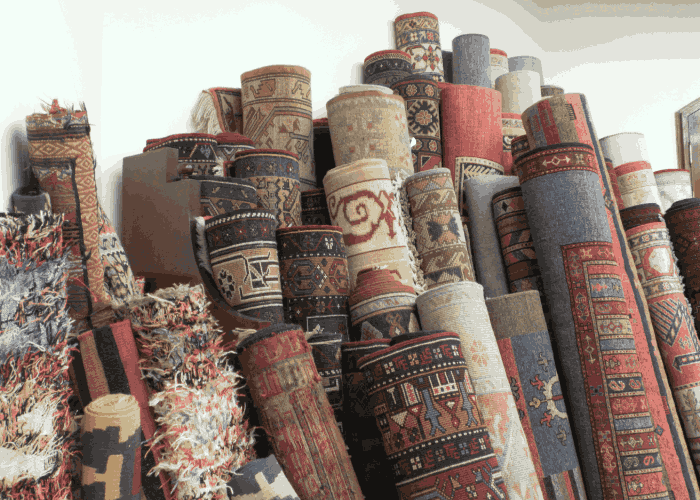
From the intricate Persian-influenced designs of Kashmir to the vibrant dhurries of Rajasthan and the durable hand-knotted rugs of Bhadohi, India’s carpet heritage is a testament to its diverse cultural fabric. This deep-rooted tradition forms the sturdy foundation upon which the premium market is now building its future. You are witnessing a blend of ancient skills with contemporary demands.
The Enduring Appeal of Handcrafted Excellence
What truly sets Indian carpets apart globally is the emphasis on handcrafted excellence. Artisans meticulously knot and weave each piece, imbuing it with a soul that mass-produced alternatives simply cannot replicate. This human touch is a significant draw for discerning customers.
The painstaking process ensures that every carpet is not merely a floor covering but a unique work of art. You are investing in a piece of history and craftsmanship. This intrinsic value is a cornerstone of the premium segment’s appeal.
Defining “Premium” in the Indian Carpet Context
When we talk about “premium” in the context of Indian carpets, we are referring to much more than just a higher price tag. It encompasses a confluence of factors that elevate a product beyond the ordinary. You will find that true premium quality is a holistic concept.
Understanding these defining characteristics is crucial for appreciating the market’s trajectory. It involves a discerning eye for quality, design, and provenance. You are looking for an experience, not just an item.
Key Attributes of Premium Carpets
- Superior Materials: Premium carpets utilize the finest natural fibers, such as high-grade Merino wool, luxurious silk, bamboo silk, or blends that offer exceptional softness, durability, and luster. You can feel the difference immediately.
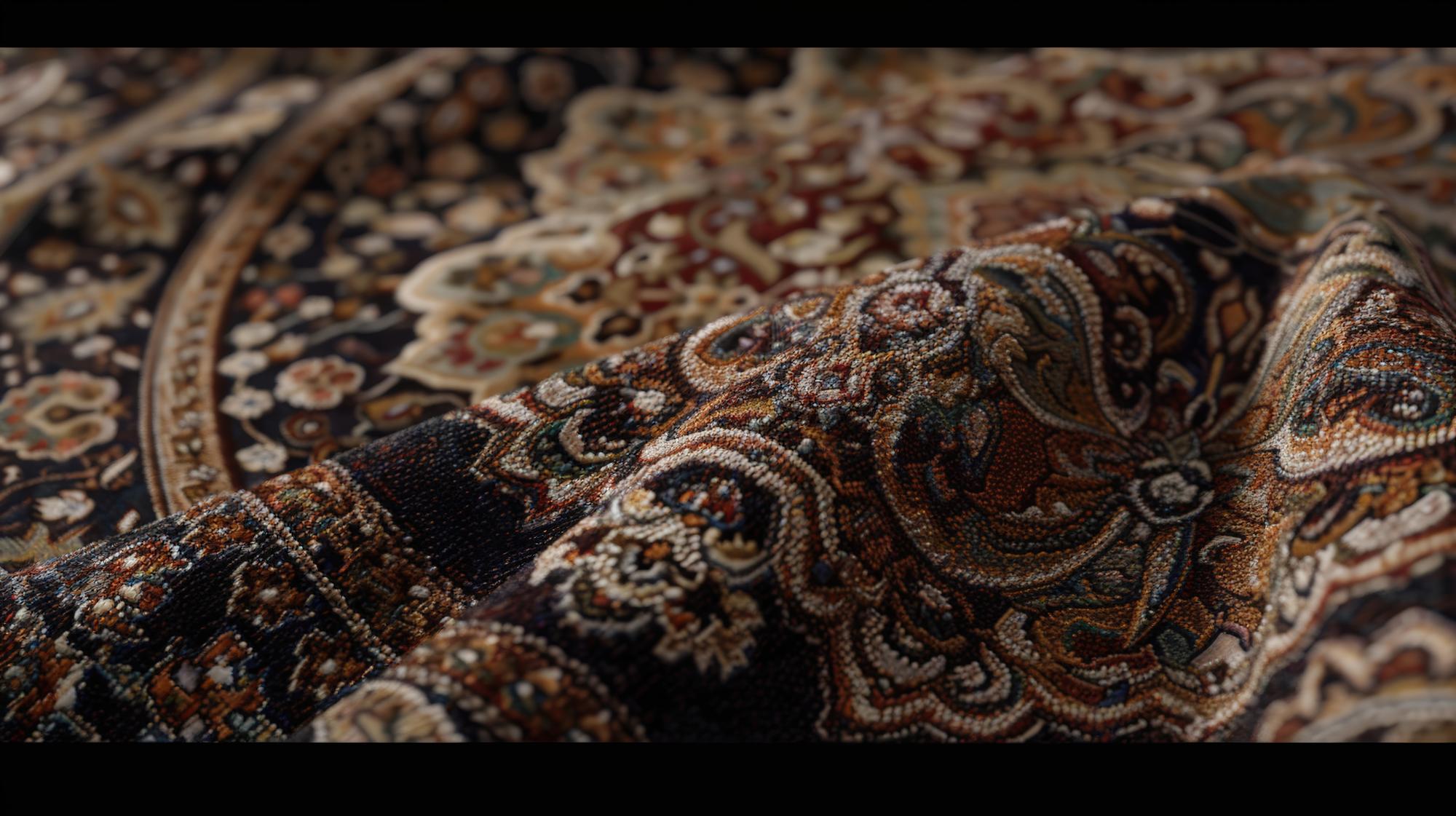
- Exquisite Craftsmanship: This includes high knot counts per square inch for hand-knotted rugs, intricate weaving techniques for hand-tufted varieties, and impeccable finishing. The precision and detail are evident in every fiber.
- Unique Design and Aesthetics: Premium offerings often feature bespoke designs, collaborations with renowned artists, or unique interpretations of traditional motifs. They are not merely functional but artistic statements.
- Brand Pedigree and Storytelling: Established brands with a reputation for quality, ethical practices, and a compelling narrative command a premium. You are buying into a legacy and a promise.
- Exclusivity and Customization: Limited editions, one-of-a-kind pieces, and the ability to customize size, color, and design contribute to their premium status. Your carpet can be uniquely yours.
- Durability and Longevity: While beautiful, premium carpets are also built to last, often becoming heirlooms. You are making an investment that will endure.
Key Growth Drivers for the Premium Segment
Several powerful macroeconomic and socio-cultural trends are converging to fuel the expansion of India’s premium carpet market. These drivers are creating a fertile ground for businesses operating in this high-value segment. You should be aware of these forces shaping the market.
1. Rising Disposable Incomes & Affluent Class Expansion
India’s economy is witnessing a significant surge in disposable incomes, particularly among its burgeoning middle and upper-middle classes. This demographic shift means more households have the financial capacity to invest in luxury goods and high-end home furnishings.
The number of High Net Worth Individuals (HNWIs) and Ultra High Net Worth Individuals (UHNWIs) in India is projected to grow substantially. You will find that these affluent consumers are actively seeking products that reflect their status and sophisticated tastes. This growing wealth directly translates into increased demand for premium carpets.
2. Urbanization & Modern Lifestyles
Rapid urbanization continues to reshape India’s demographic landscape. As more people move to cities, they embrace modern lifestyles that often include a greater emphasis on aesthetically pleasing and well-appointed living spaces. You are seeing a desire for contemporary and stylish home decor.
The construction of luxury apartments, villas, and planned communities in metropolitan areas directly correlates with the demand for premium interior solutions. These new homes become canvases for high-quality furnishings, where premium carpets play a crucial role. You will note that urban dwellers are willing to spend more on their personal spaces.
3. Evolving Consumer Tastes & Demand for Luxury Interiors
Indian consumers, increasingly exposed to global trends through travel, digital media, and international brands, are developing more refined and discerning tastes. There is a growing appreciation for sophisticated interior design and artisanal products. You are becoming more aware of global design movements.
Premium carpets are no longer viewed merely as floor coverings but as integral elements that define the character and elegance of a space. They are seen as investments in comfort, style, and personal expression. This shift in perception is a major catalyst for growth.
4. Growth in Real Estate & Hospitality Sectors
The sustained growth in India’s luxury real estate sector, encompassing high-end residential projects and boutique commercial spaces, is a significant demand generator. Developers are increasingly incorporating premium finishes and furnishings to attract discerning buyers. You will see luxury carpets as a standard offering.
Similarly, the expanding hospitality sector, with its focus on luxury hotels, resorts, and fine-dining establishments, requires exquisite interior decor. Premium carpets contribute to creating an ambiance of opulence and comfort, which is essential for these establishments. You will find these carpets gracing the floors of upscale venues.
5. Digital Penetration & E-commerce Channels
The explosion of digital connectivity and the rise of e-commerce platforms have democratized access to premium products. Consumers can now browse, compare, and purchase high-end carpets from the comfort of their homes. You can explore a vast range of options online.
Specialized online marketplaces and brand websites are making it easier for premium carpet manufacturers to reach a wider audience, including those in Tier 2 and Tier 3 cities. Digital marketing and virtual showrooms are enhancing the customer experience. This digital transformation is broadening the market reach.
6. “Vocal for Local” & Appreciation for Indian Craftsmanship
The “Vocal for Local” movement and a renewed sense of pride in India’s indigenous crafts are significantly boosting demand for locally made premium products. Consumers are increasingly valuing the authenticity, heritage, and unique stories behind Indian handcrafted carpets. You are becoming more conscious about supporting local artisans.
This sentiment aligns perfectly with the premium carpet segment, which thrives on unique designs and artisanal expertise. It provides a strong competitive advantage against mass-produced imports. You are choosing products with a soul and a story.
7. Sustainability & Ethical Sourcing Trends
Globally, and increasingly in India, consumers are becoming more conscious about the environmental and social impact of their purchases. Demand for ethically sourced, sustainably produced, and eco-friendly products is on the rise. You are asking more questions about product origins.
Premium carpet manufacturers who prioritize fair labor practices, use natural and renewable materials, and ensure transparent supply chains are gaining a competitive edge. This commitment to sustainability resonates strongly with the discerning premium buyer. You are making responsible choices.
8. Design Innovation & Customization
The premium market thrives on innovation and the ability to offer personalized solutions. Manufacturers are investing in design research and development to create contemporary patterns, textures, and color palettes that cater to evolving tastes. You will find a blend of traditional and modern designs.
The option for customization, allowing customers to specify dimensions, colors, and even unique patterns, further enhances the appeal of premium carpets. This bespoke approach ensures that each piece perfectly complements the intended space. You can create a truly unique statement.
Market Segmentation: Who is Driving the Demand?
Understanding the key consumer segments fueling the premium carpet market is essential for effective targeting and strategy development. Each segment has distinct motivations and preferences. You need to know who your customer is.
1. High Net Worth Individuals (HNWIs)
This demographic represents the core of the premium market. HNWIs seek exclusivity, superior quality, and unique design in their home furnishings. They view premium carpets not just as decor but as expressions of their personal style and status.
You will find them investing in bespoke pieces.
Their purchasing decisions are often influenced by interior designers and architects who curate high-end living spaces. They are willing to pay for unparalleled craftsmanship and luxury materials. You can expect them to be repeat customers for exquisite items.
2. Luxury Residential Projects
Developers of high-end apartments, villas, and gated communities are increasingly specifying premium carpets for their model homes and common areas. These carpets elevate the overall aesthetic and perceived value of the property. You will see them in show homes and penthouses.
They often purchase in bulk, but their requirements for quality, design consistency, and timely delivery are stringent. This segment offers significant opportunities for manufacturers capable of handling large-scale premium orders. You can cater to large development projects.
3. Boutique Hotels & Resorts
The hospitality sector, especially the luxury segment, relies heavily on creating an immersive and opulent experience for guests. Premium carpets contribute significantly to the ambiance, sound absorption, and overall comfort of hotel rooms, lobbies, and banquet halls. You will feel the luxury underfoot.
Hoteliers seek durable, stain-resistant, and aesthetically pleasing carpets that can withstand high traffic while maintaining their luxurious appearance. Custom designs are often preferred to align with the hotel’s unique theme. You can offer tailored solutions for these clients.
4. Interior Designers & Architects
These professionals act as key influencers and decision-makers in the premium carpet market. They recommend and specify carpets for their affluent clients’ residential and commercial projects. Their expertise guides clients towards the best selections.
You will want to build strong relationships with them.
Manufacturers who offer a wide range of designs, customization options, and reliable service are highly valued by this segment. Collaborations with designers can lead to innovative collections and increased visibility. You can leverage their networks and influence.
5. Corporate Offices (Premium Spaces)
While often overlooked, premium corporate offices, especially those housing executive suites, boardrooms, and client-facing areas, are increasingly investing in high-quality carpets. These spaces aim to project an image of professionalism, sophistication, and success. You will find them in high-end corporate environments.
Such clients prioritize durability, aesthetics, and often seek carpets that align with their brand identity. The demand here is for functional luxury that enhances the working environment. You can target companies looking to upgrade their office aesthetics.
Challenges and Opportunities: Navigating the Landscape
While the outlook for India’s premium carpet market is overwhelmingly positive, stakeholders must also be cognizant of potential challenges and strategically capitalize on emerging opportunities. You need to be prepared for both.
Challenges:
- Intense Competition: The market faces competition from both domestic players and international brands, some of whom have established global reputations. You must differentiate your offerings.
- Skilled Labor Retention: The art of hand-weaving is a specialized skill, and retaining experienced artisans is crucial. Attracting younger generations to this craft is a continuous challenge. You need to invest in your workforce.
- Raw Material Price Volatility: Fluctuations in the prices of high-quality wool, silk, and other premium fibers can impact production costs and profit margins. You need robust sourcing strategies.
- Counterfeiting and Imitation: The success of premium brands often attracts imitators, diluting brand value and confusing consumers. Protecting intellectual property is vital. You must safeguard your designs.
- Supply Chain Complexities: Ensuring timely delivery of bespoke and high-value items, especially for international orders, requires a highly efficient and reliable supply chain. You need streamlined logistics.
- Perceived Price Sensitivity: Even in the premium segment, some consumers may still be sensitive to very high price points, requiring strong value propositions. You must justify the investment.
Opportunities:
- Untapped Export Potential: Indian premium carpets have significant demand in international markets, particularly North America, Europe, and the Middle East. You can expand your global footprint.
- Brand Building & Storytelling: Investing in strong brand narratives that highlight heritage, craftsmanship, and ethical practices can create powerful consumer connections. You can build a legacy.
- Design Collaboration: Partnering with renowned interior designers, architects, and artists can lead to innovative collections and increased market visibility. You can foster creative partnerships.
- Technological Integration: Leveraging AR/VR for virtual try-ons, AI for personalized recommendations, and blockchain for supply chain transparency can enhance the customer experience. You can embrace digital transformation.
- Direct-to-Consumer (D2C) Models: Establishing strong D2C channels can improve margins, provide direct customer feedback, and build stronger brand loyalty. You can control your customer journey.
- Niche Market Expansion: Exploring specialized niches like sustainable luxury, pet-friendly premium rugs, or carpets for specific design aesthetics (e.g., minimalist, maximalist) can open new avenues. You can tap into specific consumer needs.
Technological Integration and Innovation: Shaping the Future
While the essence of premium carpets lies in their handcrafted nature, technology is increasingly playing a supportive and transformative role. It is not about replacing artisans but empowering them and enhancing the market experience. You will find technology as an enabler.
1. Advanced Design and Visualization Tools
Computer-aided design (CAD) software allows designers to create intricate patterns and visualize carpets in various settings before production. This speeds up the design process and reduces errors. You can see your custom carpet come to life digitally.
Augmented Reality (AR) and Virtual Reality (VR) applications are revolutionizing the customer experience. Consumers can virtually place a carpet in their own homes, allowing for better decision-making and reducing returns. You can try before you buy, virtually.
2. Smart Manufacturing Processes
While hand-knotting remains paramount, certain preparatory stages, like yarn dyeing and quality control, can benefit from advanced machinery. This ensures consistency and efficiency without compromising the handcrafted core. You can optimize non-core processes.
Data analytics can help optimize inventory management, predict demand trends, and streamline production schedules. This leads to more efficient operations and reduced waste. You can make data-driven decisions.
3. E-commerce and AI-driven Personalization
Sophisticated e-commerce platforms offer high-resolution imagery, detailed product descriptions, and customer reviews. AI algorithms can analyze browsing behavior and purchase history to offer personalized recommendations. You will receive tailored suggestions.
Chatbots and virtual assistants can provide instant customer support, answer queries, and guide customers through the selection process, enhancing the online shopping experience. You can get immediate assistance.
4. Supply Chain Transparency with Blockchain
Blockchain technology offers an immutable ledger for tracking the journey of raw materials from source to finished product. This provides unparalleled transparency regarding ethical sourcing, authenticity, and sustainability claims. You can verify the provenance of your carpet.
For premium buyers who value provenance and ethical production, this level of transparency adds significant value and trust. You can be confident in your purchase’s origin.
The Role of Sustainability and Ethical Practices
In the premium market, sustainability is no longer a niche concern but a fundamental expectation. Discerning consumers are increasingly aligning their purchases with their values. You are part of a movement towards conscious consumption.
1. Eco-friendly Materials and Processes
Manufacturers are exploring the use of organic cotton, recycled fibers, and natural dyes to minimize environmental impact. Innovations in water-saving dyeing processes are also gaining traction. You can find carpets made with a lighter footprint.
Choosing renewable resources and reducing waste throughout the production cycle are becoming key differentiators. This appeals to environmentally conscious buyers. You are supporting responsible manufacturing.
2. Fair Labor Practices and Artisan Welfare
Ethical sourcing extends beyond materials to the people who craft these beautiful carpets. Ensuring fair wages, safe working conditions, and opportunities for skill development for artisans is paramount. You are contributing to a dignified livelihood.
Brands that actively support artisan communities, provide education, and preserve traditional weaving techniques build trust and loyalty. This commitment resonates deeply with socially aware consumers. You are investing in human well-being.
3. Traceability and Certifications
Premium brands are increasingly seeking certifications from independent bodies that verify their sustainability and ethical claims. This provides assurance to consumers about the product’s journey. You can look for recognized labels.
Transparent communication about the supply chain, from sheep to loom, builds credibility and strengthens the brand’s reputation. You want to know the story behind your purchase.
Government Initiatives and Policy Support
The Indian government recognizes the significant economic and cultural contribution of the textile and handicraft sectors, including carpets. Various policies and initiatives are in place to support their growth. You should be aware of these supportive measures.
1. “Make in India” Initiative
The “Make in India” campaign encourages domestic manufacturing and promotes Indian products globally. This initiative provides a supportive ecosystem for carpet manufacturers, fostering innovation and quality. You are part of a larger national vision.
It aims to reduce reliance on imports and boost local production, which directly benefits the premium carpet segment by promoting its unique value proposition. You are supporting local industry growth.
2. Support for Artisans and Skill Development
Programs focused on skill development, training, and welfare schemes for artisans help preserve traditional crafts and ensure a continuous supply of skilled labor. These initiatives are crucial for the hand-knotted segment. You can see direct investment in human capital.
Financial assistance and marketing support for artisan clusters also help them access wider markets and improve their livelihoods. You are empowering traditional craftspeople.
3. Export Promotion Schemes
Given the significant export potential of Indian carpets, the government offers various incentives and schemes to boost international trade. These include export subsidies, market development assistance, and participation in international trade fairs. You can access global markets more easily.
Such policies help Indian premium carpet brands compete effectively on the global stage, expanding their reach and revenue streams. You are supported in your international endeavors.
Strategic Imperatives for Stakeholders
To fully capitalize on the projected growth, stakeholders in India’s premium carpet market must adopt forward-thinking strategies. These imperatives will ensure sustained success and competitive advantage. You need a clear roadmap for the future.
1. Focus on Brand Building and Storytelling
Invest significantly in developing a strong brand identity that communicates heritage, craftsmanship, ethical practices, and unique design philosophy. Tell the story behind each carpet. You can create an emotional connection with your customers.
Consistent branding across all touchpoints – from product packaging to digital presence – is crucial for establishing trust and recognition in the premium segment. You need a cohesive brand message.
2. Invest in Design & Research and Development (R&D)
Continuously innovate in design, exploring new patterns, textures, color palettes, and material blends that resonate with contemporary luxury aesthetics. Collaborate with leading designers. You must stay ahead of design trends.
R&D can also focus on improving durability, stain resistance, and eco-friendly production methods without compromising on premium quality. You can offer superior functionality.
3. Strengthen Digital Presence and E-commerce Capabilities
Develop a robust, user-friendly e-commerce platform with high-quality visuals, virtual try-on features, and personalized customer service. Leverage social media for engaging storytelling and marketing. You must excel in the digital space.
Explore partnerships with luxury online marketplaces to expand reach and visibility among affluent digital consumers. You can broaden your online distribution.
4. Prioritize Sustainability and Ethical Sourcing
Integrate sustainable practices throughout the supply chain, from sourcing raw materials to production and packaging. Obtain relevant certifications and communicate these efforts transparently. You must meet consumer expectations for ethical products.
Highlight fair labor practices and artisan welfare as core brand values, appealing to the growing segment of conscious luxury consumers. You can build a reputation for responsible business.
5. Cultivate and Retain Skilled Artisans
Implement programs for skill development, fair compensation, and welfare benefits to attract and retain talented weavers and craftsmen. Create a supportive environment that values their expertise. You must invest in your human capital.
Explore apprenticeships and mentorship programs to pass on traditional knowledge to the next generation, safeguarding the future of handcrafted excellence. You can preserve invaluable skills.
6. Explore Niche Markets and Customization
Identify and target specific niche markets within the luxury segment, such as bespoke rugs for yachts, private jets, or heritage properties. Offer extensive customization options. You can cater to exclusive demands.
Build strong relationships with interior designers and architects, offering them exclusive access to collections and customization services for their clients. You can become their preferred partner.
Market Projections: A Quantitative Outlook Towards 2030
The premium carpet market in India is poised for substantial expansion over the next decade. While precise figures can fluctuate based on various economic factors, the trajectory is undeniably upward. You can anticipate robust growth.
Based on current growth trends in disposable income, urbanization, luxury market penetration, and increasing consumer awareness, we can project a significant compound annual growth rate (CAGR). This growth will be driven by both volume and value. You are looking at a dynamic market evolution.
Here’s a hypothetical projection illustrating the potential growth of India’s premium carpet market:
| Year | Estimated Market Size (INR Crores) | Projected Growth Rate (CAGR) |
|---|---|---|
| 2023 (Base Year) | 5,500 | – |
| 2024 | 6,100 | 10.9% |
| 2025 | 6,800 | 11.5% |
| 2026 | 7,650 | 12.5% |
| 2027 | 8,600 | 12.4% |
| 2028 | 9,700 | 12.8% |
| 2029 | 10,950 | 12.9% |
| 2030 | 12,400 | 13.2% |
(Note: Figures are illustrative projections based on current market trends and growth drivers. Actual market size and growth rates may vary.)
As you can see from the table, the market is expected to more than double in size from 2023 to 2030. This robust growth signifies immense opportunities for brands and investors. You are witnessing a market with significant upward momentum.
Conclusion
The journey towards 2030 for India’s premium carpet market is set to be one of remarkable expansion and innovation. Fueled by a burgeoning affluent class, evolving lifestyle aspirations, and a renewed appreciation for handcrafted luxury, the future looks incredibly bright. You are part of an exciting transformation.
The convergence of traditional artistry with modern design, coupled with strategic digital integration and a strong commitment to sustainability, will define success in this dynamic landscape. By embracing these drivers and imperatives, stakeholders can unlock unparalleled growth. You have a chance to shape this future.
As the ‘Future of Footfalls’ unfolds, India’s premium carpets will continue to grace discerning homes and establishments, not just as floor coverings, but as cherished pieces of art, heritage, and ethical luxury. You will see these beautiful creations becoming central to sophisticated interiors. The stage is set for a truly golden era in Indian carpet manufacturing and retail.
Frequently Asked Questions (FAQ)
Q1: What defines a “premium” carpet in the Indian market?
A1: A premium carpet in India is characterized by its superior materials, such as high-grade wool or silk, exquisite craftsmanship (often hand-knotted with high knot counts), unique and sophisticated designs, brand pedigree, and often, customization options. It’s an investment in quality and artistry. You are looking for exceptional value and aesthetic appeal.
Q2: What are the main factors driving the growth of India’s premium carpet market?
A2: The key drivers include rising disposable incomes, rapid urbanization, changing consumer tastes favoring luxury interiors, strong growth in the real estate and hospitality sectors, increasing digital penetration, the “Vocal for Local” movement, and a growing demand for sustainable and ethically produced goods. You can see these trends influencing a significant shift.
Q3: How is technology impacting the premium carpet industry?
A3: Technology is enhancing the premium carpet industry through advanced design and visualization tools (CAD, AR/VR), smart manufacturing processes for efficiency, sophisticated e-commerce platforms with AI-driven personalization, and blockchain for supply chain transparency. It empowers, rather than replaces, traditional craftsmanship. You will find that technology improves both production and customer experience.
Q4: Are Indian premium carpets primarily for the domestic market or for export?
A4: India’s premium carpets have significant demand in both domestic and international markets. While the domestic market is growing rapidly due to local affluence, there’s also substantial export potential, particularly in North America, Europe, and the Middle East, where Indian craftsmanship is highly valued. You can target both local and global customers.
Q5: What role does sustainability play in the premium carpet market?
A5: Sustainability is becoming a crucial differentiator in the premium market. Consumers are increasingly seeking eco-friendly materials, ethical sourcing, fair labor practices, and transparent supply chains. Brands prioritizing these aspects gain a competitive edge and build trust with discerning buyers.
You are making a more conscious and responsible choice.
Q6: What kind of investment is required to enter the premium carpet market as a manufacturer or retailer?
A6: Entering the premium carpet market requires significant investment in high-quality raw materials, skilled artisan training and retention, sophisticated design and R&D, robust branding and marketing, and potentially advanced e-commerce infrastructure. Building a strong brand reputation and a network of designers is also essential. You need a comprehensive strategy and capital.
Q7: How can I identify an authentic premium Indian carpet?
A7: To identify an authentic premium Indian carpet, look for details like high knot count (for hand-knotted), the fineness of materials (e.g., Merino wool, silk), intricate and clear patterns, natural dyes (which age beautifully), and a reputable brand or artisan’s signature. Always inquire about the carpet’s origin and craftsmanship. You should also consider certifications for ethical sourcing.
You are looking for tangible signs of quality and authenticity.