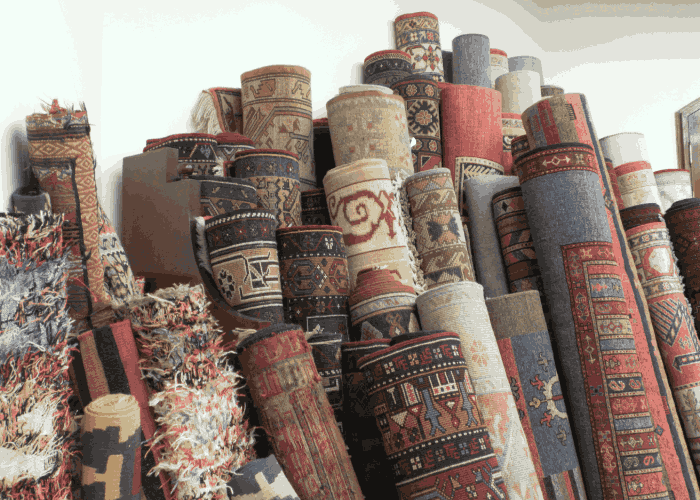
Step into a world where artistry meets unparalleled comfort, where every thread tells a story of generations of skill and dedication. India, a land renowned for its vibrant culture and intricate crafts, holds a special place in the global tapestry of luxury. Its carpets are not merely floor coverings; they are masterpieces, woven legacies that transform spaces into realms of elegance and sophistication.
You might wonder what sets these magnificent creations apart, what secret ingredient imbues them with such a distinguished character. The answer lies in a profound commitment to refined craftsmanship, a meticulous process that elevates simple fibers into enduring works of art. This article invites you on a journey to uncover the hidden secrets behind India’s most luxurious carpet collections, revealing the intricate dance of tradition, material excellence, and human ingenuity.
Prepare to explore the rich history, the premium materials, the painstaking weaving techniques, and the exquisite finishing touches that define these coveted masterpieces. By the end, you will possess a deeper appreciation for the artistry and investment value of a truly luxurious Indian carpet, understanding why they are cherished by connoisseurs worldwide.
The Tapestry of Time: A Rich Heritage
The story of luxury carpet weaving in India is deeply intertwined with its imperial past, particularly the Mughal Empire. It was during the 16th century, under the patronage of emperors like Akbar, that the art form truly blossomed. Persian master weavers were brought to India, sharing their sophisticated techniques and intricate designs, which then fused with local artistic sensibilities.
This cultural amalgamation gave birth to a distinct Indo-Persian style, characterized by its vibrant color palettes, naturalistic motifs, and unparalleled detail. Mughal carpets quickly became symbols of status and power, gracing royal palaces and adorning noble homes. The tradition of excellence established during this golden age continues to influence carpet design and production today.
Over centuries, regional variations emerged, each adding its unique flavor to the Indian carpet legacy. From the delicate floral patterns of Kashmir to the robust geometric designs of Rajasthan, these diverse styles reflect the vast cultural landscape of the subcontinent. This enduring heritage is not just historical; it is a living, breathing component of every luxury carpet woven in India today, connecting you to a lineage of unparalleled artistry.
The Enduring Legacy of Mughal Influence
The Mughals introduced the Persian knotting technique, known as Senneh or asymmetrical knot, which allowed for extraordinarily fine detailing. This technique became a cornerstone of Indian carpet weaving. They also popularized specific motifs, such as the ‘Tree of Life’, intricate medallions, and sprawling garden scenes, which are still revered.
Palace workshops fostered an environment of innovation and perfection, where weavers honed their skills over generations. This institutionalized pursuit of excellence laid the groundwork for the high standards maintained in luxury carpet production even now. When you examine a high-end Indian carpet, you are often looking at a direct descendant of these royal masterpieces.
The Soul of the Carpet: Premium Materials
The foundation of any truly luxurious carpet lies in the quality of its raw materials. Indian carpet makers meticulously select fibers that promise not only exquisite beauty but also remarkable durability and a luxurious feel. These choices are paramount, influencing everything from the carpet’s luster to its longevity.
Understanding these materials is key to appreciating the inherent value of a high-end Indian carpet. You will discover that only the finest natural fibers are deemed worthy of inclusion in these masterpieces. This commitment to superior materials ensures that your carpet is not just beautiful, but also a lasting investment.
Exquisite Silk: A Touch of Opulence
Silk is arguably the most coveted material in luxury carpet making, known for its unparalleled sheen, softness, and strength. Indian silk carpets, particularly those from Kashmir, are celebrated globally for their breathtaking beauty. The silk used is often mulberry silk, renowned for its long, strong fibers and natural luminosity.
The way silk reflects light creates a dynamic visual experience, with colors appearing to shift depending on your viewing angle. Despite its delicate appearance, silk is incredibly strong, making these carpets surprisingly durable. Owning a silk carpet is an experience in pure luxury, offering a tactile and visual delight that few other materials can match.
Finest Wool: Resilience and Comfort
Wool is the workhorse of the luxury carpet world, prized for its natural resilience, warmth, and ability to hold vibrant dyes. Indian carpet manufacturers source various types of high-quality wool to achieve specific textures and characteristics. The choice of wool significantly impacts the carpet’s feel and durability.
Himalayan wool, often derived from sheep living at high altitudes, is particularly esteemed for its long staple, natural lanolin content, and exceptional softness. This wool resists crushing and soiling, ensuring your carpet maintains its beauty for decades. New Zealand wool is another popular choice, known for its bright white color, which allows for pure and vivid dye absorption.
Bikaner wool, indigenous to India, also contributes to the rich variety of textures and qualities available. The natural crimp of wool fibers provides excellent insulation and a plush feel underfoot. A high-quality wool carpet offers both luxurious comfort and robust performance, making it an ideal choice for many settings.
Sturdy Cotton: The Unseen Foundation
While silk and wool capture the eye and the touch, cotton plays a crucial, albeit often unseen, role in the construction of luxury Indian carpets. Cotton is typically used for the warp and weft threads, forming the strong foundation upon which the knots are tied. Its strength and stability are essential for the carpet’s structural integrity.
Using cotton for the foundation ensures that the carpet lies flat and maintains its shape over time. It provides a stable base that allows the intricate knotting of wool and silk to truly shine. This meticulous attention to even the hidden components underscores the comprehensive quality of luxury Indian carpets.
Vibrant Natural Dyes: A Palette from Nature
The breathtaking color palettes of Indian carpets are often achieved through the use of natural dyes, a tradition passed down through generations. These dyes, derived from plants, insects, and minerals, offer a depth and richness of color that synthetic dyes struggle to replicate. Ingredients like indigo, madder root, pomegranate, and cochineal create a spectrum of hues.
Natural dyes are known for their subtle variations and their ability to age beautifully, developing a unique patina over time. They are also generally more environmentally friendly and safer for the artisans involved. The mastery of natural dyeing is an art in itself, demanding extensive knowledge of chemistry, botany, and traditional techniques.
This commitment to natural dyes contributes significantly to the authenticity and unique character of each luxury carpet. You can often see the subtle “abrash,” or color variation, in hand-dyed yarns, a cherished characteristic that speaks to the carpet’s handmade nature. It adds an organic beauty that synthetic colors simply cannot replicate.
Artistry in Every Knot: The Weaving Process
The creation of a luxury Indian carpet is a symphony of precision, patience, and unparalleled skill. It is a labor-intensive process that can take months, or even years, for a single masterpiece to emerge. This intricate journey transforms raw materials into a functional work of art, knot by painstaking knot.
Understanding the weaving process allows you to truly appreciate the immense human effort and artistry embedded in each carpet. You will discover that the weaver is not merely a laborer, but an artist, interpreting a design with countless individual decisions. This human element is at the very heart of the carpet’s luxury.
Design Conception: From Vision to Blueprint
Every luxury carpet begins with a meticulously crafted design, often referred to as a “cartoon” or “naqsha.” These detailed blueprints are hand-drawn by master designers, incorporating traditional motifs, contemporary aesthetics, and specific color schemes. The cartoon serves as the weaver’s guide, dictating every knot’s color and placement.
This design phase is critical, requiring an extraordinary eye for detail and a deep understanding of weaving mechanics. The complexity of the design directly influences the time and skill required for weaving. It is here that the carpet’s unique story first takes shape, long before the first knot is tied.
Loom Setup: The Foundation of Creation
Before weaving can commence, a sturdy loom must be prepared, typically a vertical loom for hand-knotted carpets. Thousands of warp threads, usually made of strong cotton, are meticulously strung onto the loom. These threads form the skeleton of the carpet, providing the structure for the knots.
The tension of these warp threads must be perfectly even to ensure a consistent weave and a flat-lying carpet. This preparatory step is crucial and requires significant expertise. A well-prepared loom is the silent hero, enabling the intricate artistry that follows.
The Knotting Process: A Dance of Hands and Threads
This is where the magic truly happens, as skilled artisans meticulously tie individual knots onto the warp threads. Indian luxury carpets predominantly use the Persian (Senneh) knot, also known as the asymmetrical knot. This knot allows for greater detail and a higher knot density, resulting in incredibly intricate patterns.
Each knot is tied by hand, cut, and then secured, a process repeated hundreds of thousands, or even millions, of times. Weavers follow the design cartoon, selecting the correct color yarn for each knot. This requires immense concentration, dexterity, and years of practice, often passed down through generations within families.
The speed and precision of these weavers are astonishing, yet each knot is a deliberate act of creation. The human touch imbued in every knot is what gives a hand-knotted carpet its unique character and soul. You can often feel the slight irregularities and variations that are hallmarks of true handcraftsmanship.
Knot Density: A Measure of Artistry
Knot density, expressed as Knots Per Square Inch (KPSI) or Knots Per Square Centimeter (KPSC), is a key indicator of a carpet’s quality and the intricacy of its design. A higher knot density means more knots are packed into a smaller area. This allows for finer details, sharper lines, and a more durable, compact pile.
Luxury Indian carpets can range from 100 KPSI for a coarser wool rug to over 1000 KPSI for the finest silk pieces. Carpets with very high knot counts require exponentially more time and skill to produce. When you purchase a carpet with a high KPSI, you are investing in an extraordinary level of detail and craftsmanship.
Hand-Tufting vs. Hand-Knotting: Differentiating Luxury
While hand-knotted carpets represent the pinnacle of luxury and craftsmanship, it is important to distinguish them from hand-tufted carpets. Hand-tufted carpets are made by pushing yarns through a fabric backing with a tufting gun, then securing them with latex glue and a secondary backing. This process is significantly faster and less labor-intensive.
Hand-tufted carpets can be beautiful and offer good value, but they lack the heirloom quality and intricate detail of hand-knotted pieces. Hand-knotted carpets, with their individually tied knots, possess superior durability, flexibility, and investment potential. When seeking true luxury, you will always look for the hand-knotted distinction.
The Master’s Touch: Finishing and Embellishment
Even after all the knots are tied, the carpet’s journey to perfection is far from over. A series of crucial finishing processes transform the raw woven textile into a polished masterpiece. These steps are as vital as the weaving itself, enhancing the carpet’s aesthetic appeal, texture, and longevity.
Each finishing touch requires specialized skills and an artisan’s eye, ensuring that every carpet meets the exacting standards of luxury. You will find that these final stages are what truly bring out the inherent beauty of the fibers and the intricacy of the design.
Shearing and Clipping: Achieving Perfect Pile
Once the weaving is complete, the carpet’s pile is uneven and shaggy. Skilled artisans meticulously shear or clip the pile to a uniform height using specialized hand shears. This process reveals the clarity of the design and creates a smooth, even surface.
For carpets with carved or embossed designs, the shearing process becomes even more intricate. Different pile heights are created to add a three-dimensional effect, making certain motifs stand out. This precision work is crucial for defining the carpet’s visual appeal and texture.
Washing: Enhancing Luster and Softness
The newly shorn carpet then undergoes a thorough washing process, often involving multiple cycles. Traditional hand-washing techniques, using natural soaps and flowing water, are still preferred for luxury carpets. This step removes any residual dirt or loose fibers and enhances the natural luster of the wool and silk.
Washing also helps to soften the fibers, making the carpet more supple and luxurious to the touch. The dyes are set during this process, ensuring colorfastness and vibrancy. Proper washing is essential for the carpet’s long-term beauty and resilience, giving it that characteristic soft sheen.
Fringe Treatment: The Final Detail
The fringes of a hand-knotted carpet are an extension of the warp threads, and their treatment is a mark of quality. Artisans meticulously hand-tie, braid, or secure these fringes to prevent unraveling and add a refined finish. The style of the fringe can vary, from simple knots to more elaborate braided patterns.
This final detail contributes to the carpet’s overall aesthetic and structural integrity. It is a subtle but important indicator of comprehensive craftsmanship. You will notice that the fringes of a luxury Indian carpet are always neatly finished, reflecting the care taken in every aspect of its creation.
Designs That Tell a Story: Aesthetics and Symbolism
Beyond the materials and techniques, the soul of a luxury Indian carpet lies in its designs. These patterns are not merely decorative; they are narratives, symbols, and reflections of a rich cultural heritage. From ancient motifs to contemporary interpretations, each design element contributes to the carpet’s unique character.
When you choose a luxury Indian carpet, you are selecting a piece that not only beautifies your space but also tells a story. Understanding these designs deepens your appreciation for the artistry and cultural significance woven into every fiber.
Traditional Motifs: Echoes of the Past
Many luxury Indian carpets feature motifs that have been passed down through centuries, each carrying its own symbolism. The ‘Tree of Life’ represents eternal life, growth, and connection between heaven and earth. Paisley motifs, originating in Persia and popularized in India, symbolize fertility and abundance.
Intricate floral patterns, often called ‘Shah Abbas’ designs, feature delicate blossoms and intertwining vines, reflecting the beauty of Mughal gardens. Medallion designs, typically central and symmetrical, represent harmony and the cosmos. These traditional motifs connect your carpet to a timeless artistic lineage.
Contemporary Interpretations: Blending Old and New
While tradition is revered, modern Indian carpet designers also skillfully blend heritage with contemporary aesthetics. They reinterpret classic motifs in fresh color palettes, experiment with abstract forms, and incorporate minimalist elements. This fusion creates carpets that are both timeless and perfectly suited for modern interiors.
You can find luxury Indian carpets that seamlessly integrate into diverse design schemes, from traditional to ultra-modern. This adaptability is a testament to the creativity and innovation within the industry. It ensures that these exquisite pieces remain relevant and desirable in an evolving world.
Color Palettes: A Symphony of Hues
The color palettes of luxury Indian carpets are renowned for their depth, vibrancy, and sophistication. Whether it’s the rich jewel tones reminiscent of Mughal courts or the subtle, earthy hues achieved with natural dyes, the use of color is masterful. The interplay of different shades creates visual texture and dimension.
Designers carefully select colors to evoke specific moods and complement the chosen motifs. The natural variations inherent in hand-dyed yarns add a unique character, ensuring no two carpets are exactly alike. When you bring an Indian carpet into your home, you are introducing a captivating interplay of color that evolves with the light.
The Investment Value: Why Luxury Indian Carpets Endure
Beyond their aesthetic appeal and comfort, luxury Indian carpets represent a sound investment. Unlike mass-produced items, these handcrafted masterpieces possess inherent qualities that contribute to their enduring value. When you acquire a high-end Indian carpet, you are not just buying decor; you are investing in an heirloom.
This section will help you understand why these carpets are considered valuable assets that can appreciate over time. You will discover that their quality, craftsmanship, and artistic merit contribute to their longevity and potential for future appreciation.
Durability and Longevity: Built to Last
One of the most compelling aspects of luxury Indian carpets is their exceptional durability. Crafted from premium materials like high-quality wool and silk, and constructed with thousands of hand-tied knots, these carpets are designed to withstand generations of use. The dense pile and robust foundation ensure they resist wear and tear.
With proper care, a luxury Indian carpet can easily last for a century or more, becoming a cherished family heirloom. This longevity makes them a sustainable choice, reducing the need for frequent replacements. You are investing in a product that will serve you and your descendants for decades.
Heirloom Potential: Passing Down Beauty
Due to their exceptional quality and timeless beauty, luxury Indian carpets are often passed down through families. They carry stories, memories, and a tangible connection to the past. Each carpet becomes a piece of personal history, enriching the lives of those who inherit it.
Unlike many modern furnishings, these carpets gain character and charm with age, often developing a beautiful patina. This heirloom quality adds significant sentimental and intrinsic value. Imagine sharing the story of your carpet with future generations, a testament to enduring taste and craftsmanship.
Appreciation Over Time: Art as an Asset
While not all carpets will appreciate significantly, certain rare and exceptionally well-crafted luxury Indian carpets can increase in value over time. Factors such as the rarity of the design, the quality of materials, the knot density, the age, and the provenance all play a role. Collectors often seek out unique pieces by renowned weavers or from specific historical periods.
Treating your carpet as you would a piece of fine art can lead to a rewarding investment. Even if not for monetary appreciation, the lasting beauty and functional value of a luxury carpet make it a worthwhile acquisition. You are investing in a piece of art that enriches your daily life.
Sustainability and Ethical Production: Conscientious Luxury
Many luxury Indian carpet producers are committed to sustainable and ethical practices. This includes sourcing natural, renewable fibers, using environmentally friendly dyes, and employing fair labor practices. The hand-knotted process itself is inherently sustainable, requiring minimal energy consumption compared to machine production.
By choosing a luxury Indian carpet, you are often supporting traditional artisan communities and their livelihoods. This commitment to social and environmental responsibility adds another layer of value to your purchase. You can feel good knowing your beautiful carpet also supports a positive impact.
Choosing Your Masterpiece: A Buyer’s Guide
Selecting a luxury Indian carpet is an exciting journey, but it can also feel overwhelming given the vast array of options. Knowing what to look for will empower you to make an informed decision and find the perfect masterpiece for your home. This guide will help you navigate the key considerations.
By focusing on specific attributes, you can ensure that you are investing in a genuine, high-quality piece that meets your expectations. You deserve a carpet that brings joy and beauty for decades to come.
What to Look For: Key Indicators of Quality
- Materials: Always inquire about the type of wool (e.g., Himalayan, New Zealand), silk, and cotton used. Premium natural fibers are a hallmark of luxury. Feel the fibers for softness and resilience.
- Knot Density (KPSI): A higher knot count generally indicates finer detail and greater durability. Ask for the KPSI, especially for intricate designs.
- Weaving Technique: Confirm it is hand-knotted. Examine the back of the carpet; individual knots should be visible and even.
- Dye Quality: Look for rich, consistent colors. If natural dyes are used, expect subtle variations (abrash), which are a sign of authenticity.
- Origin: While many regions produce excellent carpets, understanding the specific origin (e.g., Kashmir for silk, Bhadohi for wool) can provide insight into traditional styles and quality.
- Design and Symmetry: Assess the clarity of the design and the overall symmetry. Hand-knotted carpets may have minor imperfections, which are part of their charm, but the overall design should be well-executed.
- Fringe and Edges: Check that the fringes are securely finished and the edges (selvages) are tightly woven and straight.
Maintenance and Care Tips: Preserving Your Investment
To ensure your luxury carpet retains its beauty and value for generations, proper care is essential. Regular maintenance is simple, yet highly effective. You will find that these measures are well worth the effort to protect your cherished investment.
- Regular Vacuuming: Vacuum regularly with a suction-only vacuum cleaner (avoiding beater bars) to remove loose dirt and dust.
- Rotate Periodically: Rotate your carpet every 6-12 months to ensure even wear from foot traffic and sunlight exposure.
- Address Spills Immediately: Blot spills immediately with a clean, white cloth. Avoid rubbing, which can spread the stain. For stubborn stains, consult a professional.
- Professional Cleaning: Have your carpet professionally cleaned every 3-5 years by a reputable cleaner specializing in hand-knotted rugs.
- Use a Rug Pad: A good quality rug pad protects the carpet from wear, prevents slippage, and provides additional cushioning.
- Avoid Direct Sunlight: Prolonged exposure to direct sunlight can cause fading, especially for naturally dyed carpets.
Authenticity and Certification: Ensuring Genuineness
When purchasing a luxury carpet, especially one representing a significant investment, authenticity is paramount. Reputable dealers will provide detailed information about the carpet’s origin, materials, and knot count. You should always ask for documentation.
Some carpets may come with certificates of authenticity, especially those from established brands or artisan cooperatives. Trust your instincts and purchase from well-regarded vendors who are transparent about their sourcing and craftsmanship. This due diligence ensures you are acquiring a genuine masterpiece.
Key Characteristics of Luxurious Indian Carpet Materials
To further aid your understanding, here is a table summarizing the key properties of the primary materials used in India’s most luxurious carpet collections.
| Material | Key Properties | Common Uses | Care Considerations |
|---|---|---|---|
| Silk | Exceptional luster, very soft, strong, fine detail capability, lightweight. | High-end decorative rugs, wall hangings, intricate designs, low-traffic areas. | Very delicate, professional cleaning recommended, avoid direct sunlight, prone to water staining. |
| Wool (Himalayan/New Zealand) | Durable, resilient, soft, excellent insulation, natural lanolin (stain resistance), vibrant dye absorption. | Floor rugs for all traffic areas, heirloom pieces, a blend of comfort and durability. | Regular vacuuming, professional cleaning every few years, spot clean spills immediately. |
| Cotton | Strong, stable, holds shape well, cost-effective. | Warp and weft (foundation) threads, sometimes used for fringes or subtle design elements. | Integral to structural integrity; care focuses on the pile material. |
| Natural Dyes | Rich, deep, nuanced colors, age beautifully (patina), eco-friendly, unique variations (abrash). | All luxury hand-knotted carpets for authentic, lasting color. | May be more susceptible to fading from direct, prolonged sunlight compared to synthetic dyes; gentle cleaning. |
Conclusion
The secret behind India’s most luxurious carpet collections is not a single element, but a harmonious blend of time-honored traditions, an unwavering commitment to premium materials, and the unparalleled skill of its master artisans. From the careful selection of silk and wool to the painstaking process of hand-knotting and the artistic application of natural dyes, every step is a testament to refined craftsmanship.
These carpets are more than just exquisite floor coverings; they are tangible pieces of art that carry centuries of history and culture within their fibers. They offer not only unparalleled beauty and comfort but also represent a lasting investment, an heirloom to be cherished and passed down through generations. When you choose a luxury Indian carpet, you are inviting a piece of enduring artistry into your home.
We hope this journey has deepened your understanding and appreciation for these magnificent creations. May your next encounter with an Indian carpet be filled with newfound insight, allowing you to truly recognize and celebrate the refined craftsmanship woven into every single knot. You are now equipped to discern and acquire a true masterpiece.
Frequently Asked Questions (FAQ)
What makes an Indian carpet luxurious?
Luxury Indian carpets are distinguished by several factors. These include the use of premium natural materials like fine silk and high-quality wool, intricate hand-knotting techniques, high knot density, the use of natural dyes, and meticulous finishing processes. Their designs often draw from rich historical and cultural traditions, executed by master artisans.
How can I tell if a carpet is hand-knotted?
To identify a hand-knotted carpet, turn it over and examine the back. You should see individual knots, each slightly uneven, forming the pattern. The fringes are typically an extension of the warp threads.
Machine-made carpets will have a perfectly uniform, often glued backing, and the fringes are usually sewn on separately.
What is knot density and why is it important?
Knot density, measured in Knots Per Square Inch (KPSI) or Knots Per Square Centimeter (KPSC), refers to the number of knots in a given area. A higher knot density indicates a finer, more detailed pattern, greater durability, and a more compact pile. It is a key indicator of the carpet’s quality and the time invested in its creation.
How should I clean my luxury carpet?
For routine cleaning, vacuum regularly with a suction-only attachment, avoiding beater bars. For spills, blot immediately with a clean white cloth, do not rub. For deep cleaning, it is highly recommended to seek professional cleaning services that specialize in hand-knotted rugs.
Avoid harsh chemicals or DIY steam cleaning, as these can damage delicate fibers and dyes.
Do luxury carpets appreciate in value?
While not all luxury carpets will significantly appreciate in monetary value, certain rare, antique, or exceptionally well-crafted pieces by renowned artisans can increase in value over time. Factors like age, condition, rarity of design, material quality, and provenance play a role. Regardless of monetary appreciation, their durability and timeless beauty make them a valuable heirloom investment.
What’s the difference between wool and silk carpets?
Wool carpets are known for their resilience, warmth, and durability, making them suitable for various traffic areas. They have a softer, more matte finish. Silk carpets, on the other hand, are prized for their exceptional luster, softness, and ability to display extremely fine detail due to the thinness of silk fibers.
They are generally more delicate and are often reserved for decorative purposes or low-traffic areas.