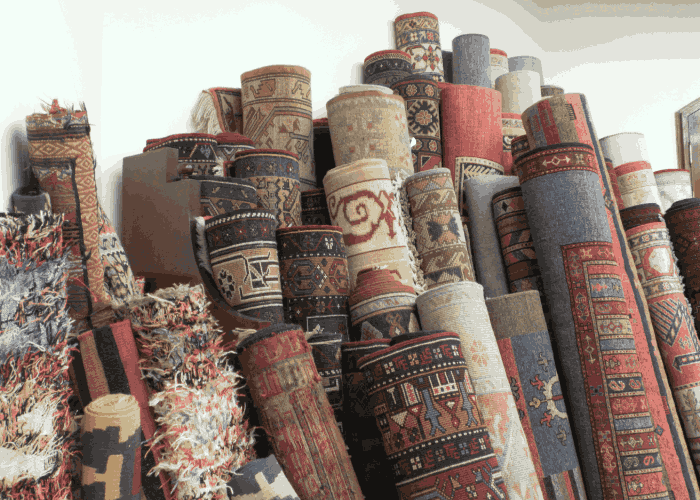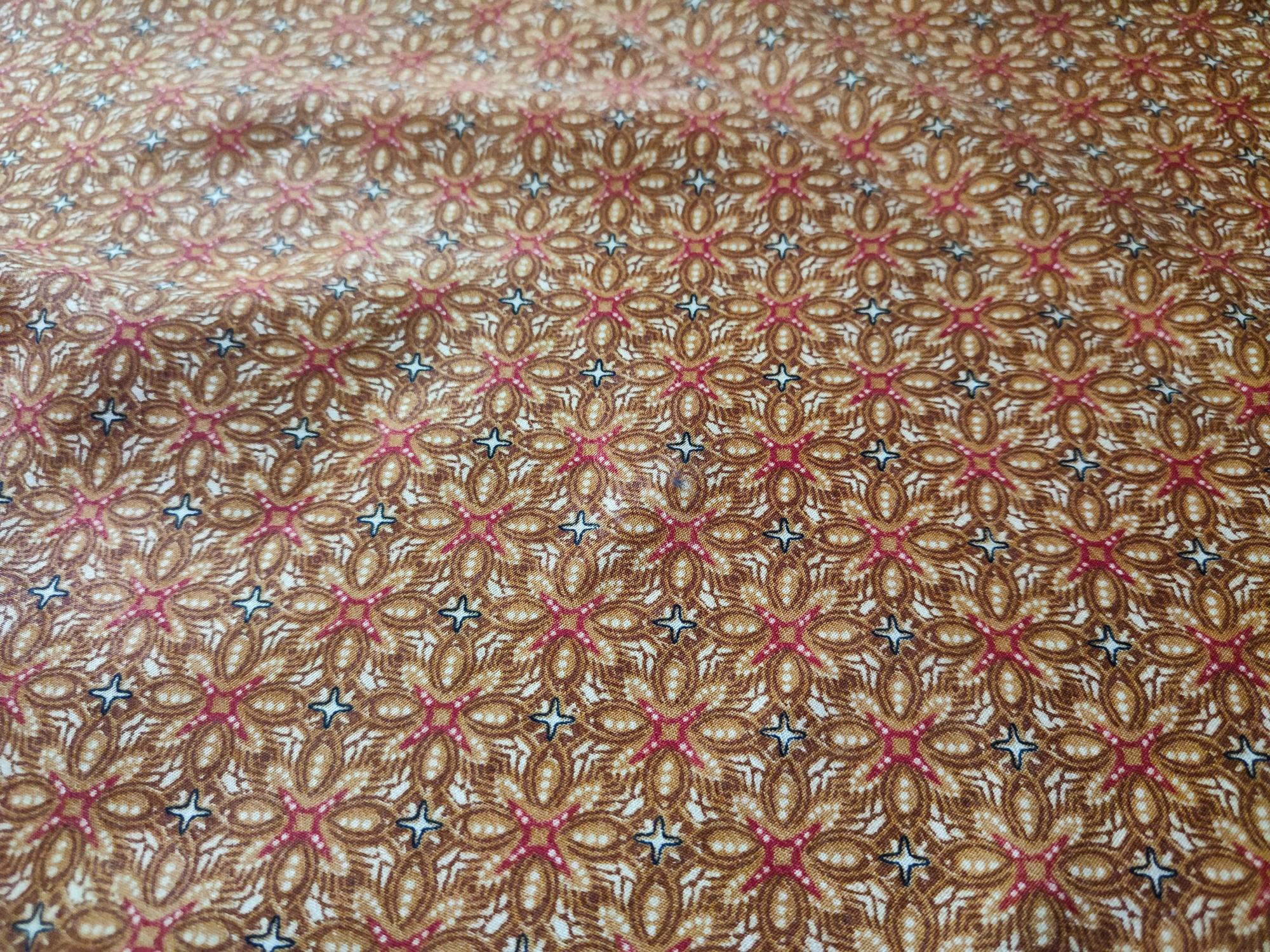
Step into any luxurious living space, a stately office, or a boutique hotel anywhere in the world, and you might just find a piece of India underfoot. We are not talking about mere floor coverings; we are discussing an art form, a legacy woven into every fiber, known globally as India’s premium carpet craftsmanship. These aren’t just decorative items; they are powerful economic drivers, cultural ambassadors, and symbols of sustainable luxury.
This article invites you on a journey beyond the visible patterns and rich textures. You will discover the profound, multifaceted global impact of Indian carpets, tracing their influence from local artisan communities to international markets. We will explore how this ancient craft continues to shape economies, preserve heritage, and pave the way for a more ethical and sustainable future in the textile industry.
Prepare to uncover the intricate threads that connect India’s weaving traditions with the world, examining the economic prosperity, cultural exchange, and environmental responsibility embedded in each exquisite piece. You will gain a deeper appreciation for the artistry and dedication behind every hand-knotted masterpiece.
The Legacy of Indian Carpet Craftsmanship: A Tapestry of Time and Skill
The story of Indian carpets is as rich and intricate as the patterns they bear. Their presence in India dates back centuries, with significant influence from the Mughal Empire. Emperor Akbar, in the 16th century, is often credited with establishing royal weaving workshops, bringing Persian master weavers to India and blending exquisite Persian designs with indigenous Indian artistry.
This fusion gave birth to a distinct style, characterized by vibrant colors, intricate floral motifs, and detailed pictorial representations. For generations, these techniques and designs have been meticulously passed down, evolving while retaining their core essence. Today, Indian carpets stand as a testament to this enduring legacy.
What Defines Premium Indian Carpets?
When you encounter a premium Indian carpet, you are experiencing the pinnacle of textile art. Several key characteristics set these masterpieces apart, making them highly sought after by discerning buyers worldwide.
- Hand-Knotting Excellence: The vast majority of premium Indian carpets are hand-knotted. This labor-intensive process involves individual knots tied by hand onto a warp and weft foundation. This technique ensures unparalleled durability, intricate detail, and a unique texture that machine-made carpets simply cannot replicate.
- Natural Fibers: The choice of materials is crucial. Premium carpets predominantly use natural fibers such as pure Himalayan wool, luxurious silk, and fine cotton for the foundation. These materials offer superior softness, sheen, and resistance to wear, making them ideal for lasting beauty.
- Intricate Designs and Patterns: From classical Persian-inspired motifs like Herati, Isfahan, and Tree of Life to traditional Indian designs such as Jaipuri, Agra, and Kashmiri, the design repertoire is vast. Many contemporary designs also blend modern aesthetics with traditional patterns, offering a unique fusion.
- Natural Dyes: Historically, natural vegetable dyes were used, derived from plants, minerals, and insects. While synthetic dyes offer a broader palette and consistency today, many premium manufacturers still use or replicate the rich, nuanced hues achieved through traditional dyeing methods, ensuring colorfastness and vibrancy.
- Durability and Longevity: Due to the hand-knotting process and high-quality materials, these carpets are incredibly durable. They are often considered heirloom pieces, capable of lasting for generations with proper care, gaining character and value over time.
Regional Specialties: A Kaleidoscope of Styles
India is a vast country, and its carpet weaving traditions vary significantly by region. Each area brings its own distinct flavor, techniques, and design sensibilities to the craft.
- Bhadohi-Mirzapur Belt (Uttar Pradesh): This region is often called the “Carpet City of India” and is the largest hand-knotted carpet weaving cluster globally. You will find a wide variety of styles here, from traditional Persian and Mughal designs to modern interpretations, often made from wool or wool-silk blends.
- Kashmir: Renowned for its exquisite silk carpets, Kashmiri carpets are characterized by their extremely fine knotting, lustrous sheen, and intricate designs, often featuring flora and fauna inspired by the region’s natural beauty. They are considered among the finest in the world.
- Jaipur (Rajasthan): Jaipur is famous for its flat-weave durries and hand-knotted wool carpets, often featuring bold geometric patterns and vibrant colors. The craftsmanship here reflects the rich cultural heritage of Rajasthan, with designs that can range from traditional to strikingly contemporary.
- Agra (Uttar Pradesh): Agra carpets are known for their intricate Persianate designs, often featuring central medallions and lush floral patterns. Historically, Agra was a significant center for Mughal carpet weaving, and its legacy continues in the quality and complexity of its carpets.
These regional distinctions ensure that you can find an Indian carpet perfectly suited to your aesthetic and functional needs, each carrying the unique story of its origin.
Economic Threads: Weaving Prosperity Globally
The impact of India’s premium carpet craftsmanship extends far beyond its artistic value. It is a formidable economic engine, generating prosperity both within India and across the global supply chain. You might be surprised at the sheer scale of its economic contribution.
Direct Economic Impact in India
The carpet industry is a cornerstone of India’s rural economy, particularly in states like Uttar Pradesh, Rajasthan, and Jammu & Kashmir.
- Massive Employment Generation: The hand-knotted carpet sector is incredibly labor-intensive, creating direct and indirect employment for millions. This includes weavers, spinners, dyers, designers, washers, finishers, and support staff. Entire families and communities often depend on this craft for their livelihood.
- Rural Development and Empowerment: Many weaving clusters are located in rural and semi-urban areas. The industry provides stable income opportunities in regions where other employment might be scarce. This empowers artisans, especially women, who often play a significant role in various stages of carpet production, fostering economic independence and community development.
- Significant Export Revenue: Indian carpets are highly valued internationally, making the sector a crucial foreign exchange earner for the country. Exports contribute substantially to India’s GDP, bolstering its position in global trade.
Global Supply Chain & Trade Influence
The journey of an Indian carpet from a rural loom to a global showroom involves a complex and extensive supply chain, impacting numerous international industries.
- Major Export Markets: Indian carpets are exported to over 100 countries, with the USA, Europe (Germany, UK, France), the Middle East, and Australia being primary markets. This broad reach signifies their universal appeal and demand.
- Role in Interior Design and Luxury Markets: Indian hand-knotted carpets are staples in high-end interior design. They are featured in luxury residences, five-star hotels, corporate offices, and prominent public spaces worldwide, setting trends and defining aesthetics.
- Impact on Ancillary Industries: The trade of Indian carpets stimulates various related global industries. This includes shipping and logistics, raw material suppliers (for dyes, packaging), retail and wholesale distribution networks, and marketing and branding agencies.
To give you a clearer picture of this economic powerhouse, let’s look at some hypothetical but representative export data:
| Year | Total Export Value (USD Million) | Key Markets (Top 3) |
|---|---|---|
| 2019-2020 | 1,550 | USA, Germany, UK |
| 2020-2021 | 1,480 | USA, Germany, Canada |
| 2021-2022 | 1,720 | USA, Germany, UK |
| 2022-2023 | 1,850 | USA, Germany, UAE |
| 2023-2024 (Est.) | 1,900+ | USA, Germany, Australia |
This illustrates the consistent and growing demand for Indian carpets, underscoring their critical role in global commerce. The resilience of this sector, even through global economic fluctuations, speaks volumes about its inherent value and the quality of its products.
Cultural Tapestry: Exporting Art and Heritage
Beyond the tangible economic benefits, Indian carpets serve as profound cultural ambassadors. Each piece carries with it centuries of history, artistic tradition, and narrative, offering the world a glimpse into India’s rich heritage.
Ambassadors of Indian Culture
When you place an Indian carpet in your home, you are not just acquiring a furnishing. You are inviting a piece of art that tells a story, a narrative woven into its very fabric.
- Storytelling Through Motifs and Colors: Every motif, every color choice in a traditional Indian carpet is imbued with meaning. From the Tree of Life symbolizing growth and immortality, to intricate floral patterns representing paradise, these designs are visual poems. They reflect the diverse cultural influences, spiritual beliefs, and natural beauty of India.
- Showcasing India’s Artistic Heritage: Indian carpets are a vibrant expression of the country’s artistic prowess. They showcase the unparalleled skill of its artisans and the depth of its aesthetic traditions. By adorning homes and public spaces globally, they elevate India’s standing as a hub of exceptional craftsmanship and design.
- Influencing Global Design Trends: The unique blend of traditional elegance and modern adaptability found in Indian carpets has a significant impact on global interior design. Designers worldwide draw inspiration from their patterns, color palettes, and textures, incorporating elements of Indian aesthetic into contemporary spaces.
Preservation of Traditional Arts
In an age of rapid industrialization and mass production, the Indian carpet industry stands as a bulwark against the loss of traditional crafts. It actively champions the preservation of ancient weaving techniques.
- Keeping Ancient Techniques Alive: The hand-knotting process is a skill passed down through generations, often from parent to child. The continued demand for premium Indian carpets ensures that these intricate, time-honored techniques do not fade into obscurity. Artisans are incentivized to learn and master these complex skills.
- Passing Knowledge Down Generations: The industry fosters a culture of apprenticeship, where young weavers learn from experienced masters. This intergenerational transfer of knowledge is vital for the continuity of the craft, ensuring that the expertise and artistry are sustained for future generations.
- Combating Mass Production with Authentic Craftsmanship: In a market flooded with inexpensive, machine-made imitations, premium Indian carpets offer an authentic alternative. They represent a commitment to quality, artistry, and human skill, reminding consumers of the value of handcrafted goods over mass-produced items. This also helps in differentiating and promoting the unique value proposition of handmade products.
By investing in an Indian carpet, you are not just decorating your space; you are participating in the global effort to preserve cultural heritage and support living traditions.
Sustainable Strands: Responsibility in Every Knot
In today’s conscious world, sustainability and ethical practices are paramount. India’s premium carpet industry is increasingly at the forefront of these movements, demonstrating a commitment to environmental responsibility and social equity. You will find that these carpets are often as kind to the planet and its people as they are beautiful.
Eco-friendly Practices
The very nature of traditional carpet weaving inherently aligns with many sustainable principles, offering an eco-conscious choice for consumers.
- Natural and Renewable Fibers: The primary materials used, such as wool, silk, cotton, and jute, are natural, renewable resources. Wool, for instance, is biodegradable and comes from sheep that regrow their fleece annually. This contrasts sharply with synthetic fibers derived from petrochemicals, which have a much higher environmental footprint.
- Traditional and Non-Toxic Dyes: Many premium manufacturers are reverting to or promoting the use of vegetable dyes. These dyes, derived from plants, roots, and minerals, are non-toxic and biodegradable. Even when synthetic dyes are used, ethical manufacturers often prioritize low-impact, AZO-free options, minimizing chemical waste and pollution.
- Reduced Carbon Footprint: Hand-knotted carpet production is far less energy-intensive than machine manufacturing. The process relies heavily on manual labor, significantly reducing electricity consumption and associated carbon emissions. This makes them a more environmentally friendly choice compared to their industrial counterparts.
- Durability and Longevity: As heirloom pieces, hand-knotted carpets have an incredibly long lifespan. Their durability means they do not need frequent replacement, reducing waste and the consumption of new resources over time. This inherent longevity is a key aspect of their sustainability.
Ethical Sourcing and Fair Trade Initiatives
The carpet industry has historically faced challenges regarding labor practices. However, significant strides have been made, and many Indian manufacturers are now committed to ethical sourcing and fair trade principles.
- Fair Wages and Safe Working Conditions: Reputable manufacturers and exporters ensure that artisans receive fair wages that reflect their skill and effort. They also provide safe, clean, and healthy working environments, adhering to international labor standards. This commitment fosters dignity and improves the quality of life for weaving communities.
- Combating Child Labor: The issue of child labor in the carpet industry was a serious concern in the past. Organizations like GoodWeave International (formerly RugMark) have played a pivotal role in eradicating child labor from the supply chain. Carpets carrying the GoodWeave label assure you that no child labor was used in their production and that a portion of the purchase price supports educational and rehabilitation programs for children.
- Direct Benefits to Artisan Communities: Ethical practices go beyond just fair wages. Many initiatives focus on community development, providing access to education, healthcare, and clean water for weaving families. This holistic approach ensures that the prosperity generated by the industry benefits the entire community, creating a virtuous cycle of growth and well-being.
- Transparency in the Supply Chain: Leading manufacturers are increasingly embracing transparency, allowing consumers to trace the origins of their carpets and verify ethical production methods. This traceability builds trust and reinforces the value of responsibly made products.
By choosing a premium Indian carpet from an ethically certified source, you are not only acquiring a beautiful product but also making a conscious decision to support sustainable practices and empower artisan communities. You become a part of a positive global impact.
The Future of Indian Carpets: Innovation and Adaptability
The Indian carpet industry is not resting on its historical laurels. It is a dynamic sector constantly evolving, embracing innovation while staying true to its roots. You will find that the future of Indian carpets is as exciting and diverse as its past.
Design Evolution: Blending Tradition with Modernity
To remain relevant and appeal to a global audience, Indian carpet designers are continually pushing creative boundaries.
- Contemporary Aesthetics: While classic designs remain popular, there is a growing trend towards modern and abstract patterns. Designers are experimenting with minimalist aesthetics, geometric shapes, and bold color blocking, often inspired by global design trends while retaining an Indian sensibility.
- Customization for Global Clients: The flexibility of hand-knotting allows for extensive customization. International interior designers, architects, and luxury brands frequently commission bespoke carpets. This includes specific sizes, shapes, color palettes, and unique patterns tailored to individual projects, showcasing the industry’s adaptability.
- Collaboration with International Designers: Indian manufacturers are increasingly collaborating with renowned international designers. These partnerships infuse fresh perspectives and innovative ideas into traditional weaving, creating collections that resonate with a global, contemporary audience while preserving authentic craftsmanship.
Technological Integration: Enhancing Craft, Expanding Reach
While the core of carpet making remains manual, technology is being strategically integrated to enhance efficiency, design, and market access.
- Digital Design Tools: Advanced computer-aided design (CAD) software allows designers to create complex patterns, experiment with color combinations, and visualize designs before weaving begins. This streamlines the design process and ensures precision, while the actual knotting remains entirely manual.
- E-commerce and Global Reach: The digital revolution has opened up unprecedented global market access. Indian carpet manufacturers and exporters are rapidly adopting e-commerce platforms, allowing them to reach a broader international customer base directly. This direct-to-consumer model increases efficiency and transparency.
- Improved Logistics and Supply Chain Management: Technology is optimizing the entire supply chain, from raw material procurement to final delivery. Advanced inventory management systems, tracking software, and efficient shipping solutions ensure timely and reliable delivery of carpets worldwide, enhancing customer satisfaction.
Challenges and Opportunities
Like any industry, the Indian carpet sector faces its share of challenges, but also immense opportunities for growth and innovation.
- Competition: The industry faces competition from other carpet-producing nations and from machine-made alternatives. The key for India lies in continually emphasizing the superior quality, unique artistry, and ethical production of its hand-knotted products.
- Maintaining Authenticity While Innovating: The delicate balance between preserving traditional techniques and embracing modern design and technology is a continuous challenge. The industry must innovate without compromising the authenticity and heritage that make Indian carpets so special.
- Expanding Market Reach and Brand Building: There is a significant opportunity to further expand into emerging markets and strengthen brand recognition globally. Strategic marketing, participation in international trade fairs, and leveraging digital platforms are crucial for future growth.
- Skill Development and Artisan Welfare: Ensuring a continuous supply of skilled artisans and improving their socio-economic conditions remains a priority. Investments in training programs and welfare initiatives are essential for the long-term sustainability of the craft.
The future of Indian carpet craftsmanship is bright, marked by a commitment to artistry, ethical practices, and a forward-looking approach to design and technology. You can expect to see even more innovative and beautiful creations emerging from India’s looms in the years to come.
Conclusion: The Enduring Threads of Global Impact
You have now journeyed beyond the weave, delving into the profound and far-reaching global impact of India’s premium carpet craftsmanship. What might appear as a mere floor covering is, in fact, a vibrant testament to a nation’s enduring artistry, economic prowess, and commitment to a better world.
From the bustling looms of Bhadohi to the luxurious interiors of New York penthouses, Indian carpets weave a complex narrative. They are powerful economic drivers, sustaining millions of livelihoods and contributing significantly to global trade. They are cultural ambassadors, carrying ancient stories and artistic traditions across continents, enriching design palettes and preserving heritage.
Furthermore, this industry is increasingly a beacon of sustainability and ethical production. By prioritizing natural materials, eco-friendly processes, and fair labor practices, it offers you a choice that is both beautiful and responsible. The dedication to eradicating child labor and empowering artisan communities underscores a commitment that goes far beyond profit.
As the industry continues to innovate, blending centuries-old techniques with contemporary aesthetics and modern technology, its global influence will only grow. When you choose an Indian hand-knotted carpet, you are not just making a purchase. You are investing in a legacy, supporting a community, and bringing a piece of unparalleled artistry and ethical luxury into your life.
Embrace the enduring magic of Indian carpets, and let their global impact inspire your appreciation for true craftsmanship.
Frequently Asked Questions (FAQs)
1. What makes Indian hand-knotted carpets unique compared to others?
Indian hand-knotted carpets are unique due to their rich historical legacy (especially Mughal influence), the meticulous hand-knotting technique that ensures durability and intricate detail, the use of high-quality natural fibers like pure wool and silk, and a vast repertoire of designs that blend traditional motifs with contemporary aesthetics. Each carpet often tells a story through its patterns and colors.
2. Are Indian carpets sustainable and ethically produced?
Many premium Indian carpet manufacturers are deeply committed to sustainability and ethical practices. They often use natural, renewable fibers and eco-friendly dyes. Organizations like GoodWeave International certify carpets to ensure they are made without child labor and that artisans receive fair wages and work in safe conditions.
When purchasing, look for these certifications to ensure ethical sourcing.
3. How do I care for my Indian hand-knotted carpet to ensure its longevity?
To ensure your carpet lasts for generations, vacuum it regularly without a beater bar. Rotate it annually to ensure even wear. Address spills immediately by blotting, not rubbing, with a clean cloth.
For deep cleaning, it is highly recommended to consult a professional rug cleaner experienced with hand-knotted carpets, typically every 3-5 years, depending on traffic.
4. What are the main types or styles of Indian carpets I can find?
You can find a wide variety of styles. Some prominent types include Persian-inspired designs (e.g., Herati, Isfahan) often from Bhadohi-Mirzapur, intricate silk carpets from Kashmir, bold geometric and traditional Jaipuri designs from Rajasthan, and classical Agra carpets. Modern Indian carpets also feature contemporary, abstract, and fusion designs that blend traditional motifs with modern aesthetics.
5. How can I verify the authenticity and quality of an Indian hand-knotted carpet?
Authenticity can often be verified by examining the reverse side; hand-knotted carpets will show individual knots and inconsistencies, unlike machine-made ones. Look for reputable dealers and certifications like GoodWeave. High-quality carpets will feel dense and soft, have vibrant, colorfast dyes, and showcase intricate, well-defined patterns.
Don’t hesitate to ask for documentation about the materials and origin.