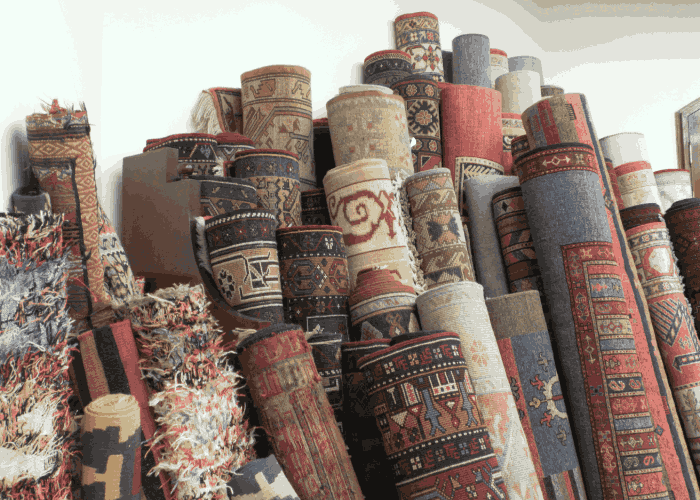
India’s rich cultural tapestry is perhaps nowhere more vividly woven than in its carpets. For centuries, these exquisite creations have adorned palaces, homes, and galleries worldwide, embodying unparalleled craftsmanship and artistic heritage. As we stand on the cusp of a new era, the premium Indian carpet industry is not merely preserving its legacy; it is actively shaping a dynamic future.
This journey, which we call ‘The Golden Thread,’ explores how tradition, innovation, and sustainability are converging. You will discover the forces driving this evolution, from cutting-edge technology to a renewed commitment to ethical practices. Prepare to unpack the exciting prospects that lie ahead for these timeless treasures, understanding their enduring value and global appeal.
The Enduring Legacy: A Tapestry of Time
The story of Indian carpets is deeply intertwined with the nation’s history, dating back to the Mughal Empire. These weren’t just floor coverings; they were symbols of status, power, and artistic expression. Each knot tells a tale of generations of master weavers.
You are stepping into a world where artistry is passed down through families, preserving intricate patterns and techniques. This heritage forms the bedrock of what makes Indian carpets truly premium. The dedication to detail is simply extraordinary.
Historical Roots and Cultural Significance
The art of carpet weaving flourished under Mughal patronage, blending Persian designs with indigenous Indian motifs. This fusion created a unique aesthetic that captivated royalty and nobility. Carpets became an integral part of court life and religious ceremonies.
You can trace the evolution of styles from the floral grandeur of Agra and Lahore to the geometric precision of Mirzapur. Each region developed its distinct character, contributing to a diverse and rich weaving tradition. This historical depth adds immense value to every piece.
The Artistry and Craftsmanship That Define Premium
What sets premium Indian carpets apart is the meticulous hand-knotting process. Skilled artisans spend months, sometimes years, on a single piece, bringing complex designs to life. This labor of love results in unparalleled quality and durability.
You are investing in a piece of art created with natural fibers like pure silk, high-quality wool, and cotton. The density of knots per square inch directly impacts the carpet’s intricacy and value. This dedication to craft ensures a product of lasting beauty.
Weaving Innovation: Technology Meets Tradition
While the essence of Indian carpet making remains rooted in tradition, the industry is embracing modern innovation. Technology is not replacing the artisan’s hand but rather empowering it. This strategic integration is propelling the industry forward.
You will find that advancements are enhancing efficiency, design capabilities, and quality control. This blend of old and new ensures that premium Indian carpets remain competitive and relevant in a global market. It’s a fascinating evolution to witness.
Enhancing Traditional Methods with Modern Tools
Computer-Aided Design (CAD) software allows designers to create intricate patterns with precision and speed. This technology helps visualize complex layouts before a single knot is tied. It streamlines the design process significantly.
You can now experience a broader range of contemporary designs, even while respecting traditional motifs. Digital tools also assist in color matching and yarn estimation, reducing waste and improving consistency. This is a smart application of technology.
Advancements in Fiber and Dyeing Techniques
Research and development in fiber science are leading to even more durable and luxurious materials. Innovations in natural dyeing techniques are expanding the color palette while ensuring environmental safety. These advancements are crucial for sustainability.
You benefit from carpets that are more resistant to fading, wear, and tear. New treatments can make wool softer or silk more resilient, without compromising their natural beauty. This ensures your carpet remains vibrant for decades.
Quality Control and Efficiency Improvements
Modern quality control systems, from yarn inspection to final finishing, ensure every carpet meets stringent standards. Automated looms are used for certain preparatory stages, freeing up artisans for the intricate hand-knotting. This balance maintains authenticity.
You can be confident in the consistent quality of premium Indian carpets thanks to these systematic checks. Efficiency improvements mean faster production cycles for custom orders without sacrificing the artisanal touch. It’s a win-win situation.
Sustainability at the Core: Ethical Threads for a Better Tomorrow
The future of premium Indian carpets is inextricably linked with sustainability and ethical practices. Consumers worldwide are increasingly demanding products that are not only beautiful but also environmentally responsible and socially just. This is a crucial shift.
You are part of a growing movement that values transparency and integrity in manufacturing. The industry is responding by adopting eco-friendly materials, sustainable production methods, and fair trade principles. This commitment benefits everyone involved.
Eco-Friendly Materials and Sourcing
A significant trend is the increasing use of organic and recycled fibers. Organic wool, sustainable silk, bamboo silk, and even recycled PET bottles are being transformed into stunning carpets. These materials reduce the environmental footprint.
You can choose carpets made from renewable resources, ensuring a lighter impact on the planet. Sourcing practices prioritize local, ethical suppliers who adhere to environmental standards. This commitment extends throughout the supply chain.
Sustainable Production Processes
Manufacturers are implementing water conservation techniques, such as closed-loop dyeing systems, to minimize waste. Energy-efficient processes are being adopted to reduce carbon emissions. Reducing waste through optimized cutting and weaving is also a priority.
You are supporting an industry that actively seeks to reduce its environmental impact. From natural ventilation in weaving facilities to solar power usage, every effort counts. These practices make a tangible difference.
Fair Trade Practices and Artisan Welfare
Ethical sourcing extends beyond materials to the people who craft these masterpieces. Fair wages, safe working conditions, and respect for labor rights are becoming industry standards. Child labor is strictly prohibited, and education initiatives are supported.
You contribute directly to the well-being of artisans and their communities when you purchase certified fair trade carpets. This ensures that the beautiful story woven into each carpet also includes a story of social responsibility. It’s about empowering livelihoods.
Certification and Transparency
Reputable manufacturers are increasingly seeking certifications from organizations like GoodWeave and Care & Fair. These certifications provide independent verification of ethical production and child labor-free supply chains. Transparency is key.
You gain peace of mind knowing that your premium carpet meets the highest ethical and environmental standards. These labels offer assurance that your purchase aligns with your values. They represent a commitment to integrity.
Design Evolution: From Heritage to Contemporary Chic
The design landscape of premium Indian carpets is undergoing a fascinating transformation. While classic motifs remain cherished, there’s a vibrant surge in contemporary designs. This evolution caters to a diverse global clientele with varied aesthetic preferences.
You will discover a spectrum of styles, from deeply traditional to boldly modern. This adaptability ensures that Indian carpets can seamlessly integrate into any interior design scheme. It’s a testament to the industry’s creative dynamism.
Traditional Motifs Reimagined
Classic patterns like Paisley, Tree of Life, and intricate floral designs are being reinterpreted with fresh color palettes and simplified forms. Designers are extracting elements and presenting them in a contemporary context. This breathes new life into heritage.
You can find carpets that offer a nod to tradition while feeling entirely current. These reimagined designs bridge the gap between historical grandeur and modern minimalism. They offer a unique blend of old-world charm and contemporary flair.
Minimalist and Abstract Designs Gaining Traction
There’s a growing demand for carpets with clean lines, geometric patterns, and abstract compositions. These designs complement modern and minimalist interiors, offering sophisticated texture and subtle visual interest. They speak to a refined aesthetic.
You might be drawn to designs that prioritize texture, subtle color gradients, or bold, artistic statements. These contemporary pieces demonstrate the versatility of Indian weaving techniques. They prove that tradition can embrace modernity gracefully.
Collaboration with International Designers
Indian carpet manufacturers are increasingly collaborating with renowned international designers and architects. These partnerships infuse fresh perspectives and global design sensibilities into Indian weaving. They create truly unique collections.
You benefit from innovative designs that blend global trends with authentic Indian craftsmanship. These collaborations often push boundaries, resulting in avant-garde pieces that are highly sought after. They elevate the industry’s global standing.
Customization and Bespoke Creations
The ability to create bespoke carpets is a significant advantage of the hand-knotting process. Clients can specify designs, colors, sizes, and materials to perfectly match their interior vision. This personalization is a luxury offering.
You can commission a carpet that is truly one-of-a-kind, tailored precisely to your space and preferences. This level of customization ensures that your carpet is not just a purchase but a unique artistic statement. It reflects your individual style.
The Global Market: Indian Carpets on the World Stage
Premium Indian carpets have long held a coveted position in the global luxury market. Their exceptional quality, artistry, and ethical production practices continue to drive international demand. The industry is strategically expanding its global footprint.
You are witnessing a vibrant export market that values the unique blend of tradition and innovation offered by India. Understanding global trends and market dynamics is key to sustained growth. This global reach underscores their universal appeal.
Export Potential and Key Markets
North America and Europe remain primary export markets for premium Indian carpets, driven by high disposable incomes and a strong appreciation for artisanal products. Emerging markets in Asia and the Middle East are also showing significant growth. The demand is diverse.
You can find Indian carpets adorning luxury homes, boutique hotels, and corporate spaces across continents. The industry is actively participating in international trade fairs and exhibitions to showcase its offerings. This expands their visibility.
Challenges and Opportunities in International Trade
Challenges include fluctuating raw material prices, intense competition from machine-made alternatives, and geopolitical factors. However, opportunities abound in niche markets for sustainable, custom, and ethically produced carpets. Differentiation is crucial.
You are part of a market that values authenticity and craftsmanship, which gives premium Indian carpets a distinct edge. Leveraging e-commerce platforms and digital marketing strategies is opening new avenues for global reach. The digital landscape is vital.
Branding and Marketing Strategies
Indian carpet manufacturers are investing in strong branding to highlight their unique stories, craftsmanship, and ethical commitments. Digital marketing, social media engagement, and collaborations with interior design influencers are key. Storytelling is powerful.
You are increasingly seeing brands that emphasize not just the product but the entire journey of its creation. This builds trust and emotional connection with consumers. Effective marketing reinforces the premium status of these carpets.
Projected Global Luxury Carpet Market Growth (2023-2028)
To illustrate the dynamic growth of the luxury carpet market, especially within key segments relevant to premium Indian carpets, consider the following projections. These figures reflect the increasing consumer demand for quality, sustainability, and unique design in home decor.
This data highlights where the most significant opportunities lie for the Indian carpet industry. The emphasis on sustainable and custom creations is particularly promising.
| Segment | CAGR (%) | Key Drivers |
|---|---|---|
| Handmade Traditional | 4.5% | Appreciation for craftsmanship, unique designs, heirloom quality, cultural value. |
| Sustainable & Eco-friendly | 7.2% | Increasing consumer environmental awareness, ethical sourcing, health benefits. |
| Custom & Bespoke | 6.8% | Personalization trend, interior design industry demand, unique aesthetic requirements. |
| Modern & Contemporary | 5.1% | Urbanization, evolving aesthetic preferences, designer collaborations, luxury living. |
| Overall Luxury Carpet Market | 5.8% | Rising disposable incomes, home decor trends, demand for premium lifestyle products. |
The Artisan’s Hand: Preserving Craftsmanship and Livelihoods
At the heart of every premium Indian carpet is the skilled artisan. Their hands, guided by generations of knowledge, imbue each piece with soul and character. Preserving this human element is paramount for the industry’s future.
You are supporting not just a product, but a living tradition and the livelihoods of countless individuals. The industry recognizes the vital importance of investing in its artisans. This commitment ensures the continuity of an invaluable craft.
Importance of Skilled Artisans
The intricate designs and specialized knotting techniques of Indian carpets cannot be replicated by machines. Each knot is a testament to human skill, patience, and artistry. These artisans are the true custodians of the craft.
You appreciate the subtle variations and unique touch that only a human hand can provide. This individuality is what makes each premium carpet a unique work of art. It’s a connection to cultural heritage.
Training Programs and Skill Development
To ensure the continuity of this craft, many organizations and manufacturers are investing in training programs. These initiatives teach traditional weaving techniques to younger generations, ensuring skills are passed down. They adapt to modern demands too.
You are contributing to the preservation of cultural heritage and the creation of future master weavers. These programs also introduce new design concepts and sustainable practices. This prepares artisans for evolving market needs.
Empowering Women in the Weaving Industry
Women play a crucial role in the Indian carpet industry, often forming a significant portion of the weaving workforce. Empowerment initiatives provide them with fair wages, safe working environments, and opportunities for leadership. This fosters economic independence.
You are supporting an industry that champions gender equality and community development. Empowering women strengthens families and entire communities. It’s a powerful social impact.
Ensuring Fair Compensation and Working Conditions
Ethical manufacturers are committed to providing fair wages that allow artisans to live with dignity. Safe and healthy working conditions, including access to clean water and proper lighting, are non-negotiable. These are fundamental human rights.
You are making a conscious choice to support an industry that values its people. This commitment to artisan welfare ensures the long-term sustainability of the craft itself. It’s about building a better future for everyone.
Investment and Value: Why Premium Indian Carpets Endure
A premium Indian carpet is more than just a decorative item; it is an investment. Its enduring beauty, exceptional durability, and timeless appeal ensure its value appreciates over time. This makes it a cherished heirloom.
You are acquiring a piece that will enrich your home for generations. Understanding the intrinsic value of these carpets helps you appreciate their true worth. They offer a blend of functional art and financial prudence.
Long-Term Value and Heirloom Quality
Unlike mass-produced items, hand-knotted Indian carpets are built to last a lifetime, often becoming family heirlooms. Their quality craftsmanship ensures they withstand the test of time and usage. They tell a story across generations.
You are investing in a piece that can be passed down, carrying its history and beauty with it. This heirloom quality makes them a meaningful addition to any home. It’s a legacy you can touch and feel.
Durability and Longevity
The use of high-quality natural fibers and dense knotting makes premium Indian carpets incredibly durable. They are designed to withstand heavy foot traffic and retain their beauty for decades. Proper care ensures their longevity.
You can enjoy your carpet without constant worry about wear and tear. Their robust construction means they are a practical, as well as beautiful, choice for any space. They are made to be lived with and loved.
Aesthetic Appeal and Timelessness
The designs, whether traditional or contemporary, possess a timeless aesthetic that transcends fleeting trends. Their intricate patterns and rich colors add depth, warmth, and sophistication to any interior. They are always in style.
You are adding a focal point that enhances the ambiance of your home, creating a sense of luxury and comfort. A premium Indian carpet elevates your decor effortlessly. It’s a statement of refined taste.
The Story Behind Each Piece
Every premium Indian carpet carries a unique narrative – the region it originated from, the artisans who wove it, and the cultural influences embedded in its design. This story adds immeasurable value and character.
You connect with a rich tradition and human endeavor when you own such a piece. This narrative enriches your appreciation for the carpet, making it more than just an object. It becomes a conversation starter.
Conclusion: The Golden Thread Continues to Shine
The future of premium Indian carpets is indeed a golden thread, intricately woven with heritage, innovation, and unwavering commitment to sustainability. We have journeyed through an industry that respects its past while boldly embracing the future.
You have seen how technology enhances tradition, how ethical practices are paramount, and how design evolves to meet global tastes. The dedication of artisans remains the beating heart of this magnificent craft. Their skill is irreplaceable.
As you consider adding a premium Indian carpet to your space, remember that you are not just acquiring a beautiful object. You are investing in a piece of art, a legacy, and a sustainable future. Explore the exquisite world of Indian carpets and let their golden thread enrich your life.
Frequently Asked Questions (FAQ)
What makes a premium Indian carpet different from a regular one?
-
Hand-Knotting: Premium carpets are meticulously hand-knotted by skilled artisans, not machine-made. This results in superior quality, durability, and intricate detail.
-
Materials: They use high-quality natural fibers like pure silk, organic wool, and fine cotton, often sourced ethically. These materials contribute to their luxurious feel and longevity.
-
Design Complexity: Premium carpets feature complex, often unique designs, whether traditional or contemporary, reflecting significant artistic effort.
-
Craftsmanship: The density of knots per square inch is typically much higher, indicating a finer weave and higher value.
How do I ensure I’m buying an ethically produced Indian carpet?
-
Certifications: Look for certifications from reputable organizations like GoodWeave International or Care & Fair. These ensure fair labor practices and no child labor.
-
Transparency: Choose brands that are transparent about their supply chain, sourcing, and manufacturing processes. Reputable sellers will readily provide this information.
-
Reputation: Purchase from established dealers or brands with a strong reputation for ethical conduct and quality. Research their background and reviews.
Are premium Indian carpets a good investment?
-
Long-Term Value: Yes, hand-knotted premium Indian carpets are considered excellent investments. They are durable, often last for generations, and can appreciate in value.
-
Heirloom Quality: Their timeless beauty and robust construction make them ideal family heirlooms, passed down through generations.
-
Artistic Merit: Each carpet is a unique work of art, and like other art forms, well-crafted pieces tend to hold or increase their value over time.
How should I care for my premium Indian carpet?
-
Regular Vacuuming: Vacuum regularly with a brush-less suction head to remove dirt and dust. Avoid beater bars, which can damage fibers.
-
Spot Cleaning: Blot spills immediately with a clean, white cloth. Avoid rubbing, and use mild, pH-neutral cleaning solutions specifically designed for carpets.
-
Professional Cleaning: Have your carpet professionally cleaned every 3-5 years by a specialist experienced in hand-knotted rugs. Do not use harsh chemicals.
-
Rotation: Rotate your carpet periodically to ensure even wear and exposure to light, preventing localized fading or wear patterns.
Can I customize a premium Indian carpet to my specific design needs?
-
Bespoke Options: Absolutely! Many premium Indian carpet manufacturers and dealers offer extensive customization services. This is a significant advantage of hand-knotting.
-
Design Flexibility: You can often specify the design, color palette, dimensions, knot density, and even the type of fibers used. This allows for a truly unique piece.
-
Collaboration: You can work directly with designers to bring your vision to life, ensuring the carpet perfectly complements your interior space.
What are the common materials used in premium Indian carpets?
-
Wool: High-quality, often hand-spun, wool (e.g., New Zealand wool, local Indian wool) is a primary material known for its durability, resilience, and natural luster.
-
Silk: Pure silk is used for luxurious, intricately detailed carpets, offering unmatched softness, sheen, and fine knotting capabilities.
-
Cotton: Often used for the foundation (warp and weft) of wool carpets, cotton provides strength and stability to the rug’s structure.
-
Blends: Sometimes, wool and silk blends are used to combine the durability of wool with the luxurious sheen of silk. Eco-friendly alternatives like bamboo silk are also gaining popularity.