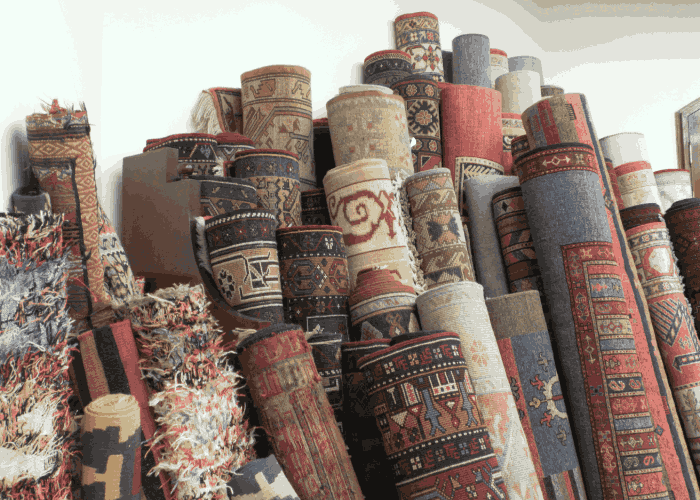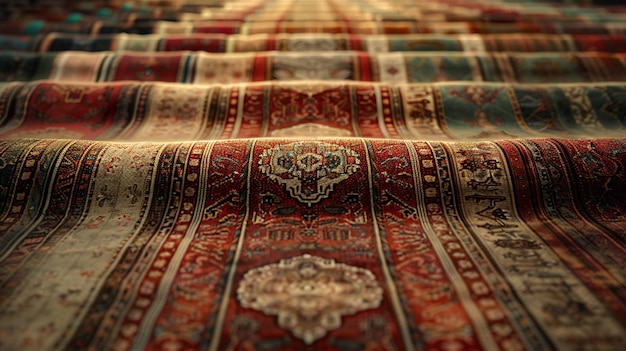
India, a land steeped in rich cultural heritage, has long been synonymous with exquisite craftsmanship. Among its most celebrated treasures are the premium handmade carpets, pieces of art woven with meticulous care and profound skill. These aren’t merely floor coverings; they are narratives spun from wool and silk, reflecting centuries of tradition, artistry, and dedication.
As you delve into the world of Indian handmade carpets, you discover a vibrant industry that beautifully marries age-old techniques with contemporary market demands. This article invites you to explore the fascinating journey of these luxurious creations. We will uncover the enduring craftsmanship that defines their quality and examine the dynamic market trends shaping their future, offering you a comprehensive look at an industry that continues to captivate the world.
The Allure of India’s Hand-Knotted Carpet Legacy
The story of Indian handmade carpets is as rich and intricate as the patterns they bear. Their presence in India dates back centuries, flourishing dramatically under the patronage of the Mughal emperors in the 16th century. This era heralded a golden age, bringing Persian weaving techniques and designs that were then beautifully adapted and enriched with indigenous motifs.
You’ll find that these carpets are more than just decorative items; they are tangible pieces of history. Each knot ties into a legacy of artistic expression passed down through generations. This deep cultural root is what gives Indian carpets their unique soul and timeless appeal.
They represent a harmonious blend of cultural influences, from Persian gardens to local flora and fauna. This rich tapestry of design ensures that every carpet tells a unique story. Owning one means embracing a piece of this extraordinary heritage.
Historical Roots and Royal Patronage
The Mughal Empire played a pivotal role in establishing carpet weaving as a significant art form in India. Emperor Akbar, in particular, encouraged the establishment of royal workshops. He invited master weavers from Persia to train local artisans, leading to a fusion of styles.
This royal endorsement elevated carpet weaving to an esteemed craft. It fostered intricate designs, superior materials, and a level of detail previously unseen. The legacy of these imperial workshops continues to influence designs and quality standards today.
Cultural Significance and Artistic Expression
Beyond their aesthetic beauty, handmade carpets hold profound cultural significance. They have historically been symbols of status, wealth, and hospitality. You would often find them gracing the floors of palaces, temples, and aristocratic homes.
Each motif, color, and pattern often carries symbolic meaning, reflecting spiritual beliefs, natural elements, or historical events. This makes every carpet a canvas for artistic expression. They connect you to a deeper cultural narrative.
The Craftsmanship Unveiled: What Makes Them Premium
The term ‘premium’ in the context of Indian handmade carpets refers to an unparalleled commitment to quality, artistry, and durability. It’s a testament to the skilled hands and keen eyes of the artisans who dedicate countless hours to their creation. Understanding this craftsmanship is key to appreciating their true value.
You will discover that the superior quality of these carpets stems from a combination of the finest raw materials, traditional dyeing methods, intricate knotting techniques, and meticulous finishing processes. These elements collectively contribute to their exceptional beauty and longevity. This dedication sets them apart in the global market.
Finest Materials: The Foundation of Excellence
The journey of a premium carpet begins with the selection of the highest quality raw materials. Artisans meticulously choose fibers that promise durability, luster, and a luxurious feel. The choice of material significantly impacts the carpet’s final appearance and texture.
- Wool: Often sourced from regions like New Zealand for its strength and natural resilience, or indigenous Indian wool for its unique character. Premium wool is known for its softness, ability to hold dye beautifully, and resistance to crushing. It offers excellent insulation and sound absorption.
- Silk: Pure Mulberry silk is prized for its exquisite sheen, softness, and incredible strength. Silk carpets are often thinner, more delicate, and feature exceptionally intricate details. They shimmer under different lighting conditions, adding a touch of unparalleled luxury to any space.
- Cotton: Primarily used for the warp and weft foundation of the carpet, providing stability and strength. In some flatweave designs, cotton is also used as a primary weaving material, offering a durable and often more casual aesthetic.
The quality of these fibers directly influences the carpet’s longevity and aesthetic appeal. You are investing in materials that are naturally robust and beautiful. This careful selection ensures a product that stands the test of time.
Traditional Dyeing Techniques: A Spectrum of Enduring Hues
The vibrant and rich colors of Indian carpets are not merely painted on; they are deeply infused into the fibers using time-honored dyeing methods. This process is an art in itself, demanding precision and an understanding of color chemistry. The quality of the dyes directly impacts the carpet’s visual appeal and its ability to resist fading.
Many premium carpets still utilize natural vegetable dyes, extracted from plants, insects, and minerals. These dyes produce unique, subtle variations in shade known as ‘abrash,’ which adds character and authenticity to the carpet. Synthetic dyes are also used, particularly for achieving a wider range of consistent colors, but reputable manufacturers ensure these are chrome-based, colorfast, and environmentally safe.
You’ll appreciate that these traditional methods ensure colors remain vibrant for decades. They contribute significantly to the carpet’s enduring beauty. This commitment to quality dyeing is a hallmark of premium craftsmanship.
The Art of Hand-Knotting: Patience and Precision
The true essence of a handmade carpet lies in its intricate knotting. Each knot is individually tied by hand onto the warp threads, forming the pile of the carpet. This labor-intensive process is what makes every handmade carpet a unique piece of art.
It demands immense patience and skill from the weaver.
The density of these knots, measured in knots per square inch (KPSI), is a primary indicator of a carpet’s quality and fineness. Higher KPSI means a more detailed design, a denser pile, and generally greater durability. A carpet with 200 KPSI is considered good quality, while premium silk carpets can exceed 1000 KPSI, allowing for incredibly intricate designs.
Different knot types, such as the Persian (Senneh) or Turkish (Ghiordes) knot, are used depending on the regional tradition and desired effect. The choice of knot impacts the carpet’s texture and the clarity of its pattern. You are receiving a product where every single knot is a testament to human dedication.
Design Complexity and Artistic Vision
The designs on Indian handmade carpets range from classical Persian motifs like medallions, Herati patterns, and intricate floral arrangements, to more contemporary geometric and abstract styles. Each design element is carefully planned and often drawn out on a graph paper before weaving begins. This blueprint guides the weavers.
Master designers often spend months developing complex patterns, ensuring balance, harmony, and visual appeal. The ability to translate these intricate designs into a knotted form requires immense skill and artistic vision. You are not just buying a carpet; you are acquiring a piece of textile art.
Meticulous Finishing Processes
Once the weaving is complete, a premium handmade carpet undergoes several crucial finishing stages. These steps refine its appearance and enhance its durability. Each process is performed with utmost care to ensure the carpet meets stringent quality standards.
- Shearing: The pile is carefully trimmed to a uniform height, which defines the clarity of the design and the texture of the carpet.
- Washing: Carpets are washed to remove any residue and to enhance the luster of the fibers. Traditional washing methods can also soften the wool and give the colors a beautiful patina.
- Stretching and Drying: The carpet is stretched and dried to ensure it lies flat and to prevent any warping.
- Fringing: The warp threads at the ends are often hand-finished into fringes, which can be plain, braided, or knotted, adding to the carpet’s aesthetic appeal.
These finishing touches are vital for the carpet’s final presentation and longevity. They ensure you receive a product of exceptional quality. The attention to detail at every stage is truly remarkable.
Key Market Trends Shaping the Industry
The Indian handmade carpet industry, while deeply rooted in tradition, is remarkably dynamic. It constantly adapts to global tastes, technological advancements, and evolving consumer values. Understanding these market trends helps you appreciate the industry’s resilience and innovation.
You’ll find that a blend of traditional expertise and modern responsiveness defines the current landscape. This ensures the enduring relevance and appeal of these magnificent creations. The industry is not just surviving; it is thriving by embracing change.
Sustainability and Ethical Sourcing
A significant trend influencing consumer choices is the demand for sustainable and ethically produced goods. Buyers are increasingly conscious about the environmental impact and social responsibility behind their purchases. This includes fair wages, safe working conditions, and minimal ecological footprint.
The Indian carpet industry is responding by emphasizing natural and organic materials, eco-friendly dyeing processes, and transparent supply chains. Certifications from organizations promoting fair trade and responsible manufacturing are becoming crucial. You are part of a movement towards more conscious consumption.
Customization and Bespoke Designs
In a world that values individuality, the demand for customized and bespoke carpets is soaring. Interior designers and discerning homeowners seek unique pieces that perfectly complement specific aesthetics and dimensions. This trend allows for unparalleled personalization.
Manufacturers are increasingly offering services for creating custom designs, colors, and sizes. This flexibility ensures that you can acquire a carpet that is truly one-of-a-kind. It reflects your personal style and fits your space perfectly.
Digital Transformation and E-commerce
The digital revolution has profoundly impacted how carpets are marketed and sold. E-commerce platforms, virtual showrooms, and social media have opened new avenues for reaching a global audience. This makes it easier for you to discover and purchase authentic handmade carpets from India.
Brands are investing in high-quality photography, virtual reality tools, and engaging online content to showcase their products. This digital presence bridges geographical gaps. It allows you to explore vast collections from the comfort of your home.
Global Demand Shifts and Emerging Markets
While traditional markets like the USA and Europe remain strong, there’s a growing appetite for handmade carpets in emerging economies. Countries in the Middle East, Asia, and even within India itself are showing increased interest in luxury home furnishings. This expansion broadens the market for artisans.
This shift creates new opportunities for Indian manufacturers to diversify their export strategies. It ensures a stable and growing demand for their exquisite products. You are part of a global community that appreciates fine craftsmanship.
Innovation in Materials and Blends
While wool and silk remain paramount, there’s also innovation in material usage. Blends of different fibers, such as wool and bamboo silk, are gaining popularity for their unique textures and durability. Some manufacturers are even exploring sustainable alternatives like recycled PET fibers, carefully integrated to maintain a premium feel.
These innovations offer new aesthetic possibilities and cater to specific performance requirements. They allow for a wider range of choices without compromising on quality. You can find carpets that perfectly match your preferences and values.
Indian Handmade Carpet Export Value (USD Million)
The table below illustrates the significant contribution of handmade carpets to India’s export economy, showcasing consistent growth and resilience despite global challenges. This data underscores the strength and demand for these premium products worldwide.
| Financial Year | Export Value (USD Million) | Growth Rate (%) |
|---|---|---|
| 2018-19 | 1,340 | +5.2 |
| 2019-20 | 1,385 | +3.4 |
| 2020-21 | 1,420 | +2.5 |
| 2021-22 | 1,650 | +16.2 |
| 2022-23 (Est.) | 1,780 | +7.9 |
(Note: Figures are illustrative and based on general industry trends and publicly available data points for representation. Actual figures may vary slightly.)
Regional Specializations and Their Unique Charms
India’s vast geography and diverse cultural tapestry have given rise to distinct carpet weaving traditions in various regions. Each area boasts its own signature styles, materials, and techniques. Understanding these regional specializations enriches your appreciation for the diversity of Indian carpets.
You’ll discover that a carpet’s origin often tells a story about its design and craftsmanship. From the intricate silk wonders of Kashmir to the robust woolens of Bhadohi, each region offers something uniquely beautiful. This regional diversity is a testament to India’s rich artisanal heritage.
Kashmir: The Epitome of Silk Elegance
Kashmir is renowned for its exquisitely fine silk carpets, often referred to as ‘Kashmiri Silk Rugs.’ These carpets are characterized by their incredibly high knot density and intricate Persian-inspired designs. They feature delicate floral motifs, hunting scenes, and tree-of-life patterns.
The use of pure Mulberry silk gives these carpets a magnificent sheen that changes with the light. Their softness and detailed artistry make them highly prized luxury items. You’ll find them to be truly breathtaking, often chosen as wall hangings or for low-traffic luxury areas.
Bhadohi-Mirzapur Belt: India’s Carpet City
Located in Uttar Pradesh, the Bhadohi-Mirzapur belt is often called the “Carpet City of India.” It is the largest carpet manufacturing hub in the country, producing a vast array of handmade carpets. This region is known for its versatility, encompassing both traditional and contemporary designs.
Bhadohi carpets are typically made from a blend of wool and silk or pure wool, offering durability and a wide range of textures. They excel in creating intricate designs, including Persian, Mughal, and contemporary abstract patterns. You can find everything from classic masterpieces to modern minimalist designs here.
Jaipur: Vibrant Dhurries and Hand-Knotted Wonders
Jaipur, the “Pink City” of Rajasthan, is famous for its vibrant flatweave carpets known as ‘Dhurries.’ These carpets are typically made from cotton or wool and feature geometric patterns, stripes, and sometimes intricate block-printed motifs. Dhurries are reversible, lightweight, and durable, making them popular for various settings.
Beyond dhurries, Jaipur also produces high-quality hand-knotted wool and silk carpets. These often incorporate traditional Rajasthani aesthetics with bold colors and unique patterns. You’ll appreciate their cheerful vibrancy and distinct cultural flair.
Agra: Echoes of Mughal Grandeur
Agra, home to the iconic Taj Mahal, also has a rich history of carpet weaving, dating back to the Mughal era. Agra carpets are known for their robust wool construction and strong, classic designs. They often feature large-scale Persian and Mughal motifs, including medallions and all-over patterns.
These carpets are celebrated for their durability and ability to withstand heavy foot traffic, making them suitable for grand spaces. Their timeless designs ensure they remain elegant for generations. You are investing in a piece that embodies historical grandeur.
Investing in a Legacy: Why Choose a Premium Indian Carpet
When you choose a premium handmade carpet from India, you are not merely purchasing a furnishing item. You are making an investment in art, heritage, and enduring quality. These carpets offer far more than just aesthetic appeal; they bring a unique value proposition to your home and your life.
Consider the profound impact such a piece can have on your living space and your appreciation for craftsmanship. It’s a decision that reflects discernment and a desire for lasting beauty. This investment enriches your environment in multiple ways.
A Unique Piece of Art
Every handmade carpet is a singular creation, bearing the subtle imperfections and unique character that only human hands can impart. Unlike mass-produced items, no two handmade carpets are exactly alike. This makes your carpet a one-of-a-kind artwork.
It reflects the skill, creativity, and dedication of the weaver and designer. Displaying such a piece in your home is akin to owning a painting or a sculpture. You are acquiring a unique masterpiece that tells a story.
Durability and Longevity
Premium handmade carpets are renowned for their exceptional durability. Crafted from high-quality natural fibers like wool and silk, and meticulously hand-knotted, they are built to last. With proper care, these carpets can withstand decades, even centuries, of use.
They are often considered heirloom pieces, passed down through generations. This longevity makes them a sustainable choice, reducing the need for frequent replacements. You are investing in an item that will serve you and your family for many years to come.
Appreciation in Value
Unlike many household items that depreciate over time, certain high-quality handmade carpets, particularly antique or rare pieces, can appreciate in value. Factors like knot density, material quality, design rarity, and historical significance contribute to this potential appreciation. This makes them a tangible asset.
While not all carpets are investment vehicles, choosing a well-made, authentic piece from a reputable source increases its potential to hold or gain value. You are making a wise choice that could yield future returns.
Elevating Your Interior Design
A premium handmade carpet instantly elevates the aesthetic of any room. Its rich textures, intricate patterns, and vibrant colors can anchor a space, define zones, and add warmth and sophistication. It acts as a focal point, drawing the eye and setting the tone for the entire decor.
Whether your style is traditional, contemporary, or eclectic, there’s an Indian handmade carpet that can perfectly complement and enhance your interior design. It transforms a room from ordinary to extraordinary. You are infusing your home with unparalleled elegance.
Supporting Traditional Artisans and Sustainable Practices
By purchasing a handmade carpet, you directly support the livelihoods of skilled artisans and their families. This helps preserve an ancient craft that is an integral part of India’s cultural heritage. You contribute to the continuation of a valuable tradition.
Furthermore, many premium manufacturers adhere to ethical and sustainable practices, ensuring fair wages, safe working conditions, and environmentally friendly production. Your purchase helps foster responsible industry growth. It is a choice that makes a positive social impact.
Navigating the Market: How to Choose Your Perfect Carpet
Choosing a premium handmade carpet is an exciting endeavor, but it can also be overwhelming given the vast array of options. To ensure you make an informed decision, it’s essential to consider several key factors. This guidance will help you find a carpet that not only meets your aesthetic desires but also fits your practical needs.
You should approach this purchase with a clear understanding of what you’re looking for. A well-chosen carpet will bring you joy for many years. It’s an investment that deserves careful consideration.
Consider Your Space and Lifestyle
Before you begin browsing, think about where the carpet will be placed. Consider the room’s size, existing color scheme, and the amount of foot traffic it receives. A high-traffic area might benefit from a durable wool carpet with a busy pattern, while a low-traffic area might accommodate a delicate silk rug.
Measure your space carefully to ensure the carpet’s dimensions are appropriate. A carpet too small can make a room feel disjointed, while one too large can overwhelm it. You want a carpet that complements your space, not dominates it.
Material Choice: Wool, Silk, or Blends
The material of the carpet significantly impacts its feel, appearance, and durability. Wool is a popular choice for its resilience, warmth, and natural stain resistance. Silk offers an unmatched luster, softness, and fine detail, ideal for luxurious settings.
Blends, such as wool and bamboo silk, offer a balance of durability and sheen. Understand the pros and cons of each material in relation to your needs. Your material choice will dictate much about the carpet’s character.
Knot Density (KPSI) and Design Intricacy
As discussed earlier, knot density (Knots Per Square Inch or KPSI) is a strong indicator of quality and detail. Higher KPSI typically means a finer, more detailed design and a denser, more durable pile. For intricate patterns, a higher KPSI is desirable.
However, a lower KPSI doesn’t necessarily mean lower quality; it might indicate a specific style or coarser weave. Consider the level of detail you desire. You should choose a knot density that aligns with your aesthetic and practical expectations.
Design, Color, and Pattern
The design, color, and pattern of a carpet are deeply personal choices. Do you prefer classic Persian motifs, modern geometric patterns, or abstract designs? Consider how the colors will interact with your existing furniture and wall colors.
A carpet can be a statement piece or a subtle backdrop.
Look for colors that resonate with you and patterns that bring harmony to your space. Take your time to explore different styles. You want a design that you will love for years to come.
Authenticity and Certifications
When purchasing a premium handmade carpet, ensuring its authenticity is paramount. Buy from reputable dealers who can provide detailed information about the carpet’s origin, materials, and weaving techniques. Ask for a certificate of authenticity, if available.
Some carpets may carry certifications for ethical production or material quality, such as those from the Carpet Export Promotion Council (CEPC) in India. These certifications provide an added layer of assurance. You deserve to know the true story behind your purchase.
Reputable Sellers and After-Sales Service
Choose a seller with a strong reputation for quality and customer service. A good dealer will be knowledgeable, transparent, and willing to answer all your questions. They should also offer clear policies on returns, exchanges, and after-sales care.
Building a relationship with a trusted seller can be invaluable, especially for such a significant purchase. You want to feel confident and supported throughout your buying journey. This ensures a positive and secure experience.
Conclusion
India’s premium handmade carpets are truly magnificent creations, embodying a rich tapestry of history, culture, and unparalleled craftsmanship. From the ancient looms of the Mughal era to the dynamic market trends of today, these carpets continue to evolve while steadfastly retaining their core essence of quality and artistry. You have explored the intricate processes, the regional distinctions, and the contemporary forces shaping this vibrant industry.
Investing in an Indian handmade carpet means bringing a piece of this enduring legacy into your home. It’s a testament to human skill, a unique work of art, and a durable heirloom that promises to enrich your living space for generations. As you make your choice, remember that you are not just buying a carpet; you are embracing a story, supporting a tradition, and adding a touch of timeless elegance to your life.
The allure of these carpets, rooted in exquisite craftsmanship and adapting to modern trends, ensures their place as cherished treasures around the world.
Frequently Asked Questions (FAQ)
Q1: What is the difference between a hand-knotted and a hand-tufted carpet?
A: The primary difference lies in their construction. A hand-knotted carpet is made by skilled artisans who individually tie each knot onto a warp and weft foundation. This is a labor-intensive process, resulting in a durable, high-quality, and often more expensive carpet.
In contrast, a hand-tufted carpet is made by punching loops of yarn into a fabric backing with a hand-held tool. The loops are then typically sheared to create a cut pile. Hand-tufted carpets are quicker to produce and generally more affordable, but they are not as durable or long-lasting as hand-knotted ones.
Hand-knotted carpets have fringes that are an extension of the carpet’s foundation, while hand-tufted carpets have fringes that are typically glued or sewn on.
Q2: How do I clean and maintain my handmade carpet?
A: Proper maintenance is crucial for the longevity of your handmade carpet. You should regularly vacuum your carpet (without a beater bar) to remove dust and dirt. Rotate your carpet periodically to ensure even wear.
For spills, blot immediately with a clean, white cloth; avoid rubbing. For deeper cleaning, it is highly recommended to seek professional cleaning services specializing in handmade carpets every 3-5 years. Avoid using harsh chemicals or steam cleaners, as these can damage the fibers and dyes.
Q3: How can I tell if a carpet is genuinely handmade?
A: Several indicators can help you determine if a carpet is genuinely handmade. First, examine the back of the carpet; you should see irregular knots and a slightly uneven pattern, which are hallmarks of hand-tying. The fringes of a hand-knotted carpet are an extension of its foundation (warp threads), not sewn on.
The pattern on the back should be almost as clear as the front. Machine-made carpets have perfectly uniform knots and often a latex backing. Additionally, examine the edges; hand-finished edges will show slight variations.
Q4: What factors determine the price of a premium handmade carpet?
A: The price of a premium handmade carpet is influenced by several factors: the material (silk is generally more expensive than wool), knot density (higher KPSI means more labor and detail), size, design complexity, age (antiques can be very valuable), regional origin (some regions are known for higher quality), and the reputation of the weaver or brand. The time and skill invested in its creation are significant contributors to its value.
Q5: Are Indian handmade carpets sustainable?
A: Many premium Indian handmade carpets are inherently sustainable, especially those made with natural fibers like wool and silk and colored with natural vegetable dyes. The hand-knotting process is low-energy and relies on human skill rather than heavy machinery. Furthermore, the longevity of these carpets reduces the need for frequent replacements, making them a more sustainable choice in the long run.
Many manufacturers also adhere to fair trade and ethical sourcing practices, ensuring social sustainability.
Q6: Can I get a custom-designed carpet from India?
A: Yes, absolutely. Customization is a growing trend in the Indian handmade carpet industry. Many manufacturers and exporters offer bespoke services where you