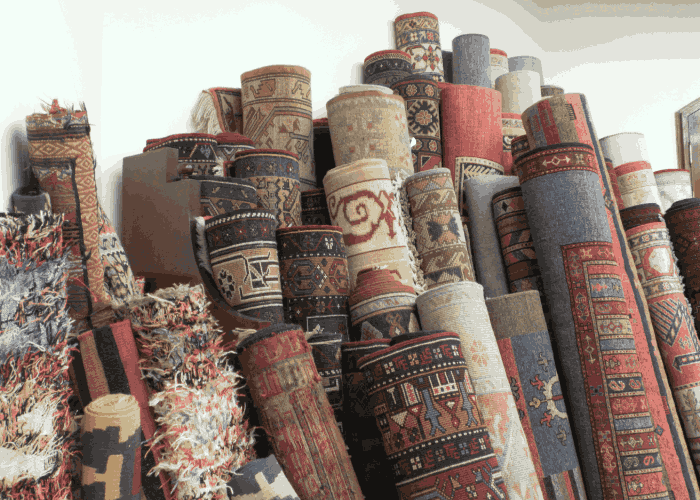
The global stage is increasingly recognizing the unparalleled artistry and rich heritage embedded in India’s handcrafted carpets. Much like the Met Gala celebrates fashion as an art form, these exquisite floor coverings are now gracing the most prestigious homes and design spaces worldwide, marking a significant “Met Gala Moment” for Indian craftsmanship.
You might be wondering what makes these carpets so special, capable of capturing international attention and commanding premium prices. It’s a story woven with threads of centuries-old tradition, meticulous skill, and a deep appreciation for beauty that transcends borders.
In this comprehensive article, we will take you on a journey through the intricate world of Indian premium handcrafted carpets. You will discover their storied past, the unparalleled craftsmanship that defines them, their remarkable ascent in the global luxury market, and the profound economic and cultural impact they create. Prepare to see why these magnificent creations are more than just floor coverings; they are heirlooms, art pieces, and a testament to India’s enduring legacy of artistic brilliance.
The Tapestry of Time: India’s Enduring Carpet Heritage
India’s relationship with carpet making is not a recent phenomenon; it is a profound historical narrative spanning centuries. The roots of this exquisite art form run deep, intertwining with royal patronage, cultural exchange, and the evolution of unique regional styles.
You are stepping into a legacy where every knot and every dye color tells a story of perseverance and artistic passion.
Early Origins and Royal Patronage
The art of carpet weaving in India experienced a golden age under the Mughal Empire, particularly during the reign of Emperor Akbar in the 16th century. He brought Persian weavers to India, establishing royal workshops and integrating their sophisticated techniques with indigenous artistic sensibilities.
This fusion gave birth to a distinct “Mughal style” characterized by intricate floral motifs, hunting scenes, and vibrant color palettes. You can still see echoes of this grandeur in many contemporary designs, a direct link to a regal past.
Before the Mughals, simpler forms of pile weaving existed, but it was their patronage that elevated carpet making to an esteemed art form. They saw carpets not just as floor coverings, but as essential elements of imperial splendor and status symbols.
Regional Specializations
Over time, different regions of India developed their unique styles and specializations, each contributing to the rich tapestry of Indian carpet making. You can explore a diverse array of aesthetics and techniques depending on the region of origin.
Kashmir, for instance, became renowned for its exquisite silk carpets, known for their incredibly fine knotting, lustrous sheen, and intricate Persian-inspired designs. These carpets often feature delicate floral patterns and a softness that is truly unparalleled.
Bhadohi and Mirzapur in Uttar Pradesh emerged as major centers for wool carpets, celebrated for their durability, diverse patterns, and varying pile heights. These regions produce a vast range of carpets, from traditional Persian and Indo-Persian designs to contemporary abstract patterns.
Jaipur in Rajasthan, on the other hand, is famous for its vibrant flat-weave dhurries and hand-knotted wool rugs, often featuring bold geometric patterns and striking color combinations. Each region offers you a distinct aesthetic experience.
The Evolution of Design
Indian carpet designs have never remained static; they have continuously evolved, reflecting changing tastes and artistic influences. While you can find timeless traditional motifs, contemporary Indian carpets also embrace modern aesthetics.
From the classical grandeur of Persian and Mughal patterns, designers have moved towards more abstract, minimalist, and fusion designs. This evolution allows Indian carpets to seamlessly integrate into both traditional and ultra-modern interior spaces.
Today, you can find carpets that blend ancient techniques with avant-garde patterns, creating pieces that are both historically rich and refreshingly contemporary. This adaptability is key to their global appeal.
The Art of the Knot: Unparalleled Craftsmanship Behind Every Indian Carpet
What truly sets premium Indian carpets apart is the extraordinary level of craftsmanship involved in their creation. These are not mass-produced items; they are labor-intensive works of art, meticulously crafted by skilled artisans.
When you choose a handcrafted Indian carpet, you are investing in a piece that embodies generations of expertise and an unwavering commitment to quality.
Hand-Knotted vs. Hand-Tufted: Understanding the Difference
It’s crucial for you to understand the distinction between hand-knotted and hand-tufted carpets, as this significantly impacts their quality, durability, and value. Hand-knotted carpets are considered the pinnacle of carpet making.
A hand-knotted carpet is created by tying individual knots onto a warp and weft foundation, a process that can take months or even years depending on the size and knot density. Each knot is tied by hand, making it an incredibly durable and flexible product.
In contrast, a hand-tufted carpet involves punching yarn through a fabric backing with a tool, then securing it with latex and a secondary backing. While visually appealing, hand-tufted carpets are generally less durable and significantly less valuable than their hand-knotted counterparts.
When you seek true premium quality, you are looking for the intricate, long-lasting beauty of a hand-knotted piece.
Materials Matter: The Foundation of Quality
The choice of materials is fundamental to the quality and character of an Indian carpet. Artisans carefully select the finest natural fibers to ensure longevity, softness, and vibrant color retention.
Silk is perhaps the most luxurious material, known for its incredible softness, lustrous sheen, and strength. Kashmir silk carpets, in particular, are renowned for their intricate details and shimmering appearance, offering you an unparalleled tactile experience.
Wool is the most common material, prized for its durability, resilience, and natural stain resistance. Indian carpets often use high-quality wool from regions like New Zealand, Merino, or indigenous Indian varieties, each offering unique textures and characteristics. You’ll find wool carpets that are soft underfoot yet robust enough for high-traffic areas.
Cotton is typically used for the warp and weft foundation of wool carpets, providing stability and strength. Sometimes, you will also find specialized carpets incorporating materials like jute, bamboo silk, or even recycled fibers, reflecting a growing trend towards sustainability.
Dyeing Techniques: The Palette of Perfection
The vibrant and nuanced colors of Indian carpets are a result of sophisticated dyeing techniques, often passed down through generations. The quality of the dyes directly impacts the carpet’s beauty and longevity.
Historically, natural dyes derived from plants, insects, and minerals were used, producing rich, earthy tones that age beautifully. While more labor-intensive, these dyes offer a unique depth and subtle variation that synthetic dyes cannot replicate.
Today, many premium carpets also utilize high-quality chrome dyes, which offer excellent colorfastness, vibrancy, and a wider spectrum of hues. These modern dyes are meticulously chosen to ensure they are environmentally friendly and non-toxic.
The skill in achieving perfect color consistency and harmonious blending is an art form in itself, ensuring that your carpet remains visually stunning for decades.
The Weaver’s Skill: Generations of Knowledge
The heart of every handcrafted Indian carpet lies in the hands of its weavers. These artisans possess an extraordinary skill set, often learned from their parents and grandparents, making them custodians of a living tradition.
The intricacy of a carpet is often measured by its knot density, expressed as knots per square inch (KPSI). A higher KPSI indicates a finer weave, more detailed patterns, and a more durable product. You will find premium hand-knotted carpets with densities ranging from 100 KPSI to over 1000 KPSI for the finest silk pieces.
Each knot is tied individually, following a complex design chart, a process that requires immense patience, precision, and an artistic eye. When you look closely at a premium Indian carpet, you are witnessing thousands upon thousands of individual decisions made by a master artisan.
Design and Conceptualization
The journey of a premium Indian carpet begins long before the first knot is tied. It starts with intricate design conceptualization, often involving a team of designers, artists, and master weavers.
Detailed blueprints, known as “talim,” are created, meticulously charting every color change and knot placement. These designs can be contemporary interpretations of classic motifs or entirely new, innovative patterns.
This careful planning ensures that the final product is a faithful and exquisite rendition of the original artistic vision. You are not just buying a carpet; you are acquiring a piece of curated design excellence.
From Local Looms to Global Lifestyles: India’s Ascent in the Luxury Market
The journey of Indian handcrafted carpets from humble village looms to the most opulent global interiors is a testament to their enduring appeal and exceptional quality. They have transcended their traditional role to become coveted luxury items.
You can now find these magnificent creations gracing high-end residences, boutique hotels, and corporate offices across the world, solidifying India’s position as a leader in the premium carpet sector.
Celebrity Endorsements and High-Profile Projects
The “Met Gala Moment” for Indian carpets is not just a metaphor; it’s a reality evidenced by their presence in celebrity homes and prestigious design projects. Leading interior designers and architects frequently specify Indian handcrafted rugs for their discerning clients.
These carpets are chosen for their ability to add warmth, texture, and a unique artistic statement to any space. You might find them featured in glossy lifestyle magazines or online design portfolios, showcasing their versatility and elegance.
This visibility among tastemakers and influencers has significantly boosted their global recognition and desirability, positioning them as essential elements of luxury decor.
Changing Consumer Preferences
There’s a notable shift in consumer preferences globally, moving away from mass-produced goods towards items that possess a story, authenticity, and a handcrafted touch. This trend perfectly aligns with the offerings of Indian premium carpets.
Today, you are increasingly seeking out products that are unique, sustainable, and ethically made. Indian handcrafted carpets tick all these boxes, offering a human touch that machines simply cannot replicate.
The desire for personalized and meaningful home decor has fueled the demand for these artisanal pieces, allowing you to express your individual style and values.
E-commerce and Digital Showrooms
The digital revolution has played a pivotal role in connecting Indian artisans with a global clientele. E-commerce platforms and sophisticated digital showrooms have made it easier for you to explore and purchase these exquisite carpets from anywhere in the world.
High-resolution images, virtual tours, and detailed product descriptions allow you to appreciate the intricate details and craftsmanship online. This accessibility has democratized the luxury carpet market, bringing these treasures directly to your fingertips.
Leading carpet manufacturers and exporters have invested heavily in their online presence, ensuring a seamless and engaging shopping experience for international buyers.
Customization and Bespoke Orders
One of the most appealing aspects of premium Indian carpets for high-end clients is the option for customization and bespoke orders. You are not limited to existing designs; you can commission a carpet tailored precisely to your specifications.
This includes choosing specific dimensions, colors, patterns, materials, and knot densities to perfectly match your interior design vision. The ability to create a truly unique, one-of-a-kind piece adds immense value and exclusivity.
This bespoke service caters to the discerning buyer who desires unparalleled personalization and a carpet that is a true reflection of their individual taste.
Trade Fairs and International Exhibitions
Indian carpet manufacturers actively participate in major international trade fairs and exhibitions, such as Domotex in Germany, Salone del Mobile in Italy, and Maison&Objet in France. These platforms are crucial for showcasing the latest designs and innovations.
These events allow you, as a buyer or designer, to experience the quality and artistry of Indian carpets firsthand, forge direct relationships with manufacturers, and stay abreast of global design trends.
Such international exposure has been instrumental in solidifying India’s reputation as a global hub for premium handcrafted carpets, fostering invaluable networking and business opportunities.
Economic Threads: The Impact and Growth of India’s Carpet Industry
Beyond their aesthetic appeal, premium handcrafted carpets from India represent a significant economic force. The industry provides livelihoods for millions and contributes substantially to the nation’s export earnings, weaving a story of growth and empowerment.
You are supporting a vast ecosystem of artisans, suppliers, and communities when you choose an Indian carpet.
Export Data and Market Share
India is one of the world’s largest exporters of handmade carpets, consistently holding a substantial share of the global market. The demand for these luxurious items continues to grow, reflecting their increasing international recognition.
The export figures illustrate a robust and upward trend, even amidst global economic fluctuations. This growth underscores the resilience and adaptability of the Indian carpet industry.
Here is an illustrative table showing the approximate export value of Indian handcrafted carpets over recent years, demonstrating its significant contribution:
| Financial Year | Export Value (USD Million) | Growth Rate (%) |
|---|---|---|
| 2019-2020 | 1,250 | -2.5 |
| 2020-2021 | 1,400 | 12.0 |
| 2021-2022 | 1,650 | 17.9 |
| 2022-2023 | 1,800 | 9.1 |
| 2023-2024 (Est.) | 1,950 | 8.3 |
(Note: These figures are illustrative and based on general industry trends. Actual data may vary.)
Employment Generation
The carpet industry is a major employer in India, particularly in rural and semi-urban areas. It directly and indirectly supports millions of artisans, weavers, dyers, designers, and support staff.
For many families, especially in regions like Bhadohi and Mirzapur, carpet weaving is the primary source of income, providing stable livelihoods and fostering skill development within communities. You are directly contributing to their economic well-being.
This industry plays a crucial role in poverty alleviation and empowering marginalized communities, including a significant number of women artisans who find dignified employment through their craft.
Sustainable Practices and Ethical Sourcing
As global awareness about ethical consumption grows, the Indian carpet industry has made significant strides in adopting sustainable practices and ensuring ethical sourcing. You can now find carpets produced under stringent guidelines.
Many manufacturers are committed to using eco-friendly materials, natural dyes, and reducing their environmental footprint through responsible waste management. Certifications like GoodWeave ensure that carpets are produced without child labor and under fair working conditions.
When you choose a certified Indian carpet, you are supporting an industry that values both its people and the planet, aligning with your desire for responsible luxury.
Government Initiatives and Support
The Indian government recognizes the importance of the carpet industry and has implemented various initiatives to support its growth and global competitiveness. These programs aim to bolster both production and export capabilities.
Schemes focused on skill development, technological upgrades, design incubation, and export promotion provide crucial assistance to manufacturers and artisans. The Carpet Export Promotion Council (CEPC) actively facilitates participation in international trade fairs and market access.
These supportive measures ensure that the industry continues to thrive, innovate, and meet the demands of the global market, allowing you to benefit from high-quality, government-backed products.
The Future Unfurled: Emerging Trends and Innovations in Indian Carpets
The Indian carpet industry is not resting on its historical laurels; it is constantly evolving, embracing innovation while staying true to its artisanal roots. You can anticipate exciting developments that blend tradition with cutting-edge trends.
The future of Indian carpets promises even greater diversity, sustainability, and technological integration, ensuring their continued relevance and appeal on the global stage.
Blending Tradition with Modernity
One of the most prominent trends you will observe is the masterful blending of traditional Indian motifs with contemporary design aesthetics. Designers are reinterpreting classic patterns in fresh, minimalist, or abstract ways.
This fusion creates carpets that are timeless yet perfectly suited for modern interiors, offering a bridge between heritage and innovation. You can find intricate patterns rendered in monochromatic palettes or bold geometric designs inspired by ancient mandalas.
This approach broadens the appeal of Indian carpets, making them versatile pieces that can complement a wide range of decor styles, from classic to ultra-contemporary.
Sustainable and Eco-Friendly Materials
The drive towards greater sustainability is a powerful force shaping the future of the industry. You will see an increasing focus on the use of eco-friendly materials and production processes.
This includes the greater adoption of organic wool, recycled fibers (like PET yarn made from plastic bottles), sustainable plant fibers such as hemp and jute, and a renewed emphasis on natural and vegetable dyes. Manufacturers are also exploring closed-loop production systems to minimize waste.
These innovations cater to the growing demand for environmentally conscious luxury, allowing you to make responsible choices without compromising on style or quality.
Smart Carpets and Technology Integration
While still in nascent stages, the concept of “smart carpets” is emerging, hinting at a future where your floor coverings might offer more than just aesthetic appeal. Think about carpets integrated with subtle technologies.
Imagine carpets with embedded heating elements for cozy warmth, or sensors that monitor foot traffic or even detect falls in healthcare settings. While not yet mainstream for handcrafted luxury, the integration of smart features could redefine functionality.
This futuristic vision suggests that even traditional crafts can adapt to technological advancements, offering you innovative solutions for comfort and safety.
Personalization and Augmented Reality
The trend towards ultimate personalization will continue to grow, enhanced by technological tools. You might soon be able to use augmented reality (AR) apps to virtually place a custom-designed Indian carpet in your own living space before making a purchase.
This technology will offer an immersive and confident buying experience, allowing you to visualize how different designs, colors, and sizes will look in your home. It bridges the gap between online browsing and real-world application.
The ability to truly customize and visualize your carpet will empower you to make more informed and satisfying design decisions, creating spaces that are uniquely yours.
The Next Generation of Artisans
Preserving the traditional skills of carpet weaving is paramount for the future of the industry. Initiatives focused on training and nurturing the next generation of artisans are crucial.
Apprenticeship programs, design schools, and workshops are being established to ensure that these invaluable skills are passed down, preventing their loss. You are supporting a living heritage when you invest in these carpets.
By empowering young weavers with modern tools, design knowledge, and market access, the industry ensures a vibrant future where ancient craftsmanship thrives in a contemporary world.
Conclusion
The journey of India’s premium handcrafted carpets, from the looms of skilled artisans to the global design stage, is nothing short of a “Met Gala Moment” for traditional art. You have journeyed through centuries of heritage, witnessed the meticulous craft that defines each piece, and understood their significant impact on the international luxury market.
These carpets are far more than mere floor coverings; they are tangible expressions of India’s rich cultural legacy, each knot a testament to patience, skill, and artistic passion. They embody a unique blend of historical grandeur and contemporary relevance, making them timeless additions to any space.
By choosing an Indian handcrafted carpet, you are not just acquiring a beautiful object; you are investing in a piece of art, supporting a sustainable industry, and empowering communities. You are bringing home a story, a legacy, and a piece of India’s soul.
We encourage you to explore the exquisite world of Indian premium handcrafted carpets. Discover the perfect piece that resonates with your aesthetic and becomes a cherished heirloom in your own “Met Gala Moment” at home.
Frequently Asked Questions (FAQ)
What makes Indian carpets “premium”?
- Premium Indian carpets are distinguished by their hand-knotted construction, using individual knots tied by skilled artisans, which ensures superior durability and intricate detail.
- They utilize high-quality natural materials like fine silk (especially Kashmir silk) and premium wool (e.g., New Zealand, Merino), chosen for their softness, luster, and resilience.
- Meticulous dyeing techniques, often using natural or high-grade chrome dyes, contribute to vibrant, long-lasting colors.
- These carpets often feature high knot densities (KPSI), indicating finer craftsmanship and more detailed patterns.
How do I distinguish between hand-knotted and hand-tufted carpets?
- Hand-knotted carpets: Look at the back; you will see the individual knots and the pattern will be a mirror image of the front. The fringe is an extension of the carpet’s foundation. These are flexible and can be folded easily.
- Hand-tufted carpets: The backing typically has a canvas-like fabric glued to it, often with a visible latex layer. The fringe is usually sewn on separately, not integrated. They tend to be stiffer and cannot be easily folded.
What materials are commonly used in premium Indian carpets?
- Silk: Prized for its luxurious sheen, incredible softness, and strength, often used in Kashmir carpets.
- Wool: The most common material, offering durability, resilience, and natural stain resistance. Varieties include New Zealand wool, Merino wool, and indigenous Indian wool.
- Cotton: Primarily used for the warp and weft foundation, providing stability and strength to wool carpets.
- You might also find blends or accents of other natural fibers like jute or bamboo silk in certain designs.
How do I care for a handcrafted carpet?
- Regular Vacuuming: Gently vacuum your carpet regularly (once or twice a week) without the beater bar to remove dirt and dust.
- Rotate: Rotate your carpet every 6-12 months to ensure even wear and exposure to light.
- Spot Clean: For spills, blot immediately with a clean, white cloth. Avoid rubbing, which can spread the stain. Use mild soap and water for most spills, testing in an inconspicuous area first.
- Professional Cleaning: Have your carpet professionally cleaned every 3-5 years by a specialist experienced in handling handmade rugs.
- Avoid Direct Sunlight: Prolonged exposure to direct sunlight can cause colors to fade over time.
Are Indian carpets sustainable and ethically produced?
- Many reputable Indian carpet manufacturers are increasingly committed to sustainable and ethical practices.
- This includes using eco-friendly materials, natural dyes, and reducing their environmental footprint.
- Look for certifications like GoodWeave, which ensures that carpets are produced without child labor and under fair working conditions, guaranteeing ethical sourcing.
- By choosing certified products, you are supporting responsible manufacturing and artisan welfare.
How can I verify the authenticity of an Indian carpet?
- Reputable Dealers: Purchase from established dealers or brands with a strong reputation and transparent sourcing.
- Certifications: Look for certifications like GoodWeave, which guarantees ethical production.
- Knot Density: Request information on the knot density (KPSI) as a higher count generally indicates finer craftsmanship.
- Materials and Dyes: Ask about the specific materials (type of wool, silk) and dyes used.
- Hand-Knotted vs. Hand-Tufted: Understand the difference and ensure the carpet is genuinely hand-knotted if that’s what you’re seeking.
- A trusted dealer will provide you with detailed information and a certificate of authenticity.