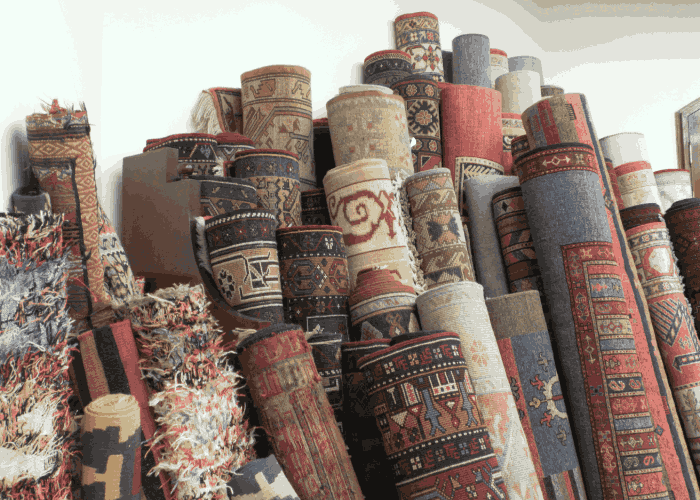
The allure of a finely crafted carpet is undeniable, and when it comes to artistry, history, and sheer luxury, Indian carpets stand in a league of their own. For centuries, these masterpieces have graced palaces and homes, telling stories through their intricate patterns and vibrant hues.
Today, the digital age has brought these exquisite treasures directly to your fingertips. You no longer need to travel to bustling bazaars to find your perfect piece of India’s rich weaving heritage.
Buying a premium Indian carpet online can be a truly rewarding experience, transforming your living space into a sanctuary of elegance and comfort. However, navigating the online marketplace requires knowledge and confidence.
This comprehensive guide will walk you through every step of the process. We will help you understand the nuances of materials, weaves, designs, and reputable sellers, ensuring you make an informed decision and invest in a piece you will cherish for years to come.
Why Choose Premium Indian Carpets?
Indian carpets are more than just floor coverings; they are works of art, embodying centuries of tradition, skill, and cultural richness. Opting for a premium Indian carpet means bringing a piece of this legacy into your home.
A Legacy of Artistry and Craftsmanship
India boasts a weaving tradition that dates back thousands of years. The craft was significantly refined and elevated during the Mughal Empire, introducing Persian influences that blended seamlessly with indigenous styles.
This rich history is evident in every hand-knotted thread. Artisans pass down techniques through generations, ensuring each carpet carries the soul of its makers.
When you choose an Indian carpet, you are investing in a piece of living history. You are supporting a craft that has survived through time, celebrated for its beauty and intricate detail.
Unparalleled Quality and Durability
Premium Indian carpets are renowned for their exceptional quality. They are often made from the finest natural fibers, such as virgin wool, luxurious silk, or durable cotton.
These materials, combined with painstaking hand-knotting or hand-tufting techniques, result in carpets that are not only beautiful but also incredibly resilient. They are designed to withstand the test of time, often becoming cherished family heirlooms.
A well-maintained premium Indian carpet can last for decades, even centuries. It offers a warmth and durability that mass-produced alternatives simply cannot match.
A Spectrum of Styles and Designs
The diversity of Indian carpet designs is truly astonishing. From the classic elegance of Persian-inspired patterns to the vibrant geometry of tribal rugs, there is a style to suit every aesthetic.
You can find Mughal designs featuring intricate floral motifs and medallions, or contemporary pieces that blend traditional techniques with modern minimalism. Different regions of India, such as Kashmir, Jaipur, Mirzapur, and Bhadohi, each contribute their unique design sensibilities.
This vast selection ensures that you can find a carpet that perfectly complements your home décor. It allows you to express your personal style with an authentic, handcrafted piece.
Navigating the Online Marketplace: Where to Buy
The convenience of online shopping has opened up a world of possibilities for carpet enthusiasts. However, discerning where to buy is crucial to ensure authenticity and quality.
Reputable Online Retailers and Marketplaces
When shopping online, always prioritize reputable retailers specializing in premium carpets. Look for established companies with a strong online presence and positive customer reviews.
These platforms often provide detailed product descriptions, high-resolution images, and transparent information about materials and construction. They typically offer robust customer service, including clear return policies and secure payment options.
Some well-known online marketplaces also host specialized carpet sellers. Ensure the individual seller has high ratings and a good track record.
Direct from Artisans/Manufacturers
Buying directly from artisans or manufacturers can offer several advantages. You might find more unique, custom pieces and potentially more competitive pricing by cutting out intermediaries.
This approach often ensures greater authenticity and allows you to support the weavers more directly. Many artisan groups and co-operatives now have their own online stores.
However, be prepared for potentially longer shipping times and ensure you understand their specific return and warranty policies. Always verify their credibility through independent reviews or certifications if possible.
Understanding Product Listings
A good online product listing is your window into the carpet’s true nature. Pay close attention to every detail provided by the seller.
High-quality, multiple images from different angles are essential. Look for close-ups that show the weave, texture, and color variations. Some advanced retailers even offer virtual try-on tools or video tours of the carpet.
The description should clearly state the material, construction method (e.g., hand-knotted, hand-tufted), dimensions, country of origin, and any certifications. Don’t hesitate to contact the seller for more information if anything is unclear.
Key Factors to Consider Before Your Purchase
Making an informed decision about a premium Indian carpet involves understanding several critical factors. Each element contributes to the carpet’s beauty, durability, and value.
Material Matters: Wool, Silk, Cotton, and Blends
The choice of material significantly impacts the carpet’s look, feel, and longevity. Indian carpets are predominantly made from natural fibers, each with distinct characteristics.
- Wool: This is the most common and versatile material for Indian carpets. Wool is incredibly durable, naturally stain-resistant, and offers excellent insulation. Indian wool, often blended with New Zealand or Tibetan wool, is known for its strength and ability to hold vibrant dyes. It provides a soft yet resilient pile, perfect for high-traffic areas.
- Silk: Silk carpets are the epitome of luxury. Known for their exquisite luster, incredible softness, and ability to capture intricate details, silk rugs are often thinner and have a higher knot count. They are best suited for low-traffic areas or as decorative wall hangings, where their delicate beauty can be fully appreciated.
- Cotton: Cotton is primarily used for the foundation (warp and weft) of hand-knotted carpets, providing stability and flatness. In some flatweave rugs like Dhurries, cotton can be the primary material, offering a lightweight, durable, and often reversible option.
- Jute/Natural Fibers: Increasingly popular for their eco-friendliness and rustic appeal, jute or other natural fibers offer a coarser texture. They are durable and often used in flatweave designs, bringing an organic, earthy feel to a space.
Weave and Construction: Hand-Knotted vs. Hand-Tufted vs. Flatweave
The method of construction is fundamental to a carpet’s quality, durability, and price point. Understanding these differences is key to identifying a premium piece.
- Hand-Knotted: This is the most prestigious and labor-intensive method. Artisans individually tie thousands, sometimes millions, of knots onto a cotton or silk foundation. This creates an incredibly durable, intricate, and long-lasting carpet. Hand-knotted rugs are considered true works of art and are significant investments. The “knot count” (knots per square inch – KPSI) is a measure of density and intricacy; a higher KPSI generally indicates a finer, more detailed carpet.
- Hand-Tufted: While still made by hand, hand-tufted carpets are produced more quickly and are generally more affordable than hand-knotted ones. A design is stenciled onto a fabric backing, and yarn is then “tufted” through the backing using a tool. A latex adhesive is applied to the back to hold the fibers in place, often covered by a secondary fabric backing. These rugs offer good quality and softness but are not as durable or valuable as hand-knotted rugs.
- Flatweave (Kilim, Dhurrie): Flatweave carpets are made by interweaving warp and weft threads to create a flat, pile-less fabric. Kilims and Dhurries are popular examples, known for their geometric patterns, reversible nature, and lightweight feel. They are durable, easy to clean, and perfect for a more casual, bohemian, or minimalist aesthetic.
Design, Pattern, and Color Palette
The visual appeal of your carpet is paramount. Consider how its design, pattern, and colors will interact with your existing decor and the overall ambiance you wish to create.
Traditional Indian carpets often feature intricate floral motifs, medallions, and borders inspired by Persian designs. Contemporary Indian carpets might incorporate abstract patterns, bold geometric shapes, or minimalist aesthetics.
Think about the dominant colors in your room. Do you want the carpet to be a focal point with contrasting colors, or a harmonious element that blends seamlessly? Consider how light affects the carpet’s colors throughout the day.
Size and Shape: Measuring Your Space
Choosing the correct size and shape is crucial for a carpet to look balanced and functional in your space. A carpet that is too small can make a room feel disjointed, while one that is too large can overwhelm it.
Carefully measure the area where you intend to place the carpet. Consider furniture placement and traffic flow. For living rooms, ideally, all furniture legs should rest on the carpet, or at least the front two legs of larger pieces.
In dining rooms, the carpet should be large enough so that chairs remain on the carpet even when pulled out. For bedrooms, the carpet should extend beyond the sides of the bed.
Common Carpet Sizes and Room Suitability
| Carpet Size (Feet) | Typical Room | Ideal Placement |
|---|---|---|
| 2×3 to 3×5 | Entryways, Bathrooms, Small Accents | In front of a door, next to a bed, small kitchen area |
| 4×6 to 5×8 | Small Living Rooms, Bedrooms, Dining Nooks | Under a coffee table with front sofa legs on, bedside in a medium room, defining a small dining area |
| 6×9 to 8×10 | Medium Living Rooms, Dining Rooms, Master Bedrooms | All major living room furniture legs on, under a 6-8 chair dining table, extending past a king-size bed |
| 9×12 to 10×14 | Large Living Rooms, Open-Plan Spaces, Grand Dining Rooms | All furniture legs on, anchoring a large conversational area, under a large dining table with ample chair space |
| Rounds (various) | Entryways, Under Round Tables, Nooks, Children’s Rooms | Centering a seating arrangement, highlighting a unique space, adding softness to a corner |
Pile Height and Texture
The pile height refers to the length of the fibers from the carpet’s backing. This feature significantly impacts the carpet’s feel, appearance, and maintenance requirements.
Low-pile carpets (short fibers) are generally more durable and easier to clean, making them suitable for high-traffic areas. They offer a crisper, more defined look for intricate patterns.
High-pile carpets (long, plush fibers) provide a luxurious, soft, and warm feel underfoot. They are ideal for bedrooms or living rooms where comfort is a priority, though they may require more frequent or specialized cleaning.
Budgeting for Your Investment
Premium Indian carpets are an investment, and their prices can vary widely. Factors influencing the cost include the material (silk being more expensive than wool), construction method (hand-knotted is highest), knot count, size, age, and intricacy of the design.
While it’s important to set a budget, remember that you are paying for exceptional craftsmanship, quality materials, and a piece of art that will last for generations. Consider the long-term value and durability rather than just the initial price tag.
A well-chosen premium carpet can increase the aesthetic and monetary value of your home. It is a functional piece that doubles as an heirloom.
The Online Shopping Experience: Tips for Success
Purchasing a premium carpet online requires a strategic approach. These tips will help you navigate the digital storefronts with confidence and ensure a satisfying purchase.
Scrutinizing Product Descriptions and Images
Never rush through product listings. Read every detail of the description carefully, checking for information on materials, dyes, construction, dimensions, and origin.
Examine all available images. Look for multiple angles, close-ups of the weave, and photos that show the carpet in different lighting conditions. This helps you get a true sense of its color and texture.
If possible, use zoom features to inspect the knotting or tufting quality. Don’t hesitate to request additional photos or even a video from the seller if you need more clarity.
Reading Customer Reviews and Testimonials
Customer reviews are invaluable resources. They offer insights into the product’s actual appearance, quality, and the seller’s service.
Look for patterns in feedback regarding accuracy of descriptions, shipping speed, and customer support. Be wary of listings with consistently negative reviews or a complete lack of feedback.
A reputable seller will often have a dedicated section for reviews or be present on third-party review sites. This transparency builds trust and helps you make an informed decision.
Understanding Return Policies and Warranties
This is perhaps the most critical aspect of online carpet shopping. Since you cannot physically inspect the carpet before buying, a clear and generous return policy is essential.
Understand the return window, whether you are responsible for return shipping costs, and if there are any restocking fees. A good retailer will offer a reasonable period (e.g., 14-30 days) for returns.
Check for any warranties on craftsmanship or materials. This provides an extra layer of protection for your significant investment. Document all communication regarding returns or warranties.
Checking for Certifications and Ethical Sourcing
For premium Indian carpets, ethical sourcing is an important consideration. Look for certifications that guarantee fair labor practices and ensure no child labor was involved in the production.
Organizations like GoodWeave International (formerly RugMark) certify carpets that meet strict social and environmental standards. These certifications ensure that your beautiful carpet was made under humane conditions.
Supporting ethically sourced products means contributing positively to the communities of artisans. It adds another layer of value and meaning to your purchase.
Virtual Try-On Tools and Augmented Reality (AR)
Some innovative online retailers offer virtual try-on tools or augmented reality (AR) features. These technologies allow you to visualize how a carpet would look in your actual room using your smartphone or tablet’s camera.
This can be incredibly helpful in assessing color, scale, and overall aesthetic fit before committing to a purchase. It significantly reduces the guesswork involved in online décor shopping.
If available, take advantage of these tools to gain a clearer picture of your prospective carpet in your home environment. It can prevent costly returns and ensure satisfaction.
Secure Payment and Shipping Details
Always ensure that the online retailer uses secure payment gateways. Look for “https://” in the website’s URL and symbols like a padlock icon, indicating an encrypted connection.
Understand the shipping costs, estimated delivery times, and whether the shipment is insured. Premium carpets are valuable items, and insurance protects your investment during transit.
Confirm if tracking information will be provided. A reputable seller will offer transparent information about shipping logistics, keeping you informed every step of the way.
After Your Purchase: Care and Maintenance
Once your premium Indian carpet arrives, proper care and maintenance are essential to preserve its beauty and extend its lifespan. A little effort goes a long way in protecting your investment.
Initial Unrolling and Settling
When your carpet first arrives, it will likely be rolled tightly. Carefully unroll it in its intended location. You might notice some curling at the edges.
To help it flatten, you can reverse roll the ends for a few hours or place heavy books along the edges. Allow the carpet a few days to settle and relax into its new environment.
Some carpets may have a temporary “new rug” odor, which will dissipate with good ventilation within a few days. Ensure the room is well-aired.
Regular Cleaning and Vacuuming
Regular vacuuming is crucial to remove dirt and dust that can settle deep into the fibers and cause premature wear. Use a vacuum cleaner without a beater bar, or set it to a high-pile setting to avoid damaging the delicate fibers.
Vacuum in the direction of the pile to maintain its sheen and texture. For fringes, use a hand attachment to avoid tangling or damage.
Promptly address any spills or stains. Blot the area immediately with a clean, white cloth, working from the outside in to prevent spreading. Avoid harsh chemicals and excessive scrubbing.
Professional Cleaning
Despite regular home care, your premium Indian carpet will benefit from professional cleaning every 1-3 years, depending on foot traffic and household conditions.
Seek out a professional carpet cleaner experienced in handling natural fiber, hand-knotted, or hand-tufted rugs. They have the specialized knowledge and equipment to clean your carpet thoroughly without causing damage.
Inform them of the carpet’s material and construction method. This ensures they use appropriate cleaning solutions and techniques tailored to your specific rug.
Protecting Your Investment
To further protect your carpet, consider using a high-quality rug pad underneath. A rug pad prevents slipping, provides additional cushioning, and extends the life of your carpet by reducing wear and tear.
Rotate your carpet periodically (every 6-12 months) to ensure even wear, especially in high-traffic areas or spots exposed to direct sunlight. Direct sunlight can cause colors to fade over time.
If you have pets, be mindful of their claws and potential accidents. Address any pet-related issues promptly to prevent lasting damage or odors. Regular grooming of pets can also reduce shedding on the carpet.
Conclusion
The journey of acquiring a premium Indian carpet online is an exciting adventure into a world of rich heritage and exquisite artistry. You are not merely purchasing a floor covering; you are investing in a timeless piece of craftsmanship that will enhance your home’s beauty and comfort for generations.
By understanding the materials, construction methods, and design variations, and by carefully selecting reputable online sellers, you can confidently navigate the digital marketplace. Remember to scrutinize product details, read reviews, and prioritize clear return policies.
Once your magnificent carpet arrives, embrace the joy it brings and commit to its proper care. A well-chosen and well-maintained Indian carpet will serve as a testament to your discerning taste and a vibrant focal point in your cherished living space.
Unroll luxury, embrace history, and let your premium Indian carpet weave its magic into your home. Your perfect piece of India’s weaving legacy awaits you online.
Frequently Asked Questions (FAQ)
What is the difference between hand-knotted and hand-tufted carpets?
Hand-knotted carpets are meticulously made by tying individual knots onto a foundation, a labor-intensive process resulting in superior durability, intricate detail, and higher value. Hand-tufted carpets are made by pushing yarn through a fabric backing with a tool and then securing it with a latex adhesive. They are generally less durable and valuable than hand-knotted rugs but offer a more affordable handcrafted option.
How do I know if an online carpet retailer is reputable?
Look for retailers with a strong online presence, detailed product descriptions, high-resolution images, transparent return policies, and secure payment options. Check customer reviews and testimonials on their site and independent review platforms. Certifications for ethical sourcing, like GoodWeave, also indicate a reputable seller.
Can I return a carpet purchased online if it doesn’t match my decor?
Most reputable online retailers offer a return policy for carpets, typically within a 14-30 day window. However, conditions vary. Always read the return policy carefully before purchasing, paying attention to who pays for return shipping and if there are any restocking fees.
Some retailers offer free returns or virtual try-on tools to minimize this risk.
How often should I have my premium Indian carpet professionally cleaned?
For premium Indian carpets, professional cleaning is recommended every 1 to 3 years, depending on foot traffic, household environment (e.g., pets, children), and how well you maintain it with regular vacuuming. Always choose a professional cleaner experienced with natural fiber, hand-knotted, or hand-tufted rugs.
Are Indian carpets ethically sourced?
While many Indian carpets are ethically made by skilled artisans, issues like child labor have historically been a concern in the industry. To ensure your carpet is ethically sourced, look for certifications from organizations like GoodWeave International. These labels guarantee that the carpet was made without child labor and under fair working conditions.
What is a “knot count” and why is it important?
Knot count, often expressed as Knots Per Square Inch (KPSI), refers to the number of knots in one square inch of a hand-knotted carpet. A higher knot count indicates a finer, more densely woven carpet, allowing for more intricate designs and greater durability. It is a key indicator of the carpet’s quality and craftsmanship, with higher KPSI usually corresponding to higher value.