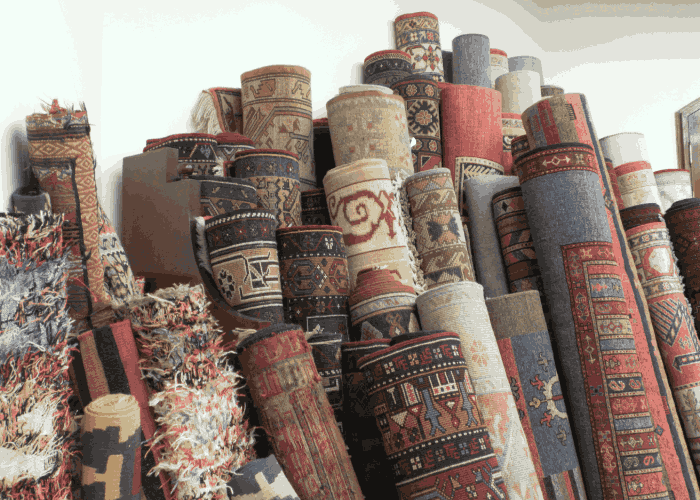
Step into the world of luxury interior design, and you will inevitably encounter a growing appreciation for craftsmanship, heritage, and unparalleled beauty. Discerning homeowners, interior designers, and art connoisseurs globally are increasingly turning their gaze towards a specific treasure: premium Indian carpets.
These exquisite floor coverings are more than just decorative items; they are woven narratives, each thread echoing centuries of tradition, skill, and artistic innovation. From opulent palaces to modern minimalist penthouses, Indian premium carpets are making a significant statement on the global stage.
You might wonder what sets these magnificent creations apart, elevating them to a status of coveted luxury. It’s a confluence of rich history, meticulous handcraftsmanship, superior materials, and a remarkable adaptability to contemporary design sensibilities.
This article invites you to explore the profound reasons behind their rising international acclaim. Discover the intricate journey from raw fiber to a masterpiece that can transform any space, captivating hearts and minds across continents.
A Legacy Woven in Time: The Rich Heritage of Indian Carpets
The story of Indian carpets is deeply intertwined with the nation’s vibrant cultural tapestry and a history stretching back millennia. You are not just acquiring a carpet; you are inheriting a piece of living history, a tradition passed down through generations.
While weaving traditions existed much earlier, the golden age of Indian carpet making truly blossomed with the arrival of the Mughal Empire in the 16th century. Emperor Akbar, a great patron of arts, brought skilled Persian weavers to India, introducing sophisticated knotting techniques and intricate designs.
This fusion of Persian artistry with indigenous Indian motifs and vibrant color palettes gave birth to a unique style. The Mughal era carpets, renowned for their intricate floral patterns, hunting scenes, and majestic medallions, set a benchmark for luxury.
Over centuries, different regions across India developed their own distinct weaving styles and characteristics. Each area became a repository of unique techniques, patterns, and material preferences, contributing to the incredible diversity you see today.
For instance, Kashmir became famous for its exquisite silk carpets, known for their incredibly high knot counts and delicate patterns. Mirzapur and Bhadohi, often called the “Carpet City of India,” specialized in durable wool carpets and dhurries, embracing a wide range of designs.
You will find carpets from Jaipur often featuring vibrant colors and traditional Rajasthani motifs. The flat-woven dhurries from various regions also tell a story of practicality and aesthetic appeal, gaining popularity for their versatility and contemporary charm.
This rich heritage ensures that every premium Indian carpet carries with it a profound sense of authenticity and story. It is a testament to an enduring legacy that continues to evolve while honoring its roots.
Unparalleled Craftsmanship: The Hands Behind the Masterpieces
When you invest in an Indian premium carpet, you are investing in the unparalleled skill and dedication of master artisans. The true essence of these carpets lies in the painstaking, labor-intensive process of handcraftsmanship.
Unlike machine-made alternatives, each premium Indian carpet is a unique work of art, meticulously created by human hands. This commitment to traditional methods is a primary reason for their superior quality and lasting appeal.
The most revered technique is hand-knotting, a process that can take months or even years to complete for a single large carpet. Imagine thousands upon thousands of individual knots, each tied by hand to a warp thread, forming the intricate pile.
Indian artisans predominantly use the Persian knot (Senneh knot) or the Turkish knot (Ghiordes knot), depending on the regional tradition and desired texture. The density of these knots, known as the “knot count,” directly correlates with the carpet’s intricacy, durability, and value.
A higher knot count means more detailed patterns and a denser, more durable pile. You will often find knot counts ranging from 100 to over 1000 knots per square inch in premium hand-knotted carpets, reflecting incredible precision.
Beyond hand-knotting, other sophisticated techniques include hand-tufting, where yarn is punched through a fabric backing, and hand-weaving for flat-weave dhurries. Each method requires immense skill and an intimate understanding of materials and design.
The artisans’ expertise extends beyond mere knotting; it encompasses color selection, pattern execution, and the ability to visualize the final masterpiece. Their generational knowledge is irreplaceable, preserving ancient skills in a modern world.
This human touch infuses each carpet with a unique character and soul that no machine can replicate. You can feel the difference, appreciating the subtle variations and the undeniable artistry embedded in every fiber.
The Finest Materials: A Symphony of Texture and Durability
The beauty and longevity of an Indian premium carpet begin with the selection of its raw materials. Only the finest natural fibers are chosen, ensuring a luxurious feel, vibrant colors, and exceptional durability that will stand the test of time.
You will typically find premium Indian carpets crafted from a combination of high-quality wool, lustrous silk, and sturdy cotton. Each fiber contributes unique characteristics to the final product, enhancing its aesthetic and functional qualities.
Wool: This is the most common and versatile material used in premium carpets. Indian manufacturers often import high-quality wool from New Zealand, known for its long staple, natural lanolin content, and excellent dye absorption. This results in incredibly soft, resilient, and colorfast carpets.
- Durability: Wool is naturally strong, elastic, and resistant to crushing, making it ideal for high-traffic areas.
- Resilience: It bounces back well, maintaining its pile and appearance over time.
- Natural Stain Resistance: The lanolin in wool naturally repels dirt and liquids, making it easier to clean.
- Comfort: Wool provides excellent insulation, keeping your space warm in winter and cool in summer.
Silk: For the ultimate in luxury and intricate detail, many premium Indian carpets incorporate or are entirely made of silk. Kashmiri silk carpets, for example, are legendary for their incredible sheen and delicate patterns.
- Lustrous Sheen: Silk has a natural shimmer that changes with light, adding depth and elegance.
- Fine Detail: Its thin, strong fibers allow for extremely high knot counts, enabling incredibly intricate designs.
- Softness: Silk carpets are exceptionally soft and smooth to the touch.
- Strength: Despite its delicate appearance, silk is one of the strongest natural fibers.
Cotton: Often used for the warp and weft threads (the foundation of the carpet), cotton provides stability and strength. In flat-weave dhurries, cotton can also be the primary material, offering a durable and often more affordable option.
- Stability: Cotton’s strength ensures the carpet maintains its shape and structure.
- Cost-Effectiveness: It’s a more economical fiber, making beautiful designs accessible.
- Versatility: Cotton takes dyes well, allowing for a wide range of colors in dhurries.
The quality of dyes is equally critical. Premium carpets use high-grade, colorfast dyes, whether natural or synthetic, that resist fading over time. This ensures the vibrant hues and subtle tones you admire today will remain brilliant for decades to come.
When you choose an Indian premium carpet, you are selecting a product where every material choice is deliberate, contributing to a symphony of texture, durability, and timeless beauty. You truly get what you pay for in terms of material excellence.
Design Evolution: Blending Tradition with Contemporary Aesthetics
One of the most compelling aspects of Indian premium carpets is their remarkable adaptability. While deeply rooted in tradition, these carpets have gracefully evolved, embracing contemporary design trends without losing their distinctive identity.
You will find a breathtaking array of designs, ranging from classic motifs that have adorned palaces for centuries to avant-garde patterns that perfectly complement modern interiors. This versatility is a key driver of their global appeal.
Traditional Motifs: Many Indian premium carpets proudly showcase timeless designs. These often include:
- Medallion and Corner Patterns: Central medallions with intricate corner designs, reminiscent of Persian rugs, are a classic.
- Floral and Vine Motifs: Elaborate patterns of flowers, leaves, and intertwining vines, often inspired by Mughal gardens, create a sense of natural beauty.
- Paisleys and Butas: The distinctive teardrop-shaped paisley (or ‘buta’) design is a beloved and iconic Indian motif.
- Geometric Patterns: Tribal and nomadic designs feature bold geometric shapes, often with symbolic meanings, offering a more rustic or bohemian appeal.
These traditional designs are not merely copied; they are often reinterpreted with fresh color palettes or subtle stylistic changes, making them relevant for today’s homes. You can place a traditional carpet in a modern setting to create a stunning contrast.
Contemporary Designs: Indian carpet manufacturers and designers are also at the forefront of innovation, creating pieces that speak directly to modern sensibilities. This includes:
- Abstract Patterns: Bold strokes, organic shapes, and fluid lines create truly artistic and modern statements.
- Minimalist Styles: Clean lines, subtle textures, and monochromatic or tone-on-tone palettes cater to minimalist and Scandinavian-inspired interiors.
- Transitional Designs: These blend elements of traditional and modern styles, offering a bridge between classic elegance and contemporary chic.
- Textural Focus: Some modern designs emphasize variations in pile height, material mixes (e.g., wool and silk), and weaving techniques to create tactile interest rather than complex visual patterns.
Many Indian carpet houses collaborate with international designers, bringing global perspectives to their traditional craftsmanship. This synergy results in truly unique and trend-setting collections that appeal to a diverse global clientele.
Furthermore, the ability to customize designs, colors, and sizes is a significant advantage. If you have a specific vision for your space, Indian artisans can often bring that vision to life, creating a bespoke masterpiece tailored precisely to your needs.
Whether your interior aesthetic is classic, bohemian, eclectic, or ultra-modern, you will find an Indian premium carpet that not only fits but elevates your space, proving their exceptional versatility and timeless appeal.
Why Global Demand is Soaring: Key Factors Driving Popularity
The increasing presence of Indian premium carpets on global stages is not a coincidence. It is the result of several converging factors that resonate deeply with today’s discerning international consumers and design professionals.
You are part of a growing movement that values authenticity, quality, and ethical production. Indian carpets excel in meeting these demands, making them a preferred choice for luxury and sustainable living.
1. Uncompromising Quality and Durability:
At the core of their appeal is the unwavering commitment to quality. Hand-knotted Indian carpets, made from superior materials, are renowned for their incredible durability and longevity.
They are not merely floor coverings; they are heirlooms designed to last for generations.
2. Unique Aesthetic and Artistic Value:
Each Indian premium carpet is a unique work of art, showcasing distinctive patterns, rich color palettes, and intricate details that cannot be replicated by machines. You acquire a piece with a soul, adding unparalleled character and warmth to any room.
3. Versatility in Design:
As discussed, the ability to seamlessly blend traditional motifs with contemporary aesthetics makes them incredibly versatile. Whether your home is a classic estate or a minimalist loft, there is an Indian carpet that will enhance its beauty and style.
4. Investment Potential:
High-quality, hand-knotted carpets, especially those made with fine materials and exceptional craftsmanship, can appreciate in value over time. They are considered true investments in art and luxury, much like fine paintings or sculptures.
5. Ethical and Sustainable Production:
Many Indian carpet manufacturers are increasingly adopting ethical labor practices, ensuring fair wages and safe working conditions for their artisans. Furthermore, the use of natural fibers and traditional, low-impact manufacturing processes aligns with growing demands for sustainable and eco-friendly products.
You can feel good about your purchase.
6. Customization Capabilities:
The bespoke nature of handcraftsmanship allows for extensive customization. Clients can often specify designs, colors, sizes, and materials, creating a truly unique carpet that perfectly fits their vision and space.
This level of personalization is highly valued in the luxury market.
7. Global Accessibility and Marketing:
Improved logistics, e-commerce platforms, and participation in international trade fairs have made Indian carpets more accessible to a global audience. Effective marketing highlights their unique story, craftsmanship, and design prowess.
These factors collectively explain why you see Indian premium carpets not just in private residences but also gracing the floors of luxury hotels, corporate offices, and high-end retail spaces around the world. Their appeal is broad, deep, and enduring.
Economic Impact and Global Reach: A Data-Driven Perspective
The ascent of Indian premium carpets on the global stage is not just an aesthetic triumph; it also represents a significant economic success story for India. The carpet industry is a major employer, particularly in rural areas, empowering countless artisan families.
You might be interested to know the scale of this industry’s impact. India is one of the world’s largest exporters of handmade carpets, contributing substantially to its foreign exchange earnings and supporting a vast ecosystem of weavers, designers, and traders.
The industry is heavily concentrated in regions like Bhadohi, Mirzapur, Agra, and Kashmir, where generations of families have honed their craft. The export demand directly translates into livelihoods for these communities, fostering economic stability and growth.
Key markets for Indian premium carpets span across continents, indicating a truly global footprint. North America, particularly the United States, remains a dominant consumer, followed by European countries and increasingly, the Middle East and Australia.
Consider the following illustrative data, which highlights the significant export value of Indian handmade carpets. Please note this table provides illustrative figures based on general industry trends and may not reflect precise, real-time government statistics for “premium” carpets specifically, but it demonstrates the overall scale and growth:
| Fiscal Year (April-March) | Total Handmade Carpet Exports (Approx. USD Million) | Key Export Markets (Illustrative) | Growth Rate (Year-on-Year, Approx. %) |
|---|---|---|---|
| 2018-19 | 1,200 | USA, Germany, UK | 8% |
| 2019-20 | 1,250 | USA, Germany, UK | 4% |
| 2020-21 | 1,400 | USA, Germany, UK, UAE | 12% |
| 2021-22 | 1,600 | USA, Germany, UK, UAE, Australia | 14% |
| 2022-23 (Est.) | 1,750+ | USA, Germany, UK, UAE, Australia, Canada | 9%+ |
This upward trend underscores the sustained and growing international demand for Indian craftsmanship. The ability of Indian manufacturers to adapt to global tastes while maintaining quality standards has been instrumental in this success.
The industry also benefits from government support, trade promotions, and the efforts of organizations like the Carpet Export Promotion Council (CEPC), which facilitates participation in international trade shows and ensures ethical compliance.
When you choose an Indian premium carpet, you are not only enhancing your home; you are also contributing to a vibrant industry that sustains millions of lives and preserves a priceless cultural heritage for generations to come.
Sourcing Your Indian Premium Carpet: What to Look For
Acquiring an Indian premium carpet is an investment, both financially and aesthetically. To ensure you make the right choice and bring a genuine masterpiece into your home, there are several key factors you should consider.
You want to be confident in the authenticity, quality, and value of your purchase. Understanding these aspects will empower you to make an informed decision.
1. Authenticity and Reputable Dealers:
Always purchase from reputable dealers who specialize in handmade carpets. Look for those with established track records, transparent sourcing, and knowledgeable staff.
Ask about the carpet’s origin, materials, and knotting technique.
2. Knot Count and Weaving Technique:
For hand-knotted carpets, the knot count (knots per square inch or KPSI) is a strong indicator of intricacy and durability. Higher knot counts generally mean finer detail and a more tightly woven, resilient carpet.
Inquire whether it’s Persian knot or Turkish knot.
3. Material Quality:
Confirm the type and quality of materials used. Is it high-quality New Zealand wool, lustrous silk, or durable cotton?
Feel the pile for softness and resilience. Ensure the dyes are colorfast and vibrant, indicating quality pigments.
4. Design and Color Palette:
Choose a design and color scheme that complements your existing decor and personal style. Consider the room’s size, light, and furniture.
A premium carpet should enhance, not overwhelm, your space.
5. Construction and Backing:
Examine the back of the carpet. The knots should be clearly visible and consistent, indicating hand-knotting.
The backing should be sturdy and evenly woven. For hand-tufted carpets, ensure the backing is well-applied and robust.
6. Certification and Guarantees:
Some reputable dealers offer certificates of authenticity or guarantees on their carpets. This provides an added layer of assurance regarding the carpet’s origin and quality.
Don’t hesitate to ask for these.
7. Feel and Appearance:
Whenever possible, see and feel the carpet in person. The texture, sheen, and way the colors interact can be fully appreciated only when experienced firsthand.
Walk on it to gauge its comfort and resilience.
8. Maintenance and Care:
Understand the specific care requirements for your chosen carpet. Different materials and constructions may require different cleaning methods.
Proper care will ensure your investment retains its beauty for decades.
By keeping these points in mind, you can confidently navigate the world of Indian premium carpets. You will be able to select a piece that is not only beautiful but also a testament to enduring craftsmanship and quality, a true asset to your home.
Conclusion
The journey of Indian premium carpets from the skilled hands of local artisans to the most prestigious global stages is a testament to their enduring appeal. You have discovered that this ascendancy is rooted in a rich historical legacy, unparalleled craftsmanship, and a commitment to using only the finest materials.
These carpets are far more than mere floor coverings; they are intricate works of art, each telling a story of heritage, dedication, and artistic vision. Their ability to blend traditional elegance with contemporary design sensibilities makes them incredibly versatile, suitable for any interior aesthetic you can imagine.
The soaring global demand for Indian premium carpets is a clear indication of a worldwide appreciation for authenticity, quality, and ethical production. When you choose an Indian carpet, you are investing in a piece of enduring beauty that supports communities and preserves a vital cultural heritage.
As you consider enhancing your living spaces, we encourage you to explore the magnificent world of Indian premium carpets. You will find that they offer not just warmth and beauty, but a profound connection to a tradition of excellence that truly graces global stages.
Frequently Asked Questions (FAQ)
Q1: What makes an Indian carpet “premium”?
A premium Indian carpet stands out due to its hand-knotted or hand-tufted construction, using high-quality natural fibers like New Zealand wool or silk. These carpets feature intricate designs, high knot counts, and use colorfast dyes, ensuring exceptional durability and artistic value. They are not mass-produced but are unique works of art.
Q2: How can I tell if an Indian carpet is hand-knotted?
You can identify a hand-knotted carpet by examining its back. The knots will be visible and slightly irregular, reflecting the hand-tying process. The fringe is an extension of the warp threads, not sewn on.
The pattern on the back will also be a mirror image of the front, though less distinct, and you can usually bend the carpet without seeing the backing underneath the pile.
Q3: What are the best materials for an Indian premium carpet?
The best materials are typically high-quality wool (often New Zealand wool for its softness and durability) and luxurious silk. Wool offers resilience, natural stain resistance, and warmth, making it excellent for most areas. Silk provides an exquisite sheen, incredible softness, and allows for extremely fine, detailed patterns, often used for decorative or lower-traffic areas.
Q4: How do I care for my Indian premium carpet?
Regular vacuuming with a brush-less attachment is crucial to remove dirt. Rotate your carpet periodically to ensure even wear. For spills, blot immediately with a clean cloth, avoiding rubbing.
Professional cleaning every 3-5 years is recommended for deep cleaning, ensuring the longevity and beauty of your investment. Avoid harsh chemicals.
Q5: Are Indian carpets sustainable?
Many premium Indian carpets are considered sustainable due to their use of natural, renewable fibers like wool, silk, and cotton. The traditional hand-making process has a lower carbon footprint compared to machine manufacturing. Furthermore, many manufacturers adhere to ethical labor practices, ensuring fair wages and safe working conditions for artisans, contributing to social sustainability.