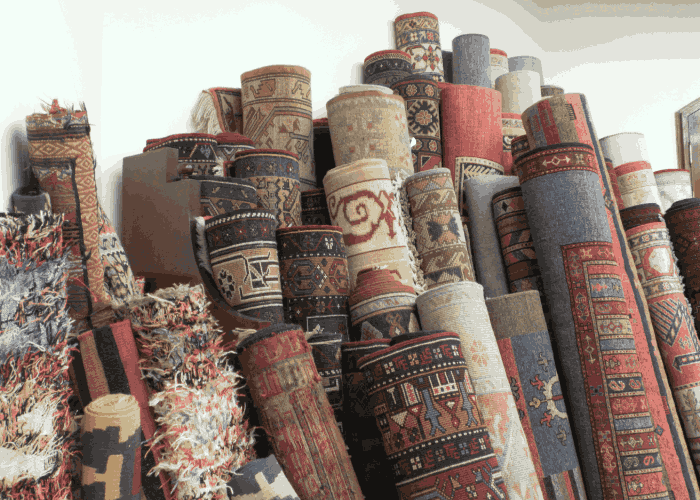
Step into any space adorned with a premium Indian carpet, and you are immediately enveloped in an aura of elegance and heritage. It’s more than just a floor covering; it’s a statement, a piece of art, and a whisper of ancient traditions.
For many, the allure is undeniable, but the true essence of these magnificent creations lies far beyond their aesthetic appeal. You might wonder what truly elevates certain carpets to the ‘premium’ status, making them coveted pieces in homes and galleries worldwide.
This article invites you on a journey to explore the meticulous craftsmanship, unparalleled quality, and profound cultural heritage that define India’s finest carpets. We will unveil the secrets woven into every fiber, every knot, and every dye, revealing why these carpets are not just purchases, but enduring investments in art and history.
The Enduring Legacy of Indian Carpet Weaving
India’s relationship with carpet weaving is a story that spans centuries, rich with cultural exchange and artistic evolution. The craft, while ancient, truly flourished with the arrival of the Mughals in the 16th century, who brought with them master weavers and Persian designs.
Emperor Akbar established royal workshops, fostering a unique Indo-Persian style that combined the intricate patterns of Persia with indigenous Indian motifs and vibrant color palettes. This fusion laid the groundwork for the diverse and sophisticated carpet traditions we see today.
Over generations, the knowledge and skills of carpet weaving have been passed down, often within families, preserving techniques that are both complex and profoundly beautiful. This continuous lineage ensures that the soul of traditional Indian carpet making remains vibrant.
A Tapestry of History and Culture
Every premium Indian carpet tells a story, not just through its design, but through its very existence as a product of centuries of shared heritage. These carpets are tangible links to a glorious past, embodying the artistic sensibilities of different eras.
The motifs you see often carry symbolic meanings, reflecting nature, spirituality, and daily life, connecting you to the rich cultural fabric of India. Owning one is like holding a piece of living history in your home.
You are not merely acquiring a decorative item, but a testament to human ingenuity and artistic dedication that has transcended time. It’s an investment in a legacy that continues to inspire awe and admiration.
Key Weaving Hubs and Their Distinctive Styles
India is a vast country, and its carpet weaving tradition is wonderfully diverse, with specific regions becoming renowned for particular styles and techniques. Each hub boasts its own unique flavor, influenced by local culture, available materials, and historical patronage.
These regional specializations add another layer of richness to the world of Indian carpets, offering you a wide spectrum of choices. Understanding these distinctions can help you appreciate the nuances of each piece.
- Mirzapur-Bhadohi Belt (Uttar Pradesh): This region is often called the “Carpet City of India” and is the largest carpet weaving cluster. It’s famous for producing a wide range of hand-knotted and hand-tufted carpets, including intricate Persian-inspired designs, contemporary patterns, and durable wool rugs.
- Kashmir: Renowned for its exquisite silk carpets, Kashmiri weaving is characterized by incredibly fine knotting, lustrous silk, and intricate designs, often featuring floral motifs and scenes from nature. These carpets are known for their exceptional sheen and softness.
- Jaipur (Rajasthan): Jaipur is celebrated for its vibrant hand-knotted wool and silk carpets, often featuring traditional Rajasthani motifs, geometric patterns, and bold color combinations. The dhurrie, a flat-woven rug, is also a specialty here, known for its reversible nature and durability.
- Agra: Historically significant as a Mughal carpet weaving center, Agra continues to produce high-quality hand-knotted carpets. Agra carpets are often characterized by their muted, earthy tones and classical Persian designs, making them timeless additions to any space.
The Soul of the Carpet: Premium Materials
The foundation of any truly premium Indian carpet lies in the quality of its raw materials. Just as a chef selects the finest ingredients, master weavers meticulously choose fibers that will ensure beauty, durability, and a luxurious feel.
The choice of material profoundly impacts the carpet’s texture, sheen, resilience, and how it accepts dyes. When you invest in a premium carpet, you’re investing in the integrity of these carefully selected fibers.
Understanding these materials will empower you to appreciate the inherent value and long-lasting quality of your chosen piece. They are the initial building blocks of a masterpiece.
Luxurious Wool: The Foundation of Durability
Wool is, without a doubt, the most popular and versatile material for hand-knotted carpets, prized for its natural resilience, warmth, and ability to absorb vibrant dyes. Not all wools are created equal, and premium Indian carpets often utilize specific varieties known for their superior qualities.
The inherent lanolin in wool provides natural stain resistance, making it an excellent choice for high-traffic areas. Its elasticity ensures that the pile bounces back, maintaining its plush appearance for years.
- New Zealand Wool: Widely regarded as some of the finest carpet wool in the world, New Zealand wool is known for its exceptional whiteness, making it ideal for dyeing a wide spectrum of colors. It possesses excellent strength, resilience, and a soft handle.
- Tibetan Wool: Harvested from sheep living at high altitudes, Tibetan wool is exceptionally strong, lustrous, and rich in lanolin. Its unique crimp gives carpets a distinctive springiness and a beautiful sheen that develops further with age.
- Indian Indigenous Wools: While often coarser than imported varieties, certain Indian wools are blended for their unique character, excellent durability, and ability to hold traditional, earthy dye colors beautifully. They contribute to the authentic feel of many regional designs.
Exquisite Silk: The Touch of Royalty
Silk carpets are the epitome of luxury, renowned for their unparalleled softness, brilliant sheen, and the ability to capture incredibly fine details. A silk carpet feels exquisite underfoot and visually transforms a room with its luminous quality.
The intricate weaving possible with silk threads allows for designs of breathtaking complexity, often with a higher knot count than wool carpets. This makes them highly sought after for their artistic merit and investment potential.
When you run your hand across a premium silk carpet, you immediately understand its royal appeal. It’s a fiber that truly elevates the art of carpet weaving.
- Mulberry Silk: This is the most common and highest quality silk used in carpets, produced by silkworms fed exclusively on mulberry leaves. It’s known for its extraordinary strength, uniform thickness, and brilliant natural luster, allowing for incredibly vivid and deep dye penetration.
- Tussar Silk: Also known as ‘wild silk,’ Tussar silk is produced by silkworms that feed on trees other than mulberry. It has a slightly coarser texture and a rich, natural golden hue, offering a different aesthetic with a beautiful, understated sheen.
Blends and Other Natural Fibers
While wool and silk dominate the premium segment, other natural fibers play crucial roles, either as foundational elements or as complementary materials to create unique textures and effects. These fibers contribute to the overall integrity and design of the carpet.
The careful selection and combination of these materials ensure that each part of the carpet performs its function optimally. This thoughtful approach underscores the craftsmanship involved in every premium piece.
- Cotton: Primarily used for the warp (vertical threads) and weft (horizontal threads) of hand-knotted carpets, cotton provides a strong, stable, and durable foundation. Its non-stretch properties ensure the carpet maintains its shape and tension over time.
- Jute: Occasionally used in flatweave rugs (dhurries) or as a blending fiber, jute offers a rustic texture and natural strength. It’s a sustainable choice that can add an earthy touch to certain designs.
- Bamboo Silk: An increasingly popular sustainable alternative, bamboo silk offers a similar luxurious sheen and softness to traditional silk. It is highly absorbent, allowing for vibrant colors, and is known for its durability and eco-friendly credentials.
The Art of the Knot: Traditional Weaving Techniques
The true magic of a premium Indian carpet is encapsulated in its construction method, specifically the intricate process of hand-knotting. This labor-intensive technique is what distinguishes a genuine heirloom piece from mass-produced alternatives.
Each knot is individually tied by skilled artisans, a testament to patience, precision, and deep-seated knowledge. This method creates a carpet that is not only robust but also exquisitely detailed and unique.
Understanding the art of the knot allows you to truly appreciate the immense human effort and artistic mastery embedded in every square inch of these magnificent textiles. It’s a craft passed down through generations.
Hand-Knotting: A Labor of Love and Precision
Hand-knotted carpets are the pinnacle of carpet making, revered for their durability, intricate designs, and the sheer artistry involved. The process begins with a design chart, or ‘taleem’, which guides the weavers through every single knot.
Seated at a loom, often side-by-side, weavers painstakingly tie thousands, sometimes millions, of individual knots onto a cotton or silk foundation. Each knot is then cut, and the pile is compressed, creating the dense, luxurious surface you see.
This commitment to traditional methods ensures that no two hand-knotted carpets are ever exactly alike, imbuing each piece with its own distinct character and soul. You are investing in a truly unique work of art.
- Persian (Senneh) Knot: Also known as the asymmetrical knot, this is widely used in India, particularly for fine silk and wool carpets. It allows for highly intricate designs and a denser, more defined pile. The yarn passes under one warp thread and over the next, then both ends are pulled tight.
- Turkish (Ghiordes) Knot: Also known as the symmetrical knot, this knot is more robust and produces a slightly coarser pile. The yarn is wrapped around two adjacent warp threads, creating a strong, durable knot. It’s often found in more tribal or geometric designs.
- Knot Density (KPSI/KPSC): This is a crucial indicator of a hand-knotted carpet’s quality and the level of detail in its design. KPSI stands for ‘knots per square inch,’ and KPSC means ‘knots per square centimeter.’ A higher knot density signifies finer materials, more intricate patterns, and a greater investment of time and skill. You can literally feel the difference in density and firmness.
Other Traditional Methods (Briefly Mentioned)
While hand-knotting represents the highest echelon of premium Indian carpets, it’s worth briefly understanding other traditional methods to appreciate the distinction. These methods offer different aesthetics and price points.
It helps you understand why hand-knotted pieces command a premium. The difference in construction directly impacts durability, detail, and overall value.
- Hand-Tufting: In this method, yarn is punched through a fabric backing using a hand-held tufting gun, creating loops. These loops can be left as is or cut to create a pile. While quicker and less expensive than hand-knotting, hand-tufted carpets typically have a shorter lifespan and generally do not hold the same investment value.
- Hand-Looming (Flatweaves/Dhurries): Dhurries are flat-woven rugs, meaning they have no pile. They are created by interweaving warp and weft threads, similar to how fabric is made. Known for their durability, reversibility, and often geometric or striped patterns, dhurries offer a distinct, casual aesthetic and are a traditional Indian craft in their own right.
The Symphony of Colors: Dyeing and Design
Beyond the fibers and knots, the soul of an Indian carpet truly comes alive through its colors and patterns. The masterful use of dyes and the intricate designs are what captivate the eye and tell a story.
These elements transform a mere textile into a vibrant masterpiece, reflecting centuries of artistic expression and natural beauty. The interplay of color and motif creates an emotional connection.
You’ll discover that the choice of dyes and the complexity of the design are as crucial to a carpet’s premium status as its physical construction. They are the artistic signature of the piece.
The Alchemy of Natural Dyes
Historically, all Indian carpets were colored using natural dyes derived from plants, insects, and minerals. While synthetic dyes offer a wider palette and consistency today, premium carpets often return to the rich, living hues of natural dyes.
Natural dyes create colors that are incredibly rich, nuanced, and possess a unique depth that synthetic alternatives often struggle to replicate. They also age beautifully, developing a soft patina over time.
Choosing a carpet colored with natural dyes means you are embracing an age-old tradition and a palette that is inherently harmonious with nature. It’s an eco-friendly and aesthetically superior choice.
- Vegetable Dyes: Derived from roots, leaves, flowers, and fruits, these dyes offer a spectrum of earthy tones, vibrant reds, deep blues, and warm yellows. Examples include indigo (for blues), madder root (for reds), pomegranate (for yellows/greens), and walnut hulls (for browns).
- Mineral Dyes: Certain minerals are also used to achieve specific shades, particularly for blacks and grays, which can be challenging to achieve with vegetable sources alone.
- Color Fastness and Depth: Natural dyes are renowned for their exceptional color fastness, meaning they resist fading over time. Their complex molecular structure allows for a greater depth and variation in hue, creating a subtle interplay of colors that changes with light.
Intricate Patterns and Symbolic Motifs
Indian carpet designs are a magnificent fusion of local artistic traditions and influences from Persia and Central Asia. Each pattern is meticulously planned, often by master designers known as ‘Naqqash’, before weaving even begins.
These designs are not just decorative; they are often imbued with symbolic meanings, telling tales of prosperity, nature, spirituality, and protection. Understanding these motifs adds another layer of appreciation to your carpet.
When you choose a premium Indian carpet, you are selecting a piece that carries centuries of narrative and artistic expression within its intricate patterns. It’s a conversation starter and a visual delight.
- Persian/Mughal Patterns: Many premium Indian carpets draw inspiration from classical Persian designs, featuring intricate floral motifs, arabesques, medallions, and garden scenes. These designs often symbolize paradise and abundance.
- Abstract and Geometric Patterns: Some regional styles, particularly those influenced by tribal traditions, feature bold geometric shapes, repeated patterns, and abstract interpretations of natural elements. These can offer a more contemporary aesthetic while retaining traditional craftsmanship.
- Contemporary Designs: While rooted in tradition, many modern Indian carpet artisans also create contemporary designs, blending traditional techniques with modern aesthetics. These might feature minimalist patterns, abstract art, or fusion styles that cater to modern interior design trends.
Quality Indicators: What Defines a Premium Indian Carpet?
With so many options available, it’s essential to know how to identify a genuinely premium Indian carpet. Beyond subjective beauty, there are concrete indicators of quality that you should look for.
These objective measures ensure that you are making an informed investment in a piece that will not only look stunning but also endure for generations. Educating yourself on these points is crucial.
You can confidently assess the value and craftsmanship of a carpet by paying attention to these key details. They are the hallmarks of true excellence.
Knot Density (KPSI/KPSC): A Key Metric
As mentioned earlier, knot density is perhaps the most significant objective measure of a hand-knotted carpet’s quality. It directly correlates with the level of detail achievable in the design and the carpet’s overall durability.
A higher knot count means more yarn is packed into each square inch, resulting in a denser, more resilient pile. This also allows for incredibly intricate patterns and sharper lines.
When you feel a high-KPSI carpet, you’ll notice its firmness and velvety texture. It’s a tangible indicator of superior craftsmanship.
Here’s a general guide to knot density in hand-knotted carpets:
| Quality Level | KPSI (Knots Per Square Inch) | Characteristics |
|---|---|---|
| Good/Standard | 50-100 | Durable, suitable for high traffic, often features simpler designs. |
| Fine/High Quality | 100-250 | Good detail, softer feel, excellent durability, suitable for most homes. |
| Premium/Superior | 250-400 | Very fine detail, luxurious feel, exceptional durability, often silk or fine wool. |
| Exceptional/Collector’s Item | 400+ (up to 1000+) | Extremely intricate, silken touch, often museum-quality, highest investment value. |
Material Purity and Weave Consistency
The quality of the fibers themselves is paramount. Premium carpets will use high-grade wool (like New Zealand or Tibetan) or pure mulberry silk, free from synthetic blends unless intentionally designed for a specific effect.
Examine the back of the carpet: the knots should be uniformly sized and tightly packed, creating a clear, crisp pattern that mirrors the front. Loose or uneven knots indicate a lack of precision.
The pile should be even in height and density across the entire surface. Any noticeable variations suggest inconsistencies in weaving or finishing that detract from its premium status.
Fringe and Selvedge Finishing
The fringe and selvedge (the finished sides of the carpet) are often overlooked but are crucial indicators of quality. In hand-knotted carpets, the fringe is an extension of the warp threads and should be securely woven, neatly trimmed, and consistent.
The selvedge should be tightly bound and even, preventing the edges from unraveling. Hand-finished fringes and meticulously bound selvedges are hallmarks of a carefully crafted premium piece.
These small details reflect the overall attention to detail and commitment to quality from the artisans. They are not merely functional but contribute to the carpet’s aesthetic integrity.
Certification and Ethical Sourcing
For discerning buyers, knowing the origin and ethical production practices behind a carpet is increasingly important. Many reputable premium carpet manufacturers provide certifications of authenticity and origin.
Look for assurances regarding fair labor practices, environmental sustainability, and the use of child-labor-free production. These certifications offer peace of mind and support responsible craftsmanship.
Choosing an ethically sourced carpet means you are supporting artisan communities and sustainable practices, adding significant value beyond the aesthetic appeal. It’s a conscious and responsible choice.
The Investment Value of Premium Indian Carpets
Purchasing a premium Indian carpet is far more than a simple home decor acquisition; it’s an investment in art, heritage, and enduring quality. These carpets offer a unique blend of aesthetic pleasure and practical value.
Unlike many mass-produced items, a well-made hand-knotted carpet often appreciates in value over time, becoming a cherished family heirloom. You are buying a piece that tells a story and holds its worth.
Consider the longevity, craftsmanship, and ethical considerations, and you’ll see why a premium Indian carpet is a wise and rewarding choice. It’s an investment that truly keeps giving.
Longevity and Heirloom Potential
Due to their superior materials and meticulous hand-knotting, premium Indian carpets are incredibly durable and built to last for generations. Unlike machine-made rugs that wear out quickly, hand-knotted pieces often improve with age, developing a beautiful patina.
With proper care, your carpet can become a family heirloom, passed down through generations, carrying stories and memories within its fibers. This enduring quality makes them unique among home furnishings.
Imagine your descendants admiring the same intricate patterns and rich colors that you chose today. This heirloom potential is a significant part of their investment value.
Environmental and Social Responsibility
Many premium Indian carpet manufacturers are deeply committed to sustainable and ethical practices. They often use natural, renewable fibers like wool and silk, and increasingly, natural dyes, minimizing their environmental footprint.
Furthermore, supporting these artisans ensures fair wages, safe working conditions, and the continuation of traditional crafts that sustain entire communities. Your purchase directly impacts the well-being of these skilled weavers.
By choosing a premium, ethically sourced Indian carpet, you are making a socially conscious decision that benefits both the planet and the people who create these beautiful works of art. It’s a purchase with a purpose.
Conclusion
The world of India’s premium carpets is a captivating tapestry woven with threads of history, unparalleled craftsmanship, and artistic passion. We’ve journeyed beyond the surface aesthetics to uncover the profound dedication that makes these pieces truly exceptional.
From the enduring legacy of Mughal influence to the meticulous selection of luxurious wools and silks, and the painstaking art of hand-knotting, every step in the creation process speaks volumes about quality and heritage. The vibrant natural dyes and symbolic designs further imbue each carpet with a unique soul.
When you choose a premium Indian carpet, you’re not just decorating your home; you’re investing in a piece of art, a slice of history, and a testament to human ingenuity. You’re bringing home a legacy that will enrich your space and your life for generations to come.
Frequently Asked Questions (FAQ)
How do I clean my hand-knotted carpet?
For routine cleaning, vacuum your carpet regularly without the beater bar. For deeper cleaning or spills, it’s highly recommended to consult a professional carpet cleaner specializing in hand-knotted rugs. Avoid harsh chemicals and excessive moisture.
What’s the difference between hand-knotted and hand-tufted carpets?
Hand-knotted carpets are made by individually tying thousands of knots to a foundation by hand, making them incredibly durable and valuable. Hand-tufted carpets are made by punching yarn through a fabric backing with a tool, then gluing a secondary backing, resulting in a less durable and generally less expensive product.
How long do hand-knotted carpets last?
With proper care, a high-quality hand-knotted carpet can last for many decades, often over 100 years, becoming a cherished family heirloom. Their durability is a key aspect of their investment value.
Are natural dyes better than synthetic dyes?
Natural dyes, derived from plants and minerals, offer unique depth, subtle variations, and excellent color fastness that age beautifully. While synthetic dyes provide a wider, more consistent color range, natural dyes are often preferred for premium carpets due to their organic beauty and historical authenticity.
How do I know if a carpet is truly premium?
Look for high knot density (KPSI), pure and high-quality natural fibers (wool, silk), consistent and tight weaving on both the front and back, neatly finished fringes and selvedges, and reputable dealer certifications for authenticity and ethical sourcing. Always feel the carpet for density and softness.
Can I get a custom-designed carpet?
Absolutely! Many premium Indian carpet manufacturers and dealers offer custom design services. You can often specify dimensions, colors, patterns, and materials to create a unique piece perfectly tailored to your space and preferences.
This allows you to truly personalize your investment.