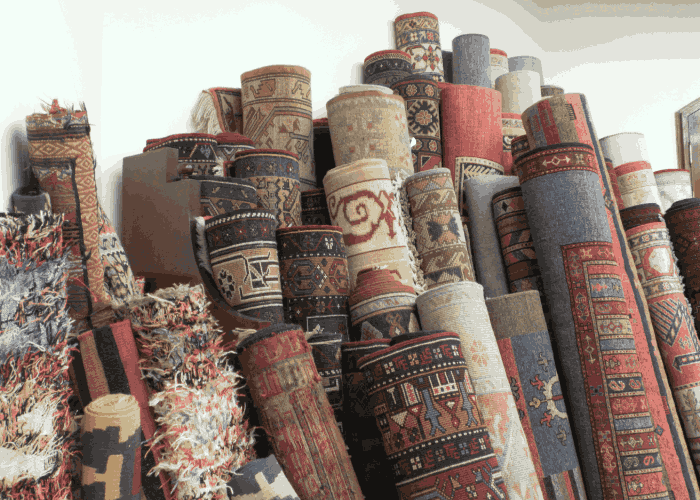
Imagine a floor covering that transcends mere utility, transforming into a vibrant canvas beneath your feet. Envision walking not just on fabric, but on centuries of tradition, meticulous artistry, and unparalleled luxury. This is the essence of India’s premium carpet collections, where each piece tells a story woven from the finest materials and an unwavering commitment to craftsmanship.
You are about to embark on a journey into a world where carpets are revered as art forms, cherished as heirlooms, and sought after by connoisseurs globally. These aren’t just decorative elements; they are investments in beauty, history, and enduring quality. Let us guide you through the intricate world of Indian premium carpets, revealing the secrets of their creation and the profound impact they can have on your living spaces.
The Enduring Legacy of Indian Carpet Weaving
A Tapestry of History and Heritage
The art of carpet weaving in India boasts a rich and storied past, deeply intertwined with the country’s cultural fabric. Its roots can be traced back to the Mughal Empire in the 16th century, when Emperor Akbar introduced Persian weavers to India. This infusion of Persian techniques and aesthetics merged beautifully with existing indigenous textile traditions, giving birth to a distinctive Indian style.
Over centuries, this craft flourished under royal patronage, evolving into diverse regional styles, each with its unique character. Master weavers passed down their intricate knowledge from generation to generation, preserving ancient patterns and developing new ones. Today, when you acquire a premium Indian carpet, you are not just purchasing an item; you are inheriting a piece of this magnificent history.
From Royal Courts to Modern Homes
Initially, these exquisite carpets adorned the palaces and courts of emperors and nobles, symbolizing wealth, power, and refined taste. Their elaborate designs and luxurious materials were a testament to the status of their owners. The grandeur they brought to royal chambers is now accessible to you, offering an unparalleled elegance for your own abode.
Today, premium Indian carpets continue to grace upscale homes, luxury hotels, and prestigious institutions worldwide. They serve as focal points, adding warmth, texture, and a touch of timeless sophistication to any interior. Investing in such a carpet means bringing a piece of this regal heritage into your contemporary living space, creating an immediate sense of luxury and history.
What Makes a Carpet “Premium”? Defining Excellence
The term “premium” in the context of Indian carpets signifies a confluence of superior materials, exceptional craftsmanship, and artistic integrity. It’s a commitment to quality that transcends mass production, focusing instead on the painstaking creation of individual masterpieces. Understanding these defining characteristics will empower you to appreciate the true value of these magnificent creations.
The Art of Material Selection: Yarns of Distinction
The foundation of any premium carpet lies in the quality of its raw materials. Indian premium carpets are renowned for using only the finest natural fibers, carefully selected for their durability, luster, and ability to hold vibrant dyes.
- Silk: Considered the epitome of luxury, silk carpets are prized for their unparalleled sheen, exquisite softness, and exceptional strength. Pure mulberry silk, often sourced from Kashmir, creates a fabric that shimmers with changing light, revealing intricate details with stunning clarity. Its fine threads allow for incredibly high knot densities, leading to designs of breathtaking precision.
- Wool: High-quality wool is the backbone of many durable and beautiful premium carpets. The best wools, such as those from the Himalayas (Tibetan or Merino) or New Zealand, offer natural resilience, a delightful softness underfoot, and excellent dye retention. These wools are naturally lanolin-rich, providing stain resistance and a luxurious feel that improves with age.
- Blends: Sometimes, the finest carpets feature intelligent blends, most commonly silk and wool. This combination leverages the strength and resilience of wool with the lustrous sheen and fine detailing capability of silk. The resulting carpets offer a unique textural and visual appeal, often balancing durability with an elegant shimmer.
Beyond the fiber itself, the dyeing process is critical. Premium carpets often utilize natural or high-quality synthetic dyes that are colorfast and resistant to fading. This ensures that the vibrant hues and subtle shades you fall in love with today will remain beautiful for generations to come, truly becoming an heirloom.
Knot by Knot: The Precision of Hand-Knotted Craftsmanship
The most significant differentiator for premium Indian carpets is their hand-knotted construction. This ancient technique involves skilled artisans individually tying thousands, sometimes millions, of knots onto a cotton or silk foundation. Each knot is a testament to human dedication and artistry, contributing to the carpet’s strength, durability, and intricate pattern.
You can gauge the quality and intricacy of a hand-knotted carpet by its knot density, often measured in KPSI (knots per square inch) or KPSC (knots per square centimeter). Higher knot counts indicate finer threads, more detailed designs, and a more robust, compact pile. While a lower knot count carpet can still be beautiful, premium pieces often boast exceptionally high densities, showcasing unparalleled precision.
This labor-intensive process demands immense skill, patience, and years of experience from the weavers. A single large carpet can take several artisans many months, or even years, to complete. This human element imbues each carpet with a unique character and soul that machine-made alternatives simply cannot replicate.
When you run your hand over a hand-knotted carpet, you can feel the individual knots, a tangible connection to the artisan who created it.
Design Integrity and Artistic Vision
Premium Indian carpets are not merely functional items; they are expressions of artistic vision. Their designs are often rooted in centuries-old traditions, featuring intricate Persianate motifs, grand Mughal patterns, or regional geometric styles. However, contemporary Indian designers also innovate, creating fresh interpretations that bridge the gap between heritage and modern aesthetics.
The integrity of the design is paramount. This includes perfect symmetry in traditional patterns, harmonious color palettes, and a balanced composition that draws the eye. Master designers meticulously plan every detail, ensuring that the final product is a cohesive and captivating work of art.
You will notice the incredible precision in the curvilinear lines, the delicate floral sprays, or the bold geometric repeats, all executed with masterful control.
The colors used in premium carpets are carefully chosen and blended to create depth and warmth. Whether it’s the jewel tones of Kashmir silk or the earthy palettes of Rajasthani wool, the color story is an integral part of the carpet’s appeal. These elements combine to create a carpet that not only beautifies your space but also tells a compelling visual story.
Iconic Indian Carpet Styles and Their Regions
India’s vastness and diversity are reflected in its carpet weaving traditions, with specific regions becoming renowned for distinct styles and techniques. Each region contributes a unique flavor to the tapestry of Indian carpet art, offering you a diverse range of aesthetic choices.
Kashmir: The Epitome of Silk Luxury
When you think of Kashmiri carpets, imagine unparalleled softness, exquisite sheen, and breathtaking intricacy. Woven predominantly from pure mulberry silk, these carpets are celebrated for their exceptionally high knot counts, often exceeding a million knots per square meter. This allows for incredibly fine detailing, replicating the delicacy of miniature paintings.
Kashmiri designs often feature elaborate Persianate motifs, such as floral sprays, medallions, and the iconic Chinar leaf, a symbol of the region. Their color palettes tend to be rich and jewel-toned, though softer, more contemporary shades are also available. Owning a Kashmir silk carpet is like possessing a piece of woven jewelry, a testament to ultimate luxury and refinement.
Mirzapur-Bhadohi: The Heart of Wool Weaving
The Mirzapur-Bhadohi belt in Uttar Pradesh is often called the “Carpet City” of India, producing a vast array of hand-knotted and hand-tufted carpets. This region is particularly famous for its robust wool carpets, known for their durability and versatility. You will find a wide range of designs here, from traditional Indo-Persian patterns to contemporary abstract motifs.
Bhadohi carpets often utilize high-quality Indian or New Zealand wool, resulting in a resilient pile that is perfect for high-traffic areas. They offer excellent value for their craftsmanship, making them popular choices for both residential and commercial settings. Their earthy tones and vibrant patterns can bring warmth and character to any room, offering both beauty and practicality.
Jaipur: Vibrant Colors and Mughal Grandeur
Jaipur, the Pink City of Rajasthan, has a rich tradition of carpet weaving that dates back to the Mughal era. Jaipur carpets are celebrated for their vibrant colors and distinctive designs, often inspired by traditional Mughal motifs. These include intricate floral patterns, animal figures, and geometric layouts that reflect the grandeur of Rajasthani palaces.
Typically made from high-quality wool, sometimes blended with silk, Jaipur carpets are known for their durability and bold aesthetic. They can instantly infuse a room with a sense of history and joyous color, acting as a powerful focal point. If you appreciate lively patterns and rich hues, a Jaipur carpet offers a magnificent choice, embodying the spirit of Rajasthan.
Agra: A Blend of Persian and Indigenous Artistry
Agra, home to the iconic Taj Mahal, also boasts a significant legacy in carpet weaving. Agra carpets are revered for their delicate balance of Persian elegance and indigenous Indian artistry. They often feature intricate floral motifs, delicate medallions, and curvilinear designs, executed with remarkable precision.
Historically, Agra weavers were known for their sophisticated dyeing techniques, producing carpets with nuanced and often softer color palettes. These carpets typically use fine wool and sometimes silk, offering a luxurious feel and a refined aesthetic. An Agra carpet often exudes a tranquil elegance, perfect for creating a serene and sophisticated atmosphere in your home.
The Investment Value and Longevity of Premium Indian Carpets
When you acquire a premium Indian carpet, you are not just purchasing a decorative item; you are making an investment. These pieces are designed to last for generations, often appreciating in value over time, much like fine art or antiques. Their enduring quality and timeless appeal make them true heirlooms.
Heirlooms for Generations
Unlike mass-produced floor coverings that quickly wear out and lose their appeal, hand-knotted premium carpets are built to endure. The strength of individually tied knots and the resilience of high-quality natural fibers mean these carpets can withstand decades of use, often becoming more beautiful with age. The subtle patina that develops over time adds to their character and charm.
With proper care and maintenance, your premium Indian carpet can easily become a cherished family heirloom, passed down through generations. Imagine your grandchildren enjoying the same carpet you selected, a tangible link to your family’s history and taste. This longevity makes them a sustainable and meaningful choice for your home.
Understanding Certification and Authenticity
To ensure you are investing in a genuine premium Indian carpet, it is crucial to purchase from reputable dealers who provide clear documentation. Authentic hand-knotted carpets often come with certificates of origin, detailing the materials used, knot count, and the region of production. This transparency offers you peace of mind regarding your investment.
Be wary of unusually low prices for what claims to be a premium, hand-knotted carpet. The labor and material costs involved in creating such masterpieces are significant, reflecting their true value. A reputable dealer will educate you about the carpet’s provenance and craftsmanship, allowing you to make an informed decision and trust the authenticity of your purchase.
Here is a table summarizing key characteristics of some premium Indian carpet types:
| Region/Style | Primary Material | Typical Knot Count (KPSI) | Key Design Elements | Durability | Aesthetic Appeal |
|---|---|---|---|---|---|
| Kashmir Silk | Pure Mulberry Silk | 400-1200+ | Persianate, Chinar Leaf, Medallions, Floral | Moderate (for delicate areas) | Luxurious sheen, intricate detail, jewel tones |
| Bhadohi Wool | High-Quality Wool (Indian, New Zealand) | 100-300 | Indo-Persian, Geometric, Contemporary | High (for high-traffic areas) | Versatile, warm, robust texture |
| Jaipur Mughal | Wool, sometimes Silk Blends | 150-400 | Mughal florals, Animal figures, Geometric | High | Vibrant colors, historical grandeur, bold patterns |
| Agra Classic | Fine Wool, sometimes Silk | 180-500 | Delicate Floral, Medallions, Curvilinear | High | Refined elegance, softer palettes, intricate |
| South Indian (e.g., Nellore) | Cotton, sometimes Wool | Low (Flatweave Durrie) | Geometric, Abstract, Tribal | Very High (Flatweave) | Earthy, rustic, casual sophistication |
Curating Your Space: Choosing the Perfect Premium Carpet
Selecting a premium Indian carpet is an exciting journey, allowing you to infuse your personal style and appreciation for art into your home. It’s about finding that perfect piece that not only complements your decor but also resonates with you on an emotional level.
Considering Your Interior Aesthetic
Before making a selection, consider the existing aesthetic of your room. Do you have a traditional, modern, minimalist, or eclectic decor? A premium Indian carpet can either blend seamlessly or create a striking contrast, becoming the room’s focal point.
Think about the color palette of your furniture, walls, and other accessories.
A large, intricately patterned carpet can anchor a spacious living room, while a smaller, vibrant piece can add a pop of color and texture to a dining area or hallway. Consider the scale of the patterns relative to the size of your room. A well-chosen carpet will enhance the overall harmony and visual appeal of your space, elevating it to new heights of sophistication.
Placement and Practicality
The intended placement of your carpet is also crucial. For high-traffic areas like living rooms or entryways, you might prefer a durable wool carpet with a higher knot count. In a bedroom or a formal sitting room, a delicate silk carpet could create an atmosphere of luxurious serenity.
Always use a high-quality rug pad underneath your premium carpet.
A good rug pad prevents slippage, adds extra cushioning, and protects both the carpet and your underlying floor. It also enhances the carpet’s longevity by reducing friction and absorb impact. Thinking about these practical aspects ensures that your beautiful investment remains pristine and functional for many years.
The Emotional Connection: More Than Just a Floor Covering
Ultimately, choosing a premium Indian carpet is about finding a piece that speaks to you. Each hand-knotted carpet carries the story of its weavers, their heritage, and their dedication. When you bring one into your home, you are not just acquiring a functional item; you are inviting a piece of art, culture, and history into your daily life.
The warmth, comfort, and visual delight a premium carpet provides create an immediate emotional connection. It becomes a conversation starter, a source of daily pleasure, and a testament to your discerning taste. You are selecting a piece that will enrich your home’s ambiance and become a beloved part of your personal narrative.
Conclusion
The world of India’s premium carpet collections is a testament to enduring artistry, meticulous craftsmanship, and timeless beauty. From the silken wonders of Kashmir to the robust woolens of Bhadohi, each carpet embodies a legacy passed down through generations of skilled artisans. These are not mere floor coverings; they are intricate tapestries of history, culture, and unparalleled luxury.
As you have discovered, investing in a premium Indian carpet means bringing home a piece of art that promises longevity, appreciates in value, and transforms your living space into a sanctuary of refined elegance. You are choosing a masterpiece that will tell its story for decades, enriching your home with warmth, character, and an undeniable sense of prestige.
Embrace the opportunity to walk on art, to connect with a heritage of excellence, and to create an environment that truly reflects your appreciation for the finest things in life. A premium Indian carpet is more than an acquisition; it is an experience, a statement, and a legacy waiting to unfold beneath your feet.
Frequently Asked Questions (FAQ)
What is KPSI and why is it important for premium carpets?
KPSI stands for “Knots Per Square Inch.” It is a crucial measure of a hand-knotted carpet’s density and quality. A higher KPSI indicates finer threads, more intricate detailing in the design, and a more durable, compact pile. Premium carpets, especially silk ones, often boast very high KPSI numbers, signifying exceptional craftsmanship and detail.
How do I clean a premium hand-knotted carpet?
For premium hand-knotted carpets, professional cleaning by a specialist experienced with delicate fibers like silk and fine wool is highly recommended. For routine maintenance, vacuum gently with the brush attachment off, and immediately blot any spills with a clean white cloth. Avoid harsh chemicals or excessive moisture, as these can damage the fibers and dyes.
How can I tell if a carpet is genuinely hand-knotted?
You can identify a hand-knotted carpet by examining its back. The knots on the back will appear irregular and slightly uneven, mirroring the pattern on the front. The fringe will be an extension of the carpet’s foundation.
In contrast, machine-made carpets have perfectly uniform knots on the back, and hand-tufted carpets have a canvas backing with visible glue.
What is the difference between hand-knotted and hand-tufted carpets?
Hand-knotted carpets are made by individually tying knots onto a warp and weft foundation, a labor-intensive process resulting in extreme durability and value. Hand-tufted carpets are made by pushing loops of yarn through a fabric backing with a tool, then securing them with latex glue and a secondary backing. Hand-tufted carpets are less durable and valuable than hand-knotted ones, though they can still be attractive.
Are premium Indian carpets good investments?
Yes, premium hand-knotted Indian carpets, especially those made with high-quality materials and exceptional craftsmanship, are often considered excellent investments. Like fine art, their value can appreciate over time, particularly if they are well-maintained and from reputable origins. Their durability also means they last for generations, offering long-term aesthetic and financial returns.
How long do premium carpets typically last?
With proper care and maintenance, a premium hand-knotted carpet can easily last for 50 to 100 years, or even longer. Many antique carpets from India are still in pristine condition today, showcasing the incredible longevity of this traditional craft. They are designed to be heirlooms, passed down through generations.
Can premium Indian carpets be used in modern interiors?
Absolutely. While many premium Indian carpets feature traditional designs, their timeless beauty and rich textures can beautifully complement modern and contemporary interiors. A classic carpet can add warmth, character, and a sophisticated contrast to minimalist or modern furnishings.
Many designers use them to create a unique, eclectic, and luxurious aesthetic.