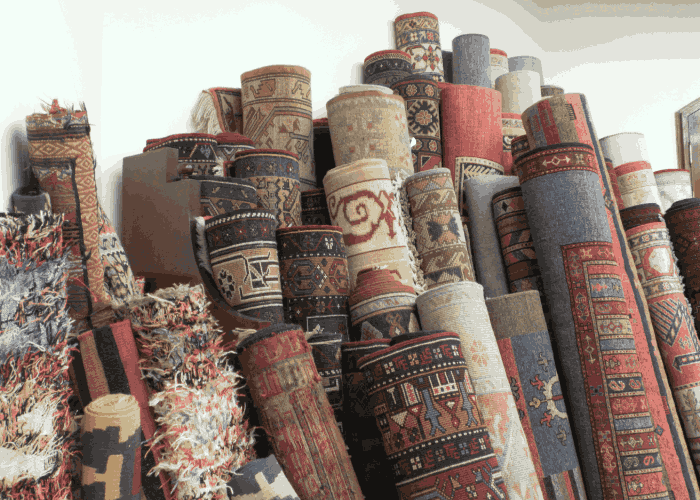
The allure of a beautifully crafted carpet transcends mere utility, transforming a space into a sanctuary of style and comfort. For centuries, carpets have been symbols of luxury, artistry, and cultural heritage, adorning palaces and homes across the globe. Today, you are witnessing a remarkable resurgence and expansion of one particular category that is captivating discerning buyers worldwide: Indian premium carpets.
These exquisite floor coverings are no longer just traditional heirlooms; they are dynamic pieces of art, blending ancient techniques with contemporary aesthetics. From the intricate patterns that tell stories of generations to the innovative designs that define modern luxury, Indian premium carpets are making an indelible mark on global markets. Join us as we explore the journey of these magnificent creations, understanding what makes them so coveted and how they are conquering hearts and homes far beyond India’s borders.
The Rich Tapestry of Indian Carpet Craftsmanship
India’s relationship with carpet weaving is deeply rooted in history, a legacy stretching back more than a thousand years. While references to Indian rugs can be found in ancient texts, the art truly flourished with the arrival of the Mughal Empire in the 16th century. Emperor Akbar, a great patron of arts, brought skilled Persian weavers to India, establishing royal workshops that blended indigenous artistry with sophisticated Persian techniques.
This fusion gave birth to a distinct Indian style characterized by vibrant colors, intricate floral motifs, and detailed pictorial representations. Over centuries, various regions developed their unique weaving traditions, each contributing to the diverse tapestry of Indian carpet making. You can trace this evolution through the distinct styles emanating from different parts of the country.
Historical Roots and Mughal Influence
The Mughal era marked a golden age for Indian carpets. Workshops in cities like Agra, Lahore (now in Pakistan), and Fatehpur Sikri produced masterpieces that were admired across continents. These carpets were not just floor coverings; they were expressions of imperial grandeur, often depicting garden scenes, hunting expeditions, and elaborate medallions.
The intricate knotting techniques and rich symbolism introduced during this period continue to influence Indian carpet design today. You can still find echoes of these majestic designs in many contemporary premium collections. This historical depth adds an unparalleled layer of authenticity and story to every piece.
Key Weaving Centers and Regional Specialties
India boasts several prominent carpet weaving hubs, each renowned for different styles, materials, and techniques. Understanding these regional distinctions helps you appreciate the breadth of Indian craftsmanship.
- Bhadohi-Mirzapur Belt (Uttar Pradesh): This region is often called the “Carpet City of India” and is the largest carpet manufacturing hub. It’s famous for both hand-knotted and hand-tufted carpets, producing a vast range of designs from traditional Persian and Mughal patterns to modern abstract art.
- Kashmir: Known for its exceptionally fine, hand-knotted silk carpets, Kashmir carpets are renowned for their intricate designs, high knot density, and lustrous sheen. They often feature delicate floral patterns and paisleys, reflecting the region’s natural beauty.
- Jaipur (Rajasthan): Jaipur is celebrated for its vibrant Dhurries (flatweave rugs) and hand-knotted wool carpets. These often incorporate traditional Rajasthani motifs, bold geometric patterns, and a rich palette of colors, reflecting the region’s artistic heritage.
- Agra (Uttar Pradesh): Agra continues its legacy of producing high-quality hand-knotted wool and silk carpets, often replicating classic Mughal designs with a contemporary twist. The city’s artisans are known for their meticulous attention to detail and color mastery.
Each region contributes its unique flavor to the global market, ensuring a diverse offering for every taste and interior design scheme. When you choose an Indian carpet, you are often choosing a piece of that specific regional heritage.
What Defines a Premium Indian Carpet?
The term “premium” when applied to Indian carpets signifies a confluence of superior materials, exceptional craftsmanship, intricate design, and ethical production. It goes beyond mere aesthetics; it speaks to durability, investment value, and a commitment to quality. You’ll find that these elements distinguish a premium carpet from an ordinary one.
Superior Materials and Their Impact
The foundation of any premium carpet lies in the quality of its raw materials. Indian premium carpets utilize an array of high-grade fibers, each contributing unique characteristics to the finished product.
- Fine Wool: Often sourced from New Zealand, Afghanistan, or Merino sheep, premium wool is renowned for its strength, resilience, and natural lanolin content, which makes carpets stain-resistant and soft. It provides excellent dye absorption, resulting in vibrant, long-lasting colors.
- Pure Silk: Kashmir is particularly famous for its pure silk carpets. Silk offers an unparalleled luxurious sheen, softness, and incredible strength. Carpets made from silk boast an exquisite drape and can achieve extremely high knot densities, allowing for incredibly intricate designs.
- Bamboo Silk: An increasingly popular sustainable alternative, bamboo silk offers a similar lustrous appearance and softness to traditional silk but is more eco-friendly. It provides a beautiful sheen and takes dyes brilliantly.
- Other Natural Fibers: You might also find premium carpets incorporating nettle, hemp, or jute, often blended with wool to add unique textures and sustainable qualities.
The choice of material directly impacts the carpet’s feel, appearance, durability, and overall value. When you invest in a premium carpet, you’re investing in the quality of these foundational fibers.
Masterful Weaving Techniques
The technique used to construct a carpet is a primary determinant of its quality, durability, and value. Indian premium carpets are predominantly made using labor-intensive, time-honored methods.
- Hand-Knotted: This is the pinnacle of carpet making. Each knot is individually tied by hand onto a warp and weft foundation. The knot density (knots per square inch, KPSI) is a key indicator of quality; higher KPSI means more intricate designs, greater durability, and a finer finish. Hand-knotted carpets are true works of art, often taking months or even years to complete.
- Hand-Tufted: While not as labor-intensive as hand-knotted, hand-tufted carpets are still considered premium when made with high-quality materials and expert craftsmanship. In this method, yarn is punched through a fabric backing with a tufting gun, and then latex is applied to secure the tufts, followed by a secondary backing.
- Hand-Woven (Dhurries): These flatweave rugs are reversible, durable, and often feature geometric or striped patterns. While different from pile carpets, premium Dhurries are highly sought after for their unique aesthetic and versatility, especially those made from fine wool or cotton.
The skill of the artisan in executing these techniques is paramount. It is their expertise that brings the design to life, ensuring precision and beauty in every detail.
Intricate Design and Color Palette
What truly sets Indian premium carpets apart is their unparalleled design versatility and mastery of color. You can find everything from faithfully recreated classical motifs to avant-garde abstract patterns.
- Traditional Motifs: These include Persian-inspired medallions, all-over floral patterns (like the Herati or Boteh designs), tree-of-life representations, and intricate border work. These designs often carry deep cultural and historical significance.
- Contemporary and Abstract Designs: Indian weavers have successfully adapted to modern tastes, creating carpets with minimalist aesthetics, geometric patterns, and abstract expressions. This ability to innovate while respecting tradition is a major draw for global markets.
- Color Mastery: The use of natural dyes, often derived from plants and minerals, allows for a rich, nuanced, and enduring color palette. Even with synthetic dyes, Indian manufacturers achieve a depth and vibrancy that is highly sought after.
The ability to produce such a wide array of designs, from the profoundly traditional to the strikingly modern, ensures that there is an Indian premium carpet to complement any interior style you envision.
Ethical Sourcing and Sustainability
In today’s conscious consumer market, the “premium” label also extends to how a carpet is made. Ethical sourcing and sustainable practices are increasingly vital. Many Indian carpet manufacturers are committed to:
- Child-Labor-Free Production: Strict adherence to international labor standards, often certified by organizations like GoodWeave, ensures that carpets are made without child labor.
- Fair Wages and Working Conditions: Artisans are paid fair wages, and workshops provide safe and healthy environments. This supports local communities and preserves traditional skills.
- Eco-Friendly Practices: Efforts include using natural or low-impact dyes, sustainable fibers, and minimizing waste throughout the production process.
When you choose a premium Indian carpet, you are often supporting a lineage of artisans and a responsible supply chain. This ethical dimension adds significant value to your purchase.
Driving Forces Behind Global Success
The global ascent of Indian premium carpets is not accidental; it is the result of a strategic blend of heritage, innovation, and market responsiveness. Several key factors are propelling these exquisite creations onto the world stage.
Unmatched Quality and Durability
At the core of their global appeal is the inherent quality and longevity of Indian hand-knotted carpets. These are not disposable items; they are investments built to last for generations. The meticulous hand-knotting process, combined with superior materials, ensures exceptional durability.
You can expect these carpets to withstand the test of time, becoming cherished family heirlooms.
Design Versatility and Adaptability
Indian carpet manufacturers have masterfully balanced tradition with innovation. They are adept at:
- Reinterpreting Classic Motifs: Breathing new life into age-old patterns to suit contemporary tastes.
- Embracing Modern Aesthetics: Developing entirely new lines that feature abstract art, geometric patterns, and minimalist designs, appealing to architects and interior designers globally.
- Color Trends: Quickly adapting to global color trends, offering palettes that range from vibrant and bold to subtle and earthy.
This design flexibility means that Indian carpets can seamlessly integrate into diverse interior styles, from classic to ultra-modern, making them universally appealing to you and other buyers.
Customization and Bespoke Orders
A significant advantage of the Indian carpet industry is its capacity for customization. Many premium manufacturers offer bespoke services, allowing clients to specify:
- Size and Shape: Tailored to fit unique spaces.
- Color Palette: Matching specific décor schemes.
- Design Modifications: Adapting existing patterns or creating entirely new ones.
- Material Choice: Selecting specific wool blends, silk content, or other fibers.
This ability to create truly unique pieces caters to the high-end market, where individuality and precise specifications are highly valued. You can truly make a statement with a custom-designed Indian carpet.
Competitive Pricing and Value Proposition
While premium Indian carpets are an investment, they often offer exceptional value compared to similar quality carpets from other traditional weaving countries. The combination of skilled labor, efficient production processes, and a strong supply chain allows Indian manufacturers to offer luxury at a more accessible price point. You get world-class craftsmanship without an exorbitant price tag.
Strong Export Infrastructure and Government Support
India has a well-established export infrastructure, including dedicated ports, logistics networks, and supportive government policies. Organizations like the Carpet Export Promotion Council (CEPC) actively promote Indian carpets globally through:
- International Trade Fairs: Facilitating participation in major events like Domotex.
- Buyer-Seller Meets: Connecting Indian manufacturers with global distributors and retailers.
- Quality Assurance Initiatives: Promoting standards and certifications like GoodWeave.
This organized support system helps Indian manufacturers reach international buyers efficiently and reliably, ensuring a smooth experience for you and other importers.
Key Global Markets and Trends
Indian premium carpets have found their way into homes and commercial spaces across the globe. Understanding the key markets and prevailing trends helps to appreciate the industry’s dynamic nature.
Major Export Destinations
The United States remains the largest market for Indian carpets, followed closely by European countries. However, emerging markets are also showing significant growth.
- United States: A strong demand for both traditional and contemporary designs, with a growing emphasis on sustainable and ethically produced carpets.
- Europe (Germany, UK, France): Appreciates fine craftsmanship, natural materials, and unique designs. Germany, in particular, is a major importer of hand-knotted rugs.
- Middle East: While a traditional carpet-producing region itself, there is demand for specific Indian designs, especially those with intricate patterns and luxurious silk content.
- Australia and Canada: Growing markets with an increasing appreciation for quality, unique designs, and ethical sourcing.
- East Asia (Japan, South Korea): Emerging markets showing interest in modern, minimalist designs and high-quality natural fiber rugs.
The diversity of these markets highlights the broad appeal and adaptability of Indian carpet production. You can find Indian carpets in some of the most exclusive homes and establishments worldwide.
Market Trends Influencing Demand
Several global trends are shaping the demand for premium carpets, and Indian manufacturers are actively responding to them.
- Sustainability and Ethical Production: Consumers are increasingly conscious of the environmental and social impact of their purchases. Carpets with certifications like GoodWeave or those made from recycled or natural fibers are highly sought after. You, as a conscious buyer, are driving this trend.
- Natural Fibers and Textures: A strong preference for wool, silk, cotton, and plant-based fibers over synthetics. There’s also a rising demand for varied textures, from plush piles to rustic flatweaves.
- Contemporary and Abstract Designs: While traditional patterns endure, there’s a significant shift towards modern, minimalist, and abstract designs that complement contemporary interior aesthetics.
- Bespoke and Customization: The desire for unique, personalized items continues to grow, making the Indian industry’s customization capabilities a major asset.
- E-commerce Growth: Online sales channels are becoming increasingly important, allowing manufacturers to reach a wider global audience directly.
These trends indicate a sophisticated global consumer base that values not just beauty but also the story and integrity behind the product.
Illustrative Data: India’s Carpet Export Landscape (Values in USD Millions)
To give you a clearer picture of the industry’s reach, consider the following illustrative data on India’s carpet exports to key regions. Please note, these figures are illustrative and represent a hypothetical scenario to demonstrate market trends, not real-time official statistics.
| Region/Country | 2018-19 Export Value | 2020-21 Export Value | 2022-23 Export Value (Estimated) | Key Demand Drivers |
|---|---|---|---|---|
| USA | 550 | 620 | 700 | Luxury market, contemporary designs, ethical sourcing |
| Europe (Total) | 380 | 410 | 460 | Traditional craftsmanship, natural fibers, design diversity |
| Germany | 120 | 135 | 150 | High-quality hand-knotted, sustainable options |
| UK | 90 | 100 | 115 | Design-led, bespoke orders, wool carpets |
| France | 70 | 75 | 85 | Classic elegance, fine silk, and wool blends |
| Middle East | 80 | 90 | 105 | Luxury, intricate patterns, silk carpets |
| Australia | 45 | 55 | 65 | Modern aesthetics, natural materials, ethical concerns |
| Rest of World | 125 | 140 | 160 | Emerging markets, specific niche demands |
| Total Exports | 1100 | 1250 | 1405 |
This table illustrates a consistent growth trajectory, underscoring the increasing global appetite for Indian premium carpets. You can see how demand has steadily risen across various regions.
Challenges and Opportunities for Growth
Despite their remarkable success, Indian premium carpets face both challenges and exciting opportunities in an ever-evolving global market. Understanding these dynamics is crucial for sustainable growth.
Overcoming Challenges
The industry must navigate several hurdles to maintain its upward trajectory.
- Competition from Machine-Made Carpets: The rise of mass-produced, machine-made carpets offers cheaper alternatives, posing a challenge to the hand-knotted sector. Educating consumers like you about the value difference is key.
- Rising Raw Material Costs: Fluctuations in the prices of premium wool, silk, and dyes can impact production costs and profit margins.
- Skilled Labor Shortages: Attracting younger generations to the intricate and time-consuming art of carpet weaving is a challenge, as many prefer other vocations. Preserving this traditional skill is vital.
- Intellectual Property Protection: Protecting unique Indian designs from imitation and counterfeiting is an ongoing concern in international markets.
- Logistics and Supply Chain Disruptions: Global events can impact shipping, raw material availability, and delivery timelines, requiring robust risk management strategies.
Addressing these challenges requires concerted efforts from manufacturers, industry bodies, and the government.
Seizing Opportunities
Numerous opportunities exist for Indian premium carpets to further solidify their global position.
- Expanding into New Emerging Markets: Countries in Southeast Asia, Eastern Europe, and parts of Africa represent untapped potential for luxury carpet consumption.
- Leveraging E-commerce and Digital Marketing: Direct-to-consumer online sales and sophisticated digital marketing campaigns can reach a wider global audience and build brand loyalty. You, as a modern consumer, expect this digital presence.
- Focus on Brand Building and Storytelling: Developing strong brand identities that highlight the craftsmanship, heritage, and ethical values behind each carpet can differentiate Indian products in a crowded market.
- Innovation in Materials and Techniques: Experimenting with new sustainable fibers, eco-friendly dyes, and innovative weaving techniques can open up new product categories and appeal to environmentally conscious buyers.
- Strengthening Ethical and Sustainable Certifications: Emphasizing and expanding certifications like GoodWeave and other fair-trade labels can enhance consumer trust and meet growing global demand for responsible products.
- Design Collaborations: Partnering with international designers and artists can lead to fresh, trend-setting collections that appeal to a global design community.
By proactively addressing challenges and strategically seizing opportunities, the Indian carpet industry can ensure a vibrant and prosperous future.
The Future of Indian Carpets: Innovation and Sustainability
The trajectory of Indian premium carpets points towards a future deeply rooted in both innovation and sustainability. You can expect to see significant advancements in several key areas.
Technological Integration and Design Evolution
While hand-knotting remains core, technology will play a greater role in supporting the design and production process. This includes:
- Advanced Design Software: Allowing for rapid prototyping and visualization of complex patterns, reducing design lead times.
- Digital Marketing and Virtual Showrooms: Enhancing global reach and allowing you to experience carpets virtually before purchase.
- Data Analytics: Informing design trends and market demand, ensuring production aligns with global preferences.
The evolution of design will continue to blend traditional motifs with cutting-edge aesthetics, creating pieces that are both timeless and contemporary. Expect more collaborations that push creative boundaries.
Commitment to Green Practices
Sustainability will move from a niche concern to a central pillar of the industry. This means:
- Eco-Friendly Materials: Increased use of organic cotton, sustainably sourced wool, plant-based silks, and even recycled materials.
- Non-Toxic Dyes: A greater shift towards natural, vegetable, or low-impact synthetic dyes that minimize environmental harm.
- Water and Waste Management: Implementing more efficient processes in washing and finishing to reduce water consumption and waste generation.
- Renewable Energy: Exploring solar and other renewable energy sources for manufacturing facilities.
These initiatives will not only protect the planet but also enhance the brand value of Indian carpets among environmentally conscious consumers like yourself.
Empowering Artisans and Preserving Heritage
The future also lies in strengthening the artisan community. Efforts will focus on:
- Skill Development Programs: Training new generations in traditional weaving techniques and modern design interpretation.
- Fair Trade Initiatives: Ensuring fair wages, safe working conditions, and social security benefits for weavers.
- Promoting Artisan Stories: Connecting you, the buyer, with the individual artisans and the stories behind their creations, adding a deeply human element to each carpet.
By investing in its people and practices, the Indian carpet industry is not just selling products; it is preserving a precious cultural heritage and ensuring its continued relevance in a modern world. This commitment ultimately enhances the value you receive.
Conclusion
The journey of Indian premium carpets from ancient royal workshops to the forefront of global luxury markets is a testament to enduring craftsmanship, artistic innovation, and strategic adaptation. You have seen how a rich history, combined with a relentless pursuit of quality and a keen eye on evolving consumer demands, has propelled these magnificent creations beyond borders.
From the unparalleled softness of Kashmir silk to the robust elegance of Bhadohi wool, each Indian premium carpet tells a story of meticulous skill, ethical production, and timeless beauty. They are not merely floor coverings; they are investments in art, comfort, and cultural heritage, capable of transforming any space into an extraordinary experience.
As the world increasingly values authenticity, sustainability, and unique design, Indian premium carpets are perfectly positioned for continued growth and dominance. Their future is bright, woven with threads of tradition, innovation, and a deep commitment to excellence. When you choose an Indian premium carpet, you are not just buying a product; you are becoming part of a centuries-old legacy, bringing a piece of unparalleled artistry into your own home.
Frequently Asked Questions (FAQ)
What makes Indian carpets “premium”?
Premium Indian carpets are distinguished by several factors. These include the use of high-quality natural fibers such as fine wool (e.g., New Zealand, Merino), pure silk, or bamboo silk. They are predominantly hand-knotted, a labor-intensive technique resulting in superior durability and intricate designs, often with high knot densities.
Ethical production practices and masterful finishing also contribute to their premium status.
Are Indian carpets ethically sourced and produced?
Many premium Indian carpet manufacturers are strongly committed to ethical sourcing and production. They adhere to strict labor standards, ensuring no child labor is used and providing fair wages and safe working conditions for artisans. Certifications from organizations like GoodWeave are common indicators of ethical production.
You can often find these assurances from reputable retailers.
How do I care for a hand-knotted carpet?
Caring for a hand-knotted carpet ensures its longevity and beauty. You should regularly vacuum it gently without a beater bar, rotate it periodically to ensure even wear, and clean spills immediately by blotting with a clean cloth. Professional cleaning is recommended every few years, depending on traffic and use.
Avoid harsh chemicals and excessive moisture.
What are the main types of Indian carpets?
Indian carpets come in several main types based on their construction and regional origin:
- Hand-Knotted: The most premium type, known for durability and intricate detail, often made from wool or silk.
- Hand-Tufted: Made by punching yarn through a backing with a tufting gun, offering a plush feel and a wide range of designs.
- Dhurries (Flatweave): Hand-woven, reversible rugs, typically made from cotton or wool, known for their durability and geometric patterns.
Regional variations include Kashmir silk carpets, Bhadohi-Mirzapur wool carpets, and Jaipur Dhurries.
Why are Indian carpets gaining global popularity?
Indian carpets are gaining global popularity due to their unique combination of factors. These include their unmatched quality and durability, the ability to blend traditional craftsmanship with contemporary design trends, and extensive customization options. Additionally, competitive pricing for luxury products, strong export support, and a growing emphasis on ethical and sustainable production practices contribute significantly to their global appeal among discerning buyers like yourself.