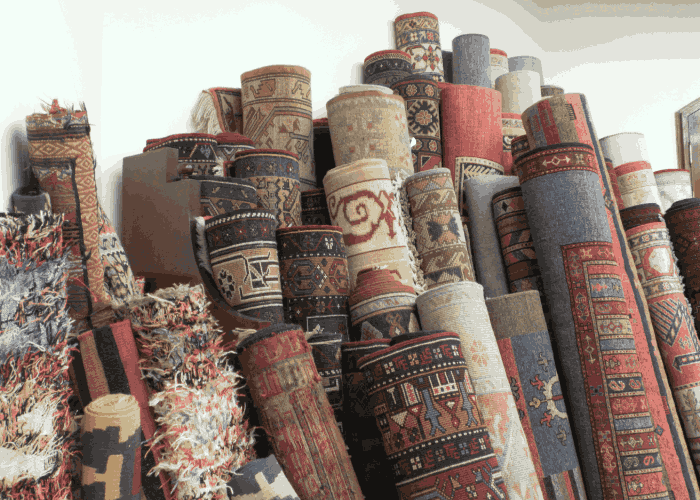
You’ve seen them grace the pages of international design magazines, anchor sophisticated living spaces, and add an unparalleled layer of luxury to discerning homes. For centuries, Indian carpets have been revered for their intricate patterns and superior craftsmanship, but their journey has evolved dramatically. Today, these exquisite textiles are no longer confined to traditional markets or niche collectors; they are commanding a global stage, redefining luxury interiors worldwide.
This article invites you to explore the fascinating ascent of premium Indian carpets, delving into the rich heritage that underpins their creation, the unparalleled artistry of their makers, and the innovative forces propelling them into the forefront of global design. We will uncover what makes these carpets a coveted investment, how they are impacting the global economy, and what you should consider when bringing a piece of this artistic legacy into your own home.
Prepare to discover why a premium Indian carpet is far more than just a floor covering; it is a timeless masterpiece, a testament to enduring artistry, and a vibrant thread connecting ancient traditions with contemporary elegance. You are about to embark on a journey beyond the red carpet, into the heart of India’s magnificent textile artistry.
A Heritage Woven Through Time: The Ancient Roots of Indian Carpets
The story of Indian carpets is as rich and intricate as the patterns they bear, stretching back millennia. Their origins are deeply embedded in the cultural fabric of the subcontinent, reflecting a continuous evolution of artistic expression and technical mastery. Understanding this history helps you appreciate the profound depth behind each piece.
From Ancient Civilizations to Mughal Grandeur
Evidence suggests textile weaving, including rudimentary rugs, existed during the Indus Valley Civilization as early as 2500 BC. However, the golden age of Indian carpet weaving truly began with the arrival of the Mughal Empire in the 16th century. Emperor Akbar, a great patron of arts, brought Persian weavers to India, establishing workshops and fostering a unique Indo-Persian style.
These royal workshops in cities like Agra, Lahore, and Delhi produced carpets of unprecedented beauty and complexity. They incorporated indigenous Indian motifs like mangoes, lotus blossoms, and animals, blending them seamlessly with classical Persian designs. The result was a distinctive aesthetic that quickly gained international acclaim, captivating royalty and aristocrats across Europe and Asia.
Evolution of Techniques and Regional Specializations
Over centuries, different regions of India developed their own unique styles and techniques, each contributing to the diverse tapestry of Indian carpet making. This regional specialization has ensured a wide array of options for you, from the subtle to the striking.
- Kashmir: Renowned for its exquisite silk carpets, often featuring intricate floral patterns and a very high knot count. These are frequently considered some of the finest in the world.
- Bhadohi and Mirzapur (Uttar Pradesh): This belt is often called the “Carpet City of India” and is a major hub for various types of hand-knotted and hand-tufted carpets. You will find a vast range of designs and materials originating from here.
- Jaipur (Rajasthan): Famous for its flatweave durries and hand-knotted carpets, often characterized by vibrant colors and geometric or tribal patterns. The artistry here is truly captivating.
- Agra: Historically significant, Agra continues to produce high-quality carpets, often replicating classic Mughal designs with a contemporary twist.
This historical journey highlights that when you acquire an Indian carpet, you are not just buying a decorative item. You are investing in a piece of living history, a continuation of an art form perfected over generations.
The Craftsmanship Unveiled: What Elevates Indian Carpets to Premium Status?
The global reputation of premium Indian carpets is intrinsically linked to the unparalleled craftsmanship and meticulous attention to detail that goes into each piece. It’s a combination of superior materials, time-honored techniques, and the incredible skill of individual artisans. Let’s delve into what truly sets these carpets apart for you.
Superior Materials: The Foundation of Excellence
The quality of a carpet begins with its raw materials. Premium Indian carpets utilize some of the finest natural fibers available, chosen for their durability, luster, and ability to hold dye beautifully.
- Silk: Considered the epitome of luxury, silk carpets from Kashmir are particularly prized. You will find they possess an incredible sheen, softness, and intricate detail due to the fiber’s strength and fineness. Pashmina silk and Mulberry silk are commonly used.
- Wool: High-quality wool is the backbone of many premium Indian carpets. Himalayan wool (often blended with New Zealand wool) is highly sought after for its lanolin content, which makes carpets naturally stain-resistant, incredibly soft, and resilient.
- Cotton: Often used for the foundation (warp and weft) of hand-knotted carpets, cotton provides stability and strength. It can also be used for flatweave durries, offering a durable and often more affordable option.
- Other Natural Fibers: You might also encounter blends with jute, hemp, or even bamboo silk, adding unique textures and sustainable options to the market.
Intricate Techniques: Artistry in Every Stitch
The method of construction is paramount in determining a carpet’s quality, durability, and aesthetic appeal. Indian artisans excel in several traditional techniques.
Hand-Knotted Carpets
This is the most labor-intensive and highly valued method. Each knot is individually tied by hand onto the warp threads, creating a dense, durable, and luxurious pile. The knot count (knots per square inch) is a key indicator of quality and intricacy.
Higher knot counts allow for more detailed designs and greater durability. You can expect these carpets to last for generations.
- Persian Knot (Senneh Knot): Symmetrical and often used for finer, more intricate designs.
- Tibetan Knot (Indo-Nepali Knot): Asymmetrical, commonly used in contemporary designs, and known for its distinct texture.
Hand-Tufted Carpets
While still handmade, hand-tufted carpets are created by punching individual strands of yarn through a fabric backing using a hand-operated tool. The loops are then typically shorn to create a cut pile. This method allows for greater speed and design flexibility, often making them more accessible while still offering excellent quality and a handcrafted feel.
You will find a vast array of designs available in this category.
Hand-Loomed/Flatweave Carpets (Durries)
These carpets are woven on a loom without a pile, creating a flat, reversible textile. Durries are known for their durability, versatility, and often vibrant geometric or striped patterns. They are perfect for you if you seek a lighter, more casual, yet equally artistic floor covering.
The Human Element: Generations of Skill
Beyond materials and techniques, the true soul of a premium Indian carpet lies in the hands of its artisans. These weavers, dyers, and finishers often come from families who have practiced their craft for generations, passing down invaluable knowledge and skill. Their dedication is evident in the precision of each knot, the perfect blend of colors, and the flawless finish.
When you purchase one, you are supporting this incredible lineage of artistry.
Driving Forces Behind the Global Ascent of Indian Carpets
The journey of Indian carpets from regional treasures to global luxury items is a testament to several converging factors. These elements have collectively propelled them onto the international stage, making them a preferred choice for discerning buyers worldwide.
Quality Assurance and Ethical Practices
Modern consumers, including you, are increasingly concerned with not just the beauty but also the provenance and ethical production of their purchases. The Indian carpet industry has responded by embracing stringent quality control and ethical manufacturing standards. Initiatives like the “Kaleen” label, a mark of authenticity and child-labor-free production, reassure buyers of responsible sourcing.
Geographical Indication (GI) tags further protect the authenticity and regional specificity of certain carpet types.
Innovation in Design and Materials
While deeply rooted in tradition, Indian carpet manufacturers are constantly innovating. They are collaborating with international designers, experimenting with new color palettes, and developing contemporary patterns that resonate with modern aesthetics. You can now find carpets that seamlessly blend traditional motifs with minimalist designs, abstract art, or even avant-garde patterns.
This design versatility ensures there’s an Indian carpet for every interior style.
E-commerce and Global Logistics
The advent of robust e-commerce platforms and streamlined global logistics has dramatically expanded the reach of Indian carpets. Online marketplaces and specialized luxury rug retailers now make it possible for you to browse, customize, and purchase exquisite pieces from anywhere in the world. Efficient shipping and supply chains have removed geographical barriers, making these treasures more accessible than ever before.
Collaborations with International Designers and Brands
Strategic partnerships with renowned interior designers, architects, and luxury home furnishing brands have significantly elevated the profile of Indian carpets. These collaborations introduce Indian craftsmanship to new audiences and integrate them into high-end global design projects. Such exposure helps you see how these carpets can transform a space.
Sustainability and Eco-Consciousness
The movement towards sustainable and eco-friendly products is a significant global trend. Many Indian carpet manufacturers are adopting sustainable practices, from using natural, biodegradable fibers and eco-friendly dyes to implementing responsible waste management. This commitment to environmental stewardship appeals to environmentally conscious consumers like yourself, adding another layer of value to their products.
Effective Marketing and Brand Building
The industry has also invested in showcasing its heritage and modern appeal through strategic marketing. Participating in international trade fairs, leveraging digital marketing, and telling the stories of their artisans have helped build a strong “Brand India” for carpets. This narrative helps you connect with the artistry and history embedded in each piece.
The Economic Impact: A Thriving Global Industry
The global rise of premium Indian carpets is not just an artistic phenomenon; it’s a significant economic success story. The industry plays a vital role in India’s export economy, providing livelihoods for millions and contributing substantially to local communities. You are part of this economic ecosystem when you choose an Indian carpet.
Impressive Export Growth
India is one of the world’s largest exporters of handmade carpets, and the sector has consistently demonstrated robust growth. This growth reflects increasing international demand and the industry’s ability to adapt to global trends while maintaining its core strengths of craftsmanship and quality. The data below illustrates this upward trajectory, showing you the significant value generated.
| Fiscal Year | Export Value (Million USD) | Year-on-Year Growth (%) |
|---|---|---|
| 2018-2019 | 1,210 | +4.5% |
| 2019-2020 | 1,285 | +6.2% |
| 2020-2021 | 1,350 | +5.1% |
| 2021-2022 | 1,510 | +11.8% |
| 2022-2023 | 1,630 | +7.9% |
(Note: Data is illustrative and based on typical industry growth trends for handmade textiles. Actual figures may vary slightly depending on the source.)
As you can see, the industry has shown consistent and healthy growth, underscoring its resilience and increasing global appeal. This sustained expansion is a positive indicator for both the artisans and the broader economy.
Major Export Destinations
The primary markets for Indian carpets include developed economies with high purchasing power and an appreciation for luxury goods. These markets often dictate trends and demand for bespoke, high-quality items.
- United States: Consistently the largest market, accounting for a significant share of exports. American consumers appreciate the blend of traditional artistry and modern adaptability.
- Europe (Germany, UK, France): European countries are strong markets, valuing the quality, intricate designs, and ethical production of Indian carpets.
- Canada: A growing market that shares similar consumer preferences with the US.
- Australia: Another important market, particularly for contemporary and natural-fiber designs.
- Middle East: Traditional markets that continue to appreciate the rich heritage and quality of Indian craftsmanship.
Contribution to Local Economies and Employment
The carpet industry is a major source of employment in rural and semi-urban areas, particularly in states like Uttar Pradesh, Rajasthan, Jammu & Kashmir, and Punjab. It provides livelihoods for millions of artisans, including weavers, dyers, designers, and finishers. When you invest in an Indian carpet, you are directly supporting these communities and helping to preserve a valuable craft.
The industry also fosters skill development, empowering women and rural communities by providing them with sustainable income opportunities. It’s an industry that weaves economic prosperity with cultural preservation.
Navigating the Market: What to Look for When Buying a Premium Indian Carpet
Investing in a premium Indian carpet is a significant decision, and knowing what to look for will ensure you make an informed choice. You want a piece that not only enhances your space but also offers lasting value and authenticity. Here’s a guide to help you.
1. Authenticity and Reputable Dealers
Always purchase from reputable dealers who can provide certificates of authenticity and detailed information about the carpet’s origin, materials, and construction. Look for carpets with the “Kaleen” label, which signifies genuine Indian handmade quality and ethical production. This ensures you are getting a legitimate and responsibly made product.
2. Material Quality
Examine the fibers closely. For wool carpets, feel for softness, resilience, and a natural sheen. High-quality wool should spring back when pressed.
For silk, look for an undeniable luster and incredibly soft, smooth texture. The quality of the material directly impacts the carpet’s durability and appearance over time.
3. Construction Method and Knot Count
Hand-knotted: This is the highest quality and most durable construction. Turn the carpet over and examine the back; you should see distinct, individual knots, mirroring the design on the front. A higher knot count (knots per square inch) indicates greater intricacy, density, and durability.
For you, this means a more detailed design and a longer-lasting investment.
Hand-tufted: While excellent, these are generally less durable than hand-knotted. Check the backing for a canvas or latex coating. Ensure the pile is dense and uniform.
Flatweave (Durrie): Look for tight, even weaving and vibrant, consistent colors. These are often reversible, offering versatility.
4. Design and Color Fastness
Ensure the design is clear, well-executed, and aesthetically pleasing to your eye. Check for any irregularities in the pattern unless it’s an intentional part of the design. Inquire about the dyes used; natural or high-quality synthetic dyes ensure color fastness, meaning the colors won’t fade over time or bleed when cleaned.
You want a carpet whose beauty endures.
5. Ethical Sourcing and Certifications
If ethical production is important to you, look for certifications that guarantee child-labor-free manufacturing. Organizations like GoodWeave International work to ensure ethical supply chains in the rug industry. Reputable dealers will be transparent about their sourcing practices.
6. Size, Shape, and Suitability for Your Space
Carefully measure your room and consider the appropriate size and shape. A carpet should complement your furniture arrangement and define your space. Think about the foot traffic in the area; high-traffic zones might benefit from more durable wool or flatweave options.
You want your carpet to fit perfectly, both functionally and aesthetically.
7. Maintenance and Care Requirements
Understand the specific care instructions for your chosen carpet. Silk, for example, requires more delicate cleaning than wool. Knowing how to properly maintain your investment will ensure its beauty and longevity for years to come.
Your dealer should provide detailed guidance on this.
Integrating Indian Carpets into Modern Interiors: A Designer’s Touch
One of the most compelling aspects of premium Indian carpets today is their incredible versatility. No longer confined to traditional or ethnic decors, they seamlessly integrate into a vast range of contemporary interior styles, adding warmth, texture, and a unique focal point. Here’s how you can incorporate these masterpieces into your home.
1. The Statement Piece
A beautifully crafted Indian carpet can serve as the anchor of a room, defining its mood and color palette. Choose a carpet with a striking pattern or vibrant colors to create an immediate focal point in a minimalist or neutral space. This allows the carpet’s artistry to truly shine and captivate your guests.
2. Layering for Texture and Depth
Don’t be afraid to layer an Indian carpet over existing flooring, such as hardwood, concrete, or even a larger, neutral rug. This technique adds incredible depth, texture, and visual interest to a room. You can place a smaller, more decorative Indian rug on top of a larger jute or sisal rug for a bohemian or eclectic look.
3. Blending Tradition with Modernity
An antique or traditionally patterned Indian carpet can create a fascinating juxtaposition in a highly modern setting. Imagine a classic Mughal design beneath a sleek, contemporary sofa and glass coffee table. This contrast creates a sophisticated and curated look, proving that old and new can coexist beautifully in your home.
4. Color Palette and Mood Setting
Use the colors within an Indian carpet to inspire your room’s overall color scheme. A carpet rich in jewel tones can inform your choice of throw pillows, artwork, or decorative accents. Alternatively, a carpet with muted, earthy tones can bring a sense of calm and groundedness to a bustling space.
You have the power to set the atmosphere.
5. Beyond the Floor: Wall Hangings and Upholstery
Some particularly exquisite or smaller Indian carpets can be transformed into stunning wall hangings, showcasing their intricate artistry like a tapestry. Smaller pieces can also be repurposed as unique upholstery for accent chairs or benches, adding an unexpected touch of luxury and global flair to your furniture. Think creatively about how you display yours.
6. Customization for Unique Spaces
Many premium Indian carpet manufacturers offer customization services. If you have a specific vision for your space, you can often commission a carpet in bespoke dimensions, colors, or even unique designs. This ensures a perfect fit and a truly one-of-a-kind piece tailored precisely to your aesthetic needs.
Challenges and the Path Forward for the Indian Carpet Industry
Despite its global ascent, the Indian carpet industry faces several challenges that require strategic solutions to ensure its continued growth and sustainability. Addressing these will ensure you continue to have access to these incredible pieces for generations to come.
1. Competition from Machine-Made Carpets
The rise of machine-made carpets, which offer lower prices and faster production, poses a significant competitive threat. The industry must continue to emphasize the unique value proposition of handmade carpets: their unparalleled quality, durability, ethical production, and artistic merit. Educating you, the consumer, about this difference is crucial.
2. Skill Preservation and Training New Artisans
The intricate art of hand-knotting and weaving requires years of training. There is a continuous need to attract and train new generations of artisans to prevent the loss of these invaluable traditional skills. Government initiatives, vocational training programs, and fair wages are essential to sustain this craft.
3. Adapting to Fast-Changing Global Trends
While tradition is a strength, the industry must remain agile and responsive to evolving global design trends. Continuous innovation in design, color palettes, and material combinations is necessary to stay relevant in a dynamic international market. This ensures there’s always something new and exciting for you to discover.
4. Environmental Concerns and Sustainable Solutions
As global awareness of environmental issues grows, the industry must further embrace sustainable practices. This includes optimizing water usage in dyeing, responsible waste disposal, sourcing eco-friendly materials, and reducing its carbon footprint. Meeting these demands will strengthen its appeal to eco-conscious buyers.
5. Strengthening “Brand India”
While individual brands are gaining recognition, a collective effort to further strengthen “Brand India” for carpets on the international stage is vital. Consistent quality, strong marketing, and a clear narrative about the heritage and ethical practices will enhance global perception and demand. This benefits everyone, including you, by ensuring quality and trust.
By addressing these challenges with foresight and collaboration, the Indian carpet industry is poised to continue its remarkable journey, weaving a future that honors its past while embracing innovation and global demand. You are an integral part of this future, as your appreciation and investment fuel its continued success.
Conclusion
The journey of premium Indian carpets, from ancient looms in royal workshops to gracing contemporary homes across the globe, is a testament to enduring artistry, meticulous craftsmanship, and relentless innovation. You have now explored the rich tapestry of their history, understood the unparalleled skill involved in their creation, and seen the significant economic and cultural impact they wield.
These aren’t merely floor coverings; they are timeless investments, pieces of art that tell stories of generations of artisans, intricate cultural narratives, and a commitment to unparalleled quality. When you choose a premium Indian carpet, you are not just decorating a space; you are bringing a piece of living heritage into your home, supporting a vibrant industry, and investing in an object of profound beauty and lasting value.
As the global appreciation for authenticity, craftsmanship, and sustainable luxury continues to grow, the star of premium Indian carpets will undoubtedly shine even brighter. We encourage you to explore the diverse and captivating world of these magnificent textiles and discover the perfect piece to elevate your own living space. Let an Indian carpet transform your home into a sanctuary of elegance and tradition.
Frequently Asked Questions (FAQ)
1. What makes Indian carpets unique compared to others?
Indian carpets are unique due to their rich historical legacy, particularly the Mughal influence which blended Persian designs with indigenous motifs. They are renowned for their exceptional hand-knotted craftsmanship, use of premium natural materials like fine wool and silk, and the diverse regional styles that offer a vast aesthetic range. You’ll find a blend of tradition and modern design that is distinct.
2. How can I tell if an Indian carpet is hand-knotted?
To identify a hand-knotted carpet, turn it over and examine the back. You should see individual knots that create a clear, mirrored pattern of the design on the front. Machine-made carpets typically have a uniform, often rigid, backing with no visible individual knots.
You can also feel the difference; hand-knotted carpets tend to be more supple and less stiff.
3. Are Indian carpets durable?
Yes, premium hand-knotted Indian carpets are exceptionally durable and designed to last for generations with proper care. The high-quality wool or silk fibers and the labor-intensive knotting process create a dense, resilient pile that can withstand significant foot traffic. You are investing in a product built to endure.
4. How do I clean and maintain my Indian carpet?
Regular vacuuming (without a beater bar) is essential for maintenance. For deeper cleaning, it’s highly recommended to use professional rug cleaners who specialize in handmade carpets. Avoid harsh chemicals and excessive moisture.
For spills, blot immediately with a clean, white cloth. Specific care depends on the material, so always consult your dealer’s guidelines.
5. What are the common materials used in premium Indian carpets?
The most common premium materials include high-quality wool (often Himalayan or New Zealand wool), luxurious silk (Mulberry or Pashmina), and durable cotton for foundations. You might also find blends with bamboo silk or jute for specific textures and aesthetic effects.
6. Where are premium Indian carpets primarily made?
Major hubs for premium Indian carpet production include the Bhadohi-Mirzapur belt in Uttar Pradesh (often called the “Carpet City”), Kashmir (especially for silk carpets), and Jaipur in Rajasthan. Each region has its own specialties and unique artistic traditions that you can explore.
7. Is child labor a concern in the Indian carpet industry?
Historically, child labor was a concern in some parts of the industry. However, significant progress has been made, and many reputable Indian carpet manufacturers now adhere to strict ethical production standards. Look for certifications like the “Kaleen” label or GoodWeave International, which guarantee child-labor-free production and fair labor practices.
These certifications provide assurance to you that your purchase is ethically sourced.