In the realm of luxury interiors, discerning tastes are always seeking pieces that transcend mere utility. You’re looking for items that tell a story, embody unparalleled craftsmanship, and elevate a space into a sanctuary of style and comfort. It’s no surprise then that premium Indian carpets are rapidly becoming the focal point of high-end design globally, captivating interior designers and homeowners alike.
These aren’t just floor coverings; they are woven narratives of heritage, artistry, and meticulous skill. From the opulent palaces of ancient India to the most avant-garde contemporary homes, these carpets offer a unique blend of tradition and modern appeal. You’ll discover why investing in a premium Indian carpet is not just a design choice, but a commitment to enduring beauty and a testament to refined living.
The Enduring Legacy of Indian Carpet Weaving
A Tapestry of History and Artistry
The story of Indian carpet weaving is as rich and intricate as the patterns woven into the carpets themselves. Its origins trace back centuries, profoundly influenced by the Mughal Empire in the 16th century. Emperors like Akbar introduced Persian weaving techniques, blending them with indigenous Indian motifs and artistic sensibilities.
This fusion gave birth to a distinct style, characterized by vibrant colors, intricate floral designs, and unparalleled precision. Generations of artisans have meticulously passed down these complex skills, often within families, ensuring the preservation of this profound artistic heritage. Each knot tied is a whisper of history, a continuation of a legacy.
When you choose an Indian carpet, you are not just acquiring an object. You are embracing centuries of cultural exchange, artistic evolution, and the dedication of countless hands. This deep historical connection adds an invaluable layer of meaning to your luxury interior.
From Royal Palaces to Modern Mansions
Historically, Indian carpets adorned the floors of royal courts, palaces, and noble homes, signifying wealth, status, and refined taste. Their designs often depicted scenes from nature, geometric patterns, or elaborate medallions, each telling a story or symbolizing a concept.
Today, while the essence of these traditional designs remains, Indian carpet weaving has also embraced contemporary aesthetics. Artisans and designers collaborate to create pieces that seamlessly blend classic motifs with modern abstraction. This adaptability makes them incredibly versatile for any luxury setting.
Whether your home boasts a classic, traditional decor or a sleek, minimalist aesthetic, there is an Indian carpet that will perfectly complement it. You can find pieces that act as a subtle backdrop or those that command attention as a striking centerpiece. This evolution ensures their continued relevance in the ever-changing world of luxury design.
Unparalleled Craftsmanship and Material Excellence
The Art of Hand-Knotting: A Labor of Love
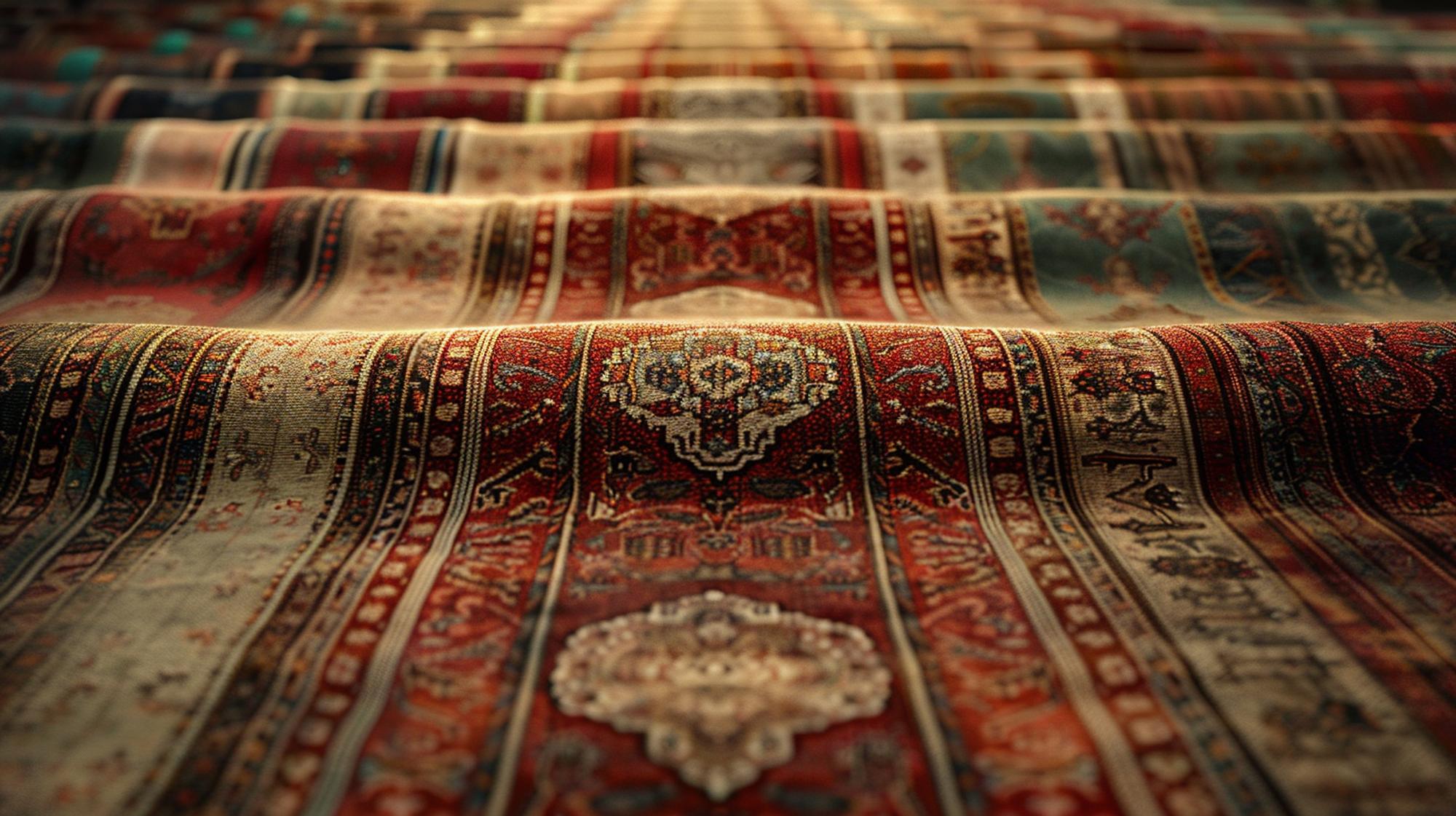
At the heart of a premium Indian carpet lies the extraordinary art of hand-knotting. This is a painstaking process, where each individual knot is tied by hand onto a cotton or silk foundation. Imagine the dedication required, with skilled artisans spending months, sometimes even years, to complete a single masterpiece.
The density of these knots, measured in knots per square inch (KPSI), directly correlates with the carpet’s detail, durability, and value. A higher KPSI means a more intricate design and a more robust, long-lasting carpet. This meticulous handcraft ensures that no two hand-knotted carpets are ever exactly alike, making each piece truly unique.
This labor-intensive method results in a carpet that is not only beautiful but also incredibly resilient. When you invest in a hand-knotted Indian carpet, you are acquiring an item built to withstand the test of time, an heirloom that can be cherished for generations.
The Purity of Materials: Wool, Silk, and Beyond
The quality of a carpet is fundamentally determined by its materials, and premium Indian carpets excel in this regard. The most common material is wool, often sourced from specific regions known for their superior fleece, such as Bikaner in Rajasthan or Ghazni in Afghanistan (though woven in India). This wool is naturally lanolin-rich, making it remarkably soft, durable, and resistant to stains.
For an added touch of luxury and unparalleled sheen, silk is frequently incorporated, either as the primary material or as accents within a wool carpet. Mulberry silk, known for its exceptional luster and strength, catches the light beautifully, adding a dynamic quality to the carpet’s appearance. Blends of wool and silk offer the best of both worlds: durability with exquisite softness and sheen.
Furthermore, many premium Indian carpet manufacturers prioritize the use of natural, vegetable dyes. These dyes create colors that are rich, nuanced, and age gracefully, developing a beautiful patina over time. You’ll appreciate the depth and authenticity that these natural materials and dyes bring to your interior.
Intricate Designs and Diverse Weaves
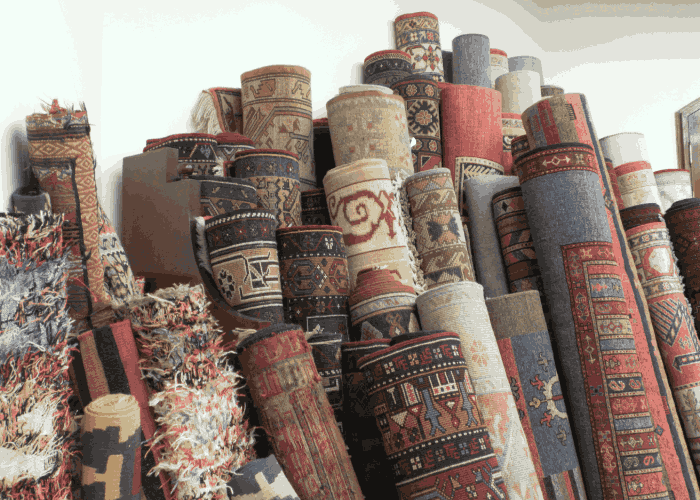
The design versatility of Indian carpets is truly astonishing. You can find a vast array of styles, from traditional Persianate patterns with elaborate medallions and floral motifs to indigenous tribal designs like those from Rajasthan or Gujarat. Modern interpretations also abound, featuring abstract forms, geometric patterns, and contemporary color palettes.
Beyond hand-knotting, India also produces other high-quality weaves that cater to different aesthetic and functional needs:
- Hand-Tufted Carpets: While not as durable as hand-knotted, these offer a luxurious feel and intricate designs at a more accessible price point. They are made by punching yarn through a fabric backing, then securing it with latex.
- Dhurries (Flatweave Carpets): These are reversible, lightweight, and incredibly versatile. Woven without a pile, they are known for their geometric patterns, vibrant colors, and durability, making them perfect for high-traffic areas or layering.
- Hand-Woven Carpets: Similar to Dhurries but often featuring more complex textures and patterns, these offer a robust and artisanal feel.
This diversity ensures that you can find the perfect weave and design to match your specific taste and the functional requirements of your space. The ability to customize designs, colors, and sizes further enhances their appeal for bespoke luxury projects.
Why Indian Carpets Are a Smart Investment for Luxury
Beyond Aesthetics: A Tangible Asset
When you acquire a premium Indian carpet, you are not just purchasing a decorative item; you are making a tangible investment. High-quality, hand-knotted carpets, particularly those with exceptional materials, intricate designs, and significant age, can appreciate in value over time. They are often considered works of art, much like paintings or sculptures, that enhance the value of your property.
This makes them a desirable asset for collectors and those who appreciate items with intrinsic worth. Unlike mass-produced goods, a truly premium Indian carpet embodies scarcity, artistry, and historical significance, all factors that contribute to its potential for appreciation. You’re investing in a legacy, not just a trend.
Durability and Longevity: Built to Last Generations
One of the most compelling reasons to invest in a premium hand-knotted Indian carpet is its extraordinary durability. The meticulous hand-knotting process creates a dense, robust pile that can withstand decades, even centuries, of foot traffic. With proper care, these carpets are designed to last for generations, becoming cherished family heirlooms.
Think about the heirlooms you value most. A premium Indian carpet offers that same sense of heritage and permanence. They resist wear and tear far better than machine-made alternatives, retaining their beauty and structural integrity for an exceptionally long time.
This longevity makes them an incredibly sustainable choice in the long run.
The Sustainability Factor: Ethical and Eco-Conscious Choices
In today’s world, luxury consumers are increasingly conscious of the ethical and environmental impact of their purchases. Premium Indian carpets align perfectly with these values. The traditional hand-weaving process has a minimal carbon footprint compared to industrial carpet manufacturing.
Artisans use human power and simple tools, relying on skills passed down through generations.
Furthermore, the materials used – natural wool and silk – are renewable resources. Many manufacturers also prioritize natural dyes, avoiding harmful chemicals. Beyond environmental considerations, the industry often supports fair trade practices, providing stable livelihoods for rural artisan communities.
By choosing these carpets, you are contributing to:
- Reduced Environmental Impact: Minimal energy consumption and reliance on natural materials.
- Support for Artisanal Communities: Directly empowering skilled craftspeople and preserving traditional arts.
- Ethical Sourcing: Many brands ensure fair wages and safe working conditions.
This commitment to sustainability and ethical production adds significant value, allowing you to furnish your luxury interior with a clear conscience.
The Global Appeal: Versatility in Modern Luxury Interiors
Seamless Integration into Diverse Design Aesthetics
One of the most remarkable aspects of premium Indian carpets is their incredible versatility. They possess an inherent ability to complement and enhance a wide range of interior design styles, proving they are far from just a “traditional” choice.
- Traditional and Classic Interiors: An obvious fit, these carpets deepen the sense of heritage and opulence, anchoring classic furniture and architectural details with their intricate patterns and rich colors.
- Modern Minimalist Spaces: Surprisingly, a premium Indian carpet can be a stunning focal point in a minimalist setting. Its texture, depth of color, and subtle pattern can introduce warmth and personality without cluttering the clean lines. It provides a soft contrast to stark, contemporary elements.
- Bohemian Chic and Eclectic Designs: Layering different textures and patterns is a hallmark of bohemian style. Indian dhurries and hand-knotted rugs can be brilliantly combined to create a rich, lived-in feel, adding global flair and comfort.
- Transitional Styles: For homes that blend traditional elegance with modern simplicity, an Indian carpet acts as a perfect bridge. It can introduce an element of history while still feeling fresh and relevant.
You’ll find that a well-chosen Indian carpet can transform a room, injecting character and a unique narrative that resonates with your personal style.
Creating Focal Points and Defining Spaces
Carpets are not just functional; they are powerful design tools. A premium Indian carpet, with its often vibrant colors and intricate designs, can serve as the primary focal point of a room. It draws the eye and sets the tone for the entire space.
Imagine a stunning medallion carpet anchoring your living room, immediately commanding attention.
Beyond aesthetics, carpets are excellent for defining areas within an open-plan layout. You can use a large carpet to delineate the seating area in a great room, separating it from the dining or entryway zones. They also contribute significantly to the comfort and acoustics of a room.
The soft pile absorbs sound, reducing echoes and creating a more intimate, serene environment. The luxurious feel underfoot is an added bonus, enhancing the sensory experience of your home.
The Customization Advantage: Your Vision, Woven into Reality
For those who demand truly unique pieces, many premium Indian carpet manufacturers offer bespoke design services. This means you are not limited to existing patterns or standard sizes. You can collaborate with artisans to create a carpet that perfectly matches your specific vision and interior requirements.
Imagine designing:
- A carpet in a precise size and shape to fit an unusual room dimension.
- A custom color palette that harmonizes perfectly with your existing furnishings.
- An exclusive pattern, perhaps incorporating a personal motif or a modern abstract design.
This level of customization ensures that your premium Indian carpet is not just a purchase, but a unique piece of art, tailored specifically for your luxury interior. It truly allows you to weave your personal style and story into the fabric of your home.
Understanding Premium Indian Carpets: A Comparative Overview
To help you navigate the rich variety, here is a comparative overview of different premium Indian carpet types. This table highlights key characteristics that differentiate these exquisite floor coverings, guiding you in selecting the perfect piece for your luxury interior.
| Carpet Type | Primary Weave Method | Typical Materials | Knot Count (KPSI) / Density | Durability & Longevity | Suitability for Luxury Settings |
|---|---|---|---|---|---|
| Hand-Knotted | Individual knots tied by hand onto a warp and weft foundation. | High-quality Indian/New Zealand Wool, Mulberry Silk, Wool-Silk blends. | 80-500+ KPSI (Higher KPSI = finer detail, greater durability). | Exceptional: Designed to last centuries; heirloom quality. Resistant to wear, excellent for high-traffic areas. | Ultimate Luxury: Ideal for living rooms, dining rooms, master bedrooms, and formal areas where an investment piece and heirloom quality are desired. Best for bespoke designs. |
| Hand-Tufted | Yarn punched through a fabric backing with a tufting gun, then glued/backed. | Wool, Viscose, Acrylic, Cotton backing. | Lower density compared to hand-knotted; often measured in pile height and weight. | Good: Durable for 15-20 years with proper care; suitable for moderate to high-traffic areas. | Accessible Luxury: Excellent for guest rooms, studies, and areas where a luxurious feel and intricate design are desired without the century-long investment of hand-knotted. Offers design flexibility. |
| Dhurrie (Flatweave) | Woven on a loom without a pile, resembling a thick fabric. Reversible. | Cotton, Jute, Wool, Silk (less common). | No KPSI; density based on weave tightness. | Very Good: Extremely durable and robust, excellent for high-traffic areas; easy to clean. Lasts decades. | Versatile Luxury: Perfect for layering, dining areas, entryways, kitchens, or adding a bohemian-chic touch. Ideal for adding texture and pattern in a more understated way. |
| Hand-Woven (Pit Loom) | Hand-woven on a loom, often with a thicker, textured pile or flatweave. | Wool, Jute, Cotton. | Varies greatly depending on weave pattern and pile type. | Good to Very Good: Durable and robust, often offering a rustic yet refined texture. Lifespan similar to hand-tufted or better. | Textural Luxury: Great for adding warmth and sophisticated texture to living rooms, bedrooms, or creating a cozy, inviting atmosphere. Often features unique, artisanal patterns. |
This table helps you understand the nuances between different types of premium Indian carpets. Your choice will depend on your specific aesthetic preferences, functional needs, and investment goals for your luxury interior.
Navigating the Market: Choosing Your Premium Indian Carpet
Key Factors to Consider
When you’re ready to select a premium Indian carpet, several factors will guide your decision. Understanding these will ensure you make an informed and satisfying purchase:
- Knot Count (KPSI): For hand-knotted carpets, a higher KPSI generally indicates a finer weave, more intricate detail, greater durability, and higher value. While not the only factor, it’s a strong indicator of quality.
- Material Purity: Inquire about the type of wool (e.g., New Zealand, Bikaner) or grade of silk. Pure, high-quality materials contribute to the carpet’s luster, softness, and longevity.
- Dye Quality: Ask if natural vegetable dyes or high-quality synthetic dyes are used. Natural dyes offer unique color depth and age beautifully, while good synthetic dyes provide consistent, fade-resistant colors.
- Reputation of the Manufacturer/Dealer: Purchase from reputable sources known for their transparency, ethical practices, and commitment to quality. Look for showrooms or online stores with strong reviews and a history of satisfied clients.
- Provenance and Certification: Authentic premium carpets often come with certifications or detailed documentation about their origin, materials, and weaving process. This assures you of their quality and authenticity.
By considering these elements, you can confidently choose a carpet that meets your aesthetic desires and investment expectations.
Investing in Authenticity and Quality
The market for carpets can be complex, and distinguishing between genuine premium pieces and lesser imitations requires diligence. You should always feel empowered to ask detailed questions about the carpet’s construction, materials, and origin. A reputable dealer will be happy to provide this information and educate you.
Remember that the true value of a premium Indian carpet lies in its authenticity, the skill of its creation, and the quality of its materials. This is an investment in art, history, and enduring beauty. By doing your research and choosing wisely, you will acquire a piece that not only enhances your luxury interior but also becomes a cherished part of your home’s story for years to come.
Conclusion
As you’ve explored, premium Indian carpets offer far more than just floor covering; they are a profound statement of luxury, culture, and timeless artistry. Their journey from ancient royal palaces to becoming a global trend for contemporary high-end interiors is a testament to their enduring appeal and exceptional quality. You’ve seen how their rich heritage, unparalleled hand-craftsmanship, and the purity of their materials set them apart.
Beyond their breathtaking aesthetics, these carpets represent a smart investment, offering remarkable durability, potential for appreciation, and a commitment to sustainable, ethical practices. Their versatility means they can seamlessly integrate into any design aesthetic, from the most traditional to the ultra-modern, defining spaces and creating captivating focal points.
For those who seek to imbue their luxury interiors with depth, character, and a connection to global artistry, premium Indian carpets are an indispensable choice. They are not merely objects but woven narratives, ready to become the next cherished chapter in your home’s story. We encourage you to explore the exquisite world of Indian carpets and discover the perfect masterpiece to elevate your living spaces.
Frequently Asked Questions (FAQ)
What makes Indian carpets “premium”?
Premium Indian carpets are defined by several factors: their meticulous hand-knotting or weaving techniques, the use of high-quality natural materials like fine wool and mulberry silk, the intricate and often unique designs, and the skilled artistry passed down through generations. They often involve extensive labor and the use of natural dyes, resulting in superior durability, aesthetic appeal, and potential for appreciation.
How do I distinguish between hand-knotted and machine-made carpets?
You can identify a hand-knotted carpet by examining its back; the knot patterns will be slightly irregular, individual, and visible, mirroring the design on the front. The fringe is typically an extension of the carpet’s foundation. Machine-made carpets, in contrast, have perfectly uniform, symmetrical patterns on the back, and their fringes are usually sewn on separately, often appearing more rigid.
Are Indian carpets sustainable?
Yes, many premium Indian carpets are highly sustainable. The traditional hand-weaving process uses minimal electricity and relies on renewable natural materials like wool and silk. Many manufacturers also prioritize natural vegetable dyes, reducing chemical waste.
Furthermore, purchasing these carpets supports artisan communities and preserves traditional crafts, contributing to economic sustainability and ethical production.
How do I care for my premium Indian carpet?
Regular vacuuming (without a beater bar) is essential to remove dirt. For spills, blot immediately with a clean, white cloth; avoid rubbing. Rotate your carpet periodically to ensure even wear.
For deep cleaning, it is highly recommended to hire a professional carpet cleaner specializing in hand-knotted or delicate rugs, typically every 3-5 years, to preserve its beauty and longevity.
Can I get a custom-designed Indian carpet?
Absolutely. Many premium Indian carpet manufacturers and dealers offer bespoke services. You can often specify the exact size, shape, color palette, material blend, and even design motif.
This allows you to create a truly unique piece that perfectly complements your luxury interior and personal aesthetic, making your carpet a one-of-a-kind work of art.
What is the typical lifespan of a premium Indian carpet?
A high-quality, hand-knotted Indian carpet, especially one made with fine wool or silk, can last for hundreds of years with proper care and maintenance. These carpets are often considered heirlooms, designed to be passed down through generations. Hand-tufted carpets typically have a lifespan of 15-20 years, while durable flatweaves like Dhurries can last for several decades.