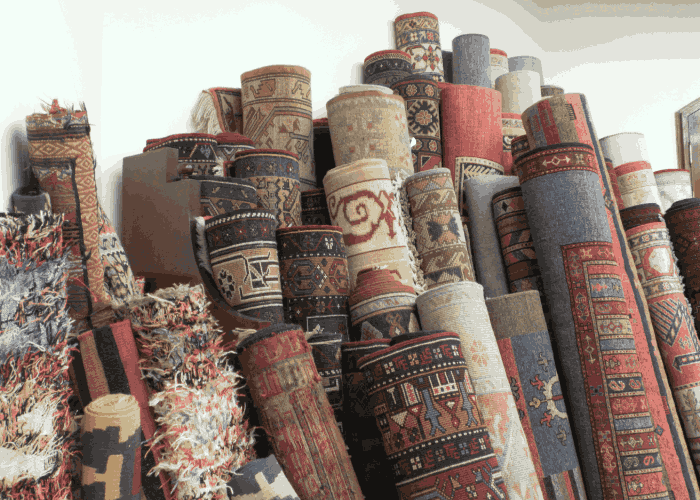
The global landscape for luxury goods is constantly evolving, and the premium carpet industry is no exception. As we move beyond 2023, you are witnessing a fascinating confluence of tradition, technology, and shifting consumer values. India, with its rich heritage in textile craftsmanship, stands at a pivotal juncture in this dynamic environment.
For centuries, Indian carpets have graced palaces, homes, and offices worldwide, renowned for their intricate designs, superior materials, and unparalleled artistry. However, the path ahead is not merely a continuation of past glories; it demands foresight, adaptability, and a keen understanding of emerging global trends.
This comprehensive article will guide you through the intricate threads of change, exploring what’s next for India’s premium carpet industry. We will delve into the global forces reshaping demand, the challenges that need overcoming, and the strategic opportunities awaiting savvy manufacturers and exporters. Prepare to uncover the future tapestry of this magnificent industry.
India’s Premium Carpet Industry: A Legacy Woven with Innovation
India’s carpet industry boasts a legacy that stretches back millennia, deeply intertwined with the nation’s cultural and artistic history. When you consider a premium carpet, chances are you envision the meticulous handiwork and vibrant aesthetics that are hallmarks of Indian craftsmanship. This heritage provides a strong foundation for future growth.
The industry is primarily concentrated in specific geographical clusters, each renowned for its unique techniques and design sensibilities. These regions are vital to maintaining the distinct character of Indian carpets on the global stage.
Key Craftsmanship Hubs and Their Specialties
You will find that India’s carpet production is not monolithic but rather a diverse ecosystem of specialized skills. Each region contributes a unique flavor to the overall industry.
- Bhadohi-Mirzapur Belt, Uttar Pradesh: Often referred to as the “Carpet City of India,” this region is the largest hub for hand-knotted and hand-tufted carpets. Artisans here excel in a wide array of designs, from traditional Persian and Mughal patterns to contemporary abstract styles. You will discover an incredible diversity of patterns and textures originating from this area.
- Jaipur, Rajasthan: Jaipur is celebrated for its exquisite flat-weave rugs, including dhurries, and its vibrant, often geometric patterns. The city’s carpets frequently feature bold colors and traditional motifs that reflect Rajasthan’s rich cultural heritage. Many of these pieces are highly sought after for their unique aesthetic.
- Kashmir: Kashmiri carpets are synonymous with delicate artistry and high knot counts, often made from silk or a blend of silk and wool. Their designs are typically inspired by Persian and Kashmiri flora, showcasing an intricate level of detail. You can easily identify a Kashmiri carpet by its luxurious feel and sophisticated patterns.
- Panipat, Haryana: While also producing hand-knotted items, Panipat is a significant center for machine-made and power-loom carpets, especially for commercial applications. This region offers a blend of traditional expertise and modern manufacturing capabilities.
Unique Selling Propositions (USPs) of Indian Premium Carpets
What sets Indian premium carpets apart in a competitive global market? You will find several distinguishing factors that contribute to their enduring appeal and value.
- Hand-Crafted Excellence: A significant portion of India’s premium carpet output is hand-knotted or hand-tufted, embodying centuries of artisanal skill. This manual process ensures each carpet is a unique work of art, with no two pieces ever being exactly identical. You are investing in true craftsmanship.
- Natural Fibers: The predominant use of natural materials like fine wool (often imported from New Zealand or Australia), silk, cotton, and jute lends a luxurious feel and durability. These natural fibers are also increasingly appealing to environmentally conscious consumers. You can appreciate the natural beauty and resilience.
- Intricate Designs and Color Palettes: Indian artisans are masters of design, capable of executing incredibly complex patterns and a vast spectrum of colors. From classic Persian motifs to contemporary abstract art, the design versatility is immense. You can find a carpet to complement any interior style.
- Durability and Longevity: Premium hand-knotted carpets, when properly cared for, are investments that can last for generations. Their robust construction and high-quality materials ensure they withstand the test of time. You are purchasing an heirloom piece.
- Ethical Production: A growing number of Indian manufacturers are adopting fair labor practices and seeking ethical certifications. This commitment resonates strongly with consumers who prioritize responsible sourcing. You can feel good about your purchase knowing it supports ethical standards.
The industry’s ability to blend ancient techniques with modern design sensibilities positions it powerfully for the future. You will see how this blend becomes even more crucial as global trends evolve.
Global Trends Shaping the Future of Carpets
The world of interior design and home furnishings is in constant flux, driven by evolving consumer preferences, technological advancements, and a heightened global consciousness. For India’s premium carpet industry, understanding these overarching global trends is not just beneficial; it is absolutely essential for survival and growth. You need to be aware of these shifts to remain competitive.
Sustainability and Ethical Sourcing
Perhaps the most profound shift you will observe is the increasing demand for sustainable and ethically produced goods. Consumers are no longer just looking at aesthetics and price; they want to know the story behind their purchases.
- Eco-Friendly Materials: There is a strong preference for carpets made from renewable, recycled, or biodegradable materials. This includes organic wool, recycled PET fibers, natural dyes, and plant-based alternatives. You will find that transparency about material sourcing is becoming a key selling point.
- Fair Trade and Labor Practices: Consumers are increasingly concerned about the welfare of artisans and workers involved in production. Certifications like GoodWeave, which combat child labor and promote fair wages, are becoming critical differentiators. You can build trust by demonstrating ethical practices.
- Reduced Environmental Footprint: Manufacturers are expected to minimize their carbon footprint throughout the production process, from water usage to waste management. Efficient energy consumption and responsible disposal are now part of the expectation. You will find that sustainable manufacturing processes are gaining importance.
- Circular Economy Principles: The concept of designing carpets for longevity, repairability, and eventual recycling or repurposing is gaining traction. This moves away from a linear “take-make-dispose” model. You can contribute to a more sustainable future by embracing these principles.
Technological Advancements and Digitalization
Technology is not just for gadgets; it is transforming how carpets are designed, produced, marketed, and sold. You will find innovation at every stage of the value chain.
- AI in Design and Manufacturing: Artificial intelligence is assisting designers in creating complex patterns, optimizing color palettes, and even predicting design trends. While hand-knotted carpets will always rely on human skill, AI can streamline preliminary design stages. You can leverage AI to enhance creative processes.
- E-commerce and Online Retail: The pandemic significantly accelerated the shift to online shopping. Premium carpet buyers are now comfortable making substantial purchases online, provided there are robust digital tools and excellent customer service. You need a strong online presence.
- Augmented Reality (AR) and Virtual Try-Ons: AR apps allow customers to visualize how a carpet would look in their own homes before making a purchase. This reduces uncertainty and enhances the online shopping experience. You can use AR to bridge the gap between online browsing and real-world application.
- Blockchain for Supply Chain Transparency: Blockchain technology can provide an immutable record of a carpet’s journey, from raw material to final product. This offers unprecedented transparency regarding sourcing, ethical practices, and authenticity. You can build greater trust with verifiable information.
- Data Analytics: Utilizing data on customer preferences, purchasing patterns, and design trends allows manufacturers to make more informed decisions. This data-driven approach can optimize inventory and tailor product offerings. You can use data to understand your market better.
Evolving Design Aesthetics and Material Innovation
Consumer tastes in home décor are constantly evolving, influencing the demand for specific styles, textures, and materials. You need to stay abreast of these shifts to cater to modern preferences.
- Minimalist and Abstract Designs: While traditional patterns endure, there is a growing demand for simpler, more abstract, and textural designs that fit contemporary minimalist interiors. These often feature subtle color variations and geometric forms. You will find a preference for understated elegance.
- Biophilic Design: Bringing elements of nature indoors is a major trend. This translates into carpets with organic patterns, natural textures, and earthy color palettes. Materials like wool, jute, and sisal are particularly popular. You can create a sense of calm and connection to nature.
- Bold Colors and Statement Pieces: Alongside minimalism, there is also a trend for vibrant, saturated colors and unique patterns that serve as focal points in a room. Customers are seeking carpets that express individuality. You can offer striking designs that command attention.
- Material Blends and Textural Play: Innovation in materials includes blending different natural fibers (e.g., silk and wool, linen and jute) to create unique textures and sheens. Recycled materials are also being integrated creatively. You can experiment with new material combinations.
- Vintage and Heirloom Revival: A renewed appreciation for vintage and antique carpets, or new carpets that emulate their look and feel, is evident. This speaks to a desire for unique, storied pieces with character. You can capitalize on the timeless appeal of classic designs.
Customization and Personalization
In an era of mass production, premium consumers increasingly seek unique items that reflect their personal style and fit their specific spaces. You will find that bespoke options are highly valued.
- Bespoke Orders: The ability to custom-design carpets in terms of size, shape, color, and pattern is a significant advantage for premium manufacturers. This caters to architects, interior designers, and discerning individual clients. You can offer truly unique solutions.
- Limited Editions and Collaborations: Collaborating with renowned artists or designers to create limited-edition collections can generate buzz and appeal to collectors. These pieces offer exclusivity and artistic value. You can create unique marketing opportunities.
These global trends present both challenges and immense opportunities for India’s premium carpet industry. Your ability to adapt and innovate in response to these forces will determine your success in the years to come.
Challenges and Opportunities for India Beyond 2023
While India’s premium carpet industry is steeped in tradition and boasts unparalleled craftsmanship, it operates within a complex global marketplace. Beyond 2023, you will face a unique set of challenges and opportunities that demand strategic thinking and agile responses.
Key Challenges Facing the Industry
Understanding the obstacles is the first step toward overcoming them. You need to be aware of these pressures to formulate effective strategies.
- Competition from Machine-Made Carpets: The rise of advanced power loom technology allows for the production of high-quality, intricate designs at a fraction of the cost and time of hand-knotted carpets. This creates price pressure in certain segments. You must emphasize the unique value of handmade.
- Rising Labor Costs and Skill Gap: As India’s economy grows, labor costs are inevitably rising. Simultaneously, attracting younger generations to traditional craft professions is becoming harder, leading to a potential skill gap and loss of generational knowledge. You need to invest in artisan welfare and training.
- Geopolitical Instability and Supply Chain Disruptions: Global events, trade tensions, and logistical bottlenecks can disrupt the supply of raw materials (like specific wools) and impact export routes. This unpredictability adds layers of complexity. You must build resilient supply chains.
- Counterfeiting and Intellectual Property (IP) Protection: High-value, unique designs are vulnerable to counterfeiting, particularly in less regulated markets. Protecting the intellectual property of Indian designs and patterns is a constant battle. You need robust legal and branding strategies.
- Sustainability Compliance and Certification Costs: Meeting international standards for environmental sustainability and ethical labor practices often requires significant investment in new processes and certifications. These costs can be prohibitive for smaller manufacturers. You must view these as investments, not just costs.
- Lack of Unified Branding and Marketing: Despite its rich heritage, India’s premium carpet industry often lacks a cohesive, globally recognized brand identity. Individual manufacturers market their products, but a collective “Made in India” premium carpet brand is less prominent. You can benefit from collective promotion.
Significant Opportunities for Growth and Expansion
Despite the challenges, numerous opportunities exist for India to strengthen its position in the global premium carpet market. You can leverage these to drive future success.
- Leveraging “Made in India” Brand for Quality and Authenticity: The global appreciation for authentic, handmade products offers a powerful narrative for Indian carpets. Emphasizing the heritage, craftsmanship, and unique stories behind each piece can command premium prices. You can tell a compelling story.
- Focus on Unique, High-Value, Artisanal Products: Instead of competing on price with machine-made alternatives, India can solidify its niche in bespoke, custom-designed, and truly unique artisanal carpets. This strategy targets the high-end luxury market. You can create unparalleled value.
- Adoption of Sustainable Practices and Certifications: By proactively embracing eco-friendly materials, processes, and ethical certifications (e.g., GoodWeave, OEKO-TEX), Indian manufacturers can meet global demand and differentiate themselves. This aligns with modern consumer values. You can build a reputation for responsibility.
- Investment in Design Innovation and R&D: Collaborating with international designers, investing in design schools, and fostering creativity can lead to innovative patterns that blend traditional motifs with contemporary aesthetics. This keeps designs fresh and relevant. You can push creative boundaries.
- Strengthening E-commerce and Global Marketing: A robust digital presence, including user-friendly websites, effective social media marketing, and partnerships with online luxury retailers, can expand reach. Utilizing AR/VR tools for virtual try-ons enhances the online buying experience. You can reach a global audience directly.
- Government Support and Policy Initiatives: Supportive government policies, including export incentives, skill development programs, and promotion of geographical indications (GIs) for specific carpet types, can provide a significant boost. You can advocate for favorable policies.
- Niche Market Development: Exploring specialized markets such as hospitality (luxury hotels), corporate offices, and bespoke residential projects offers high-value opportunities. These clients often seek custom solutions and appreciate quality. You can target specific high-value segments.
Your ability to strategically navigate these challenges while capitalizing on the opportunities will dictate the trajectory of India’s premium carpet industry in the years to come.
Strategic Pathways for Indian Manufacturers
To thrive beyond 2023, Indian premium carpet manufacturers must adopt forward-thinking strategies that blend tradition with innovation. You need a multi-faceted approach to address global trends and solidify your market position.
Embrace Sustainability Holistically
Sustainability is no longer an optional add-on; it is a fundamental expectation. You must integrate sustainable practices into every aspect of your operations.
- Sustainable Material Sourcing: Prioritize certified organic wool, recycled fibers, natural dyes, and other eco-friendly materials. Establish transparent supply chains to verify the origin and environmental impact of your raw materials. You can build a reputation for eco-conscious production.
- Eco-Friendly Production Processes: Invest in water-saving technologies, reduce energy consumption, and implement effective waste management systems. Explore renewable energy sources for your manufacturing units where feasible. You can minimize your environmental footprint.
- Product Lifecycle Responsibility: Design carpets for durability and longevity, emphasizing repairability. Explore initiatives for end-of-life recycling or repurposing of old carpets. You can contribute to a circular economy.
- Obtain Relevant Certifications: Seek international certifications like GoodWeave (for ethical labor), OEKO-TEX (for harmful substance testing), and various organic/sustainable material certifications. These provide verifiable proof of your commitment. You can gain consumer trust through third-party verification.
Invest in Skill Development and Artisan Welfare
The future of hand-knotted carpets depends on a continuous supply of skilled artisans. You must nurture this vital human capital.
- Apprenticeship Programs: Establish formal apprenticeship programs that provide fair wages and attractive career paths for young individuals. Partner with local communities and educational institutions to promote traditional crafts. You can ensure the continuity of generational skills.
- Fair Wages and Working Conditions: Ensure artisans receive fair compensation, safe working environments, and access to social benefits. This not only meets ethical standards but also makes the profession more appealing. You can foster a loyal and motivated workforce.
- Modern Tools and Ergonomics: While preserving traditional techniques, explore how modern tools and ergonomic improvements can enhance efficiency and comfort for artisans. This can reduce physical strain and improve productivity. You can support artisan wellbeing.
Innovate in Design and Materials
To stay relevant, you must continually offer fresh and exciting products that resonate with contemporary tastes while honoring heritage.
- Blend Tradition with Modernity: Collaborate with international designers and interior decorators to create collections that fuse traditional Indian motifs with contemporary aesthetics. Experiment with abstract patterns, textural variations, and modern color palettes. You can appeal to a broader market.
- Material Experimentation: Explore innovative blends of natural fibers, such as wool-silk, wool-bamboo silk, or jute-cotton, to create unique textures and visual effects. Research new sustainable materials that maintain premium quality. You can offer novel tactile experiences.
- Customization Offerings: Develop robust capabilities for bespoke orders, allowing architects, designers, and individual clients to specify unique sizes, shapes, colors, and patterns. This caters to the growing demand for personalization. You can provide tailored solutions.
Strengthen Digital Presence and E-commerce
The global marketplace is increasingly digital. You need a strong online strategy to reach international buyers directly.
- High-Quality E-commerce Platform: Invest in a professional, user-friendly website with high-resolution imagery, detailed product descriptions, and transparent pricing. Ensure the platform is optimized for mobile devices. You can provide an excellent online shopping experience.
- Digital Marketing and Storytelling: Utilize SEO, social media marketing, content marketing, and influencer collaborations to reach target audiences. Share the unique stories of your artisans, your heritage, and your sustainable practices. You can connect emotionally with consumers.
- Leverage AR/VR Technologies: Implement augmented reality “try-on” features on your website or app, allowing customers to visualize carpets in their own spaces. This reduces purchase hesitation and enhances engagement. You can bridge the online-offline gap.
- Partnerships with Online Marketplaces: Explore partnerships with established online luxury home decor platforms and e-commerce giants to expand your reach. Ensure these platforms align with your brand’s premium positioning. You can tap into existing customer bases.
Collaborate and Certify
Building trust and expanding your network are crucial for long-term success. You can achieve this through strategic partnerships and certifications.
- Industry Collaborations: Partner with international interior design firms, architects, and luxury brands for exclusive collections or projects. These collaborations can open new distribution channels and enhance brand prestige. You can expand your influence.
- Fair Trade and Quality Certifications: Actively pursue and prominently display ethical, quality, and environmental certifications. These provide independent verification of your claims and build consumer confidence. You can demonstrate your commitment to excellence.
- Geographical Indications (GIs): Advocate for and utilize GIs for specific regional carpet styles (e.g., Mirzapur Dhurries, Kashmir Silk Rugs) to protect their authenticity and differentiate them from mass-produced imitations. You can safeguard your unique heritage.
Brand Building and Storytelling
In the premium market, a strong brand narrative is as important as the product itself. You need to articulate your unique value proposition.
- Highlight Heritage and Craftsmanship: Weave compelling stories around the history of your craft, the dedication of your artisans, and the cultural significance of your designs. This creates an emotional connection with buyers. You can inspire and educate your customers.
- Emphasize Ethical and Sustainable Practices: Make your commitment to sustainability and fair labor a central part of your brand message. Communicate clearly how your practices benefit both people and the planet. You can resonate with conscious consumers.
- Create a Distinct Brand Identity: Develop a strong visual identity, clear messaging, and a consistent brand voice across all touchpoints. This helps your brand stand out in a crowded market. You can build memorable brand recognition.
By integrating these strategic pathways, you can not only navigate the evolving global landscape but also position India’s premium carpet industry for unprecedented growth and recognition.
Market Dynamics: India’s Carpet Exports and Future Projections
To illustrate the significance of India’s role in the global carpet market, let’s examine some key export data. While the industry faces global shifts, its export performance remains a critical indicator of its health and potential. You will see how these figures underscore the industry’s resilience and growth trajectory.
The Indian carpet industry has consistently been a vital contributor to the nation’s exports, showcasing its ability to meet international demand for quality and design. Below is a simplified representation of India’s carpet export value over recent years, highlighting the growth in key segments. This table provides you with a snapshot of the industry’s performance.
| Financial Year | Total Carpet Export Value (USD Million) | Hand-Knotted Carpet Share (%) | Hand-Tufted Carpet Share (%) | Other Carpets/Rugs Share (%) | Annual Growth Rate (%) |
|---|---|---|---|---|---|
| 2020-21 | 1,450 | 45% | 25% | 30% | -5.0% |
| 2021-22 | 1,700 | 48% | 27% | 25% | 17.2% |
| 2022-23 (Est.) | 1,850 | 47% | 28% | 25% | 8.8% |
| 2023-24 (Proj.) | 1,980 | 49% | 29% | 22% | 7.0% |
| 2024-25 (Proj.) | 2,150 | 50% | 30% | 20% | 8.6% |
Note: Figures are illustrative and based on general industry trends and projections. Actual figures may vary. “Other Carpets/Rugs” includes flat-weaves, machine-made, and other specialty rugs.
As you can observe from the table, despite a dip during the initial pandemic year, India’s carpet exports have shown robust recovery and consistent growth. You will notice a projected increase in the share of hand-knotted and hand-tufted segments, underscoring the enduring demand for premium, handcrafted products.
The projections for 2023-25 indicate a continued upward trend, with a strong focus on the high-value segments. This growth is driven by increasing global appreciation for authentic craftsmanship and the industry’s efforts to adapt to new market demands. You can see a clear path for expansion in the premium sector.
This data reinforces the need for Indian manufacturers to focus on quality, ethical production, and innovative design to capture this growing market share. The future looks promising if you can strategically align with global consumer expectations.
Conclusion
As you look beyond 2023, India’s premium carpet industry stands at a fascinating crossroads, rich with heritage yet poised for radical transformation. The global landscape is demanding more than just beautiful products; it seeks authenticity, sustainability, ethical practices, and digital accessibility. Your ability to integrate these elements will define your success.
The intricate dance between preserving age-old craftsmanship and embracing cutting-edge innovation is the key. By prioritizing sustainable sourcing, investing in artisan welfare, and strategically leveraging digital platforms, Indian manufacturers can not only overcome challenges but also carve out an even stronger global presence. You have the opportunity to lead the way.
The unique storytelling potential of “Made in India” carpets, combined with a proactive approach to design and market trends, positions the industry for significant growth. You are part of an industry that is not just selling floor coverings but offering pieces of art, history, and responsible luxury. The future of India’s premium carpets is bright, woven with threads of tradition, innovation, and unwavering commitment to excellence.
Frequently Asked Questions (FAQ)
Q1: What are the primary global trends impacting India’s premium carpet industry?
The primary global trends you should be aware of include a significant rise in demand for sustainable and ethically sourced products, rapid advancements in e-commerce and digital marketing technologies (like AR/VR), evolving design aesthetics favoring minimalism and biophilic elements, and a growing desire for customization and unique, personalized pieces. You will find that these trends are reshaping consumer expectations.
Q2: How is India addressing the challenge of sustainability in carpet manufacturing?
India’s premium carpet manufacturers are increasingly adopting sustainable practices by using natural, organic, and recycled fibers, implementing eco-friendly dyeing processes, and focusing on water and waste management. You will also see a growing number of manufacturers seeking international certifications like GoodWeave to verify their ethical and sustainable commitments.
Q3: What role does technology play in the future of Indian premium carpets?
Technology is crucial for the industry’s future. You will find it impacting design through AI-assisted tools, enhancing sales via robust e-commerce platforms and virtual try-on experiences, and increasing supply chain transparency with blockchain. Technology helps reach global audiences and streamline operations, while still preserving the hand-crafted essence.
Q4: How can Indian manufacturers compete with machine-made carpets?
Indian manufacturers can compete by emphasizing the unparalleled artistry, durability, and unique character of hand-knotted and hand-tufted carpets. You should focus on the high-end, luxury market where authenticity, bespoke designs, and ethical production are highly valued. Strong brand storytelling about heritage and craftsmanship also differentiates these premium products.
Q5: What are the key regions in India known for premium carpet production?
You will find that the Bhadohi-Mirzapur belt in Uttar Pradesh is the largest hub for hand-knotted and hand-tufted carpets. Jaipur in Rajasthan is renowned for its flat-weave dhurries, and Kashmir is famous for its intricate silk carpets. Each region offers distinct styles and expertise that contribute to India’s diverse carpet industry.
Q6: Is there a demand for traditional Indian carpet designs globally, or are modern designs preferred?
There is a strong demand for both traditional and modern designs. You will see that classic Indian and Persian-inspired motifs continue to be popular in certain markets, while minimalist, abstract, and biophilic designs are gaining traction in contemporary interiors. Many manufacturers are successfully blending traditional techniques with modern aesthetics to cater to a broader audience.
Q7: What steps can be taken to ensure the longevity of artisan skills in India?
To ensure the longevity of artisan skills, you can support and implement apprenticeship programs, provide fair wages and better working conditions, and offer continuous training in new techniques and designs. Government initiatives and industry collaborations are also vital to attract new talent and preserve this invaluable heritage.