Have you ever paused to consider the journey of a masterpiece, from its humble origins to the most prestigious global stages? Imagine the intricate threads, the skilled hands, and the timeless traditions that transform raw materials into breathtaking works of art. This is the story of India’s premium carpets, a narrative that stretches from the verdant landscapes of Kerala to the glittering spectacle of the Met Gala.
You are about to embark on an exploration of a craft that embodies centuries of heritage, unparalleled artistry, and a renewed commitment to sustainable luxury. Discover how Indian carpets, with their diverse regional influences and meticulous craftsmanship, are not just floor coverings but celebrated pieces of design, earning their rightful place in elite homes, high-fashion events, and esteemed collections worldwide. Join us as we unravel the threads of this remarkable global ascent.
India’s Rich Tapestry of Carpet Craftsmanship
When you delve into the world of Indian carpets, you are stepping into a legacy woven through millennia. This isn’t just about manufacturing; it’s about preserving an art form passed down through generations. India’s carpet-making tradition is deeply rooted in its cultural fabric, reflecting diverse regional aesthetics and historical influences.
A Legacy Woven Through Time
The history of Indian carpets is as rich and intricate as their designs. Originating from ancient weaving traditions, the craft flourished under the patronage of Mughal emperors in the 16th century. These rulers brought Persian master weavers to India, blending indigenous artistry with sophisticated Persian techniques to create a unique Indo-Persian style.
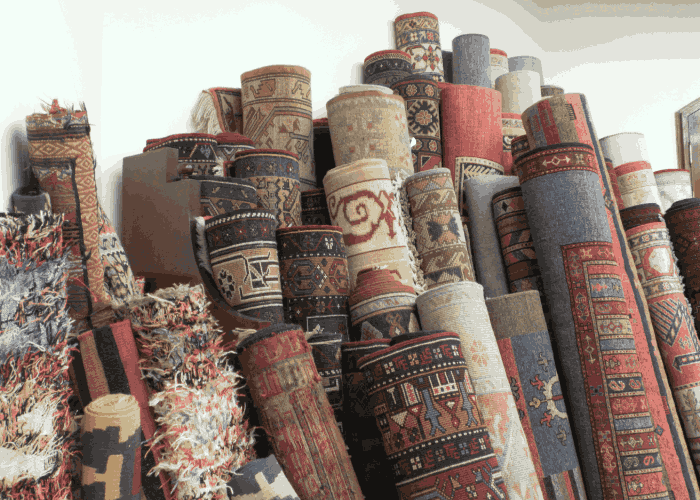
You will find that different regions developed their own distinct identities. Kashmir became renowned for its exquisitely fine silk carpets, often featuring delicate floral motifs. Bhadohi and Mirzapur in Uttar Pradesh emerged as major centers for high-quality wool carpets, known for their durability and diverse patterns.
Each knot tells a story, each color palette reflects a local landscape or cultural narrative.
This heritage is not merely historical; it is a living tradition. Artisans today continue to employ time-honored methods, ensuring that the soul of Indian carpet making endures. They are the custodians of an irreplaceable artistic lineage, ensuring that the beauty and complexity of these pieces remain unmatched.
The Soul of Indian Carpets: Materials and Techniques
What truly sets Indian premium carpets apart is the meticulous attention to materials and techniques. You will appreciate the difference that natural fibers and skilled handcraftsmanship make. These elements contribute to the carpet’s beauty, durability, and unique character.
- Pure Silk: Renowned for its luxurious sheen, incredible softness, and ability to hold intricate detail. Silk carpets from Kashmir are particularly prized for their very high knot count and delicate feel.
- High-Quality Wool: Often sourced from indigenous sheep breeds or imported from New Zealand for its strength and luster. Wool offers excellent durability, natural stain resistance, and a warm, inviting texture, ideal for high-traffic areas.
- Cotton: Frequently used for the foundation (warp and weft) of hand-knotted carpets, providing stability and strength. It is also a primary material for flatweave Dhurries, offering a lightweight and versatile option.
- Natural Dyes: Historically, dyes were derived from plants, minerals, and insects, producing a rich, nuanced color palette that ages beautifully. While synthetic dyes are also used today, many premium carpets still feature natural or low-impact dyes, emphasizing sustainability.
The predominant technique for premium carpets is hand-knotting. This labor-intensive process involves individual knots being tied by hand onto a warp, creating a dense, durable pile. A single carpet can take months or even years to complete, depending on its size and knot count.
This dedication ensures each piece is a unique work of art.
Other techniques include hand-tufting, where yarn is punched through a fabric backing, and flatweaving (Dhurries), which creates a reversible, pile-less rug. Each method yields a distinct texture and aesthetic, offering you a wide range of choices to suit your personal style and functional needs.
The Kerala Connection: A Unique Narrative
The journey of Indian carpets to global prominence is a multifaceted one, with contributions from various regions. While northern India is traditionally known for its intricate hand-knotted masterpieces, the mention of Kerala in this global ascent highlights a unique and evolving dimension of Indian craftsmanship.
Beyond the Backwaters: Kerala’s Textile Heritage
When you think of Kerala, images of serene backwaters, lush greenery, and vibrant culture often come to mind. While not historically a hub for the intricate silk and wool carpet weaving traditions of the North, Kerala boasts a rich and distinctive textile heritage. This includes its famed handloom cottons, exquisite Kasavu sarees, and, significantly, its world-leading coir industry.
Kerala is the largest producer of coir, a natural fiber extracted from coconut husks. For centuries, artisans here have transformed this sustainable material into durable mats, rugs, and floor coverings. These products are celebrated for their natural texture, resilience, and eco-friendly attributes.
The state’s commitment to natural fibers and sustainable practices forms a crucial part of its contribution to the broader Indian textile narrative.
The “Kerala connection” in the context of premium global carpets often signifies an embrace of natural aesthetics, sustainable sourcing, and unique design inspirations rooted in the region’s tropical beauty. It represents a shift towards incorporating diverse Indian design sensibilities into the luxury carpet market, moving beyond traditional motifs to embrace a more contemporary, earthy elegance.
Innovation Meets Tradition: Kerala’s Contribution to Modern Carpet Design
In the modern luxury carpet market, innovation often lies in blending distinct traditions and materials. You will find that Kerala’s unique strengths are increasingly influencing contemporary carpet design. This isn’t just about coir mats; it’s about how Kerala’s ethos of sustainability and natural aesthetics is being integrated into high-end creations.
Designers are now exploring premium blends that incorporate coir, jute, or sisal with finer materials like wool or cotton, creating rugs that offer both the durability of natural fibers and the luxurious feel demanded by global markets. These “Kerala-inspired” luxury carpets often feature subtle textures, minimalist patterns, and earthy color palettes that resonate with modern interior design trends emphasizing natural elements and sustainability.
Furthermore, the design language of Kerala, with its focus on natural forms, geometric precision, and a harmonious blend of simplicity and elegance, is inspiring new collections. This infusion of Kerala’s unique aesthetic helps broaden the appeal of Indian carpets, demonstrating their versatility and adaptability to diverse global tastes. It’s a testament to how India’s rich regional diversity contributes to a truly global appeal.
The Global Ascent: From Local Looms to International Limelight
The journey of Indian premium carpets from the quiet villages and bustling workshops to the world’s most exclusive venues is a testament to their enduring appeal and the relentless pursuit of excellence. You can now see these masterpieces gracing interiors from New York penthouses to Parisian salons.
Breaking Barriers: Indian Carpets on the Global Stage
For centuries, Indian carpets have been cherished within royal palaces and affluent homes across the subcontinent. However, in recent decades, their global recognition has soared dramatically. This ascent is fueled by a growing appreciation for handcrafted luxury and a desire for unique, narrative-rich pieces.
International design exhibitions and trade shows have played a pivotal role in this expansion. Events like Domotex in Germany and Salone del Mobile in Italy provide platforms for Indian artisans and manufacturers to showcase their exquisite creations to a global audience. These venues allow you to experience the quality and artistry firsthand, fostering international partnerships and collaborations.
Furthermore, you will find that many global interior designers and architects are actively seeking out Indian carpets for their projects. They value the unparalleled craftsmanship, the vast range of design possibilities, and the ability to customize pieces to exact specifications. This demand has solidified India’s position as a leading supplier of premium, handcrafted floor coverings.
The Met Gala Moment: A Symbol of Success
The Met Gala, often dubbed “fashion’s biggest night out,” is an annual fundraising gala for the benefit of the Metropolitan Museum of Art’s Costume Institute in New York City. It is a pinnacle of high fashion, art, and exclusive design. For an Indian carpet to be associated with such an event, even symbolically, speaks volumes about its elevated status.
While a specific “Kerala carpet” might not have literally graced the Met Gala steps, the idea signifies the ultimate recognition of Indian craftsmanship on a world stage. It represents the journey of Indian luxury textiles—including premium carpets from various regions, potentially influenced by or incorporating materials like those from Kerala—to the highest echelons of global design and glamour. The carpet at such an event would embody:
- Exclusivity and Artistry: A unique, custom-designed piece that reflects exceptional skill and creative vision.
- Narrative and Heritage: A story woven into its fibers, connecting it to a rich cultural past and a lineage of artisans.
- Sustainability and Ethical Sourcing: Increasingly, high-profile events and discerning clients demand products with a conscious origin, aligning with India’s growing focus on fair trade and eco-friendly practices.
When an Indian carpet features in such a high-profile setting, it transcends its functional purpose to become a statement piece. It commands attention, sparks conversations, and showcases the incredible potential of Indian artisans to create designs that are both timeless and at the forefront of contemporary luxury. This visibility amplifies the prestige of the entire Indian carpet industry, inspiring further innovation and global outreach.
What Makes Indian Premium Carpets Stand Out?
In a world saturated with mass-produced goods, Indian premium carpets offer something truly exceptional. You are not just buying a floor covering; you are investing in a piece of art, a story, and a testament to human ingenuity. Several core attributes distinguish these masterpieces on the global stage.
Unparalleled Craftsmanship and Artistry
At the heart of every premium Indian carpet lies an unmatched level of craftsmanship. This is where the human touch truly shines. Unlike machine-made rugs, each hand-knotted or hand-tufted Indian carpet carries the unique imprint of the artisan who created it.
Generations of skill are evident in every intricate detail, from the precision of the knots to the flawless execution of complex patterns. Artisans spend countless hours, often years, mastering their craft, inheriting techniques and designs passed down through families. This dedication results in a level of artistry that is simply inimitable.
The subtle variations, the slight imperfections that tell a story of human hands at work, are what give these carpets their soul and individuality. You will appreciate that no two handmade carpets are exactly alike, making your piece truly unique and a conversation starter.
Sustainable Luxury: An Ethical Choice
As you seek out products that align with your values, Indian premium carpets increasingly stand out as an ethical and sustainable choice. The traditional methods of production inherently lean towards environmental consciousness and social responsibility.
- Natural Materials: The reliance on natural fibers like wool, silk, cotton, jute, and coir minimizes the use of synthetic, petroleum-based materials. These natural fibers are renewable and biodegradable, reducing environmental impact.
- Eco-Friendly Dyes: Many premium manufacturers are committed to using vegetable dyes or low-impact synthetic dyes that are free from harmful chemicals. This protects both the environment and the health of the artisans.
- Handmade vs. Machine-made: The energy footprint of handcrafting is significantly lower than that of industrial carpet manufacturing. Hand-knotted carpets require no electricity for their core production process.
- Fair Trade Practices: A growing number of Indian carpet producers adhere to fair trade principles. This ensures artisans receive fair wages, work in safe conditions, and are empowered within their communities. By choosing these carpets, you directly support ethical livelihoods.
Investing in an Indian premium carpet is therefore not just a luxury choice; it is a conscious decision to support sustainable practices and empower skilled artisans. You are contributing to a healthier planet and a more equitable global economy.
Design Versatility: Blending Tradition with Contemporary Aesthetics
One of the most compelling aspects of Indian premium carpets is their incredible design versatility. While deeply rooted in tradition, they effortlessly adapt to contemporary aesthetics, making them suitable for virtually any interior style you envision.
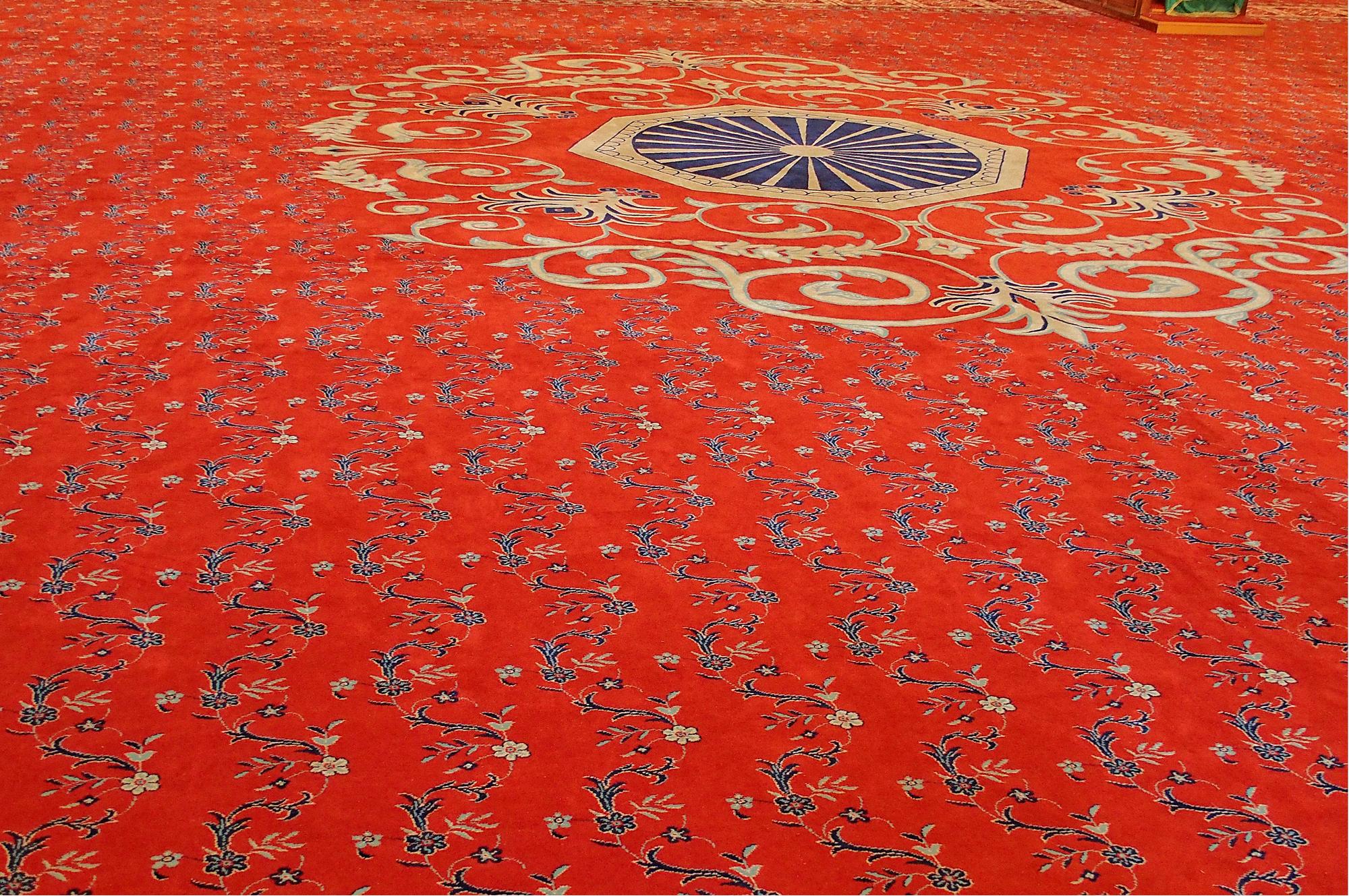
You can find carpets that feature classic Persian and Mughal motifs, rich with intricate medallions and floral patterns, perfect for a traditional or opulent setting. Alternatively, modern Indian carpets often reinterpret these traditional designs with simplified forms, abstract patterns, or a minimalist color palette, making them ideal for modern and transitional homes.
The industry’s ability to offer extensive customization is also a significant advantage. Whether you require a specific size, unique color combination, or a completely bespoke design, Indian manufacturers can bring your vision to life. This adaptability ensures that your premium carpet is not just a beautiful object but a perfectly integrated element of your personal space.
Investing in an Indian Premium Carpet
Acquiring an Indian premium carpet is more than just a purchase; it’s an investment in art, heritage, and enduring quality. To ensure you make the best choice, it’s helpful to understand the factors that contribute to its value and how to care for your cherished piece.
Understanding Quality and Value
When you are considering an Indian premium carpet, several key indicators will help you assess its quality and long-term value:
- Knot Count: This refers to the number of knots per square inch (KPSI). Generally, a higher knot count indicates finer detail, greater durability, and a higher value. Silk carpets typically have a much higher knot count than wool carpets.
- Materials: The quality of the wool (e.g., New Zealand wool, local hand-spun wool) or silk used significantly impacts the carpet’s feel, luster, and longevity. Pure, high-grade materials are essential for a premium product.
- Dyes: Look for carpets that use high-quality, colorfast dyes, whether natural or synthetic. Poor quality dyes can fade or bleed over time.
- Workmanship: Examine the back of the carpet. The knots should be uniform and tightly packed. The edges should be straight and evenly finished.
- Reputable Dealers and Certifications: Always purchase from established dealers who can provide detailed information about the carpet’s origin, materials, and craftsmanship. Certifications for fair trade or material authenticity can add further assurance.
A premium Indian carpet is designed to last for generations, becoming a true heirloom. Its value can even appreciate over time, making it a sound aesthetic and financial investment for your home.
Caring for Your Masterpiece
Proper care and maintenance will ensure your Indian premium carpet retains its beauty and integrity for decades. You will find that a little attention goes a long way in preserving your investment.
- Regular Vacuuming: Vacuum your carpet regularly, ideally once a week, using a gentle suction setting without a beater brush, especially for delicate silk or antique pieces. This removes surface dirt and prevents it from settling deep into the pile.
- Rotate Periodically: To ensure even wear and prevent sun fading, rotate your carpet 180 degrees every 6-12 months.
- Address Spills Immediately: Blot spills with a clean, white cloth. Avoid rubbing, as this can spread the stain. For stubborn stains, consult a professional.
- Professional Cleaning: For a thorough cleaning, have your carpet professionally cleaned every 3-5 years, depending on traffic and use. Ensure the cleaner specializes in handmade rugs and understands the specific materials and dyes of your carpet.
- Avoid Direct Sunlight: Prolonged exposure to direct sunlight can cause colors to fade. Use curtains or blinds to protect your carpet.
By following these simple care guidelines, you can ensure that your beautiful Indian carpet remains a vibrant and cherished centerpiece in your home for many years to come.
Key Characteristics of Premium Indian Carpet Types
To help you navigate the rich diversity of Indian premium carpets, here is a table outlining the key characteristics of some prominent types. This will assist you in understanding the unique qualities each offers.
| Carpet Type/Region | Primary Materials | Key Characteristics | Common Applications |
|---|---|---|---|
| Kashmir Silk | Pure Silk | Exquisite sheen, incredibly fine knot count, intricate Persian-inspired designs, vibrant dyes, extremely soft and delicate. | Luxury living rooms, formal dining areas, collector’s pieces, wall hangings, low-traffic areas. |
| Bhadohi Wool (Hand-knotted) | High-quality Indian/New Zealand Wool | Durable, soft underfoot, diverse designs (traditional to contemporary), excellent insulation, robust construction. | High-traffic areas, bedrooms, family rooms, commercial spaces, versatile for various interior styles. |
| Mirzapur Hand-tufted | Wool, sometimes blended with silk or viscose | Plush pile, faster production than hand-knotted, allows for complex modern designs and custom shapes, wide range of textures. | Contemporary homes, custom designs, commercial and hospitality projects, areas needing comfort and style. |
| Dhurries (Flatweave) | Cotton, Jute, Wool | Reversible, lightweight, durable, often geometric or striped patterns, casual elegance, no pile. | Casual living spaces, entryways, kitchens, outdoor-inspired interiors, layering with other rugs. |
| Kerala-Inspired Natural Fiber (Luxury) | Coir, Jute, Sisal, often blended with cotton or wool | Sustainable, earthy textures, natural aesthetic, highly durable, often featuring unique weaves or subtle patterns. | Eco-conscious interiors, coastal homes, sunrooms, high-traffic areas requiring natural elements and a rustic-chic look. |
Conclusion
The journey of India’s premium carpets, from the diverse looms of its regions—including the natural fiber traditions of Kerala—to the global design stage, is truly remarkable. It tells a story of enduring craftsmanship, cultural richness, and an unwavering commitment to quality. You have seen how these masterpieces transcend mere utility, becoming symbols of luxury, artistry, and sustainable practice.
As you seek to enrich your living spaces, remember the deep heritage and meticulous skill woven into every Indian premium carpet. They offer not just beauty and comfort, but also a connection to a timeless tradition and a conscious choice for ethical luxury. Whether gracing a casual living area or a high-fashion event, these carpets stand as proud ambassadors of India’s unparalleled artistic legacy, continuing their ascent on the world stage for generations to come.
Frequently Asked Questions (FAQ)
What is the difference between hand-knotted and hand-tufted carpets?
You will find that the primary difference lies in their construction. Hand-knotted carpets are made by artisans meticulously tying individual knots onto a warp, creating a durable and intricate pile. This process is time-consuming and results in a highly valuable, long-lasting rug.
Hand-tufted carpets, on the other hand, involve punching yarn through a fabric backing with a tool, then securing it with an adhesive. They are quicker to produce, often more affordable, and can achieve a plush feel, but are generally less durable than hand-knotted carpets.
How do I identify a genuine premium Indian carpet?
To identify a genuine premium Indian carpet, you should look for several key indicators. Examine the back of the rug; hand-knotted carpets will show the knot pattern clearly, while machine-made rugs have a uniform, often machine-stitched backing.
Feel the quality of the materials (soft, resilient wool or smooth, lustrous silk). Also, always purchase from a reputable dealer who can provide a certificate of authenticity, detailing the carpet’s origin, materials, and knot count. Trust your senses and the dealer’s expertise.
Are Indian carpets sustainable?
Many Indian carpets, especially premium hand-knotted ones, are inherently sustainable. They often use natural, renewable fibers like wool, silk, cotton, jute, and coir, and some utilize natural or low-impact dyes.
The handcrafting process also has a lower carbon footprint compared to machine manufacturing. Furthermore, a growing number of producers adhere to fair trade practices, ensuring ethical sourcing and fair wages for artisans. You can actively seek out brands committed to these values.
How should I clean and maintain my Indian carpet?
For everyday maintenance, you should vacuum your carpet regularly using a low suction setting without a beater brush. Rotate the carpet periodically to ensure even wear and prevent sun fading.
For spills, blot immediately with a clean, white cloth; avoid rubbing. For deep cleaning, it is highly recommended to engage a professional rug cleaner who specializes in handmade carpets. They possess the expertise to clean delicate fibers and dyes without causing damage.
Can I get a custom-designed Indian carpet?
Yes, absolutely! One of the significant advantages of Indian premium carpet manufacturers is their flexibility in offering custom designs. You can often specify the size, shape, color palette, materials, and even unique patterns to perfectly match your interior design vision.
This bespoke service allows you to create a truly personalized masterpiece that is tailored to your exact preferences and space. Discuss your requirements with a reputable manufacturer or designer.
What makes a “Kerala carpet” premium, given its coir tradition?
While Kerala is traditionally known for its durable coir mats, the term “Kerala carpet” in a premium context refers to an evolving category. It often signifies luxury carpets that are either:
- Inspired by Kerala: Featuring designs, motifs, or color palettes drawn from Kerala’s natural beauty and culture, but potentially manufactured using premium wool or silk in other Indian regions.
- Premium Natural Fiber Blends: High-end rugs crafted from natural fibers like coir, jute, or sisal, often blended with cotton or wool for enhanced softness and durability. These are meticulously woven with innovative techniques and superior finishes to elevate them into the luxury segment.
These premium “Kerala-inspired” carpets emphasize sustainability, unique textures, and a sophisticated natural aesthetic, appealing to discerning global buyers who value eco-conscious luxury.