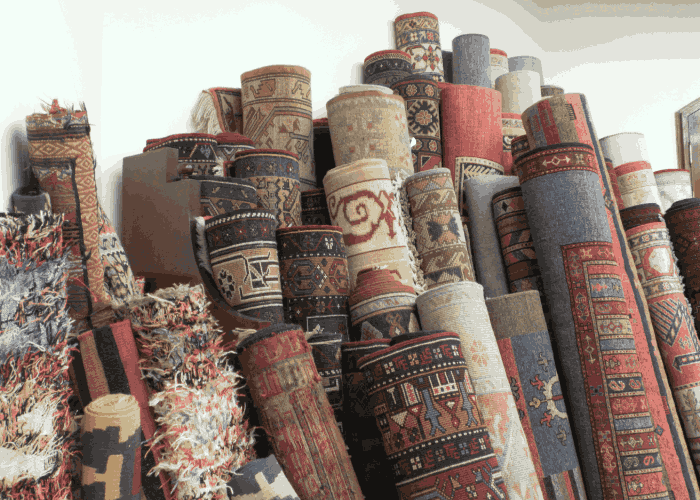
Welcome, discerning reader, to an unparalleled journey across the vibrant tapestry of India, where threads of tradition and innovation intertwine to create some of the world’s most exquisite premium carpets. From the serene valleys of Kashmir nestled in the Himalayas to the sun-kissed backwaters of Kerala, India boasts a heritage of carpet craftsmanship that is truly world-class. You are about to discover the intricate processes, rich materials, and profound artistry that make Indian carpets not just floor coverings, but timeless masterpieces.
Prepare to delve into the heart of a craft passed down through generations. You will explore how regional specialties, unique techniques, and an unwavering commitment to quality define India’s position as a global leader in luxury carpet production. This comprehensive guide will illuminate the path from raw fiber to finished art, inviting you to appreciate the enduring beauty and investment value of these magnificent creations.
The Legacy of Indian Carpets: A Story Woven Through Time
India’s relationship with carpets is as old and rich as its history itself. For centuries, this art form has graced palaces, adorned temples, and enriched homes, symbolizing luxury, comfort, and status. The journey of Indian carpet weaving is a testament to artistic resilience and cultural fusion.
Historical Roots and Royal Patronage
The true genesis of premium carpet weaving in India can be traced back to the Mughal era. Emperor Akbar, in the 16th century, is credited with establishing royal carpet workshops, particularly in Agra and Lahore. He brought Persian master weavers to India, who then trained local artisans in the sophisticated art of hand-knotting.
This royal patronage led to a golden age of carpet production, blending indigenous Indian motifs with classical Persian designs. The resulting carpets were renowned for their intricate patterns, vibrant colors, and exceptional quality. These early masterpieces quickly became prized possessions, reflecting the grandeur of the Mughal court.
Evolution and Global Recognition
Over the centuries, carpet weaving spread across various regions of India, each developing its unique style and technique. British colonial rule further boosted the industry, with Indian carpets gaining international acclaim and demand. They became a staple in European and American homes, valued for their durability and exotic appeal.
Today, India stands as one of the largest producers and exporters of hand-knotted and hand-tufted carpets globally. This enduring legacy is a source of immense pride, reflecting generations of skill, dedication, and artistic innovation. You are investing in a piece of this profound history when you choose an Indian premium carpet.
Kashmir’s Artistic Weave: The Northern Splendor
Journey north to the picturesque valley of Kashmir, a region synonymous with unparalleled beauty and exquisite craftsmanship. Here, the art of carpet weaving reaches its zenith, producing some of the most coveted luxury carpets in the world. Kashmiri carpets are renowned for their delicate touch and intricate designs.
Kashmiri Silk Carpets: A Touch of Royalty
Kashmiri silk carpets are perhaps the most famous and luxurious of all Indian carpets. They are handcrafted with pure silk, both in the pile and the foundation, giving them an unmatched sheen and softness. The high knot density is a hallmark of their superior quality.
You will notice their exceptional fineness and the way light plays across their surface, creating a captivating shimmer. These carpets often feature a stunning array of colors, from subtle pastels to rich, jewel tones. The designs are typically inspired by Persian motifs, local flora, and traditional Kashmiri patterns.
Materials and Craftsmanship
The silk used in Kashmiri carpets is of the highest grade, often sourced from local silkworms. This ensures a luxurious feel and remarkable durability. Each knot is individually tied by hand, a meticulous process that can take months, or even years, for a single carpet.
The knot count in a premium Kashmiri silk carpet can range from 400 to over 1200 knots per square inch. This extreme density allows for incredibly intricate detailing and a smooth, velvety texture. You can genuinely feel the dedication of the artisan in every thread.
Signature Designs and Motifs
Kashmiri silk carpets are celebrated for their classic and timeless designs. You will frequently encounter motifs such as the Chinar leaf, a local symbol of Kashmir, and the majestic “Tree of Life.” Floral patterns, paisleys, and intricate medallions are also common, often rendered with breathtaking precision.
The designs are not merely decorative; they often tell stories or symbolize cultural elements. Owning a Kashmiri silk carpet means possessing a piece of art that reflects centuries of tradition and natural beauty. It is an heirloom-quality investment you will cherish.
Woolen Masterpieces from the Valley
Beyond silk, Kashmir also produces exceptional woolen carpets. These carpets offer a different kind of luxury, characterized by their warmth, durability, and robust texture. They are an excellent choice for areas requiring comfort and resilience.
High-Quality Wool and Natural Dyes
Kashmiri woolen carpets are typically made from high-quality Merino wool or fine local sheep wool. This wool is known for its strength, resilience, and natural lanolin content, which makes the carpets naturally resistant to stains and dirt. Many artisans also use natural dyes, derived from plants and minerals, to achieve rich and lasting colors.
These natural dyes not only impart beautiful hues but also ensure the carpet ages gracefully. You will find that these carpets retain their vibrancy for many years. The blend of quality wool and traditional dyeing techniques creates a product of enduring beauty.
Traditional Patterns and Durability
While sharing some design influences with their silk counterparts, Kashmiri woolen carpets often feature bolder, more geometric patterns. You might see traditional tribal motifs or simpler floral arrangements that highlight the texture of the wool. Their robust construction makes them incredibly durable.
These carpets are ideal for high-traffic areas, offering both aesthetic appeal and practical functionality. They provide excellent insulation, adding warmth and coziness to any room. You can count on a Kashmiri woolen carpet to stand the test of time, becoming a cherished part of your home.
The Heart of India’s Carpet Belt: Uttar Pradesh & Rajasthan
Moving south from Kashmir, you enter the vast plains of Uttar Pradesh and the colorful desert state of Rajasthan. These regions form the veritable heartland of India’s carpet industry, renowned for their diverse techniques, materials, and a staggering volume of production. Here, carpet weaving is a way of life for countless families.
Bhadohi and Mirzapur: The Carpet Hub
The towns of Bhadohi and Mirzapur in Uttar Pradesh are collectively known as the “Carpet City of India.” This region accounts for a significant portion of India’s carpet exports, producing a wide array of styles and qualities. The sheer scale and variety of production here are astounding.
Diverse Techniques and Materials
In Bhadohi and Mirzapur, you will find artisans mastering various carpet-making techniques. These include hand-knotted, hand-tufted, and flatweave (Dhurrie) carpets. The choice of technique often dictates the texture, durability, and overall aesthetic of the final product.
The materials used are equally diverse, ranging from fine wool and luxurious silk to durable cotton and eco-friendly jute. This versatility allows manufacturers to cater to a broad spectrum of preferences and budgets, ensuring there is a premium carpet for every discerning buyer. You can find intricate Persian-style designs alongside modern abstract patterns.
Export Prominence and Innovation
The carpets from this region are highly sought after in international markets, adorning homes and commercial spaces worldwide. The industry here is constantly evolving, blending traditional craftsmanship with contemporary design trends. This ensures that while rooted in heritage, the products remain relevant and appealing.
Many workshops in Bhadohi and Mirzapur employ thousands of skilled weavers. They are committed to maintaining high standards of quality and ethical production. You are supporting a tradition of excellence and a vibrant community when you purchase a carpet from this region.
Jaipur’s Dhurries and Rugs: A Symphony of Colors
Rajasthan, particularly Jaipur, is famous for its vibrant flatweave rugs known as Dhurries. These versatile and colorful textiles offer a distinct charm and a different kind of luxury compared to pile carpets. They are celebrated for their bold aesthetics and practical features.
Flatweave Technique and Versatility
Dhurries are flatweave rugs, meaning they have no pile. The warp and weft threads are tightly interwoven to create a durable and reversible fabric. This technique makes them lighter and easier to clean than traditional pile carpets. You can flip them over for extended wear.
Their flat profile makes them ideal for layering or for use in areas where a thick pile might be impractical. They are perfect for adding a splash of color and pattern to any room, from living areas to bedrooms and even outdoor spaces. Their versatility is truly remarkable.
Vibrant Designs and Sustainable Practices
Jaipur Dhurries are instantly recognizable by their vibrant color palettes and bold geometric patterns. Traditional motifs often include stripes, checks, and intricate floral designs, all rendered with a distinct Rajasthani flair. The use of natural dyes is common, contributing to their rich and authentic appearance.
Many artisans in Rajasthan focus on sustainable practices, using recycled cotton or organic fibers. This commitment to eco-friendliness adds another layer of appeal to these beautiful rugs. You can feel good about choosing a product that is both aesthetically pleasing and environmentally conscious.
Artisanal Villages: Preserving Generations of Skill
Throughout Uttar Pradesh and Rajasthan, numerous small villages are dedicated entirely to carpet weaving. Here, the craft is not just a profession; it is a way of life, passed down from one generation to the next. These villages are living museums of traditional artistry.
Family Traditions and Apprenticeship
In these villages, children often learn the intricate art of weaving from their parents and grandparents. This apprenticeship typically begins at a young age, ensuring that ancient techniques and designs are preserved. The knowledge is carefully transferred, maintaining the authenticity of the craft.
Each family often specializes in particular patterns or weaving styles, contributing to the rich diversity of Indian carpets. You are not just buying a carpet; you are supporting a legacy and a community that cherishes its heritage. This human connection makes each piece truly special.
Southern Flair: Kerala’s Coir and Beyond
As you journey further south, the landscape transforms, and so does the nature of carpet craftsmanship. In the verdant state of Kerala, known for its backwaters and coconut groves, a unique and eco-friendly carpet industry thrives, offering a distinctive Southern flair.
Kerala’s Eco-Friendly Coir Carpets
Kerala is the world’s largest producer of coir, a natural fiber extracted from coconut husks. This abundant resource has given rise to a robust industry specializing in coir carpets and mats. These products are celebrated for their sustainability, durability, and rustic charm.
Material and Production
Coir is a remarkably strong, naturally resilient, and biodegradable fiber. It is processed in various ways to create yarns of different textures and thicknesses. These yarns are then woven into a wide range of products, from simple doormats to intricate area rugs and broadloom carpets.
The weaving process often employs traditional handlooms, though power looms are also used for mass production. You will find coir carpets in various weaves, including boucle, cut pile, and ribbed patterns. Each offers a distinct look and feel, showcasing the versatility of this natural material.
Sustainability and Benefits
Choosing a coir carpet means making an environmentally conscious decision. Coir is a renewable resource, and its production often involves minimal chemical processing. These carpets are naturally anti-static, resistant to moisture and mildew, and excellent for trapping dirt. They are also hypoallergenic, making them a great choice for sensitive individuals.
Their natural, earthy tones and robust texture bring a touch of the outdoors inside. You can use coir carpets in high-traffic areas, entryways, and even outdoor patios due to their impressive durability. They are a testament to how natural resources can be transformed into beautiful and practical home furnishings.
Exploring Other Southern Contributions
While coir dominates the carpet landscape in Kerala, other southern regions also contribute to India’s diverse textile heritage. These contributions, though perhaps on a smaller scale, reflect local cultural influences and available materials. You will find unique regional variations.
Traditional Weaving and Local Artistry
In parts of Tamil Nadu and Karnataka, you might encounter small-scale weaving communities producing cotton or silk rugs with distinct local patterns. These often feature temple-inspired motifs, geometric designs, or vibrant color combinations reflective of South Indian aesthetics. The focus is often on handloom techniques.
These carpets might not be as widely commercialized as those from the northern regions, but they offer an authentic glimpse into regional craftsmanship. You are discovering a hidden gem when you seek out these locally produced textiles. They provide a unique character to any space.
The Anatomy of Premium Carpet Craftsmanship
Understanding what makes a carpet “premium” involves delving into its fundamental components: the materials, the techniques, and the design philosophy. Each element plays a crucial role in creating a masterpiece that will endure for generations. You will learn to appreciate the intricate details.
Materials Matter: The Foundation of Quality
The choice of material is paramount in determining a carpet’s look, feel, durability, and value. Premium Indian carpets are crafted from the finest natural fibers, each contributing unique characteristics. You deserve to know what goes into your investment.
- Silk: Renowned for its unparalleled luster, softness, and fineness. Silk carpets boast intricate detailing and a luxurious sheen that changes with light. They are often the most expensive due to their delicate nature and demanding weaving process.
- Wool: The most common and versatile material for premium carpets. High-quality wool (like Merino or New Zealand wool) offers exceptional durability, resilience, and natural stain resistance. It retains warmth and provides a soft, comfortable feel underfoot.
- Cotton: Primarily used for the foundation (warp and weft) of hand-knotted carpets, providing strength and stability. Cotton can also be used for the pile, especially in Dhurries, offering a soft yet durable flatweave option.
- Jute/Coir: Eco-friendly, natural fibers known for their strength, coarse texture, and rustic appeal. They are highly durable and suitable for high-traffic areas, often chosen for their sustainable qualities and natural aesthetic.
Techniques and Tools: A Weaver’s Art
The method of construction is another critical factor distinguishing premium carpets. Handcrafted techniques require immense skill, patience, and precision, resulting in unique and lasting pieces. You can truly see the human touch in these methods.
- Hand-Knotting: The most labor-intensive and prestigious method. Each knot is individually tied by hand onto the warp threads, creating a dense, durable pile. The two main types are the Persian (Senneh) knot and the Turkish (Ghiordes) knot. Higher knot density signifies finer detail and higher value.
- Hand-Tufting: A faster method where yarn is punched through a fabric backing using a hand-held tufting gun. The loops are then either left as loops (loop pile) or cut (cut pile). While quicker than hand-knotting, skilled artisans can still produce high-quality, intricate designs.
- Flatweave (Dhurries): In this technique, warp and weft threads are interwoven without a pile, creating a flat, reversible rug. Dhurries are known for their durability, versatility, and vibrant geometric patterns. They are often lightweight and easy to clean.
- Handloom Weaving: Used primarily for Dhurries and some woolen rugs, this method involves weaving on a traditional loom. It is less labor-intensive than hand-knotting but still requires significant skill and precision to create consistent patterns and tension.
Design and Aesthetics: Telling a Story
Beyond materials and techniques, the visual appeal and storytelling capacity of a carpet are paramount. Premium Indian carpets are celebrated for their diverse designs, reflecting centuries of cultural exchange and artistic evolution. You are choosing a piece with a narrative.
- Traditional Motifs: Many premium Indian carpets feature classic designs inspired by Persian art, Mughal architecture, and local flora and fauna. These include intricate floral patterns, elegant medallions, paisleys, and the iconic “Tree of Life.” These designs often carry symbolic meanings.
- Contemporary Designs: While rooted in tradition, Indian carpet manufacturers also embrace modern aesthetics. You can find carpets with abstract patterns, minimalist designs, or bold geometric shapes that blend seamlessly with contemporary interiors. This fusion of old and new offers broad appeal.
- Color Palettes: Premium carpets often utilize a sophisticated color palette, ranging from muted earth tones to vibrant jewel hues. The choice between natural dyes (derived from plants and minerals) and high-quality synthetic dyes impacts both the color’s richness and its longevity. Natural dyes often age beautifully, developing a unique patina over time.
Why Choose an Indian Premium Carpet?
When you consider investing in a premium carpet, the market offers numerous choices. However, Indian premium carpets stand out for several compelling reasons, offering a unique blend of quality, artistry, and ethical value. You are making an informed decision for your home.
Unmatched Quality and Durability
Indian premium carpets are crafted to last, often becoming cherished family heirlooms. The meticulous hand-knotting, the use of superior natural fibers, and the generations of weaving expertise contribute to their exceptional durability. You are purchasing a product built to withstand the test of time.
These carpets are not merely decorative items; they are investment pieces that retain their beauty and value for decades. With proper care, your Indian premium carpet will continue to enrich your home for many years, offering both aesthetic pleasure and practical resilience.
Artistic Value and Uniqueness
Each hand-knotted Indian carpet is a unique work of art, bearing the individual touch of the artisan who created it. No two handmade carpets are exactly alike, even if they follow the same design. This inherent uniqueness adds immense artistic value.
You are acquiring a piece that tells a story, imbued with the cultural heritage and skilled hands of its maker. This personal connection makes an Indian premium carpet far more than just a floor covering; it is a conversation starter and a focal point of artistic expression.
Ethical and Sustainable Practices
The hand-weaving industry in India is a significant source of livelihood for millions of artisans and their families. By choosing a handmade Indian carpet, you are directly supporting these communities and helping to preserve a traditional craft. Many manufacturers adhere to fair trade practices, ensuring ethical working conditions and fair wages.
Furthermore, the use of natural materials like wool, silk, cotton, and coir, often dyed with natural pigments, reflects a commitment to sustainability. These carpets are biodegradable and have a smaller environmental footprint compared to mass-produced synthetic alternatives. You are making a responsible choice.
Versatility in Design and Style
From the intricate Persian-inspired designs of Kashmir to the bold geometric patterns of Rajasthani Dhurries, Indian premium carpets offer an astonishing range of styles. Whether your interior décor is traditional, contemporary, bohemian, or minimalist, you will find an Indian carpet that complements your aesthetic perfectly.
Many artisans are also adept at creating custom designs, allowing you to commission a carpet that perfectly matches your vision. This versatility ensures that you can find the ideal piece to enhance any room in your home, adding warmth, texture, and character.
Investing in a Masterpiece: What to Look For
Purchasing a premium carpet is a significant investment. To ensure you are making a wise choice, it’s essential to understand the key indicators of quality and authenticity. You will become a more confident buyer with this knowledge.
Knot Density and Weave Quality
For hand-knotted carpets, knot density is a crucial indicator of quality and intricacy. It refers to the number of knots per square inch (KPSI). A higher knot count means finer detail, a more intricate pattern, and often, a higher value.
You can typically check the knot count by folding the carpet back and counting the knots on the back side. Also, examine the evenness of the knots and the consistency of the weave. A high-quality carpet will have tightly packed, uniform knots.
Material Purity and Origin
Always inquire about the materials used in the carpet. For wool carpets, ask about the type of wool (e.g., Merino, New Zealand, local sheep wool) and its origin. For silk carpets, confirm it is pure silk, not a blend or synthetic substitute.
Reputable dealers will provide detailed information about the materials and their sourcing. Look for certifications or labels that attest to the material’s purity and quality. You want to ensure you are getting exactly what you pay for.
Dyeing Techniques and Color Fastness
The quality of the dyes significantly impacts a carpet’s longevity and aesthetic appeal. Natural dyes, though sometimes more subtle, are known for their ability to age beautifully and develop a rich patina. High-quality synthetic dyes, when properly applied, also offer excellent color fastness.
Ask about the dyeing process and whether the colors are fade-resistant. You can often perform a simple rub test on an inconspicuous area with a damp white cloth to check for color bleeding. This helps ensure your carpet maintains its vibrancy.
Authenticity and Provenance
When investing in a premium Indian carpet, especially one from a specific region like Kashmir or Bhadohi, verify its authenticity and provenance. Purchase from reputable dealers who can provide documentation or a certificate of authenticity.
Understanding the region of origin helps you appreciate the specific craftsmanship and design traditions embedded in the carpet. You are buying a piece of cultural heritage, and knowing its story enhances its value.
Key Characteristics of Premium Indian Carpet Regions
To help you navigate the diverse world of Indian carpets, here is a table summarizing the key characteristics of the regions discussed. This will provide you with a quick reference point.
| Region | Primary Materials | Key Techniques | Signature Designs | Notable Features |
|---|---|---|---|---|
| Kashmir | Pure Silk, Fine Merino Wool | Hand-Knotted (Persian Knot) | Chinar Leaf, Tree of Life, Floral, Persian Motifs, Medallions | High Knot Density, Luxurious Sheen, Exceptional Softness, Heirloom Quality |
| Bhadohi/Mirzapur (UP) | Wool, Silk, Cotton, Jute | Hand-Knotted, Hand-Tufted, Flatweave | Diverse: Persian, Modern, Geometric, Traditional Indian Motifs | Major Export Hub, Wide Variety of Styles & Qualities, Skilled Workforce |
| Jaipur (Rajasthan) | Cotton, Wool, Recycled Fibers | Flatweave (Dhurrie) | Bold Geometrics, Stripes, Checks, Traditional Rajasthani Motifs | Reversible, Lightweight, Vibrant Colors, Sustainable Practices |
| Kerala | Coir (Coconut Fiber) | Handloom, Powerloom Weaving | Natural/Earthy Textures, Simple Patterns, Boucle, Cut Pile | Eco-Friendly, Highly Durable, Moisture/Mildew Resistant, Rustic Appeal |
Conclusion: A Tapestry of Art and Heritage
From the majestic, hand-knotted silk wonders of Kashmir to the robust, eco-friendly coir creations of Kerala, India’s premium carpet craftsmanship offers a world of beauty, quality, and heritage. You have journeyed through centuries of tradition, witnessed the dedication of master artisans, and explored the diverse materials and techniques that define this extraordinary industry.
Choosing an Indian premium carpet is more than just a purchase; it is an investment in art, a celebration of culture, and a commitment to quality. Each thread, each knot, each pattern tells a story of skill, patience, and a legacy passed down through generations. These carpets are not merely floor coverings; they are the soul of a space, bringing warmth, elegance, and a touch of the sublime to your home.
As you consider your next interior design choice, remember the profound artistry and enduring value of India’s world-class premium carpets. They offer an unparalleled blend of beauty, durability, and ethical craftsmanship, ensuring that your choice will be cherished for a lifetime. You are bringing a piece of India’s rich tapestry into your own home.
Frequently Asked Questions (FAQ)
1. How do I clean a premium Indian carpet?
The cleaning method largely depends on the material and weave of your carpet. For most premium hand-knotted wool or silk carpets, regular vacuuming (without a beater bar) is essential. For spills, blot immediately with a clean white cloth.
Professional cleaning every few years by specialists experienced with handmade rugs is highly recommended. Avoid harsh chemical cleaners or steam cleaning, as these can damage delicate fibers and dyes.
2. What is the difference between hand-knotted and hand-tufted carpets?
Hand-knotted carpets are made by individually tying each knot onto the warp threads, a labor-intensive process that results in a dense, durable, and often more valuable carpet. Hand-tufted carpets use a hand-held tufting gun to punch yarn through a fabric backing. While still handmade, this process is faster and generally less expensive than hand-knotting.
Hand-knotted carpets typically have a visible knot structure on the back, whereas hand-tufted carpets have a glued backing and often a secondary fabric layer.
3. How can I tell if a carpet is genuinely handmade?
Look closely at the back of the carpet. A genuine hand-knotted carpet will show individual knots and an irregular pattern that mirrors the front design, though it may be less defined. Machine-made carpets will have perfectly even, uniform stitches and often a stiff, uniform backing.
Variations in pattern, color, and knot size are hallmarks of handmade uniqueness. For hand-tufted carpets, look for a canvas-like backing with latex glue and a secondary fabric layer.
4. Are Indian carpets sustainable?
Many premium Indian carpets are highly sustainable. They are often made from natural, renewable fibers like wool, silk, cotton, and coir. The hand-weaving process uses minimal electricity and supports traditional artisan communities, often ensuring fair labor practices.
When natural dyes are used, the environmental impact is further reduced. Always inquire about the manufacturer’s commitment to ethical sourcing and sustainable practices.
5. What is the typical lifespan of a premium Indian carpet?
With proper care and maintenance, a high-quality hand-knotted Indian carpet can last for many decades, often becoming an heirloom passed down through generations. The lifespan of a hand-tufted carpet is generally shorter, ranging from 10-20 years. Flatweave Dhurries and coir carpets are also very durable, with a lifespan that can extend for many years depending on usage and care.
Factors like material quality, knot density, and foot traffic will influence longevity.