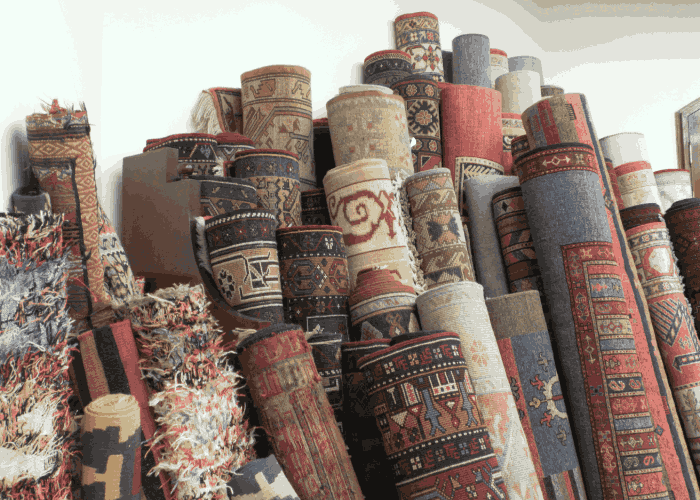
You are about to embark on a journey that transcends mere interior decoration. Imagine owning a piece of art, steeped in centuries of tradition, that not only graces your home but also tells a story. This is the promise of premium Indian carpets. They are not just floor coverings; they are a legacy woven into every fiber, offering timeless luxury and unparalleled craftsmanship that elevates any space.
For discerning homeowners and collectors, a premium Indian carpet represents an investment in beauty, heritage, and enduring style. It’s an embrace of artistry passed down through generations, an item that speaks volumes about your appreciation for quality and history. Let us explore why these magnificent creations are truly in a class of their own.
The Enduring Legacy of Indian Carpets
The story of Indian carpets is as rich and intricate as the patterns they bear. Their origins can be traced back to the Mughal Empire in the 16th century, when Emperor Akbar introduced Persian carpet weaving techniques to India. He established royal workshops, inviting skilled artisans who merged indigenous Indian motifs with sophisticated Persian designs.
This fusion gave birth to a distinct Indian carpet tradition, characterized by vibrant colors, intricate patterns, and exceptional quality. Over centuries, various regions developed their own unique styles, materials, and techniques, each contributing to the diverse tapestry of Indian carpet weaving. These carpets quickly became symbols of status and luxury, adorning palaces and homes of the elite across the world.
A Tapestry of History and Culture
Indian carpets embody a profound cultural narrative. Each knot, each color, and each motif often carries symbolic meaning, reflecting local folklore, religious beliefs, or historical events. When you acquire an Indian carpet, you are not just buying a decorative item; you are inheriting a piece of living history.
The art has been meticulously preserved and passed down from one generation of weavers to the next. This unbroken chain of knowledge ensures that traditional methods and artistic integrity remain intact. It is a testament to the enduring spirit of craftsmanship that defines India’s heritage.
What Defines a “Premium” Indian Carpet?
Understanding what makes an Indian carpet truly premium is crucial for appreciating its value. It goes beyond aesthetics, delving into the very core of its creation. Several key factors distinguish a premium Indian carpet from mass-produced alternatives, each contributing to its exceptional quality and longevity.
Materials Matter: The Foundation of Luxury
The choice of raw materials is paramount in defining a carpet’s luxury and durability. Premium Indian carpets utilize only the finest natural fibers, selected for their strength, softness, and ability to hold vibrant dyes. These materials ensure both a luxurious feel and a long lifespan.
The careful selection and preparation of these fibers significantly contribute to the carpet’s overall quality and luxurious appeal. You can feel the difference instantly when you touch a carpet made from these superior materials.
The Art of Knotting and Weaving: Hand-Knotted Excellence
The construction method is perhaps the most significant differentiator for premium Indian carpets. True luxury carpets are almost exclusively hand-knotted, a labor-intensive process that requires immense skill and patience. Each knot is individually tied by hand onto the warp threads, creating a dense and durable pile.
The meticulous hand-knotting process is what gives these carpets their unique character and ensures they can withstand generations of use. You are investing in a product where human touch and skill are paramount.
Dyeing Techniques: The Brilliance of Color
The colors of a premium Indian carpet are as vital as its design and materials. The dyeing process is an art form itself, with master dyers achieving incredible depth, vibrancy, and colorfastness. Premium carpets often use a combination of natural and high-quality synthetic dyes.
The goal is to achieve colors that are not only beautiful but also stable, ensuring your carpet retains its splendor for many years. You will notice the difference in the luminosity and depth of color.
Design Complexity and Originality: Art Underfoot
The designs woven into premium Indian carpets are often masterpieces of artistic expression. They range from classic patterns with deep historical roots to innovative contemporary interpretations.
The originality and complexity of the design, along with the precision of its execution, are hallmarks of a premium carpet. You are acquiring a piece of textile art.
Finishing and Craftsmanship: The Final Touch
After the arduous knotting process, a premium carpet undergoes several crucial finishing steps. These processes refine the carpet, enhance its beauty, and ensure its lasting quality.
Every step, from the initial fiber selection to the final wash, is executed with precision and care. This dedication to excellence ensures that you receive a product of unmatched quality.
The Unmatched Value Proposition: Why Invest in Premium Indian Carpets?
Investing in a premium Indian carpet is a decision that offers numerous long-term benefits beyond immediate aesthetic appeal. You are not just buying a product; you are acquiring an asset that enriches your life and your home in multiple ways.
Timeless Aesthetics and Versatility
One of the most compelling reasons to choose a premium Indian carpet is its timeless appeal. These carpets possess an inherent elegance that transcends fleeting trends, ensuring they remain stylish for decades.
You will find that your premium Indian carpet continues to captivate and impress, year after year. It’s a true expression of enduring taste.
Durability and Longevity: Built to Last Generations
The meticulous hand-knotting process and the use of superior natural fibers result in carpets of extraordinary durability. Premium Indian carpets are designed to withstand the test of time, often outliving their owners.
You are not just buying a carpet for a few years; you are investing in a legacy that can be enjoyed by your children and grandchildren.
An Investment in Art and Culture
Premium Indian carpets are often considered a form of tangible art. Their rarity, the skill involved in their creation, and their cultural significance can contribute to their value appreciating over time.
You are not just decorating your home; you are curating a collection that reflects an appreciation for global artistry and heritage.
The “Green” Choice: Sustainable and Ethical
In an era of increasing environmental consciousness, premium Indian carpets stand out as a remarkably sustainable choice. Their production methods are often far more eco-friendly than those of mass-produced alternatives.
You can feel good knowing that your beautiful carpet is also a responsible and ethical choice.
Comfort and Acoustics: Enhancing Your Living Space
Beyond their visual appeal, premium Indian carpets significantly enhance the comfort and ambiance of your home. They contribute to a more pleasant and functional living environment.
You will notice a tangible difference in the comfort and tranquility of your living spaces.
Navigating the World of Premium Indian Carpets: A Buyer’s Guide
Choosing the perfect premium Indian carpet can be an exciting yet daunting task given the vast array of options. This guide will help you make an informed decision, ensuring you select a carpet that perfectly suits your needs and tastes.
Understanding Different Regions and Styles
India’s diverse geography and cultural heritage have given rise to distinct carpet-weaving traditions, each with its own characteristics.
Exploring these regional distinctions will help you appreciate the breadth of Indian carpet artistry.
Key Factors to Consider Before Purchase
Before you commit to a premium Indian carpet, carefully consider these practical aspects to ensure it’s the right fit for your home and lifestyle.
Taking these factors into account will guide you towards a truly satisfying purchase.
Caring for Your Investment: Maintenance Tips
Proper care is essential to preserve the beauty and longevity of your premium Indian carpet. With a little attention, your carpet will remain a cherished possession for generations.
By following these simple care instructions, you will ensure your premium Indian carpet retains its splendor for many years to come.
Key Characteristics of Premium Indian Carpet Materials
Here is a comparative overview of the primary materials used in premium Indian carpets, highlighting their unique attributes.
| Material | Feel | Durability | Luster | Price Range (Relative) | Best Use |
|---|---|---|---|---|---|
| Silk | Extremely Soft, Smooth | High (strong fibers) | Very High (shimmering) | Highest | Low traffic, decorative, wall hangings |
| Pashmina | Incredibly Soft, Fine | Moderate to High | Medium | Very High | Low traffic, luxurious feel |
| Merino Wool | Soft, Resilient, Plush | Very High | Medium | High | Moderate to high traffic, all-purpose luxury |
| High-Quality Cotton | Firm, Crisp, Smooth | High | Low to Medium | Medium | Foundation, specific design aesthetics, flat weaves |
This table provides a quick reference to help you understand the nuances of each material choice.
Conclusion
Premium Indian carpets are far more than just decorative items; they are profound expressions of art, history, and enduring craftsmanship. When you choose one of these magnificent pieces, you are investing in a legacy, acquiring an object that offers timeless luxury, exceptional durability, and a unique story. It is an investment that enriches your home, reflects your appreciation for global heritage, and provides comfort and beauty for generations.
Embrace the handmade heritage of India and discover how a premium carpet can transform your living space into a sanctuary of elegance and warmth. Let the intricate patterns and vibrant colors of these timeless treasures become the foundation of your home’s unique character.
Frequently Asked Questions (FAQ)
What makes an Indian carpet “premium”?
A premium Indian carpet is distinguished by several factors: the use of high-quality natural materials (like fine wool, silk, or pashmina), meticulous hand-knotting with a high knot density, expert dyeing techniques for vibrant, lasting colors, complex and original designs, and superior finishing craftsmanship. These elements combine to create a durable, beautiful, and valuable piece of art.
How long do premium Indian carpets last?
With proper care and maintenance, premium hand-knotted Indian carpets are renowned for their longevity. They are often passed down through generations, lasting 50 to 100 years or even more. Their durable construction and quality materials mean they can withstand significant wear and often improve in appearance as they age.
Are premium Indian carpets a good investment?
Yes, many premium Indian carpets can be considered a good investment. Their value often appreciates over time, especially for rare designs, exceptional craftsmanship, or pieces from renowned periods or regions. Beyond monetary value, they are an investment in art, culture, and the enduring beauty they bring to your home.
How do I clean and maintain my premium Indian carpet?
Regular vacuuming (without a beater bar) is essential for daily maintenance. Spot clean spills immediately with a mild detergent and water, blotting gently. For a thorough cleaning, it is highly recommended to have your carpet professionally cleaned every 3-5 years by a specialist experienced with hand-knotted oriental rugs.
Rotating your carpet periodically also helps ensure even wear.
What’s the difference between hand-knotted and hand-tufted carpets?
Hand-knotted carpets are created by individually tying each knot by hand onto a loom, forming a strong, durable, and flexible pile. This is the traditional method for premium carpets. Hand-tufted carpets are made by punching loops of yarn through a fabric backing with a tool, and then gluing the loops into place.
Hand-knotted carpets are generally superior in durability, value, and artistry.
Can I use a premium Indian carpet in high-traffic areas?
Yes, many premium Indian carpets, especially those made from high-quality wool with a dense pile, are very durable and suitable for moderate to high-traffic areas like living rooms or dining rooms. Silk carpets, while strong, are often preferred for lower-traffic areas due to their delicate sheen and higher cost, to best preserve their exquisite appearance.