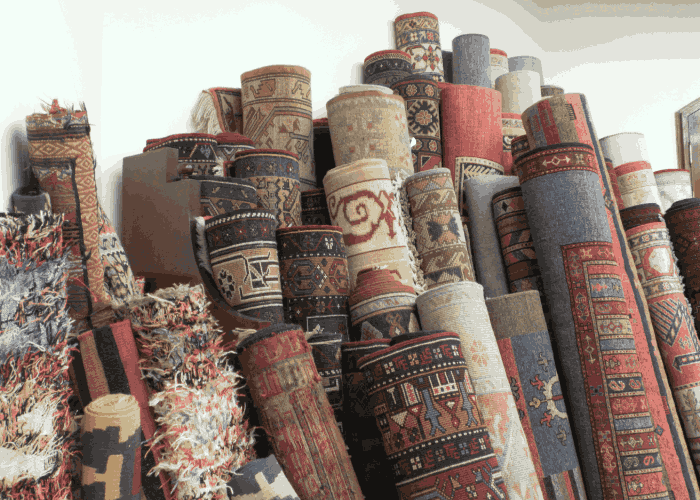
Step into any space adorned with a premium carpet, and you immediately sense an aura of elegance and history. The intricate patterns, the luxurious texture, and the vibrant hues tell a story far beyond mere decoration. When that carpet hails from India, you are not just acquiring a floor covering; you are inheriting a legacy woven with centuries of artistic tradition and unparalleled craftsmanship.
India’s heritage in carpet making is a golden thread running through its rich cultural tapestry, renowned globally for its exquisite hand-knotted creations. This article invites you on a journey to explore the profound history, meticulous techniques, and enduring allure of premium Indian carpets. Prepare to unravel the magic that makes these pieces true masterpieces, offering both beauty and a deep connection to a storied past.
The Historical Tapestry: Weaving Through Centuries of Influence
The art of carpet making in India is not a recent phenomenon; it is a profound journey stretching back millennia. Its origins are deeply intertwined with ancient nomadic traditions and the lavish courts of emperors. You will discover that this craft has absorbed influences from various cultures, evolving into the unique style we admire today.
Ancient Roots and Early Beginnings
While definitive records are sparse, evidence suggests rudimentary weaving techniques existed in India long before the medieval period. Early forms of floor coverings were likely simple, utilitarian pieces crafted by indigenous communities. These early endeavors laid the foundational understanding of fibers and dyes.
The true blossoming of sophisticated carpet making, however, arrived with significant external influences. This pivotal moment transformed a practical craft into a revered art form.
The Mughal Golden Age of Carpetry
The most significant catalyst for premium carpet making in India was the arrival of the Mughal emperors in the 16th century. Particularly under Emperor Akbar, Persian carpet weavers were brought to India to establish royal workshops.
These master artisans introduced intricate Persian knotting techniques and complex designs to the Indian subcontinent. The Mughals, known for their patronage of arts and architecture, saw carpets not just as floor coverings but as essential elements of imperial grandeur. You can still see the influence of Mughal gardens and architectural motifs in many traditional Indian carpet designs today.
The fusion of Persian artistry with Indian sensibilities led to the creation of magnificent carpets. These pieces featured rich colors, detailed floral patterns, and often incorporated local flora and fauna, making them distinctly Indian while retaining their Persian lineage. This period established India as a major center for luxury carpet production.
British Colonial Era and Industrialization
With the advent of the British East India Company, Indian carpets found new markets in Europe. The demand for these exotic and luxurious items surged, leading to increased production.
While the British era sometimes saw a shift towards mass production and adaptation of European designs, the core hand-knotting traditions largely persisted. Many workshops continued to cater to discerning buyers who valued authenticity and intricate craftsmanship. This period also saw the establishment of some modern carpet manufacturing hubs.
The Craftsmanship: Where Artistry and Skill Converge
The true magic of a premium Indian carpet lies in the hands of its makers. It is a painstaking process, passed down through generations, where every knot is a testament to dedication and skill. You will appreciate the immense effort involved when you understand the traditional methods.
The Art of Hand-Knotting
At the heart of Indian premium carpet making is the ancient art of hand-knotting. This method is incredibly labor-intensive, but it is precisely what gives these carpets their exceptional durability, intricate detail, and unique character.
Unlike machine-made carpets, where loops are mechanically inserted, each knot in a hand-knotted carpet is tied individually by a weaver. This process creates a dense, resilient pile that can last for centuries. The density of these knots, measured in knots per square inch (KPSI), is a key indicator of a carpet’s quality and the fineness of its design.
The Weaving Process: A Symphony of Precision
The creation of a hand-knotted carpet begins with a meticulously drafted design, often called a “taleem” or “naqsha.” This blueprint guides the weavers, detailing every color and knot placement.
The loom itself is a sturdy wooden frame, where warp threads are stretched vertically. Weavers then sit in front of the loom, tying individual knots onto these warp threads. Each knot is secured by passing a weft thread horizontally and then compacting it with a heavy comb.
This rhythmic process continues row by row, building the carpet’s pile slowly and deliberately. A single large carpet can take several skilled weavers many months, or even years, to complete. You are truly witnessing a labor of love.
Master Weavers and Their Legacy
The knowledge required to create these masterpieces is typically passed down within families. Young apprentices learn from their elders, spending years mastering the intricate techniques, understanding color theory, and developing an eye for detail.
Master weavers possess an encyclopedic knowledge of patterns, knots, and materials. Their expertise ensures that traditional designs are faithfully reproduced and new designs are executed with flawless precision. You are supporting this invaluable human heritage when you choose a hand-knotted Indian carpet.
Materials of Majesty: The Soul of a Premium Carpet
The quality of a premium Indian carpet is undeniably rooted in the excellence of its materials. From the lustrous fibers to the vibrant dyes, every component is carefully selected to ensure beauty, durability, and a luxurious feel. You will find that these choices significantly impact the carpet’s longevity and aesthetic appeal.
Exquisite Fibers: The Foundation of Luxury
The choice of fiber is paramount, defining the carpet’s texture, sheen, and resilience. Indian carpet makers traditionally use a combination of natural fibers, each contributing its unique qualities.
- Wool: Often considered the backbone of premium carpets, wool offers exceptional durability, natural stain resistance, and a soft, resilient pile. Merino wool, known for its fine staple and luxurious feel, is highly prized. Some manufacturers also import high-quality New Zealand wool, renowned for its strength and brightness, which takes dye beautifully.
- Silk: For the ultimate in luxury and intricate detail, silk is unparalleled. Silk carpets possess an incredible sheen that shifts with the light, creating a dynamic visual effect. Its fine fibers allow for exceptionally high knot densities, enabling the creation of incredibly detailed and delicate patterns. Silk carpets are often thinner but incredibly strong.
- Cotton: While not typically used for the pile, cotton is the preferred material for the warp and weft threads, forming the stable foundation of the carpet. Its strength and stability ensure the carpet retains its shape and structure over time.
The Art of Dyeing: A Spectrum of Brilliance
The colors of an Indian carpet are often its most striking feature, and this vibrancy is achieved through meticulous dyeing processes. Both natural and high-quality synthetic dyes are employed, each with its own advantages.
- Natural Dyes: Historically, carpets were colored using natural dyes extracted from plants (indigo, madder root), insects (lac), and minerals. These dyes produce subtle, organic color variations and a beautiful patina over time. Many premium workshops still utilize natural dyes for their unique depth and eco-friendliness.
- Synthetic Dyes: Modern, high-quality synthetic dyes offer a broader spectrum of consistent colors and excellent colorfastness, meaning they resist fading. Reputable manufacturers use chrome dyes, which are known for their vibrancy and durability. Strict quality control ensures these dyes are non-toxic and environmentally responsible.
You can often tell the difference in the depth and interplay of colors, with natural dyes offering a more nuanced and evolving palette. Sustainable and ethical sourcing of these materials is also becoming increasingly important, ensuring that your carpet is not only beautiful but also responsibly made.
Design Language: Stories Etched in Fibers
Every premium Indian carpet tells a story, expressed through its intricate design language. These patterns are not merely decorative; they are imbued with symbolism, history, and regional identity. You will find a captivating blend of tradition and innovation in their artistic expressions.
Traditional Motifs: A Lexicon of Symbolism
The classic designs seen in Indian carpets are a direct inheritance from the Mughal era and Persian influences, adapted and enriched by local aesthetics. These motifs often carry deep cultural and spiritual meanings.
- Medallion Designs: Central medallions, often inspired by celestial bodies or dome architecture, are a hallmark of many classical designs. They symbolize unity, eternity, and a focal point of beauty.
- Floral Patterns: Lush floral motifs, including lotuses, palmettes, rosettes, and cypress trees, are ubiquitous. The “Tree of Life” motif, representing growth, immortality, and connection between heaven and earth, is particularly revered. These patterns often depict a stylized garden, reflecting paradise.
- Geometric Patterns: While less common than florals in premium Indian designs, geometric patterns in some regions reflect tribal or nomadic influences. These can range from intricate repeating tessellations to bolder, more abstract forms.
- Hunting Scenes and Figurative Designs: Historically, royal carpets sometimes depicted elaborate hunting scenes or courtly life. These are rarer and highly prized, showcasing immense artistic skill.
Regional Variations: A Kaleidoscope of Styles
India’s vastness means that carpet designs and styles vary significantly from one region to another. Each area has developed its own distinctive aesthetic, reflecting local traditions and available resources. You can often identify a carpet’s origin by its characteristic patterns and color palette.
- Kashmir: Renowned for its exquisite silk carpets, Kashmiri designs often feature intricate floral patterns, paisleys, and sometimes even miniature landscapes. Their color palettes are typically refined, with jewel tones and subtle gradations.
- Bhadohi/Mirzapur: Located in Uttar Pradesh, this region is India’s largest carpet manufacturing hub. While producing a wide range, Bhadohi carpets are known for their diversity, often combining Persian, Mughal, and contemporary designs. They are known for their robust wool carpets.
- Jaipur: Carpets from Jaipur often showcase vibrant colors and traditional Mughal designs, including intricate medallions and floral sprays. They are known for their excellent quality wool and sometimes silk-blend carpets.
- Agra: Agra carpets are celebrated for their sophisticated designs, often featuring large, flowing patterns and a rich, deep color palette. They are known for their durability and luxurious feel, often using high-quality wool.
Contemporary Adaptations and Fusion Designs
While tradition is deeply respected, the Indian carpet industry is also dynamic, embracing modern design sensibilities. Many workshops now create carpets that blend traditional motifs with contemporary aesthetics, catering to diverse global tastes.
You will find carpets with abstract patterns, minimalist designs, or those that subtly reinterpret classic elements in a fresh way. This fusion ensures that Indian carpets remain relevant and appealing in modern interior design, proving their timeless versatility.
The Journey from Loom to Living Room: Assuring Uncompromised Quality
The creation of a premium Indian carpet extends far beyond the final knot. A series of crucial post-weaving processes are essential to enhance its beauty, ensure its durability, and guarantee its quality. You will be amazed by the meticulous steps involved before a carpet is deemed ready for your home.
Washing and Finishing: Unveiling True Brilliance
Once a carpet is removed from the loom, it undergoes an extensive washing process. This step is critical for several reasons.
Washing removes any residual dirt, loose fibers, and excess dye, preventing future color bleeding. It also softens the wool or silk fibers, enhancing their natural luster and making the carpet feel more supple. Traditional methods often involve multiple washes and sun-drying, which further develops the carpet’s unique patina.
Shearing and Carving: Defining Detail and Texture
After washing, the carpet is carefully sheared. This process involves uniformly trimming the pile to an even height, which sharpens the clarity of the design and creates a smooth, consistent surface.
For some designs, particularly those with intricate patterns, a technique called “carving” or “embossing” is used. This involves meticulously hand-cutting around certain motifs to create a raised, three-dimensional effect. This adds depth and definition, making the design truly pop.
You can feel the artistry in these subtle details.
Rigorous Inspection and Grading
Before any premium carpet leaves the workshop, it undergoes a stringent multi-point inspection. Experienced graders meticulously check for any imperfections, including knot consistency, color variations, pile evenness, and structural integrity.
Only carpets that meet the highest standards of craftsmanship and quality are approved. This rigorous process ensures that you receive a product that is not only visually stunning but also built to last for generations. Reputable manufacturers often provide certifications of authenticity and quality.
Ethical Practices and Sustainability
Increasingly, premium Indian carpet makers are committed to ethical labor practices and environmental sustainability. This includes ensuring fair wages, safe working conditions, and the absence of child labor.
Many workshops also focus on sustainable sourcing of materials and eco-friendly dyeing processes. When you choose a certified premium Indian carpet, you are often supporting a product crafted with both human dignity and environmental responsibility in mind.
Why Invest in an Indian Premium Carpet?
Choosing a premium Indian carpet is more than just a purchase; it is an investment in art, history, and enduring quality. You will find that the benefits extend far beyond mere aesthetics, enriching your home and potentially your portfolio.
Unrivaled Durability and Longevity
Hand-knotted carpets, especially those made from high-quality wool, are incredibly durable. Each knot contributes to a dense, resilient pile that can withstand heavy foot traffic for decades, even centuries, with proper care. Unlike machine-made alternatives, they are designed to last, becoming cherished heirlooms.
Unique Artistic Value and Individuality
No two hand-knotted carpets are exactly alike. The subtle variations in color, knotting, and design are a testament to their handmade nature and the individual artistry of the weavers. You are acquiring a unique piece of art, not a mass-produced item.
This individuality adds immense character to any space.
An Investment with Potential Appreciation
High-quality, hand-knotted carpets, especially antique or rare pieces, can appreciate in value over time. Like fine art, their historical significance, craftsmanship, and material quality can make them sought-after collector’s items. You are not just buying a carpet; you are potentially investing in a future asset.
Support for Traditional Craftsmanship
By investing in a premium Indian carpet, you directly support the continuation of an ancient craft and the livelihoods of skilled artisans. You contribute to preserving cultural heritage and ensuring that these invaluable skills are passed on to future generations. This is a purchase with a deeper meaning.
Timeless Aesthetics and Versatility
Indian carpet designs, whether traditional or contemporary, possess a timeless appeal that transcends fleeting trends. Their rich colors and intricate patterns can complement a wide range of interior styles, from classic to modern. A premium Indian carpet instantly elevates the sophistication and warmth of any room you place it in.
Key Regions of Indian Carpet Manufacturing: A Glimpse into Specialties
India’s carpet weaving industry is geographically diverse, with several key regions specializing in distinct styles and materials. Understanding these hubs gives you a clearer picture of the breadth and depth of Indian carpet making.
- Bhadohi-Mirzapur (Uttar Pradesh): Often referred to as India’s “Carpet Belt,” this region is the largest hub for hand-knotted carpet production. It is renowned for its sheer volume and variety, producing everything from traditional Persian-inspired designs to modern contemporary pieces, primarily in wool. You will find a vast array of qualities and styles originating here.
- Kashmir (Jammu & Kashmir): Famed for its exquisite silk carpets, Kashmir offers unparalleled fineness and luster. Kashmiri carpets are typically characterized by intricate floral patterns, delicate paisleys, and a rich, subtle color palette. Their high knot counts make them more detailed and often more expensive than wool carpets.
- Jaipur (Rajasthan): Jaipur is known for its vibrant wool carpets, often featuring traditional Mughal and Persian designs with a distinct Rajasthani flair. The region is also gaining recognition for its flat-weave kilims and dhurries. You will often see bold colors and intricate detailing in Jaipur carpets.
- Agra (Uttar Pradesh): Historically, Agra was a significant center during the Mughal era, and its carpets are still prized for their robust construction and sophisticated designs. Agra carpets often feature larger, more open patterns and deep, rich colorways, typically in high-quality wool.
- Amritsar (Punjab): While not as large a hub as Bhadohi, Amritsar has a strong tradition of producing high-quality wool carpets, often with a more geometric or simplified floral design compared to the intricate Mughal styles. You might find more rustic and durable weaves here.
Each region contributes its unique flavor to the grand tapestry of Indian carpet making, offering you a diverse selection to explore.
Comparative Data: Exploring Premium Indian Carpet Characteristics
To help you better understand the nuances of premium Indian carpets, here is a comparative table highlighting some typical characteristics across different types and regions. Please note these are general ranges, and specific carpets may vary.
| Characteristic | Wool Hand-Knotted (e.g., Bhadohi) | Silk Hand-Knotted (e.g., Kashmir) | Wool Flat-Weave (e.g., Jaipur Dhurrie) |
|---|---|---|---|
| Primary Material | High-quality Wool (often New Zealand or Merino) | Mulberry Silk | Wool, Cotton |
| Knot Density (KPSI) | 100-300 KPSI (Good to Very Fine) | 300-1200+ KPSI (Very Fine to Exquisite) | Not applicable (flat weave) |
| Pile Height | Medium to High (0.3 – 0.7 inches) | Low to Medium (0.1 – 0.3 inches) | Flat (no pile) |
| Texture | Soft, resilient, warm | Smooth, lustrous, cool to touch | Firm, durable, reversible |
| Typical Designs | Persian, Mughal, Contemporary, Geometric | Intricate Floral, Paisley, Figurative | Geometric, Striped, Abstract |
| Durability | Excellent, suitable for high traffic | Good, best for low to medium traffic areas (due to cost) | Excellent, highly durable |
| Sheen | Subtle, natural luster | High, reflective sheen | Matte to slight sheen |
| Approximate Price Range (per sq ft) | $20 – $100+ | $100 – $500+ | $15 – $50+ |
This table illustrates how different materials and weaving techniques cater to various preferences and budgets, all while maintaining a premium quality standard within their respective categories.
The Future of Indian Carpet Making: Preserving a Living Legacy
The premium carpet industry in India faces both challenges and exciting opportunities as it navigates the modern world. Its ability to adapt while preserving its core traditions will define its future. You can play a role in supporting this vibrant legacy.
Challenges and Adaptations
The industry grapples with issues such as competition from machine-made carpets, fluctuating raw material costs, and the need to attract a new generation of weavers. The intricate, time-consuming nature of hand-knotting makes it a specialized skill that requires significant dedication.
However, Indian manufacturers are adapting by focusing on ethical production, sustainable practices, and innovative designs. They are leveraging e-commerce and global marketing to reach new audiences directly. You will find many brands emphasizing their commitment to fair trade and environmental responsibility.
Innovation and Global Demand
The demand for authentic, handcrafted luxury items remains strong globally. Indian carpet makers are responding by collaborating with international designers, experimenting with new color palettes, and creating fusion designs that appeal to modern tastes while retaining their traditional essence.
Technological advancements in design software also assist in creating complex patterns efficiently, without compromising the hand-knotting process itself. This allows for greater creativity and responsiveness to market trends, ensuring that the art continues to evolve.
Government Initiatives and Industry Support
Both government bodies and industry associations are actively working to support the Indian carpet sector. Initiatives include skill development programs, marketing support, and promoting ethical manufacturing standards. You might encounter carpets with “Kaleen” labels, indicating a commitment to quality and ethical production.
These efforts aim to preserve the traditional skills, improve the livelihoods of weavers, and enhance the global competitiveness of Indian carpets. Your choice to invest in these carpets directly contributes to these vital support systems.
Conclusion: Embrace the Golden Threads of Heritage
The journey through the heritage of premium carpet making in India reveals a world of profound artistry, meticulous craftsmanship, and enduring beauty. From the ancient looms of the Mughal era to the contemporary workshops of today, each carpet represents a piece of India’s rich cultural narrative. You have seen how skilled hands transform humble fibers into magnificent works of art, imbued with history and soul.
Investing in an Indian premium carpet is more than a purchase; it is an acquisition of a timeless heirloom, a testament to human skill, and a commitment to preserving a living legacy. These golden threads offer not just aesthetic pleasure but a deep connection to a tradition cherished for centuries. We invite you to explore this exquisite heritage and find the perfect masterpiece to enrich your home and life.
Frequently Asked Questions (FAQ)
Q1: What makes an Indian carpet “premium”?
A1: A premium Indian carpet is characterized by its hand-knotted construction, high-quality natural materials (like fine wool or silk), intricate designs, high knot density (KPSI), and meticulous finishing processes. These elements ensure durability, artistic value, and a luxurious feel.
Q2: How can I tell if an Indian carpet is truly hand-knotted?
A2: You can inspect the back of the carpet. Hand-knotted carpets will have slightly irregular knots and patterns on the reverse side, mirroring the front design. Machine-made carpets typically have a perfectly uniform and often stiff backing.
Also, check for fringes that are an extension of the carpet’s foundation, not sewn on.
Q3: What are the best materials for a premium Indian carpet?
A3: High-quality wool (such as New Zealand or Merino) is excellent for durability and resilience, ideal for most areas. Silk offers unparalleled lustrousness and allows for extremely fine details, best suited for low-traffic or display areas. Many premium carpets use cotton for the foundation (warp and weft) due to its strength.
Q4: How should I care for my premium Indian carpet?
A4: Regular vacuuming with a suction-only vacuum (without a beater bar) is recommended. Rotate your carpet periodically to ensure even wear. For spills, blot immediately with a clean cloth.
Professional cleaning every few years by a specialist in hand-knotted carpets is advised to maintain its beauty and longevity.
Q5: Are Indian carpets ethically made?
A5: Many reputable premium Indian carpet manufacturers are committed to ethical labor practices, including fair wages, safe working conditions, and the absence of child labor. Look for certifications like “Kaleen” or other fair trade labels that indicate adherence to these standards. It’s always wise to inquire about a manufacturer’s ethical policies.
Q6: Do premium Indian carpets increase in value over time?
A6: High-quality, hand-knotted carpets, particularly those with exceptional craftsmanship, rare designs, or significant age, can appreciate in value, much like fine art. However, this is not guaranteed and depends on market trends, condition, and rarity. They are primarily an investment in beauty and legacy for your home.
Q7: What is KPSI, and why is it important?
A7: KPSI stands for “Knots Per Square Inch” and measures the density of knots in a hand-knotted carpet. A higher KPSI generally indicates a finer weave, more intricate design capability, and often greater durability. For wool carpets, 100-300 KPSI is considered good to very fine, while silk carpets can exceed 1000 KPSI.