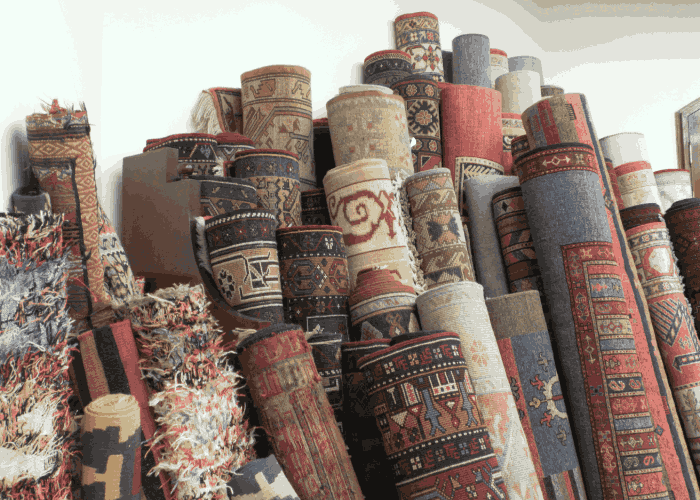
Step into a world where history is woven into every fiber, where ancient traditions meet unparalleled artistry. India’s legacy in premium carpet craftsmanship is not merely a story of textiles; it is a vibrant narrative of culture, skill, and enduring beauty. You are about to embark on a journey through centuries of intricate weaving, discovering why Indian carpets are revered globally.
From the opulent courts of emperors to the modern abodes of discerning collectors, these textile masterpieces have adorned spaces with grace and grandeur. This article will unveil the secrets behind their creation, exploring the techniques, materials, and designs that make them truly exceptional. Prepare to appreciate the profound artistry that defines India’s contribution to the world of fine carpets.
A Tapestry of Time: The Historical Roots of Indian Carpet Making
The story of Indian carpet weaving is deeply intertwined with its rich imperial past, particularly the Mughal Empire. While rudimentary weaving existed earlier, the true golden age of carpet production began with external influences that were expertly assimilated.
You will find that the art form flourished dramatically under the patronage of Mughal emperors. Emperor Akbar, in the late 16th century, is often credited with establishing royal workshops in Agra, Delhi, and Lahore, bringing skilled Persian weavers to train local artisans.
The Mughal Influence: A Royal Legacy
The arrival of Persian master weavers under Akbar’s reign introduced sophisticated knotting techniques and intricate designs. These artisans taught local craftsmen the Persian (Senneh) knot and Turkish (Ghiordes) knot, laying the foundation for India’s distinct style.
Mughal carpets soon became renowned for their exquisite designs, often featuring lush floral motifs, hunting scenes, and garden patterns. You can still see echoes of these imperial aesthetics in many contemporary premium Indian carpets.
This fusion of Persian elegance with indigenous Indian artistic sensibilities created a unique style that was both grand and delicate. The imperial workshops produced carpets of unparalleled quality, reserved for palaces and diplomatic gifts.
Evolution Through Eras: Beyond the Mughals
Even after the decline of the Mughal Empire, the art of carpet weaving persisted and evolved. Various regional kingdoms and later, European trading companies, continued to support and influence the craft.
British influence, for instance, led to the introduction of some Western motifs and a greater emphasis on export. However, the core traditional techniques and the spirit of Indian design largely remained intact.
Today, you can trace these historical threads through the diverse styles and techniques found across different weaving centers in India. Each region carries a piece of this rich historical tapestry.
Key Centers of Craftsmanship: Where Tradition Thrives
India boasts several prominent weaving centers, each with its own unique characteristics and specialties. These regions have become synonymous with particular styles and qualities of premium carpets.
You will discover that places like Kashmir, Agra, Jaipur, and Bhadohi are not just geographical locations; they are hubs of living heritage. Artisans in these areas have passed down their skills through generations, preserving invaluable knowledge.
- Kashmir: Renowned for its luxurious silk carpets, often featuring intricate Persian-inspired designs and vibrant colors. The delicate knotting technique results in exceptionally fine and soft carpets.
- Agra: Famous for its reproduction of classic Mughal designs and high-quality wool carpets. Agra carpets often feature dense knotting and rich, earthy color palettes, evoking timeless elegance.
- Jaipur: Known for its vibrant colors and diverse patterns, including both traditional and contemporary designs. Jaipur’s carpets often reflect the rich cultural heritage of Rajasthan, incorporating local motifs.
- Bhadohi-Mirzapur Belt (Uttar Pradesh): This region is often called the “Carpet City of India” and is a major hub for both hand-knotted and hand-tufted carpets. It produces a vast array of styles, from traditional to modern, catering to global demands.
The Soul of the Loom: Traditional Techniques and Materials
The true magic of a premium Indian carpet lies in the meticulous techniques employed and the exquisite materials chosen. You will find that these elements combine to create a product of both immense beauty and enduring quality.
Understanding these processes will deepen your appreciation for the artistry involved. Each step, from the selection of fibers to the final knot, is executed with precision and a deep respect for tradition.
Hand-Knotting: The Pinnacle of Craftsmanship
Hand-knotting is the most revered and labor-intensive method of carpet production, defining the premium segment. This technique involves individual knots being tied by hand onto a warp (vertical threads) and weft (horizontal threads) foundation.
You will encounter two primary types of knots in Indian carpets: the Persian (Senneh) knot and the Turkish (Ghiordes) knot. The choice of knot impacts the carpet’s texture, durability, and the clarity of its design.
- Persian Knot (Senneh Knot): This asymmetrical knot is tied around one warp thread and under the next, with both ends emerging between the two warp threads. It allows for a denser, finer weave and more intricate designs, giving the carpet a smoother, more refined feel.
- Turkish Knot (Ghiordes Knot): This symmetrical knot is tied around two warp threads, effectively securing both ends of the pile yarn between them. It creates a slightly coarser, more robust pile, often found in more tribal or durable carpets.
The knot count, or KPSI (knots per square inch), is a critical indicator of a carpet’s quality and the intricacy of its design. A higher KPSI signifies a finer weave, greater detail, and often, a higher value.
Hand-Tufting: A Modern Artistic Approach
While hand-knotting represents the apex of traditional craftsmanship, hand-tufting offers a versatile and still artisanal alternative. In this method, skilled artisans use a hand-held tufting gun to punch individual yarns through a fabric backing.
You will find that hand-tufted carpets can achieve a wide range of textures and designs more quickly than hand-knotted ones. They offer excellent durability and design flexibility, making them popular for custom orders.
After the tufting is complete, a secondary backing is applied, and the pile is sheared and carved to create the desired finish and dimension. This method allows for both precision and artistic freedom.
Flatweave (Durries): India’s Distinctive Tradition
Durries are traditional Indian flatweave carpets, distinct from pile carpets. They are woven without knots, creating a flat, reversible surface that is both durable and versatile.
You will appreciate durries for their vibrant colors, geometric patterns, and often lighter weight. They are perfect for casual settings, as floor coverings, or even wall hangings.
The weaving technique is similar to tapestry weaving, where warp and weft threads interlace to create the pattern. Different regions have their own unique durrie styles and motifs.
Materials: The Foundation of Excellence
The selection of raw materials is paramount in creating a premium carpet. Indian artisans meticulously choose fibers for their strength, luster, and ability to hold dye.
You will commonly find carpets made from luxurious silk, resilient wool, and sturdy cotton. Each material contributes distinct characteristics to the final product.
- Silk: Revered for its unparalleled softness, shimmering luster, and incredible strength. Silk carpets, particularly from Kashmir, are known for their exquisite detail and are often considered heirloom pieces. They feel incredibly luxurious underfoot and visually transform a space.
- Wool: The most common and versatile material, offering excellent durability, natural stain resistance, and a wide range of textures. Indian carpets often use high-quality indigenous wool, New Zealand wool, or Merino wool, known for its softness and resilience. Wool provides warmth and a comforting feel.
- Cotton: Primarily used for the warp and weft foundation threads in many wool and silk carpets due to its strength and stability. Cotton can also be used for the pile in some durries, offering a crisp texture and good dye absorption.
Natural Dyes: A Palette from Nature
The vibrant and often harmonious color palettes of premium Indian carpets are frequently achieved through the use of natural dyes. These dyes, derived from plants, insects, and minerals, offer a depth and richness that synthetic dyes often cannot replicate.
You will be fascinated by the traditional dyeing process, which is an art form in itself. Artisans use age-old recipes, carefully extracting colors from sources like indigo (blue), madder root (reds), pomegranate (yellows), and walnuts (browns).
Natural dyes are known for their beautiful aging process, developing a gentle patina over time, and their eco-friendly nature. They contribute significantly to the carpet’s character and authenticity.
Designs That Tell Stories: Motifs and Symbolism
Every premium Indian carpet is a canvas, intricately woven with designs that carry historical, cultural, and sometimes personal significance. You will discover that these motifs are far more than mere decorations; they are visual narratives.
The patterns often reflect a blend of influences, from the grandeur of Persian artistry to the rich symbolism of Indian culture. Understanding these designs adds another layer of appreciation to your carpet.
Persian Influence: Elegance and Intricacy
The enduring legacy of Persian design is evident in many classic Indian carpets. You will often see sophisticated elements that trace their origins back to the Safavid dynasty.
- Medallions: Central, often elaborate, symmetrical designs that anchor the carpet’s composition. They can be round, oval, or star-shaped, frequently surrounded by intricate floral work.
- Arabesques: Flowing, curvilinear patterns of interlaced foliage, vines, and abstract forms. These designs create a sense of continuous movement and organic beauty.
- Floral Patterns: Stylized flowers such as roses, lotus blossoms, and palmettes are depicted with exquisite detail. These often fill the field of the carpet, creating a “garden of paradise” effect.
- Herati (Fish) Pattern: A recurring border or field motif featuring a central rosette enclosed by a diamond, with leaves or fish shapes on either side.
Indian Elements: Reflecting Local Culture
While Persian motifs provided a strong foundation, Indian artisans infused their own cultural symbols and aesthetics into the designs. You will recognize distinct Indian elements that make these carpets uniquely expressive.
- Paisley (Boteh): A teardrop-shaped motif with a curving upper end, believed to represent a cypress tree or a mango. It is a very common and beloved Indian design element.
- Lotus and Mango: Sacred and significant symbols in Indian culture, often stylized and incorporated into floral arrangements or as standalone motifs.
- Animal Motifs: Elephants, peacocks, deer, and tigers can be found, particularly in carpets from regions with a strong connection to nature or hunting traditions. These are often rendered with artistic grace.
- Geometric Patterns: Especially prevalent in durries and some tribal rugs, these patterns include stripes, checks, diamonds, and other angular designs, reflecting local folk art.
Regional Variations: A Kaleidoscope of Styles
Just as weaving techniques differ, so do the design preferences across various Indian regions. You will find that each major weaving center has developed a distinctive aesthetic.
Kashmir, for example, is famous for its intricate shawl patterns woven into silk carpets, often featuring delicate boteh and chinar (plane tree leaf) motifs. Agra carpets, on the other hand, often reproduce classic Mughal floral designs with a more formal symmetry.
The Bhadohi-Mirzapur belt, being a major production hub, offers an incredibly diverse range of designs, from traditional Persian and Indian patterns to contemporary abstract and minimalist styles. This adaptability caters to a global clientele.
Color Palettes: From Earthy Tones to Jewel Hues
The color story of Indian carpets is as rich and varied as its designs. You can find everything from deep, earthy tones that evoke a sense of grounding stability to vibrant jewel-like hues that radiate energy.
Traditional carpets often feature a balanced palette of reds, blues, greens, and creams, reflecting the natural dyes used. Modern interpretations might incorporate more subdued grays, silvers, or bold, contemporary color combinations.
The choice of colors is not arbitrary; it contributes significantly to the mood and overall aesthetic of the carpet, allowing you to select a piece that perfectly complements your space.
The Craftsmanship Journey: From Raw Fiber to Finished Masterpiece
The creation of a premium Indian carpet is a testament to human patience, skill, and dedication. You will be amazed by the labor-intensive journey each carpet undertakes, transformed from humble fibers into a work of art.
This process, largely unchanged for centuries, involves numerous stages, each requiring specialized expertise. It is a true collaboration between nature’s bounty and the artisan’s hand.
- Fiber Preparation: The journey begins with the careful selection and preparation of raw materials. Wool is sheared, cleaned, carded (to align fibers), and then spun into yarn. Silk cocoons are meticulously processed to extract their lustrous threads.
- Dyeing: Yarns are then dyed using either natural vegetable dyes or high-quality synthetic dyes, depending on the desired outcome. The dyeing process is crucial for achieving vibrant, long-lasting colors that resist fading over time.
- Loom Setup: A robust loom, often vertical, is carefully set up with warp threads stretched taut. The design, often hand-drawn on a graph paper “cartoon,” is then transferred to the loom or referred to by the weavers.
- Knotting/Weaving: This is the heart of the process. Multiple weavers, often working side-by-side, meticulously tie individual knots onto the warp threads according to the design. After each row of knots, horizontal weft threads are passed through and beaten down with a comb-like tool to secure the knots and create a dense, even pile.
- Shearing and Finishing: Once the weaving is complete, the carpet is removed from the loom. The pile is then carefully hand-sheared to an even height, revealing the intricate patterns and enhancing the carpet’s luster.
- Washing: The carpet undergoes a thorough washing process, often involving multiple cycles. This cleanses the fibers, enhances the sheen, and helps to set the dyes, giving the carpet its characteristic soft feel.
- Stretching and Drying: After washing, the carpet is stretched and dried, often in the sun, to ensure it retains its shape and lies perfectly flat. This step is critical for preventing warping.
- Final Inspection and Detailing: Before being deemed complete, each carpet undergoes a rigorous inspection. Any loose threads are trimmed, edges are secured, and a final quality check ensures it meets the highest standards of craftsmanship.
You can appreciate that a single large, finely knotted carpet might take several skilled artisans many months, or even years, to complete. This table illustrates the relationship between knot count and the effort involved:
| Knot Count (Knots Per Square Inch – KPSI) | Description | Craftsmanship Level | Approximate Weaving Time (per sq ft) |
|---|---|---|---|
| Under 100 | Coarser weave, often found in less formal carpets. | Basic to Medium | 4-8 hours |
| 100 – 250 | Good quality, detailed designs possible. Common for durable pieces. | Medium to High | 8-16 hours |
| 250 – 500 | Fine quality, intricate patterns, smooth finish. Often silk or fine wool. | High to Expert | 16-32 hours |
| Over 500 | Exceptional quality, extremely detailed, often museum-grade. Typically silk. | Master Craftsman | 32+ hours |
This intricate process highlights the profound dedication and skill embedded in every thread of a premium Indian carpet. You are investing in a piece of art that embodies centuries of tradition.
Beyond Beauty: The Enduring Value of a Premium Indian Carpet
A premium Indian carpet offers far more than just aesthetic appeal; it represents a significant investment in quality, heritage, and enduring value. You are not just buying a floor covering; you are acquiring a piece of history and art.
Understanding these intrinsic values will help you appreciate the true worth of these magnificent textile creations. They enrich your home in multiple dimensions.
Durability and Longevity: Heirloom Quality
Hand-knotted carpets, crafted from high-quality wool or silk, are renowned for their exceptional durability. You can expect a well-made Indian carpet to last for generations, often becoming a cherished family heirloom.
The dense knotting and strong natural fibers ensure that these carpets can withstand considerable foot traffic. With proper care, they retain their beauty and structural integrity for decades.
Investment Value: Appreciating Assets
Certain premium Indian carpets, especially antique pieces, rare designs, or those made with exceptional materials and craftsmanship, can appreciate in value over time. You are acquiring an asset that can grow in worth.
Like fine art, unique and historically significant carpets are sought after by collectors worldwide. Their timeless appeal and limited availability contribute to their investment potential.
Sustainability: Natural and Ethical
Many traditional Indian carpet workshops adhere to sustainable practices, utilizing natural fibers and dyes. You are supporting an industry that often prioritizes eco-friendly methods.
Furthermore, an increasing number of manufacturers are committed to fair trade practices, ensuring that artisans receive fair wages and work in safe conditions. This ethical sourcing adds another layer of value to your purchase.
Cultural Significance: Connecting to Heritage
Owning a premium Indian carpet is like owning a piece of India’s vibrant cultural heritage. You connect directly to the stories, traditions, and artistic expressions of a timeless civilization.
Each motif, color, and knot tells a part of this story, bringing a sense of history and depth into your living space. It is a tangible link to centuries of human creativity.
Aesthetic Impact: Transforming Spaces
Beyond all else, a premium Indian carpet has the power to utterly transform a room. You will find that it acts as a focal point, grounding the decor and adding warmth, texture, and sophistication.
Whether you choose a vibrant traditional design or a subtle contemporary pattern, the carpet instantly elevates the ambiance. It brings an unparalleled sense of luxury and comfort to your home.
Navigating the Market: Choosing Your Indian Masterpiece
Selecting a premium Indian carpet is an exciting endeavor, but it requires careful consideration. You want to ensure you choose a piece that not only resonates with your aesthetic but also represents true value and quality.
By understanding key factors and knowing what to look for, you can confidently acquire a masterpiece that you will cherish for years to come. Here’s what you should consider.
Key Considerations: Material, Knot Count, Design, and Origin
When you are in the market for a premium Indian carpet, several factors will guide your decision. Each aspect contributes to the carpet’s overall quality and suitability for your space.
- Material: Decide between the luxurious sheen of silk, the durable comfort of wool, or a blend. Silk is ideal for low-traffic areas or wall hangings, while wool is excellent for everyday use.
- Knot Count (KPSI): A higher knot count generally indicates finer detail and higher quality. For a truly premium hand-knotted carpet, aim for at least 100-150 KPSI, and much higher for exceptional silk pieces.
- Design and Color: Choose a design that complements your interior style, whether it’s traditional, transitional, or modern. Consider the color palette and how it harmonizes with your existing furnishings and lighting.
- Origin: While many carpets are marketed as “Indian,” knowing the specific weaving center (e.g., Kashmir, Agra, Bhadohi) can give you insights into its characteristic style and quality. Reputable sellers will provide this information.
- Size and Shape: Carefully measure your space to determine the appropriate size and shape. A carpet should define a seating area or fill a room without overwhelming it.
Authenticity: How to Verify
Ensuring the authenticity of a premium Indian carpet is crucial. You want to be confident that you are investing in a genuine, hand-crafted piece.
Always purchase from reputable dealers who can provide certificates of authenticity and detailed information about the carpet’s origin, materials, and knot count. Examine the back of a hand-knotted carpet; the knots should be visible and irregular, not perfectly uniform like machine-made rugs.
Feel the carpet’s pile; hand-knotted carpets often have a unique softness and resilience. Don’t hesitate to ask questions about the craftsmanship and history of the piece.
Care and Maintenance: Preserving Its Beauty
To ensure your premium Indian carpet retains its beauty and longevity, proper care and maintenance are essential. You will find that a little effort goes a long way in preserving your investment.
Regular vacuuming (without a beater bar) will remove dirt and dust. Promptly blot spills with a clean cloth, avoiding harsh chemicals. Rotate your carpet periodically to ensure even wear.
For deep cleaning, always consult a professional rug cleaner specializing in hand-knotted carpets. Avoid machine washing or harsh chemical treatments, as these can damage the fibers and dyes.
The Modern Thread: Innovation Meets Tradition
While deeply rooted in tradition, India’s carpet industry is not static; it is continually evolving. You will witness a fascinating interplay between ancient techniques and contemporary demands, ensuring the legacy continues to thrive.
This dynamic balance allows premium Indian carpets to remain relevant in modern interior design while honoring their rich heritage. The industry is adapting to new challenges and opportunities.
Contemporary Designs and Colors
Today, you can find premium Indian carpets that transcend purely traditional aesthetics. Designers are collaborating with artisans to create modern, abstract, and minimalist patterns that appeal to a broader international audience.
These contemporary pieces often incorporate fresh color palettes, from muted pastels to bold geometric contrasts. They demonstrate the versatility of Indian craftsmanship, proving it can adapt without sacrificing quality.
Fair Trade Practices and Ethical Sourcing
The global demand for ethically produced goods has influenced the carpet industry significantly. You will find a growing number of Indian manufacturers committed to fair trade principles.
These initiatives ensure that weavers and artisans receive fair wages, work in safe conditions, and are protected from exploitation. Choosing carpets from such sources allows you to support sustainable livelihoods and responsible production.
Global Reach and E-Commerce
The digital age has brought Indian carpets to a global audience like never before. You can now explore and purchase exquisite pieces from reputable dealers online, making these masterpieces more accessible.
This global reach has also fostered greater cultural exchange, with Indian designs influencing international trends and vice versa. It ensures that the art of the thread continues to captivate across continents.
Design Collaborations: Bridging Worlds
Many international interior designers and artists are collaborating with Indian carpet manufacturers to create unique collections. These partnerships blend global design sensibilities with traditional Indian weaving expertise.
Such collaborations result in innovative carpets that respect ancient techniques while pushing the boundaries of contemporary design. You benefit from a broader range of truly unique and artistic creations.
Conclusion
As you reflect on this journey through India’s rich legacy in premium carpet craftsmanship, you have undoubtedly gained a profound appreciation for “The Art of the Thread.” From the grandeur of Mughal patronage to the intricate dance of the artisan’s hands, each carpet embodies centuries of history, skill, and cultural expression.
You have seen how meticulous hand-knotting, the finest materials, and designs steeped in symbolism converge to create more than just a floor covering. These are enduring works of art, capable of transforming any space and becoming cherished heirlooms.
Investing in a premium Indian carpet is an invitation to bring a piece of this vibrant heritage into your home. It is a testament to timeless beauty, unparalleled quality, and the profound human spirit of creation. Let the artistry of India weave its magic into your life.
Frequently Asked Questions (FAQ)
What makes an Indian carpet “premium”?
A premium Indian carpet is typically hand-knotted, made from high-quality natural materials like fine wool or silk, and features intricate designs with a high knot count (KPSI). It is crafted by skilled artisans using traditional techniques passed down through generations. You can expect superior durability, detailed artistry, and often, the use of natural dyes.
How can I tell if an Indian carpet is hand-knotted versus machine-made?
You can identify a hand-knotted carpet by examining its back; the knots will be slightly irregular, and the pattern will be visible. Machine-made carpets have perfectly uniform knots and often a stiff, machine-stitched backing. Also, hand-knotted carpets typically have fringes that are an extension of the warp threads, not sewn on separately.
What is KPSI and why is it important?
KPSI stands for Knots Per Square Inch, and it measures the density of knots in a hand-knotted carpet. A higher KPSI indicates a finer weave, allowing for more intricate designs and greater detail. It generally correlates with higher quality, durability, and value.
For you, it means a more refined and visually stunning carpet.
Are Indian silk carpets durable enough for high-traffic areas?
While silk is incredibly strong, its delicate texture and luxurious sheen are best preserved in low-to-medium traffic areas. For high-traffic spaces, you might consider a high-quality wool carpet, which offers excellent resilience and durability. You should choose the material based on the intended use of the room.
How should I clean and maintain my premium Indian carpet?
Regular maintenance is key. You should vacuum your carpet regularly (using suction only, no beater bar) to remove dust and dirt. For spills, blot immediately with a clean, white cloth; avoid rubbing.
For deep cleaning, always consult a professional rug cleaner who specializes in hand-knotted or antique carpets. Harsh chemicals and machine washing can damage delicate fibers and dyes.
Do Indian carpets fade over time?
High-quality Indian carpets, especially those made with natural dyes, are designed to retain their color for many years. However, prolonged exposure to direct sunlight can cause some fading over decades. You can minimize this by rotating your carpet periodically or using UV-filtering window treatments.
What is the difference between a Persian knot and a Turkish knot?
The Persian (Senneh) knot is asymmetrical, tied around one warp thread and under the next, creating a denser, finer pile with clearer designs. The Turkish (Ghiordes) knot is symmetrical, tied around two warp threads, resulting in a slightly coarser but very durable pile. You’ll find that the Persian knot allows for more intricate detail, while the Turkish knot is very robust.