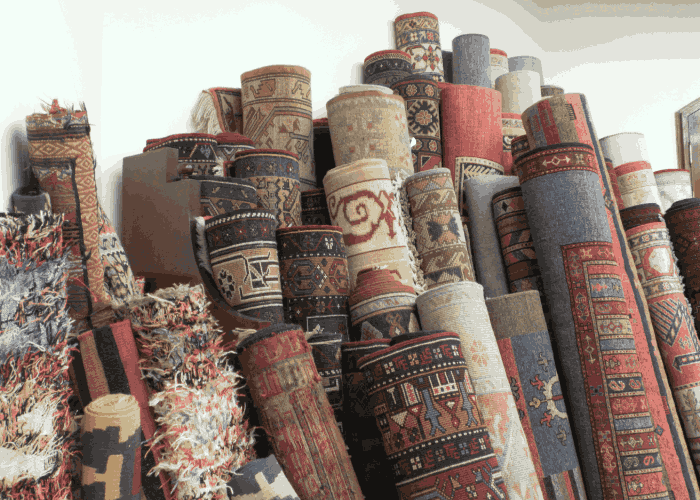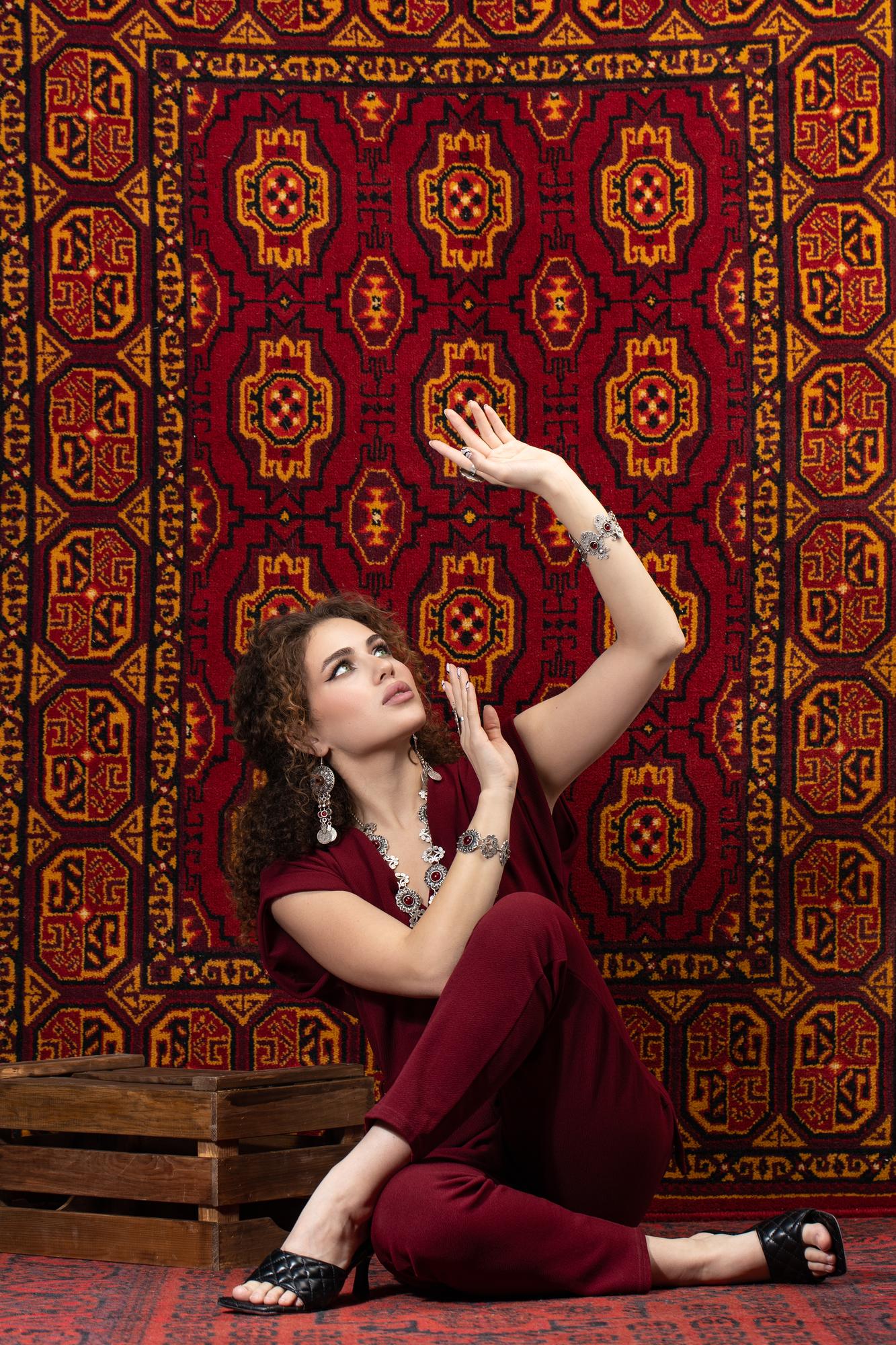
Have you ever paused to consider the silent narrators of history, the timeless pieces that transcend mere utility to become embodiments of art and culture? For centuries, Indian premium carpets have been precisely that: exquisite storytellers woven with threads of tradition, innovation, and unparalleled luxury. They are not simply floor coverings; they are magnificent tapestries that capture the essence of a rich heritage, meticulously crafted to adorn the most discerning spaces across the globe.
From the bustling bazaars of ancient India to the sophisticated showrooms of modern metropolises, these carpets have journeyed far and wide, carrying with them the legacy of exceptional craftsmanship. You are about to embark on an insightful exploration into the world of Indian premium carpets. Discover what makes them a coveted choice for interior designers, luxury homeowners, and art collectors worldwide, truly weaving a global story of opulence and heritage.
A Legacy Woven in Time: The Rich Tapestry of Indian Carpet Craftsmanship
The art of carpet weaving in India boasts a history as rich and intricate as the patterns on the carpets themselves. Its roots can be traced back to the Mughal Empire, particularly during the reign of Emperor Akbar in the 16th century.
Akbar, captivated by the exquisite Persian carpets, brought master weavers from Persia to establish royal workshops in India. This fusion of Persian techniques with indigenous Indian artistic sensibilities gave birth to a unique style that quickly flourished.
Over generations, Indian weavers not only mastered these intricate techniques but also innovated, developing their own distinct motifs, color palettes, and weaving styles. This evolution transformed carpet weaving into a profound art form, passed down through families and communities.
Today, this generational knowledge transfer ensures that the ancient traditions and secret techniques continue to thrive. When you invest in an Indian premium carpet, you are not just acquiring a decorative item; you are becoming a custodian of centuries of artistic legacy and cultural heritage.
The Art of Distinction: What Makes Indian Carpets Premium?
What elevates an Indian carpet from a mere floor covering to a premium, sought-after luxury item? It is a harmonious blend of exceptional materials, unparalleled craftsmanship, sophisticated dyeing techniques, and timeless design aesthetics. Understanding these elements will allow you to truly appreciate the value and artistry embedded in each piece.
Material Matters: The Foundation of Luxury
The quality of a premium carpet begins with its raw materials. Indian weavers meticulously select the finest fibers to ensure durability, softness, and a luxurious feel. You will find a variety of exquisite materials used in these masterpieces:
- Silk: Considered the epitome of luxury, silk carpets are renowned for their incredible luster, softness, and strength.
- Indian silk, particularly mulberry silk, allows for extremely fine knotting, resulting in intricate details and vibrant colors.
- These carpets often possess a shimmering quality that changes with the light, adding dynamic elegance to any room.
- Wool: High-quality wool is a cornerstone of premium Indian carpets, offering exceptional durability, resilience, and a soft touch.
- Many premium carpets use imported wool from New Zealand or Merino wool, known for its long staple and natural lanolin content, which makes it stain-resistant and lustrous.
- Indigenous Indian wool is also used, prized for its unique texture and strength, contributing to the distinct character of regional carpets.
- Cotton: While not typically used for the pile, cotton is frequently employed for the foundation (warp and weft) of hand-knotted carpets.
- Its strength and stability provide a robust base, ensuring the carpet retains its shape and integrity over time.
- This careful selection of foundational material contributes significantly to the carpet’s longevity and structural soundness.
- Other Exotic Fibers: Occasionally, you might find blends with bamboo silk for added sheen or even metallic threads for a touch of contemporary glamour.
- These unique additions cater to specific design preferences, offering a broader spectrum of textures and visual effects for discerning clients.
Hand-Knotted vs. Hand-Tufted vs. Flatweave: A Spectrum of Craftsmanship
The method of construction is a critical factor in determining a carpet’s premium status and value. While various techniques exist, hand-knotted carpets represent the pinnacle of Indian craftsmanship.
- Hand-Knotted Carpets: These are the true works of art, meticulously crafted knot by single knot on a loom.
- Each knot is individually tied by hand, a process that is incredibly labor-intensive and time-consuming.
- This technique results in exceptional durability, intricate designs, and a carpet that can last for generations, often increasing in value over time.
- The higher the knot density (measured in knots per square inch or KPSI), the more intricate the design and the finer the quality of the carpet.
- Hand-Tufted Carpets: In this method, yarn is punched through a fabric backing using a tufting gun, then secured with latex adhesive and a secondary backing.
- While still made by hand, this process is much faster than hand-knotting, making these carpets more affordable.
- They offer a wide range of designs and textures but generally do not possess the same heirloom quality or investment potential as hand-knotted pieces.
- Flatweave Carpets (Durries): These carpets are woven without a pile, creating a flat, reversible surface.
- Durries are known for their vibrant colors, geometric patterns, and suitability for high-traffic areas.
- They represent a distinct and ancient form of Indian textile art, offering a different kind of aesthetic appeal and durability.
Dyeing Techniques: The Palette of Perfection
The captivating colors of Indian carpets are a testament to sophisticated dyeing techniques. The choice of dyes significantly impacts a carpet’s visual appeal, colorfastness, and overall longevity.
- Natural Dyes: Traditionally, Indian weavers used natural dyes derived from plants, insects, and minerals.
- These vegetable dyes produce rich, subtle, and harmonious colors that age beautifully, developing a unique patina over time.
- Natural dyes are environmentally friendly and known for their exceptional colorfastness, meaning they resist fading even after prolonged exposure to light.
- Synthetic Dyes: Modern synthetic dyes offer a broader spectrum of vibrant and consistent colors.
- High-quality synthetic dyes are carefully selected to ensure colorfastness and brilliance, meeting contemporary aesthetic demands.
- The best premium carpets often strike a balance, sometimes using a combination of both to achieve specific effects while maintaining quality.
Design Aesthetics: A Symphony of Motifs and Styles
Indian carpets are celebrated for their diverse and often breathtaking design aesthetics, reflecting centuries of cultural exchange and artistic evolution. You will find a range of styles that can complement any interior design scheme.
- Traditional Designs: Many premium Indian carpets draw inspiration from classic Persianate, Mughal, and Indo-Persian motifs.
- These include intricate floral patterns, medallions, arabesques, and highly stylized animal figures, each telling a story.
- The symmetry, balance, and fine detailing in these designs are hallmarks of their timeless beauty and sophistication.
- Contemporary and Transitional Designs: Recognizing evolving tastes, Indian weavers also produce stunning contemporary and transitional carpets.
- These designs often feature abstract patterns, geometric shapes, or subtle textures, perfectly blending traditional craftsmanship with modern sensibilities.
- They offer a fresh perspective while maintaining the inherent quality and artistry for which Indian carpets are known.
- Regional Variations: Different regions in India have developed their own distinct design languages, reflecting local traditions and influences.
- For example, Kashmiri carpets are known for their delicate, intricate patterns, while Jaipur durries boast bold geometric motifs and vibrant colors.
- These regional specificities add another layer of richness and choice, allowing you to select a carpet that truly resonates with your personal style.
Regional Excellence: A Glimpse into India’s Carpet Hubs
India’s vast landscape is dotted with distinct carpet weaving centers, each renowned for its unique style, materials, and techniques. Exploring these hubs offers a deeper appreciation for the diversity of Indian carpet artistry. You will find that each region contributes its own special character to the global narrative of luxury carpets.
Kashmir: The Jewel of Indian Carpets
Kashmir is synonymous with some of the finest silk carpets in the world. The serene beauty of the region seems to be woven into every thread.
Kashmiri carpets are primarily hand-knotted in silk, sometimes with a cotton foundation, and are known for their exceptionally high knot count. This allows for incredibly intricate and delicate designs, often inspired by Persian motifs, local flora, and traditional paisley patterns.
Their characteristic sheen and softness make them highly coveted, often used as wall hangings or decorative pieces rather than floor coverings in high-traffic areas. When you see a Kashmiri silk carpet, you are witnessing the pinnacle of detailed craftsmanship.
Bhadohi-Mirzapur Belt: The Carpet Capital of India
Located in Uttar Pradesh, the Bhadohi-Mirzapur region is the largest carpet manufacturing hub in India, often referred to as the “Carpet City.” This area produces a vast array of carpets, catering to diverse global markets.
The weavers here are masters of both wool and silk carpets, often blending them to achieve unique textures and visual effects. You can find everything from traditional Persian designs to modern abstract patterns here.
The region is particularly known for its production of high-quality hand-knotted wool carpets, including Indo-Persian, Gabbeh, and contemporary designs. This belt is a powerhouse of innovation and tradition in equal measure.
Jaipur: The Heart of Rajasthani Flatweaves
The vibrant city of Jaipur in Rajasthan is famous for its exquisite “durries” – a type of flatweave carpet. These carpets are distinct from pile carpets as they are woven without knots, creating a flat, reversible surface.
Jaipur durries are characterized by their bold geometric patterns, vibrant color palettes, and durable construction. They are often made from cotton or wool, making them versatile for both indoor and outdoor use.
The traditional designs often incorporate indigenous Rajasthani motifs, reflecting the rich cultural heritage of the region. A Jaipur durrie adds a touch of rustic elegance and artistic flair to any space.
Agra: A Nod to Mughal Grandeur
Agra, home to the iconic Taj Mahal, also has a rich history of carpet weaving, closely tied to its Mughal past. Carpets from Agra are renowned for their traditional Mughal and Indo-Persian designs.
They often feature intricate floral patterns, medallions, and a sophisticated color palette that exudes timeless elegance. Agra carpets are typically hand-knotted, often using high-quality wool or silk, reflecting a commitment to traditional techniques.
When you choose an Agra carpet, you are embracing a piece of history, a direct descendant of the opulent carpets that once graced Mughal palaces.
The Journey from Loom to Living Room: Quality Assurance and Ethical Practices
When you invest in a premium Indian carpet, you are not just purchasing a beautiful object; you are acquiring a product that has undergone rigorous quality checks and adheres to stringent ethical standards. The journey from raw material to your living room is one marked by meticulous attention to detail and a commitment to responsible production.
Stringent Quality Checks: Ensuring Perfection
Every step in the creation of a premium Indian carpet is subject to strict quality control. This dedication ensures that only the finest products reach you.
- Raw Material Selection: The process begins with the careful selection of raw materials. Only the highest grades of silk, wool, and cotton are chosen, inspected for fiber length, strength, and purity.
- Dyeing Process: Dyes are tested for colorfastness and consistency to ensure vibrant, long-lasting hues that will not fade over time.
- Weaving Supervision: During the weaving process, master weavers and supervisors regularly inspect the knotting density, pattern accuracy, and overall tension. This prevents imperfections and maintains design integrity.
- Finishing Touches: After weaving, carpets undergo a thorough washing and shearing process. They are then meticulously inspected for any remaining flaws, loose threads, or unevenness before being deemed ready for export.
Ethical Sourcing: Weaving a Better Future
The premium carpet industry in India is increasingly committed to ethical production practices. This ensures that the beauty of your carpet is matched by the integrity of its creation.
- Child Labor Free: Reputable manufacturers and exporters strictly adhere to child labor prevention policies. They often partner with organizations dedicated to eradicating child labor in the industry.
- Fair Wages and Working Conditions: Artisans are paid fair wages and provided with safe, healthy working conditions. This helps sustain the weaving communities and preserves traditional craftsmanship.
- Sustainable Practices: Many manufacturers are adopting sustainable practices, from using eco-friendly dyes to minimizing waste and conserving water during the production process.
- Certifications: Look for certifications from organizations like GoodWeave International. These certifications guarantee that a carpet was produced without child labor and that fair labor practices were followed. This provides you with peace of mind regarding your purchase.
Customization Options: Tailoring Your Vision
One of the significant advantages of choosing a premium Indian carpet is the extensive customization available. You can bring your unique vision to life.
- Bespoke Designs: Many premium manufacturers offer bespoke services, allowing you to commission carpets with specific designs, motifs, and color palettes.
- Size and Shape: Whether you need an unusual size, a runner for a hallway, or a round carpet for a specific room, customization ensures a perfect fit.
- Material and Texture: You can often choose specific wool blends, silk content, or even pile heights to achieve the desired texture and luxurious feel. This level of personalization makes your carpet truly unique.
Investing in Art: Why Choose an Indian Premium Carpet?
Choosing an Indian premium carpet is more than just a purchase; it is an investment in art, heritage, and enduring luxury. You are not simply decorating a space; you are enriching it with a piece that tells a story and offers tangible benefits for years to come.
Durability and Longevity: An Heirloom for Generations
Premium hand-knotted Indian carpets are built to last, often for many generations. The meticulous hand-knotting process creates a dense, strong pile that withstands the test of time and traffic.
Unlike machine-made carpets, which can wear out quickly, a well-maintained Indian hand-knotted carpet retains its beauty and structural integrity for decades. This makes it a true heirloom, a piece you can pass down through your family, carrying memories and stories with it.
Aesthetic Appeal: Elevating Your Interiors
The visual impact of an Indian premium carpet is undeniable. Its intricate designs, rich colors, and luxurious textures instantly elevate the aesthetic of any room.
Whether you prefer a traditional motif that adds a touch of classical elegance or a contemporary design that provides a sophisticated focal point, an Indian carpet transforms a space. It adds warmth, character, and a sense of refined taste that is hard to replicate with other furnishing elements.
Investment Value: A Tangible Asset
While not all carpets appreciate in value, high-quality, hand-knotted Indian carpets with exceptional craftsmanship and rare designs can be a sound investment. Their value can increase over time, especially if they are well-maintained and from renowned weaving centers.
As genuine works of art, they hold cultural and historical significance that contributes to their long-term worth. For many, collecting premium carpets is akin to collecting fine art, offering both aesthetic pleasure and potential financial return.
Supporting Craftsmanship: Preserving a Rich Heritage
By choosing an Indian premium carpet, you are directly supporting the thousands of skilled artisans and their communities who keep this ancient craft alive. You contribute to the preservation of traditional weaving techniques and design knowledge that have been passed down for centuries.
Your purchase helps ensure that these invaluable skills continue to thrive, providing livelihoods and fostering cultural continuity. It’s a conscious choice to support ethical production and celebrate human artistry in a world increasingly dominated by mass-produced goods.
Comparative Overview: Indian Premium Carpet Types
To help you navigate the diverse world of Indian premium carpets, here is a comparative overview of some key types and their distinguishing features. This table will assist you in understanding the unique characteristics that each region or style offers.
| Region/Type | Primary Material | Typical Design | Knot Density (KPSI) | Key Feature |
|---|---|---|---|---|
| Kashmir Silk | Mulberry Silk (Pile), Cotton (Foundation) | Persianate, Floral, Paisley, Medallion | High (300-1000+) | Exceptional luster, intricate detail, delicate feel, often used as wall hangings. |
| Bhadohi Wool | New Zealand/Indian Wool (Pile), Cotton (Foundation) | Indo-Persian, Gabbeh, Contemporary, Abstract | Medium to High (100-300) | Versatile, durable, wide range of designs, largest production hub. |
| Jaipur Durrie | Cotton, Wool (Flatweave) | Geometric, Striped, Tribal, Rajasthani Motifs | N/A (Flatweave) | Reversible, lightweight, vibrant colors, suitable for high-traffic areas, rustic charm. |
| Agra Wool/Silk | Wool or Silk (Pile), Cotton (Foundation) | Mughal, Indo-Persian, Classic Medallion | Medium to High (150-400) | Traditional elegance, sophisticated color palettes, historical significance. |
| Mirzapur Wool | Indian Wool (Pile), Cotton (Foundation) | Traditional, Contemporary, often larger sizes | Medium (80-200) | Robust construction, good value, diverse design options. |
Conclusion
As you have seen, India’s premium carpets are far more than just decorative items; they are magnificent expressions of art, history, and unparalleled craftsmanship. They embody a legacy passed down through generations, meticulously woven with the finest materials and an unwavering commitment to quality.
By choosing an Indian premium carpet, you are not only enhancing your living space with enduring beauty and luxury but also investing in a piece of cultural heritage. You are supporting skilled artisans and contributing to the continuation of an ancient, revered tradition.
We encourage you to explore the exquisite world of Indian premium carpets. Discover the perfect piece that resonates with your personal style and allows you to weave a story of luxury and legacy into your own home. Let these timeless creations transform your space and become cherished heirlooms for generations to come.
Frequently Asked Questions (FAQs)
Here are some common questions you might have about Indian premium carpets, providing further insights to guide your informed decision.
What makes Indian carpets unique compared to others?
Indian carpets stand out due to their rich historical legacy, particularly the Mughal influence which introduced Persian weaving techniques and designs. They are unique for their diverse regional styles, the meticulous hand-knotting process, and the use of high-quality natural materials like silk and fine wool. The blend of traditional motifs with contemporary aesthetics also sets them apart.
How do I care for my premium Indian carpet to ensure its longevity?
Proper care is essential for preserving your carpet’s beauty. You should regularly vacuum your carpet gently, avoiding the fringe. Rotate it periodically to ensure even wear.
For spills, blot immediately with a clean cloth, avoiding harsh chemicals. Professional cleaning by a specialist in hand-knotted carpets is recommended every few years to maintain its luster and extend its life.
What is the difference between hand-knotted and hand-tufted carpets?
The primary difference lies in their construction. Hand-knotted carpets are made by individually tying each knot onto a warp and weft foundation, a very labor-intensive process that results in exceptional durability and value. Hand-tufted carpets, on the other hand, are made by punching yarn through a canvas backing with a tufting gun, then securing it with latex and a secondary backing.
Hand-knotted carpets are generally considered higher quality and more durable.
Are Indian carpets ethically produced?
Many reputable Indian carpet manufacturers and exporters are committed to ethical production. They adhere to strict standards regarding child labor, fair wages, and safe working conditions. Look for carpets certified by organizations like GoodWeave International, which ensures that no child or forced labor was used in the making of the carpet.
This allows you to purchase with confidence, knowing your carpet was ethically sourced.
How can I identify a good quality Indian carpet?
Several factors indicate good quality. Look for a high knot density (KPSI), which signifies intricate detail and durability. Examine the materials; premium carpets use fine wool, silk, or cotton.
Check for consistent colors, even pile height, and a strong, stable foundation. The design should be clear and well-defined, and the carpet should lie flat without buckling. Don’t hesitate to ask for details about the materials and construction method.