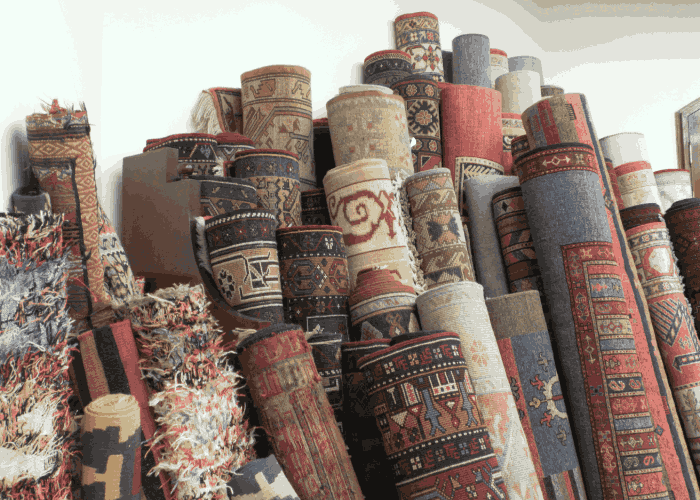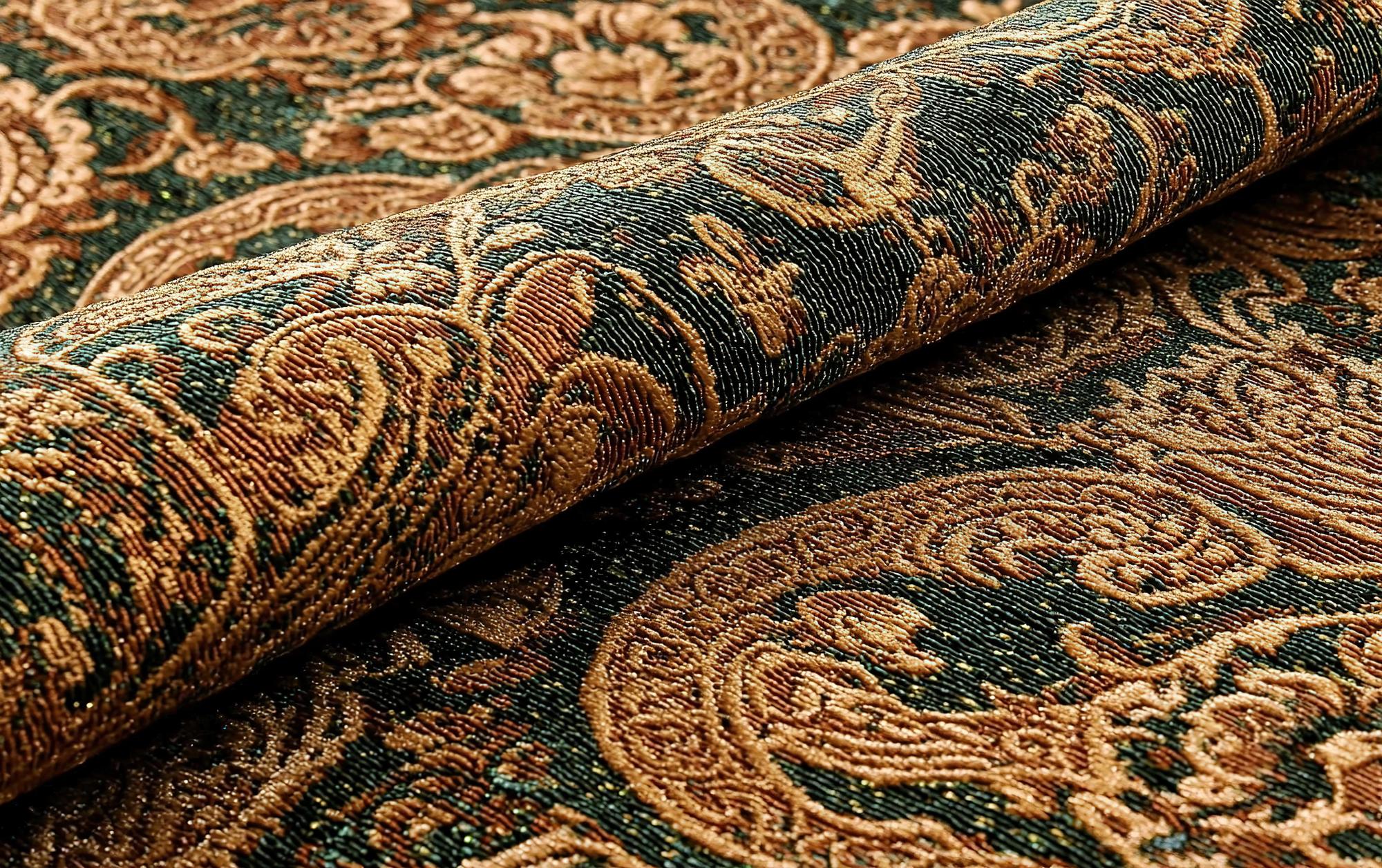
Step into the world where design transcends the ordinary, where every element contributes to an atmosphere of unparalleled sophistication. You understand that true luxury lies in the details, in pieces that tell a story and elevate your living spaces beyond mere functionality.
For discerning homeowners and interior designers, the floor is not just a surface; it is a canvas awaiting transformation. This is where premium Indian carpets emerge as masterpieces, offering more than just warmth or color.
These exquisite textiles are investments in art, heritage, and the very soul of your luxury interior. You are about to discover how these hand-crafted treasures can redefine elegance, infusing your home with character, comfort, and an undeniable aura of opulence.
The Enduring Legacy of Indian Carpet Weaving
When you consider a premium Indian carpet, you are not just acquiring a floor covering. You are becoming a custodian of centuries of artistic tradition and unmatched craftsmanship. India’s history of carpet weaving is rich and deeply intertwined with its cultural evolution.
This legacy of artistry has been passed down through generations, ensuring that each carpet carries a piece of history within its intricate knots and vibrant patterns. You are investing in a tradition that values skill, patience, and beauty above all else.
A Tapestry of History and Artistry
The art of carpet weaving in India flourished significantly under the patronage of the Mughal emperors, beginning in the 16th century. Emperors like Akbar brought Persian master weavers to India, blending indigenous artistic sensibilities with sophisticated Persian techniques.
This fusion gave birth to a unique Indo-Persian style, characterized by its intricate floral motifs, majestic hunting scenes, and vibrant color palettes. You can still see echoes of this glorious past in many contemporary designs.
Regions like Kashmir became renowned for their exquisite silk carpets, while Bhadohi and Mirzapur emerged as hubs for fine wool and cotton weaves. Each region developed its distinct weaving traditions, materials, and design preferences, contributing to the incredible diversity you see today.
These carpets were not just utilitarian items; they were symbols of status, wealth, and artistic refinement. They adorned royal palaces and noble homes, transforming spaces into lavish displays of power and beauty.
Beyond Mass Production: The Hand-Crafted Difference
In an age of rapid production and disposable goods, the hand-crafted nature of premium Indian carpets stands in stark contrast. Each knot is individually tied by a skilled artisan, a process that can take months or even years to complete for a single rug.
This meticulous hand-knotting process is what imbues these carpets with their exceptional durability and unique character. You are receiving a piece that is truly one-of-a-kind, bearing the subtle marks of human touch and dedication.
The patience and precision involved in hand-weaving translate into a product of unparalleled quality and depth. Unlike machine-made carpets, which often have repetitive, shallow patterns, hand-knotted carpets offer a richness that evolves with light and perspective.
This artisanal approach ensures that no two premium Indian carpets are exactly alike, even if they share a similar design. You are acquiring an item with its own unique personality, a testament to the individual weaver’s skill and artistic interpretation.
Unveiling the Characteristics of Premium Indian Carpets
What truly sets premium Indian carpets apart are the exceptional qualities inherent in their creation. From the selection of raw materials to the complexity of their designs and the mastery of their construction, every aspect is a testament to luxury.
You will find that these characteristics combine to create a floor covering that is not just beautiful, but also a long-lasting work of art. Understanding these elements will help you appreciate the true value you are bringing into your home.
Exquisite Materials: A Touch of Opulence
The foundation of any premium carpet lies in the quality of its materials. Indian artisans meticulously select fibers that offer the best combination of beauty, durability, and luxurious feel.
- Silk: Renowned for its unparalleled sheen, softness, and strength, silk carpets are the epitome of luxury. They glint with a distinct luminescence, changing appearance depending on the angle of light, creating a dynamic visual effect that captivates you. Silk is ideal for low-traffic areas where its delicate beauty can be fully appreciated and preserved.
- Wool: High-quality wool, often sourced from New Zealand or Merino sheep, provides exceptional resilience, warmth, and a natural resistance to dirt and stains due to its lanolin content. Wool carpets offer a plush, comforting feel underfoot and are incredibly durable, making them suitable for high-traffic areas in your home.
- Blends: Sometimes, a blend of silk and wool is used to combine the best attributes of both. This results in carpets that possess the strength and resilience of wool, complemented by the luxurious sheen and softness of silk, offering you a versatile and exquisite option.
- Natural Dyes: Many premium Indian carpets utilize vegetable and mineral dyes, known for their ability to produce deep, rich, and nuanced colors that age gracefully over time. These natural dyes offer an organic vibrancy that synthetic dyes often struggle to replicate, ensuring your carpet retains its captivating hues.
Intricate Designs and Patterns: A Visual Symphony
The design of a premium Indian carpet is often its most striking feature, a complex narrative woven into every thread. You can choose from a vast array of styles, each offering a distinct aesthetic.
- Traditional Designs: Drawing inspiration from Persian, Mughal, and classical Indian motifs, these carpets feature elaborate medallions, intricate floral patterns, and curvilinear forms. They exude timeless elegance and grandeur, perfect for you if you appreciate classic luxury.
- Contemporary and Transitional: Adapting to modern aesthetics, many premium Indian carpets now feature geometric patterns, abstract expressions, and simplified motifs. These designs offer a fresh take on traditional craftsmanship, allowing you to integrate them seamlessly into modern luxury interiors.
- Floral and Botanical: From delicate blossoms to sprawling “Tree of Life” motifs, floral patterns are a perennial favorite. They bring a sense of nature’s beauty and tranquility into your home, softening sharp lines and adding an organic touch.
- Geometric and Abstract: For those who prefer a more structured or avant-garde look, geometric patterns offer clean lines and bold statements. Abstract designs, meanwhile, provide artistic freedom and can serve as a powerful focal point in your contemporary space.
Superior Weaving Techniques: The Foundation of Quality
The method by which a carpet is constructed significantly impacts its durability, feel, and overall value. Premium Indian carpets are predominantly crafted using time-honored techniques.
- Hand-Knotted: This is the most revered and labor-intensive method, where individual knots are tied by hand onto the warp threads. The knot count per square inch (KPSI) is a key indicator of quality, with higher KPSI meaning greater detail, density, and durability. Hand-knotted carpets are considered heirlooms and can appreciate in value over time, offering you a true investment piece.
- Hand-Tufted: While still hand-made, tufted carpets are created by punching individual strands of yarn through a fabric backing with a tufting gun. A secondary backing is then applied, often with latex, to secure the fibers. This process is quicker than hand-knotting, allowing for greater design versatility at a more accessible price point, without compromising on aesthetic appeal.
- Handloom (Flatweave): These carpets, such as dhurries and kilims, are woven without a pile, creating a flat, reversible surface. They are known for their distinct texture, durability, and often feature geometric or striped patterns. Handloom carpets offer you a lighter, more casual yet sophisticated option, perfect for layering or adding a touch of rustic luxury.
Understanding these weaving techniques allows you to make an informed decision, selecting a carpet that perfectly aligns with your aesthetic preferences, functional needs, and investment goals.
The Transformative Power in Luxury Interiors
A premium Indian carpet is far more than an accessory; it is a fundamental design element that can profoundly influence the ambiance and functionality of your luxury interior. You will discover how these exquisite pieces become the soul of a room, dictating its mood and enhancing its overall appeal.
The right carpet has the power to unify disparate elements, introduce harmony, or create dramatic contrasts. It offers you an unparalleled opportunity to express your unique style and elevate your home to new levels of sophistication.
Defining Zones and Enhancing Flow
In modern luxury homes, particularly those with open-plan layouts, defining distinct functional zones can be a challenge. A premium Indian carpet offers an elegant and effective solution.
You can use a large carpet to anchor a living area within a larger space, clearly separating it from a dining or kitchen zone without the need for physical barriers. This creates a sense of intimacy and purpose within expansive interiors.
Carpets can also guide the eye and enhance the flow of movement through your home. Strategically placed runners in hallways or a series of coordinated rugs can create visual pathways, leading you gracefully from one area to another.
This intelligent use of carpets helps to create a coherent and inviting environment, making your open-plan living feel both expansive and thoughtfully segmented. You will appreciate how a carpet effortlessly brings order to your grand spaces.
Adding Warmth, Texture, and Acoustic Comfort
Luxury interiors often feature hard surfaces like marble, polished concrete, or hardwood, which can sometimes feel cold or austere. A premium Indian carpet instantly introduces a vital layer of warmth and inviting texture.
The soft pile of a wool or silk carpet provides an unparalleled tactile experience, making your space feel more welcoming and comfortable. You will relish the sensation of sinking your feet into its plush fibers.
Beyond visual and tactile comfort, carpets play a crucial role in improving acoustic quality. They absorb sound, reducing echoes and reverberation in large rooms with high ceilings, creating a quieter and more serene environment for you.
This acoustic dampening contributes significantly to the overall sense of tranquility and luxury within your home. You will notice a distinct difference in the peacefulness of your space.
A Statement Piece and Focal Point
Many luxury interiors benefit from a strong focal point, an element that draws the eye and anchors the room’s design. A premium Indian carpet, with its intricate patterns and rich colors, is perfectly suited to this role.
Imagine a magnificent hand-knotted carpet with a central medallion design commanding attention in your grand living room. It instantly becomes the heart of the space, around which all other furnishings gracefully revolve.
This allows you to express your personal style and taste in a dramatic and sophisticated manner. Your carpet becomes a conversation starter, a piece of art that reflects your appreciation for beauty and craftsmanship.
By selecting a carpet with a distinctive design or a vibrant color palette, you are making an unequivocal statement about your aesthetic sensibilities. You are declaring that your home is a curated collection of exquisite objects.
Infusing Color and Personality
Color is a powerful tool in interior design, capable of evoking emotions and setting the mood of a room. Premium Indian carpets offer an extraordinary spectrum of hues, from subtle neutrals to bold, jewel-toned masterpieces.
You can use a carpet to introduce a primary color palette to a room, building your entire design scheme around its dominant shades. Alternatively, it can serve as a vibrant accent, injecting energy and personality into a more subdued space.
The unique dyeing techniques used in premium carpets create a depth and variation in color that cannot be replicated by mass-produced alternatives. This leads to a nuanced palette that adds character and sophistication.
By carefully selecting a carpet that complements or contrasts with your existing decor, you infuse your home with an unparalleled sense of individuality and artistic expression. You are crafting a space that truly reflects who you are.
Enhancing Perceived Value and Sophistication
Investing in a premium Indian carpet is an investment in the overall perceived value and sophistication of your home. These are not merely decorative items; they are tangible assets that elevate your entire property.
The presence of a hand-knotted carpet signals a commitment to quality and an appreciation for fine craftsmanship. It tells guests that you understand and value enduring beauty over fleeting trends.
Such carpets are often considered heirlooms, capable of being passed down through generations, and many even appreciate in value over time. You are not just decorating; you are making a wise long-term investment.
Ultimately, a premium Indian carpet transforms your interior from simply luxurious to truly exceptional. It adds a layer of depth, history, and artistry that leaves a lasting impression on you and your guests.
Selecting the Perfect Premium Indian Carpet for Your Space
Choosing the ideal premium Indian carpet for your luxury interior requires thoughtful consideration. You want a piece that not only looks stunning but also harmonizes perfectly with your existing decor and lifestyle.
By carefully evaluating several key factors, you can ensure that your selection is a masterpiece that you will cherish for years to come. Let’s guide you through the process of making this important decision.
Considering Your Interior Style
The first step in selecting your carpet is to consider the overarching style of your interior. Do you lean towards classical elegance, modern minimalism, eclectic bohemian, or something in between?
For a traditional luxury interior, you might opt for a hand-knotted wool or silk carpet with intricate Persian or Mughal designs. These patterns beautifully complement antique furniture and rich fabrics.
If your style is more contemporary, you might prefer a carpet with abstract patterns, geometric motifs, or a sophisticated solid color with a luxurious texture. These can provide a striking contrast or a harmonious complement to sleek modern lines.
Remember that a carpet can either blend seamlessly into your existing decor or serve as a bold statement piece. You have the power to decide how it will interact with your space.
Understanding Size and Placement
Correct sizing and placement are crucial for a carpet to achieve its full transformative potential. An incorrectly sized carpet can make a room feel awkward or unbalanced.
For living rooms, ensure the carpet is large enough so that at least the front legs of all major furniture pieces rest on it. This creates a cohesive and anchored seating area for you.
In dining rooms, the carpet should be wide enough to accommodate the dining chairs, even when pulled out, preventing them from catching on the rug’s edge. This ensures a smooth and elegant dining experience.
For bedrooms, a large carpet placed under the bed, extending out on all sides, adds warmth and luxury. Alternatively, two smaller runners on either side of the bed can create a cozy ambiance.
Here is a helpful guide for common carpet sizes and their suggested placements:
| Carpet Size (Approximate) | Suggested Room/Placement | Design Impact for You |
|---|---|---|
| 5′ x 8′ (150cm x 240cm) | Smaller living rooms (under coffee table), bedrooms (partial under bed), dining (small table) | Creates a cozy zone, defines small areas, adds accent. |
| 8′ x 10′ (240cm x 300cm) | Standard living rooms (front legs of furniture on rug), master bedrooms, larger dining rooms | Anchors main seating area, adds significant warmth, good for medium-sized spaces. |
| 9′ x 12′ (270cm x 360cm) | Larger living rooms (all furniture on rug), open-plan spaces, grand dining rooms | Unifies entire seating arrangement, creates a luxurious foundation, ideal for larger rooms. |
| 10′ x 14′ (300cm x 420cm) + | Very large living rooms, grand halls, open-concept luxury spaces | Makes a bold statement, fills expansive areas, defines multiple zones within one large space. |
| Runners (e.g., 2.5′ x 8′) | Hallways, entryways, beside beds | Guides traffic, protects floors, adds visual interest to narrow spaces. |
Color Palette and Mood
The color of your premium Indian carpet will significantly impact the mood and perceived size of your room. You want to choose a palette that resonates with your desired atmosphere.
Warm tones like reds, oranges, and deep golds can make a large room feel cozier and more inviting. Cool tones such as blues, greens, and grays can create a sense of calm and expand the perceived space.
Consider the amount of natural light your room receives. Lighter carpets can brighten a dim room, while darker carpets can add depth and drama to a well-lit space.
Remember that the unique sheen of silk carpets can make colors appear different from various angles. This dynamic quality adds another layer of sophistication for you to enjoy.
Material and Durability for High-Traffic Areas
The choice of material should align with the functional demands of the area where the carpet will be placed. You need to balance luxury with practicality.
For high-traffic areas like living rooms, hallways, or dining rooms, a hand-knotted wool carpet is an excellent choice due to its exceptional durability and resilience. Wool naturally resists dirt and springs back from compression.
Silk carpets, while exquisitely beautiful, are best reserved for low-traffic areas such as formal living rooms, master bedrooms, or decorative wall hangings. Their delicate fibers require more careful handling and protection.
Consider a blend of wool and silk if you desire the best of both worlds – the resilience of wool combined with the luxurious sheen of silk in moderate traffic zones. This offers you a versatile option.
Budgeting for an Investment Piece
Premium Indian carpets are significant investments, and their price can vary widely based on several factors. You should view this purchase as acquiring a work of art and a potential heirloom.
Key factors influencing price include the material (silk being more expensive than wool), knot count per square inch (higher KPSI equals higher cost), age (antique carpets often command higher prices), and the complexity of the design.
While the initial outlay might be substantial, remember the longevity, artistic value, and potential for appreciation that these carpets offer. You are investing in enduring beauty and craftsmanship.
Set a realistic budget, but also be prepared to see the value beyond the price tag. You are not just buying a carpet; you are acquiring a piece of history and art that will enrich your home for generations.
Caring for Your Investment: Longevity and Beauty
A premium Indian carpet is a cherished investment, and proper care is essential to preserve its beauty, integrity, and value for many years. You will find that a little consistent effort goes a long way in maintaining its pristine condition.
By following these guidelines, you ensure that your carpet remains a stunning focal point in your luxury interior. You are protecting an heirloom for future generations.
Regular Maintenance: The Key to Preservation
Consistent, gentle cleaning is the cornerstone of carpet care. You should vacuum your premium carpet regularly, typically once a week in low-traffic areas and more frequently in higher-traffic zones.
Use a vacuum cleaner without a beater bar or one with an adjustable height setting to raise the beater bar, preventing damage to the pile. Always vacuum in the direction of the pile to avoid disturbing the fibers.
Address spills immediately by blotting them with a clean, white cloth, working from the outside of the spill inwards. Avoid rubbing, as this can spread the stain and damage the fibers.
For persistent spots, consult a professional cleaner or use a carpet-specific spot remover, always testing on an inconspicuous area first. You want to avoid harsh chemicals that could damage the dyes or fibers.
Professional Cleaning and Restoration
Even with diligent regular maintenance, premium carpets require professional cleaning every few years, depending on traffic and use. You should seek out specialists experienced in hand-knotted or hand-tufted rugs.
Professional cleaners have the expertise and specialized equipment to deep clean your carpet without causing damage to its delicate fibers or natural dyes. They can remove embedded dirt and revitalize its appearance.
If your carpet sustains damage, such as unraveling fringes, worn edges, or holes, professional restoration services can often repair it. These artisans can re-knot sections, re-weave damaged areas, and restore your carpet to its original glory.
Investing in professional care ensures the longevity and beauty of your premium carpet. You are entrusting your valuable piece to experts who understand its unique construction.
Protecting from Sunlight and Wear
Direct exposure to strong sunlight can cause the dyes in your carpet to fade over time. You should try to position your carpet away from direct, prolonged sunlight or use UV-filtering window treatments.
To ensure even wear across the carpet, rotate it 180 degrees every 6 to 12 months. This distributes foot traffic and sunlight exposure more evenly, preventing specific areas from wearing out faster.
Always use a high-quality rug pad underneath your premium carpet. A good rug pad prevents slipping, provides additional cushioning, and protects both the rug and your floor from wear and tear.
The rug pad also aids in air circulation, preventing moisture buildup underneath the carpet. You are providing an essential layer of protection for your valuable investment.
Conclusion
As you have discovered, premium Indian carpets are far more than mere floor coverings; they are profound statements of luxury, artistry, and heritage. They possess an unparalleled ability to transform any interior, infusing it with character, warmth, and an undeniable sense of opulence.
From their rich history and exquisite materials to their intricate designs and superior craftsmanship, these carpets are true masterpieces. You now understand how they can define zones, enhance acoustics, and serve as the magnificent focal point of your luxury home.
By thoughtfully selecting and diligently caring for your premium Indian carpet, you are not just decorating; you are investing in a timeless work of art. You are acquiring an heirloom that will enrich your living spaces and captivate all who enter for generations to come.
Embrace the transformative power of these extraordinary textiles. Let a premium Indian carpet elevate your luxury interior, reflecting your discerning taste and creating an environment of unparalleled beauty and sophistication for you.
Frequently Asked Questions (FAQ)
What makes an Indian carpet “premium”?
A premium Indian carpet is characterized by its superior materials (e.g., high-quality silk or wool), intricate hand-knotted or hand-tufted construction, high knot count, use of natural dyes, and complex, artistic designs. These factors contribute to its durability, aesthetic beauty, and often, its investment value.
How do I choose the right size carpet for my room?
For living rooms, ensure the carpet is large enough to accommodate at least the front legs of all main furniture pieces. In dining rooms, the carpet should extend far enough so chairs remain on it even when pulled out. For bedrooms, a large rug under the bed or runners on either side are common choices.
Always measure your space and furniture carefully.
Are natural dyes safe, and do they fade?
Yes, natural dyes derived from plants and minerals are generally very safe and environmentally friendly. While all dyes can fade over time with prolonged direct sun exposure, natural dyes often age gracefully, developing beautiful patinas. Using UV-filtering window treatments and rotating your carpet can help preserve their vibrant hues.
How often should I clean my premium carpet professionally?
It is generally recommended to have your premium carpet professionally cleaned every 3-5 years, depending on traffic, household activity, and environmental factors. Regular vacuuming and immediate spot treatment will extend the time between professional cleanings.
Can premium Indian carpets increase in value over time?
Yes, high-quality, hand-knotted Indian carpets, especially those made with exceptional materials and craftsmanship, can appreciate in value, particularly if they are antique or rare. Factors like age, condition, origin, design uniqueness, and material quality all play a role in their investment potential.
What’s the difference between hand-knotted and hand-tufted carpets?
Hand-knotted carpets are made by individually tying knots onto a warp and weft foundation, a labor-intensive process resulting in exceptional durability and value. Hand-tufted carpets are made by punching yarn through a backing with a tufting gun, then securing it with a secondary backing. While both are handmade, hand-knotted rugs are generally considered higher quality and more valuable.