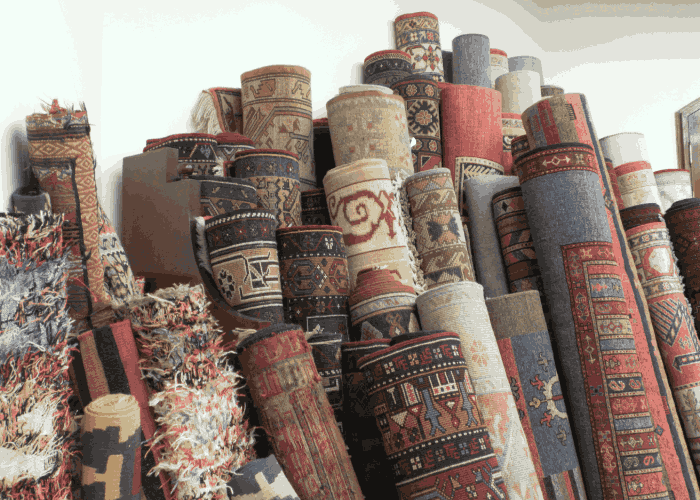
Step into a world where threads tell tales of empires, artistry, and enduring beauty. India, a land rich in cultural heritage, offers a spectacular legacy in the realm of textiles, none more captivating than its premium carpets. These aren’t just floor coverings; they are intricate tapestries woven with centuries of tradition, skill, and passion.
If you’re seeking to imbue your living space with unparalleled elegance and a touch of history, understanding the journey of Indian carpets is essential. You are about to discover why these woven wonders are considered true masterpieces, cherished by collectors and connoisseurs around the globe.
Prepare to explore the exquisite craftsmanship, diverse regional styles, and the profound stories embedded in every knot of India’s most luxurious floor art. This comprehensive guide will illuminate the path to appreciating and acquiring a piece of this magnificent heritage for your home.
The Glorious Tapestry: A Journey Through Time
The story of Indian carpets is as rich and complex as their patterns. It’s a narrative that traces back millennia, evolving through various cultural influences and royal patronage, culminating in the exquisite pieces you see today.
Ancient Roots and Royal Patronage
The art of carpet weaving in India is not a recent phenomenon. Evidence suggests rudimentary forms of weaving existed in the subcontinent even during ancient times. However, the golden age of Indian carpet making truly began with the arrival of the Mughals.
Emperor Akbar, a great patron of arts and crafts in the 16th century, is often credited with establishing royal carpet workshops. He brought skilled Persian weavers to India, who then trained local artisans. This fusion of indigenous talent with sophisticated Persian techniques led to a unique Indo-Persian style that quickly flourished.
Under Mughal patronage, carpets evolved into symbols of status and luxury, adorning palaces and royal courts. You’ll find that many classic designs still bear the hallmark of this era, reflecting its grandeur and artistic sensibilities.
Colonial Era and Global Recognition
As the Mughal Empire waned, the art of carpet weaving continued to thrive, adapting to new influences. The advent of European colonial powers, particularly the British, opened Indian carpets to a global market.
During this period, Indian carpets began to be exported, gaining international recognition for their quality and intricate designs. Weavers adapted to European tastes, sometimes incorporating Western motifs while largely retaining their traditional artistry.
This era cemented India’s reputation as a leading producer of fine carpets. You can still trace this historical journey in the diverse design vocabulary of modern Indian carpets, a testament to their enduring legacy.
The Art of the Artisan: Craftsmanship Beyond Compare
What truly sets premium Indian carpets apart is the unparalleled skill and dedication of the artisans. Each carpet is a labor of love, a testament to generations of handed-down knowledge and meticulous attention to detail.
From Fibre to Fabric: The Raw Materials
The journey of a premium carpet begins with the selection of the finest raw materials. You’ll find that the quality of these foundational elements directly impacts the carpet’s beauty, durability, and feel.
- Wool: High-quality virgin wool, often from specific breeds of sheep, forms the backbone of many premium Indian carpets. Pashmina wool, known for its exceptional softness, is also used in some luxurious blends. This natural fibre offers resilience, warmth, and excellent dye absorption.
- Silk: For unparalleled luster and intricate detail, silk is the material of choice, especially in regions like Kashmir. Silk carpets are known for their exquisite sheen, fine knots, and ability to reflect light beautifully, creating a dynamic visual experience as you move around them.
- Cotton: Often used for the warp and weft (the foundation structure) of hand-knotted carpets, cotton provides strength and stability. Its durability ensures that the carpet retains its shape and integrity over decades.
- Natural Dyes: Historically, natural dyes derived from plants, minerals, and insects were exclusively used. While synthetic dyes are now common, premium carpets often revert to or incorporate natural dyes. These dyes offer a unique depth of color, a subtle variation, and a beautiful aging process that synthetic dyes cannot replicate. You’ll appreciate the rich, organic hues that develop over time.
The Weaving Process: A Symphony of Skill
The creation of a hand-knotted Indian carpet is an elaborate, time-consuming process that requires immense patience and skill. It’s truly a collaborative art form involving multiple specialized artisans.
The most revered technique for premium carpets is hand-knotting. Unlike machine-made or hand-tufted carpets, each knot is individually tied by hand onto the warp threads of a loom. This labor-intensive method allows for incredibly intricate designs and exceptional durability.
Here’s a glimpse into the meticulous process:
- Design Creation (Taleem): A master designer first creates a detailed drawing of the carpet pattern. This design is then translated into a coded script known as a “taleem” or “talim.” This script guides the weavers, indicating the color and number of knots for each section.
- Loom Preparation: The warp threads (vertical foundation threads, usually cotton) are carefully strung onto a vertical loom. The tension must be perfect to ensure a consistent weave.
- Knotting: Weavers, often working in teams, sit in front of the loom. Following the taleem, they individually tie thousands, sometimes millions, of knots. Each knot is secured around two warp threads, and the yarn is then cut. The density of these knots, measured as Knots Per Square Inch (KPSI), is a key indicator of quality. A higher KPSI means a more intricate design and a denser, more durable carpet.
- Weft Insertion: After a row of knots is completed, one or more horizontal weft threads (usually cotton) are passed through the warp threads and tightly beaten down. This secures the knots and adds to the carpet’s strength.
- Shearing and Finishing: Once the entire carpet is woven, it is removed from the loom. The pile is then carefully hand-sheared to an even height, revealing the pattern and giving the carpet its luxurious feel. The edges are meticulously bound, and the carpet undergoes a washing process to enhance its luster and soften the fibres. You’ll notice the incredible precision in the final product.
This entire process can take months, or even years, for a single large carpet, underscoring the immense value and artistry you are investing in.
Regional Riches: A Kaleidoscope of Styles
India’s vast geographical and cultural diversity is beautifully reflected in its carpet weaving traditions. Each region boasts its own distinctive style, materials, and design motifs. You’ll find a captivating array of choices, each with a unique story.
Kashmir: The Jewel of the North
When you think of luxury Indian carpets, Kashmir often comes to mind. Kashmiri carpets are renowned worldwide for their exquisite silk, intricate designs, and incredibly high knot counts. These carpets are often a family heirloom, passed down through generations.
- Materials: Primarily silk, sometimes silk and wool blends.
- Designs: Highly intricate Persian-inspired motifs, including the ‘Tree of Life’, ‘Chinar’ (plane leaf), floral patterns, and hunting scenes. The detailing is astonishingly fine, allowing for incredibly complex imagery.
- Knot Count: Among the highest in India, often ranging from 400 to over 1000 KPSI, contributing to their exceptional detail and durability.
- Special Features: The characteristic sheen of silk, which changes subtly depending on the viewing angle, creating a dynamic visual experience.
Mirzapur-Bhadohi: The Carpet Belt
Located in Uttar Pradesh, the Mirzapur-Bhadohi region is often referred to as the “Carpet Belt of India.” It is one of the largest carpet manufacturing hubs globally, producing a vast range of carpets for both domestic and international markets. You’ll discover a great variety of styles here.
- Materials: Predominantly wool, but also blends of wool and silk, cotton, and jute.
- Designs: A vast array, from traditional Persian and Mughal motifs to contemporary geometric and abstract patterns. You can find everything from classic medallions to modern minimalist designs.
- Weaving Techniques: Hand-knotted, hand-tufted, and flat-weave (durries) are all produced here.
- Special Features: Known for its versatility and volume, offering carpets at various price points while maintaining quality, especially in its hand-knotted premium range.
Jaipur: Royal Grandeur in Every Thread
The ‘Pink City’ of Jaipur in Rajasthan is famous for its vibrant culture and its equally vibrant flat-weave carpets, known as durries. While not always hand-knotted, premium Jaipur durries are celebrated for their distinctive aesthetic and craftsmanship.
- Materials: Cotton, wool, or jute.
- Designs: Bold geometric patterns, stripes, and stylized floral motifs. Many designs draw inspiration from traditional Rajasthani art and Mughal architecture.
- Weaving Technique: Flat-weave, meaning they have no pile. This makes them reversible and very durable.
- Special Features: Known for their striking colors and robust construction, Jaipur durries offer a distinct, earthy elegance that is perfect for contemporary or bohemian interiors. You’ll appreciate their easy maintenance and versatility.
Agra: Echoes of the Mughal Empire
Agra, home to the Taj Mahal, once rivaled Kashmir in its carpet production during the Mughal era. Today, Agra continues to produce high-quality carpets, often characterized by their classical designs and rich, deep color palettes. You’ll find a strong connection to historical aesthetics here.
- Materials: Primarily wool, sometimes with silk accents.
- Designs: Strong continuation of traditional Persian and Mughal designs, including central medallions, all-over floral patterns, and intricate borders.
- Color Palette: Known for its rich, jewel-toned colors such as deep reds, blues, and greens, often with contrasting lighter accents.
- Special Features: Agra carpets often have a dense pile and exceptional durability, making them suitable for high-traffic areas. They exude a timeless, regal charm.
Amritsar: A Blend of Cultures
Amritsar, in Punjab, historically served as a significant trading post, which influenced its carpet weaving traditions. Amritsar carpets often showcase a fascinating blend of Persian, Central Asian, and Caucasian design elements.
- Materials: Predominantly wool.
- Designs: Geometric patterns, stylized floral motifs, and sometimes tribal designs. You might notice a bolder, more angular aesthetic compared to the fluid lines of Kashmiri carpets.
- Color Palette: Often features a vibrant mix of colors, including reds, blues, ivory, and gold.
- Special Features: Known for their robust construction and often more accessible price point within the premium hand-knotted category, offering excellent value.
The Anatomy of a Premium Indian Carpet: What Makes it Exceptional?
When you invest in a premium Indian carpet, you are not just buying a decorative item; you are acquiring a piece of enduring art. Several factors contribute to its exceptional quality and value.
Material Superiority
The foundation of any premium carpet lies in its materials. You’ll find that top-tier Indian carpets utilize only the finest:
- Virgin Wool: Sourced from healthy sheep, virgin wool is strong, resilient, and naturally stain-resistant. It holds dyes beautifully and offers a soft, luxurious feel underfoot.
- High-Grade Silk: For silk carpets, only the purest, highest-quality silk is used. This gives the carpet its characteristic sheen, strength, and ability to hold incredibly fine detail.
- Natural, Fade-Resistant Dyes: Whether natural or high-quality synthetic, the dyes used are chosen for their vibrancy, stability, and resistance to fading over time. This ensures your carpet retains its beauty for decades.
Exquisite Craftsmanship
The human element is paramount. You’re investing in the culmination of centuries of skill:
- High KPSI (Knots Per Square Inch): A higher knot count indicates a denser weave, allowing for greater detail in the design and enhancing durability. Premium carpets typically have KPSI ranging from 150 to over 1000.
- Uniform Knotting: Skilled weavers ensure each knot is tied consistently, resulting in an even pile height and a smooth surface. This precision is a hallmark of quality.
- Precise Shearing and Finishing: The final shearing is done with extreme care to bring out the design clarity. Meticulous binding of edges and fringes prevents unraveling and adds to the carpet’s finished look.
Timeless Design and Authenticity
Premium Indian carpets carry a legacy of design that transcends fleeting trends:
- Traditional Motifs: Many designs are rooted in historical patterns, carrying symbolism and stories. These motifs have stood the test of time and remain eternally elegant.
- Unique Patterns: While some patterns are classic, variations and unique interpretations by master designers ensure that each premium carpet often has a distinct character.
- Hand-Drawn Designs: The original designs are often hand-drawn by artists, giving each piece an artistic soul that machine-made carpets lack.
Durability and Investment Value
A premium Indian carpet is not just a purchase; it’s an investment:
- Longevity: With proper care, these carpets are designed to last for generations. Their robust construction and high-quality materials ensure they withstand the test of time.
- Heirloom Potential: Many premium carpets become cherished family heirlooms, passed down through generations, often increasing in value over time.
- Appreciation Over Time: Rare, antique, or particularly fine examples of hand-knotted Indian carpets can appreciate in value, making them a tangible asset as well as a beautiful decor piece.
Investing in Heritage: Why Choose a Premium Indian Carpet?
Choosing a premium Indian carpet for your home is a decision that brings myriad benefits. You’re not just decorating; you’re enriching your environment and connecting with a profound legacy.
A Piece of Art and History
Each hand-knotted carpet is a unique work of art, telling a story of its origin, its weavers, and the cultural tapestry it emerged from. When you own one, you possess a tangible link to centuries of artistic tradition and human ingenuity.
You’ll find immense satisfaction in knowing the intricate patterns and vibrant colors are the result of countless hours of dedicated craftsmanship. It’s truly a conversation starter, inviting admiration and curiosity from anyone who enters your space.
Unmatched Quality and Comfort
The superior materials and meticulous weaving techniques of premium Indian carpets result in unparalleled quality. These carpets are not only visually stunning but also incredibly functional.
You’ll experience the luxurious softness underfoot, the natural warmth provided by wool and silk, and excellent sound absorption that creates a quieter, more serene environment. Furthermore, natural fibres are often more hypoallergenic than synthetic alternatives.
Ethical and Sustainable Choice
By choosing a hand-knotted Indian carpet, you are directly supporting artisan communities and preserving traditional crafts. This ethical choice helps sustain livelihoods and ensures that these invaluable skills are passed on to future generations.
Additionally, many premium carpets utilize natural, renewable materials like wool and silk, and often vegetable dyes, making them a more environmentally conscious choice compared to mass-produced, synthetic alternatives. You contribute to a cycle of sustainability and fair trade.
Enhancing Your Living Space
A premium Indian carpet can transform any room into a sanctuary of style and comfort. It acts as a focal point, grounding your furniture and tying together your decor elements. The rich textures and colors add depth and warmth that no other decor item can replicate.
Whether your aesthetic is traditional, contemporary, or eclectic, you’ll find an Indian carpet that complements and elevates your interior design. Its versatility allows it to seamlessly integrate into various settings, bringing a touch of timeless elegance.
Caring for Your Woven Treasure: Maintenance Tips
To ensure your premium Indian carpet remains a cherished possession for generations, proper care is essential. You’ll find that a little consistent attention goes a long way in preserving its beauty and longevity.
- Regular Vacuuming: Gently vacuum your carpet 1-2 times a week using a suction-only vacuum (avoid beater bars, which can damage the pile). This removes surface dirt and prevents it from settling deep into the fibres.
- Immediate Spill Treatment: Act quickly on spills. Blot, don’t rub, with a clean white cloth. For most spills, a mixture of mild soap and water can be used, but always test on an inconspicuous area first.
- Professional Cleaning: Have your carpet professionally cleaned every 3-5 years, or more frequently in high-traffic areas. Ensure you choose a cleaner specializing in hand-knotted rugs to avoid damage.
- Rotation and Padding: Rotate your carpet periodically (every 6-12 months) to ensure even wear and exposure to sunlight. Use a high-quality rug pad underneath to prevent slipping, provide cushioning, and protect the carpet from floor abrasion.
- Protection from Direct Sunlight: Prolonged exposure to direct sunlight can cause fading, especially with natural dyes. Consider using blinds or curtains to protect your carpet during peak sun hours.
Key Characteristics of Premium Indian Carpet Regions
To help you navigate the diverse world of Indian carpets, here is a comparative overview of some key regions:
| Region | Primary Materials | Common Designs & Motifs | Typical Knot Count (KPSI) | Special Features |
|---|---|---|---|---|
| Kashmir | Silk, Silk & Wool Blends | Tree of Life, Chinar, Floral, Hunting Scenes (Persian Influence) | 400 – 1200+ | Exceptional sheen, incredibly fine detail, often considered highest luxury. |
| Mirzapur-Bhadohi | Wool, Wool & Silk, Cotton | Persian, Mughal, Geometric, Contemporary, Abstract | 100 – 400 | Vast range of styles and qualities, major export hub, versatile options. |
| Jaipur | Cotton, Wool, Jute | Geometric, Stripes, Stylized Floral (Traditional Rajasthani) | N/A (Flat-weave) | Vibrant colors, reversible, durable, distinct earthy aesthetic. |
| Agra | Wool, sometimes Silk Accents | Classic Persian, Mughal Medallions, All-over Floral | 150 – 350 | Rich, jewel-toned colors; dense pile; strong historical connection. |
| Amritsar | Wool | Geometric, Stylized Floral (Persian, Caucasian Influences) | 120 – 300 | Robust construction, often bold patterns, good value in premium category. |
Conclusion
India’s woven wonders truly represent a profound journey through time, artistry, and culture. From the ancient looms of Mughal emperors to the skilled hands of modern-day artisans, the heritage of premium Indian carpets is a story of continuous innovation and unwavering dedication to excellence.
When you choose a hand-knotted Indian carpet, you are not merely acquiring a floor covering; you are investing in a unique piece of art, a symbol of luxury, and a connection to a rich cultural legacy. You are bringing warmth, beauty, and a timeless narrative into your home.
Embrace the opportunity to own a piece of this magnificent heritage. Let the intricate patterns and vibrant hues of an Indian carpet transform your living space into a testament to global craftsmanship and enduring beauty. You’ll cherish its presence for generations to come.
Frequently Asked Questions (FAQ)
What is the difference between hand-knotted and hand-tufted carpets?
You’ll find a significant difference in quality and value. Hand-knotted carpets are made by tying individual knots onto a warp and weft foundation, a labor-intensive process resulting in exceptional durability and intricate detail. Hand-tufted carpets, on the other hand, involve punching yarn through a fabric backing with a tool, then gluing a secondary backing to hold the fibres in place.
Hand-tufted carpets are less durable and generally less valuable than hand-knotted ones.
How can I tell if a carpet is truly hand-knotted?
You can identify a hand-knotted carpet by examining the back. You should see individual knots and a pattern that mirrors the front, though it will be less defined. If you can clearly see the individual knots on the back, and the fringe is an extension of the warp threads, it’s hand-knotted.
If the back is smooth or has a coarse, canvas-like texture with glue, it’s likely hand-tufted or machine-made.
How do I choose the right size and design for my space?
When choosing, consider the room’s dimensions and furniture arrangement. For living rooms, you’ll want a carpet large enough for at least the front legs of all major furniture pieces to rest on it. In dining rooms, ensure the carpet extends beyond the chairs when pulled out.
For design, consider your existing decor: traditional patterns suit classic interiors, while geometric or abstract designs can complement modern spaces. Don’t be afraid to mix and match if you have an eclectic style.
How often should a premium carpet be professionally cleaned?
You should aim to have your premium hand-knotted carpet professionally cleaned every 3 to 5 years. For carpets in high-traffic areas or homes with pets and children, you might consider cleaning every 2 to 3 years. Regular vacuuming and immediate spot cleaning will help extend the time between professional cleanings.
Are natural dyes truly better than synthetic dyes?
Natural dyes, traditionally derived from plants and minerals, are often preferred for their unique depth of color, subtle variations, and the beautiful way they age over time. They tend to create a softer, more organic palette. While modern synthetic dyes are highly fade-resistant and offer a broader range of vibrant colors, many connoisseurs appreciate the artisanal charm and historical authenticity of natural dyes in premium carpets.
What is KPSI and why is it important?
KPSI stands for “Knots Per Square Inch” (or sometimes KPC – Knots Per Square Centimeter) and refers to the density of knots in a hand-knotted carpet. It’s a crucial indicator of a carpet’s quality, durability, and the level of detail it can achieve. A higher KPSI means more knots are packed into a given area, resulting in a denser, more durable pile and allowing for finer, more intricate patterns.
You’ll find premium carpets often boast a KPSI of 150 upwards, with silk carpets sometimes exceeding 1000 KPSI.