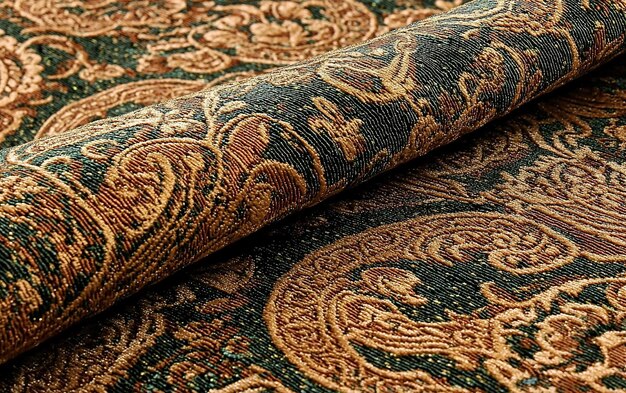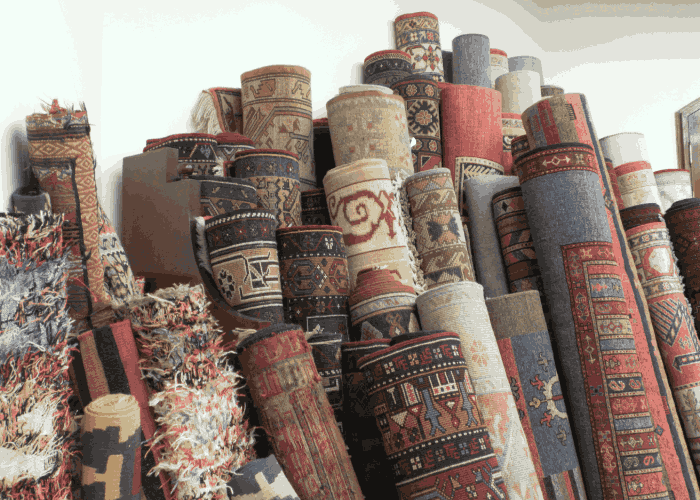
Step into a world where every thread tells a story, where centuries of artistry are meticulously woven into a masterpiece beneath your feet. Beyond the fleeting glamour of the red carpet, a profound heritage awaits discovery: the exquisite realm of premium Indian carpets. These are not merely floor coverings; they are intricate tapestries of history, culture, and unparalleled craftsmanship.
You are about to embark on a journey that delves deep into the heart of India’s textile legacy. Prepare to uncover the secrets behind some of the world’s most coveted rugs, celebrated for their enduring beauty, exceptional quality, and the skilled hands that bring them to life. By the end of this article, you will appreciate the true value and rich narrative embedded in every premium Indian carpet.
A Tapestry Woven Through Time – The Historical Roots of Indian Carpets
The history of carpet weaving in India is as rich and intricate as the patterns on the carpets themselves. It is a narrative deeply intertwined with royal patronage, cultural exchange, and the evolution of artistic expression. Understanding this lineage helps you truly grasp the significance of these remarkable pieces.
The earliest documented evidence suggests carpet weaving arrived in India with the Mughal Empire in the 16th century. Emperor Akbar, a great patron of arts and crafts, is widely credited with establishing the first royal carpet workshops in Agra and Lahore. He brought skilled Persian weavers to India, who then trained local artisans, blending Persian techniques with indigenous Indian aesthetics.
This fusion gave birth to a unique Indo-Persian style, characterized by a harmonious blend of intricate Persian floral motifs and vibrant Indian color palettes. The Mughal period saw the creation of some of the most magnificent carpets, often depicting garden scenes, hunting expeditions, and elaborate medallions. These carpets adorned royal palaces and mosques, symbolizing power, luxury, and artistic sophistication.
As the Mughal Empire declined, carpet weaving continued to flourish under regional rulers and eventually found its way into commercial production. The British colonial era further boosted the industry, introducing Indian carpets to a global market. Even today, the echoes of this rich history resonate in the designs and techniques employed by master weavers across India.
The Enduring Legacy of Mughal Influence
The impact of the Mughal era on Indian carpet making cannot be overstated. It laid the foundation for the industry’s sophistication and distinct artistic identity. You can still see the intricate floral designs, often referred to as ‘Mughal motifs,’ in contemporary premium carpets.
These designs include delicate arabesques, graceful vines, blooming flowers like lotuses, poppies, and irises, and occasionally animal figures. The symmetry and balance characteristic of Mughal architecture also found their way into carpet layouts, creating visually stunning and harmonious compositions. This historical lineage is a testament to the timeless appeal of these patterns.
The Soul of the Craft – Materials and Techniques
The unparalleled quality of premium Indian carpets stems from two critical factors: the exceptional materials used and the intricate, time-honored techniques employed by skilled artisans. When you invest in an Indian carpet, you are investing in the finest natural fibers and generations of weaving expertise.
Natural Fibers: The Foundation of Excellence
The choice of fiber is paramount, determining the carpet’s texture, durability, luster, and ability to hold dye. Indian weavers predominantly use natural fibers, each offering unique characteristics that contribute to the carpet’s overall appeal and longevity.
- Silk: Renowned for its unparalleled softness, shimmering luster, and incredible strength, silk is the fiber of choice for the most luxurious and finely detailed carpets. Silk carpets often feature very high knot counts, allowing for incredibly intricate designs and a delicate, almost jewel-like appearance. They are often thin yet exceptionally durable, feeling cool in summer and warm in winter.
- Wool: Wool is the most common and versatile fiber used in Indian carpets, prized for its durability, resilience, and natural lanolin content, which makes it stain-resistant. High-quality wool, such as Merino wool or indigenous Indian varieties, provides a soft yet robust pile. It takes dye beautifully, offering a rich depth of color, and is known for its excellent insulation properties.
- Cotton: Often used for the foundation (warp and weft) of hand-knotted and tufted carpets, cotton provides strength and stability. In flatweave carpets like Dhurries, cotton can also be used for the entire weave, offering a lightweight, durable, and easily washable option. It provides a crisp, clean base for vibrant designs.
- Jute: A natural, sustainable fiber, jute is increasingly used in more rustic or contemporary flatweave carpets. It offers an earthy texture and is an eco-friendly choice. Jute carpets are durable and bring a natural, organic feel to any space, often used for their textural appeal.
Dyeing Processes: The Art of Color
The vibrant and enduring colors of premium Indian carpets are a result of meticulous dyeing processes. Traditional methods often involve natural dyes, which are derived from plants, insects, and minerals. These dyes produce rich, subtle, and complex color variations that age beautifully over time.
Natural dyes, though more labor-intensive and expensive, offer unparalleled depth and luminosity. They are also environmentally friendly and safer for artisans. While synthetic dyes are also used for broader color ranges and consistency, premium carpets often emphasize the use of natural or high-quality synthetic dyes that resist fading and maintain their brilliance for decades.
The dyer’s skill is crucial in achieving the perfect hue and ensuring colorfastness.
Weaving Techniques: Hands That Create Magic
The true artistry of Indian carpets lies in the hands of its weavers, who employ several distinct techniques, each resulting in a unique texture, appearance, and level of craftsmanship. Understanding these techniques allows you to appreciate the immense labor and skill involved in creating your carpet.
Hand-Knotted Carpets
This is arguably the most prestigious and labor-intensive method, producing the finest and most durable carpets. Each knot is individually tied by hand onto the warp threads, forming the pile. The density of knots per square inch (KPSI) determines the fineness and detail of the design.
Indian hand-knotted carpets typically use either the Persian (Senneh) knot or the Turkish (Ghiordes) knot. The Persian knot is asymmetrical, allowing for incredibly intricate and curvilinear designs, while the Turkish knot is symmetrical and sturdier. A skilled weaver can tie thousands of knots in a single day, but a large, complex carpet can take several artisans many months, or even years, to complete.
This technique results in an heirloom-quality piece that can last for generations.
Hand-Tufted Carpets
Hand-tufted carpets offer a more accessible entry point into hand-made rugs while still providing excellent quality. Instead of tying individual knots, a tufting gun is used to punch yarn through a fabric backing, forming loops. Once the entire design is tufted, a secondary backing is applied, and the loops are often sheared to create a cut pile, giving a plush, soft surface.
While less labor-intensive than hand-knotting, hand-tufting still requires significant skill in design transfer and precise execution. These carpets are known for their softness and ability to achieve complex designs with varying pile heights. They offer a luxurious feel and good durability for their price point.
Flatweave Carpets (Dhurries and Kilims)
Flatweave carpets, such as Dhurries and Kilims, are created by interweaving warp and weft threads to form a flat, pile-less fabric. They are reversible, lightweight, and incredibly versatile, making them suitable for various settings and climates. Dhurries are traditionally made from cotton or wool and feature geometric, striped, or simple floral patterns.
Kilims, often associated with nomadic cultures, are known for their bold geometric patterns and vibrant colors, typically made from wool. Both types are exceptionally durable, easy to clean, and offer a rustic yet sophisticated aesthetic. The absence of a pile makes them excellent for high-traffic areas or layering over other carpets.
Hand-Loom Carpets
Hand-loom carpets are woven on a loom, similar to flatweaves, but they can incorporate different textures and sometimes a low loop pile. This technique allows for a wide range of designs, from simple textures to more complex patterns. They are generally quicker to produce than hand-knotted rugs but still offer the distinct charm and quality of a hand-made product.
You will find hand-loom carpets to be durable and often more affordable than hand-knotted or hand-tufted options, making them an excellent choice for everyday luxury. They bridge the gap between traditional and contemporary aesthetics, offering diverse design possibilities.
Regional Riches – A Journey Through India’s Carpet Hubs
India is a vast country, and its carpet weaving traditions vary significantly from region to region, each hub boasting its unique style, materials, and historical influences. Exploring these regional identities helps you understand the incredible diversity and specialization within the Indian carpet industry.
Kashmir: The Jewel of Indian Carpets
Kashmiri carpets are renowned worldwide for their exceptional fineness, intricate designs, and silken sheen. Often woven with pure silk on a silk or cotton foundation, these carpets boast incredibly high knot counts, allowing for breathtaking detail and a luxurious feel. The designs often draw inspiration from Persian motifs, including tree-of-life patterns, intricate medallions, and delicate floral sprays.
The colors are typically rich and sophisticated, ranging from deep jewel tones to subtle pastels. A Kashmiri silk carpet is considered a true heirloom, a testament to the unparalleled skill of the region’s artisans. You will find that these carpets are not just floor coverings but exquisite pieces of art.
Mirzapur-Bhadohi Belt (Uttar Pradesh): India’s Carpet City
The Mirzapur-Bhadohi belt in Uttar Pradesh is often referred to as the “Carpet City” of India and is the largest carpet weaving cluster in the country. This region produces a vast array of carpets, utilizing various techniques including hand-knotted, hand-tufted, and flatweave (Dhurries).
Carpets from this region are known for their durability and versatility. Wool is the predominant fiber, often blended with cotton or silk for specific textures and lusters. Designs range from traditional Persian and Mughal patterns to contemporary geometric and abstract motifs.
You can find carpets here to suit almost any taste and budget, reflecting the region’s immense production capacity and diverse design capabilities.
Jaipur (Rajasthan): Vibrant Hues and Royal Heritage
Jaipur, the Pink City of Rajasthan, has a long and distinguished history of carpet weaving, revived under royal patronage in the 18th century. Jaipur carpets are particularly celebrated for their vibrant colors, often featuring bold reds, blues, and yellows. The designs frequently incorporate Indo-Persian floral patterns, intricate medallions, and sometimes stylized animal figures.
These hand-knotted wool carpets are known for their robust construction and striking aesthetic. Jaipur’s weaving tradition prides itself on maintaining historical patterns while also embracing modern interpretations. You will find that a Jaipur carpet brings a distinctive warmth and character to any space.
Agra (Uttar Pradesh): Mughal Grandeur Reimagined
Agra, home to the Taj Mahal, was one of the original centers of Mughal carpet weaving. Today, Agra continues to produce high-quality hand-knotted carpets, often characterized by their adherence to classical Mughal designs. These carpets typically feature durable wool piles and intricate patterns, including garden motifs, arabesques, and central medallions.
Agra carpets are known for their rich, deep colors and their ability to evoke a sense of historical grandeur. They represent a direct link to the golden age of Indian carpet making, carrying forward the legacy of imperial craftsmanship. When you choose an Agra carpet, you are choosing a piece with a direct lineage to royal traditions.
Amritsar (Punjab): A Blend of Influences
Amritsar, in Punjab, developed its carpet weaving industry later than some other regions but quickly established a reputation for quality. Amritsar carpets often display a blend of Persian, Central Asian, and indigenous Indian influences. You will see a variety of designs, from intricate florals to bold geometric patterns.
These carpets are typically hand-knotted with wool, known for their strong construction and good durability. Amritsar carpets offer a unique aesthetic that combines the elegance of traditional motifs with a distinct regional flavor. They are a testament to the adaptable and evolving nature of Indian carpet design.
South India: Niche Traditions and Unique Weaves
While the major carpet hubs are predominantly in North India, some regions in South India also have niche weaving traditions. These often focus on cotton Dhurries or specialized handloom techniques, producing carpets with distinct local patterns and color palettes. You might find more rustic, tribal, or folk-art inspired designs in these areas.
These carpets offer a different kind of charm, emphasizing texture and indigenous artistry. They represent the incredible diversity of textile crafts across the Indian subcontinent, providing unique options for those seeking something truly off the beaten path.
To give you a clearer picture of these regional specialties, here’s a comparative overview:
| Region | Primary Fiber(s) | Dominant Technique(s) | Typical Design Characteristics | Key Features & Appeal |
|---|---|---|---|---|
| Kashmir | Silk (often silk on silk/cotton) | Hand-knotted | Intricate Persian florals, Tree of Life, medallions, fine detail | Luxurious sheen, unparalleled softness, very high knot count, heirloom quality |
| Mirzapur-Bhadohi | Wool, Cotton, Silk blends | Hand-knotted, Hand-tufted, Flatweave (Dhurries) | Diverse: Persian, Mughal, contemporary, geometric, abstract | Largest production hub, wide range of styles/budgets, durable & versatile |
| Jaipur | Wool, Cotton | Hand-knotted | Vibrant Indo-Persian florals, medallions, strong color palettes | Bold colors, robust construction, historical royal patronage, distinctive character |
| Agra | Wool, Cotton | Hand-knotted | Classical Mughal designs, garden motifs, arabesques | Deep, rich colors, strong historical link, sense of grandeur, durable |
| Amritsar | Wool, Cotton | Hand-knotted | Geometric, floral, blend of Persian/Central Asian/Indian motifs | Strong construction, good durability, unique aesthetic blend |
| South India | Cotton, Jute, Wool | Flatweave (Dhurries), Hand-loom | Rustic, tribal, folk art, geometric, regional patterns | Natural textures, lightweight, unique indigenous artistry, eco-friendly options |
The Artistry Behind Every Thread – Design and Symbolism
Beyond their tactile beauty, premium Indian carpets are rich with symbolic meaning and artistic expression. Every motif, every color choice is often imbued with cultural significance, transforming the carpet into a narrative canvas. When you understand this symbolism, you gain a deeper appreciation for your carpet.
Motifs: Stories Woven in Yarn
Indian carpet designs draw from a vast lexicon of motifs, many with origins in Persian art but skillfully adapted and imbued with local flavor. These patterns are not merely decorative; they often carry auspicious meanings or tell tales of nature and spirituality.
- Floral Motifs: Flowers are ubiquitous in Indian carpets, symbolizing beauty, fertility, and paradise. Common examples include the Shah Abbas pattern (a collection of palmettes and lotus blossoms), the Tree of Life (representing growth, immortality, and the connection between heaven and earth), and individual blooms like roses, tulips, and carnations. You will find these motifs arranged in intricate arabesques or scattered across fields.
- Medallions: Central medallions are a hallmark of many traditional designs, often inspired by architectural domes or celestial bodies. They symbolize unity, eternity, and the center of the universe. These medallions can be elaborate and multi-lobed, often surrounded by complementary corner designs (lagi-turanj) that complete the central theme.
- Geometric Patterns: While florals are dominant, geometric patterns also feature prominently, especially in Dhurries and carpets from regions with more tribal influences. These can range from simple stripes and checks to complex polygonal arrangements. They often represent order, balance, and the cosmos, and can create a very modern aesthetic.
- Animal Figures: Less common in strictly religious contexts, stylized animal figures like deer, peacocks, elephants, and birds sometimes appear, especially in hunting scenes or garden carpets. These animals often symbolize nobility, grace, or specific virtues.
- Prayer Niches (Mihrab): Carpets designed for prayer often feature a mihrab, an arch-shaped design pointing towards Mecca. These symbolize a sacred space and are a beautiful example of functional design imbued with spiritual meaning.
Colors: A Palette of Meaning
The colors used in Indian carpets are deeply significant, often derived from natural sources and chosen for their symbolic value. The traditional palette is rich and harmonious, creating a visual feast.
- Red: Symbolizes passion, vitality, courage, and sometimes royalty. It is a dominant color in many traditional Indian carpets, bringing warmth and energy to a space.
- Blue: Represents the heavens, spirituality, tranquility, and wisdom. Often used for backgrounds or borders, blue provides a calming contrast to warmer hues.
- Green: Associated with nature, paradise, growth, and prosperity. Given its religious significance in Islam, green is often used sparingly but powerfully in designs.
- Gold/Yellow: Symbolizes wealth, joy, the sun, and divine light. Golden accents add luminosity and richness to a carpet, highlighting intricate details.
- White/Cream: Represents purity, peace, and simplicity. Used as a backdrop, it allows other colors to pop, or as a primary color for a minimalist, elegant look.
The interplay of these colors, often achieved through natural dyeing, creates a depth and subtlety that synthetic dyes struggle to replicate. You will notice how the colors in a premium Indian carpet evolve and mature beautifully over time, gaining a unique patina.
Evolution of Styles: From Tradition to Contemporary
While deeply rooted in tradition, Indian carpet design is not static. Master weavers and designers continually innovate, adapting classic motifs to contemporary tastes. You can find carpets that perfectly blend ancient patterns with modern color palettes or abstract designs that draw inspiration from traditional geometry.
This dynamic evolution ensures that premium Indian carpets remain relevant and desirable in various interior design schemes, from opulent classical settings to minimalist modern homes. The ability to innovate while honoring heritage is a hallmark of this enduring craft.
Investing in Legacy – Why Choose a Premium Indian Carpet?
Choosing a premium Indian carpet is more than just a purchase; it is an investment in art, history, and unparalleled quality. You are not simply buying a floor covering; you are acquiring a piece of enduring legacy that will enrich your home and potentially grow in value.
Unmatched Quality and Durability
Premium Indian carpets, particularly hand-knotted ones, are renowned for their exceptional durability. The meticulous hand-knotting process, combined with high-quality natural fibers like wool and silk, creates a robust structure designed to withstand generations of use. These are truly heirloom pieces, capable of outliving you and becoming cherished family possessions.
The dense knot count and strong foundation ensure that the carpet retains its integrity, even in high-traffic areas. You will find that these carpets resist wear and tear far better than machine-made alternatives, maintaining their beauty for decades with proper care.
Ethical Craftsmanship and Sustainable Practices
When you purchase a hand-made Indian carpet, you are directly supporting skilled artisans and their communities. This industry provides livelihoods for millions, preserving traditional crafts and ensuring the continuation of invaluable cultural heritage. Many premium carpet manufacturers adhere to ethical labor practices, ensuring fair wages and safe working conditions.
Furthermore, the use of natural fibers and traditional, often eco-friendly, dyeing processes contributes to sustainable production. You can feel good knowing your purchase supports responsible craftsmanship and minimizes environmental impact, making it a conscious choice for your home.
Aesthetic Value: Unique Artistry for Your Space
Each premium Indian carpet is a unique work of art, a testament to individual skill and artistic vision. The intricate designs, vibrant colors, and luxurious textures are unlike anything mass-produced. A hand-knotted carpet adds an undeniable sense of warmth, character, and sophistication to any room, instantly transforming it into a more inviting and elegant space.
The subtle variations inherent in hand-made items, the slight imperfections that tell a story, contribute to its unique charm. You are bringing a piece of living art into your home, one that reflects centuries of design evolution and individual creative expression.
Investment Potential and Appreciating Value
While not all carpets are investments, high-quality, rare, or antique premium Indian carpets can appreciate in value over time. Factors such as age, rarity, condition, knot count, materials, and historical significance all contribute to a carpet’s investment potential. Like fine art, a well-chosen, expertly crafted carpet can become a valuable asset.
Even if it doesn’t appreciate significantly, the longevity and enduring beauty of a premium carpet mean you are investing in something that will bring joy and utility for many years. It is a durable asset that enhances your living environment, far outlasting cheaper, mass-produced alternatives.
Customization: Tailored to Your Vision
Many premium Indian carpet manufacturers offer customization services, allowing you to commission a carpet that perfectly matches your specific design vision. You can often choose the size, shape, colors, materials, and even adapt specific motifs to create a truly bespoke piece. This level of personalization ensures that your carpet is not just beautiful but also perfectly suited to your space and aesthetic preferences.
This bespoke option allows you to collaborate with artisans, creating a unique item that perfectly reflects your personal style. You become part of the creative process, resulting in a carpet that is uniquely yours.
Caring for Your Masterpiece – Maintenance Tips
To ensure your premium Indian carpet retains its beauty and longevity for generations, proper care and maintenance are essential. Treating your carpet with respect will preserve its fibers, colors, and intricate details. You want to protect your investment for years to come.
Regular Vacuuming
Vacuum your carpet regularly, at least once a week, to remove loose dirt and dust before it settles deep into the pile. Use a vacuum cleaner with strong suction but avoid using a beater bar or rotating brushes, especially on delicate silk or high-pile wool carpets, as these can damage the fibers. Instead, use the suction-only setting or a vacuum designed for delicate rugs.
Vacuum in the direction of the pile to avoid disturbing the fibers. For hand-knotted carpets, occasionally vacuum the back side as well; this helps dislodge embedded dirt that might be trapped within the foundation.
Spot Cleaning Spills Immediately
Accidents happen, but prompt action can prevent permanent stains. Blot spills immediately with a clean, white cloth or paper towel, working from the outside of the spill inwards to prevent spreading. Do not rub the stain, as this can push it deeper into the fibers.
For most common spills, a mild solution of lukewarm water and a small amount of gentle, pH-neutral soap can be used. Apply the solution sparingly to a clean cloth and gently blot the area, then rinse by blotting with a damp cloth. Always test any cleaning solution on an inconspicuous area first to ensure it does not cause discoloration.
Professional Cleaning
Despite your best efforts, carpets accumulate dirt and grime over time. It is highly recommended to have your premium Indian carpet professionally cleaned every 3-5 years, depending on foot traffic and exposure. Choose a reputable cleaner specializing in hand-knotted and delicate rugs, as improper cleaning can cause irreparable damage.
Professional cleaners use specialized methods, often involving gentle hand washing and controlled drying, to safely and effectively revive your carpet’s vibrancy and cleanliness. They understand the unique characteristics of natural fibers and traditional dyes.
Protection from Sunlight and Heavy Furniture
Prolonged exposure to direct sunlight can cause fading, especially with natural dyes. Rotate your carpet periodically to ensure even exposure, or use window treatments to filter harsh UV rays. Consider placing your carpet in areas that receive less direct sunlight or using UV-protective films on windows.
When placing heavy furniture on your carpet, use furniture pads or cups to distribute the weight and prevent crushing the pile. Rotate the furniture slightly every few months to avoid permanent indentations. If a pile becomes crushed, you can gently mist it with water and brush the fibers up with your fingers, or use a steamer from a safe distance.
Addressing Common Issues
- Fringing: Fringes are an extension of the carpet’s warp threads and can fray over time. Avoid vacuuming the fringes directly with a powerful vacuum. If they become damaged, seek professional repair to prevent further unraveling.
- Moth Prevention: Wool and silk carpets are susceptible to moth damage. Regularly vacuuming, especially underneath furniture, and inspecting your carpet can help. If you notice signs of moths, consult a professional for treatment. Cedar blocks or lavender sachets can act as natural deterrents.
- Curling Edges: If your carpet edges curl, it might be due to uneven tension or humidity changes. You can try gently dampening the edge with water and placing heavy books on it overnight. If the problem persists, professional re-stretching or binding might be necessary.
By following these guidelines, you can ensure that your premium Indian carpet remains a stunning centerpiece in your home for many years, a testament to its enduring quality and your diligent care.
Conclusion
As you have discovered, premium Indian carpets are far more than decorative items; they are profound expressions of art, history, and generations of skilled craftsmanship. From the ancient looms of the Mughal Empire to the bustling workshops of Bhadohi and the serene valleys of Kashmir, each carpet embodies a unique narrative. You are not just acquiring a rug; you are investing in a piece of cultural heritage.
The choice of exquisite natural fibers, the meticulous hand-knotting techniques, the vibrant stories told through intricate motifs, and the ethical hands that bring them to life all contribute to their unparalleled value. Owning a premium Indian carpet means bringing a legacy of beauty, durability, and artistry into your home.
We encourage you to explore this rich world further, to feel the silk, admire the wool, and appreciate the countless hours of dedication woven into every thread. Let a premium Indian carpet be the next masterpiece that graces your living space, a timeless testament to human creativity and enduring tradition.
Frequently Asked Questions (FAQ)
Q1: What makes a premium Indian carpet different from a regular one?
A1: Premium Indian carpets are distinguished by several factors. They use higher quality natural fibers like fine wool and pure silk, employ labor-intensive hand-knotting or other traditional hand-weaving techniques, feature higher knot counts for intricate designs, and often utilize natural or high-quality synthetic dyes. This results in superior durability, artistic detail, and aesthetic value compared to mass-produced or lower-grade carpets.
Q2: How can I tell if an Indian carpet is hand-knotted?
A2: You can identify a hand-knotted carpet by examining its back. You will see individual knots and a distinct pattern that mirrors the front design, though it may be less defined. The fringes are an extension of the warp threads and are integral to the carpet.
Machine-made carpets usually have a uniform, often glued-on, backing and separate, sewn-on fringes. The edges of a hand-knotted carpet may also show slight irregularities.
Q3: What is the average lifespan of a premium Indian carpet?
A3: With proper care, a premium hand-knotted Indian carpet can last for many decades, often over 50-100 years, becoming a cherished heirloom. Hand-tufted carpets typically last 10-20 years, and flatweave Dhurries can also last for decades due to their durable construction. The lifespan largely depends on the fiber quality, knot density, and the level of foot traffic and maintenance it receives.
Q4: Are Indian carpets ethically made?
A4: Many reputable premium Indian carpet manufacturers are committed to ethical labor practices, ensuring fair wages, safe working conditions, and no child labor. When purchasing, it’s advisable to look for certifications or inquire about the brand’s commitment to social responsibility. Supporting brands with transparent ethical policies ensures you are contributing to sustainable and responsible craftsmanship.
Q5: How do I clean a silk Indian carpet?
A5: Silk carpets are delicate and require specialized care. For routine cleaning, gentle vacuuming without a beater bar is sufficient. For spills, blot immediately with a clean, white cloth and avoid rubbing.
For deep cleaning, always entrust your silk carpet to a professional cleaner who specializes in delicate hand-knotted rugs. Improper cleaning can damage the silk fibers and dyes.
Q6: Can I use an Indian carpet in a high-traffic area?
A6: Yes, many premium Indian carpets, especially hand-knotted wool carpets from regions like Mirzapur-Bhadohi or Jaipur, are incredibly durable and well-suited for high-traffic areas. Flatweave Dhurries are also an