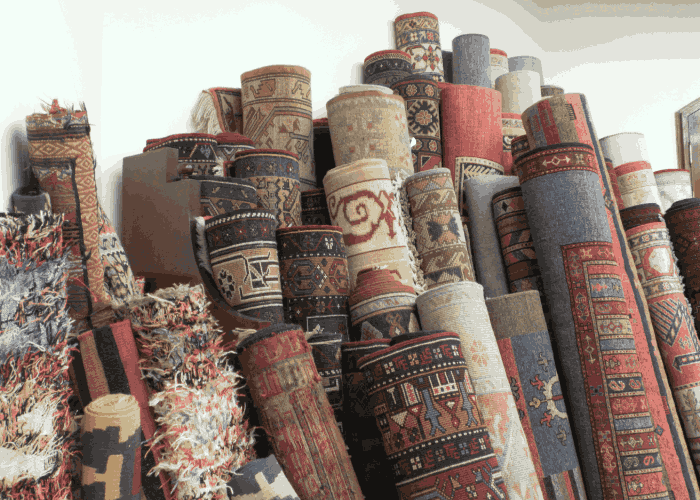
Step into a world where history intertwines with breathtaking artistry. When you consider transforming your living space, few items offer the profound impact and timeless elegance of a premium Indian carpet.
These magnificent creations are more than just floor coverings; they are narratives woven in thread, each knot telling a story of tradition, skill, and unparalleled dedication. Their unmatched quality and intricate beauty stand as a testament to centuries of inherited knowledge and artistic passion.
We invite you to join us on a captivating journey. Discover the captivating heritage, meticulous craftsmanship, and enduring allure that make premium Indian carpets a true marvel in the world of interior design.
You will soon understand why investing in one is not merely a purchase, but an embrace of timeless elegance and a piece of living art for your home.
The Rich Tapestry of Indian Carpet History
The story of Indian carpets is as vibrant and complex as the designs they bear. Their origins trace back thousands of years, with early forms of weaving evident in ancient civilizations across the subcontinent.
However, the golden age of Indian carpet weaving truly began with the arrival of the Mughal Empire. Emperor Akbar, a great patron of arts and crafts, established royal workshops in cities like Agra, Lahore, and Delhi in the 16th century.
He brought skilled Persian weavers to India, who then trained local artisans in the intricate techniques of hand-knotting. This fusion of Persian meticulousness and Indian artistic sensibility gave birth to a unique aesthetic that still defines many premium Indian carpets today.
Mughal carpets were renowned for their exquisite detail, opulent materials, and sophisticated designs, often featuring lush garden motifs, hunting scenes, and intricate floral patterns. These masterpieces were symbols of status and luxury.
Over centuries, these initial influences evolved, incorporating indigenous Indian motifs and regional styles. The craft adapted to local materials and preferences, leading to a diverse range of weaving traditions across different states.
Despite periods of decline, particularly during colonial rule, the art persevered. Post-independence, there was a resurgence in interest, leading to the global recognition of Indian carpets for their exceptional quality and artistry.
Today, when you choose a premium Indian carpet, you are connecting with a continuous lineage of artistry. You are bringing home a piece of history, crafted with techniques perfected over generations.
The Art of Weaving: Techniques and Materials
The true magic of a premium Indian carpet lies in its construction. Understanding the techniques and materials involved helps you appreciate the immense value and artistry woven into every piece.
The Pinnacle of Craft: Hand-Knotting
At the heart of premium Indian carpets is the ancient art of hand-knotting. This labor-intensive method is what sets these masterpieces apart, ensuring unmatched durability and intricate detail.
- Individual Knots: Each pile knot is tied by hand onto the warp threads, one by one. This meticulous process can take months, or even years, for larger, denser carpets.
- Ghiordes (Turkish) and Senneh (Persian) Knots: Indian weavers primarily use the Senneh knot, which creates a very fine, dense pile, ideal for intricate designs. The Ghiordes knot, though less common, provides a slightly coarser, more robust finish.
- Knot Density (KPSI): This refers to the number of knots per square inch. A higher KPSI indicates a finer, more detailed design and a more durable carpet. Premium Indian carpets often boast hundreds of knots per square inch, a testament to the weaver’s skill.
This method ensures that the carpet is incredibly strong and long-lasting. It also allows for unparalleled precision in design, creating patterns that appear almost painted rather than woven.
The Foundation: Hand-Tufting and Flatweaves
While hand-knotting is supreme, other traditional techniques also contribute to the Indian carpet landscape.
- Hand-Tufting: Involves punching yarn through a fabric backing with a hand-held tufting gun, then securing it with latex and a secondary backing. While quicker, it doesn’t offer the same heirloom quality or intricate detail as hand-knotting.
- Flatweaves (Durries/Kilims): These carpets have no pile; the design is created by interweaving warp and weft threads. They are reversible, durable, and often feature bold geometric or striped patterns, perfect for a more casual yet stylish look.
For the purpose of this article, our focus remains primarily on the supreme craftsmanship of hand-knotted premium Indian carpets.
The Soul of the Carpet: Materials
The choice of materials is paramount, directly influencing the carpet’s feel, appearance, and longevity. Premium Indian carpets utilize only the finest natural fibers.
- Silk: Revered for its luxurious sheen, incredible softness, and strength. Silk carpets, particularly from Kashmir, are among the finest in the world, known for their shimmering lustre and ability to display extremely intricate designs. They are often thin, dense, and cool to the touch.
- Wool: The most common material for hand-knotted carpets, prized for its durability, resilience, and natural lanolin content, which makes it stain-resistant. Premium wools, such as New Zealand wool or Merino wool, are selected for their softness, strength, and ability to hold vibrant dyes.
- Cotton: Primarily used for the warp and weft (foundation) threads due to its strength and stability. In some flatweaves, cotton can also form the primary material, offering a durable and often more affordable option.
- Pashmina: An extremely rare and luxurious material, derived from the finest cashmere wool. Pashmina carpets are exceptionally soft, lightweight, and warm, representing the pinnacle of textile luxury.
The quality of these raw materials is meticulously checked before weaving begins. This ensures that only the best fibers contribute to the final masterpiece.
The Palette: Dyeing Processes
The vibrant and enduring colors of Indian carpets are a result of sophisticated dyeing techniques.
- Natural Dyes: Historically, natural dyes derived from plants, insects, and minerals were used. These dyes produce rich, subtle, and often variegated colors that age beautifully over time, developing a unique patina.
- Azo-Free Synthetic Dyes: Modern premium carpet makers often use high-quality, eco-friendly synthetic dyes. These offer a broader spectrum of consistent colors and excellent colorfastness, ensuring your carpet’s hues remain vibrant for decades without fading.
The dyeing process is an art in itself, requiring deep knowledge of chemistry and color theory to achieve the perfect shade and ensure durability against light and wear.
The Master Weaver: A Living Legacy
Behind every knot and every intricate pattern stands a master weaver. These artisans are not just workers; they are custodians of a centuries-old tradition.
Their skill is often passed down through generations, beginning in childhood. They possess an innate understanding of design, color, and technique, translating complex patterns from a graph sheet into a living tapestry.
The patience, precision, and dedication of these weavers are truly unmatched. Each hand-tied knot is a testament to their unwavering commitment to their craft.
Signature Styles and Designs: A Visual Feast
Indian carpets are celebrated for their incredible diversity of designs, reflecting a rich cultural tapestry and historical influences. When you explore these patterns, you discover stories and traditions embedded in every motif.
Persianate Grandeur
The enduring legacy of Persian carpet art is profoundly visible in many Indian designs. These patterns often feature:
- Medallion Designs: A central, often elaborate medallion dominates the field, surrounded by complementary patterns. This creates a focal point that draws the eye.
- All-Over Patterns: Intricate floral or curvilinear motifs repeat across the entire carpet, creating a sense of continuous flow and elegance.
- Precise Floral Motifs: Highly stylized flowers, vines, and arabesques are rendered with remarkable detail, often in symmetrical arrangements.
These designs impart a sense of timeless sophistication and luxury, making them perfect for formal living spaces.
Mughal Majesty
The Mughal era brought its own distinctive style, characterized by a love for nature and grandeur.
- Hunting Scenes and Tree of Life: These narrative designs depict stylized animals, hunters, and lush flora, often centered around a majestic “Tree of Life” motif symbolizing growth and immortality.
- Intricate Floral Trellises: Delicate trellises adorned with blossoms, leaves, and buds create a sense of an enchanted garden. These patterns often showcase jewel tones and a meticulous attention to botanical detail.
- Architectural Motifs: Sometimes, patterns draw inspiration from Mughal architecture, incorporating arches, domes, and geometric elements.
Mughal designs are known for their rich color palettes, often featuring deep reds, blues, greens, and gold, reflecting imperial splendor.
Traditional Indian Motifs
Beyond the imperial influences, indigenous Indian motifs are woven into many carpets, offering unique cultural expressions.
- Paisley (Boteh): The iconic teardrop-shaped motif, often interpreted as a mango or cypress tree, is a ubiquitous symbol of fertility and life.
- Chakra and Lotus: Sacred symbols like the chakra (wheel) and the lotus flower (purity, enlightenment) are frequently incorporated, imbued with spiritual significance.
- Geometric Patterns: Particularly in flatweaves and tribal carpets, bold geometric shapes, stripes, and medallions reflect regional folk art and traditional weaving techniques.
These motifs add a distinctive Indian character, connecting the carpet to the rich cultural heritage of the subcontinent.
Contemporary Interpretations
While respecting tradition, Indian carpet weavers also embrace modernity. You can find premium Indian carpets that feature:
- Abstract Designs: Bold, free-form patterns that play with color and texture, perfect for minimalist or modern interiors.
- Minimalist Aesthetics: Often using subtle textures, monochromatic palettes, or simple geometric arrangements to create a sophisticated, understated look.
- Fusion Designs: Blending traditional motifs with contemporary color schemes or interpretations, offering a bridge between old and new.
These contemporary designs demonstrate the adaptability and continuous evolution of Indian carpet craftsmanship.
Regional Specializations
India’s vastness means different regions have developed their own unique carpet identities.
- Kashmir: Renowned for its exquisite silk carpets, often featuring very high knot counts and intricate Persian-inspired designs, along with local flora and fauna. They are characterized by their shimmering lustre and fine, dense pile.
- Bhadohi/Mirzapur (Uttar Pradesh): Often called the “Carpet City of India,” this region is a major hub for hand-knotted wool carpets. They produce a vast array of designs, from traditional Persian and Indian patterns to contemporary abstract styles, known for their durability and plush pile.
- Jaipur (Rajasthan): Famous for its vibrant flatweave durries, which often feature bold geometric patterns and bright colors. Jaipur also produces high-quality hand-knotted wool carpets with traditional motifs.
Each region contributes its unique flavor to the diverse world of Indian carpets, offering you a wealth of choices to suit your personal style.
The Journey of a Premium Carpet: From Loom to Living Room
The creation of a premium Indian carpet is a meticulous, step-by-step process that embodies dedication and artistry. It is a journey that transforms raw materials into a timeless masterpiece for your home.
1. Design Conceptualization
The journey begins with an artist’s vision. Designers meticulously sketch patterns, often drawing inspiration from historical motifs, nature, or contemporary trends.
These designs are then translated onto graph paper, where each square represents a single knot. This intricate blueprint guides the weavers, detailing every color and knot placement.
Color palettes are carefully chosen, ensuring harmony and vibrancy. This initial phase sets the artistic direction for the entire carpet.
2. Yarn Preparation and Dyeing
Only the finest silk or wool is selected, often sourced from specific regions for its quality. The raw fibers are then spun into yarn, a process that can be done by hand or machine.
Next, the yarn undergoes the dyeing process. Whether using traditional natural dyes or modern eco-friendly synthetics, colorfastness and vibrancy are paramount.
The yarn is carefully washed and dried, ensuring the colors are perfectly set and ready for weaving.
3. Loom Setup
A sturdy loom, often custom-built for the carpet’s size, is prepared. Warp threads (the vertical foundation) are tightly stretched across the loom, forming the canvas for the carpet.
The tension of these warp threads is critical for the carpet’s structural integrity. This setup requires precision and experience to ensure a perfect foundation.
4. The Weaving Process
This is the most labor-intensive and time-consuming stage. Multiple weavers, often working side-by-side, sit at the loom.
Following the graph paper design, they meticulously tie each individual knot by hand onto the warp threads. After a row of knots is completed, a weft thread is passed horizontally through the warp and beaten down tightly with a comb-like tool.
This process is repeated thousands, sometimes millions, of times. The complexity of the design and the knot density directly impact the time required, with large, fine carpets taking many months or even years to complete.
The weavers’ hands move with incredible speed and precision, a skill honed over decades. They are the heart and soul of the carpet’s creation.
5. Finishing Touches
Once the weaving is complete, the carpet is carefully removed from the loom. Several crucial finishing steps follow:
- Shearing: The pile is precisely hand-sheared to an even height, revealing the intricate details of the design and enhancing the carpet’s texture.
- Washing: The carpet undergoes multiple washes, often using traditional methods and natural soaps. This process brings out the lustre of the fibers, softens the pile, and ensures color clarity.
- Stretching and Drying: The wet carpet is stretched and dried in the sun or in controlled environments to ensure it maintains its perfect shape and size.
- Fringe and Binding: The warp threads at the ends are often hand-knotted into fringes, and the sides of the carpet are hand-bound to prevent fraying.
6. Final Inspection
Before leaving the workshop, every premium Indian carpet undergoes a rigorous final inspection. Experts meticulously check for any imperfections, ensuring the design is accurate, the colors are vibrant, and the craftsmanship is flawless.
Only carpets that meet the highest standards of quality and artistry are deemed ready for your home. This comprehensive journey ensures that when you unroll your premium Indian carpet, you are not just receiving a floor covering, but a piece of enduring art and tradition.
Why Choose a Premium Indian Carpet? The Investment in Artistry
Opting for a premium Indian carpet is a decision that extends far beyond mere decoration. You are choosing a piece that offers a multitude of benefits, transforming your space and enriching your life.
Durability and Longevity
Hand-knotted Indian carpets are built to last. The meticulous knotting technique, combined with high-quality natural fibers like wool and silk, creates an incredibly robust and resilient textile.
Unlike machine-made carpets, these pieces are designed to withstand decades of use, often becoming cherished heirlooms passed down through generations. Their inherent strength means they resist wear and tear far better than mass-produced alternatives.
Unmatched Aesthetic Appeal
Each premium Indian carpet is a unique work of art. The intricate designs, vibrant colors, and luxurious textures add unparalleled beauty and sophistication to any room.
Whether you prefer traditional Persianate motifs, lush Mughal patterns, or contemporary abstract designs, an Indian carpet acts as a powerful focal point. It instantly elevates the ambiance, infusing your space with warmth, character, and visual interest.
An Investment in Artistry and Value
Unlike many consumer goods, a high-quality hand-knotted Indian carpet can appreciate in value over time. They are considered collectible art pieces, especially those with rare designs, exceptional materials, or historical significance.
You are not just buying a carpet; you are investing in the skill of master artisans and owning a tangible piece of cultural heritage. It’s a purchase that brings both immediate aesthetic pleasure and potential long-term financial benefit.
Ethical and Sustainable Craftsmanship
Many premium Indian carpet manufacturers are committed to ethical production practices. This often includes fair wages for weavers, safe working conditions, and the absence of child labor.
Furthermore, using natural, biodegradable materials like wool and silk, combined with traditional, low-impact weaving methods, makes these carpets a more environmentally conscious choice. You are supporting a sustainable craft and empowered artisan communities.
Transforming Spaces with Comfort and Acoustics
A premium Indian carpet instantly defines and anchors a room. It adds a layer of warmth and texture underfoot, making your living space feel more inviting and comfortable.
Beyond aesthetics, carpets also significantly improve a room’s acoustics. They absorb sound, reducing echoes and creating a quieter, more serene environment, which is especially beneficial in larger or open-plan homes.
Choosing a premium Indian carpet means selecting a product that offers an extraordinary blend of beauty, durability, cultural richness, and ethical production. It is a decision you will cherish for years to come.
Comparison of Premium Indian Carpet Types
To help you navigate the diverse world of premium Indian carpets, here is a comparative overview of some popular types. This table highlights their key characteristics, aiding you in making an informed choice for your home.
| Feature | Kashmir Silk Carpets | Bhadohi Wool Carpets | Jaipur Durries (Flatweaves) |
|---|---|---|---|
| Primary Material | Mulberry Silk | High-quality New Zealand or Merino Wool | Cotton, Jute, sometimes Wool |
| Weaving Technique | Hand-knotted (Senneh Knot) | Hand-knotted (Ghiordes or Senneh Knot) | Flatweave (no pile) |
| Typical Knot Count | 300-1000 KPSI (Knots Per Square Inch) | 100-300 KPSI | N/A (measured by threads per inch) |
| Pile Height | Very low, dense, velvety | Medium to high, plush | None |
| Common Designs | Persianate (medallion, tree of life), Kashmiri flora | Traditional Indian, Persian, Contemporary, Abstract | Geometric, striped, bold patterns, tribal motifs |
| Durability | High (with care), excellent for low-traffic areas | Very high, excellent for high-traffic areas | High, reversible |
| Lustre | Extremely high, shimmering | Moderate to high, soft sheen | Low, matte finish |
| Feel | Silky, smooth, cool | Soft, warm, resilient | Firm, textured |
| Care | Professional cleaning recommended, avoid direct sun | Regular vacuuming, professional cleaning as needed | Easy to clean, can be shaken out |
| Investment Level | Highest | High | Moderate to High |
Caring for Your Indian Masterpiece: Maintenance Tips
A premium Indian carpet is an investment that, with proper care, will bring beauty and joy for many years. Follow these guidelines to ensure your masterpiece retains its splendor.
Regular Vacuuming
Vacuum your carpet regularly, typically once or twice a week, to remove dust and dirt. Use a vacuum cleaner without a beater bar, or set it to a high-pile setting to avoid damaging the knots and fibers.
Vacuum in the direction of the pile to maintain its natural lie and lustre. For fringes, use a handheld attachment and vacuum gently away from the carpet body.
Rotate Your Carpet
To ensure even wear and exposure to sunlight, rotate your carpet 180 degrees every 6 to 12 months. This prevents one area from receiving disproportionate foot traffic or sun exposure, which can cause uneven fading.
If furniture is placed on the carpet, rotate it to prevent permanent indentations. Use furniture cups to distribute weight more evenly.
Immediate Spill Cleanup
Accidents happen, but quick action is key. Blot spills immediately with a clean, white cloth or paper towel.
Work from the outside of the spill inwards to prevent spreading. Avoid rubbing, as this can push the liquid deeper into the fibers.
For stubborn stains, use a mild, pH-neutral carpet cleaner specifically designed for wool or silk. Always test any cleaning solution on an inconspicuous area first.
Professional Cleaning
Every 3 to 5 years, or more frequently for high-traffic areas, have your premium Indian carpet professionally cleaned. Choose a reputable cleaner specializing in hand-knotted rugs.
They possess the expertise and equipment to deep clean your carpet without causing damage. Professional cleaning rejuvenates the fibers, removes embedded dirt, and extends the carpet’s life.
Protect from Sunlight and Moisture
Direct, prolonged exposure to sunlight can cause fading over time. Position your carpet away from direct sunbeams, or use curtains and blinds to filter sunlight during peak hours.
Avoid placing your carpet in extremely damp areas, as excessive moisture can lead to mildew or damage to the foundation. Ensure good ventilation in the room.
Use a Quality Underlay
An appropriate carpet underlay is essential. It prevents the carpet from slipping, which is a safety hazard, and also provides a protective barrier between the carpet and the floor.
Underlays also absorb impact, reducing wear and tear on the carpet’s foundation and pile. Choose a breathable underlay that won’t trap moisture.
By following these simple yet crucial care tips, you can preserve the beauty and integrity of your premium Indian carpet for a lifetime. Your investment in artistry will continue to shine brightly in your home.
Conclusion
You have journeyed through the intricate world of premium Indian carpets, uncovering their rich history, meticulous craftsmanship, and diverse artistic expressions. From the ancient looms of the Mughal Empire to the skilled hands of today’s master weavers, these carpets stand as enduring symbols of beauty and tradition.
Choosing a premium Indian carpet means bringing home more than just a floor covering. It is an investment in unparalleled artistry, exceptional durability, and a piece of cultural heritage that will enrich your living space for generations.
The intricate knots, luxurious materials, and vibrant designs tell a story of dedication and passion. They transform any room into a sanctuary of warmth, elegance, and timeless style