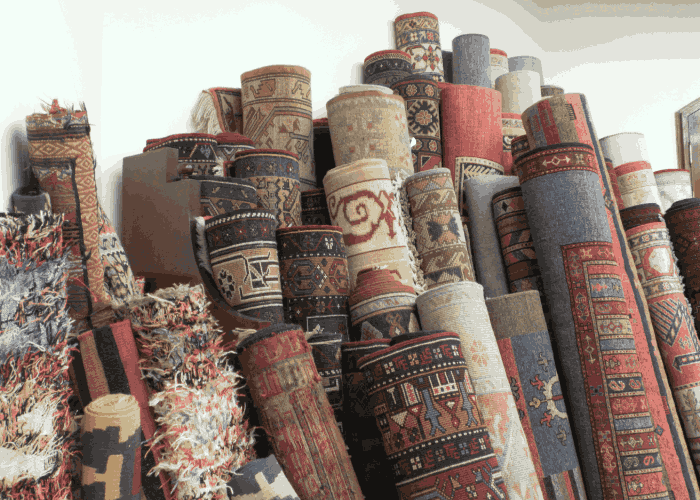
Embarking on the quest for a premium Indian carpet is like stepping into a world of vibrant colors, intricate patterns, and centuries-old craftsmanship. These magnificent floor coverings are more than just decorative items; they are pieces of art, woven with stories and traditions.
The allure of a hand-knotted Indian carpet lies in its unparalleled beauty, durability, and the unique character it brings to any space. However, navigating the vast online marketplace to find an authentic, high-quality piece can feel daunting.
This comprehensive guide is designed to empower you with the knowledge and confidence needed to make an informed purchase. We will delve into the rich heritage of Indian carpets, explore different types and styles, and provide crucial tips for identifying reputable online sellers.
By the end of this article, you will be well-equipped to discover and acquire the perfect premium Indian carpet that will grace your home for generations.
The Enduring Allure and Rich Heritage of Indian Carpets
Indian carpets boast a lineage stretching back through centuries, deeply intertwined with the country’s artistic and cultural tapestry. The art of carpet weaving flourished under the patronage of the Mughal emperors, particularly during the 16th and 17th centuries.
This era saw the introduction of Persian designs and techniques, which were then masterfully adapted and infused with distinct Indian aesthetics. The result was a unique Indo-Persian style, characterized by its exquisite floral motifs, intricate medallions, and sophisticated color palettes.
Today, regions like Mirzapur, Bhadohi, Jaipur, and Kashmir remain significant hubs for carpet production. Each area often specializes in particular weaving styles, materials, and design philosophies, contributing to the incredible diversity available.
Owning a premium Indian carpet is not merely about decorating your floor; it is about bringing a piece of this rich history and unparalleled artistry into your home. These carpets are celebrated for their detailed work, luxurious textures, and the enduring quality that makes them heirlooms.
Understanding Indian Carpet Types and Styles
Before you begin your online search, it’s essential to understand the different types of Indian carpets available. This knowledge will help you identify what best suits your aesthetic preferences, functional needs, and budget.
Hand-Knotted Carpets: The Pinnacle of Craftsmanship
Hand-knotted carpets represent the highest echelon of carpet weaving. Each knot is individually tied by skilled artisans onto a cotton or silk foundation, making them incredibly durable and intricate.
The knot density, measured in knots per square inch (KPSI), is a key indicator of quality. Higher KPSI typically means a more detailed design, finer materials, and greater durability.
Indo-Persian Designs
- These carpets are heavily influenced by classic Persian motifs, featuring elaborate floral patterns, curvilinear designs, and central medallions.
- They often use a rich, jewel-toned color palette, though contemporary versions also embrace softer, more muted hues.
- Wool is the most common material, often blended with cotton for the foundation.
Mughal Designs
- Mughal carpets are renowned for their sophisticated designs, frequently depicting garden scenes, hunting motifs, and intricate tree-of-life patterns.
- They showcase a refined elegance and a deep connection to nature.
- These designs are a direct legacy of the Mughal empire’s artistic preferences.
Kashmir Silk Carpets
- Kashmir is famous for its exquisite silk carpets, known for their incredible softness, lustrous sheen, and extremely high knot counts.
- The intricate detailing achievable with silk allows for breathtakingly fine patterns.
- These carpets are often considered luxury items, best suited for low-traffic areas or as decorative wall hangings.
Bhadohi and Mirzapur Carpets
- These regions in Uttar Pradesh are India’s largest carpet weaving centers.
- They produce a wide range of hand-knotted carpets, from traditional designs to modern abstractions.
- Wool, often imported from New Zealand for its superior quality, is a primary material here.
Hand-Tufted Carpets: A More Accessible Option
Hand-tufted carpets offer a more economical alternative to hand-knotted varieties while still providing a handmade feel. Instead of tying individual knots, artisans use a hand-operated tool to punch loops of yarn through a fabric backing.
These loops are then secured with a latex adhesive and often covered with a secondary backing. The loops can be left as is (loop pile) or sheared to create a cut pile, giving a plush, velvety texture.
While hand-tufted carpets are durable and come in a vast array of designs, they generally do not possess the same heirloom quality or longevity as hand-knotted carpets. They are an excellent choice for those seeking style and comfort at a moderate price point.
Hand-Woven / Flatweave Carpets (Dhurries)
Dhurries are traditional Indian flatweave rugs, characterized by their lack of pile. They are woven on a loom, similar to fabric, resulting in a thin, reversible, and highly durable textile.
Often made from cotton, wool, or jute, dhurries are known for their geometric patterns, stripes, and vibrant colors. They are lightweight, easy to clean, and perfect for high-traffic areas, dining rooms, or even outdoor covered spaces.
While not strictly “carpets” in the traditional sense, premium dhurries from regions like Jaipur are highly sought after for their artisanal quality and distinctive aesthetic.
Materials Used in Indian Carpets
The choice of material significantly impacts a carpet’s look, feel, durability, and price. Understanding the nuances of each material is crucial for your selection.
Wool
- New Zealand Wool: Highly prized for its softness, lustrous sheen, and natural lanolin content, which makes carpets more resistant to stains.
- Indian Wool: Offers good durability and a slightly coarser texture, often used in more traditional or rustic designs.
- Wool is naturally flame-resistant, durable, and retains its shape well, making it ideal for high-traffic areas.
Silk
- Silk carpets are synonymous with luxury, offering an unparalleled softness, radiant sheen, and exquisite detail.
- They are less durable than wool and best suited for low-traffic areas or as decorative wall hangings.
- Kashmir silk is particularly famous for its quality.
Cotton
- Often used for the foundation (warp and weft) of hand-knotted carpets, providing stability.
- Cotton is also the primary material for many dhurries, offering a soft, breathable, and easily washable option.
Blends
- Some carpets may feature blends of wool and silk, combining the durability of wool with the sheen of silk.
- These blends can offer a unique texture and visual appeal.
Key Factors to Consider Before Buying Online
Purchasing a premium Indian carpet online requires careful consideration of several factors. Being well-informed will help you distinguish between genuine quality and mere imitation.
Authenticity and Provenance
The authenticity of an Indian carpet is paramount. You want to ensure you are buying a genuine, handcrafted piece rather than a machine-made imitation.
Look for sellers who provide certificates of authenticity. These documents typically detail the carpet’s origin, materials, knot count, and the type of weaving technique used.
Reputable dealers often have strong relationships with weavers and can trace the lineage of their carpets. This transparency builds trust and assures you of the carpet’s genuine heritage.
Knot Density (KPSI/KPSC)
Knot density, or knots per square inch (KPSI) or square centimeter (KPSC), is a critical indicator of a hand-knotted carpet’s quality and craftsmanship. A higher knot count generally signifies a more intricate design, finer materials, and greater durability.
For premium wool carpets, a KPSI of 150-300 is considered good to excellent. Silk carpets can have significantly higher knot counts, sometimes exceeding 1000 KPSI, allowing for incredibly detailed patterns.
Always ask for the KPSI if it’s not explicitly stated in the product description. This metric helps you compare the quality of different hand-knotted pieces.
Material Quality
The quality of the materials used profoundly impacts the carpet’s appearance, feel, and longevity. For wool carpets, look for descriptions mentioning high-quality new wool, such as New Zealand wool.
High-quality wool has a natural luster, is soft to the touch, and resilient when pressed. For silk carpets, ensure it is 100% pure silk, as blends or artificial silk will lack the characteristic sheen and durability.
The foundation materials (warp and weft) are also important. Cotton is typically preferred for its strength and stability in hand-knotted carpets.
Dye Quality and Colorfastness
The dyes used determine the carpet’s vibrancy and its ability to retain color over time. Natural vegetable dyes are highly prized for their organic hues and ability to age gracefully, developing a beautiful patina.
However, modern synthetic dyes have also advanced considerably and can offer excellent colorfastness, meaning they resist fading when exposed to light or cleaning. Always inquire about the type of dyes used and whether the carpet is colorfast.
Poor quality dyes can bleed or fade quickly, diminishing the carpet’s beauty. A reputable seller will be transparent about their dyeing processes.
Design, Pattern, and Aesthetics
Indian carpets come in an astonishing variety of designs, from timeless traditional motifs to bold contemporary patterns. Consider the existing decor and color scheme of your room.
Do you prefer a classic Indo-Persian medallion, an intricate floral design, or a more minimalist geometric pattern? High-resolution images and detailed descriptions are essential for evaluating the design online.
Think about how the pattern will interact with your furniture and other elements in the space. A complex pattern might be overwhelming in a small room, while a subtle design could be lost in a large, empty area.
Size and Shape
Accurate measurements are crucial when buying a carpet online. Measure your room and the area where the carpet will be placed carefully, considering furniture placement and traffic flow.
Standard sizes are readily available, but many premium Indian carpet manufacturers also offer custom sizing. This can be a valuable option if you have an unusually shaped room or specific dimensions in mind.
Always double-check the dimensions provided by the seller and consider drawing the carpet outline on your floor with painter’s tape to visualize its impact.
Pile Height and Texture
The pile height refers to the length of the yarn strands in the carpet. This affects its feel, appearance, and maintenance requirements. A shorter pile is generally more durable and easier to clean, while a longer, thicker pile offers a more luxurious and plush feel.
Hand-knotted carpets typically have a medium to low pile, which enhances the clarity of their intricate designs. Hand-tufted carpets can have varying pile heights, often offering a softer, denser feel.
Consider how the texture will feel underfoot and whether it complements the room’s function. A soft silk carpet might be perfect for a bedroom, while a sturdy wool carpet suits a living room.
Return Policy and Warranty
This is arguably one of the most critical factors for online purchases. A clear, generous return policy is a sign of a confident and customer-focused seller.
Ensure you understand the return window, who covers return shipping costs, and any conditions for returns (e.g., original packaging, unworn condition). A good return policy mitigates the risk of buying a carpet sight unseen.
Also, inquire about any warranties offered against manufacturing defects. This provides peace of mind for your significant investment.
Shipping, Insurance, and Customs
For international purchases, understand the shipping costs, estimated delivery times, and whether insurance is included. Premium carpets are valuable items that require secure and insured shipping.
Be aware of potential customs duties, taxes, or import fees levied by your country. These charges can significantly add to the total cost and are typically the buyer’s responsibility.
Reputable sellers will often provide information on these aspects or direct you to resources where you can calculate potential additional costs. Choose sellers with reliable tracking services.
Customer Reviews and Testimonials
Before finalizing a purchase, take time to read customer reviews and testimonials. These provide valuable insights into the seller’s reputation, product quality, and customer service.
Look for consistent positive feedback regarding product accuracy, delivery, and responsiveness. Be wary of sellers with numerous negative reviews or a complete lack of reviews.
Independent review platforms or trusted third-party marketplaces can offer unbiased opinions. Social media presence and engagement can also be indicators of a reputable brand.
Where to Buy Premium Indian Carpets Online: Reputable Platforms and Retailers
The online landscape offers a diverse range of options for purchasing Indian carpets. Knowing where to look will streamline your search and increase your chances of finding a genuine premium piece.
Dedicated Online Indian Carpet Stores
These retailers specialize exclusively in Indian carpets and often have deep connections with weaving communities. They typically offer a curated selection, expert advice, and transparent product information.
Many of these stores are direct-to-consumer, cutting out intermediaries and potentially offering better value for high-quality pieces. They often provide detailed descriptions, high-resolution images, and even videos of their carpets.
Examples might include long-standing family businesses that have transitioned online or brands known for ethical sourcing and supporting artisan communities. Look for their “About Us” page to understand their heritage and values.
Luxury Home Decor Marketplaces
Platforms like 1stDibs or Sotheby’s Home cater to the high-end market, often featuring antique, vintage, and exceptionally rare or designer Indian carpets. These platforms typically have rigorous authentication processes.
While prices can be significantly higher, you are often investing in pieces with proven provenance and unique historical or artistic value. These marketplaces are ideal for collectors or those seeking truly one-of-a-kind treasures.
They usually offer white-glove delivery services and robust buyer protection. Research the specific seller’s reputation within the marketplace.
Large E-commerce Platforms with Specialized Sections
Major online retailers like Amazon, Etsy, Wayfair, and Overstock also host a vast selection of Indian carpets. While convenient, these platforms require more diligent research on your part.
Many independent sellers and smaller businesses operate through Etsy, offering handmade and sometimes custom pieces. Always check seller ratings, reviews, and detailed product descriptions.
On larger sites like Amazon or Wayfair, filter your search carefully for “hand-knotted” or “premium Indian carpets” and scrutinize product details. Look for brands with established reputations even within these broader marketplaces.
Direct from Weavers / Artisan Cooperatives
Some weaving cooperatives and individual master weavers have established online presences, allowing you to purchase directly from the source. This option often supports the artisans more directly and can sometimes offer competitive pricing.
Direct purchases might also open opportunities for custom orders, allowing you to specify designs, colors, and sizes. However, logistics, return policies, and customer service might be less formalized than with larger retailers.
Look for their story, photos of their workshops, and any fair trade certifications they might hold. This approach offers a very personal connection to your carpet’s origin.
Online Auction Houses
For antique or extremely rare Indian carpets, online auction houses (e.g., Christie’s, Bonhams, local auctioneers with online platforms) can be a source. This route requires a good understanding of carpet valuation and authentication.
You may find exceptional pieces at competitive prices, but there’s also a higher risk involved if you’re not an expert buyer. Always factor in buyer’s premiums and shipping costs associated with auctions.
It’s advisable to seek expert consultation before bidding on high-value items through auction. Examine all provided images and condition reports meticulously.
Navigating the Online Purchase Process
Once you’ve identified potential sellers, the next step is to carefully navigate the purchase process. Online buying requires attention to detail and proactive communication.
Detailed Product Descriptions and Specifications
A reputable seller will provide comprehensive product descriptions. These should include the carpet’s type (hand-knotted, hand-tufted), material composition (wool, silk, cotton, blends), origin, dimensions, and knot density (for hand-knotted).
Look for information on the dyeing process, age of the carpet (if vintage/antique), and any unique characteristics. The more information provided, the more confident you can be in your purchase.
Be wary of descriptions that are vague or lack specific details, as this could indicate a lower-quality product or a less transparent seller.
High-Resolution Images and Videos
Since you cannot physically inspect the carpet, high-quality visuals are paramount. Look for multiple images taken from different angles, showing close-ups of the pile, knots, and edges.
Images should accurately represent the carpet’s colors, textures, and patterns under natural light. Some sellers even provide videos, which can give a better sense of the carpet’s movement and sheen.
Request additional photos or videos if you need a closer look at specific details or if the existing images are insufficient. This is a reasonable request for a high-value item.
Virtual Try-On Tools (If Available)
Some advanced online retailers offer virtual try-on tools, allowing you to visualize how a carpet would look in your room using augmented reality. While not universally available, these tools can be incredibly helpful.
If a virtual try-on isn’t an option, consider using photo editing software to superimpose the carpet image onto a photo of your room. This can give you a rough idea of scale and color coordination.
Even a simple printout of the carpet at scale placed on your floor can provide a better visual sense than just looking at a screen.
Asking Questions and Communicating with Sellers
Do not hesitate to reach out to the seller with any questions or concerns you may have. A responsive and knowledgeable seller is a good indicator of reliable customer service.
Ask about the carpet’s history, specific weaving techniques, care instructions, or any details not covered in the description. Clear communication ensures both parties are on the same page.
Keep a record of all communications, including emails and chat transcripts, as this can be useful if any issues arise later.
Reading the Fine Print
Always review the seller’s terms and conditions, privacy policy, and shipping details before making a purchase. Pay close attention to the return policy, warranty information, and any disclaimers.
Understanding these details upfront can prevent misunderstandings and provide clarity on your rights as a buyer. If anything is unclear, ask for clarification before proceeding.
Knowing the fine print empowers you to make a fully informed decision and protects your investment.
Secure Payment Gateways
Ensure that the website uses secure payment gateways (look for ‘https://’ in the URL and a padlock symbol). Reputable sites will offer various secure payment options like credit card processing, PayPal, or other trusted services.
Avoid making payments through unsecured methods or directly to individuals without proper buyer protection. Your financial security is paramount when making online purchases.
If you encounter any suspicious payment requests, cease the transaction and report it to the platform or your financial institution.
Comparative Overview of Indian Carpet Characteristics
To help you weigh your options, here is a comparative overview of key characteristics across different types of Indian carpets. This table provides a quick reference for making an informed decision.
| Carpet Type / Characteristic | Typical Knot Density (KPSI) | Approximate Price Range (per sq ft) | Durability | Common Materials | Best Use Case |
|---|---|---|---|---|---|
| High-Quality Hand-Knotted Wool | 150 – 300+ | $30 – $150+ | Excellent | Wool (New Zealand, Indian), Cotton Foundation | High-traffic areas, living rooms, dining rooms, heirloom pieces |
| High-Quality Hand-Knotted Silk | 300 – 1000+ | $100 – $500+ | Good (delicate) | Silk, Cotton Foundation | Low-traffic areas, bedrooms, decorative wall hangings, collector’s items |
| Hand-Tufted Wool | N/A (pile density is key) | $15 – $50 | Good | Wool, Cotton, Synthetic Backing | Medium-traffic areas, bedrooms, guest rooms, stylish yet affordable |
| Hand-Woven Dhurrie (Flatweave) | N/A (no pile) | $10 – $40 | Very Good | Cotton, Jute, Wool | High-traffic areas, dining rooms, casual spaces, reversible, easy to clean |
| Vintage/Antique Hand-Knotted | Varies (often high) | $50 – $1000+ (depending on rarity) | Excellent (with proper care) | Wool, Silk, Cotton | Collector’s items, unique statement pieces, enhancing historical decor |
Note: Price ranges are approximate and can vary significantly based on material quality, knot density, age, design complexity, and seller. Always verify specific pricing with retailers.
Caring for Your Premium Indian Carpet
Once you’ve acquired your beautiful Indian carpet, proper care is essential to preserve its beauty and extend its lifespan. A little maintenance goes a long way in protecting your investment.
Regular Vacuuming
Vacuum your carpet regularly, ideally once a week, using a vacuum cleaner with a brush attachment. Be gentle and avoid using a beater bar, as it can damage the delicate fibers, especially on hand-knotted carpets.
Vacuum in the direction of the pile to prevent fiber distortion. For fringes, use the hose attachment to avoid tangling or damaging them.
Immediate Spot Cleaning
Address spills and stains immediately. Blot, don’t rub, with a clean white cloth to absorb as much liquid as possible. Use a mild carpet cleaner or a solution of water and a small amount of mild detergent.
Always test any cleaning solution on an inconspicuous area first to ensure it doesn’t cause discoloration. Avoid harsh chemicals that can damage the dyes or fibers.
Professional Cleaning
For deep cleaning, it’s highly recommended to have your premium Indian carpet professionally cleaned every 3-5 years, or more frequently if it’s in a high-traffic area.
Choose a professional carpet cleaner who specializes in hand-knotted or delicate rugs. They have the expertise and equipment to clean your carpet thoroughly without causing damage.
Rotation and Protection
Rotate your carpet periodically (every 6-12 months) to ensure even wear and exposure to light. This prevents certain areas from fading or wearing out faster than others.
Use a high-quality rug pad underneath your carpet. A good pad prevents slipping, provides cushioning, and protects both the carpet and your floor from wear and tear.
Protect your carpet from direct, prolonged sunlight, which can cause fading. Use curtains or blinds to filter light, especially during peak sun hours.
Conclusion
The journey to finding your ultimate premium Indian carpet online is an exciting one, filled with discovery and the promise of bringing exquisite artistry into your home. By understanding the diverse types, crucial quality indicators, and reputable purchasing channels, you are now well-prepared to make an informed decision.
Remember to prioritize authenticity, scrutinize product details, and communicate openly with sellers. A thoughtful approach will ensure that the carpet you choose is not only beautiful but also a genuine reflection of India’s rich weaving heritage.
Your new Indian carpet will be more than just a floor covering; it will be a conversation piece, a source of comfort, and a cherished heirloom for years to come. Embrace the process, and enjoy the timeless elegance and warmth that a premium Indian carpet brings to your living space.
Frequently Asked Questions (FAQ)
What is the difference between hand-knotted and hand-tufted carpets?
Hand-knotted carpets are made by individually tying knots onto a foundation, making them highly durable, intricate, and valuable heirlooms. Hand-tufted carpets are made by punching yarn loops through a backing with a tool, then gluing them down, offering a more affordable handmade option.
How do I know if an Indian carpet is authentic?
Look for sellers who provide certificates of authenticity detailing the carpet’s origin, materials, and weaving technique. Examine high-resolution images for unevenness in knots (a sign of handmade), and check for reputable seller reviews and transparency about their sourcing.
How do I measure for a carpet?
Measure the length and width of your room or the specific area you want the carpet to cover. Consider leaving a border of exposed flooring (typically 12-24 inches) around the carpet. Use painter’s tape to outline the desired carpet size on your floor for visualization.
Can I return a carpet if I don’t like it?
This depends entirely on the seller’s return policy. Always read the return policy carefully before purchasing. Look for clear terms regarding the return window, condition of the carpet upon return, and who is responsible for return shipping costs.
How often should I clean my Indian carpet?
Regular vacuuming (once a week) and immediate spot cleaning are recommended. For deep cleaning, professional cleaning by a specialist in delicate rugs is advised every 3-5 years, or more frequently for high-traffic areas.
Are Indian carpets durable?
Yes, especially hand-knotted Indian carpets made from high-quality wool are incredibly durable and can last for generations with proper care. Hand-tufted carpets are also durable but generally have a shorter lifespan than hand-knotted ones.
What is KPSI and why is it important?
KPSI stands for Knots Per Square Inch. It indicates the density of knots in a hand-knotted carpet. A higher KPSI generally signifies finer craftsmanship, greater detail in the design, and increased durability, often correlating with a higher price and quality.
How do I handle customs duties and international shipping?
When buying internationally, expect to pay customs duties, taxes, or import fees levied by your country. These are usually the buyer’s responsibility. Reputable sellers will often provide information or resources to estimate these costs.
Ensure the shipping includes tracking and insurance for valuable items.