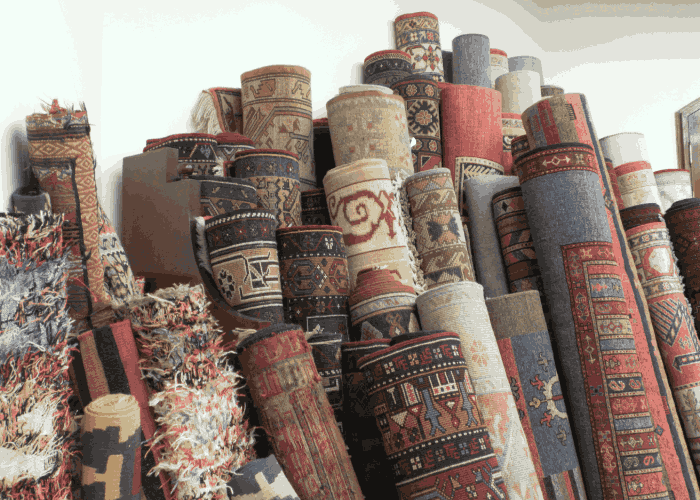
Imagine a land where emerald backwaters meet sun-kissed beaches, a place renowned for its serene beauty and vibrant culture. This is Kerala, often called “God’s Own Country,” a southern Indian state that captivates with its natural splendor. Beyond its picturesque landscapes, Kerala holds a secret treasure, a craft that elevates home décor to an art form: its premium carpets.
You might associate India with magnificent textiles, but perhaps not specifically with carpets of this caliber from Kerala. Yet, for centuries, skilled artisans in this region have been weaving magic, transforming natural fibers into exquisite floor coverings. These aren’t just carpets; they are stories woven in thread, embodying heritage, skill, and unparalleled quality.
Embark on a journey with us to discover the intricate craft behind India’s premium carpets, tracing their path from the tranquil villages of Kerala to luxurious spaces across the globe. You will learn about the unique materials, the meticulous processes, and the dedicated hands that bring these masterpieces to life. Prepare to uncover why a Kerala-crafted carpet is not merely a purchase, but an investment in timeless artistry.
The Rich Tapestry of Kerala’s Textile Heritage
Kerala’s connection to textiles runs deep, rooted in a history that spans millennia. The region has long been a hub for trade, attracting merchants from across the seas drawn to its spices and artisanal goods. This vibrant exchange fostered a rich environment for the development of diverse crafts, including sophisticated weaving techniques.
The art of carpet making, while perhaps less globally recognized than some other Indian textile traditions, holds a significant place in Kerala’s cultural narrative. It evolved from simpler mat-weaving practices, gradually incorporating more complex designs and robust structures. Over generations, families have dedicated themselves to perfecting this ancient craft, passing down invaluable knowledge and skills.
Today, this heritage is not just preserved but celebrated, forming the bedrock of the premium carpet industry. You are witnessing a legacy where every knot and weave carries the echoes of history. This deep-rooted tradition ensures authenticity and a distinct character in every piece.
A Legacy Woven Through Time
The evolution of carpet making in Kerala is a testament to human ingenuity and adaptability. Early inhabitants utilized readily available natural resources, primarily coir from coconut husks, to create functional and durable mats. These initial creations were essential for daily life in a tropical climate.
As trade routes expanded and cultural influences merged, the craft began to transform. Artisans started experimenting with different fibers, dyeing techniques, and intricate patterns. The demand for more refined floor coverings grew, both locally and from foreign traders who recognized the inherent quality.
This historical progression laid the groundwork for the premium carpets you see today. You are not just buying a product; you are acquiring a piece of an evolving tradition. The continuous refinement of techniques ensures that Kerala carpets stand out for their exceptional quality and unique aesthetic appeal.
The Soul of the Carpet: Premium Materials and Sourcing
The foundation of any premium carpet lies in the quality of its materials. In Kerala, this principle is meticulously upheld, with a strong emphasis on natural, sustainable, and locally sourced fibers. This commitment to superior raw materials ensures the longevity, beauty, and environmental responsibility of each carpet.
When you choose a premium Kerala carpet, you are choosing a product made from the finest natural resources. This dedication to material excellence is a primary differentiator in the global market. It’s a choice that reflects an appreciation for both craftsmanship and nature.
Kerala’s Golden Fiber: The Majesty of Coir
Perhaps the most iconic material associated with Kerala’s carpets is coir, often dubbed “the golden fiber.” Derived from the fibrous husk of coconuts, coir is an abundant and renewable resource in this coconut-rich state. Its natural properties make it an exceptional choice for durable and eco-friendly carpets.
Coir fibers are inherently strong, resilient, and resistant to moisture and pests. This makes coir carpets exceptionally long-lasting and suitable for both indoor and outdoor use. You will find them maintaining their integrity and appearance for many years, even in high-traffic areas.
Beyond its robustness, coir offers a unique rustic charm and a pleasing natural texture. The production of coir is also highly sustainable, utilizing a byproduct that would otherwise go to waste. When you invest in a coir carpet, you are supporting both local economies and responsible environmental practices.
Beyond Coir: Diverse Natural Fibers
While coir is a signature, Kerala’s premium carpet industry also masterfully incorporates other high-quality natural fibers. This diversification allows for a wider range of textures, designs, and applications, catering to various aesthetic preferences and functional needs. You have a broad spectrum of choices available.
Wool: Fine wool, often imported for its specific qualities, lends incredible softness, warmth, and natural stain resistance to carpets. Wool carpets from Kerala combine traditional weaving with luxurious comfort, offering you a plush and inviting feel underfoot. They are known for their excellent dye absorption, leading to vibrant and lasting colors.
Silk: For unparalleled luxury and intricate detail, silk is occasionally blended or used for accent patterns. Silk carpets possess a luminous sheen and an exquisite softness that elevates any space. While more delicate, a silk-enhanced carpet from Kerala is a true statement of opulence and refined taste.
Jute: Another plant-based fiber, jute is known for its strength, affordability, and natural, earthy appeal. Jute carpets offer a slightly softer texture than coir while maintaining excellent durability. They are a fantastic eco-friendly option, providing a natural and wholesome aesthetic to your interiors.
Blends: Many premium Kerala carpets feature intelligent blends of these fibers. For instance, a coir-jute blend might offer enhanced softness with retained durability, or a wool-silk blend could combine warmth with a subtle sheen. These blends are meticulously crafted to deliver specific performance and aesthetic characteristics, giving you the best of multiple worlds.
The Art of Creation: Unraveling the Crafting Process
The journey from raw fiber to a finished premium carpet is a testament to human skill, patience, and artistic vision. It is a multi-stage process, each step demanding precision and an intimate understanding of the materials. You will be amazed by the sheer dedication involved in bringing these carpets to life.
This intricate crafting process is what truly differentiates a mass-produced item from a handcrafted masterpiece. Every stage is overseen by experienced artisans, ensuring that quality is paramount from start to finish. It is a labor of love that results in a product of enduring beauty.
From Fiber to Thread: The Preparation
The crafting process begins long before any weaving takes place, with the meticulous preparation of the fibers. For coir, this involves retting the coconut husks in water to soften them, then extracting the fibers. These fibers are then cleaned, dried, and sorted by quality, ensuring only the best are used.
For wool and other fibers, similar rigorous cleaning and carding processes remove impurities and align the fibers. This preparatory stage is crucial for achieving consistent yarn quality, which directly impacts the carpet’s strength and texture. You can feel the difference this thorough preparation makes in the final product.
Once cleaned, the fibers are spun into strong, even threads or yarns. This spinning can be done by hand, a traditional method that imparts unique character, or by machines for greater consistency. The choice of spinning method often depends on the desired texture and type of carpet being created.
The Magic of Natural Dyes
Color is a fundamental element of a carpet’s appeal, and in Kerala, the dyeing process is often an art form in itself. Many premium carpets utilize natural dyes derived from plants, minerals, and other organic sources. These dyes offer a rich, nuanced palette and are environmentally friendly.
The dyeing process involves immersing the prepared yarns in dye baths, carefully controlling temperature and timing to achieve the desired shade. Artisans possess an incredible knowledge of natural dye recipes, passed down through generations. This expertise ensures color fastness and a beautiful, organic aesthetic.
You will notice that natural dyes often create colors with a subtle variation and depth that synthetic dyes cannot replicate. This uniqueness adds to the charm and individuality of each carpet. The commitment to natural dyeing reflects a respect for traditional methods and environmental health.
The Weaving Mastery: Hand-Knotting and Beyond
The heart of carpet creation lies in the weaving process, where skilled hands meticulously interlace threads to form the carpet’s structure and design. Kerala artisans employ several sophisticated weaving techniques, each contributing to a distinct type of premium carpet. You will appreciate the sheer dedication involved in each method.
Hand-Knotting: This is the most labor-intensive and revered method, resulting in the highest quality and most durable carpets. Each knot is individually tied by hand onto a warp thread, creating a dense, plush pile. The number of knots per square inch (KPSI) determines the intricacy of the design and the carpet’s overall value.
A higher KPSI indicates finer detail and greater durability, representing hundreds, if not thousands, of hours of work.
Hand-Tufting: In hand-tufting, a pattern is outlined on a canvas backing, and yarn is then “tufted” or punched through the canvas using a hand-held tool. The loops are then typically cut to create a pile, and a secondary backing is applied for stability. While faster than hand-knotting, hand-tufting still requires significant skill and yields beautiful, high-quality carpets with a softer feel.
You can often achieve complex designs and varied textures with this method.
Flatweave (Kilim): Flatweave carpets, also known as Kilims, are created by interweaving warp and weft threads to form a flat, pile-less surface. These carpets are reversible, lightweight, and incredibly durable. They offer a distinct aesthetic, often featuring geometric patterns and vibrant color combinations.
You will find them ideal for adding a touch of rustic elegance or contemporary flair.
Loom Weaving: While some weaving is done on traditional handlooms, modern power looms can also be used for certain types of premium carpets, especially for creating consistent textures and patterns efficiently. Even with machine assistance, the quality of materials and design input from human artisans remains paramount. You benefit from precision and consistency in these meticulously crafted pieces.
The Final Flourish: Finishing and Inspection
Once the weaving is complete, the carpet undergoes a series of critical finishing processes to enhance its beauty, durability, and overall quality. These steps are as important as the weaving itself, ensuring the carpet is ready for its new home. You can expect nothing less than perfection at this stage.
Shearing: For pile carpets, the surface is carefully sheared to an even height, creating a uniform and lustrous finish. This process requires a steady hand and an experienced eye to ensure consistency across the entire carpet. It brings out the inherent beauty of the fibers and patterns.
Washing: Carpets are often thoroughly washed to remove any residual dyes, loose fibers, and impurities. This washing process can also enhance the natural sheen of the fibers and soften the carpet’s texture. Specific washing techniques might be employed to achieve particular finishes, such as an antique look.
Binding and Fringing: The edges of the carpet are meticulously bound to prevent fraying and provide a neat finish. For some designs, fringes are added, either as an extension of the warp threads or sewn on separately. These details contribute significantly to the carpet’s aesthetic appeal and structural integrity.
Final Inspection: Before any carpet leaves the workshop, it undergoes a rigorous final inspection. Every inch is scrutinized for flaws in weaving, dyeing, and finishing. Only carpets that meet the highest standards of craftsmanship and quality are deemed worthy of the Kerala premium label.
You are assured of a flawless product.
Guardians of Tradition: The Artisans and Their Skills
Behind every premium carpet from Kerala stands a lineage of dedicated artisans, whose hands and knowledge are the true engines of this craft. These are not just workers; they are custodians of a centuries-old tradition, imbued with skills passed down through generations. You are not just supporting an industry, but a community of master craftspeople.
Their expertise is not learned overnight but honed over decades, often beginning in childhood within family workshops. This deep-seated knowledge allows for an intuitive understanding of materials and techniques. It is this human element that infuses each carpet with its unique soul and character.
Passing Down the Loom: Generational Expertise
The transmission of weaving skills in Kerala is predominantly through an apprenticeship model within families and communities. Young apprentices learn from their elders, starting with basic tasks and gradually mastering more complex techniques. This generational transfer ensures the continuity and evolution of the craft.
Each artisan develops a personal touch, a subtle signature that can be discerned in their work. They bring not only technical skill but also a deep artistic sensibility to their craft. You are benefiting from a rich tapestry of human experience woven into every fiber.
Many workshops also prioritize fair trade practices, ensuring artisans receive equitable wages and work in safe and supportive environments. This commitment to ethical production reinforces the value of their labor and preserves the dignity of their craft. When you choose a premium Kerala carpet, you are contributing to the welfare of these skilled individuals.
Design Philosophy: Blending Tradition with Contemporary Aesthetics
Kerala’s premium carpets are renowned not only for their superior craftsmanship but also for their captivating designs. The design philosophy skillfully balances respect for traditional motifs with an openness to contemporary aesthetics. This fusion ensures that the carpets are both timeless and relevant to modern interiors.
You will find a diverse range of patterns, from deeply traditional to strikingly minimalist, catering to a global clientele. This adaptability in design is a key factor in their success on the world stage. It allows you to find a carpet that perfectly complements your personal style.
Motifs of Kerala, Designs for the World
Traditional Kerala motifs draw inspiration from the region’s abundant nature, intricate temple art, and rich cultural symbols. You might see patterns reflecting coconut palms, exotic flowers, elephants, or geometric designs reminiscent of traditional architecture. These elements connect the carpet to its place of origin.
However, the industry is also highly responsive to global design trends. Many designers collaborate with artisans to create contemporary patterns, color palettes, and textures that appeal to modern sensibilities. This creative dialogue results in carpets that seamlessly bridge cultural divides, offering you universal appeal.
Customization is another hallmark of Kerala’s premium carpet manufacturers. Discerning clients can often commission bespoke designs, choosing specific colors, patterns, and sizes. This personalized approach ensures your carpet is truly unique, reflecting your individual taste and requirements.
The Pillars of Premium: Quality, Durability, and Sustainability
When we talk about “premium” carpets from Kerala, we are referring to a combination of factors that elevate them above ordinary floor coverings. These pillars – quality, durability, and sustainability – are intrinsically woven into their very fabric. You are investing in a product crafted for excellence.
These attributes are not mere marketing buzzwords; they are tangible characteristics resulting from meticulous craftsmanship and responsible practices. You can trust that a premium Kerala carpet will not only enhance your space but also stand the test of time.
An Investment in Artistry and Longevity
What defines a premium carpet from Kerala is its unwavering commitment to excellence at every stage. From the selection of the finest natural fibers to the meticulous hand-knotting and rigorous final inspection, no detail is overlooked. This dedication ensures a product of exceptional quality.
The inherent durability of materials like coir and wool, combined with expert weaving techniques, means these carpets are built to last. They resist wear and tear, maintaining their beauty and structural integrity for decades. You are acquiring an heirloom piece, not just a temporary furnishing.
Furthermore, the focus on natural fibers and traditional, often low-impact, production methods makes these carpets inherently sustainable. Many manufacturers adhere to eco-friendly practices, minimizing waste and using non-toxic dyes. Choosing a Kerala carpet is a conscious decision to support ethical and environmentally responsible artisanship.
Some premium carpets also carry certifications that attest to their quality, ethical production, or sustainable sourcing. These certifications provide you with additional assurance of their superior standards. Be sure to inquire about any relevant accreditations when making your selection.
From Local Looms to Global Living Rooms: The World Stage
The journey of Kerala’s premium carpets from the quiet looms of its villages to the bustling living rooms and commercial spaces across the globe is a testament to their universal appeal and exceptional quality. The world has recognized the unique blend of tradition, artistry, and sustainability that these carpets embody. You are joining a global community of discerning buyers.
The industry has strategically adapted to meet international demand, streamlining logistics and ensuring timely delivery to customers worldwide. This global reach has brought well-deserved recognition to the skilled artisans and their remarkable craft. It’s a story of local excellence achieving global prominence.
To illustrate the global presence and demand for various carpet types, consider the following data. While specific export data for “Kerala premium carpets” can be granular, often categorized under broader “Indian carpet exports,” this table provides a general comparison of key carpet types and their global market relevance:
| Carpet Type/Material | Primary Characteristic | Global Demand Factor | Typical Price Range (Relative) | Environmental Footprint |
|---|---|---|---|---|
| Hand-Knotted Wool | Exceptional durability, intricate designs, natural warmth. | High, for luxury and traditional markets. | High | Moderate (natural fiber, but processing can be energy intensive). |
| Hand-Tufted Wool | Softer feel, versatile designs, good durability. | High, for modern and semi-luxury markets. | Medium-High | Moderate (natural fiber, more efficient production than hand-knotting). |
| Coir (Kerala Origin) | Extreme durability, natural rustic look, moisture resistance. | Growing, for eco-conscious and outdoor/natural decor. | Medium | Low (renewable, byproduct, biodegradable). |
| Jute (Kerala Origin) | Affordable, natural texture, softer than coir. | High, for natural, casual, and eco-friendly home decor. | Low-Medium | Low (renewable, biodegradable). |
| Silk/Silk Blends | Luxurious sheen, exquisite softness, fine detail. | Niche, for high-end luxury and artistic pieces. | Very High | Moderate (natural fiber, but silk production has specific environmental considerations). |
This table highlights how Kerala’s offerings, particularly coir and jute, stand out for their environmental benefits and unique characteristics. You can see how these materials compete effectively in diverse market segments globally. The growing demand for sustainable and natural home decor positions Kerala’s carpets strongly for future growth.
Many manufacturers have established robust online presences, allowing you to explore their collections and make purchases from anywhere in the world. They offer detailed product descriptions, high-resolution images, and often virtual consultations to help you choose the perfect carpet. This accessibility makes it easier than ever to bring a piece of Kerala’s artistry into your home.
Furthermore, excellent customer service, including international shipping options and after-sales support, ensures a seamless purchasing experience. You can expect professionalism and care throughout your interaction, reflecting the premium nature of the products themselves. This commitment to the customer reinforces the global appeal of these magnificent carpets.
Conclusion
From the verdant landscapes of Kerala emerges a craft that transcends mere functionality, evolving into a profound expression of art and heritage. The premium carpets from this region are more than just floor coverings; they are a testament to centuries of inherited skill, meticulous dedication, and an unwavering commitment to quality. You have journeyed through the intricate process that defines these extraordinary creations.
You have seen how the humble coconut husk, transformed into resilient coir, along with other luxurious natural fibers, forms the soul of these carpets. The hands of master artisans, who devote countless hours to traditional weaving techniques, infuse each piece with unparalleled character and durability. Their stories are literally woven into every knot and thread, offering you a connection to a rich cultural legacy.
Investing in a premium Kerala carpet means bringing a piece of “God’s Own Country” into your home – a piece that offers not only aesthetic beauty and comfort but also embodies sustainability and ethical craftsmanship. It is a decision to embrace timeless elegance, exceptional quality, and a profound appreciation for handcrafted artistry. We invite you to explore, appreciate, and experience the unparalleled charm of these magnificent creations.
Frequently Asked Questions (FAQ)
Q1: What makes carpets from Kerala considered “premium”?
A: Kerala’s premium carpets are distinguished by several factors. These include the use of high-quality natural fibers like coir, wool, and jute, meticulous hand-crafting techniques (such as hand-knotting), natural dyeing processes, and a strong emphasis on durability and ethical production. You are investing in superior materials and unparalleled artistry.
Q2: Are Kerala carpets environmentally friendly?
A: Yes, many Kerala carpets are highly environmentally friendly. Coir and jute are renewable, biodegradable resources, and their processing often has a lower environmental impact. Many manufacturers also use natural dyes and adhere to sustainable practices, making them an excellent eco-conscious choice for your home.
Q3: What types of fibers are commonly used in Kerala premium carpets?
A: The most iconic fiber is coir, derived from coconut husks, known for its durability. Other common natural fibers include wool for softness and warmth, jute for an earthy texture, and sometimes silk for added luxury and intricate detail. Blends of these fibers are also popular, offering you diverse options.
Q4: How do I care for a premium carpet from Kerala?
A: Care instructions vary depending on the fiber type. Generally, regular vacuuming is recommended. For coir and jute carpets, avoid excessive moisture and clean spills promptly with a dry cloth.
Wool carpets may require professional cleaning periodically. Always refer to the manufacturer’s specific care guide to ensure longevity for your carpet.
Q5: Can I get custom-designed carpets from Kerala?
A: Yes, many premium carpet manufacturers in Kerala offer customization services. You can often specify designs, patterns, colors, sizes, and even fiber blends to create a unique carpet that perfectly matches your interior design vision. This bespoke service allows you to truly personalize your space.
Q6: Are Kerala carpets suitable for high-traffic areas?
A: Absolutely, especially those made from coir or high-quality wool. Coir carpets are renowned for their exceptional durability and resistance to wear, making them ideal for high-traffic zones. Wool carpets also offer excellent resilience and bounce-back properties, ensuring they maintain their appearance even in busy areas of your home or office.
Q7: How long does it take to make a hand-knotted carpet?
A: The creation time for a hand-knotted carpet varies significantly based on its size, complexity, and knot density (KPSI). A medium-sized, intricately designed hand-knotted carpet can take several months, or even over a year, for multiple skilled artisans to complete. You are investing in a product of immense dedication and time.