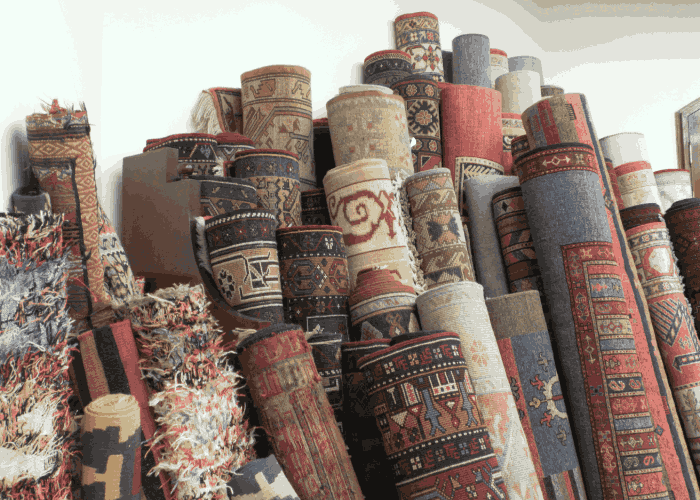
Have you ever considered the journey of a masterpiece? Imagine intricate patterns and vibrant hues, born from generations of skilled hands in India, eventually gracing the most opulent spaces across the globe. This is not just a story of carpets; it is an epic narrative of artistry, heritage, and relentless innovation.
You are about to embark on a fascinating exploration, tracing the remarkable ascent of premium Indian carpets. We will journey from the sun-drenched looms of various Indian regions, including the symbolic and diverse craft traditions hinted at by places like Kerala, all the way to the metaphorical grandeur of a “Met Gala” moment on the world stage.
This article will reveal how these exquisite floor coverings have transcended their traditional origins to become coveted symbols of luxury, design, and sustainable elegance. Prepare to discover the meticulous craftsmanship, rich history, and profound cultural impact that position Indian carpets as true global treasures.
The Rich Tapestry of Indian Carpet Craftsmanship: A Legacy Unfurled
The story of Indian carpets is as ancient and diverse as India itself. For centuries, this art form has been intrinsically woven into the fabric of the nation’s cultural identity.
You will find that the roots of carpet weaving in India stretch back millennia, with early evidence suggesting sophisticated textile production.
Historical Roots and Royal Patronage
The true golden age of Indian carpet weaving, however, is often attributed to the Mughal Empire, starting in the 16th century. Emperor Akbar, a great patron of the arts, introduced Persian weavers to India.
This fusion of indigenous Indian textile traditions with sophisticated Persian knotting techniques sparked an unparalleled period of innovation. Royal workshops were established, fostering an environment where intricate designs and luxurious materials flourished.
You can still see the influence of these early designs today, characterized by floral motifs, hunting scenes, and garden patterns that reflect the splendor of Mughal courts.
Key Regions and Their Unique Specialties
India’s vast geography has given rise to distinct weaving traditions, each contributing uniquely to the global reputation of Indian carpets. Understanding these regional differences helps you appreciate the incredible diversity on offer.
- Kashmir: Renowned for its unparalleled silk carpets, Kashmiri artisans produce pieces of extraordinary fineness. Their intricate designs often feature Persian and local motifs, boasting a knot count that can rival the best in the world. You will find that these carpets shimmer with a unique luster, making them highly sought after.
- Bhadohi-Mirzapur Belt (Uttar Pradesh): This region is often called the “Carpet City of India” and is a powerhouse of carpet production. It specializes in a wide range of hand-knotted and hand-tufted wool carpets, as well as durable flatweave durries. The sheer volume and variety from this area are astounding.
- Jaipur (Rajasthan): Jaipur is celebrated for its vibrant flatweave durries and exquisite hand-knotted carpets, often featuring bold geometric patterns and traditional Rajasthani aesthetics. The use of natural dyes and traditional motifs gives these carpets a distinctive character you will instantly recognize.
- Kerala: While primarily famous for its coir products – durable, natural fiber mats and carpets made from coconut husks – Kerala symbolizes the broader spectrum of India’s diverse craft traditions. Its emphasis on natural materials, sustainable practices, and vibrant designs, even in its rustic forms, embodies a foundational element of India’s textile heritage. The journey from these earthy, natural beginnings to the sophisticated luxury of premium wool and silk carpets represents the incredible evolution and versatility of Indian craftsmanship.
Each region contributes a unique thread to the grand tapestry of Indian carpets, offering you a vast array of choices from rustic charm to ultimate luxury.
The Anatomy of a Premium Indian Carpet: Artistry in Every Fiber
What truly elevates an Indian carpet to premium status? It’s a combination of superior materials, time-honored techniques, and an unwavering commitment to design excellence. When you invest in a premium Indian carpet, you are acquiring a piece of art.
Exquisite Materials: The Foundation of Luxury
The quality of a carpet begins with its raw materials. Premium Indian carpets utilize the finest fibers available, ensuring both beauty and longevity.
- Silk: Considered the epitome of luxury, silk carpets from India—particularly Kashmir—are celebrated for their incredible softness, brilliant sheen, and ability to hold intricate detail. You will find that silk carpets often appear to change color depending on the light and viewing angle, adding to their allure.
- Wool: High-quality wool, such as New Zealand wool or fine Merino wool, forms the backbone of many premium Indian carpets. These wools are prized for their durability, resilience, natural lanolin content (making them stain-resistant), and excellent dye absorption. They offer a luxurious feel underfoot and incredible longevity.
- Cotton: Often used for the foundation (warp and weft) of hand-knotted carpets, cotton provides strength and stability. In flatweaves like durries, cotton can also be a primary weaving material, offering a crisp, clean aesthetic.
- Jute and Other Natural Fibers: While more common in rustic or eco-friendly designs, high-quality jute can be woven into durable and stylish carpets, particularly for contemporary natural aesthetics. You might gravitate towards these for their organic texture and sustainable appeal.
Masterful Weaving Techniques: The Heart of the Craft
The method of construction is paramount in determining a carpet’s quality, texture, and value. Indian artisans employ several sophisticated techniques.
- Hand-Knotted: This is the most labor-intensive and highly valued technique. Each knot is individually tied by hand onto the warp threads, creating an incredibly durable and intricate pile. The higher the knot count (knots per square inch), the finer and more detailed the design. You can expect these carpets to last for generations.
- Hand-Tufted: In this method, a tool is used to punch yarn through a fabric backing, creating loops. These loops can be left as is or cut to create a pile. While less labor-intensive than hand-knotting, skilled hand-tufting still produces high-quality, customizable carpets with a luxurious feel.
- Flatweave (Durries): These carpets have no pile; the warp and weft threads are interwoven to create a flat, reversible fabric. Indian durries are celebrated for their vibrant colors, geometric patterns, and incredible durability. They are versatile and perfect for a variety of contemporary and traditional settings.
- Hand-Loomed: Using a hand-operated loom, artisans weave carpets that can range from flatweaves to low-pile textures. This technique offers a balance of handcrafted quality and relative efficiency, allowing for unique textures and designs.
Design Evolution: From Tradition to Trendsetting
The design journey of Indian carpets is a testament to their adaptability and enduring appeal. You will encounter a spectrum of styles.
Traditionally, Indian carpets drew heavily from Persian motifs, incorporating intricate medallions, arabesques, and garden scenes. Over time, these designs absorbed local Indian elements, such as paisley, animal figures, and architectural motifs, developing a distinctly Indian character.
Today, premium Indian carpet manufacturers are at the forefront of design innovation. They collaborate with international designers, blending traditional craftsmanship with contemporary aesthetics. This results in breathtaking fusion designs that integrate abstract patterns, minimalist sensibilities, and bold color palettes while retaining the soul of Indian artistry.
You will find carpets that seamlessly fit into both classic and ultra-modern interiors.
The Indispensable Role of Artisans
At the core of every premium Indian carpet is the artisan. These skilled weavers, often from families with generations of carpet-making heritage, possess an invaluable legacy of knowledge and dexterity.
Their hands meticulously tie thousands of knots, their eyes follow intricate patterns, and their experience ensures the quality and consistency of each piece. You are not just buying a carpet; you are acquiring the embodiment of their skill, patience, and artistic dedication.
From Local Looms to Global Lifestyles: The Market Transformation
The journey of Indian carpets from regional workshops to international acclaim is a compelling narrative of market evolution, strategic partnerships, and digital disruption. You might wonder how these beautiful creations made their way into homes and designer spaces worldwide.
Early Export Markets and Growing Recognition
Indian carpets have been sought after by international buyers for centuries, initially reaching European markets through trade routes. However, it was in the 20th century that the export market truly began to flourish.
Western consumers and designers started to recognize the exceptional quality and artistic merit of hand-knotted Indian carpets. This early appreciation laid the groundwork for their future global expansion.
The Rise of Designer Collaborations
A pivotal moment in the global rise of premium Indian carpets was the emergence of collaborations between Indian manufacturers and renowned international interior designers and architects.
These partnerships injected fresh perspectives and contemporary aesthetics into traditional weaving practices. Designers brought new color palettes, abstract patterns, and avant-garde concepts, which Indian artisans expertly translated into woven form. This cross-cultural exchange elevated Indian carpets into the realm of high design, making them relevant to modern luxury interiors.
You can now find Indian carpets featured in leading design magazines and showrooms globally.
Showcasing at International Fairs
Participation in prestigious international trade fairs and exhibitions has been crucial for Indian carpet manufacturers to gain global visibility. Events like Domotex in Hanover, Salone del Mobile in Milan, and High Point Market in the USA provide platforms for Indian brands to showcase their latest collections.
These fairs allow you to see the craftsmanship firsthand, network with industry professionals, and secure orders from global retailers and interior designers. Such exposure has been instrumental in solidifying India’s reputation as a leader in premium carpet production.
The Digital Revolution and Direct-to-Consumer Models
The advent of the internet and e-commerce has dramatically transformed the global accessibility of Indian carpets. Online platforms and direct-to-consumer websites have allowed manufacturers to reach a much broader audience directly.
Social media has played a significant role in storytelling, showcasing the intricate processes, the skilled artisans, and the stunning finished products. This digital presence not only facilitates sales but also builds brand recognition and connects you directly with the heritage behind each carpet. You can now explore vast collections and even customize pieces from the comfort of your home.
The “Met Gala” Moment: Indian Carpets on the World Stage
When we speak of a “Met Gala” moment for Indian carpets, we are not necessarily talking about a physical carpet on the steps of the Metropolitan Museum of Art. Instead, it symbolizes reaching the pinnacle of global recognition, luxury, and artistic reverence, akin to the high fashion and artistic expression celebrated at the Met Gala.
It signifies that Indian carpets have moved beyond mere floor coverings to become statement pieces, sought after by discerning collectors, luxury brands, and top-tier designers worldwide. You will find them gracing spaces that demand the utmost in artistry and exclusivity.
Defining Ultimate Luxury and High Fashion
The “Met Gala moment” encapsulates the idea that premium Indian carpets are now recognized as works of art and significant design elements. They are no longer just traditional pieces but contemporary statements that command attention and admiration.
This elevation means they are seen in the same light as high-end furniture, bespoke art, and haute couture, embodying exclusivity and unparalleled craftsmanship. You are witnessing a transformation in perception, where a carpet is celebrated as a central component of a curated, luxurious environment.
Examples of High-Profile Placements and Influence
While specific carpet placements at the Met Gala itself might be elusive, the spirit of this recognition is evident in how Indian carpets are integrated into elite environments globally.
- Luxury Residences: Premium Indian carpets are frequently specified by interior designers for high-net-worth clients’ homes in New York, London, Dubai, and other global hubs. Their unique designs and quality elevate living spaces.
- Boutique Hotels and Resorts: You will often find custom-designed Indian carpets adorning the lobbies, suites, and public areas of five-star hotels. They provide an immediate sense of luxury, cultural richness, and bespoke design.
- Corporate Headquarters: Prestigious corporate offices and executive lounges also feature these carpets, reflecting a brand’s commitment to quality, aesthetics, and global sophistication.
- Art Installations and Galleries: Some contemporary Indian carpets, particularly those resulting from designer collaborations, are displayed as art pieces in galleries, highlighting their artistic merit beyond functionality.
These placements demonstrate that Indian carpets are not just functional items but integral components of aspirational lifestyles and high-end design narratives. They contribute to the narrative of global luxury in a profound way.
Building Global Brand Recognition
Indian carpet brands are strategically investing in branding, marketing, and storytelling to solidify their global presence. They are no longer just manufacturers but creators of luxury experiences.
By emphasizing their heritage, the artisan’s story, and their commitment to quality and ethical practices, these brands resonate with a global audience. You are invited to connect with a product that has a soul and a history.
Sustainability and Ethical Production: A Key Selling Point
In today’s conscious consumer market, the ethical footprint of a product is as important as its aesthetic appeal. Premium Indian carpet manufacturers have been leaders in adopting sustainable and fair trade practices.
They often use natural fibers and dyes, minimize waste, and ensure fair wages and safe working conditions for their artisans. This commitment to social responsibility and environmental stewardship is a significant factor in their appeal to high-end global markets, aligning with the values of discerning luxury buyers like yourself.
Investment in Art: Why Premium Indian Carpets are Valued
Beyond their aesthetic appeal, premium Indian carpets represent a sound investment. They are not merely decorative items but tangible assets that appreciate in value and offer lasting beauty. You are acquiring an heirloom.
Durability and Longevity: Heirloom Quality
Hand-knotted carpets, particularly those made with high-quality wool and silk, are renowned for their exceptional durability. With proper care, they can last for many decades, even centuries.
The tight knotting and robust fibers ensure that these carpets withstand wear and tear, often looking even better with age as the pile settles and develops a unique patina. You are investing in a piece that can be passed down through generations.
Artistic Value: Unique, Hand-Crafted Pieces
Each premium hand-knotted Indian carpet is a unique work of art. No two are exactly alike, even if they follow the same design. The subtle variations in knotting, dye absorption, and artisan touch make every piece distinct.
This individuality, combined with the intricate designs and the sheer skill involved in their creation, imbues them with significant artistic value. You are owning an original creation, a testament to human ingenuity and artistry.
Increasing Appreciation: Recognized by Collectors and Designers
The global art and design community increasingly recognizes premium Indian carpets for their artistic and cultural significance. Collectors are actively seeking out exceptional pieces, and interior designers regularly specify them for high-end projects.
This growing appreciation contributes to their increasing market value. You are purchasing an item that is not only beautiful but also holds cultural and financial significance.
The Craftsmanship Premium: Skills and Labor
The value of a premium Indian carpet is directly tied to the immense skill and labor involved in its creation. A single large hand-knotted carpet can take several artisans many months, sometimes even years, to complete.
This intensive, meticulous process, combined with centuries of inherited knowledge, justifies the premium price point. When you purchase such a carpet, you are supporting a rich tradition and valuing the human effort behind it.
Challenges and the Path Forward for Indian Carpets
Despite their global success, the Indian carpet industry faces several challenges. Addressing these will be crucial for continued growth and innovation. You might be interested in the future trajectory of this remarkable industry.
- Maintaining Authenticity vs. Modernization: The delicate balance between preserving traditional weaving techniques and designs while adapting to modern tastes and production demands is a constant challenge. Innovation must respect heritage.
- Skilled Labor Shortage: As younger generations seek opportunities outside traditional crafts, there is a looming shortage of skilled weavers. Training initiatives and attractive incentives are vital to ensure the continuity of this art form.
- Competition from Machine-Made Carpets: The market is flooded with cheaper, machine-made alternatives. Premium Indian carpets must consistently highlight their handcrafted quality, artistic value, and ethical production to differentiate themselves.
- Sustainability and Fair Trade Practices: While many premium brands are leaders in this area, the industry as a whole needs to continuously improve its environmental footprint and ensure fair treatment for all artisans, meeting rising global ethical standards.
- Innovation in Design and Materials: Continued investment in research and development for new designs, sustainable materials, and even smart textile integration will keep Indian carpets at the cutting edge of global design trends. You can expect exciting developments in this space.
The future of premium Indian carpets hinges on embracing innovation while safeguarding the invaluable traditions that make them so special. It’s a journey of continuous evolution.
Global Carpet Market Snapshot: Illustrative Data
To put the global rise of Indian carpets into perspective, let’s consider some illustrative data points related to the global carpet and rug market. Please note that exact figures fluctuate and vary by reporting agency, but this table provides a general idea of market dynamics and India’s significant role.
This table offers a snapshot of the market, highlighting key segments and India’s position within the global landscape. You can see the significant contribution of hand-made segments, where India excels.
| Category | Description | Illustrative Market Share / Value (Global) | India’s Contribution/Specialty |
|---|---|---|---|
| Global Carpet & Rug Market Size | Total value of the worldwide carpet and rug industry. | ~USD 60-70 Billion (Annual) | Significant exporter, especially in hand-made segment. |
| Hand-Made Carpet Segment | Value of carpets produced by hand-knotting, hand-tufting, etc. | ~USD 15-20 Billion (Annual) | Leading global producer and exporter. |
| Key Export Markets for Indian Carpets | Primary destinations for Indian carpet exports. | USA (35-40%), Europe (30-35%), Others (25-30%) | Strong presence in luxury and designer segments in these markets. |
| Growth Rate (CAGR) | Compound Annual Growth Rate of the overall market. | ~4-5% (Projected) | Indian hand-made segment often shows robust growth due to demand for unique, sustainable products. |
| Material Dominance in Premium Segment | Most common materials used in high-end carpets. | Wool (50-60%), Silk (10-15%), Blends/Others (25-40%) | India excels in both wool and silk hand-knotted production. |
| Number of Artisans (India) | Estimated workforce involved in carpet weaving in India. | ~2-3 Million (Direct & Indirect) | Vast traditional skill base, a critical asset for the industry. |
Note: All figures are illustrative and subject to market fluctuations and specific research methodologies. They represent general trends and India’s prominent position.
Conclusion: The Enduring Legacy of Indian Carpets
You have journeyed with us from the deep-rooted traditions of Indian craftsmanship, symbolized by the diverse origins like Kerala’s natural fibers, to the dazzling heights of global luxury and design innovation.
The story of premium Indian carpets is one of enduring artistry, meticulous skill, and remarkable adaptability. It is a testament to the generations of artisans who have poured their hearts and souls into creating these magnificent textiles.
These aren’t just floor coverings; they are profound expressions of culture, history, and unparalleled human talent. They represent an investment in beauty, quality, and a sustainable future.
As you consider adding a piece of this rich heritage to your own space, remember that you are not just acquiring a carpet. You are embracing a legacy, supporting a vibrant community, and bringing a true work of art into your life – a piece that has earned its place on the world’s most discerning stages, from local looms to a metaphorical Met Gala of global design.
Frequently Asked Questions (FAQ)
Q1: What makes an Indian carpet “premium”?
A1: Premium Indian carpets are distinguished by several factors: the use of high-quality materials (like fine Merino wool or pure silk), labor-intensive hand-knotting techniques, intricate and original designs, high knot counts (for hand-knotted), and often, a commitment to ethical and sustainable production practices. These elements ensure exceptional durability, artistic value, and a luxurious feel.
Q2: How can I tell if an Indian carpet is hand-knotted versus machine-made or hand-tufted?
A2: You can often distinguish hand-knotted carpets by examining the back. Hand-knotted carpets will have individual knots visible, and the pattern on the back will be as clear and detailed as the front, though in reverse. Machine-made carpets have perfectly uniform, often stiff backings, while hand-tufted carpets typically have a canvas backing glued to the reverse to hold the tufts in place.
Q3: Are Indian carpets sustainable?
A3: Many premium Indian carpet manufacturers are leaders in sustainability. They often use natural, renewable fibers like wool, cotton, and jute, along with natural or eco-friendly dyes. Additionally, handcrafting minimizes energy consumption compared to machine production.
Look for certifications or brand statements regarding ethical sourcing and fair trade practices if sustainability is a key concern for you.
Q4: How should I care for my premium Indian carpet?
A4: Regular vacuuming with a brush-less attachment is essential. For spills, blot immediately with a clean, white cloth; avoid rubbing. Rotate your carpet periodically to ensure even wear.
Professional cleaning every 3-5 years by a specialist who understands hand-knotted carpets is highly recommended to maintain its beauty and longevity. Avoid harsh chemicals or steam cleaning, as these can damage the fibers and dyes.
Q5: What is the significance of “knot count” in hand-knotted carpets?
A5: Knot count, typically measured in knots per square inch (KPSI), indicates the density of the knots. A higher knot count generally means a finer, more intricate design, greater durability, and often a higher value. While not the only indicator of quality, it’s a key factor in assessing the craftsmanship and detail of a hand-knotted carpet.
Q6: Why is Kerala mentioned in the context of premium Indian carpets, which are often wool or silk?
A6: Kerala, famous for its natural coir mats and sustainable practices, symbolizes the diverse and rich tapestry of India’s indigenous craft traditions. While not a primary center for silk or fine wool hand-knotting, its inclusion highlights the journey from varied traditional origins and natural materials to the pinnacle of global luxury and design, representing the entire spectrum of Indian textile artistry that has gained international recognition.