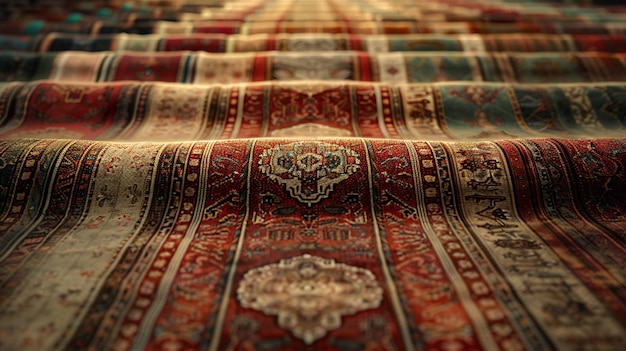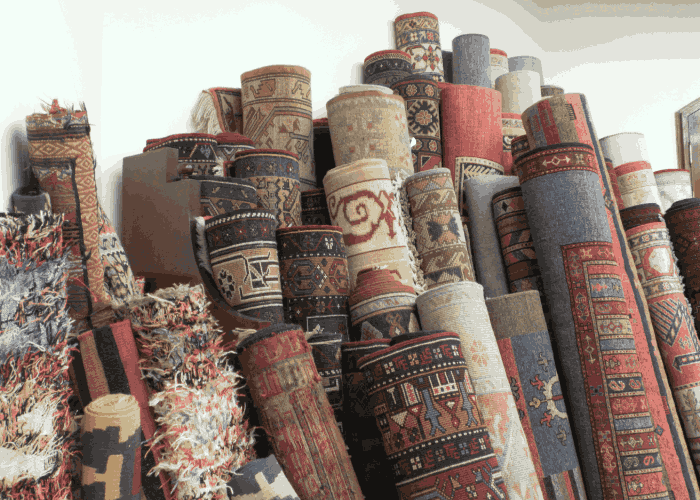
Step into a world where artistry meets unparalleled luxury, where every thread tells a story of heritage and meticulous dedication. Imagine the dazzling spectacle of the Met Gala, an event synonymous with breathtaking fashion, exquisite design, and an unwavering commitment to artistic expression.
Just as the gowns on display are masterpieces of global couture, there exists another realm of world-class craftsmanship that often adorns the most discerning spaces: the Indian premium carpet. These aren’t merely floor coverings; they are woven narratives, embodying centuries of tradition, skill, and an aesthetic sensibility that rivals the finest art.
In this comprehensive article, we will embark on a fascinating journey. You will uncover the secrets behind the creation of these magnificent textiles, understanding what elevates them to a status of true luxury and why they are indeed Met Gala-worthy expressions of human ingenuity.
The Enduring Legacy of Indian Carpet Weaving
The art of carpet weaving in India boasts a history as rich and vibrant as the carpets themselves. Its origins can be traced back thousands of years, evolving through various dynasties and cultural influences.
However, it was during the Mughal era that this craft truly flourished, reaching unprecedented heights of sophistication and artistry. Emperor Akbar, a great patron of arts, established royal workshops in the 16th century, inviting Persian weavers to train local artisans.
This fusion of indigenous Indian motifs with Persian designs gave birth to a unique aesthetic, characterized by intricate patterns, vibrant colors, and unparalleled knot density. The carpets produced during this period became symbols of power, wealth, and refined taste.
Over centuries, the tradition has been passed down through generations, with families dedicating their lives to preserving and perfecting this intricate art form. Today, Indian carpet weaving continues to be a vital industry, celebrated globally for its exceptional quality and diverse styles.
You are witnessing a living legacy, where ancient techniques meet contemporary demands for beauty and sustainability.
What Makes a Carpet “Premium”? Defining Excellence
Not all carpets are created equal, and discerning the difference between a mass-produced item and a premium masterpiece requires a keen eye and appreciation for detail. When we speak of premium Indian carpets, we are talking about an elite category defined by several critical factors.
These elements collectively contribute to their luxurious feel, stunning appearance, and remarkable longevity. You’ll soon understand why these carpets command admiration and significant investment.
Exquisite Materials: The Foundation of Luxury
The journey of a premium carpet begins with its raw materials. You will find that only the finest natural fibers are selected for these masterpieces.
- Silk: Renowned for its unparalleled sheen, softness, and strength, silk carpets are the epitome of luxury. They reflect light beautifully, creating a dynamic interplay of colors and textures.
- Fine Wool: High-quality wool, such as Merino or Himalayan (Tibetan) wool, is prized for its durability, natural lanolin content (which makes it stain-resistant), and ability to hold vibrant dyes. This wool offers a plush feel underfoot.
- Natural Dyes: Premium carpets often use natural, vegetable-based dyes derived from plants, insects, and minerals. These dyes produce incredibly rich, nuanced, and enduring colors that mature beautifully over time, unlike synthetic alternatives.
The careful selection and preparation of these materials are foundational to the carpet’s final quality and aesthetic appeal. You can literally feel the difference these superior materials make.
Knot Density: The Heart of Intricacy
One of the most significant indicators of a carpet’s quality and craftsmanship is its knot density, often measured in knots per square inch (KPSI). This metric tells you how many individual knots are hand-tied into the carpet within a specific area.
A higher KPSI signifies a more intricate design, greater durability, and a finer, more detailed pattern. Imagine the precision required to tie thousands upon thousands of tiny knots to form a complex motif.
Premium Indian carpets can range from 100 KPSI for a finely woven wool rug to over 1000 KPSI for an exceptionally detailed silk piece. This density is a direct testament to the time, skill, and patience invested by the artisan.
Hand-Knotting: A Timeless Technique
True premium carpets are almost exclusively hand-knotted. This ancient technique involves individual knots being tied by hand onto a warp and weft foundation, creating a durable and flexible textile.
Each knot is a deliberate act, contributing to the carpet’s unique texture and pattern. This contrasts sharply with machine-made or hand-tufted carpets, which lack the same level of artistry, durability, and investment value.
When you invest in a hand-knotted carpet, you are acquiring a piece of art that is built to last for generations. Its value often appreciates over time, much like a fine painting.
Design Complexity and Originality
Beyond materials and technique, the aesthetic appeal and originality of the design are paramount. Premium Indian carpets often feature complex, multi-layered patterns, drawing inspiration from historical motifs, nature, and geometric forms.
These designs are not merely copied; they are interpreted and expressed through the weaver’s unique vision and skill. You will find carpets that feel like a symphony of colors and shapes, telling a story with every curve and line.
The originality of design, coupled with flawless execution, elevates a carpet from a decorative item to a true work of art. It’s this artistic integrity that connects them to the world of high fashion and curated luxury.
The Artisan’s Touch: A Journey from Yarn to Masterpiece
The creation of a premium Indian carpet is a slow, meditative process, a journey that can take months or even years to complete. It is a testament to human patience, skill, and an unwavering commitment to excellence.
You will be amazed by the intricate steps involved, each performed with precision and deep respect for tradition. This is where the magic truly unfolds, knot by painstaking knot.
Sourcing and Preparing Materials: The First Stroke of Art
Before any weaving can begin, the raw fibers must be meticulously prepared. High-quality wool is carefully selected, often from specific breeds known for their long, strong, and lustrous fibers.
This wool is then hand-spun, a process that ensures strength and consistency, preparing it for the dyeing stage. Silk, too, undergoes a similar process of selection and preparation to ensure its purity and strength.
The dyeing process is an art form in itself, especially when using natural dyes. Master dyers follow ancient recipes, carefully extracting pigments from plants like indigo, madder root, pomegranate, and cochineal.
They use mordants, natural fixatives, to ensure the colors are vibrant, stable, and lightfast. This meticulous process results in a palette of deep, rich hues that possess an unparalleled warmth and luminosity, a beauty you must witness firsthand.
The Loom and the Weavers: Generations of Knowledge
A traditional loom, often made of wood, forms the framework for the carpet. Warp threads, typically cotton or silk, are strung tightly from top to bottom, creating the foundation upon which the knots will be tied.
The weavers, often working in teams, sit before the loom, sometimes for eight to ten hours a day. They are not merely laborers; they are highly skilled artisans, many of whom have inherited their craft from generations before them.
Their hands move with astonishing speed and precision, guided by a detailed pattern chart or their innate knowledge of the design. You can sense the history in their movements, the accumulated wisdom of centuries.
Knot by Knot: The Intricate Dance of Threads
This is the heart of the hand-knotted carpet. Each weaver ties individual knots onto pairs of warp threads, cutting the yarn with a specialized knife and then packing it down with a heavy comb.
Working from a design chart, often referred to as a “taleem” or “naqsha,” they meticulously follow the color and pattern instructions. The precision required is immense, as even a single misplaced knot can disrupt the entire design.
Depending on the complexity and size, a single carpet can contain hundreds of thousands, if not millions, of knots. Imagine the dedication and focus required to complete such a monumental task; it’s a true labor of love.
Finishing Touches: Polishing the Gem
Once the weaving is complete, the carpet undergoes a series of crucial finishing processes that enhance its beauty and durability. You will appreciate the meticulous attention to detail even at this final stage.
- Shearing: The pile of the carpet is carefully shorn to an even height, revealing the intricate details of the design and enhancing its texture. This process requires a steady hand and an expert eye.
- Washing: The carpet is thoroughly washed, often multiple times, to remove any loose fibers and enhance the luster of the wool or silk. This also helps to soften the fibers and set the dyes.
- Stretching and Drying: The wet carpet is stretched and dried under tension to ensure it lies perfectly flat and maintains its shape. This prevents bowing or warping over time.
- Binding and Fringe Work: The edges of the carpet are carefully bound to prevent unraveling, and the warp threads are often finished into decorative fringes, adding to its aesthetic appeal.
Each step is critical in transforming the woven fabric into a finished masterpiece ready to adorn your home. The result is a carpet that is not only beautiful but also robust and enduring.
Iconic Styles and Regional Specialties of Indian Carpets
India is a vast country with a diverse cultural landscape, and its carpet weaving traditions reflect this rich tapestry. You will discover that different regions have developed their own distinctive styles, techniques, and preferred motifs.
Understanding these regional specialties allows you to appreciate the incredible breadth and depth of Indian carpet craftsmanship. Each region offers a unique aesthetic for your consideration.
Kashmir: The Jewel of the North
Kashmiri carpets are perhaps the most famous for their exquisite detailing and predominant use of silk. You will find these carpets to be exceptionally soft, with a luminous sheen that changes with the light.
They often feature intricate Persian-inspired designs, including floral motifs, tree-of-life patterns, and hunting scenes. The knot density in Kashmiri silk carpets is extraordinarily high, allowing for incredibly fine details and a velvety texture.
These carpets are renowned for their delicate artistry and are often considered collectible pieces. They bring an unparalleled elegance to any space you choose to place them in.
Mirzapur-Bhadohi: India’s Carpet Belt
Located in Uttar Pradesh, the Mirzapur-Bhadohi region is often referred to as India’s “Carpet Belt.” This area is a powerhouse of carpet production, known for its sheer volume and diverse range of styles.
While they produce various qualities, the premium hand-knotted carpets from this region are highly regarded. You can find everything from traditional Persian and Mughal designs to contemporary abstract patterns.
The weavers here are exceptionally skilled, working with both wool and silk to create carpets of varying knot densities. Their adaptability makes them a significant contributor to the global premium carpet market.
Jaipur: Vibrant Hues and Traditional Roots
Jaipur, in Rajasthan, is famous for its vibrant use of natural dyes and traditional designs, particularly those inspired by the region’s rich history and architectural heritage. You will be captivated by their bold color palettes.
Jaipur rugs often feature geometric patterns, medallion designs, and motifs inspired by local flora and fauna. The weaving techniques are robust, creating durable and visually striking carpets.
The use of vegetable dyes gives these carpets a unique charm and depth of color that ages beautifully. They are perfect for adding a touch of traditional Indian grandeur to your interiors.
Agra: Mughal Splendor Revisited
Agra, home to the iconic Taj Mahal, also has a storied history in carpet weaving, deeply influenced by the Mughal emperors. You will find carpets from Agra often reflect the grandeur and symmetry of Mughal architecture.
These carpets frequently feature large central medallions, intricate border designs, and a harmonious balance of colors. They are typically made from fine wool and sometimes silk accents, known for their durability and classic aesthetic.
Agra carpets evoke a sense of timeless elegance and sophistication, making them a superb choice for traditional and transitional décor. They carry the weight of imperial history within their fibers.
While these are some prominent regions, many other areas across India contribute to the rich tapestry of carpet weaving. Each offers its unique interpretation of this ancient art form, ensuring a vast selection for your personal taste.
Why Indian Premium Carpets are a Met Gala-Worthy Investment
The Met Gala celebrates art, fashion, and cultural impact, showcasing pieces that are not just beautiful but also represent peak human creativity and skill. Indian premium carpets embody these very qualities, making them far more than just floor coverings.
They are investments in art, heritage, and enduring beauty. You are not just buying a carpet; you are acquiring a legacy.
Durability and Longevity: Built to Last
Unlike mass-produced items, hand-knotted Indian premium carpets are constructed with exceptional durability in mind. The intricate knotting technique and high-quality materials ensure they can withstand decades, even centuries, of use.
With proper care, these carpets become cherished heirlooms, passed down through generations. You are investing in a piece that truly stands the test of time, a rare quality in today’s disposable world.
Artistic Value and Uniqueness: A One-of-a-Kind Masterpiece
Each hand-knotted carpet is a unique work of art. Slight variations in knotting, dye lots, and the weaver’s individual touch ensure that no two carpets are ever exactly alike.
You are acquiring a piece of art that reflects the vision and skill of its creators. This uniqueness adds immense value, transforming your space with a distinct statement piece that mass-produced alternatives simply cannot offer.
Appreciation Over Time: A Wise Investment
Much like fine art, premium hand-knotted carpets have the potential to appreciate in value over time. Factors such as age, rarity, craftsmanship, and condition contribute to their increasing worth.
This makes them not only a beautiful addition to your home but also a tangible asset. You are making an investment that brings both aesthetic pleasure and potential financial returns.
Sustainability and Ethical Craftsmanship: Conscious Luxury
Many premium Indian carpet manufacturers are committed to sustainable and ethical practices. This includes using natural, renewable materials, eco-friendly dyeing processes, and ensuring fair wages and safe working conditions for artisans.
When you choose a premium Indian carpet, you are often supporting a tradition that values both environmental responsibility and human dignity. You can feel good about the conscious choice you’ve made.
Transformative Power in Interior Design: The Ultimate Statement
A premium Indian carpet has the power to anchor a room, define a space, and infuse it with warmth, texture, and character. Its colors and patterns can influence the entire aesthetic of your interior.
Whether you seek a traditional, contemporary, or eclectic look, there is an Indian premium carpet that can elevate your design vision. You will find it acts as the ultimate statement piece, drawing admiration from all who enter your home.
Just as a Met Gala gown transforms its wearer, a premium Indian carpet transforms your living space, imbuing it with a sense of curated luxury and timeless beauty.
Comparing Premium Indian Carpet Types
To help you navigate the rich variety of premium Indian carpets, here is a table comparing some key characteristics. This will provide you with a quick reference for understanding the distinctions.
You can use this information to better inform your choices when selecting your own masterpiece.
| Carpet Type/Region | Primary Material(s) | Typical Knot Density (KPSI) | Distinctive Features | Common Designs |
|---|---|---|---|---|
| Kashmiri Silk | 100% Silk | 400-1200+ | High sheen, incredibly soft, very fine pile, lightweight | Persian florals, Tree of Life, intricate medallions, hunting scenes |
| Mirzapur-Bhadohi Wool | Fine Wool (e.g., New Zealand) | 100-300 | Durable, good pile height, diverse range of styles | Indo-Persian, Gabbeh, Modern/Abstract, Geometric |
| Jaipur Wool (Vegetable Dyed) | Hand-spun Wool | 80-180 | Vibrant, rich colors from natural dyes, sturdy construction | Geometric, medallion, tribal, floral motifs with bold colors |
| Agra Wool/Silk Blend | Fine Wool, often with Silk accents | 150-400 | Classic elegance, balanced designs, durable | Mughal-inspired florals, central medallions, detailed borders |
| Tibetan Weave (Indian Production) | Himalayan Wool, sometimes Silk | 60-100 (longer pile) | Plush, luxurious feel, distinct knotting technique | Contemporary, abstract, subtle patterns, textural focus |
Conclusion: The Artistry Woven into Every Thread
As we have explored, Indian premium carpets are far more than just decorative accessories; they are profound expressions of art, history, and human dedication. You have seen how each stage, from the selection of the finest silk and wool to the final meticulous shearing, is imbued with centuries of inherited skill and passion.
Much like the iconic garments showcased at the Met Gala, these carpets represent the pinnacle of craftsmanship, designed to captivate, endure, and tell a story. They are investments in beauty, in legacy, and in the timeless artistry of the human hand.
When you choose a premium Indian carpet, you are not merely furnishing a space. You are bringing a piece of world-class magic into your home, a tangible connection to a rich cultural heritage, and a testament to enduring excellence. You are embracing a tradition that truly transforms a house into a home, brimming with character and unparalleled luxury.
Frequently Asked Questions (FAQ)
Q1: What is the primary difference between a hand-knotted and a hand-tufted carpet?
A hand-knotted carpet is made by individually tying knots onto a warp and weft foundation, making it incredibly durable and valuable. A hand-tufted carpet, in contrast, involves punching yarn into a fabric backing with a tool, then gluing a secondary backing to hold the fibers, making it less durable and generally less valuable.
You will find hand-knotted carpets to be truly premium due to their intricate construction and longevity.
Q2: How can I tell if an Indian carpet is truly premium quality?
Look for high knot density (KPSI), which indicates finer detail and durability. Examine the materials – premium carpets use fine wool (like Merino or Himalayan) or silk, often with natural dyes. The design should be intricate and well-executed, and the fringes should be an extension of the carpet’s warp threads, not sewn on.
You should also feel the carpet; premium ones have a luxurious, dense pile.
Q3: Are Indian premium carpets good for high-traffic areas?
Yes, especially those made from high-quality wool. Wool is naturally durable, resilient, and stain-resistant due to its lanolin content. Carpets with higher knot densities also tend to withstand wear better.
Silk carpets, while durable, are often reserved for lower-traffic areas due to their delicate sheen and higher cost, but they can certainly handle moderate use.
Q4: How should I clean and maintain my premium Indian carpet?
Regular vacuuming with a brush-less attachment is essential to remove dirt. For spills, blot immediately with a clean cloth, avoiding rubbing. For deeper cleaning, it is highly recommended to seek professional cleaning services specializing in hand-knotted rugs every few years.
You should never machine wash or steam clean a hand-knotted carpet yourself.
Q5: Do premium Indian carpets fade over time?
Carpets dyed with natural, vegetable-based dyes are known for their colorfastness and tend to mature beautifully, developing a softer patina over time rather than fading harshly. However, direct and prolonged exposure to strong sunlight can cause any textile to fade.
You should rotate your carpet periodically and use window treatments to protect it from excessive UV exposure.
Q6: What is the typical lifespan of a premium Indian carpet?
With proper care and maintenance, a premium hand-knotted Indian carpet can last for many decades, often exceeding 100 years. Many become cherished family heirlooms, passed down through generations.
You are truly investing in a piece that can last a lifetime and beyond.