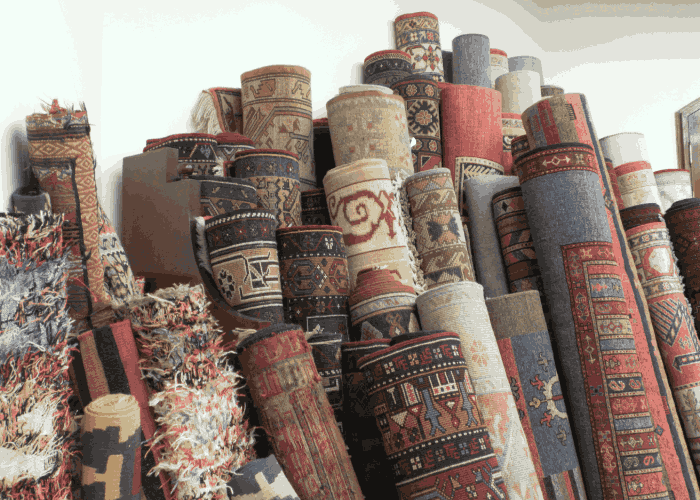
The world of luxury home furnishings is undergoing a profound transformation, and at its heart lies a vibrant, ancient tradition reinvented for the modern age. You might think of carpets as mere floor coverings, but for discerning consumers and designers, they are statements of elegance, craftsmanship, and sustainability. India, a nation historically synonymous with textile artistry, is now asserting its dominance in the premium carpet sector, fundamentally reshaping global trends and expectations.
This isn’t just about increased exports; it’s about a paradigm shift. India is moving beyond its role as a volume producer to become a global leader in high-end, exquisitely crafted carpets. Join us as we explore how India’s rich heritage, innovative spirit, and commitment to quality are weaving a new future for premium carpets worldwide, offering you unparalleled beauty and value.
The Deep Roots of Indian Carpet Craftsmanship
India’s relationship with textile artistry stretches back millennia, a heritage deeply embedded in its cultural fabric. The art of carpet making, in particular, found fertile ground here, evolving through centuries of patronage and innovation. You can trace its origins to ancient weaving traditions, perfected and diversified over time.
The Mughal Empire, beginning in the 16th century, was a pivotal era for Indian carpets. Emperors like Akbar brought Persian master weavers to India, merging indigenous techniques with sophisticated Persian designs. This fusion created a unique aesthetic that became highly sought after, establishing India as a significant carpet-producing nation.
Generations of artisans in regions like Mirzapur, Bhadohi, and Kashmir have meticulously passed down these intricate skills. They mastered complex knotting techniques, natural dyeing processes, and elaborate design motifs. This enduring legacy of unparalleled craftsmanship forms the bedrock of India’s current ascent in the premium market.
The Strategic Pivot to Premium: Why India is Leading the Way
For many years, India was primarily known for its competitive pricing in the global carpet market. However, a significant strategic shift has been underway, repositioning the nation as a powerhouse in the premium segment. This evolution isn’t accidental; it’s a deliberate response to changing global demands and an embrace of India’s inherent strengths.
Consumers worldwide are increasingly seeking unique, high-quality, and ethically produced goods. They are willing to invest more in items that tell a story, reflect genuine artistry, and offer lasting value. Indian manufacturers recognized this shift and began to leverage their traditional skills, focusing on superior materials, intricate designs, and sustainable practices.
This pivot signifies a maturity in the Indian carpet industry, moving beyond mere volume to embrace value. It reflects a deep understanding of what discerning global customers truly desire today. You are now seeing the fruits of this strategic vision in showrooms and luxury homes across the world.
Key Factors Driving India’s Premium Ascent
Several interconnected factors are propelling India’s dominance in the premium carpet market. Understanding these elements reveals the comprehensive strategy behind its success.
1. Unmatched Artisanal Expertise and Traditional Techniques
At the core of India’s premium carpet success lies an unparalleled legacy of human skill. Generations of artisans have inherited and refined intricate weaving and knotting techniques. These aren’t factory workers; they are master craftspeople, each knot a testament to their dedication.
You will find this expertise most vividly in hand-knotted and hand-tufted carpets. Hand-knotting, a labor-intensive process, allows for incredibly dense and detailed patterns, making each carpet a unique work of art. This manual precision is impossible to replicate by machine, offering an authentic luxury that resonates with premium buyers.
Regions like Bhadohi, often called “Carpet City,” are vibrant hubs where these ancient skills thrive. Here, the knowledge of dyeing, spinning, and weaving is a family tradition, ensuring the continuity and excellence of this craft. This deep reservoir of skilled labor is a competitive advantage India possesses that few other nations can match.
2. Dynamic Design Innovation and Adaptability
While tradition is respected, stagnation is not. Indian carpet manufacturers have masterfully blended their rich design heritage with contemporary global aesthetics. They understand that premium buyers seek both timeless elegance and modern relevance.
You can now find a vast array of designs, from classic Persian and Mughal motifs reinterpreted with fresh palettes to abstract, minimalist, and transitional styles. Indian designers are actively collaborating with international trend forecasters and interior designers. This ensures their products remain at the forefront of global decor trends, appealing to diverse tastes.
This willingness to innovate, while maintaining traditional quality, makes Indian carpets incredibly versatile. Whether you are furnishing a minimalist modern apartment or a grand classical estate, you will find an Indian carpet that perfectly complements your vision. They are not just creating carpets; they are creating art that fits into any design narrative.
3. Commitment to Sustainable and Ethical Practices
In today’s conscientious market, luxury is increasingly defined by ethical sourcing and environmental responsibility. Indian carpet manufacturers have been quick to adopt and champion sustainable practices. This commitment resonates deeply with premium consumers who prioritize provenance and impact.
Many Indian carpet producers utilize natural, renewable fibers like wool, silk, jute, and bamboo silk. They are investing in eco-friendly dyeing processes that minimize water usage and chemical waste. You can find many operations that are working towards a smaller carbon footprint throughout their production chain.
Ethical labor practices are equally crucial. Initiatives like the GoodWeave certification ensure that no child labor is involved in the carpet-making process. These certifications provide transparency and assurance, allowing you to purchase with confidence, knowing your beautiful carpet was made under fair conditions.
This makes Indian carpets not just beautiful, but also a responsible choice.
4. Strategic Technological Adoption for Efficiency and Quality
While handcraftsmanship remains paramount, India’s premium carpet industry is not averse to modern technology. You might wonder how technology fits into such a traditional craft, but its role is strategic: to enhance, not replace, human skill.
Advanced CAD/CAM software is used for precise design creation and visualization, allowing for intricate patterns to be planned with unparalleled accuracy. Modern dyeing facilities ensure consistent color matching and reduced environmental impact. High-tech washing and finishing processes enhance durability and luster.
This thoughtful integration of technology improves efficiency, consistency, and overall product quality without compromising the artisanal essence. It ensures that the premium carpet you receive meets the highest global standards, a perfect blend of old-world charm and modern reliability.
5. Government Support and Export-Oriented Policies
The Indian government recognizes the significant economic and cultural value of its carpet industry. Various policies and initiatives have been implemented to support its growth and export potential. These measures create a conducive environment for manufacturers to thrive and expand their global reach.
Export promotion councils, such as the Carpet Export Promotion Council (CEPC), play a crucial role. They facilitate participation in international trade fairs, provide market intelligence, and offer training programs to artisans. You will find that these bodies actively work to connect Indian manufacturers with global buyers.
Such governmental backing, coupled with a focus on ease of doing business, empowers manufacturers to invest in quality, innovation, and ethical practices. This support system is vital in solidifying India’s position as a reliable and leading supplier in the premium carpet segment, ensuring you have access to their exquisite products.
India’s Unique Selling Propositions in the Global Market
When you consider a premium carpet, what truly sets one apart? India offers a compelling set of unique selling propositions that make its carpets highly desirable globally.
1. Exceptional Variety of Natural Materials
Indian carpet manufacturers excel in working with a diverse palette of natural fibers, each offering distinct characteristics and luxurious appeal. This versatility allows for an incredible range of textures, finishes, and price points within the premium category.
- Wool: Renowned for its durability, resilience, and natural stain resistance, Indian wool carpets are a timeless choice. Varieties like Bikaner wool are highly prized.
- Silk: For unparalleled softness, sheen, and intricate detail, silk carpets are the epitome of luxury. Indian silk carpets, particularly from Kashmir, are world-famous.
- Jute & Hemp: These sustainable, eco-friendly fibers offer a rustic yet sophisticated appeal, perfect for natural and bohemian aesthetics.
- Viscose & Bamboo Silk: Often used as more affordable, yet visually stunning, alternatives to pure silk, offering a beautiful sheen and soft feel.
- Cotton: Frequently used for flatweave rugs and dhurries, offering versatility and ease of care.
This extensive material choice means you can find a carpet perfectly suited to your specific aesthetic, functional needs, and budget within the premium spectrum.
2. Unrivaled Customization Capabilities
One of the strongest draws for premium buyers is the ability to create something truly unique. Indian manufacturers are masters of customization, offering an almost limitless array of options. You are not just buying a carpet; you are commissioning a bespoke piece of art.
You can specify virtually every aspect: size, shape, color palette, design motif, material blend, pile height, and even knot density. This level of personalization is incredibly appealing to interior designers, architects, and private clients worldwide. It allows them to perfectly integrate a carpet into a specific design scheme, ensuring a harmonious and exclusive look.
Whether you envision a grand, oversized rug for a commercial space or a uniquely shaped piece for a residential project, Indian artisans can bring your vision to life. This bespoke service is a cornerstone of their premium offering.
3. Competitive Value Proposition
While premium Indian carpets are an investment, they often offer exceptional value compared to their counterparts from other traditional carpet-making regions. This isn’t about being cheap; it’s about delivering superior quality and craftsmanship at a more accessible premium price point.
The efficiency of the Indian production ecosystem, combined with a skilled labor force, allows manufacturers to maintain competitive pricing. You receive world-class quality, intricate designs, and ethical production without the exorbitant price tags sometimes associated with luxury goods from other regions. This makes premium Indian carpets an intelligent choice for discerning buyers seeking both quality and value.
4. Robust Quality Control and International Certifications
To succeed in the premium segment, consistent quality is non-negotiable. Indian manufacturers have invested significantly in establishing rigorous quality control processes at every stage of production. From raw material selection to dyeing, weaving, washing, and finishing, each step is carefully monitored.
Furthermore, many leading Indian carpet exporters adhere to international quality standards and possess various certifications. These include ISO certifications for quality management, environmental management standards, and ethical labor certifications like GoodWeave. When you choose an Indian premium carpet, these assurances provide peace of mind regarding its quality, origin, and ethical production.
India’s Transformative Impact on Global Carpet Trends
India’s rise in the premium carpet sector is not merely an internal success story; it’s a force actively shaping global design and consumer expectations. You are witnessing a shift in what luxury and quality truly mean in the world of floor coverings.
1. Redefining Luxury Through Craftsmanship and Authenticity
In an age of mass production, Indian carpets are bringing back an appreciation for authentic, handmade luxury. They remind us that true luxury lies in human skill, intricate detail, and a unique story, not just a brand name. This emphasis on craftsmanship is influencing how consumers perceive premium products across various industries.
You are seeing a global trend towards “slow luxury,” where items are valued for their creation process, durability, and timelessness. Indian carpets, with their hand-knotted finesse and generational artistry, perfectly embody this ethos. They are elevating the conversation around what constitutes genuine luxury in home decor.
2. Elevating Sustainability as a Market Standard
India’s proactive embrace of sustainable materials and ethical practices is setting a new benchmark for the entire carpet industry. It demonstrates that premium quality and environmental responsibility can, and should, go hand-in-hand. This influence is encouraging other manufacturers globally to re-evaluate their own production methods.
Consumers are increasingly demanding transparency and ethical sourcing, and India’s leadership in this area is reinforcing these expectations. You are now part of a movement where choosing a beautiful carpet also means making a responsible choice for the planet and its people.
3. Fostering Design Fusion and Global Aesthetics
The ability of Indian designers to seamlessly blend traditional motifs with contemporary design elements is creating a truly global aesthetic. This fusion is inspiring new trends in interior design, moving away from rigid stylistic categories. You no longer have to choose between traditional elegance and modern minimalism; Indian carpets offer both.
This cross-cultural design approach encourages greater creativity and versatility in home decor. It allows you to create spaces that are unique, personal, and reflective of a globalized world, with an Indian carpet often serving as the anchor piece.
4. Increasing Market Share and Economic Influence
The growing demand for premium Indian carpets is translating into significant economic impact. India’s share in the global carpet market, particularly in the premium segment, is steadily increasing. This growth fuels local economies, sustains artisan communities, and strengthens India’s position as a key player in international trade.
Your choice to invest in an Indian premium carpet directly contributes to this positive economic cycle, supporting thousands of skilled craftspeople and their families. This makes your purchase not just an aesthetic decision, but also a meaningful one with global reach.
Illustrative Data: Growth in Premium Indian Carpet Exports
To further illustrate India’s trajectory in the premium segment, consider the following illustrative data showing estimated growth in the value and volume of high-end Indian carpet exports over recent years. This table highlights how different categories contribute to the overall premium market expansion.
| Carpet Category | Estimated Export Value (USD Million) – Year X | Estimated Export Value (USD Million) – Year X+2 | Estimated Growth Rate (Value) | Key Drivers |
|---|---|---|---|---|
| Hand-knotted Wool Carpets | 350 M | 420 M | 20% | Timeless appeal, durability, ethical sourcing. |
| Hand-knotted Silk Carpets | 180 M | 234 M | 30% | Luxury appeal, intricate design, customization. |
| Hand-tufted Designer Carpets | 220 M | 286 M | 30% | Modern aesthetics, design collaborations, versatility. |
| Sustainable Fiber Carpets (Jute, Bamboo Silk) | 90 M | 135 M | 50% | Eco-consciousness, unique textures, growing demand. |
| Total Estimated Premium Exports | 840 M | 1075 M | ~28% | Overall shift to premium, strong global demand. |
Note: This table presents illustrative data for demonstration purposes, reflecting plausible growth trends in the premium Indian carpet export market. Actual figures may vary.
As you can see from this illustrative data, the growth in premium segments is robust, with sustainable fibers showing particularly rapid expansion. This underscores the industry’s successful pivot and its responsiveness to global market demands.
Challenges and Opportunities on the Horizon
While India’s journey in the premium carpet sector is marked by significant success, it is not without its challenges and exciting opportunities for further growth.
Challenges to Navigate
The global market is dynamic, and you should be aware of the hurdles that the Indian carpet industry faces. These include intense competition from other carpet-producing nations. Maintaining a competitive edge requires continuous innovation and efficiency.
Fluctuations in raw material prices, particularly for wool and silk, can impact production costs and profit margins. Protecting intellectual property and original designs is another critical challenge. Preventing counterfeits and design infringements is essential for preserving the value of original Indian craftsmanship.
Opportunities for Future Growth
Despite these challenges, the opportunities for India are immense. There is significant potential to explore new emerging markets, especially in regions with growing affluent populations. Expanding into untapped geographical areas can diversify export portfolios and reduce reliance on traditional markets.
Collaborations with international designers, architects, and luxury brands offer avenues for greater global exposure and product diversification. Co-branding initiatives can elevate the perceived value and reach of Indian carpets. Further investment in branding and marketing, focusing on the unique story and ethical production behind each carpet, can strengthen India’s global premium identity.
You can expect to see more direct-to-consumer models and experiential marketing in the future.
Conclusion: Weaving a Brighter Future
India’s journey in the global carpet industry is a compelling narrative of tradition meeting innovation, and craftsmanship embracing sustainability. You have seen how its deep-rooted artisanal heritage, coupled with a strategic focus on premium quality, ethical practices, and design adaptability, has propelled it to the forefront of the luxury carpet market.
The future of premium carpets is undeniably being woven in India. Its impact is not just economic; it’s cultural, redefining global perceptions of luxury and responsible production. As consumers increasingly seek authenticity, artistry, and ethical sourcing, India’s position as a leader will only strengthen.
When you choose an Indian premium carpet, you are not merely acquiring a beautiful floor covering. You are investing in a piece of art that carries centuries of tradition, supports skilled artisans, and embodies a commitment to a sustainable future. This is a future where beauty, ethics, and quality are inextricably linked.
Frequently Asked Questions (FAQ)
Q1: What makes Indian carpets “premium”?
A1: Indian premium carpets are distinguished by their exceptional hand-knotted or hand-tufted craftsmanship, use of high-quality natural materials (like fine wool and silk), intricate and unique designs, and often, adherence to ethical and sustainable production practices. They offer superior durability, aesthetic appeal, and often, bespoke customization options.
Q2: Are all Indian carpets considered premium?
A2: No, India produces a wide range of carpets across various quality and price points. While it has historically been known for more affordable options, there has been a significant strategic shift towards the premium and luxury segments in recent years. This article focuses specifically on India’s growing influence in the high-end market.
Q3: How can I ensure an Indian carpet is ethically produced?
A3: Look for certifications like GoodWeave, which guarantees that no child labor or forced adult labor was used in the making of the carpet. Many reputable manufacturers also provide transparency about their production processes and material sourcing. You can inquire directly with sellers about their ethical standards.
Q4: What are the primary materials used in premium Indian carpets?
A4: Premium Indian carpets primarily utilize natural fibers such as high-quality wool (often from New Zealand, Afghanistan, or local Bikaner wool), fine silk (especially in Kashmir), jute, and bamboo silk. These materials are chosen for their durability, softness, luster, and ability to hold intricate dyes.
Q5: Can I get a customized carpet from India?
A5: Absolutely. One of India’s strongest selling points in the premium market is its extensive customization capability. You can often specify size, shape, color palette, design, material, and even knot density to create a unique, bespoke carpet that perfectly fits your needs and aesthetic preferences.
Q6: How do Indian premium carpets compare to those from other traditional carpet-making regions?
A6: Indian premium carpets stand out due to their unique blend of historical craftsmanship, diverse design capabilities (from traditional to contemporary), and often a competitive value proposition. While other regions also produce high-quality carpets, India offers an unparalleled combination of artisanal skill, material variety, and customization at a generally more accessible premium price point.
Q7: What is the average lifespan of a premium hand-knotted Indian carpet?
A7: A well-made, hand-knotted premium Indian carpet can last for many decades, often becoming a cherished heirloom. With proper care and maintenance, including regular cleaning and protection from heavy wear, these carpets are designed for exceptional longevity due to their durable construction and high-quality materials.