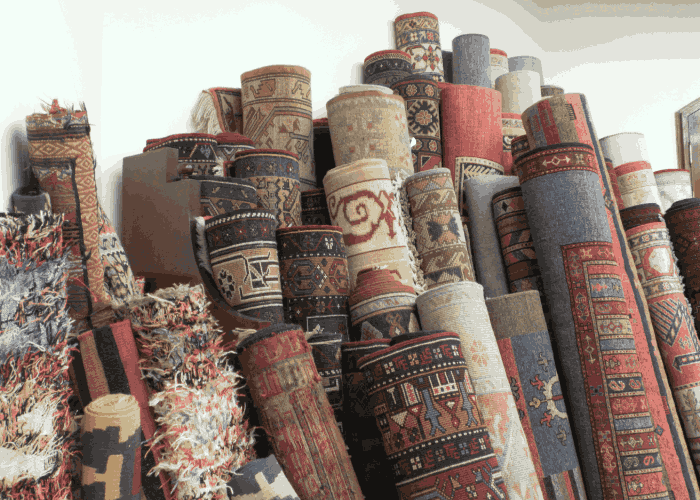
Stepping onto a premium carpet is an experience that transcends mere comfort; it is an embrace of artistry, history, and unparalleled luxury. Imagine the intricate patterns, the rich textures, and the vibrant hues meticulously crafted over weeks, sometimes months, by skilled artisans. These are not just floor coverings; they are heirlooms, conversation starters, and the very foundation of your home’s aesthetic.
India, a land steeped in ancient traditions and masterful craftsmanship, stands as a global beacon for exquisite carpet manufacturing. For centuries, Indian artisans have perfected the art of carpet weaving, passing down intricate techniques and design philosophies through generations. Today, you have the opportunity to bring this rich heritage directly into your living space.
This comprehensive guide will navigate you through the enchanting world of premium Indian carpets. We will empower you with the knowledge to discern quality, appreciate the artistry, and ultimately choose a masterpiece that perfectly complements your luxurious lifestyle. Prepare to unlock the secrets to selecting an Indian carpet that will not only adorn your floors but also tell a timeless story.
The Undeniable Allure of Premium Indian Carpets
When you seek luxury for your home, you look beyond mere functionality. You desire pieces that resonate with quality, uniqueness, and a story. Indian carpets fulfill this desire with an unmatched blend of tradition, innovation, and ethical craftsmanship.
A Legacy of Unrivaled Craftsmanship
India’s carpet weaving tradition dates back to the Mughal era, flourishing under royal patronage. This rich history has cultivated a deep understanding of materials, dyes, and intricate designs. Every knot tied, every thread woven, is a testament to centuries of inherited skill and artistic dedication.
When you invest in an Indian carpet, you are not just buying a product; you are acquiring a piece of living history. You are supporting a lineage of artisans whose hands transform raw materials into breathtaking works of art. This human touch is what truly defines luxury in an age of mass production.
Extraordinary Variety and Design Diversity
One of the most compelling reasons to choose an Indian carpet is the sheer breadth of options available. From the opulent, hand-knotted Persian-inspired designs to the minimalist elegance of contemporary flatweaves, India offers a kaleidoscope of styles. You can find patterns that evoke ancient palaces or designs that speak to modern sensibilities.
Whether your aesthetic leans towards the vibrant and traditional, the understated and sophisticated, or the bold and avant-garde, there is an Indian carpet waiting to perfectly articulate your vision. This vast diversity ensures that your choice will be uniquely yours, reflecting your personal taste and elevating your interior design.
Uncompromising Quality and Durability
Premium Indian carpets are crafted using the finest natural fibers, meticulously processed and dyed. The dedication to quality extends to every stage of production, from the selection of wool and silk to the final finishing touches. This commitment results in carpets that are not only beautiful but also incredibly durable.
With proper care, a high-quality Indian carpet can withstand the test of time, becoming a cherished heirloom that can be passed down through generations. You are investing in a piece that offers lasting beauty and resilience, a true testament to its superior construction.
Deciphering the Art: Types and Techniques of Indian Carpets
To truly appreciate and choose a premium Indian carpet, you must understand the fundamental techniques behind its creation. Each method imparts unique characteristics, affecting texture, durability, and overall aesthetic. Let’s explore the primary types you will encounter.
Hand-Knotted Carpets: The Pinnacle of Artistry
Hand-knotted carpets represent the apex of carpet weaving and are often considered the most luxurious and enduring. Each knot is individually tied by hand onto a cotton or silk foundation, taking immense skill, time, and patience. The density of these knots directly correlates with the carpet’s quality and intricacy.
- Persian-Inspired: Many Indian hand-knotted carpets draw inspiration from classic Persian designs. You will find intricate medallions, elaborate floral motifs, and detailed garden scenes. These often use asymmetrical (Senneh) knots or symmetrical (Ghiordes) knots, creating a dense, velvety pile.
- Indo-Tibetan: Characterized by bold, often geometric patterns and a looser knot structure, Indo-Tibetan carpets offer a distinct aesthetic. They frequently feature motifs like dragons, clouds, and symbols of good fortune, often with a slightly shaggier, more textured pile.
- Mughal Designs: Reflecting the grandeur of the Mughal empire, these carpets feature highly stylized floral patterns, trees of life, and hunting scenes. They often use a rich, jewel-toned color palette and are known for their intricate detailing.
The time and expertise involved in creating a hand-knotted carpet make it a significant investment. However, its unparalleled beauty, durability, and potential to appreciate in value make it a truly worthwhile acquisition for your home.
Hand-Tufted Carpets: Versatility and Design Freedom
Hand-tufted carpets offer a balance between the artistic detail of hand-knotted pieces and a more accessible price point. In this method, a design is first stenciled onto a fabric backing. Artisans then use a hand-held tufting gun to punch individual yarns through the backing, creating loops.
Once the entire design is tufted, a secondary backing is applied, and the loops are typically sheared to create a cut pile. This technique allows for greater design flexibility and faster production times. You will find a vast array of modern and transitional designs in hand-tufted carpets.
While not as durable or intricate as hand-knotted carpets, premium hand-tufted options still offer excellent quality and a luxurious feel. They are perfect for spaces where you want a statement piece with sophisticated design without the full investment of a hand-knotted rug.
Hand-Woven (Flatweave) Carpets: Rustic Elegance
Hand-woven carpets, often referred to as flatweaves, are created without a pile. The warp and weft threads are interlaced to form a flat, reversible surface. These carpets are known for their durability, ease of cleaning, and distinct texture.
- Dhurries: Originating from India, Dhurries are perhaps the most famous type of Indian flatweave. They are typically made from cotton or wool, featuring vibrant colors and geometric, striped, or simple floral patterns. Their lightweight and reversible nature make them incredibly versatile.
- Kilims: While Kilims have a wider geographic origin, India also produces beautiful hand-woven Kilims. They share similarities with Dhurries but often feature bolder, more tribal patterns and a slightly coarser texture.
Flatweaves offer a wonderfully casual yet elegant aesthetic. They are ideal for high-traffic areas, outdoor spaces, or layering over other carpets. Their natural fibers and vibrant designs bring a touch of artisanal charm to any setting.
Hand-Loomed Carpets: Modern Simplicity
Hand-loomed carpets are created on a loom, similar to flatweaves, but often incorporate a pile. The process involves weaving individual warps and wefts, with extra threads introduced to create loops that are then usually cut to form a pile. This technique allows for a relatively quick production time and offers a clean, uniform look.
You will often find hand-loomed carpets in contemporary designs, featuring solid colors, subtle textures, or minimalist patterns. They offer good durability and a comfortable feel, making them a popular choice for modern interiors seeking understated luxury.
The Essence of Luxury: Key Materials in Indian Carpets
The choice of material profoundly impacts a carpet’s look, feel, durability, and overall value. Premium Indian carpets utilize a selection of exquisite natural fibers, each contributing its unique characteristics to the final product. Understanding these materials is crucial for making an informed decision.
Pure Silk: The Epitome of Opulence
Silk carpets are the ultimate expression of luxury and refinement. Known for their unparalleled softness, lustrous sheen, and incredibly fine knotting, silk carpets exude elegance. The natural protein fiber of silk allows for exceptionally intricate designs and a vibrant play of light across its surface.
Indian silk carpets, particularly those from Kashmir, are renowned worldwide for their exquisite craftsmanship. They are typically thinner and denser than wool carpets, making them ideal for wall hangings or low-traffic areas where their delicate beauty can be preserved. While a significant investment, a silk carpet is a true family heirloom.
Premium Wool: Durability Meets Comfort
Wool is the most common and versatile material used in premium carpets, celebrated for its durability, resilience, and natural stain resistance. It offers a wonderful balance of softness, warmth, and longevity, making it an excellent choice for almost any area of your home.
- New Zealand Wool: Highly prized for its purity, softness, and bright, consistent color. Carpets made with New Zealand wool are known for their luxurious feel and excellent dye uptake.
- Merino Wool: Exceptionally soft and fine, Merino wool offers a delicate touch similar to cashmere. It is often used in higher-end carpets for its luxurious feel and natural elasticity.
- Bikaner Wool: Sourced from Rajasthan, India, Bikaner wool is known for its strength and resilience. It is a robust wool, excellent for durable carpets in high-traffic areas, offering a rustic yet sophisticated appeal.
Wool carpets naturally repel dirt and have excellent bounce-back properties, resisting crushing and matting. They are a practical yet luxurious choice that will serve you beautifully for many years.
Soft Cotton: Versatility and Natural Appeal
Cotton is primarily used for the foundation (warp and weft) of hand-knotted carpets due to its strength and stability. However, it is also a popular material for Dhurries and other flatweave carpets. Cotton offers a soft, smooth texture and takes dyes beautifully, resulting in vibrant colors.
Cotton carpets are generally more affordable and easier to clean than wool or silk. They are perfect for a casual, comfortable aesthetic, especially in spaces where you desire a lightweight, natural fiber option.
Blended Materials: The Best of Both Worlds
Sometimes, materials are blended to combine the best attributes of each fiber. For example, a wool and silk blend might offer the durability and resilience of wool with the added luster and softness of silk. These blends can create unique textures and visual effects, offering a sophisticated and often more budget-friendly alternative to pure silk.
You might also find wool and bamboo silk blends, where bamboo silk (a viscose fiber derived from bamboo) provides a similar sheen and softness to natural silk but at a lower cost. These blends expand your options for achieving a luxurious look and feel.
Design Aesthetics: Finding Your Perfect Match
The design of your carpet is a powerful statement, reflecting your personal style and enhancing your home’s ambiance. Indian carpets offer an extraordinary range of design aesthetics, ensuring you can find the perfect piece to harmonize with your existing decor or inspire a completely new look.
Traditional and Classic Designs
For those who appreciate timeless beauty and intricate detail, traditional Indian carpet designs are a magnificent choice. These patterns often draw inspiration from historical Persian, Mughal, and regional Indian motifs.
- Medallion Designs: Featuring a central, often elaborate medallion surrounded by detailed borders and field patterns. These are grand and create a focal point in a room.
- All-Over Floral Patterns: Intricate arrangements of blossoms, vines, and leaves that cover the entire carpet surface, often in a repeating pattern. These designs bring a sense of natural beauty and elegance.
- Tree of Life Motifs: Symbolizing growth and eternity, these designs often depict a tree laden with leaves, flowers, and sometimes birds or other creatures. They are rich in symbolism and visual storytelling.
- Geometric and Tribal Patterns: While often associated with flatweaves, some hand-knotted carpets feature bold geometric shapes, tribal symbols, and repeating patterns that convey a sense of ancient heritage and strength.
These traditional designs often come in rich, deep color palettes, including ruby reds, sapphire blues, emerald greens, and warm earth tones, often with accents of gold and ivory. They are perfect for formal living rooms, dining areas, or any space where you desire a sense of grandeur and history.
Contemporary and Modern Designs
Indian carpet makers are not limited to tradition; they are also at the forefront of contemporary design. If your home embraces a minimalist, modern, or industrial aesthetic, you will find stunning options that complement your vision.
- Abstract Patterns: Featuring fluid shapes, brushstroke effects, and unexpected color combinations. These carpets are artistic and can serve as a bold statement piece.
- Geometric Modernism: Clean lines, sharp angles, and repeating geometric figures in monochromatic or contrasting color schemes. These designs offer a sophisticated, architectural feel.
- Textural Solids: Carpets that rely on variations in pile height, weaving techniques, or fiber blends to create subtle textures rather than overt patterns. These provide an elegant, understated backdrop.
- Ombre and Gradient Effects: Smooth transitions between colors, creating a subtle yet impactful visual dynamic. These designs are calming and contemporary.
Modern Indian carpets often utilize a more subdued or monochromatic color palette, incorporating shades of grey, beige, white, and black, alongside pops of vibrant contemporary hues. They are ideal for loft apartments, modern homes, or any space desiring a fresh, cutting-edge look.
Transitional Designs: Bridging Eras
For those who love a blend of classic charm and modern simplicity, transitional designs offer the perfect compromise. These carpets often take traditional motifs and simplify them, or use classic color palettes in contemporary patterns.
You might find a carpet with a softened medallion design, or a classic floral pattern rendered in a muted, contemporary color scheme. Transitional carpets are incredibly versatile, fitting seamlessly into a wide range of interiors, from traditional to eclectic. They provide comfort and sophistication without being overly formal or aggressively modern.
The Mark of Excellence: What to Look for in Craftsmanship
When selecting a premium Indian carpet, understanding the nuances of craftsmanship is paramount. These details are indicators of quality, durability, and the true artistry embedded in each piece. Knowing what to look for will empower you to make an investment that truly lasts.
Knot Count (Knots Per Square Inch – KSI or PPI)
For hand-knotted carpets, the knot count is a crucial measure of quality. It refers to the number of knots in a square inch (or square centimeter). A higher knot count indicates a finer weave, more intricate detail, and often a higher price.
It also generally means a more durable and resilient carpet.
- Lower Knot Counts (60-100 KSI): Often found in more rustic or tribal designs, offering a coarser texture and bolder patterns. Still durable, but with less intricate detail.
- Medium Knot Counts (100-250 KSI): Common for good quality hand-knotted carpets, allowing for detailed patterns and a softer feel.
- High Knot Counts (250-500+ KSI): Reserved for the finest, most intricate carpets, especially silk pieces. These allow for incredibly detailed designs, a luxurious feel, and exceptional durability.
While knot count is important, it is not the sole determinant of quality. The quality of materials, dyes, and the skill of the weaver also play significant roles. Always inspect the back of a hand-knotted carpet to see the clarity and uniformity of the knots.
Pile Height and Density
The pile height refers to the length of the yarn fibers that stand up from the carpet’s backing. Density refers to how closely packed these fibers are. Both impact the carpet’s feel, durability, and appearance.
- Low Pile: Shorter fibers, resulting in a firm, dense feel. Excellent for high-traffic areas, easier to clean, and showcases intricate patterns beautifully.
- Medium Pile: A versatile choice, offering a balance of softness and durability. Common in many premium carpets.
- High Pile (Shag): Longer fibers, providing a plush, luxurious feel. Best for low-traffic areas where comfort and warmth are prioritized.
A dense pile, regardless of height, indicates a higher quality carpet. Denser carpets resist crushing and wear better, retaining their beauty over time. You can test density by pressing your fingers into the pile; if you can easily feel the backing, the density is lower.
Dyeing Techniques and Color Fastness
The vibrancy and longevity of a carpet’s colors are determined by the dyeing process. Premium Indian carpets often use traditional dyeing methods, including natural vegetable dyes or high-quality synthetic dyes that are colorfast and fade-resistant.
Natural dyes, derived from plants, insects, and minerals, produce rich, nuanced colors that often mellow beautifully with age. Synthetic dyes, when of high quality, offer a wider spectrum of consistent colors and excellent fade resistance. Always inquire about the dyeing process to ensure the colors will remain vibrant for years to come.
Finishing Details
Examine the edges (selvages) and fringes of the carpet. On a hand-knotted carpet, the selvages should be tightly and evenly wrapped, and the fringes should be an extension of the warp threads, neatly tied or braided. These details reflect the overall care and skill put into the carpet’s creation.
For hand-tufted carpets, ensure the secondary backing is securely attached and the edges are well-bound. Flaws in these finishing details can indicate a lower quality product and affect the carpet’s longevity.
Customization: Tailoring Luxury to Your Space
One of the most appealing aspects of choosing a premium Indian carpet is the opportunity for customization. Many reputable manufacturers and dealers offer bespoke services, allowing you to create a carpet that is uniquely tailored to your specific needs and aesthetic preferences.
Imagine a carpet designed to perfectly fit an unusual room dimension, or one featuring a color palette precisely matched to your interior textiles. You can often specify the exact size, shape, material, design, and even the knot count for hand-knotted pieces.
This level of personalization ensures that your carpet is not just a purchase, but a curated work of art that seamlessly integrates into your home. Customization elevates your carpet from a simple floor covering to a truly distinctive design element, reflecting your individual taste and vision.
Investment Considerations: Price, Longevity, and Value
A premium Indian carpet is more than a decor item; it’s an investment. Understanding the factors that influence its price, longevity, and potential value appreciation will help you make a wise and satisfying purchase.
Factors Affecting Price
Several elements contribute to the cost of a premium Indian carpet:
- Weaving Technique: Hand-knotted carpets are the most expensive due to the intensive labor and time involved. Hand-tufted, hand-loomed, and flatweave carpets are generally more accessible.
- Materials: Silk is the most luxurious and costly material, followed by high-quality wools (like New Zealand or Merino). Cotton is typically less expensive.
- Knot Count/Density: Higher knot counts in hand-knotted carpets mean more work and finer detail, leading to higher prices. Denser piles (in any type) also command higher prices.
- Size: Larger carpets naturally require more material and labor, increasing their cost.
- Design Intricacy: Complex patterns with many colors and fine details require more skill and time, impacting the price.
- Age and Rarity: Antique or rare vintage Indian carpets, especially those in excellent condition, can fetch premium prices.
Longevity and Durability
The lifespan of your carpet is directly related to its quality and how well you care for it.
- Hand-Knotted: With proper care, these can last for generations, often improving in beauty with age as the wool or silk develops a natural patina.
- Hand-Tufted: Typically last 10-20 years, depending on traffic and quality of materials.
- Flatweave (Dhurries): Very durable and can last for decades, especially in high-traffic areas, as they don’t have a pile to wear down.
- Hand-Loomed: Generally offer good durability, lasting 10-15 years with regular use.
Value Appreciation
While not all carpets appreciate in value, high-quality, hand-knotted Indian carpets, particularly those with unique designs, exceptional craftsmanship, and historical significance, can increase in value over time. Treat your carpet as an art piece, and it may become a coveted antique in the future.
Data Table: Comparing Premium Indian Carpet Types
To further assist you in your selection, here is a comparative overview of the primary premium Indian carpet types:
| Feature | Hand-Knotted | Hand-Tufted | Hand-Woven (Flatweave/Dhurrie) | Hand-Loomed |
|---|---|---|---|---|
| Craftsmanship | Individual knots tied by hand onto a foundation. | Yarns punched through a backing with a gun; secondary backing applied. | Warp and weft threads interlaced directly. No pile. | Woven on a loom; pile created by extra threads. |
| Typical Materials | Wool (New Zealand, Merino), Silk, Cotton (foundation) | Wool, Viscose (Bamboo Silk), Acrylic | Cotton, Wool, Jute | Wool, Cotton, Viscose |
| Durability | Excellent; can last generations. | Good; 10-20 years. | Excellent; very hard-wearing. | Good; 10-15 years. |
| Softness/Feel | Luxurious, soft (especially silk/fine wool). | Soft to medium-soft, depending on material. | Firm, flat, textured. | Medium-soft, uniform. |
| Detail/Intricacy | Highest; allows for extremely fine and complex designs. | High; good for detailed patterns, less intricate than hand-knotted. | Medium; typically geometric, striped, or simple patterns. | Medium; often solid or subtle patterns. |
| Typical Cost Range (Relative) | Highest (Significant Investment) | Medium (Accessible Luxury) | Low to Medium (Affordable Artistry) | Medium (Good Value) |
| Maintenance | Professional cleaning recommended; regular vacuuming. | Regular vacuuming; professional cleaning as needed. | Easy to clean; regular vacuuming/shaking. | Regular vacuuming; professional cleaning as needed. |
| Best Use | Formal living, dining, master bedroom, art piece. | Living rooms, bedrooms, areas needing a design statement. | High-traffic areas, kitchens, casual spaces, layering. | Modern interiors, bedrooms, living areas. |
Caring for Your Premium Indian Carpet: Maintenance Tips
To preserve the beauty and longevity of your premium Indian carpet, consistent and appropriate care is essential. A well-maintained carpet will continue to enhance your home for decades.
- Regular Vacuuming: Vacuum your carpet regularly, at least once a week, using a vacuum cleaner with a brush roll that can be adjusted for pile height or turned off for delicate fringes. Always vacuum in the direction of the pile to prevent damage.
- Rotate Your Carpet: To ensure even wear and exposure to light, rotate your carpet 180 degrees every 6-12 months. This helps prevent excessive wear in high-traffic areas and promotes uniform fading if exposed to sunlight.
- Address Spills Immediately: Blot spills gently with a clean, white cloth, working from the outside in to prevent spreading. Avoid rubbing, as this can push the stain deeper into the fibers. For stubborn stains, consult a professional.
- Use Rug Pads: Always place a high-quality rug pad underneath your carpet. A good pad prevents slipping, adds cushioning, and protects both the carpet and your flooring from wear and tear.
- Professional Cleaning: Depending on traffic and material, your premium Indian carpet should be professionally cleaned every 2-5 years. Choose a cleaner specializing in hand-knotted or delicate rugs to ensure proper care. Avoid harsh chemicals or steam cleaning, especially for silk carpets.
- Protect from Direct Sunlight: Prolonged exposure to direct sunlight can cause colors to fade. Use blinds, curtains, or UV-protective window films to minimize sun exposure.
The Ethical Choice: Sustainability and Fair Trade
When you choose a premium Indian carpet, you also have the opportunity to make an ethical statement. Many reputable Indian carpet manufacturers are committed to sustainable practices and fair trade principles. This means supporting artisans who receive fair wages, work in safe conditions, and often benefit from community development programs.
Look for certifications or assurances from your dealer regarding ethical sourcing and fair labor practices. By choosing such carpets, you contribute to the well-being of the weaving communities and help preserve traditional craftsmanship for future generations. This adds another layer of value and meaning to your luxurious purchase.
Conclusion: Your Journey to Unrivaled Luxury
Choosing a premium carpet from India is a journey of discovery, an exploration of art, culture, and exquisite craftsmanship. You are not simply buying a floor covering; you are investing in a piece of history, a work of art, and a testament to enduring beauty.
With the knowledge gained from this guide, you are now equipped to navigate the diverse world of Indian carpets with confidence. You understand the significance of hand-knotted artistry, the luxury of silk, the durability of wool, and the subtle elegance of various design aesthetics.
Allow your personal style and the unique character of your home to guide your selection. Whether you opt for a vibrant heirloom piece or a sophisticated modern design, your premium Indian carpet will undoubtedly become a cherished centerpiece. It will offer unparalleled comfort, timeless beauty, and a story woven into every fiber, enriching your living space for many years to come.
Frequently Asked Questions (FAQ)
Q1: How can I tell if an Indian carpet is truly hand-knotted?
A: To verify if a carpet is genuinely hand-knotted, inspect its back. You should see individual, distinct knots, and the pattern on the back will be a mirror image of the front. The fringe will typically be an extension of the warp threads.
Machine-made carpets will have a uniform, often glued backing, and the fringes will likely be sewn on separately. The texture of a hand-knotted carpet will also feel more irregular and artisanal.
Q2: Are Indian silk carpets durable enough for high-traffic areas?
A: Generally, no. While incredibly strong, silk fibers are very fine and delicate compared to wool. Silk carpets are best suited for low-traffic areas like bedrooms, formal living rooms, or as decorative wall hangings, where their lustrous beauty can be admired without heavy wear.
For high-traffic zones, a high-quality wool carpet is a far more durable and practical choice.
Q3: What is the difference between a Dhurrie and a Kilim?
A: Both Dhurries and Kilims are flatweave carpets, meaning they have no pile. The primary difference often lies in their origin and typical patterns. Dhurries are traditionally Indian, often made of cotton or wool, and feature geometric, striped, or simple floral designs with a characteristically rustic appeal.
Kilims have a broader origin (Turkey, Persia, Afghanistan, etc.) and tend to feature bolder, often tribal or symbolic geometric patterns, sometimes with a slightly coarser texture. While similar, their cultural and design origins give them distinct aesthetics.
Q4: How do I choose the right size carpet for my room?
A: The right size depends on the room and furniture arrangement. For living rooms, ideally, all main furniture pieces (sofa, chairs) should sit entirely on the carpet, or at least have their front two legs on it. In dining rooms, the carpet should be large enough so that when chairs are pulled out, they still remain on the carpet.
For bedrooms, the carpet should extend beyond the sides of the bed, or frame the bed and nightstands. Always measure your space and consider how the carpet will anchor your furniture before purchasing.
Q5: Is it worth investing in a rug pad for my premium Indian carpet?
A: Absolutely, a high-quality rug pad is a crucial investment. It offers several benefits: it prevents the carpet from slipping, which enhances safety; it provides extra cushioning, making the carpet feel softer and more luxurious; it protects your flooring underneath from scratches and wear; and it prolongs the life of your carpet by acting as a buffer against abrasion and preventing the fibers from crushing prematurely. Choose a pad made from natural rubber or felt for the best performance.
Q6: How can I protect my Indian carpet from pet damage?
A: Protecting your carpet from pets requires a multi-pronged approach. Keep your pet’s nails trimmed to prevent snags. Address accidents immediately by blotting, not rubbing, and using a pet-specific enzymatic cleaner.
Consider a durable, lower-pile wool carpet or a flatweave in high-traffic areas if you have active pets. Training your pet to avoid certain areas or providing designated scratching posts can also help minimize damage. Regular professional cleaning can help remove pet dander and odors.
Q7: Can I use a premium Indian carpet outdoors?
A: Most premium Indian carpets, especially hand-knotted silk or fine wool, are not suitable for outdoor use. Natural fibers like wool and silk are susceptible to moisture, mold, mildew, and prolonged sun exposure, which can cause significant damage and fading. However, some flatweave Dhurries