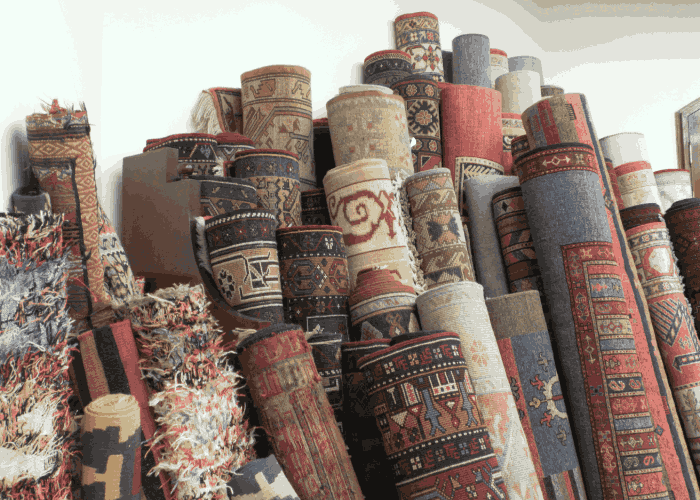
Step into a world where threads tell tales of empires, where every knot is a whisper of ancient traditions, and where vibrant colors bloom from the hands of master artisans. You are about to discover the unparalleled beauty and enduring legacy of premium Indian carpets.
For centuries, these magnificent floor coverings have graced palaces and homes, evolving from cherished heritage crafts into symbols of modern luxury. This article invites you on a journey to explore the rich history, intricate craftsmanship, and timeless appeal that make Indian carpets a truly extraordinary addition to any discerning space.
A Tapestry of Time: The Rich History of Indian Carpets
The story of Indian carpets is as rich and intricate as the patterns woven into their very fibers. Their journey began not in India, but with influences from distant lands, ultimately flourishing into a distinct art form that continues to captivate the world.
The Persian and Mughal Influence
While weaving traditions existed in India prior, the golden age of Indian carpet making truly began with the arrival of the Mughals in the 16th century. Emperor Akbar, a great patron of the arts, brought skilled Persian weavers to India.
These artisans established royal workshops, primarily in Agra, Lahore, and Kashmir. They introduced sophisticated Persian knotting techniques, intricate designs, and a refined aesthetic that quickly merged with indigenous Indian sensibilities.
You can still see the profound influence of Persian artistry in the early Mughal carpets. They often feature central medallions, delicate floral motifs, and hunting scenes, all rendered with exceptional precision and a rich palette.
Evolution Through Dynasties and Eras
Under subsequent Mughal emperors like Jahangir and Shah Jahan, carpet weaving reached its zenith. Designs became even more refined, incorporating a greater variety of flora and fauna native to India, alongside architectural elements.
During this period, the use of silk became more prevalent, adding a lustrous sheen and an even finer detail to the already exquisite designs. The carpets from this era are considered masterpieces, reflecting the opulence and artistic sophistication of the Mughal court.
As the Mughal Empire declined, so did the royal patronage, leading to a shift in production. Weaving centers emerged in different regions, each developing its unique style and adapting to local resources and demands.
The British Era and Beyond
The British Raj brought new influences and export opportunities. While some traditional designs were preserved, there was also a demand for carpets tailored to European tastes, leading to simpler patterns and more muted color palettes.
Post-independence, the Indian carpet industry saw a resurgence, focusing on both preserving traditional techniques and innovating for a global market. Today, India is one of the world’s largest exporters of hand-knotted carpets, a testament to its enduring legacy.
The Art of Making: Craftsmanship Behind Every Knot
What truly elevates an Indian carpet to the realm of luxury is the unparalleled craftsmanship involved in its creation. This is not a factory process; it is an art form passed down through generations, requiring immense skill, patience, and dedication.
Selection of Premium Materials
The foundation of any premium carpet lies in its materials. Indian artisans meticulously select fibers that ensure durability, softness, and vibrant color retention.
-
Wool: This is the most common and versatile material. You will find high-quality wool from various sources, each offering distinct characteristics.
- New Zealand Wool: Renowned for its strength, luster, and ability to take dye beautifully.
- Merino Wool: Exceptionally soft and fine, often used for luxury carpets.
- Indian Wool: Known for its resilience and natural sheen.
- Silk: Considered the epitome of luxury, silk carpets are known for their incredible sheen, softness, and ability to display intricate details. Mulberry silk is the most common variety used.
- Cotton: Often used for the warp and weft (the foundation structure) of hand-knotted carpets due to its strength and stability. It can also be used for flatweave carpets like Dhurries.
- Blends: Sometimes, wool and silk are blended to combine the durability of wool with the luxurious sheen of silk, creating unique textures and visual effects.
The Dyeing Process: A Symphony of Colors
The colors in an Indian carpet are not merely superficial; they are deeply ingrained through meticulous dyeing processes. Traditional methods often involve natural dyes derived from plants, insects, and minerals.
These natural dyes produce subtle, nuanced shades that age beautifully over time, developing a unique patina. While synthetic dyes are also used for consistency and a wider color spectrum, premium carpets often prioritize natural or high-quality synthetic dyes that resist fading.
The yarn is carefully dyed in large vats, ensuring even color absorption. This step is crucial, as the quality of the dye directly impacts the carpet’s longevity and aesthetic appeal.
Weaving Techniques: The Heart of the Craft
The actual weaving is where the magic truly happens. Indian carpets are predominantly made using hand-knotting, a labor-intensive technique that results in exceptional durability and intricate detail.
-
Hand-Knotted: This is the most revered method. Artisans individually tie thousands, sometimes millions, of knots onto a cotton or silk foundation. Each knot is a tiny piece of yarn tied around two warp threads, then cut. The density of these knots (Knots Per Square Inch or KPSI) is a key indicator of quality and intricacy.
- Persian (Senneh) Knot: Asymmetrical knot, typically used for finer, more detailed designs.
- Turkish (Ghiordes) Knot: Symmetrical knot, known for its strength and durability, often used in more geometric or coarser designs.
You will find hand-knotted carpets offer superior longevity and a distinct softness underfoot.
- Hand-Tufted: While still handmade, this method involves punching yarn through a canvas backing with a tufting gun, then securing it with latex. It’s faster and less labor-intensive than hand-knotting, resulting in a more affordable product. Hand-tufted carpets can still be high quality, but they lack the same heirloom potential as hand-knotted ones.
- Flatweave (Dhurries and Kilims): These carpets are woven without a pile, creating a flat, reversible surface. Dhurries are known for their vibrant colors and geometric patterns, often made from cotton or wool. Kilims, while similar, usually feature more intricate patterns and a slightly coarser texture.
The Design Process: From Concept to Creation
Before a single knot is tied, a carpet’s design is meticulously planned. This often begins with an artist creating a ‘cartoon’ – a detailed graph that maps out every color and knot.
This cartoon serves as a blueprint for the weavers, guiding them through the complex patterns and color changes. For large or intricate designs, multiple weavers work simultaneously on the same loom, each responsible for a section, ensuring perfect continuity.
Finishing Touches: The Unveiling
Once the weaving is complete, the carpet undergoes several crucial finishing processes to enhance its beauty and durability.
- Shearing: The pile is carefully trimmed to an even height, bringing out the clarity of the design and creating a uniform surface.
- Washing: Carpets are traditionally hand-washed with natural soaps and water, then sun-dried. This process enhances the luster of the fibers, softens the texture, and sets the colors.
- Stretching and Blocking: To ensure the carpet lies perfectly flat and maintains its shape, it’s often stretched and blocked.
Every step, from the initial fiber selection to the final wash, is executed with an unwavering commitment to excellence, making each premium Indian carpet a true work of art.
Iconic Styles and Regional Specialties
India’s vast landscape and diverse cultural heritage have given rise to a multitude of carpet styles, each bearing the distinct signature of its region. When you explore Indian carpets, you’ll discover a fascinating array of designs and techniques.
Kashmir: The Silk Dream
Kashmir is synonymous with exquisite hand-knotted silk carpets. Known for their incredibly fine knot count and lustrous sheen, Kashmiri carpets are often replicas of classic Persian designs, but with a unique Indian interpretation.
You’ll find intricate floral patterns, paisleys, and sometimes even pictorial representations. The sheer number of knots per square inch in a Kashmiri silk carpet allows for an astonishing level of detail, making them feel almost like paintings for your floor.
Mirzapur-Bhadohi (Uttar Pradesh): The Weaving Hub
The Mirzapur-Bhadohi belt in Uttar Pradesh is often called the “Carpet City of India.” This region is the largest carpet weaving center in the country, producing a wide range of styles from traditional to contemporary.
You can find everything from classic Persian-inspired designs to modern abstract patterns, often made from high-quality wool. The weavers here are incredibly versatile, capable of producing diverse textures and designs to meet global demands.
Jaipur (Rajasthan): Vibrant Dhurries
While Jaipur is famous for its hand-knotted wool carpets, it is particularly renowned for its vibrant Dhurries. These flatweave rugs are typically made from cotton or wool and feature bold geometric patterns, stripes, and sometimes intricate tribal motifs.
Dhurries are reversible, lightweight, and incredibly durable, making them a popular choice for both traditional and contemporary interiors. You’ll appreciate their versatility and the splash of color they bring to any room.
Agra: Mughal Grandeur
Agra, once a prominent Mughal capital, continues to produce magnificent hand-knotted carpets that echo the grandeur of its historical past. Agra carpets often feature traditional Persian and Mughal designs, including central medallions, intricate floral patterns, and large-scale motifs.
These carpets are typically made from high-quality wool, ensuring a luxurious feel and long-lasting beauty. They carry a sense of history and timeless elegance that is truly captivating.
Amritsar: Persian Influences with a Twist
Amritsar carpets also show strong Persian influences in their designs, often featuring intricate patterns and a rich color palette. However, they developed their own distinct characteristics, often with a slightly bolder interpretation of classic motifs.
You will find Amritsar carpets, typically made of wool, to be durable and visually striking, perfect for adding a touch of traditional elegance to your home.
Contemporary Designs and Adaptations
Beyond these traditional regional styles, the Indian carpet industry is constantly innovating. Modern Indian carpets now embrace minimalist aesthetics, abstract art, and fusion designs that blend traditional motifs with contemporary sensibilities.
Designers are experimenting with new textures, unconventional color palettes, and sustainable materials, ensuring that Indian carpets remain relevant and desirable in the ever-evolving world of interior design.
What Makes a Premium Indian Carpet Truly Luxurious?
When you invest in a premium Indian carpet, you are acquiring more than just a floor covering. You are bringing home a piece of art, a legacy of craftsmanship, and a tangible symbol of luxury. But what exactly defines this premium quality?
Unrivaled Quality of Materials
Luxury begins with the finest raw materials. Premium Indian carpets utilize superior quality wool (like New Zealand or Merino), lustrous Mulberry silk, and strong cotton foundations. These materials are chosen for their durability, softness, natural sheen, and ability to hold vibrant dyes.
The careful selection ensures that your carpet not only looks exquisite but also feels incredibly luxurious underfoot and stands the test of time.
Exceptional Knot Density (KPSI)
The number of knots per square inch (KPSI) is a critical indicator of a hand-knotted carpet’s quality and intricacy. The higher the KPSI, the more labor-intensive and detailed the carpet.
A high KPSI allows for incredibly fine patterns, sharper lines, and a more durable, dense pile. Premium Indian carpets often boast high knot counts, especially silk pieces, indicating the immense skill and time invested in their creation.
Complexity and Originality of Design
The designs on premium Indian carpets are often complex, featuring intricate patterns, multiple borders, and a sophisticated interplay of colors. These are not mass-produced patterns but carefully curated or original designs that reflect artistic vision.
From centuries-old traditional motifs to innovative contemporary art, the design aesthetic contributes significantly to the carpet’s luxurious appeal and unique character.
Masterful Craftsmanship and Artisan Skill
Perhaps the most significant factor is the human element. Premium Indian carpets are the result of generations of inherited knowledge and honed skills. The patience, precision, and artistry of the weavers are evident in every perfectly tied knot, every seamless color transition, and every balanced pattern.
You are investing in the hands that meticulously bring these designs to life, ensuring a level of detail and quality that machines simply cannot replicate.
Durability and Longevity
A truly luxurious item is built to last. Hand-knotted Indian carpets, especially those made with high-quality wool, are incredibly durable. They are designed to withstand foot traffic for decades, often becoming cherished family heirlooms that increase in value over time.
Their robust construction ensures that your investment continues to enrich your space for many years to come.
Investment Value
Unlike many home decor items, premium hand-knotted Indian carpets can appreciate in value. Their rarity, the skill involved in their creation, and their historical context make them collectible pieces of art.
When you purchase a high-quality Indian carpet, you are not just decorating your home; you are making a wise investment in a piece of cultural heritage.
To give you a clearer idea of how different elements contribute to the premium nature, consider this table:
| Characteristic | Description | Impact on Luxury/Quality |
|---|---|---|
| Material | New Zealand Wool, Merino Wool, Mulberry Silk | Superior softness, luster, durability, and dye retention. |
| Knot Density (KPSI) | Typically 150 KPSI and above (often much higher for silk) | Allows for intricate detail, higher durability, denser pile. |
| Dye Type | Natural dyes or high-quality synthetic dyes | Vibrant, lasting colors; natural dyes develop beautiful patina. |
| Design Complexity | Intricate patterns, multiple borders, detailed motifs | Reflects artistic skill, uniqueness, and aesthetic richness. |
| Weaving Technique | Purely Hand-Knotted (Persian or Turkish knots) | Unmatched durability, heirloom quality, unique texture. |
| Finishing | Hand-sheared, hand-washed, naturally dried | Enhances luster, softness, and overall aesthetic appeal. |
Integrating Indian Carpets into Modern Interiors
You might associate Indian carpets with grand, traditional settings, but their versatility makes them a perfect fit for a wide range of modern interior design styles. They offer a unique way to infuse warmth, color, and character into contemporary spaces.
Versatility Across Styles
Whether your home boasts a minimalist, bohemian, eclectic, or even industrial aesthetic, an Indian carpet can seamlessly integrate and elevate the space.
- Minimalist: A single, subtly patterned or solid-colored Indian carpet can add texture and warmth without overwhelming a clean, uncluttered space.
- Bohemian: Layering different Dhurries or vibrant, patterned hand-knotted rugs can enhance the free-spirited, eclectic vibe.
- Eclectic: A traditional Indian carpet can anchor a room filled with diverse furniture and art, providing a rich focal point.
- Contemporary: Look for modern Indian carpets featuring abstract designs, geometric patterns, or muted color palettes that complement sleek furniture and clean lines.
Strategic Placement Ideas
The placement of your Indian carpet can dramatically impact the feel and functionality of a room. Consider these ideas:
- Living Room: Place a large carpet under your main seating arrangement, ensuring that at least the front legs of your sofa and chairs rest on it. This grounds the space and defines the conversation area.
- Dining Room: Choose a carpet large enough to accommodate all dining chairs, even when pulled out, to prevent snagging and protect your floor.
- Bedroom: A soft wool or silk carpet can add warmth and luxury underfoot, especially in cold climates. Place it under the bed, extending outwards, or use smaller rugs on either side.
- Hallways and Entryways: Runners are perfect for adding character and protecting high-traffic areas.
- Wall Hanging: Particularly exquisite silk carpets can be hung as tapestries, transforming them into stunning wall art.
Pairing with Furniture and Decor
Think of your Indian carpet as the foundation upon which the rest of your room’s decor rests. When pairing it with furniture, consider contrast and harmony.
If your furniture is neutral, a vibrantly patterned carpet can introduce a much-needed pop of color and personality. Conversely, if your furniture is bold, a more subdued carpet can provide balance.
Wooden furniture, both light and dark, complements the earthy tones and natural fibers of many Indian carpets beautifully. Metallic accents can pick up on the subtle sheen of silk or the rich dyes in wool.
Creating Focal Points
A premium Indian carpet, with its intricate design and rich colors, is a natural focal point. Use it to draw the eye and establish the room’s aesthetic.
You can build your entire room’s color scheme and design around the carpet, picking out accent colors from its patterns for pillows, throws, or artwork. This creates a cohesive and visually appealing space that reflects your personal style.
Caring for Your Investment: Maintenance Tips
Your premium Indian carpet is a significant investment and a cherished piece of art. Proper care and maintenance are essential to preserve its beauty, extend its lifespan, and ensure it remains a valuable heirloom for generations to come.
Regular Vacuuming is Key
You should vacuum your carpet regularly, ideally once or twice a week, depending on foot traffic. Use a vacuum cleaner with strong suction but avoid beater bars or rotating brushes, especially on hand-knotted rugs, as these can damage the fibers and fringes.
Vacuum in the direction of the pile to avoid disturbing the knots and to maintain the carpet’s natural sheen. For fringes, use the hose attachment to gently clean them without tangling.
Address Spills and Stains Immediately
Accidents happen, but prompt action can prevent permanent damage. If you spill something, blot the area immediately with a clean, white cloth or paper towel. Do not rub, as this can spread the stain and push it deeper into the fibers.
For most liquid spills, blot with a cloth dampened with plain water. For more stubborn stains, you might use a very mild soap solution, but always test it on an inconspicuous area first. Rinse thoroughly by blotting with a damp cloth, then blot dry.
Professional Cleaning for Deep Restoration
Every few years, your carpet will benefit from professional cleaning. You should seek out reputable cleaners who specialize in hand-knotted rugs, as they understand the delicate nature of the fibers and dyes.
Professional cleaning removes deep-seated dirt and grime that regular vacuuming cannot reach, revitalizing the carpet’s colors and softness. Avoid steam cleaning or harsh chemical treatments, as these can damage natural fibers and dyes.
Protect from Direct Sunlight and Moisture
Direct, prolonged exposure to sunlight can cause the dyes in your carpet to fade over time. Rotate your carpet periodically to ensure even exposure, or use blinds and curtains to protect it during peak sun hours.
Moisture is another enemy. Avoid placing carpets in overly damp areas, and ensure any spills are thoroughly dried to prevent mildew growth. If your carpet gets wet, lift it to allow air circulation underneath and dry it as quickly as possible.
Rotate Your Carpet Regularly
To ensure even wear and tear, and to prevent one area from fading more than another, rotate your carpet 180 degrees every 6-12 months. This simple step significantly contributes to its longevity and uniform appearance.
Use a Quality Rug Pad
A good quality rug pad placed underneath your carpet serves multiple purposes. It prevents the carpet from slipping, which is a safety hazard, and also provides an extra layer of cushioning, making the carpet feel softer and more luxurious.
Furthermore, a rug pad protects both your carpet and your underlying floor from abrasion, extending the life of both. Choose a pad made from natural materials like felt or rubber, avoiding those that can degrade and stick to your floor.
The Future of Indian Carpets: Innovation and Sustainability
The Indian carpet industry, while deeply rooted in tradition, is also embracing innovation and sustainability. As you consider investing in these magnificent pieces, you’ll be pleased to know that the future is bright, ethical, and increasingly eco-conscious.
Ethical Sourcing and Fair Trade Practices
A growing number of Indian carpet manufacturers are committed to ethical sourcing and fair trade practices. This means ensuring that artisans receive fair wages, work in safe conditions, and that child labor is strictly prohibited.
Many companies are transparent about their supply chains, often partnering with organizations that certify fair labor standards. When you choose a carpet from such a brand, you are supporting a sustainable livelihood for the weaving communities.
Eco-Friendly Materials and Production
The industry is also moving towards more eco-friendly practices. This includes using natural, biodegradable fibers like organic cotton and wool, as well as exploring sustainable alternatives.
There’s also a renewed focus on natural dyes, which are less harmful to the environment and produce carpets that age beautifully. Water recycling and waste reduction in the dyeing and washing processes are becoming more common.
Designer Collaborations and Modern Aesthetics
To cater to evolving global tastes, Indian carpet manufacturers are increasingly collaborating with international designers. These collaborations result in fresh, contemporary designs that fuse traditional Indian motifs with modern aesthetics.
You’ll find carpets that perfectly complement minimalist interiors, abstract art, and cutting-edge architectural spaces, proving that heritage craft can be incredibly forward-looking.
Leveraging Technology for Global Reach
The digital age has opened up new avenues for Indian carpet makers. Online platforms and e-commerce allow you to discover and purchase these unique pieces from anywhere in the world, directly from the artisans or reputable dealers.
Technology also plays a role in design visualization and inventory management, streamlining processes without compromising the handmade essence of the craft.
Preservation of Heritage and Skill Development
Despite modernization, there is a strong emphasis on preserving the traditional weaving techniques and designs that define Indian carpets. Training programs are in place to ensure that the intricate skills are passed down to new generations of weavers.
This commitment ensures that the legacy of Indian carpet making continues to thrive, maintaining its authenticity while adapting to the demands of the modern world. You are therefore investing in a craft that is actively being preserved and cherished.
Conclusion
You have journeyed through the vibrant history, witnessed the painstaking craftsmanship, and explored the diverse styles that define premium Indian carpets. From the royal patronage of the Mughals to the ethical looms of today, these magnificent creations embody a timeless blend of heritage and modern luxury.
Each hand-knotted piece is more than just a floor covering; it is a narrative woven in wool and silk, a testament to human skill, artistic vision, and enduring tradition. When you choose an Indian carpet, you are not merely decorating your home; you are acquiring a piece of art, a story, and an investment that will enrich your life for generations.
Embrace the warmth, character, and unparalleled elegance that a premium Indian carpet brings to your space. You are inviting history, art, and luxury right into your home.
Frequently Asked Questions (FAQ)
Q1: What is the main difference between a hand-knotted and a hand-tufted Indian carpet?
A: The primary difference lies in their construction. Hand-knotted carpets are made by individually tying thousands of knots onto a warp and weft foundation, making them incredibly durable, intricate, and long-lasting. Hand-tufted carpets are made by punching yarn through a fabric backing with a tool, then securing it with latex and a secondary backing.
Hand-knotted carpets are generally considered higher quality, more durable, and more valuable than hand-tufted ones.
Q2: How can I tell if an Indian carpet is truly handmade?
A: You can often tell by examining the back of the carpet. In a hand-knotted carpet, the design on the back will be a mirror image of the front, and you will be able to see individual knots. The fringes are an extension of the carpet’s foundation.
In a machine-made or hand-tufted carpet, the back will usually have a canvas or latex backing, and the fringes are often sewn on separately. Imperfections and slight variations in a hand-knotted carpet are also signs of its handmade nature.
Q3: What does KPSI mean, and why is it important?
A: KPSI stands for “Knots Per Square Inch.” It measures the density of knots in a hand-knotted carpet. A higher KPSI indicates a finer weave, allowing for more intricate designs and a denser, more durable pile. For example, a KPSI of 100-200 is good, while 300-500+ is considered very fine, especially for silk carpets.
A higher KPSI usually means a higher quality and more expensive carpet.
Q4: How do I clean a premium Indian carpet?
A: For regular maintenance, vacuum your carpet weekly without a beater bar. For spills, blot immediately with a clean cloth. Avoid harsh chemicals.
Every few years, you should have your premium Indian carpet professionally cleaned by a specialist experienced with hand-knotted rugs. Never machine wash or steam clean a hand-knotted carpet.
Q5: Are Indian silk carpets more expensive than wool carpets?
A: Generally, yes. Silk is a more luxurious and delicate fiber, and silk carpets typically have a much higher knot count, allowing for incredibly intricate designs and a lustrous sheen. The production process for silk carpets is also more labor-intensive.
Therefore, you will typically find that silk carpets command a higher price point than wool carpets of comparable size and quality.
Q6: Can I use an Indian carpet in a high-traffic area?
A: Yes, many hand-knotted Indian wool carpets are incredibly durable and well-suited for high-traffic areas like living rooms and hallways. Their robust construction and high-quality wool can withstand significant wear. Silk carpets, while durable, are often reserved for lower-traffic areas or used as decorative wall hangings due to their delicate nature and higher value.
Q7: How do I prevent my carpet from slipping on a hard floor?
A: You should always use a good quality rug pad underneath your Indian carpet, especially on hard floors. A non-slip rug pad will prevent the carpet from shifting, provide extra cushioning, and protect both the carpet and your floor from wear and tear. Choose a pad made from natural materials like felt or natural rubber.