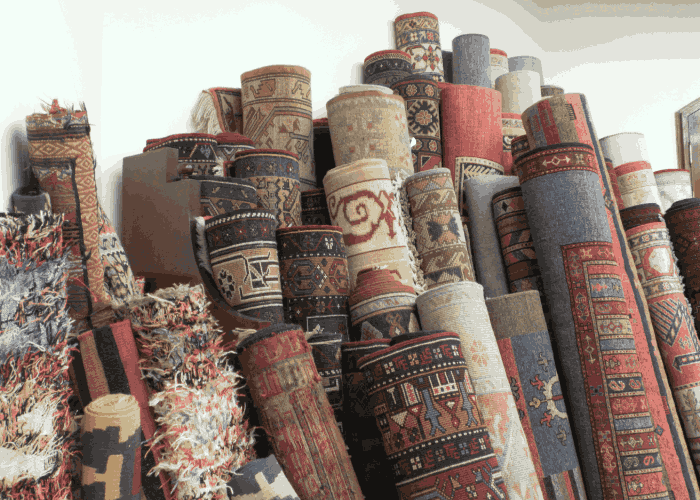
Welcome to an insightful exploration of a true global phenomenon. You’ve likely noticed a growing appreciation for artisanal quality and timeless elegance in home décor and commercial spaces.
Today, we invite you to discover why India’s premium carpets are not just participating in, but decisively dominating, the international export markets.
From the intricate patterns born of centuries-old traditions to cutting-edge designs and sustainable practices, Indian carpets offer an unparalleled blend of artistry, durability, and ethical production. This article will unveil the multifaceted reasons behind their global success, guiding you through their rich history, expert craftsmanship, and modern market strategies.
The Enduring Legacy of Indian Craftsmanship
When you consider a truly exceptional carpet, you are often looking at a piece of history. The art of carpet weaving in India is not merely an industry; it is a legacy passed down through generations, steeped in cultural heritage.
This deep-rooted tradition is a primary reason why Indian carpets hold such a prestigious position worldwide. You are investing in a story, not just a product.
Historical Roots and Artistic Heritage
The origins of carpet weaving in India can be traced back to the Mughal Empire in the 16th century. Emperors like Akbar introduced Persian weavers, blending their sophisticated techniques with indigenous Indian artistry.
This fusion gave birth to a distinct style, characterized by intricate motifs, vibrant colors, and unparalleled detail. You can still see the echoes of these grand designs in modern Indian carpets today.
Regions such as Mirzapur, Bhadohi (often called the “Carpet City of India”), Jaipur, and Agra became renowned centers for this exquisite craft. Each area developed its unique patterns and weaving styles, contributing to the rich tapestry of Indian carpet heritage.
The knowledge and skills required for this intricate work have been meticulously preserved and passed down. Artisans learn from their elders, ensuring that centuries of expertise continue to thrive.
Unmatched Hand-Knotted and Hand-Tufted Expertise
The hallmark of a premium Indian carpet is often its construction method, specifically hand-knotting or hand-tufting. These labor-intensive techniques are what set Indian creations apart from mass-produced alternatives.
A hand-knotted carpet involves individual knots tied around warps, forming a dense, durable pile. This meticulous process can take months, or even years, for a single large piece, resulting in unmatched quality and longevity.
You can literally feel the difference in the texture and resilience. Each knot contributes to the carpet’s strength and intricate design clarity.
Hand-tufted carpets, while quicker to produce than hand-knotted ones, still require significant manual skill. Artisans use a tufting gun to punch yarn through a fabric backing, creating a custom design.
This method allows for greater design flexibility and diverse textures, offering you a wide range of aesthetic options. Both techniques underscore the human touch and dedication inherent in every Indian carpet.
Quality Beyond Compare: Materials and Techniques
The true measure of a premium carpet lies not just in its design, but fundamentally in its materials and the precision of its construction. Indian manufacturers understand this implicitly, prioritizing excellence at every stage.
When you choose an Indian carpet, you are selecting a product where no compromise is made on quality. This commitment ensures that your investment will last for decades, maintaining its beauty and integrity.
Superior Raw Materials Sourcing
The journey of a world-class carpet begins with the selection of the finest fibers. Indian carpet makers meticulously source high-quality wool, silk, and other natural materials from around the globe.
You will often find carpets crafted from premium New Zealand wool, known for its softness, strength, and natural lanolin content, which provides stain resistance. Merino wool is also highly prized for its luxurious feel and durability.
For an added touch of opulence, many premium carpets incorporate pure silk, lending a lustrous sheen and incredible softness. This careful selection of raw materials directly translates into the carpet’s longevity, comfort, and aesthetic appeal.
The fibers are chosen not just for their immediate beauty, but for their ability to withstand years of foot traffic and retain their vibrant colors. You can trust that the base of your carpet is built for endurance.
Precision Dyeing and Finishing
Once the superior fibers are selected, they undergo a sophisticated dyeing process. Indian artisans are masters of color, utilizing both natural and high-quality synthetic dyes to achieve a vast spectrum of hues.
The dyeing process is often a closely guarded secret, passed down through generations, ensuring colorfastness and vibrancy that withstand the test of time. You will find that the colors remain rich and true, even after extensive use.
Beyond dyeing, the finishing touches are crucial for a carpet’s overall appeal and durability. This includes meticulous washing, shearing, and sometimes even hand-carving to enhance the texture and highlight specific design elements.
These final steps refine the carpet’s surface, bringing out its inherent beauty and ensuring a luxurious feel underfoot. Every detail is considered to provide you with a product of ultimate refinement.
Design Innovation Meets Traditional Aesthetics
One of the most compelling reasons for India’s dominance in the premium carpet market is its unparalleled ability to blend tradition with innovation. Indian designers and weavers are not content to merely replicate old patterns; they reinterpret them, creating fresh and exciting aesthetics.
This dynamic approach ensures that you can find a carpet that perfectly complements any interior, from classic to ultra-modern. The versatility of design is truly remarkable.
Fusion of Classic and Contemporary Designs
The beauty of Indian carpet design lies in its seamless fusion of ancient motifs with modern sensibilities. You can discover carpets that feature intricate Persian or Mughal patterns rendered in contemporary color palettes.
Conversely, minimalist designs might incorporate subtle textures or traditional weaving techniques, adding depth and character. This innovative blending appeals to a global clientele with diverse tastes.
Indian manufacturers are highly responsive to global design trends, working closely with international designers and interior decorators. They are adept at translating conceptual ideas into tangible, breathtaking carpet designs.
Furthermore, the ability to offer extensive customization is a significant advantage. If you have a specific vision, Indian artisans can bring it to life, creating bespoke pieces that are truly unique to your space.
A Kaleidoscope of Styles: From Persian to Abstract
The sheer variety of styles available from India is astonishing. You can explore a vast range of options, each with its own distinct charm and history.
Consider the timeless elegance of a Persian-inspired carpet, featuring delicate floral arrangements and medallions. Or perhaps you prefer the geometric precision and earthy tones of a traditional Dhurrie, perfect for a rustic or bohemian setting.
For a more contemporary look, you will find stunning abstract and transitional designs that play with color, texture, and form. These carpets can serve as striking focal points in modern interiors, adding artistic flair.
Other popular styles include the vibrant, often tribal-inspired Kilims, and the plush, richly colored Indo-Tibetan designs. This vast repository of styles ensures that whatever your aesthetic preference, you will find an Indian carpet to match.
The continuous innovation in design, coupled with the preservation of traditional weaving methods, makes India a global leader. You are guaranteed to find not just a carpet, but a piece of art.
Economic Drivers and Global Market Penetration
Beyond the artistry and quality, there are significant economic factors that underpin India’s dominance in the carpet export market. These strategic advantages allow Indian manufacturers to offer exceptional value, making their products highly attractive to international buyers.
You benefit from a robust infrastructure and a competitive pricing model that doesn’t compromise on the premium quality you expect.
Competitive Pricing Without Compromising Quality
One of the most compelling aspects of Indian premium carpets is their competitive pricing. Despite using superior materials and labor-intensive handcrafting techniques, India can offer prices that are often more accessible than those from other high-end producers.
This is largely due to factors such as economies of scale, a highly skilled and abundant labor force, and efficient production processes. You get luxury quality without the exorbitant price tag.
The industry has perfected its supply chain, optimizing raw material procurement and manufacturing steps. This operational efficiency translates into cost savings that are passed on to you, the consumer.
Therefore, when you invest in an Indian carpet, you are securing exceptional value. You receive a product of heirloom quality at a price point that makes premium craftsmanship attainable.
Robust Export Infrastructure and Supply Chain
India has developed a sophisticated export infrastructure that facilitates the smooth and efficient delivery of carpets worldwide. This includes well-established logistics networks, reliable shipping channels, and streamlined customs procedures.
Manufacturers are experienced in handling international orders, ensuring that your chosen carpet reaches you safely and promptly. You can rely on a well-oiled machine designed for global trade.
Key export hubs and dedicated cargo services ensure that carpets are packaged securely and transported with care. This meticulous attention to detail minimizes transit times and potential damage, protecting your investment.
The reliability of India’s supply chain is a major draw for international distributors and retailers. You can have confidence in predictable delivery times and consistent product availability.
Government Support and Industry Initiatives
The Indian government actively supports the carpet industry, recognizing its significant contribution to exports and employment. Various policies and incentives are in place to foster growth, quality, and ethical practices.
Organizations like the Carpet Export Promotion Council (CEPC) play a crucial role. They promote Indian carpets internationally, facilitate trade shows, and help maintain quality standards, directly benefiting you by ensuring product integrity.
These initiatives strengthen the industry’s competitiveness and ensure that Indian carpets continue to meet global benchmarks for quality and design. You are buying from an industry that is both supported and regulated for excellence.
Such support helps manufacturers invest in new technologies, skill development, and market research. This continuous improvement trickles down to you in the form of innovative designs and enhanced product quality.
Sustainability and Ethical Practices
In today’s global market, discerning buyers are increasingly looking beyond aesthetics and price. You are concerned about the environmental impact and ethical footprint of your purchases.
India’s premium carpet industry has proactively embraced sustainability and fair trade, offering you products that are not only beautiful but also responsible. This commitment adds significant value to every carpet.
Eco-Friendly Production Methods
Many Indian carpet manufacturers are committed to environmentally sound practices throughout their production cycle. This includes the use of natural and eco-friendly dyes, which reduce chemical runoff and pollution.
The reliance on natural fibers like wool and silk means that many carpets are biodegradable and renewable. You are choosing a product with a lower environmental impact, aligning with sustainable living principles.
Furthermore, traditional weaving techniques often require less energy than industrialized processes, contributing to a smaller carbon footprint. Waste reduction and responsible water usage are also becoming standard practices.
When you select an Indian carpet, you are often supporting an industry that prioritizes the health of the planet. This makes your purchase a conscious and positive choice.
Fair Trade and Artisan Empowerment
The hand-knotting and hand-tufting industry is inherently labor-intensive, creating millions of jobs across India. Many manufacturers are deeply committed to fair trade principles, ensuring that artisans receive fair wages and work in safe conditions.
This commitment means that your purchase directly contributes to the livelihoods and well-being of skilled weavers and their families. You are empowering communities and preserving traditional crafts.
Initiatives focused on child labor eradication and women’s empowerment are also prevalent within the industry. By supporting certified fair trade Indian carpets, you are advocating for ethical labor practices.
Choosing a premium Indian carpet means investing in a product that embodies social responsibility. You are not just buying a carpet; you are supporting a movement towards a more equitable global economy.
Indian Carpet Export Trends (Value in USD Millions)
To illustrate the significant growth and global reach of India’s premium carpet industry, let’s examine some hypothetical but representative export data. This table highlights how different regions contribute to the overall demand for Indian carpets, showcasing their widespread appeal.
You can see how consistent growth across diverse markets underscores the industry’s strength and adaptability.
| Year | North America | Europe | Asia & Oceania | Middle East & Africa | Total Exports |
|---|---|---|---|---|---|
| 2019 | 450 | 380 | 120 | 50 | 1000 |
| 2020 | 475 | 395 | 130 | 55 | 1055 |
| 2021 | 510 | 420 | 145 | 60 | 1135 |
| 2022 | 550 | 450 | 160 | 65 | 1225 |
| 2023 | 590 | 480 | 175 | 70 | 1315 |
(Note: Data presented is illustrative and based on general industry trends, not specific official figures.)
As you can observe, North America and Europe consistently represent the largest export markets for Indian carpets. This indicates a strong preference for their quality and design in established luxury markets.
The steady growth across all regions year-on-year demonstrates increasing global demand. This trend validates India’s position as a dominant force in the premium carpet sector.
Conclusion
As we’ve explored, India’s premium carpets are not merely decorative items; they are a testament to centuries of inherited skill, unwavering quality, and dynamic innovation. You’ve seen how a rich historical legacy combines with modern business acumen to create a globally sought-after product.
From the intricate hand-knotting to the vibrant, colorfast dyes, every aspect of an Indian carpet speaks to a commitment to excellence. The industry’s ability to blend traditional aesthetics with contemporary designs ensures its relevance and appeal across diverse markets.
Furthermore, India’s robust export infrastructure, competitive pricing strategies, and growing emphasis on sustainability and ethical labor practices solidify its position. You are not just buying a carpet; you are investing in a piece of art that supports communities and respects the environment.
The global demand for Indian premium carpets is a clear indicator of their unmatched value and enduring appeal. We encourage you to experience the quality, beauty, and story woven into every thread.
Frequently Asked Questions (FAQ)
Q1: What makes Indian carpets unique compared to others?
Indian carpets stand out due to their rich heritage of hand-knotting and hand-tufting techniques, passed down through generations. They uniquely blend traditional Persian and Mughal designs with contemporary aesthetics, offering unparalleled artistry and durability.
You will find a distinctive fusion of intricate patterns, vibrant colors, and superior raw materials like New Zealand wool and pure silk.
Q2: Are Indian premium carpets sustainable and ethically produced?
Yes, many Indian carpet manufacturers are increasingly focusing on sustainable and ethical practices. This includes using natural and eco-friendly dyes, sourcing renewable fibers, and implementing fair trade principles.
You can often find carpets produced under conditions that ensure fair wages, safe working environments, and the absence of child labor, making them a responsible choice.
Q3: How can I identify a high-quality Indian carpet?
To identify a high-quality Indian carpet, you should look for several key indicators. Examine the knot count (higher knot density generally indicates finer quality), feel the texture (it should be soft yet dense), and check for colorfastness and evenness in the pile.
You should also inquire about the materials used (e.g., premium wool, silk) and the construction method (hand-knotted is typically the highest quality).
Q4: What are the main types of Indian carpets available?
India offers a diverse range of carpet types. These include traditional hand-knotted Persian-inspired carpets, geometric Dhurries, vibrant Kilims, plush Indo-Tibetan designs, and modern abstract or transitional pieces.
You can explore a vast array of styles, colors, and textures to suit any interior design preference, from classic to contemporary.
Q5: How do Indian carpets compare in price to those from other major carpet-producing countries?
Indian premium carpets often offer highly competitive pricing without compromising on quality. This is largely due to factors such as a skilled labor force, efficient production processes, and economies of scale.
You will often find that you can acquire a hand-knotted, high-quality Indian carpet at a more accessible price point than comparable products from some other traditional carpet-making regions.
Q6: Can I get custom-designed carpets from India?
Absolutely. Customization is a significant strength of the Indian carpet industry. Many manufacturers and exporters specialize in creating bespoke carpets to your exact specifications.
You can choose your preferred design, size, color palette, material, and construction method, ensuring you receive a truly unique piece tailored to your space.
Q7: What is the expected lifespan of a premium Indian carpet?
A well-maintained, premium hand-knotted or hand-tufted Indian carpet can last for many decades, often becoming an heirloom piece. Their durability comes from the high-quality materials and meticulous craftsmanship.
With proper care, including regular vacuuming and professional cleaning, your Indian carpet will retain its beauty and integrity for generations.