The allure of a finely crafted carpet transforms any space, imbuing it with warmth, character, and an undeniable sense of luxury. When you consider investing in such a piece, you are not just buying a floor covering; you are acquiring a work of art, a piece of history, and a testament to human skill. For discerning buyers worldwide, the “Made in India” label on premium carpets has become synonymous with unparalleled quality, exquisite design, and a heritage of craftsmanship that stretches back centuries.
You might wonder what truly sets Indian carpets apart in a global market teeming with options. It’s a confluence of factors: a rich historical legacy, the mastery of artisan hands, the purity of natural materials, and an unwavering commitment to ethical practices. This article invites you on a journey to explore the profound advantages of choosing Indian premium carpets, revealing why they are not just coveted, but truly cherished across the globe.
The Rich Tapestry of Indian Carpet History
India’s relationship with carpet weaving is not merely a craft; it is a profound cultural legacy. The art form was significantly elevated during the Mughal Empire, particularly under Emperor Akbar in the 16th century. He brought Persian master weavers to India, blending their sophisticated techniques and intricate designs with indigenous Indian artistry.
This fusion gave birth to a distinct Indian style that quickly gained international acclaim. You are stepping into a tradition that has evolved over hundreds of years, perfected by generations of artisans. Each carpet tells a story of this enduring heritage.
From Ancient Looms to Modern Homes
The techniques and motifs developed centuries ago are still visible in the carpets you find today. While designs have diversified, the core principles of hand-knotting and weaving remain deeply rooted in tradition. This historical continuity ensures that every Indian premium carpet carries with it a piece of this magnificent past.
You are not just decorating your home; you are participating in a living history. This connection to the past adds an immeasurable depth and character to your purchase.
Unparalleled Craftsmanship: A Legacy of Skill
The primary reason Indian premium carpets are so highly valued is the extraordinary level of craftsmanship involved in their creation. Unlike mass-produced alternatives, most high-end Indian carpets are meticulously hand-knotted or hand-tufted. This labor-intensive process demands immense skill, patience, and an artistic eye.
You will appreciate the subtle imperfections that speak volumes about human touch, making each carpet truly unique. This is where the soul of the carpet resides, woven strand by strand.
The Art of Hand-Knotting
Hand-knotting is the pinnacle of carpet making, a technique passed down through families for generations. Artisans tie individual knots onto a warp and weft foundation, forming the pile of the carpet. A single large carpet can take several skilled weavers many months, even years, to complete.
The density of these knots per square inch directly correlates with the carpet’s durability, intricacy of design, and overall value. When you own a hand-knotted Indian carpet, you possess an heirloom built to last for generations.
The Precision of Hand-Tufting
While often quicker to produce than hand-knotted carpets, hand-tufting in India still involves significant manual skill. Artisans use a special tool to punch yarn through a fabric backing, creating the pile. This method allows for greater design flexibility and a plush feel.
You will find hand-tufted Indian carpets offer excellent value, combining artisanal quality with a broader range of styles. They provide a luxurious look and feel without the extensive time investment of hand-knotting.
Mastery of Hand-Weaving (Dhurries & Kilims)
Beyond knotted and tufted carpets, India also excels in hand-woven flatweave rugs like Dhurries and Kilims. These are created by interweaving warp and weft threads, resulting in a flat, reversible fabric. They are often lighter, more casual, and perfect for a variety of settings.
You can enjoy their durability and ease of maintenance, making them ideal for high-traffic areas or a minimalist aesthetic. Their distinct patterns and textures offer a different kind of artisanal beauty.
The Purity of Materials: From Fleece to Floor
The foundation of any premium carpet lies in the quality of its materials. Indian carpet makers have access to, and often meticulously source, some of the finest natural fibers in the world. This commitment to superior materials ensures not only beauty but also longevity and comfort.
You can feel the difference that high-quality wool, silk, and cotton make in the softness, luster, and resilience of the carpet.
Luxurious Wool
Wool is the most common and revered material for premium carpets due to its inherent strength, elasticity, and natural stain resistance. Indian manufacturers often use a blend of local and imported wools, such as New Zealand wool, Bikaner wool, or Ghazni wool.
These wools are known for their long staples, which contribute to a dense, durable pile that resists crushing and wear. You will find that wool carpets retain their beauty and resilience for decades.
Exquisite Silk
For the ultimate in luxury and sheen, silk carpets are unparalleled. Indian silk carpets, particularly those from Kashmir, are renowned for their incredible softness, vibrant colors, and intricate detailing. The fine fibers allow for an extremely high knot count, leading to breathtakingly detailed designs.
If you desire a carpet that radiates elegance and sophistication, pure silk offers an unmatched shimmering beauty. It is a statement piece that immediately elevates any room.
Versatile Cotton and Other Natural Fibers
Cotton is primarily used for the foundation (warp and weft) of wool and silk carpets, providing stability and strength. It is also a popular material for Dhurries due to its softness and ability to take dyes beautifully. Beyond cotton, you might find premium carpets incorporating jute, bamboo silk, or even hemp.
These natural fibers offer diverse textures, aesthetics, and environmental benefits. You have a wide array of choices to match your specific preferences and lifestyle.
The Magic of Natural Dyes
Many premium Indian carpets still utilize natural dyes derived from plants, minerals, and insects. These dyes produce rich, subtle, and enduring colors that synthetic dyes often cannot replicate. They also age beautifully, developing a unique patina over time.
You can appreciate the eco-friendly aspect and the depth of color that only natural dyes can provide. This attention to detail reflects a true commitment to authenticity and quality.
Design Diversity: A World of Aesthetic Possibilities
One of the most compelling advantages of Indian premium carpets is their extraordinary design versatility. Indian artisans are masters of adaptation, capable of producing a vast array of styles that cater to every imaginable aesthetic preference. Whether your taste leans towards the classical or the contemporary, you will find a design that speaks to you.
This adaptability makes Indian carpets a favorite among interior designers and homeowners worldwide.
Traditional Grandeur
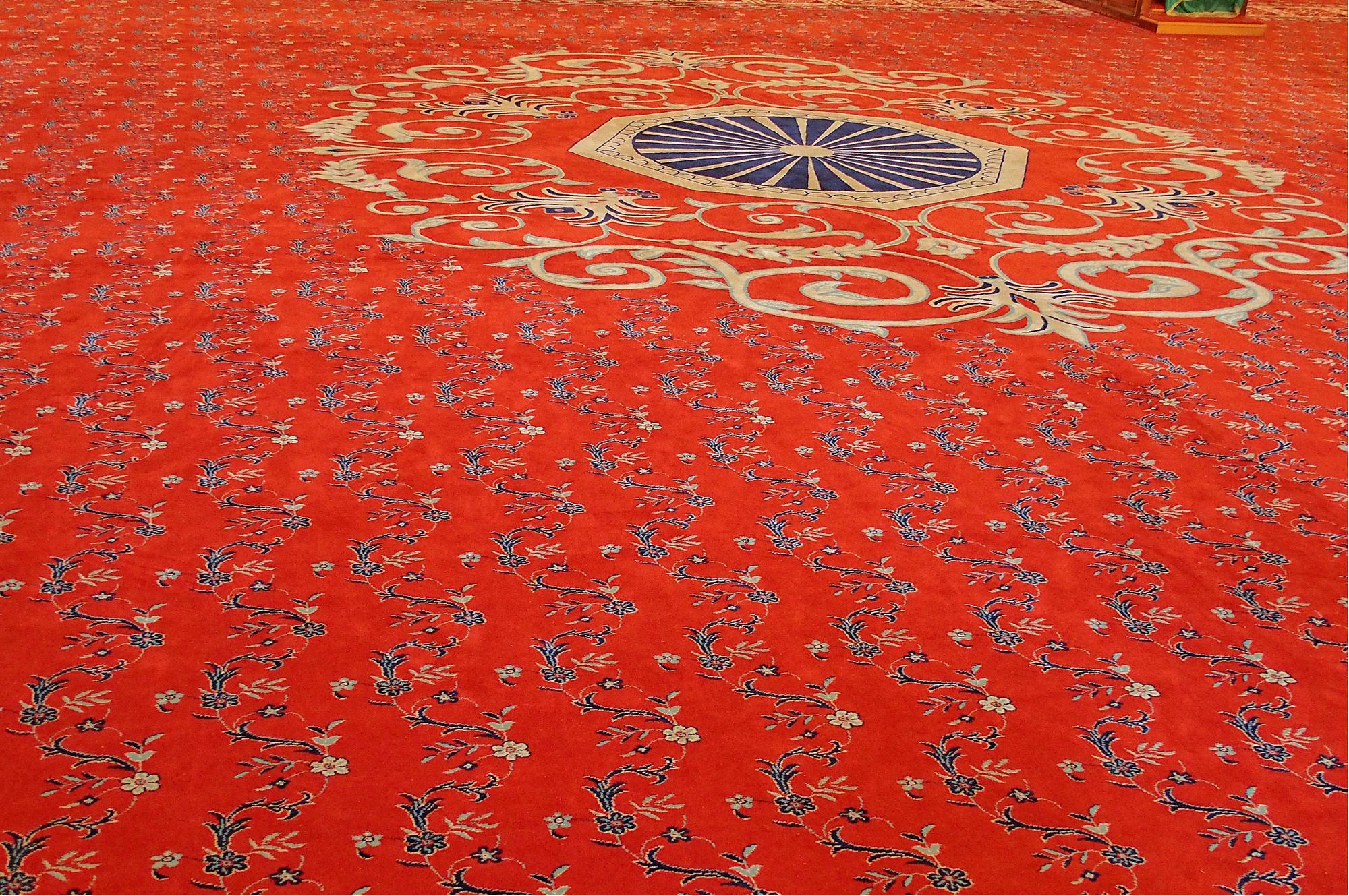
India’s heritage is deeply embedded in its traditional carpet designs, often inspired by Persian and Mughal motifs. You will encounter intricate floral patterns, medallions, trellises, and pictorial designs that evoke a sense of timeless elegance. These carpets are perfect for adding a touch of old-world charm and sophistication to your space.
Their classic beauty ensures they remain stylish regardless of changing trends.
Contemporary Chic
Moving beyond tradition, Indian carpet makers have embraced modern aesthetics with enthusiasm and skill. You can find stunning contemporary designs featuring abstract patterns, geometric shapes, bold color blocking, and minimalist interpretations. These carpets are perfect for modern homes, adding a sophisticated and artistic touch.
They prove that Indian craftsmanship is not just about preserving the past, but also about innovating for the future.
Transitional and Fusion Styles
For those who appreciate a blend of old and new, transitional Indian carpets offer the best of both worlds. These designs often combine traditional motifs with contemporary color palettes or simplified patterns, creating a harmonious balance. Fusion carpets might incorporate elements from various cultures, resulting in truly unique pieces.
You can achieve a cohesive look that bridges different design eras, making your space uniquely yours.
Bespoke Design: Your Vision, Our Expertise
Perhaps the most exciting aspect of Indian carpet manufacturing is the widespread availability of custom design services. If you have a specific vision for your space, Indian artisans can bring it to life. You can specify everything from the design and colors to the materials, size, and pile height.
This level of customization ensures that your carpet is not just a purchase, but a personalized masterpiece tailored precisely to your requirements. It’s an unparalleled opportunity to create something truly unique.
Ethical and Sustainable Practices: Weaving a Better Future
In today’s conscious consumer market, the ethics and sustainability of production are paramount. India’s premium carpet industry has made significant strides in ensuring that its beautiful creations are also responsibly made. When you choose an Indian carpet, you are often supporting a system that prioritizes human dignity and environmental stewardship.
This commitment adds another layer of value and peace of mind to your investment.
Fair Labor and Child Labor-Free Initiatives
The specter of child labor has historically cast a shadow over some parts of the carpet industry. However, leading Indian manufacturers and exporters are at the forefront of eradicating this issue. Organizations like GoodWeave (formerly RugMark) certify carpets as child labor-free, ensuring fair wages and safe working conditions for adult artisans.
By choosing certified carpets, you directly contribute to the welfare of weaving communities and the ethical treatment of workers. You are making a choice that truly matters.
Environmental Responsibility
The use of natural fibers like wool, silk, and cotton, combined with traditional weaving methods, inherently makes Indian carpets a more sustainable choice than those made from synthetic materials. Many manufacturers are also adopting eco-friendly dyeing processes and waste reduction strategies.
You can feel good knowing that your carpet is not only beautiful but also kind to the planet. It’s a sustainable luxury that aligns with modern values.
Empowering Artisan Communities
The carpet industry in India is a vital source of livelihood for millions of artisans, particularly in rural areas. Your purchase directly supports these communities, helping to preserve traditional skills and empower families. It provides stable income and opportunities for generational craftsmanship.
You become a part of a positive cycle that sustains cultural heritage and economic well-being. This direct impact is a powerful reason to choose “Made in India.”
Technological Integration and Quality Assurance
While tradition and handcraft are central, the Indian carpet industry also embraces modern advancements to enhance quality and efficiency. This strategic integration ensures that while the soul of the carpet remains artisanal, the production process benefits from contemporary standards of excellence. You receive a product that is both authentic and impeccably made.
This balance of old and new is a testament to the industry’s forward-thinking approach.
Rigorous Quality Checks
From the moment raw materials arrive to the final inspection before shipment, premium Indian carpets undergo stringent quality control. This includes checking yarn quality, dye consistency, knot density, weaving uniformity, and finishing details. Any deviation from high standards is addressed immediately.
You are assured that the carpet reaching your home has passed multiple layers of scrutiny, guaranteeing its superior quality.
Advanced Finishing Techniques
After weaving, carpets are subjected to various finishing processes such as washing, shearing, and stretching. Modern washing techniques ensure colors are vibrant and fast, while precision shearing creates an even pile. These steps are crucial for enhancing the carpet’s appearance, feel, and durability.
You will notice the refined texture and luminosity that these advanced finishing touches provide. They bring out the true beauty of the weave.
The Value Proposition: Luxury Meets Affordability
When you compare the exquisite craftsmanship, premium materials, and design versatility of Indian carpets to those from other traditional weaving regions, their value proposition becomes incredibly compelling. Indian manufacturers offer exceptional quality at a price point that is often more accessible for the luxury segment.
You are investing in a product that offers significant enduring value, both aesthetically and financially.
A Worthwhile Investment
A hand-knotted Indian carpet is not merely a purchase; it’s an investment. Its durability means it will grace your home for decades, potentially increasing in value over time, especially if it’s a unique or antique piece. The timeless beauty ensures it never goes out of style.
You gain a functional work of art that enriches your living space and holds its worth.
Global Reach and Reliability
India is one of the world’s largest exporters of handmade carpets, with a robust infrastructure for international trade. This means you can confidently source premium Indian carpets from reputable dealers and manufacturers with established global supply chains. The industry is well-versed in international shipping, customs, and logistics.
You can expect reliable delivery and professional service, no matter where you are in the world.
Understanding Indian Carpet Types: A Quick Guide
To help you navigate the rich variety of Indian premium carpets, here is a helpful table outlining some popular types and their key characteristics. This will assist you in making an informed choice that best suits your needs and aesthetic preferences.
| Carpet Type | Weave Technique | Primary Materials | Key Characteristics | Typical Region(s) |
|---|---|---|---|---|
| Hand-Knotted | Individual knots tied by hand onto a loom. | Wool (New Zealand, Bikaner, Ghazni), Silk, Cotton (foundation) | Highest durability, intricate designs, luxurious feel, often heirloom quality. Labor-intensive, high knot count. | Kashmir, Bhadohi, Jaipur, Mirzapur |
| Hand-Tufted | Yarn punched through a fabric backing with a hand-held tufting gun. | Wool, Viscose, Acrylic, Cotton (backing) | Softer, plush pile. Faster production than hand-knotting. Versatile designs and colors. Good value. | Bhadohi, Mirzapur |
| Hand-Woven (Flatweave) | Warp and weft threads interwoven to create a flat fabric. No pile. Includes Dhurries and Kilims. | Cotton, Jute, Wool, Hemp | Reversible, lightweight, durable, often geometric or tribal patterns. Casual elegance, easy to clean. | Rajasthan, Haryana, Uttar Pradesh |
| Indo-Tibetan | Distinctive Tibetan knotting style (larger, looser knots). | Wool (often Tibetan wool), Silk | Thick, plush pile. Vibrant colors, often simpler, bolder patterns. A unique textured appearance. | Himachal Pradesh (influenced by Tibetan exiles) |
| Chenille | Yarn woven to create a soft, velvety texture. Can be flatweave or cut pile. | Cotton, Polyester (for specific effects) | Extremely soft, luxurious feel with a slight sheen. Often used for contemporary designs. | Various regions |
This table provides a glimpse into the diverse world of Indian carpets. Each type offers a unique combination of texture, durability, and aesthetic appeal. You can use this as a starting point to explore further and find the perfect match for your home.
Conclusion: The Unrivaled Legacy of “Made in India” Carpets
The “Made in India” advantage for premium carpets is not a mere marketing slogan; it is a multifaceted promise of excellence. It signifies a profound connection to history, a dedication to unparalleled craftsmanship, and an unwavering commitment to quality materials. When you choose an Indian premium carpet, you are not just acquiring a beautiful object; you are investing in a piece of art that embodies centuries of tradition and skill.
You are supporting ethical practices, empowering artisan communities, and bringing a piece of global heritage into your home. The diversity of designs, the option for bespoke creation, and the inherent value make Indian carpets an exceptional choice for discerning buyers worldwide.
Embrace the legacy, feel the luxury, and experience the enduring beauty that only a “Made in India” premium carpet can offer. You will discover that it is truly a choice you will cherish for a lifetime.
Frequently Asked Questions (FAQ)
What makes Indian hand-knotted carpets so special?
Indian hand-knotted carpets are special due to their intricate craftsmanship, where individual knots are tied by skilled artisans. This labor-intensive process results in exceptional durability, unique designs, and a luxurious feel. Each carpet is a unique piece, often taking months or even years to complete.
Are Indian carpets ethically produced?
Many premium Indian carpet manufacturers are deeply committed to ethical production. They adhere to fair labor practices, ensure safe working conditions, and actively work to eradicate child labor through initiatives like GoodWeave certification. When you purchase from a reputable source, you are supporting these ethical standards.
Can I customize an Indian carpet to my specific design needs?
Absolutely! One of the significant advantages of Indian premium carpets is the availability of extensive customization options. You can work with manufacturers to specify designs, colors, materials, sizes, and even pile height to create a carpet that perfectly matches your vision and interior décor.
What materials are commonly used in premium Indian carpets?
Premium Indian carpets primarily use natural fibers such as high-quality wool (often New Zealand, Bikaner, or Ghazni wool), pure silk, and cotton for foundations. You may also find blends with bamboo silk or other sustainable fibers. Many also utilize natural dyes for rich, lasting colors.
How do I care for my Indian premium carpet?
Proper care ensures the longevity of your Indian premium carpet. Regular vacuuming (without a beater bar for hand-knotted rugs) is essential. Address spills immediately by blotting, not rubbing.
Professional cleaning every 1-3 years, depending on traffic, is recommended. Avoid direct, prolonged sunlight to prevent fading.
Are Indian carpets a good investment?
Yes, premium Indian carpets, especially hand-knotted ones, are often considered excellent investments. Their durability, timeless beauty, and artisanal quality mean they can last for generations. Unique or antique pieces may even appreciate in value over time, making them both a functional and financial asset.
What is the difference between hand-knotted and hand-tufted Indian carpets?
The main difference lies in the construction method. Hand-knotted carpets are made by individually tying knots onto a loom, making them extremely durable and detailed, but also more time-consuming. Hand-tufted carpets are made by punching yarn through a backing with a tool, offering a softer pile, faster production, and more design flexibility at a more accessible price point.