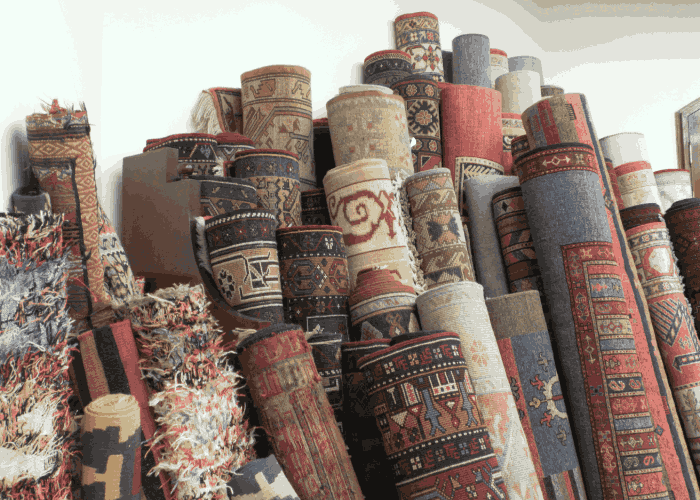
Step into a world where every thread tells a story, every knot a testament to generations of skill, and every pattern a window into a rich cultural tapestry. When you think of India, you might envision vibrant festivals, ancient monuments, or bustling markets. Yet, beneath your feet lies another profound expression of its artistic soul: the premium Indian carpet.
These aren’t just floor coverings; they are masterpieces, meticulously crafted by artisans whose hands have perfected techniques passed down through centuries. You are about to embark on a journey that unveils the intricate process, the dedication, and the sheer artistry behind these magnificent creations, allowing you to truly appreciate why a premium Indian carpet is not merely an object, but a walk on art.
The Soul of the Loom: A Legacy Woven Through Time
The story of Indian carpet weaving is as old and rich as the nation itself. Its origins trace back centuries, with influences from various cultures shaping its distinctive character.
You’ll find that the art of carpet making in India truly flourished under the patronage of the Mughal emperors, particularly Akbar the Great in the 16th century. He brought Persian weavers to India, blending their sophisticated techniques and intricate designs with indigenous artistry.
This fusion gave birth to a unique style that combined Persian elegance with Indian motifs and vibrant color palettes. You can still see echoes of this glorious past in the carpets produced today, a testament to enduring artistic traditions.
Regional Weaving Hubs: Diverse Threads of Excellence
India is a vast country, and its carpet weaving tradition is not monolithic. Instead, you’ll discover distinct regional hubs, each renowned for its unique style, materials, and techniques.
These regional variations contribute to the incredible diversity of Indian carpets. Understanding them helps you appreciate the breadth of craftsmanship available.
- Kashmir: Revered for its exquisite silk carpets, often featuring incredibly high knot counts and intricate floral or paisley designs. The finesse and sheen of Kashmiri silk carpets are unparalleled, making them true luxury items. You’ll notice their soft touch and radiant glow.
- Bhadohi-Mirzapur Belt (Uttar Pradesh): This region is often called the “Carpet City of India” and is the largest carpet weaving cluster. It’s famous for its diverse range of wool carpets, including hand-knotted, hand-tufted, and flatweave (Dhurries). The craftsmanship here spans from traditional Persian and Mughal designs to contemporary abstract patterns.
- Jaipur (Rajasthan): Known for its vibrant Dhurries (flatweave rugs) and also for high-quality hand-knotted wool carpets. Jaipur carpets often incorporate traditional Rajasthani motifs and a lively color spectrum. You will find a blend of traditional and modern aesthetics in these designs.
- Agra (Uttar Pradesh): Historically significant for its Mughal-era carpets, Agra continues to produce fine hand-knotted carpets, often replicating classic Persian designs with a distinct Indian interpretation. The quality of wool and dye in Agra carpets is particularly noteworthy.
Each region offers you a different aesthetic and tactile experience, reflecting the local culture and available resources. This diversity ensures that there is a premium Indian carpet to suit every taste and interior design.
The Raw Materials: Foundation of Exquisite Beauty
The journey of a premium Indian carpet begins long before the first knot is tied. It starts with the meticulous selection of raw materials, which are the very foundation of its quality, durability, and aesthetic appeal.
You might not immediately think about the fibers, but they dictate how a carpet feels underfoot, how it handles traffic, and how long it retains its beauty.
Fibers of Distinction: Choosing the Best
The choice of fiber is paramount in creating a premium carpet. Artisans carefully select materials that will best translate their vision into a tangible, durable piece of art.
You’ll find that the quality of these fibers directly impacts the carpet’s longevity and luxurious feel.
- Wool: This is the most common and versatile fiber used in premium Indian carpets. You’ll often find a blend of indigenous Indian wool with imported varieties like New Zealand or Merino wool.
- New Zealand Wool: Renowned for its strength, softness, and natural luster. Its long staple length makes it ideal for durable, high-quality carpets that resist crushing and soiling. You will appreciate its inherent resilience.
- Merino Wool: Known for its exceptional softness and fine texture, often used in carpets where a luxurious, silky feel is desired. It offers a delicate touch that is truly indulgent.
- Indigenous Indian Wool: Offers a coarser, more robust texture, often providing a rustic charm and excellent durability. This wool is perfect for creating carpets with a distinct character.
Wool is naturally elastic, flame-retardant, and resilient, making it an excellent choice for carpets that will last generations. It also takes dye beautifully, allowing for rich and lasting colors.
- Silk: The epitome of luxury, silk carpets, especially from Kashmir, are celebrated for their unparalleled sheen, softness, and ability to hold incredibly intricate details.
- Mulberry Silk: The most common and highest quality silk, known for its smooth texture and brilliant luster. Carpets made with Mulberry silk shimmer with an iridescent quality.
- Tussar Silk: A wild silk that offers a slightly coarser texture and a natural, golden hue. It provides a unique rustic elegance.
You’ll find that silk carpets are often thinner but incredibly strong, making them ideal for areas where visual impact and a luxurious feel are prioritized over heavy foot traffic. They are truly showpieces.
- Cotton: Primarily used for the foundation (warp and weft) of hand-knotted carpets, providing stability and strength. In flatweave Dhurries, cotton can also be the main pile material, offering a lightweight and durable option.
Cotton provides a crisp, clean base that allows the wool or silk knots to stand out beautifully. It ensures the structural integrity of the carpet.
- Blends: Sometimes, fibers are blended to achieve specific characteristics. For example, a wool-silk blend can offer the durability of wool with a touch of silk’s luxurious sheen and softness.
These blends are carefully formulated to give you the best of both worlds, balancing aesthetics with practicality.
The discerning choice of these raw materials is the first critical step in creating a carpet that is not just beautiful, but also a lasting investment for your home.
The Art of Dyeing: A Symphony of Colors
Once the fibers are selected, they embark on their colorful transformation. The dyeing process is an art form in itself, demanding profound knowledge of chemistry, tradition, and an artist’s eye for color.
You will appreciate that the vibrancy and longevity of a carpet’s colors are directly linked to the quality of its dyes and the skill of the dyemaster.
Traditional Dyes vs. Modern Pigments
Historically, Indian carpets were colored using natural dyes derived from plants, insects, and minerals. Today, while synthetic dyes are more common, many premium carpet makers still employ or are returning to natural dyeing methods.
Each approach offers unique advantages, and you’ll find that the choice impacts the carpet’s overall character.
- Natural Dyes: Derived from sources like indigo (for blues), madder root (for reds), pomegranate rind (for yellows), and cochineal insects (for crimson).
- Characteristics: Natural dyes produce nuanced, soft, and often variegated colors that age beautifully, developing a rich patina over time. They are environmentally friendly and non-toxic.
- Appeal: For you, a carpet colored with natural dyes offers an authentic, organic feel and a connection to ancient traditions. The subtle variations in hue add depth and character.
- Synthetic (Chrome) Dyes: Developed in the 19th and 20th centuries, these dyes offer a wider spectrum of colors, greater consistency, and superior colorfastness (resistance to fading).
- Characteristics: Synthetic dyes allow for a broader, more precise color palette and ensure uniform color across large batches of yarn. They are highly stable and resist fading from sunlight.
- Appeal: If you desire vibrant, consistent colors that will maintain their intensity for decades, synthetic dyes are an excellent choice. Modern designs often rely on the precision offered by these dyes.
The Dyeing Process: A Meticulous Ritual
Regardless of whether natural or synthetic dyes are used, the dyeing process is a labor-intensive and highly skilled operation. You’ll be amazed by the precision required.
The yarn is carefully prepared, often scoured and washed, before being immersed in large vats of dye. The dyemaster constantly monitors the temperature, pH levels, and immersion time to achieve the desired shade.
After dyeing, the yarn is rinsed thoroughly to remove excess dye and then dried, often in the open air. This entire process ensures that the colors are not only beautiful but also deeply saturated and resistant to bleeding or fading, providing you with a carpet that retains its brilliance for years to come.
The Weaving Process: From Design to Reality
With the finest materials prepared and dyed in a symphony of colors, the journey moves to the loom. This is where the true magic of transformation happens, as individual threads are painstakingly woven into a cohesive, breathtaking masterpiece.
You will find that the weaving process is a testament to human patience, precision, and an unwavering commitment to craftsmanship.
Design Conception: The Blueprint of Beauty
Every premium carpet begins with a design. This can be a traditional pattern passed down through generations, a contemporary creation by a skilled artist, or a custom design tailored to your specific preferences.
The design is first sketched, then meticulously transferred onto graph paper, where each square represents a single knot. This detailed blueprint guides the weavers, ensuring accuracy and consistency.
This design phase is crucial, as it dictates the complexity, color distribution, and overall aesthetic of the finished carpet. It truly is the soul of the carpet before it even begins to take physical form.
Hand-Knotted Carpets: The Pinnacle of Craftsmanship
For premium Indian carpets, hand-knotting is the technique that truly defines their value and artistry. This ancient method involves tying individual knots onto the warp (vertical threads) and then securing them with weft (horizontal threads).
You will discover that this process is incredibly labor-intensive and time-consuming, but it results in a carpet of unparalleled durability, intricate detail, and luxurious feel.
- The Loom Setup: Weaving takes place on a vertical loom. The warp threads are stretched tautly from top to bottom, forming the foundation of the carpet.
- The Knotting Technique: Weavers, often working in teams, sit in front of the loom and individually tie thousands, sometimes millions, of knots.
- Persian (Senneh) Knot: More common in India, this asymmetrical knot is tied around one warp thread and under the next, creating a denser, more defined pile. It allows for extremely intricate designs. You’ll notice the fine detail this knot provides.
- Tibetan Knot: While less common for the highest premium Indian carpets, it’s worth noting. This symmetrical knot is tied around two warp threads.
Each knot is carefully cut, and then the weft threads are passed through horizontally and beaten down tightly to secure the knots in place. This process is repeated row after row, slowly building the carpet.
- Knot Count (KPSI/PPI): This refers to the number of knots per square inch (KPSI) or knots per square foot (KPSF). It is a critical indicator of a hand-knotted carpet’s quality and detail.
- Significance: A higher knot count means more knots are packed into a smaller area, allowing for finer details in the design, greater durability, and a denser, more luxurious pile. You will feel the difference in texture and see the precision in patterns.
- Range: Premium Indian carpets can range from 100 KPSI for a good quality wool carpet to over 1000 KPSI for the finest silk pieces.
The Human Element: Skill, Patience, and Heritage
The true heart of the weaving process lies in the hands of the artisans. You will find that these weavers are not just workers; they are custodians of an ancient craft, possessing skills honed over generations.
Their patience is extraordinary, as they spend countless hours meticulously tying knots, often referring to the design chart with an almost photographic memory. The rhythm of the loom, the gentle hum of the threads, and the focused concentration of the weavers create an atmosphere of profound dedication.
Every knot tied carries the legacy of their ancestors and contributes to a piece of art that will bring beauty and warmth to your home for many lifetimes.
Intricate Designs and Motifs: Stories Woven In
Beyond the technical mastery of weaving, what truly elevates a premium Indian carpet to a work of art is its design. The patterns and motifs are not merely decorative; they are imbued with symbolism, history, and cultural narratives.
You will find that each carpet tells a unique story, inviting you to explore its intricate details.
A Kaleidoscope of Inspiration
Indian carpet designs draw inspiration from a myriad of sources, reflecting the country’s diverse landscape, rich history, and spiritual traditions.
You’ll see elements from nature, architecture, and ancient folklore woven into these beautiful creations.
- Floral Motifs: Perhaps the most ubiquitous and beloved designs, often featuring intricate renditions of roses, lilies, lotus flowers, and various exotic blossoms. These symbolize beauty, life, and abundance. You might notice gardens of paradise recreated on your floor.
- Paisley (Boteh): An iconic teardrop-shaped motif with a curved upper end, believed to originate in Persia and Kashmir. It often symbolizes fertility, life, and eternity. Its elegant curves add a touch of sophistication.
- The Tree of Life: A powerful and universal symbol representing growth, connection, and immortality. Carpets featuring this motif often depict a central tree with birds, animals, and floral elements, signifying harmony and abundance. It brings a sense of serenity and groundedness.
- Geometric Patterns: While often associated with tribal or nomadic rugs, geometric designs also feature in refined Indian carpets, sometimes as borders or background elements. These patterns can be abstract or represent celestial bodies and architectural features. They offer a structured, modern appeal.
- Medallion Designs: A central medallion, often circular, oval, or star-shaped, is a hallmark of many classical Persian and Indian carpets. It typically symbolizes unity, divinity, or a central oasis, surrounded by complementary patterns. This creates a focal point in any room.
- Architectural Elements: Designs often incorporate elements inspired by Mughal architecture, such as arches, domes, and latticework (jali). These bring a sense of grandeur and historical depth.
Modern Interpretations and Custom Creations
While traditional designs remain popular, contemporary Indian carpet makers also embrace modern aesthetics. You’ll find abstract patterns, minimalist designs, and bold color blocking that cater to modern interior trends.
Many premium manufacturers also offer custom design services, allowing you to personalize a carpet with specific colors, motifs, or even your own unique pattern. This ensures that you can acquire a piece that is truly one-of-a-kind and perfectly suited to your vision.
The ability to weave stories, heritage, and personal preferences into a functional art piece is what makes premium Indian carpet designs so captivating and enduring.
Finishing Touches: The Unsung Heroes
After months or even years on the loom, a hand-knotted carpet still isn’t complete. A series of meticulous finishing processes are required to bring out its true beauty, enhance its durability, and ensure it meets the highest standards of quality.
You will appreciate that these final steps are just as crucial as the weaving itself, transforming the raw textile into a polished masterpiece.
Washing and Drying: Unveiling the Colors
Once removed from the loom, the carpet undergoes a thorough washing process. This is not just about cleaning; it’s about revealing the true brilliance of the dyes and softening the fibers.
The carpet is often laid flat and scrubbed by hand with water and mild, pH-neutral soaps. This process removes any dirt, loose fibers, and residual dye, allowing the colors to bloom and achieve their full vibrancy. You’ll see the dyes truly come alive during this stage.
After washing, the carpet is carefully dried, often in the sun, which can further enhance its luster. Proper drying is essential to prevent mildew and ensure the carpet’s longevity.
Shearing and Embossing: Sculpting the Pile
Following washing, the carpet’s pile is carefully sheared. This involves uniformly trimming the pile to an even height, which refines the surface and makes the design appear sharper and more defined.
For some premium carpets, an additional step called “carving” or “embossing” is performed. This involves hand-cutting around specific design elements at varying pile heights, creating a three-dimensional effect that adds depth and texture to the carpet. You can literally feel the patterns rise and fall.
This sculpting of the pile requires immense skill and a steady hand, further highlighting the artisan’s dedication to perfection.
Binding and Fringing: The Final Edge
The edges of the carpet are then secured through a process called binding. This typically involves wrapping and stitching the sides to prevent fraying and provide a neat, finished look.
Finally, the warp threads that extend beyond the main body of the carpet are often knotted or braided to form the fringes. Fringes are not just decorative; they are an integral part of a hand-knotted carpet’s structure, protecting the foundation. You’ll notice the care taken in creating these delicate details.
Inspection and Quality Control: The Seal of Excellence
Before any premium carpet leaves the workshop, it undergoes rigorous inspection and quality control. Artisans meticulously check for any imperfections, ensuring that the knotting is uniform, the colors are consistent, and the design is perfectly executed.
Any minor flaws are often corrected by hand, reflecting the commitment to delivering an impeccable product. This final scrutiny ensures that when you receive your carpet, you are truly acquiring a piece of uncompromising quality and beauty.
Key Characteristics of Premium Indian Carpet Types
To help you navigate the rich world of Indian carpets, here’s a table summarizing the key characteristics of some premium hand-knotted types. This will give you a quick reference for understanding the differences you might encounter.
| Carpet Type/Region | Primary Material | Weaving Technique | Typical Knot Count (KPSI) | Durability | Primary Aesthetic | Feel |
|---|---|---|---|---|---|---|
| Kashmir Silk | 100% Mulberry Silk | Hand-Knotted (Persian Knot) | 300 – 1200+ | Medium (High tensile strength, but delicate) | Highly ornate, intricate floral/paisley, rich colors | Extremely soft, silky, cool to touch |
| Bhadohi Wool | New Zealand/Merino Wool | Hand-Knotted (Persian/Turkish Knot) | 100 – 300 | High (Resilient, long-lasting) | Diverse: Traditional Persian, Mughal, Contemporary, Abstract | Soft, plush, warm, substantial |
| Agra Wool | Fine Indian/New Zealand Wool | Hand-Knotted (Persian Knot) | 150 – 400 | High | Classic Persian designs, strong medallions, detailed borders | Dense, firm, smooth |
| Jaipur Wool/Cotton | Wool pile on Cotton foundation | Hand-Knotted (Persian Knot) | 120 – 250 | High | Rajasthani motifs, vibrant colors, Indo-Persian blends | Soft to medium, cozy |
This table offers you a glimpse into the diverse world of premium Indian carpets, highlighting how material and technique contribute to their unique character and appeal. When you choose a carpet, consider these characteristics to match it with your lifestyle and aesthetic preferences.
Why Choose a Premium Indian Carpet? The Investment in Art
You might wonder, with so many options available today, why should you choose a premium hand-knotted Indian carpet? The answer lies in its unparalleled blend of artistry, durability, and timeless elegance.
It’s not just a purchase; it’s an investment in a piece of enduring beauty and cultural heritage that will enrich your home for generations.
Durability and Longevity: Built to Last
Unlike machine-made rugs that often wear out quickly, a hand-knotted Indian carpet is designed to last. The meticulous tying of individual knots creates a dense, robust pile that can withstand heavy foot traffic for decades, even centuries.
You’ll find that with proper care, these carpets are incredibly resilient, resisting wear, crushing, and fading. This makes them not just a decorative item but a practical and long-term addition to your home.
Aesthetic Appeal and Timelessness: Beauty That Endures
Premium Indian carpets possess an inherent beauty that transcends fleeting trends. Their intricate designs, rich colors, and luxurious textures add warmth, character, and sophistication to any space, whether traditional or modern.
You will discover that these carpets act as focal points, tying a room together and reflecting your personal style. Their timeless appeal ensures they remain cherished pieces, never going out of fashion.
Heirloom Quality: A Legacy for Generations
One of the most compelling reasons to choose a premium Indian carpet is its heirloom quality. These are not disposable items; they are treasures meant to be passed down through families, carrying stories and memories with them.
Imagine your children and grandchildren admiring the same carpet that once graced your living room, a tangible link to your family’s history. You are not just buying a carpet; you are investing in a future family heirloom.
Supporting Traditional Craftsmanship: Preserving an Art Form
By choosing a hand-knotted Indian carpet, you are directly supporting a centuries-old art form and the communities of skilled artisans who dedicate their lives to this craft. You help ensure that these invaluable skills and traditions are preserved for future generations.
Your purchase contributes to providing livelihoods for weavers, dyers, and designers, allowing them to continue their artistic legacy. You become a patron of living art.
Environmental Considerations: Sustainable Beauty
Many premium Indian carpets are crafted using natural, sustainable materials like wool, silk, and cotton, and often employ natural dyeing processes. This makes them a more environmentally conscious choice compared to synthetic, mass-produced alternatives.
You can feel good knowing that your carpet is a product of nature and human ingenuity, with a minimal ecological footprint. It’s a choice for both beauty and responsibility.
Ultimately, when you choose a premium Indian carpet, you are choosing an object of profound beauty, enduring quality, and rich cultural significance. It is an investment in art, heritage, and a piece that will bring joy and elegance into your life for decades to come.
Conclusion
As you have journeyed through the intricate world of India’s premium carpets, you’ve seen that these are far more than mere floor coverings. They are vibrant expressions of a rich cultural heritage, each knot a whisper of ancient traditions, each pattern a canvas of meticulous artistry.
From the careful selection of the finest wool and silk to the masterful dyeing process, and the painstaking hand-knotting that can take years to complete, every stage is infused with dedication and skill. You now understand the profound craftsmanship that transforms raw fibers into a luxurious, durable, and breathtaking piece of art.
When you acquire a premium Indian carpet, you are not just purchasing a decorative item; you are investing in a timeless heirloom, a testament to human ingenuity, and a bridge to a vibrant cultural legacy. You are choosing to walk on art, literally, and to bring a piece of India’s soul into your home.
Let these magnificent creations inspire you and enrich your living spaces, knowing that you possess a treasure woven with passion, patience, and unparalleled artistry.
Frequently Asked Questions (FAQ)
1. How do I identify a genuine hand-knotted Indian carpet?
You can identify a genuine hand-knotted carpet by looking at its backing. Hand-knotted carpets will have an irregular, slightly uneven backing where you can clearly see the individual knots. The design on the front will be mirrored, though less defined, on the back.
Machine-made rugs typically have a very uniform, often glued backing.
2. What is knot count (KPSI) and why is it important?
Knot count, or Knots Per Square Inch (KPSI), is the number of knots in one square inch of a carpet. It is a key indicator of quality: a higher KPSI means more knots are packed into the same area, resulting in finer detail in the design, greater durability, and a denser, more luxurious pile. For you, a higher KPSI often translates to a more intricate and valuable carpet.
3. How should I clean and maintain my premium hand-knotted carpet?
For regular maintenance, you should vacuum your carpet gently, without a beater bar, to avoid damaging the fibers. For spills, blot immediately with a clean cloth, do not rub. For deeper cleaning, it is highly recommended that you consult a professional carpet cleaner specializing in hand-knotted rugs, ideally every 3-5 years, to ensure proper care and longevity.
4. Can premium Indian carpets be customized?
Yes, many premium Indian carpet manufacturers and suppliers offer customization services. You can often specify the size, shape, colors, materials, and even design motifs to create a carpet that perfectly matches your unique vision and interior décor. This allows you to have a truly bespoke piece of art.
5. What is the typical lifespan of a premium hand-knotted Indian carpet?
With proper care and maintenance, a premium hand-knotted Indian carpet can last for many decades, often exceeding 50-100 years, and even becoming cherished family heirlooms. Their exceptional durability and timeless designs ensure they remain beautiful and functional for generations.