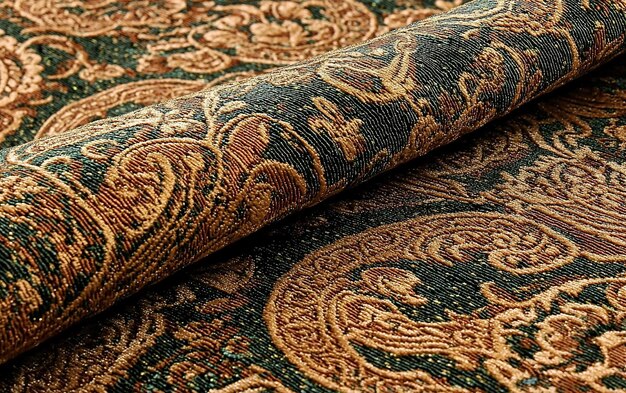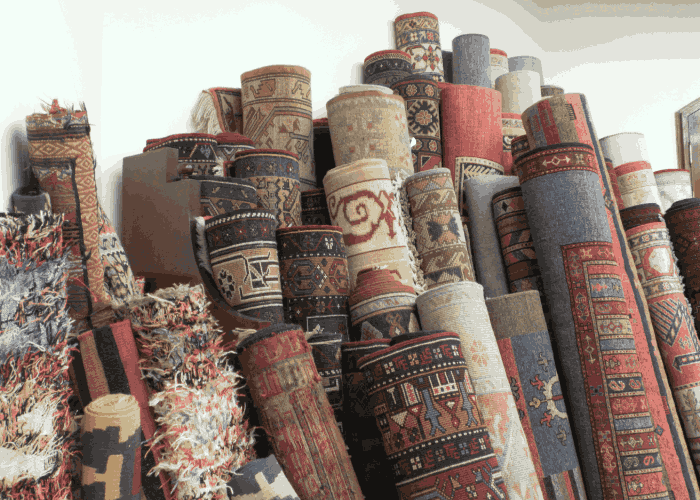
Step into a world where artistry meets heritage, where every thread tells a story of tradition, skill, and unparalleled beauty. You might have admired the luxurious textures and intricate patterns of a world-class carpet, but have you ever considered the journey it took to come into existence?
India, a land rich in cultural tapestry, is home to an extraordinary legacy of carpet weaving. This isn’t merely about floor coverings; it’s about art that you can live with, crafted by hands that have inherited centuries of wisdom.
In this comprehensive article, we invite you to look beyond the finished product. We will embark on a fascinating journey to discover the unsung heroes – the artisans – who meticulously weave India’s world-class luxury carpets. You will gain a profound appreciation for their dedication, the intricate processes, and the enduring legacy that makes these creations truly exceptional.
A Tapestry of Time: India’s Enduring Carpet Legacy
The story of Indian luxury carpets is as rich and intricate as the patterns they bear. It’s a narrative woven through centuries, reflecting cultural exchanges, royal patronage, and the unwavering dedication of generations of artisans.
Understanding this history helps you appreciate the depth and heritage embedded in every single knot.
A Rich Historical Lineage
The art of carpet weaving in India dates back thousands of years. Early evidence suggests rudimentary weaving techniques were present in various forms across the subcontinent.
However, the true zenith of carpet making, particularly hand-knotted carpets, began with external influences that were beautifully integrated into indigenous craftsmanship.
Mughal Patronage and Persian Influence
The turning point for Indian luxury carpets arrived with the Mughal Empire in the 16th century. Mughal emperors, particularly Akbar, were great patrons of the arts and brought Persian weavers to India.
These master weavers introduced sophisticated techniques, intricate designs, and the Persian knotting style, which quickly blended with local aesthetics.
The result was a unique Indo-Persian style that became synonymous with luxury and artistry. Royal workshops flourished, producing carpets for palaces and nobility, setting an unparalleled standard for quality and design.
Evolution Through Centuries
Following the Mughal era, carpet weaving continued to evolve. Regional styles emerged, each reflecting local flora, fauna, and cultural motifs.
The British colonial period also played a role, introducing new markets and design preferences, further diversifying the production.
Today, India stands as one of the world’s leading producers and exporters of high-quality, hand-knotted carpets. This enduring legacy is a testament to the resilience and adaptability of its artisans.
The Unsung Heroes: Faces Behind the Fibers
Behind every magnificent luxury carpet from India stands a community of skilled artisans. These are the individuals whose hands, eyes, and hearts are deeply invested in the craft, transforming raw materials into timeless masterpieces.
You are about to meet the true soul of this industry.
Generations of Knowledge
Carpet weaving is often a hereditary skill in India. It is passed down from one generation to the next, ensuring that ancient techniques and design knowledge are preserved and perfected.
Children often grow up watching their parents and grandparents at the loom, absorbing the rhythm and intricacies of the craft from a very young age.
This generational transfer of knowledge creates a deep understanding and respect for the tradition. It’s not just a job; it’s a way of life and a profound connection to an ancestral art form.
The Guru-Shishya Tradition
Formal training in carpet weaving often follows the traditional Guru-Shishya (teacher-disciple) model. Young apprentices learn directly from master weavers, spending years perfecting their skills.
This immersive learning process instills discipline, patience, and an unwavering commitment to quality. Each knot, each color selection, and each design element is taught with meticulous care.
The relationship between the master and apprentice is profound, fostering not just technical skill but also a deep ethical understanding of the craft’s importance.
Communities of Weavers
Many of India’s renowned carpet weaving centers are located in specific regions, such as Bhadohi, Mirzapur, and Jaipur. These areas are home to entire communities dedicated to the craft.
Families work together, often with multiple looms in their homes or in small workshops. This communal aspect fosters a supportive environment where skills are shared, and traditions are reinforced.
When you acquire an Indian luxury carpet, you are not just buying an item; you are supporting a vibrant community and helping to sustain a living heritage.
From Vision to Tangible Beauty: The Meticulous Process
The creation of a hand-knotted luxury carpet is an intricate ballet of skill, precision, and immense patience. It’s a journey that can take months, or even years, from initial concept to the final, magnificent piece.
Let us walk you through the fascinating steps involved in bringing these masterpieces to life.
Design and Inspiration
Every carpet begins with a vision. Designers draw inspiration from a myriad of sources, including historical patterns, natural motifs, architectural elements, and contemporary art.
Detailed blueprints, known as “talim” or “naksha,” are meticulously hand-drawn or digitally created. These designs serve as the roadmap for the weavers, indicating every single knot and color.
The complexity of the design directly influences the time and skill required for weaving, with some patterns demanding thousands of individual color changes.
Sourcing the Finest Raw Materials
The quality of a luxury carpet begins with its foundation: the raw materials. Artisans and manufacturers go to great lengths to source only the best fibers.
You will find these carpets crafted from exquisite materials such as:
- High-Quality Wool: Often sourced from specific regions known for their strong, lustrous fibers, such as New Zealand or indigenous Indian breeds. Wool provides durability, resilience, and a beautiful sheen.
- Pure Silk: Renowned for its unparalleled softness, shimmering luster, and strength, silk is used for the most opulent carpets, often in intricate detailing or for the entire pile.
- Bamboo Silk: An eco-friendly alternative, bamboo silk offers a soft, silky feel with a subtle sheen, providing both luxury and sustainability.
- Cotton: Primarily used for the warp and weft (the foundation structure) of the carpet, providing stability and strength.
The careful selection of these materials ensures the carpet’s longevity, texture, and visual appeal.
Dyeing: A Symphony of Colors
Color is paramount in a luxury carpet, and the dyeing process is an art in itself. Traditional methods often involve natural dyes derived from plants, minerals, and insects, creating a rich and nuanced palette.
These natural dyes produce colors that are deep, vibrant, and age beautifully, developing a unique patina over time. The dyeing method requires immense skill to achieve consistent shades and prevent bleeding.
Modern techniques also utilize high-quality synthetic dyes that offer excellent colorfastness and an even broader spectrum of hues, while still maintaining the traditional aesthetic.
The Knotting Technique: Heart of the Carpet
This is where the true magic happens. Artisans sit at the loom, following the complex design chart, knotting each individual strand of yarn onto the warp threads.
There are primarily two types of knots used in hand-knotted carpets:
- Persian (Senneh) Knot: This asymmetrical knot is tied around one warp thread and under the next, creating a denser, more intricate pile. It allows for finer detail and is commonly found in high-quality Indian carpets.
- Turkish (Ghiordes) Knot: This symmetrical knot is tied around two warp threads, resulting in a slightly coarser, more robust pile. While less common in very fine Indian luxury carpets, it still offers excellent durability.
The knot density – the number of knots per square inch – is a critical indicator of a carpet’s quality and the time invested. Higher knot counts mean finer detail, greater durability, and a more luxurious feel.
Each knot is tied by hand, one by one, a meditative and labor-intensive process that demands incredible focus and dexterity. A single 9×12 foot carpet with a high knot count can contain millions of individual knots.
Shearing, Washing, and Finishing Touches
Once the weaving is complete, the carpet undergoes several crucial finishing stages.
- Shearing: The pile is carefully trimmed to an even height, revealing the intricate design and enhancing the carpet’s texture and sheen. This requires a steady hand and a keen eye.
- Washing: The carpet is thoroughly washed, often multiple times, to remove any loose fibers, enhance the colors, and give the wool or silk a luxurious softness and luster. Traditional washing methods can involve natural soaps and sun-drying.
- Stretching and Drying: The carpet is stretched to ensure it lies flat and dries evenly, preventing any distortion.
- Fringe Finishing: The warp threads at the ends are meticulously finished to create the fringes, which can be knotted, braided, or bound in various styles.
These finishing touches are vital, transforming the woven textile into a refined, ready-to-display work of art.
Defining Excellence: Hallmarks of Indian Luxury Carpets
What elevates an Indian carpet from merely beautiful to truly world-class luxury? It’s a combination of factors, meticulously cultivated over centuries, that sets these creations apart on the global stage.
When you invest in an Indian luxury carpet, you are acquiring an item that embodies these distinct qualities.
Unparalleled Craftsmanship and Detail
The human touch is irreplaceable in luxury carpet making. Indian artisans possess an extraordinary level of skill, honed over generations.
This craftsmanship is evident in the precision of each knot, the crispness of the design lines, and the seamless blending of colors. You will notice the subtle variations and unique character that only a hand-made item can possess.
The sheer number of knots per square inch in a luxury carpet speaks volumes about the labor and artistry involved, often ranging from hundreds to over a thousand knots per square inch for the finest pieces.
Exquisite Material Quality
As discussed, only the finest natural fibers are selected for Indian luxury carpets. This commitment to quality materials directly impacts the carpet’s aesthetic and tactile appeal.
High-quality wool provides a rich, resilient pile that resists crushing and soiling. Pure silk offers an unmatched softness, luminous sheen, and delicate strength that catches the light beautifully.
These superior materials ensure that the carpet not only looks magnificent but also feels incredibly luxurious underfoot and maintains its beauty for decades.
Unique Design Language
Indian luxury carpets boast a diverse and rich design vocabulary. While often influenced by Persian motifs, they incorporate distinct Indian elements, creating a fusion that is uniquely captivating.
You will find intricate floral patterns, medallions, geometric designs, and even contemporary abstract compositions. Each design often carries symbolic meaning, adding another layer of depth to the carpet’s appeal.
The ability to adapt traditional motifs into modern contexts, or to create entirely new, innovative designs, is a hallmark of India’s leading carpet manufacturers and designers.
Durability and Longevity
Despite their delicate appearance, hand-knotted luxury carpets are incredibly durable. The tight knotting, combined with the strength of natural fibers like wool and silk, creates a textile that can withstand generations of use.
Unlike machine-made carpets, hand-knotted pieces do not shed excessively and tend to wear gracefully, often becoming more beautiful with age as the pile mellows and develops a unique patina.
When properly cared for, an Indian luxury carpet is not just a purchase; it’s an heirloom meant to be passed down through your family.
Ethical and Sustainable Practices
A growing number of Indian carpet producers are committed to ethical and sustainable manufacturing. This means ensuring fair wages and safe working conditions for artisans, preventing child labor, and minimizing environmental impact.
Many companies utilize natural and eco-friendly dyes, source sustainable wool, and employ traditional techniques that have a lower carbon footprint than industrial processes.
When you choose a luxury carpet from a reputable Indian manufacturer, you are often supporting practices that benefit both people and the planet.
Weaving a Future: Economic Impact and Sustainable Practices
Beyond their aesthetic appeal, Indian luxury carpets play a vital role in the socio-economic fabric of the country. The industry sustains thousands of families and contributes significantly to the preservation of cultural heritage.
Understanding this impact allows you to appreciate the broader value of your investment.
Empowering Rural Communities
Carpet weaving is predominantly a rural industry, providing stable employment and income to artisans in villages and small towns. These communities often have limited alternative economic opportunities.
The income generated from carpet weaving enables families to access better education, healthcare, and living standards. It empowers women, who often play a significant role in the weaving process, to achieve financial independence.
When you purchase a hand-knotted Indian carpet, you are directly contributing to the economic upliftment and stability of these rural populations.
Preserving Traditional Skills
In a world increasingly dominated by automation, the hand-knotted carpet industry is a bastion of traditional craftsmanship. It provides a means for ancient skills and knowledge to be passed down and kept alive.
Without the demand for these exquisite carpets, the art of hand-knotting, dyeing, and design could slowly fade away. Your support helps ensure that these invaluable cultural traditions endure for future generations.
It is an investment in preserving a unique and beautiful facet of human creativity and heritage.
Fair Trade and Ethical Sourcing
Many reputable Indian carpet manufacturers are committed to fair trade principles. This includes:
- Ensuring fair wages and timely payments for artisans.
- Providing safe and healthy working environments.
- Strictly prohibiting child labor and advocating for children’s education.
- Promoting transparency throughout the supply chain.
These ethical practices not only benefit the artisans but also assure you that your luxury carpet has been created under humane and responsible conditions.
Environmental Responsibility
The traditional methods of hand-knotted carpet production are inherently more environmentally friendly than industrial textile manufacturing. Many producers focus on:
- Using natural, biodegradable fibers like wool, silk, and cotton.
- Employing natural dyes or low-impact synthetic dyes.
- Minimizing waste through careful material management.
- Utilizing human power rather than heavy machinery, reducing energy consumption.
By choosing a hand-knotted carpet, you are often opting for a product with a smaller environmental footprint, aligning with a more sustainable lifestyle.
To illustrate the immense effort and time invested by these artisans, consider the average production times for hand-knotted carpets:
| Carpet Size (Feet) | Knot Density (Knots per sq inch) | Approximate Artisan Hours | Approximate Completion Time (Months) |
|---|---|---|---|
| 4×6 | 100-150 | 400-600 | 2-3 |
| 6×9 | 150-250 | 1200-2000 | 4-6 |
| 8×10 | 200-300+ | 2500-4000+ | 8-12 |
| 9×12 | 250-400+ | 3500-6000+ | 12-18 |
| 10×14 | 300-500+ | 5000-9000+ | 18-24+ |
Note: These figures are approximate and can vary based on design complexity, number of colors, and individual artisan speed. They highlight the significant human effort involved.
Conclusion
You have now journeyed beyond the visible beauty of a luxury carpet, delving into the heart of its creation. From the rich historical tapestries of the Mughal era to the skilled hands of today’s artisans, the story of Indian luxury carpets is one of enduring legacy, meticulous craftsmanship, and profound human dedication.
These aren’t just floor coverings; they are works of art, imbued with the spirit of generations. Each knot represents a moment of skill, each pattern a whisper of tradition, and each fiber a testament to quality.
When you choose an Indian luxury carpet, you are not merely decorating your space. You are bringing home a piece of living history, supporting skilled artisans, and investing in an heirloom that will enrich your life and the lives of those who come after you.
We encourage you to seek out and appreciate these masterpieces, recognizing the silent, powerful narratives woven into every thread. The artisans of India continue to weave beauty, one knot at a time, for the world to cherish.
Frequently Asked Questions (FAQ)
What makes Indian hand-knotted carpets unique?
Indian hand-knotted carpets are unique due to their rich historical lineage, often blending Persian and indigenous Indian design elements. They are characterized by unparalleled craftsmanship, high-quality natural materials like wool and silk, and intricate knotting techniques passed down through generations of artisans.
How can I identify a high-quality luxury carpet?
You can identify a high-quality luxury carpet by several factors:
- Knot Density: Higher knots per square inch (KPSI) indicate finer detail and durability.
- Material Quality: Look for premium wool (e.g., New Zealand wool) or pure silk.
- Craftsmanship: Examine the uniformity of knots, clarity of design, and evenness of the pile.
- Backing: The back of a hand-knotted carpet will show the design clearly, mirroring the front.
- Fringes: Fringes should be an extension of the carpet’s warp threads, not sewn on separately.
What materials are typically used in Indian luxury carpets?
The most common materials used are:
- Wool: Often high-grade, resilient wool from New Zealand or indigenous Indian sheep, providing durability and a soft feel.
- Silk: Pure silk is used for its incredible softness, lustrous sheen, and ability to hold intricate detail, often for the entire pile or for highlights.
- Bamboo Silk: A sustainable alternative offering a similar soft texture and sheen to traditional silk.
- Cotton: Primarily used for the foundation (warp and weft) of the carpet, providing stability.
How should I care for my hand-knotted carpet?
To care for your hand-knotted carpet:
- Regular Vacuuming: Gently vacuum without a beater bar, preferably from different directions.
- Rotate: Rotate your carpet every 6-12 months to ensure even wear.
- Spot Clean: Blot spills immediately with a clean cloth; avoid rubbing. Use mild soap and water for stubborn stains, testing in an inconspicuous area first.
- Professional Cleaning: Have your carpet professionally cleaned every 3-5 years by a specialist experienced in hand-knotted rugs.
- Avoid Direct Sunlight: Prolonged exposure can cause colors to fade.
Are Indian luxury carpets a good investment?
Yes, Indian luxury carpets are often considered excellent investments. They are durable, long-lasting works of art that can appreciate in value over time, especially if they are of high quality, unique design, and from a reputable maker. Beyond monetary value, they are an investment in beauty, comfort, and cultural heritage for your home.