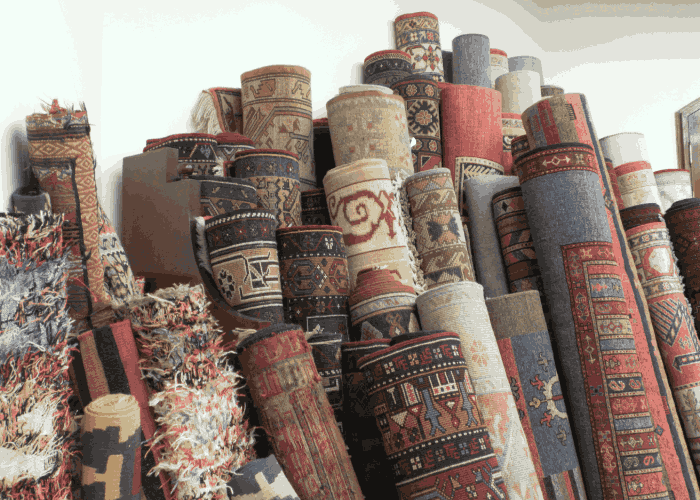
Imagine stepping into a room, and your gaze is immediately drawn to a masterpiece underfoot. It’s not just a floor covering; it’s a canvas of intricate patterns, vibrant colors, and luxurious textures. This is the experience an Indian premium carpet offers you.
For centuries, India has been a beacon of unparalleled craftsmanship, a heritage vividly captured in its exquisite carpets. These aren’t merely decorative items; they are tangible testaments to generations of skill, artistry, and dedication.
When you seek true quality, durability, and aesthetic brilliance, you inevitably turn to a hand-knotted Indian carpet. You are about to discover why these magnificent creations are universally synonymous with unmatched quality, embodying an artisan’s touch that simply cannot be replicated.
A Legacy Woven Through Time: The Rich History of Indian Carpets
The story of Indian premium carpets is deeply intertwined with the nation’s rich history, stretching back millennia. While evidence suggests ancient weaving traditions, the art form truly blossomed under the patronage of the Mughal Empire.
It was Emperor Akbar, in the 16th century, who introduced Persian master weavers to India, establishing royal workshops. This pivotal moment led to a magnificent fusion, blending Persian elegance with indigenous Indian motifs and vibrant color palettes.
The resulting carpets were breathtaking, adorning the floors of palaces and aristocratic homes, becoming symbols of status and luxury. You can still see echoes of this grandeur in today’s designs.
Mughal Influence and Evolution
The Mughal era saw the development of distinctive styles, characterized by intricate floral patterns, medallions, and hunting scenes. These designs were often inspired by miniature paintings and architectural elements of the time.
Over the centuries, the craft evolved, adapting to new influences and regional specializations. Artisans, often working in family traditions, meticulously passed down their knowledge from one generation to the next, preserving ancient techniques.
This unbroken chain of knowledge ensures that the “artisan’s touch” remains an integral part of every premium Indian carpet you encounter today. You are investing in a piece of living history.
Regional Specializations and Their Unique Contributions
Specific regions in India became renowned for their unique weaving styles and carpet characteristics. These hubs cultivated distinct aesthetics and techniques, contributing to the rich diversity you see.
- Kashmir: Known for its exceptionally fine, often silk, carpets with intricate Persian-inspired designs and a soft, luxurious feel. You will find exquisite detail in these pieces.
- Mirzapur and Bhadohi (Uttar Pradesh): These twin cities are often considered the “carpet belt” of India, producing a vast array of hand-knotted and hand-tufted carpets, primarily in wool, known for their robustness and diverse patterns.
- Jaipur (Rajasthan): Famous for its flatweave carpets, known as Dhurries, often featuring bold geometric patterns and vibrant colors. These are durable and reversible.
- Agra: Historically known for its opulent carpets with classical designs and a high knot count, often using fine wool.
Each region contributes a unique flavor to the vast tapestry of Indian carpet weaving. When you choose a carpet from one of these regions, you are selecting a piece with a distinct lineage and character.
The Core of Quality: Materials That Matter
The foundation of any premium product lies in the quality of its raw materials. For Indian carpets, this is exceptionally true. You will find that only the finest natural fibers are selected, contributing to their durability, luxurious feel, and aesthetic appeal.
The discerning choice of materials is a crucial factor in their unmatched quality. It’s a commitment to excellence from the very beginning of the weaving process.
Finest Wool: The Backbone of Durability
Wool is the primary material for most premium hand-knotted carpets, prized for its strength, resilience, and natural lanolin content. This natural oil provides inherent stain resistance and a beautiful sheen that improves with age.
- New Zealand Wool: Widely regarded as one of the best carpet wools globally, it is known for its purity, long staple length, and excellent dye absorption. Carpets made with New Zealand wool offer exceptional softness, luster, and superior durability.
- Kashmiri Wool: This wool is renowned for its remarkable softness and natural sheen, often blended with other wools to enhance the carpet’s luxurious feel. You will appreciate its fine texture.
- Indian Local Wools: Certain indigenous breeds, such as Bikaner wool, are specifically chosen for their robust fibers, contributing to the carpet’s longevity and ability to withstand heavy foot traffic.
The selection process for wool is meticulous, ensuring only fibers with the optimal staple length, crimp, and strength are used. This careful choice directly impacts the carpet’s longevity and appearance.
Luxurious Silk: A Touch of Opulence
For the ultimate in luxury and intricate detail, premium Indian carpets often incorporate silk. Mulberry silk, in particular, is celebrated for its unparalleled sheen, incredible softness, and surprising strength.
Silk allows for extremely fine knotting, enabling weavers to create highly detailed patterns and delicate color transitions. You will notice a distinct luminosity and a soft, cool feel underfoot.
While silk carpets are generally more delicate than wool, their exquisite beauty and luxurious texture make them prized possessions, often displayed as wall hangings or in low-traffic areas.
Durable Cotton and Jute: The Unseen Strength
Beneath the beautiful pile, the foundation of a hand-knotted carpet typically consists of cotton or jute. These natural fibers are used for the warp (vertical threads) and weft (horizontal threads) that form the carpet’s structural integrity.
Cotton is chosen for its strength, stability, and ability to hold tension, ensuring the carpet maintains its shape and lies flat. Jute, another natural fiber, is also used for its durability and eco-friendly properties.
You may not see them, but these foundational materials are critical to the carpet’s overall strength and longevity. They provide the canvas upon which the artistry unfolds.
Natural Dyes: The Palette of Nature
Historically, Indian carpets were dyed using natural pigments derived from plants, insects, and minerals. Premium contemporary carpets often return to this tradition, or use high-quality synthetic dyes that mimic the best characteristics of natural ones.
Natural dyes offer a unique depth and richness of color that synthetic dyes often struggle to replicate. They produce nuanced variations and a beautiful patina as the carpet ages, developing a unique character over time.
You’ll find that natural dyes are also more environmentally friendly and often less prone to fading when exposed to sunlight, maintaining their vibrancy for decades. This commitment to traditional methods enhances the carpet’s authenticity and appeal.
The Unmatched Craftsmanship: Techniques Passed Down Generations
The true magic of Indian premium carpets lies in the hands of the artisans. Their skill is not merely learned; it is inherited, honed over lifetimes, and passed down through families. This intricate human element is what elevates these carpets to works of art.
You are witnessing the culmination of centuries of handed-down expertise in every knot and every weave. This dedication to craft is truly extraordinary.
Hand-Knotting: The Pinnacle of Artistry
Hand-knotted carpets represent the zenith of carpet weaving. Each knot is individually tied by hand onto the warp threads, a meticulous process that demands immense patience and precision.
This labor-intensive technique is what gives hand-knotted carpets their exceptional durability, intricate detail, and heirloom quality. You can feel the density and resilience under your fingers.
A single premium carpet can take months, or even years, to complete, depending on its size and knot density. This incredible investment of time and skill is reflected in its enduring value.
Understanding Knot Density (KPSI/PPI)
Knot density, measured in Knots Per Square Inch (KPSI) or Points Per Square Inch (PPI), is a vital indicator of a hand-knotted carpet’s quality. Higher knot density means more knots packed into each square inch.
A higher knot count allows for finer, more intricate designs and a denser, more durable pile. You will find that carpets with high KPSI feel incredibly soft and luxurious, almost like velvet.
While there is no single “best” KPSI, a premium carpet will generally have a KPSI of 100 or more, with the finest silk pieces exceeding 500 KPSI. This density ensures both beauty and longevity.
Types of Knots
Two primary types of knots are used in hand-knotted carpets, each influencing the carpet’s appearance and texture:
- Persian (Senneh) Knot: This asymmetric knot is tied around one warp thread and under the next, creating a denser, more compact pile. It allows for extremely intricate designs and is often found in finer Indian and Persian carpets.
- Turkish (Ghiordes) Knot: This symmetric knot is tied around two warp threads, resulting in a slightly coarser, more robust pile. It is known for its durability and is common in many tribal and village carpets.
The choice of knot type is often dictated by regional tradition and the desired aesthetic. Both knots contribute to the carpet’s strength and overall quality.
Hand-Tufting: Precision and Modernity
While hand-knotting is the most traditional method, hand-tufting offers an alternative that is still highly skilled and produces beautiful results. This technique involves using a special tufting gun to punch yarn through a fabric backing.
The loops are then sheared to create a cut pile, and a secondary backing is applied for stability. Hand-tufted carpets can be created more quickly than hand-knotted ones, making them more accessible while still offering a high degree of craftsmanship.
You will appreciate the precision and versatility of hand-tufted carpets, which often feature contemporary designs and textures. They provide a luxurious feel and excellent durability for many modern homes.
Hand-Looming (Flatweaves/Dhurries): Elegant Simplicity
Flatweave carpets, such as Indian Dhurries, are created on a loom without a pile. The warp and weft threads are interwoven to form a flat, reversible fabric. This technique requires a different kind of skill and artistry.
Dhurries are known for their durability, versatility, and often vibrant geometric patterns. They are lightweight, easy to clean, and perfect for adding a touch of color and texture to any space.
You can use them in high-traffic areas or even outdoors, as they are incredibly resilient. The craftsmanship in a premium Dhurrie lies in the tightness of the weave, the precision of the patterns, and the quality of the dyes.
Finishing Touches: The Art of Perfection
After the weaving is complete, a premium carpet undergoes several crucial finishing processes. These steps are vital for enhancing its appearance, feel, and longevity.
These include meticulous washing, shearing the pile to an even height, and stretching the carpet to ensure it lies perfectly flat. You will notice the difference these details make in the carpet’s overall presentation.
Skilled artisans carefully inspect every inch, ensuring that the fringes are neatly secured and the selvedges (sides) are perfectly bound. This attention to detail is a hallmark of true quality.
Design Aesthetics: A Symphony of Culture and Creativity
Beyond the materials and techniques, the visual appeal of Indian premium carpets is undeniably captivating. Their designs are a rich tapestry of cultural narratives, historical influences, and artistic innovation.
When you choose an Indian carpet, you are selecting a piece that tells a story through its patterns and colors. It’s a journey into a world of exquisite beauty and profound meaning.
Traditional Motifs and Patterns
Indian carpets are celebrated for their diverse range of motifs, many of which have been passed down for centuries. These patterns are not merely decorative; they often carry symbolic meanings.
- Floral Designs: Intricate patterns of flowers, vines, leaves, and palmettes (Shah Abbas design) are ubiquitous. They symbolize beauty, fertility, and paradise, often arranged in a harmonious, flowing manner.
- Medallion Designs: A central medallion, often inspired by architectural domes or celestial bodies, is a classic feature. It typically radiates symmetry and balance, often surrounded by corner spandrels.
- Hunting Scenes and Garden Carpets (Bagh): These elaborate designs depict scenes of royal hunts or lush gardens, showcasing a narrative quality that is truly unique. They transform your floor into a verdant landscape.
- Tree of Life: This powerful motif symbolizes growth, immortality, and connection between heaven and earth. It is a recurring theme in many spiritual and artistic traditions.
The complexity and balance of these designs demonstrate the weaver’s artistic prowess. You will find endless fascination in tracing the intricate lines and discovering hidden details within the patterns.
Color Palettes and Harmony
The color palettes of Indian carpets are as diverse as their designs, ranging from rich, jewel tones to earthy, muted hues. Traditional carpets often feature deep reds, royal blues, emerald greens, and golden yellows, reminiscent of precious gems.
The use of natural dyes creates a remarkable depth and luminosity that synthetic dyes struggle to achieve. You will notice subtle variations in shade within a single color, adding to the carpet’s organic beauty.
Modern interpretations often incorporate contemporary color schemes, blending traditional motifs with a fresh aesthetic. This versatility ensures that you can find an Indian carpet to complement any interior style.
Regional Design Variations
Just as weaving techniques differ by region, so do design aesthetics. You will find distinct characteristics that make carpets from specific areas instantly recognizable.
- Kashmiri Carpets: Often feature delicate, highly detailed floral patterns, sometimes with a central medallion, and a preference for softer, muted color palettes, alongside vibrant jewel tones in silk.
- Mirzapur/Bhadohi Carpets: Known for a broader range of patterns, including Persian-inspired motifs, tribal designs, and contemporary abstract patterns, often in robust wool.
- Jaipur Dhurries: Characterized by bold geometric patterns, stripes, and often vibrant, contrasting colors, reflecting the lively culture of Rajasthan.
This regional diversity offers you an incredible array of choices, allowing you to select a carpet that not only fits your aesthetic preferences but also connects you to a specific cultural heritage.
Contemporary Adaptations
While deeply rooted in tradition, Indian carpet weavers are also adept at innovation. Many premium manufacturers now collaborate with modern designers to create carpets that blend traditional craftsmanship with contemporary sensibilities.
You can find carpets featuring abstract patterns, minimalist designs, or innovative color combinations, all executed with the same meticulous hand-knotting or hand-tufting techniques. These pieces bridge the gap between ancient art and modern living.
This adaptability ensures that Indian premium carpets remain relevant and desirable in diverse global markets, offering you a timeless piece that also feels perfectly suited to today’s homes.
The Durability Factor: Built to Last a Lifetime
When you invest in an Indian premium carpet, you are not just buying a decorative item; you are acquiring a durable heirloom. These carpets are renowned for their exceptional longevity, designed to withstand the test of time and foot traffic.
Their inherent strength and resilience are key components of their unmatched quality. You can expect these carpets to last for generations.
High Knot Count and Tight Weave
As discussed, the knot density directly correlates with a carpet’s durability. A higher KPSI means more knots are packed into each square inch, creating a denser, more compact pile.
This tight weave makes the carpet more resistant to wear and tear, preventing fibers from loosening or unraveling. You will find that such a carpet maintains its structure and beauty even in busy households.
The secure knotting ensures that the pile remains intact, providing a robust surface that can endure daily use for decades.
Quality Materials
The use of premium materials like high-grade wool and strong cotton or jute foundations significantly contributes to the carpet’s durability. These natural fibers are inherently strong and resilient.
Wool, in particular, has a natural crimp that allows it to bounce back from compression, preventing crushing and matting. You will notice that quality wool carpets retain their springiness and texture over time.
The careful selection and preparation of these materials are foundational to the carpet’s enduring quality. You are investing in fibers that are built to last.
Expert Craftsmanship
The skill of the artisan extends beyond just tying knots; it encompasses the entire weaving process. Even tension in the warp and weft threads, consistent knotting, and meticulous finishing all contribute to the carpet’s structural integrity.
A well-made hand-knotted carpet will have a stable, flexible foundation that resists warping or buckling. You can feel the solidity and evenness of the weave.
This attention to detail at every stage ensures that the carpet is not only beautiful but also structurally sound, ready to withstand the rigors of everyday life.
Aging Gracefully: Developing a Patina
Unlike machine-made carpets that often show wear quickly, premium hand-knotted carpets age with grace. Over time, the wool or silk fibers develop a beautiful patina, enhancing their luster and character.
Colors may soften slightly, and the pile may become even more supple, adding to the carpet’s unique appeal. You will find that these carpets often look even better after years of use.
This ability to improve with age is a hallmark of true quality and makes an Indian premium carpet a cherished family heirloom. It’s an investment that grows richer over time.
Value Proposition: Why Invest in an Indian Premium Carpet?
Choosing an Indian premium carpet is more than a purchase; it’s an investment in art, history, and enduring quality. You are acquiring a piece that offers multifaceted value, extending far beyond its initial cost.
Consider the profound benefits and unique attributes that make these carpets an unparalleled choice for your home.
Heirloom Quality
Due to their exceptional durability and timeless beauty, Indian premium carpets are often passed down through generations. They are not disposable decor items but cherished family heirlooms that carry stories and memories.
You are investing in a legacy, acquiring a piece that can be enjoyed by your children and grandchildren. This intergenerational value is a powerful testament to their quality.
Artistic Value
Each hand-knotted carpet is a unique work of art, created by skilled artisans. It represents countless hours of labor and a deep understanding of design, color, and technique. You are bringing a genuine piece of art into your home.
The intricate patterns and harmonious color palettes reflect a rich cultural heritage, making the carpet a focal point and a conversation starter. It’s an expression of refined taste.
Enhances Interior Decor
A premium Indian carpet instantly elevates the aesthetic of any room. It adds warmth, texture, and a sense of inviting luxury, transforming a space from ordinary to extraordinary.
Whether you prefer traditional opulence or contemporary minimalism, there is an Indian carpet design that will perfectly complement your decor. You can use it to define a space, add a pop of color, or anchor a furniture arrangement.
Long-term Investment
Unlike many mass-produced home furnishings, premium hand-knotted carpets often retain, and sometimes even appreciate, in value over time. They are considered collectible items by enthusiasts and connoisseurs.
You are making a wise financial decision, acquiring an asset that offers both aesthetic pleasure and potential future value. This makes your investment truly stand out among home decor choices.
Sustainability and Ethical Production
Many premium Indian carpet manufacturers are committed to ethical production practices, ensuring fair wages and safe working conditions for their artisans. The hand-made process is also inherently more sustainable than industrial production.
The use of natural fibers and, increasingly, natural dyes further contributes to their eco-friendliness. You can feel good about supporting a product that respects both people and the planet.
Emotional Connection
There’s an undeniable emotional connection to a hand-crafted item. Knowing the story behind your carpet, the hours of labor, and the generations of skill that went into its creation, adds a profound layer of appreciation.
You are bringing a piece of culture and human endeavor into your home, creating a space that feels personal and meaningful. This connection is something machine-made products simply cannot offer.
Understanding Carpet Specifications: What to Look For
When you’re ready to select your Indian premium carpet, understanding a few key specifications will help you assess its quality and ensure you make an informed decision. You want to choose a piece that truly meets your expectations.
Knowing what to look for empowers you to distinguish between good, better, and best. Here’s a guide to help you.
Knot Density (KPSI/PPI)
As previously mentioned, knot density is a primary indicator of quality, detail, and durability in hand-knotted carpets. You can often estimate it by folding a small section of the carpet and counting the knots visible on the back within a square inch.
Higher KPSI generally means a finer, more detailed design and a more robust, long-lasting carpet. However, a lower KPSI can still indicate a very durable carpet, especially if the wool quality is high and the design is less intricate.
It’s a balance between artistic intricacy and practical durability. Here’s a general guide: