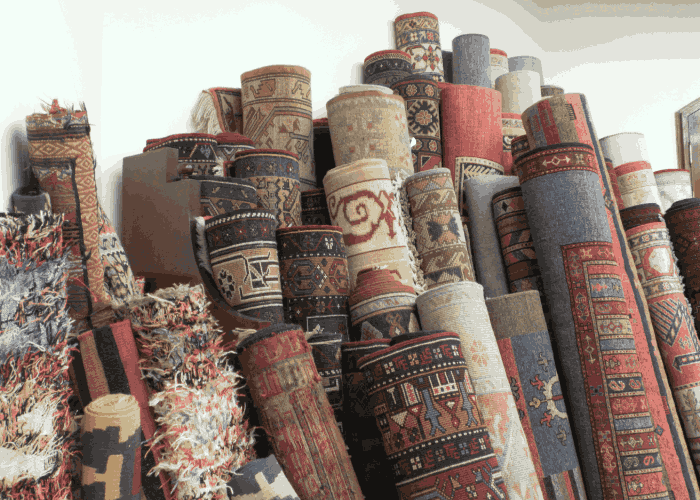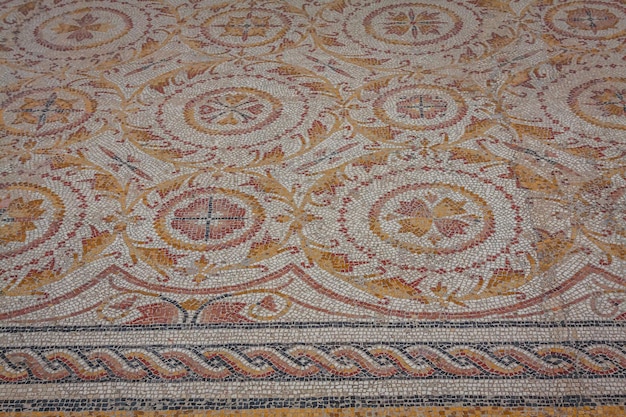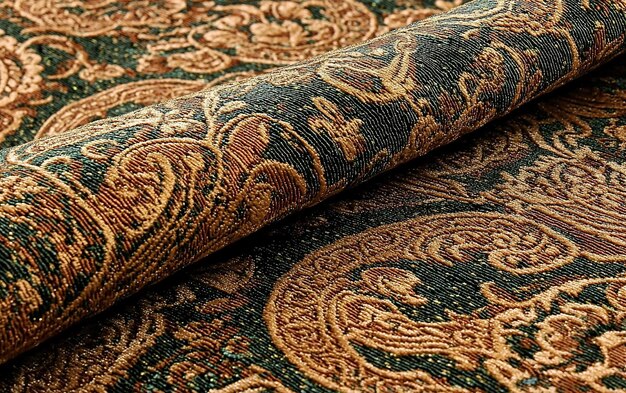
Step into a world where threads tell tales of centuries, where each knot cradles a piece of history, and every design is a whisper of unparalleled artistry. You are about to discover the profound legacy of India’s handmade carpets, particularly those stemming from the enchanting valley of Kashmir.
These aren’t just floor coverings; they are global icons, celebrated for their exquisite craftsmanship, luxurious materials, and timeless beauty. Join us on a journey through the intricate world of Indian carpet weaving, understanding why these masterpieces continue to captivate hearts and adorn homes across the globe.
A Tapestry of Time: The Historical Roots of Indian Carpet Weaving
The art of carpet weaving in India boasts a history as rich and intricate as the patterns woven into its textiles. Its origins are deeply intertwined with ancient trade routes and cultural exchanges.
While indigenous weaving traditions existed, the golden age of Indian carpet making truly blossomed under the patronage of the Mughal Empire. Emperor Akbar, a great connoisseur of art, is credited with establishing royal weaving workshops in the 16th century.
He brought skilled Persian weavers to India, blending their sophisticated techniques and intricate designs with local Indian aesthetics. This fusion gave birth to a distinct Indo-Persian style that remains influential today.
Over time, various regions developed their unique styles and specializations. Kashmir, with its tranquil environment and readily available fine wool and silk, soon emerged as a prominent hub for luxury carpet production.
The craft passed down through generations, evolving with each era while retaining its core essence. Today, you are engaging with a legacy that spans over 400 years, a testament to enduring skill and artistic vision.
The Heart of the Craft: Materials and Techniques
The unparalleled quality of Indian handmade carpets comes from a meticulous selection of materials and time-honored weaving techniques. Understanding these elements helps you appreciate the true value of each piece.
Silk: The Royal Fiber from Kashmir
When you think of luxury Indian carpets, Kashmiri silk often comes to mind. Kashmir has long been renowned for its superior quality silk, a fiber that lends an extraordinary luster and softness to carpets.
Kashmiri silk carpets are celebrated for their incredible fineness and intricate detail. The natural sheen of silk allows colors to appear vibrant and shift subtly with changes in light, creating a dynamic visual experience.
This precious material is painstakingly hand-spun and dyed, ensuring its purity and strength. Investing in a silk carpet means bringing a piece of true luxury and refined elegance into your space.
Wool: The Foundation of Durability and Warmth
While silk is prized for its opulence, high-quality wool forms the backbone of many durable and beautiful Indian carpets. Varieties such as Merino wool, considered among the finest, are often imported or sourced locally.
Wool offers natural resilience, excellent insulation, and a comforting softness underfoot. It is also remarkably resistant to dirt and wear, making it an ideal choice for areas with higher foot traffic.
Carpet makers carefully select wool for its fiber length, strength, and ability to hold dyes beautifully. The quality of wool directly impacts the carpet’s longevity and how gracefully it ages over time.
The Art of Knotting: Hand-Knotting Excellence
The defining characteristic of a true Indian handmade carpet is its hand-knotted construction. This labor-intensive process is what elevates a carpet from a simple floor covering to a work of art.
Each individual knot is tied by hand onto a cotton or silk foundation (warp threads) by skilled artisans. The density of these knots – measured in knots per square inch (KPSI) – is a key indicator of a carpet’s fineness, detail, and value.
Indian weavers primarily use the Persian (Senneh) knot, known for its asymmetry, or the Turkish (Ghiordes) knot, which is symmetrical. The choice of knot influences the carpet’s texture and the clarity of its design.
A higher KPSI means more intricate patterns can be achieved, and the carpet will generally be more durable and valuable. Imagine the sheer dedication involved when a single carpet can contain millions of these tiny, hand-tied knots.
Natural Dyes: A Palette from Nature
For centuries, Indian carpet weavers relied on natural dyes derived from plants, insects, and minerals. These organic pigments create colors that are deep, rich, and possess a unique vibrancy that synthetic dyes often cannot replicate.
Ingredients like indigo for blues, madder root for reds, pomegranate rind for yellows, and walnut husks for browns were carefully processed. The dyeing process itself is an art form, requiring precise knowledge of chemistry and tradition.
Natural dyes are known for their exceptional colorfastness and their ability to age beautifully, developing a soft patina over time. They also contribute to the sustainable and eco-friendly nature of handmade carpets.
While synthetic dyes are now used for their consistency and wider color range, many premium handmade carpets still incorporate natural dyes for their unparalleled depth and character. You can truly see and feel the difference.
Kashmir’s Unique Contribution: A Legacy of Luxury
Kashmir holds a special, almost mythical, place in the world of handmade carpets. Its name is synonymous with some of the finest silk carpets ever produced, revered globally for their elegance and craftsmanship.
Why Kashmir? A Confluence of Factors
The valley’s unique environment and historical context created the perfect crucible for this art form. The availability of high-quality silk and fine wool, combined with a climate that fosters creativity during long winters, contributed significantly.
Moreover, the tradition of intricate shawl weaving in Kashmir meant a pre-existing pool of highly skilled artisans. Their dexterity and artistic sensibility transitioned seamlessly into carpet making, elevating it to an art form.
The Mughal emperors’ appreciation for Kashmir’s beauty further cemented its status as a center for luxury crafts. This rich heritage continues to define Kashmiri carpet production today.
Intricate Designs: Stories Woven in Silk
Kashmiri carpets are instantly recognizable by their exquisitely detailed and often nature-inspired designs. You’ll frequently encounter motifs like the graceful Chinar leaf, a symbol of Kashmir itself, along with delicate paisleys and elaborate floral patterns.
These designs are not merely decorative; they often tell stories or carry symbolic meanings. The precision required to render such intricate patterns in silk knots is astonishing, showcasing the weavers’ mastery.
Traditional Persian designs, adapted and infused with Kashmiri aesthetics, are also very common. This blend creates a unique visual language that is both timeless and deeply rooted in cultural heritage.
The “Pashmina of Carpets” Reputation
Kashmiri silk carpets are often referred to as the “Pashmina of carpets,” a testament to their exceptional fineness, softness, and luxurious feel. Just like a Pashmina shawl, these carpets are incredibly delicate yet remarkably durable when cared for properly.
Their high knot density, often exceeding 500 KPSI and sometimes reaching over 1200 KPSI, allows for an almost photographic level of detail. This makes them highly sought after by collectors and connoisseurs worldwide.
When you own a Kashmiri silk carpet, you possess not just a floor covering, but a piece of art that embodies centuries of skill, tradition, and unparalleled beauty.
Beyond Kashmir: Diverse Weaving Traditions Across India
While Kashmir shines brightly, India’s carpet weaving landscape is incredibly diverse, with distinct styles and techniques flourishing in various regions. Each area contributes its unique flavor to the nation’s rich textile heritage.
The Mirzapur-Bhadohi Belt: India’s Carpet City
The region around Mirzapur and Bhadohi in Uttar Pradesh is often called the “Carpet City” of India. This area is a powerhouse of carpet production, particularly known for its high-quality woolen carpets and flatweaves.
You’ll find a wide range of designs here, from traditional Persian and Mughal patterns to more contemporary and abstract motifs. The weavers of Bhadohi are highly skilled, producing carpets that are both beautiful and robust.
This region is a significant exporter, contributing substantially to India’s global reputation in carpet manufacturing. The industry here supports countless families and preserves ancient weaving knowledge.
Jaipur and Rajasthan: Vibrant Dhurries and Geometric Patterns
Rajasthan, with its vibrant culture and artistic traditions, is famous for its flatweave carpets, known as dhurries. Unlike knotted carpets, dhurries are woven on a loom, creating a flat, reversible textile.
Jaipur dhurries often feature bold geometric patterns, stripes, and an array of vivid colors. They are typically made from cotton or wool, making them durable, easy to maintain, and perfect for a more casual or contemporary setting.
Their versatility and affordability have made them popular choices for homes worldwide. You can find them in various sizes, from small accent rugs to large room-sized pieces, adding a touch of Rajasthani charm.
South India: Unique Regional Styles
Southern India also boasts its own unique weaving traditions, though perhaps less globally recognized for traditional knotted carpets. Here, you might encounter cotton dhurries with distinct regional motifs and color palettes.
These often reflect local cultural symbols and design sensibilities. While not as prominent in the luxury handmade carpet market, these regional weaves contribute to the incredible diversity of Indian textiles.
Exploring these different regional styles allows you to appreciate the vast spectrum of India’s weaving artistry. Each region offers something unique, catering to diverse tastes and preferences.
The Journey from Loom to Living Room: The Making Process
The creation of an Indian handmade carpet is a meticulous, multi-stage process that can take months, or even years, depending on the size and complexity. It’s a journey of transforming raw materials into a masterpiece.
1. Design Conceptualization
Every carpet begins with a design. Highly skilled designers translate artistic visions into detailed graph paper drawings called “talim” or “naksha.” This blueprint guides the weavers, indicating every knot’s color and placement.
For complex designs, this stage alone can take weeks. The design process ensures symmetry, balance, and the faithful representation of traditional or contemporary motifs.
2. Yarn Preparation
The selected silk or wool is meticulously cleaned, carded, and spun into strong, even threads. This yarn is then dyed in large vats, often using traditional natural dyes, to achieve the desired vibrant and lasting colors.
Careful attention is paid to consistency in color and quality, as any variation will be noticeable in the finished carpet. This preparation is crucial for the carpet’s overall aesthetic and durability.
3. Weaving Process
The prepared yarn and the design chart are then brought to the loom. Weavers, often working in teams, sit in front of a vertical loom, tying individual knots onto the warp (vertical) threads.
Each weaver follows the “talim,” tying one knot at a time, cutting the yarn, and then compressing it with a comb-like tool. This process is incredibly labor-intensive and requires immense precision and patience.
As rows of knots are completed, horizontal weft threads are passed through and tightly packed down. This secures the knots and builds the carpet’s structure, row by painstaking row.
4. Shearing, Washing, and Finishing
Once the weaving is complete, the carpet is carefully removed from the loom. It then undergoes a process called “shearing,” where the pile is meticulously hand-trimmed to an even height, revealing the intricate design with clarity.
Next, the carpet is thoroughly washed to remove any impurities and to enhance the luster of the fibers and the vibrancy of the colors. This washing process can be extensive, sometimes involving multiple cycles.
Finally, the fringes are secured, and the carpet is inspected for any imperfections. It might be stretched to ensure it lies perfectly flat. Each step is a testament to the dedication poured into its creation.
Why Invest in an Indian Handmade Carpet?
Purchasing an Indian handmade carpet is more than just buying a home decor item; it’s an investment in art, heritage, and enduring quality. Here are compelling reasons why you should consider one for your home.
Artistic Value: A Unique Masterpiece
Each handmade carpet is a unique work of art, bearing the imprint of the weaver’s skill and artistic interpretation. No two carpets are exactly alike, even if they share similar designs.
You are acquiring a piece of textile art that required hundreds, if not thousands, of hours of human labor and creativity. It brings a soul and story into your living space that machine-made rugs simply cannot.
Durability and Longevity: An Heirloom for Generations
Hand-knotted carpets, especially those made with high-quality wool or silk, are incredibly durable. With proper care, they are designed to last for generations, becoming cherished family heirlooms.
The tightly packed knots and strong foundation ensure that these carpets can withstand decades of use. Their value often appreciates over time, making them a wise long-term investment.
Sustainable Artistry: Eco-Friendly and Ethical
Handmade carpets represent a sustainable choice. They are crafted using natural, renewable fibers like wool and silk, and often dyed with eco-friendly natural pigments.
The production process is low-impact, relying on human skill rather than heavy machinery and excessive energy consumption. Furthermore, purchasing these carpets supports artisan communities and preserves traditional crafts.
Economic Impact: Supporting Artisan Communities
Your investment directly contributes to the livelihoods of countless artisans, weavers, dyers, and designers. It helps sustain a traditional craft that provides employment and preserves cultural heritage in rural areas.
By choosing handmade, you are participating in a global movement that values fair trade and ethical production. You are empowering communities and ensuring that these invaluable skills continue to thrive.
Aesthetic Appeal: Timeless Elegance and Versatility
Indian handmade carpets possess a timeless aesthetic that transcends fleeting trends. Their intricate patterns, rich colors, and luxurious textures can seamlessly complement a wide range of interior design styles, from traditional to contemporary.
They add warmth, character, and a focal point to any room, instantly elevating the ambiance. A beautiful carpet can tie a room together, introducing color, texture, and a sense of refined sophistication.
Navigating the Market: What to Look For When Buying
When you decide to invest in an Indian handmade carpet, knowing what to look for will help you make an informed decision and ensure you acquire a genuine, high-quality piece.
Here’s a guide to help you distinguish excellence:
- Knot Density (KPSI): This is a crucial indicator of quality and detail. For silk carpets, aim for at least 300 KPSI, with finer pieces often exceeding 600 KPSI. For wool, 60-200 KPSI is common for good quality, while higher densities indicate exceptional craftsmanship.
- Material Quality: Feel the fibers. Silk should feel smooth, cool, and lustrous. Wool should be soft, resilient, and free from excessive shedding. Inquire about the origin and type of wool or silk used.
- Dye Quality: Examine the colors. Are they vibrant and consistent? Check for any signs of bleeding or fading, which can indicate poor dye quality. Natural dyes often have a subtle variation and depth that synthetic dyes lack.
- Design Clarity and Symmetry: Look closely at the pattern. Are the lines crisp and well-defined? Is the design symmetrical across the carpet? Any blurring or distortion can suggest less meticulous weaving.
- Back of the Carpet: Flip the carpet over. The knots on the back should be clear, regular, and tightly packed. You should be able to clearly see the pattern mirrored on the reverse side, indicating hand-knotting.
- Fringes and Edges: The fringes should be an extension of the warp threads, indicating authenticity. The edges (selvages) should be neatly and securely hand-finished, preventing unraveling.
- Reputable Dealers: Always buy from established dealers who can provide certifications of authenticity, detailed information about the carpet’s origin, materials, and knot count. A trustworthy dealer will stand behind their products.
- Personal Preference: Ultimately, choose a carpet that resonates with you aesthetically and fits your space. It should be a piece you love and will enjoy living with for years to come.
Caring for Your Investment: Maintenance Tips
A handmade carpet is an investment, and like any valuable asset, it requires proper care to maintain its beauty and longevity. Following these simple tips will help you preserve your carpet for generations.
- Regular Vacuuming: Gently vacuum your carpet once or twice a week, using a brush-less suction head to avoid damaging the pile. Vacuum in the direction of the pile to prevent fiber damage.
- Rotate Periodically: Rotate your carpet every 6-12 months to ensure even wear and exposure to light. This helps prevent localized fading and wear patterns.
- Spot Cleaning: Attend to spills immediately. Blot, don’t rub, with a clean white cloth. For most spills, a mild soap solution (like dish soap and water) can be used, but always test on an inconspicuous area first. Avoid harsh chemicals.
- Professional Cleaning: Have your handmade carpet professionally cleaned every 3-5 years, or more frequently if it’s in a high-traffic area. Choose a cleaner specializing in hand-knotted rugs to ensure proper techniques are used.
- Protect from Direct Sunlight: Prolonged exposure to direct sunlight can fade colors. Use blinds or curtains to protect your carpet, especially if it’s in a sunny room.
- Use a Rug Pad: An appropriate rug pad underneath your carpet will prevent slipping, reduce wear and tear, and provide extra cushioning. It extends the life of your carpet significantly.
- Avoid Heavy Furniture: Try to avoid placing extremely heavy furniture directly on your carpet for extended periods, as it can crush the pile. If necessary, move furniture slightly or use furniture cups.
- Moth Protection: If storing a carpet, ensure it’s clean and rolled, not folded. Wrap it in breathable fabric (like cotton sheets), and consider using moth repellents.
Comparative Overview: Indian Handmade Carpet Types
To help you understand the distinct characteristics of various Indian handmade carpets, here’s a comparative table outlining key features across different types and regions. This will assist you in distinguishing between them and appreciating their unique attributes.
| Feature / Region | Kashmiri Silk Carpets | Mirzapur Woolen Carpets | Jaipur Dhurries (Flatweaves) |
|---|---|---|---|
| Primary Material | Silk, sometimes silk & wool blend | Wool, sometimes cotton | Cotton, wool, jute |
| Weaving Technique | Hand-knotted (Persian knot) | Hand-knotted, Hand-tufted | Flatweave (no knots) |
| Typical Knot Density (KPSI) | 300-1200+ (very fine) | 60-200 (medium to high) | N/A (flatweave) |
| Texture | Soft, luminous, extremely fine | Plush, durable, warm | Flat, firm, reversible |
| Common Designs | Intricate florals, paisleys, Chinar leaves, hunting scenes | Traditional Persian, geometric, tribal, contemporary | Geometric, striped, abstract, contemporary |
| Durability | High (exquisite, requires careful handling) | Very High (excellent for heavy traffic) | High (versatile, easy to clean) |
| Price Range | Very High (premium luxury) | Medium to High (good value for quality) | Low to Medium (affordable, stylish) |
| Primary Use | Luxury decor, wall hangings, collector’s items | Floor coverings for various rooms, durable | Casual decor, layering, reversible use |
Conclusion
You have now explored the magnificent world of India’s handmade carpets, from the silken masterpieces of Kashmir to the robust woolens of Mirzapur and the vibrant dhurries of Jaipur. These aren’t just decorative items; they are profound expressions of a living heritage.
Each carpet embodies centuries of tradition, the dedication of skilled artisans, and a commitment to unparalleled quality. They stand as global icons, not only for their aesthetic beauty but also for the stories they tell and the cultural legacy they represent.
When you choose an Indian handmade carpet, you are bringing a piece of this rich history and artistry into your home. You are investing in a timeless treasure that will enrich your space and become a cherished part of your family’s story for generations to come. Embrace the legacy; embrace the icon.
Frequently Asked Questions (FAQ)
Q1: What makes Kashmiri silk carpets so special?
Kashmiri silk carpets are renowned for their exceptionally high knot density, often exceeding 500 KPSI, which allows for incredibly intricate and detailed designs. They are made from fine quality silk, giving them a luxurious sheen, softness, and vibrant colors that shift beautifully with light. Their craftsmanship is a legacy passed down through generations, making each piece a unique work of art.
Q2: How can I tell if a carpet is truly handmade?
To identify a truly handmade carpet, examine the back – you should see irregularities in the knots, and the design will be clearly visible, mirroring the front. The fringes should be an extension of the carpet’s foundation threads. Machine-made rugs typically have perfectly uniform knots, a stiffer backing, and fringes that are sewn on rather than being integral to the rug’s structure.
Q3: Are Indian handmade carpets durable?
Absolutely. High-quality Indian handmade carpets, especially those made from wool, are incredibly durable and designed to last for many decades, even centuries, with proper care. The hand-knotting technique creates a robust and resilient structure that can withstand significant wear and tear, making them excellent heirlooms.
Q4: What is the difference between a hand-knotted carpet and a dhurrie?
A hand-knotted carpet is made by individually tying knots onto a warp and weft foundation, creating a pile. This process results in a thicker, softer, and more luxurious rug. A dhurrie, on the other hand, is a flatweave rug, meaning it has no pile.
It’s woven on a loom, similar to fabric, making it thinner, reversible, and often more casual in appearance.
Q5: How should I clean my handmade carpet?
For daily maintenance, regular gentle vacuuming without a beater bar is recommended. For spills, blot immediately with a clean white cloth and a mild soap solution. For a thorough cleaning, it’s best to hire a professional carpet cleaner specializing in hand-knotted rugs every 3-5 years.
Avoid harsh chemicals and excessive moisture.
Q6: Do handmade carpets increase in value over time?
Many high-quality, genuinely handmade carpets, particularly those with rare designs, exceptional materials (like pure silk), high knot density, and provenance, can appreciate in value over time. They are considered collectible art pieces. However, like any art investment, value appreciation is not guaranteed and depends on various market factors and the carpet’s condition.