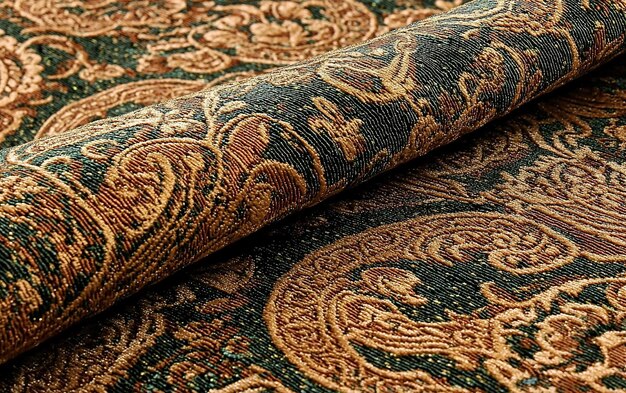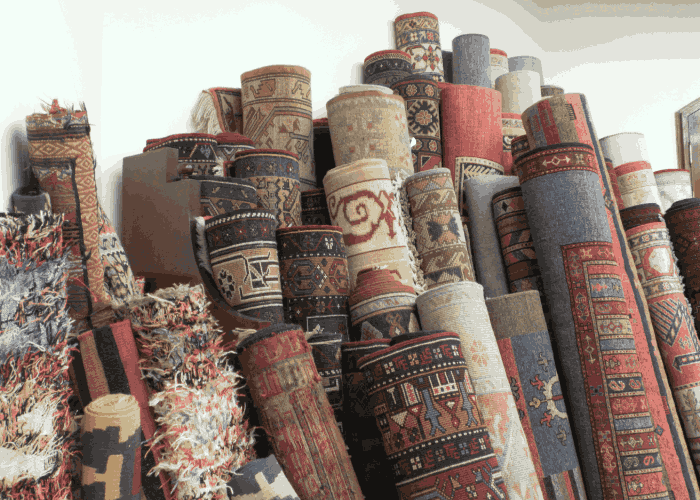
Imagine stepping into a world where every detail whispers luxury, where artistry reigns supreme, and where the unseen hands of master craftsmen have woven tales of heritage into breathtaking creations. This is the realm of premium Indian carpets, often celebrated for their unparalleled beauty and intricate designs.
You might associate high fashion and exclusive events like the Met Gala with designer gowns and sparkling jewels. Yet, we invite you to discover how the profound artistry embedded in Indian carpets shares the same spirit of innovation, tradition, and captivating elegance.
From the sun-drenched shores of Kerala to the most opulent interiors across the globe, these carpets are not just floor coverings. They are masterpieces that embody centuries of skill, natural resources, and a dedication to beauty that transcends mere functionality.
Join us on a journey to uncover the unseen artistry, the meticulous craftsmanship, and the rich cultural tapestry that makes premium Indian carpets a coveted treasure in the world of luxury design.
The Thread of Time: A Legacy Woven in India
India’s relationship with textile arts is as ancient as its civilizations, with carpet weaving holding a particularly revered place. This tradition is not merely a craft; it is a living history, passed down through generations of skilled artisans.
The intricate patterns, vibrant colors, and luxurious textures found in Indian carpets tell stories of empires, trade routes, and the enduring human desire for beauty.
The Golden Age of Indian Weaving
The true golden age of Indian carpet weaving began with the arrival of the Mughals in the 16th century. Emperors like Akbar were patrons of the arts, establishing royal workshops where Persian master weavers collaborated with local Indian artisans.
This fusion of Persian design sensibilities with indigenous Indian motifs and techniques gave birth to a unique style of carpet known for its sophistication and grandeur. You can still see the echoes of these magnificent creations in contemporary premium Indian carpets.
These early carpets were not just decorative items; they were symbols of status and power, gracing the halls of palaces and adorning the courts of kings.
Regional Tapestries: A Kaleidoscope of Styles
India is a vast country, and its diversity is beautifully reflected in its regional carpet weaving traditions. Each region boasts its own distinct style, materials, and techniques.
When you explore premium Indian carpets, you are encountering a geographical tapestry of artistic expression.
- Kashmir: Renowned for its exquisite silk carpets, often featuring delicate floral motifs inspired by Persian gardens. These carpets are known for their incredibly fine knot count and soft, luxurious feel.
- Jaipur: Famous for its hand-knotted wool carpets, often showcasing vibrant colors and traditional Mughal-inspired patterns like medallions and intricate borders. Jaipur also excels in contemporary and transitional designs.
- Bhadohi-Mirzapur Belt: This region in Uttar Pradesh is often called the “Carpet City of India.” It is a hub for various types of carpets, including hand-knotted, hand-tufted, and flat-woven dhurries, using a range of materials from wool to cotton and jute.
- Kerala: While traditionally known for its coir products, Kerala has emerged as a significant player in sustainable and natural fiber carpets. Its focus on eco-friendly materials like coir, jute, and sisal offers a unique, earthy aesthetic that is increasingly sought after in modern design.
Each region contributes a unique chapter to the grand narrative of Indian carpet artistry, offering you a diverse palette of choices for your space.
From Humble Fibers to Opulent Art: The Materials that Define Luxury
The soul of a premium carpet lies in its materials. Indian artisans meticulously select fibers that not only ensure durability but also contribute to the carpet’s aesthetic appeal, texture, and overall luxurious feel.
Understanding these materials helps you appreciate the true value and artistry woven into each piece.
The Luster of Silk and the Warmth of Wool
When you think of luxury carpets, silk and fine wool often come to mind, and for good reason. These natural fibers offer unparalleled beauty and performance.
- Silk: Indian silk carpets, particularly from Kashmir, are celebrated worldwide. Silk offers an incredible sheen that changes with light, creating a dynamic visual experience. It is exceptionally soft, strong, and allows for incredibly intricate detailing due to its fine thread. A silk carpet is truly an heirloom piece.
- Wool: Premium wool, such as New Zealand wool or Indian merino, is a staple in high-quality carpets. Wool is naturally durable, resilient, flame-resistant, and possesses excellent insulating properties. It retains its shape well and offers a rich, comforting texture underfoot.
- Blends: Often, you will find exquisite carpets that blend silk and wool. This combination leverages the strength and resilience of wool with the lustrous beauty of silk, creating a carpet that is both durable and visually stunning.
The choice of fiber significantly impacts the look, feel, and longevity of your carpet, reflecting the artistry of material selection.
Kerala’s Green Gold: The Rise of Coir and Natural Fibers
Kerala, often called “God’s Own Country,” offers a distinct contribution to the world of premium Indian carpets through its abundant natural fibers. While different from traditional silk or wool carpets, Kerala’s coir and jute products have carved a niche in sustainable luxury.
Coir, extracted from coconut husks, is a robust, eco-friendly, and naturally durable fiber. It offers a rustic yet sophisticated aesthetic, perfect for modern, environmentally conscious interiors.
Jute, another natural fiber, is softer than coir but equally sustainable and biodegradable. These natural fiber carpets bring an organic texture and warmth to any space, providing a refreshing alternative to synthetic options.
The artistry here lies not just in the weaving but also in harnessing nature’s bounty to create functional and beautiful pieces that are kind to the planet.
The Hands That Weave Magic: Unveiling the Craftsmanship
The true “unseen artistry” of premium Indian carpets resides in the hands of the artisans. Their skill, patience, and dedication transform raw fibers into breathtaking works of art, often over months or even years.
This human element is what elevates a carpet from a manufactured product to a cherished masterpiece.
The Art of Hand-Knotting: A Symphony of Precision
Hand-knotting is the most revered and labor-intensive method of carpet making, epitomizing the pinnacle of craftsmanship. Each knot is tied individually by hand onto a warp and weft foundation, creating a dense, durable, and incredibly detailed pile.
The knot count, or the number of knots per square inch, is a key indicator of a hand-knotted carpet’s quality and intricacy. A higher knot count allows for finer details and a more precise design.
A single master weaver can tie thousands of knots in a day, but a large carpet can require millions, demanding immense concentration and skill. This ancient technique ensures that each carpet is unique, carrying the subtle imperfections and soul of its creator.
When you own a hand-knotted carpet, you possess a piece of history and human endeavor.
Beyond the Knot: Tufting and Flat Weaving Techniques
While hand-knotting is the gold standard, other traditional techniques also contribute to the diverse world of premium Indian carpets, each offering unique textures and characteristics.
- Hand-Tufting: In this method, yarn is punched through a fabric backing with a hand-held tufting gun, following a design stencil. Loops are then either left intact or cut to create a cut pile. Hand-tufted carpets offer a softer, often more plush feel and allow for complex designs with varying pile heights. They are less labor-intensive than hand-knotted carpets but still require significant skill.
- Flat Weaving (Dhurries): Dhurries are traditional Indian flat-woven rugs, meaning they have no pile. They are created by interweaving warp and weft threads to form a sturdy, reversible fabric. Known for their durability, versatility, and often vibrant geometric patterns, dhurries are perfect for high-traffic areas and offer a contemporary, clean aesthetic.
- Hand-Loom Weaving: This technique involves weaving yarn on a loom, creating a flat, often textured carpet. It allows for a range of patterns and is particularly popular for natural fiber rugs like those from Kerala, offering a unique blend of craftsmanship and modern design.
Each technique represents a distinct form of artistry, offering you a variety of textures and styles to suit your personal taste.
Design Language: From Ancient Motifs to Modern Masterpieces
The visual appeal of an Indian carpet is its most immediate captivating feature. The designs range from deeply symbolic ancient motifs to sleek, contemporary abstractions, each telling a distinct story.
Understanding this design language allows you to choose a carpet that truly resonates with your aesthetic and lifestyle.
A Canvas of Culture: Traditional Motifs and Symbolism
Traditional Indian carpet designs are a rich tapestry of cultural influences, drawing inspiration from nature, architecture, and spiritual beliefs. These motifs are not just decorative; they carry deep symbolic meanings.
- Floral and Vine Motifs: Inspired by Persian gardens and Mughal miniatures, these intricate patterns often feature lotus flowers, rosettes, palmettes, and delicate vines, symbolizing beauty, fertility, and paradise.
- Medallions: Central medallions, often surrounded by corner designs, are a hallmark of classical Indian carpets. They represent unity, infinity, and often mimic the domes of grand mosques or palaces.
- Geometric Patterns: Especially prevalent in dhurries and tribal rugs, geometric designs are bold and graphic. They can symbolize protection, community, or natural elements, often with a raw, earthy appeal.
- Figurative Designs: Less common but highly prized, some carpets feature scenes of hunting, court life, or mythological figures, turning the carpet into a narrative artwork.
When you select a carpet with traditional motifs, you are bringing a piece of India’s rich cultural heritage into your home.
Bespoke Brilliance: Tailoring Art for Discerning Tastes
In the world of premium luxury, individuality is paramount. This is where bespoke Indian carpets truly shine, offering you the opportunity to commission a piece that is uniquely yours.
Many premium manufacturers and artisans work with designers and individual clients to create custom carpets. You can specify the size, shape, material, colors, and even the exact design pattern.
Whether you desire a contemporary abstract design that complements a minimalist interior or a traditional pattern reimagined with a modern color palette, bespoke services allow your vision to come to life.
This level of customization ensures that your carpet is not just a purchase, but a personal statement, a true reflection of your unique style and a collaborative work of art.
The Unseen Journey: From Artisan’s Loom to Global Stage
The path a premium Indian carpet takes from its creation to gracing your home or a high-profile event is a complex journey. It involves not just production but also a commitment to ethical practices, quality, and global distribution.
Understanding this journey enhances your appreciation for the product and the people behind it.
Ethical Threads: Sustainability and Fair Trade Practices
In today’s conscious consumer market, the story behind a product is as important as its beauty. Premium Indian carpet manufacturers are increasingly prioritizing ethical sourcing and sustainable practices.
Many workshops adhere to fair trade principles, ensuring that artisans receive fair wages, work in safe conditions, and are not exploited. This commitment supports entire communities and preserves traditional skills.
Furthermore, there’s a growing emphasis on sustainable materials, like the natural fibers from Kerala, and eco-friendly dyeing processes. This ensures that your beautiful carpet is also a responsible choice.
When you choose an ethically produced premium Indian carpet, you are investing in artistry, community, and the planet.
Curating Luxury: The Global Appeal of Indian Carpets
The global demand for premium Indian carpets is a testament to their enduring appeal and exceptional quality. From boutique interior design firms to high-end retailers, these carpets are sought after worldwide.
Exporters work diligently to ensure that these delicate masterpieces are carefully packaged and transported, often across continents, to reach their discerning owners.
This global reach means that the artistry cultivated in small Indian villages can be admired in grand penthouses in New York, luxury villas in Dubai, and sophisticated homes in London.
The journey from the loom to the living room is a meticulous process, ensuring that the carpet arrives in perfect condition, ready to transform its new space.
Beyond the Floor: Indian Carpets in High Fashion and Luxury Design
The connection between premium Indian carpets and the world of high fashion, like the Met Gala, might seem unexpected at first glance. However, the underlying principles are identical: exquisite craftsmanship, unique design, and an unwavering pursuit of beauty and impactful statements.
These carpets are not just functional items; they are foundational elements that define the character and luxury of a space, much like a couture gown defines an individual’s presence.
The Red Carpet Treatment: Carpets as Statements
Think about the grandeur of a red carpet event. It’s not just about the people; it’s about the entire aesthetic. Premium carpets, with their intricate patterns and rich textures, serve as the ultimate backdrop for luxury.
In high-end interior design, an Indian carpet is often the starting point, dictating the color palette, texture, and overall mood of a room. It grounds the space and adds a layer of warmth and sophistication that no other element can achieve.
Imagine a bespoke, hand-knotted silk carpet with a subtle sheen creating an ethereal glow underfoot at an exclusive event. Its presence elevates the entire ambiance, making a silent yet powerful statement of refined taste.
This is the “Met Gala” effect of premium Indian carpets – they don’t just exist in a space; they define it, making it worthy of admiration.
Inspirations for the Elite: Design and Fashion Synergy
The intricate motifs, vibrant dyes, and luxurious textures of Indian carpets often inspire designers across various fields, including fashion. You can see echoes of traditional Indian patterns in haute couture collections or the rich color stories found in luxury accessories.
The meticulous attention to detail, the fusion of traditional techniques with contemporary aesthetics, and the use of the finest materials are shared values between premium carpets and high fashion.
The ability to create bespoke pieces, tailored to specific visions, further strengthens this link. Just as a designer creates a custom gown for a celebrity, carpet artisans craft unique pieces for discerning clients and grand projects.
The unseen artistry of Indian carpets, therefore, is not confined to floors but influences and complements the broader spectrum of luxury and design, making them truly deserving of a place alongside the world’s most celebrated artistic expressions.
Comparative Overview of Premium Indian Carpet Types
To help you navigate the rich variety of Indian carpets, here’s a comparative table outlining key characteristics of some popular premium types:
| Feature | Kashmiri Silk Hand-Knotted | Jaipur Wool Hand-Knotted | Bhadohi Hand-Tufted (Wool/Viscose) | Kerala Coir/Jute Flatweave |
|---|---|---|---|---|
| Primary Material | Pure Silk | Premium Wool (e.g., New Zealand) | Wool, Viscose, Blends | Coir, Jute, Sisal |
| Weaving Technique | Hand-Knotted | Hand-Knotted | Hand-Tufted | Handloom Flatweave |
| Typical Knot Count (PSI) | 250-900+ | 80-200 | N/A (Pile height varies) | N/A (Flatweave) |
| Texture/Feel | Extremely soft, lustrous, smooth | Soft, dense, resilient | Plush, soft, often velvety | Textured, firm, natural feel |
| Design Style | Intricate floral, Persian-inspired, delicate | Mughal, traditional, transitional, contemporary | Contemporary, abstract, geometric, transitional | Earthy, natural, geometric, minimalist |
| Durability | High (with proper care), heirloom quality | Very High, excellent for high traffic | Good (depends on material and pile) | Very High, robust, weather-resistant (coir) |
| Typical Use | Low-traffic areas, wall hangings, art pieces | Living rooms, dining rooms, bedrooms | Bedrooms, living rooms, accent rugs | Indoor/Outdoor (coir), high-traffic areas, casual spaces |
| Approximate Price Range (per sq ft) | $$$$$ | $$$ – $$$$ | $$ – $$$ | $ – $$ |
Note: Price ranges are indicative and can vary significantly based on specific quality, complexity, and brand.
Choosing Your Masterpiece: What to Look For
Investing in a premium Indian carpet is a significant decision. To ensure you select a piece that brings you joy and lasting value, consider these factors:
- Material: Decide whether you prefer the luxurious sheen of silk, the robust warmth of wool, or the earthy texture of natural fibers like coir or jute. Each offers a different aesthetic and feel.
- Weaving Technique: Hand-knotted carpets represent the pinnacle of craftsmanship and durability. Hand-tufted carpets offer plushness and design versatility, while flatweaves are excellent for durability and a clean look.
- Design and Color: Consider your existing decor and personal style. Do you gravitate towards traditional motifs, contemporary abstracts, or subtle textures? Ensure the colors complement your space.
- Size and Shape: Measure your space carefully. A well-proportioned carpet can anchor a room, while an ill-fitting one can disrupt the balance. Custom sizes are often available for premium pieces.
- Knot Count (for Hand-Knotted): A higher knot count generally indicates finer detail and higher quality. However, even lower knot counts can be beautiful, depending on the design.
- Reputation of the Seller: Purchase from reputable dealers who can provide certificates of authenticity, information about ethical sourcing, and guarantees for quality.
- Your Lifestyle: Consider the traffic in the area where the carpet will be placed. Silk is best for low-traffic areas, while wool and coir are more suitable for higher-traffic zones.
By considering these points, you can confidently choose a premium Indian carpet that will be a cherished addition to your home for years to come.
Conclusion
The journey from the skilled hands of an artisan in Kerala or Kashmir to the refined elegance of a global luxury setting is a testament to the profound artistry of premium Indian carpets. These are not just objects; they are expressions of culture, history, and unparalleled craftsmanship.
You have now glimpsed the unseen artistry – the meticulous processes, the carefully selected materials, and the deep-rooted traditions that give these carpets their soul. They embody the same spirit of excellence and design innovation that defines the world’s most exclusive events and fashion statements.
When you choose a premium Indian carpet, you are not merely decorating a space. You are investing in a piece of enduring art, a story woven into every fiber, and a legacy that will enrich your home for generations.
Let the unseen artistry of India transform your world, one exquisite knot at a time.
Frequently Asked Questions (FAQ)
1. What makes an Indian carpet “premium”?
Premium Indian carpets are distinguished by several factors. These include the use of high-quality natural materials like fine wool (e.g., New Zealand wool), pure silk, or sustainable fibers like coir. They are typically hand-knotted or hand-tufted by skilled artisans, featuring intricate designs, high knot counts, and often incorporate ethical and sustainable production practices.
The attention to detail and craftsmanship is paramount.
2. Are Indian carpets ethically produced?
Many reputable premium Indian carpet manufacturers are committed to ethical production. They often adhere to fair trade principles, ensuring fair wages, safe working conditions, and no child labor. When purchasing, you should look for certifications or inquire about the brand’s commitment to social responsibility and sustainability to ensure ethical sourcing.
3. How do I care for a premium Indian carpet?
Care depends on the material. For silk and wool carpets, regular gentle vacuuming without a beater bar is recommended. Spot clean spills immediately with a clean cloth and mild detergent.
Professional cleaning every few years is advisable. Natural fiber carpets like coir or jute are more robust and can be vacuumed or even hosed down (for coir) if specifically designed for outdoor use.
4. What is the difference between hand-knotted and hand-tufted carpets?
Hand-knotted carpets are created by individually tying knots onto a warp and weft foundation, making them extremely durable, intricate, and valuable. Hand-tufted carpets involve punching yarn through a backing with a hand-held gun, which is less labor-intensive. While still handmade and high quality, hand-tufted carpets are generally less expensive and have a slightly different feel than hand-knotted ones.
5. Can I get a custom-designed Indian carpet?
Yes, many premium Indian carpet manufacturers offer bespoke services. You can often specify the size, shape, materials, colors, and even the design pattern to create a unique carpet that perfectly fits your aesthetic and functional requirements. This customization is a hallmark of luxury carpet buying.
6. Why is Kerala mentioned in relation to carpets, when it’s known for coir?
Kerala is traditionally renowned for its coir (coconut fiber) products, including mats and rugs. While not a traditional hub for hand-knotted wool or silk carpets like Kashmir or Jaipur, Kerala represents a significant and growing segment of premium Indian carpets focused on natural, sustainable fibers. Its unique contribution highlights the diversity of Indian carpet artistry, embracing eco-friendly materials and techniques.
7. Are Indian carpets a good investment?
Premium hand-knotted Indian carpets, especially those made with high-quality silk or fine wool and intricate designs, can be an excellent investment. Like fine art, their value can appreciate over time, particularly if they are well-maintained and from renowned weaving centers. They are considered heirloom pieces, designed to last for generations.