Have you ever found yourself mesmerized by the intricate detailing, the opulent fabrics, and the sheer artistry displayed on the Met Gala red carpet?
Each year, this iconic event sets global fashion trends, but its influence extends far beyond couture.
The exquisite craftsmanship, the blend of tradition with modernity, and the audacious use of materials often echo a deeper, more enduring source of inspiration: the unparalleled skill of Indian artisans.
These master craftspeople, with a heritage spanning millennia, are not just inspiring runway spectacles; they are fundamentally transforming and elevating global interior design.
Join us as we explore how the magic of Indian artistry brings soul, luxury, and a unique narrative to homes and spaces worldwide, creating truly global interiors that resonate with timeless beauty.
The Met Gala as a Global Design Catalyst
Beyond the Red Carpet: Fashion’s Ripple Effect on Interiors
The Met Gala, a spectacular fusion of fashion, art, and philanthropy, is more than just a parade of celebrity outfits.
It is a powerful platform where designers push boundaries, interpret themes with breathtaking creativity, and showcase intricate craftsmanship.
The elaborate gowns, the audacious accessories, and the rich textile work seen on this global stage inevitably filter down into various design disciplines, including interior decor.
Trends in haute couture often predict shifts in home furnishings, material choices, and color palettes, setting the tone for the coming seasons.
For instance, the demand for rich textures, bespoke detailing, and narrative-driven pieces in interiors often surges after Met Gala themes like “Heavenly Bodies: Fashion and the Catholic Imagination” or “Gilded Glamour” highlight such elements.
You’ll notice how the appreciation for hand-embellished fabrics or ornate metallic accents in fashion translates into a desire for similar luxury and uniqueness in your living spaces.
Spotlighting Indian Craftsmanship on the Global Stage
India’s profound influence on global fashion is undeniable, with its rich textile traditions and intricate embroidery techniques frequently gracing international runways.
At the Met Gala, this influence often shines through in stunning ensembles that showcase the meticulous handiwork of Indian artisans.
Designers frequently collaborate with Indian craft communities to create garments featuring Zardozi, Aari, Chikankari, or mirror work.
These techniques, passed down through generations, demonstrate an unparalleled level of skill and artistic expression.
When you see a celebrity in a gown adorned with thousands of hand-sewn beads or delicate threadwork, you are witnessing a testament to India’s artisanal mastery.
This global recognition for Indian fashion craftsmanship naturally draws attention to the broader application of these arts, inspiring designers and homeowners alike to seek out similar beauty for their interiors.
The Enduring Legacy of Indian Artisanship
A Tapestry of Techniques: India’s Rich Craft Heritage
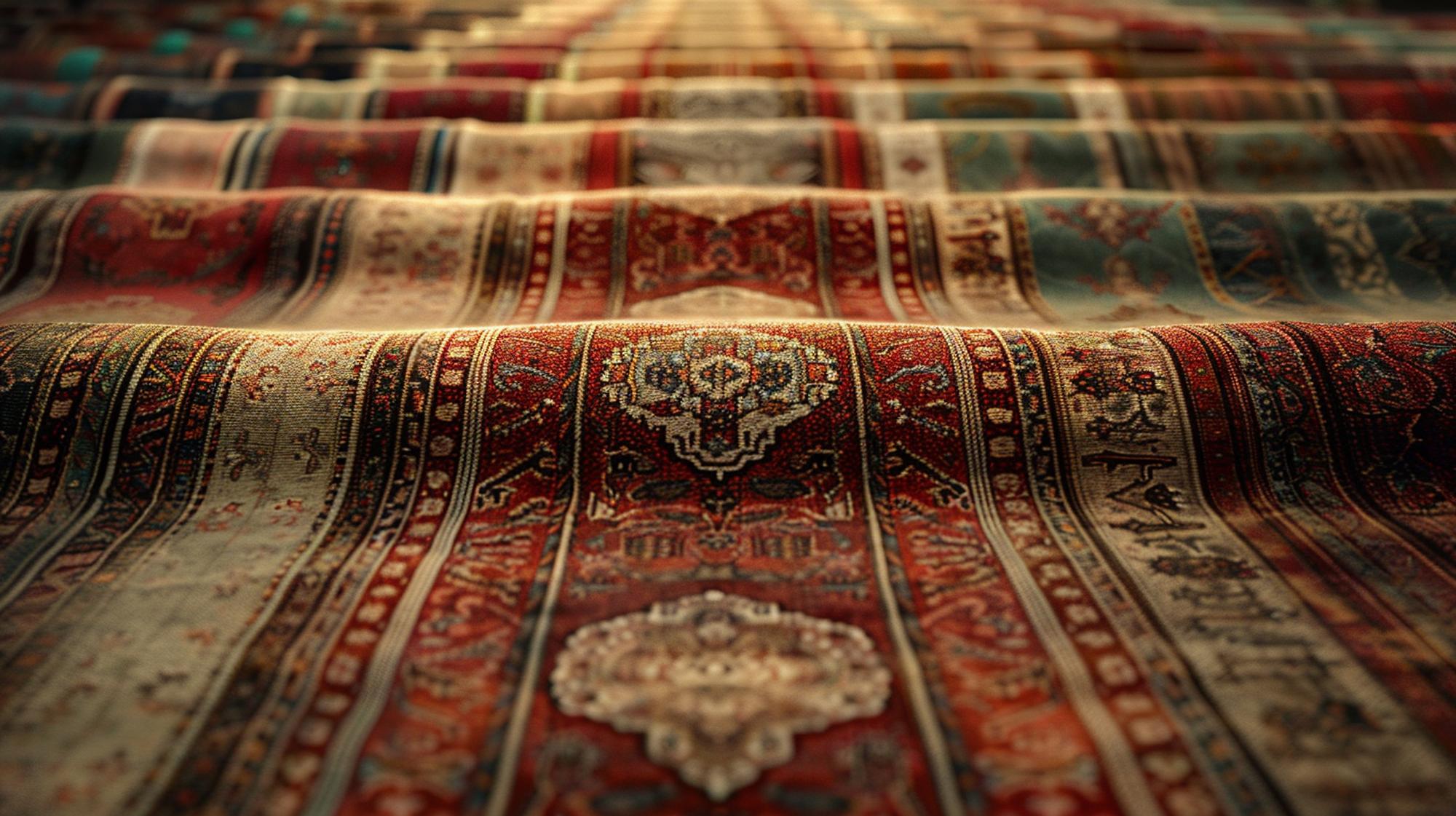
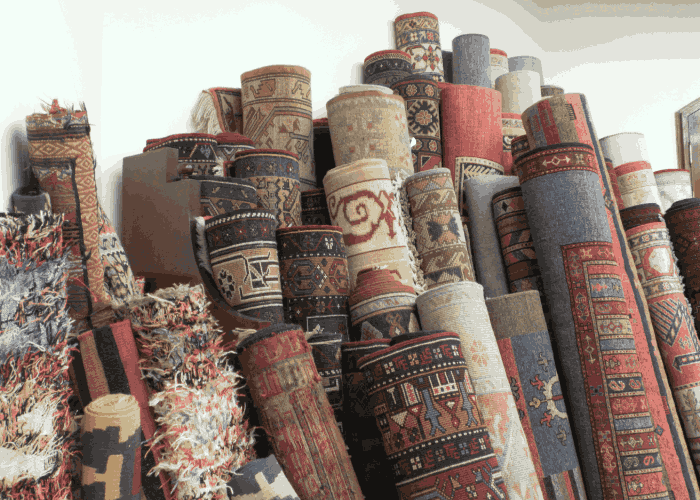
India’s craft heritage is a living, breathing testament to centuries of artistic evolution and cultural exchange.
From the arid deserts of Rajasthan to the lush backwaters of Kerala, each region boasts unique craft forms, materials, and aesthetic sensibilities.
This diversity is not merely decorative; it reflects the deep spiritual, historical, and environmental influences that have shaped Indian identity.
The knowledge and skills are often generational, passed down within families and communities, preserving ancient techniques and stories.
When you choose an Indian handcrafted item, you are not just acquiring an object; you are connecting with a lineage of skill, dedication, and cultural wisdom.
This rich tapestry of techniques offers an inexhaustible source of inspiration for anyone looking to infuse their interiors with authenticity and character.
Unveiling Key Indian Craft Forms and Their Interior Design Applications
Let’s delve into some of the most captivating Indian craft forms and explore how they can elevate your interior design.
Each craft brings its own unique texture, story, and aesthetic to a space, offering endless possibilities for truly bespoke interiors.
Textiles & Embroidery: Weaving Stories into Spaces
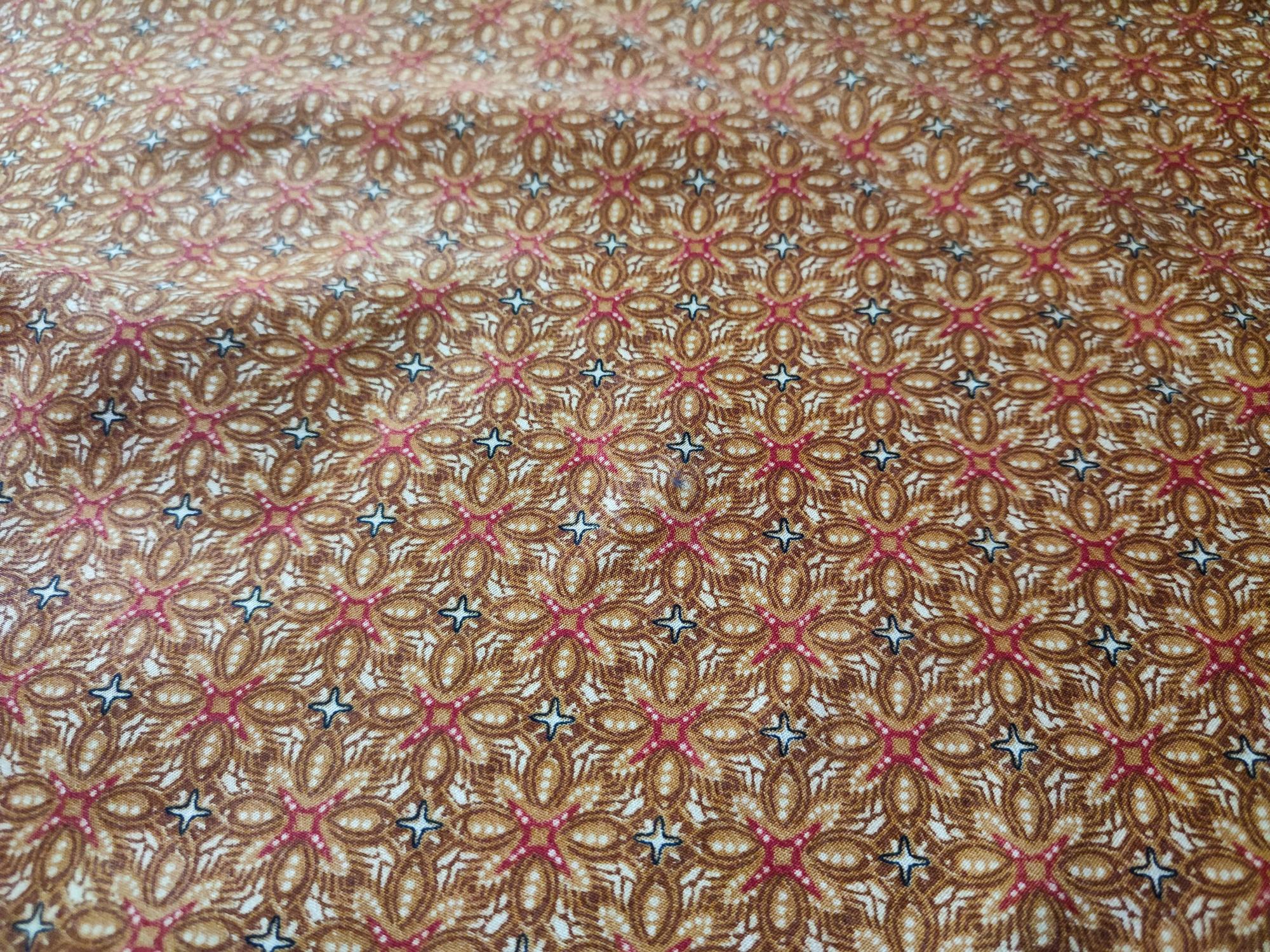
India’s textile heritage is unparalleled, a vibrant spectrum of techniques passed down through generations.
From the delicate Chikankari of Lucknow to the rich Zardozi of Delhi, these embroideries transform fabric into art.
Imagine your living room adorned with cushions boasting intricate Kantha stitches or a wall draped in a luxurious, hand-embroidered tapestry.
These pieces introduce unparalleled texture, depth, and a narrative of human skill into any interior.
They are not merely decorative; they are conversation starters, infusing your space with historical elegance and global charm.
- Zardozi: A regal embroidery using gold and silver threads, often embellished with pearls and precious stones. Perfect for opulent upholstery, decorative panels, and luxurious throws.
- Chikankari: Delicate white-on-white embroidery from Lucknow, known for its subtle elegance and intricate patterns. Ideal for sheer curtains, bed linens, and elegant table runners.
- Kantha: A running stitch embroidery originating from Bengal, often repurposing old saris into new textiles. Adds a rustic, bohemian charm to throws, quilts, and cushion covers.
- Phulkari: Vibrant floral embroidery from Punjab, characterized by dense stitch work that covers the entire fabric. Excellent for statement wall hangings or accent pillows.
- Block Printing: A traditional method of printing patterns on fabric using carved wooden blocks. Creates unique, artisanal patterns for curtains, tablecloths, and upholstery.
Woodwork & Carving: Sculpting Elegance into Furniture
Indian woodworking is renowned for its intricate carvings, which transform ordinary timber into extraordinary pieces of art.
The skilled hands of artisans sculpt narratives and motifs into furniture, architectural elements, and decorative screens.
From the delicate filigree of Jali work to robust, deeply carved panels, these pieces add unparalleled character and sophistication.
A hand-carved console table or a set of traditional screens can become the undeniable focal point of your entry hall or living room.
They offer both functional beauty and a profound connection to a rich artistic tradition, creating a sense of enduring elegance.
- Jali Work: Intricately carved lattice patterns in wood, often inspired by Islamic architecture. Used for room dividers, window screens, cabinet doors, and headboards, allowing for beautiful play of light and shadow.
- Traditional Carvings: Deeply sculpted motifs of flora, fauna, and mythological figures. Applied to dining tables, chairs, chests, and decorative wall panels, adding a sense of grandeur and history.
- Inlay Work: Combining different woods or incorporating brass, bone, or mother-of-pearl within carved surfaces. Creates stunning contrasts and intricate patterns on furniture and decorative boxes.
Metalwork: Forging Beauty and Durability
India’s metal craft traditions are as diverse as they are ancient, encompassing everything from utilitarian objects to ceremonial artifacts.
Artisans work with brass, copper, silver, and even unique alloys like Bidriware, creating pieces that are both robust and exquisitely detailed.
These metal creations add a touch of opulence, historical resonance, and unique texture to any interior design scheme.
Consider a hand-beaten copper basin in your powder room or an intricately engraved brass lamp illuminating your reading nook.
Such elements introduce a distinctive gleam and a sense of enduring craftsmanship that mass-produced items simply cannot replicate.
- Brass & Copperware: Used for decorative vases, platters, lamps, and sculptural objects. Offers warmth and an antique patina, perfect for traditional or eclectic settings.
- Bidriware: A unique metal inlay craft from Bidar, featuring silver or gold inlay on a blackened zinc alloy. Creates stunningly intricate patterns on decorative boxes, platters, and small furniture accents.
- Silverware: Delicate filigree work and engraved patterns on silver, often used for ornate trays, temple art, and decorative figurines. Adds a touch of refined luxury and elegance.
Stone Inlay & Mosaics: Timeless Elegance in Hard Materials
The art of stone inlay, epitomized by the exquisite Pietra Dura of the Mughal era, transforms ordinary stone into breathtaking canvases.
Tiny, precisely cut pieces of semi-precious stones are meticulously inlaid into marble or other stones, creating intricate floral and geometric patterns.
This technique, famously seen at the Taj Mahal, brings an unparalleled level of sophistication and timeless beauty to any surface.
Imagine a dining table with a stunning marble inlay top or a feature wall adorned with a bespoke stone mosaic.
These pieces are not merely decorative; they are enduring works of art that speak of luxury and meticulous craftsmanship, adding a truly grand touch to your home.
- Marble Inlay (Pietra Dura): Semi-precious stones like lapis lazuli, malachite, and carnelian are precisely cut and inlaid into marble. Ideal for tabletops, flooring accents, wall panels, and decorative objects, offering unmatched luxury.
- Stone Carving: Sculpting intricate designs into sandstone, marble, or granite. Used for pillars, fountains, garden decor, and architectural elements, adding a monumental and artistic presence.
Ceramics & Pottery: Earthy Charm and Artistic Expression
Indian pottery traditions offer a spectrum of styles, from rustic terracotta to vibrant glazed ceramics.
Each piece carries the imprint of the artisan’s hands, making it unique and soulful.
The famous blue pottery of Jaipur, with its distinctive turquoise and white patterns, is particularly sought after for its decorative appeal.
These ceramic items introduce earthy charm, vibrant colors, and a touch of handcrafted authenticity to your interior.
Whether it’s a collection of hand-painted vases, artisanal dinnerware, or decorative tiles, Indian ceramics infuse your space with warmth and cultural depth.
- Blue Pottery (Jaipur): Distinctive glazed pottery, typically featuring blue and white floral or geometric patterns. Perfect for decorative vases, bowls, tiles, and functional dinnerware.
- Terracotta: Unglazed earthenware, often with intricate carvings or natural finishes. Used for planters, lamps, decorative figurines, and rustic wall art, bringing an organic, earthy feel.
Mirror Work (Shisha): Reflecting Light and Tradition
Shisha, or mirror work, is a traditional Indian embroidery technique where small pieces of mirror are sewn onto fabric.
This craft adds a dazzling, reflective quality and a unique texture to textiles and decorative items.
Originating from Gujarat and Rajasthan, mirror work is often combined with colorful threads, creating vibrant and eye-catching designs.
Imagine a wall hanging shimmering with hundreds of tiny mirrors, catching and scattering light across your room.
These pieces not only beautify a space but also introduce a playful and traditional element, enhancing light and adding a touch of festive charm.
- Shisha Embroidery: Small, circular mirrors are embroidered onto fabric using various stitch techniques. Ideal for decorative cushions, wall art, bedspreads, and even furniture accents, adding sparkle and texture.
The Global Impact: Why Indian Crafts Resonate Now More Than Ever
Sustainability and Ethical Sourcing: A Modern Imperative
In an era of increasing environmental awareness and ethical consumerism, the demand for sustainable and responsibly sourced products has never been higher.
Indian handcrafted items often align perfectly with these modern values, offering an attractive alternative to mass-produced goods.
Many traditional crafts rely on natural, locally sourced materials and employ techniques that have a minimal environmental footprint.
Supporting Indian artisans often means contributing to fair trade practices, empowering local communities, and preserving invaluable traditional skills.
When you invest in a handcrafted piece, you are not only acquiring a beautiful object but also making a conscious choice to support sustainable livelihoods and responsible production.
This commitment to sustainability adds an intrinsic value to Indian crafts, making them truly desirable for the modern, discerning consumer.
The Allure of Authenticity and Uniqueness
In a world saturated with mass-produced items, there is a growing yearning for authenticity, for pieces that tell a story and possess a unique character.
Indian handcrafted items stand in stark contrast to factory-made goods, each bearing the subtle imperfections and individual touch of the artisan.
No two hand-carved panels or hand-embroidered textiles are exactly alike, ensuring that your chosen piece is truly one-of-a-kind.
This uniqueness adds soul and personality to your interiors, transforming your space into a reflection of your own discerning taste and appreciation for genuine artistry.
You’re not just decorating; you’re curating a collection of stories, cultures, and human endeavor.
Integrating Heritage with Contemporary Design
One of the most exciting aspects of Indian craftsmanship is its versatility and ability to seamlessly blend with contemporary design aesthetics.
Modern designers are increasingly collaborating with Indian artisans, reinterpreting traditional motifs and techniques for a global audience.
This fusion of East and West results in pieces that are both timeless and current, bridging cultural divides with elegance.
Imagine a minimalist living room accented by a richly embroidered throw or a sleek modern kitchen featuring hand-painted ceramic tiles.
These collaborations demonstrate how heritage crafts can be reimagined, proving that traditional artistry is not confined to specific styles but can enhance any design sensibility.
They bring a warmth and depth that contemporary spaces often crave, creating a harmonious balance between old and new.
Practical Applications for Your Home or Project
Curating Your Space with Indian Masterpieces
Incorporating Indian artisanal elements into your home doesn’t require a complete overhaul; even small touches can make a significant impact.
The key is to curate thoughtfully, allowing each piece to tell its story and contribute to the overall ambiance.
You can begin by introducing smaller, impactful items that add texture, color, or a focal point to your existing decor.
Remember, the goal is to create a harmonious blend, not to overwhelm your space with too many disparate elements.
- Start Small: Begin with accent pieces like hand-embroidered cushions, a block-printed throw, a brass decorative bowl, or a set of hand-painted ceramic vases. These can instantly add character and a global touch.
- Feature Pieces: Invest in a statement piece such as a hand-carved console table, an intricate Jali screen as a room divider, or a large, ornate wall hanging. These become immediate focal points.
- Architectural Details: Consider incorporating bespoke Indian elements into your architecture, like custom-carved door frames, intricate metal hardware, or stone inlay flooring accents for a truly unique look.
- Layering Textures: Use Indian textiles to add depth and warmth. Combine silk, cotton, and wool with varying embroidery styles to create a rich, inviting environment.
- Balancing Act: Pair traditional Indian pieces with modern furniture and clean lines to create an eclectic yet sophisticated aesthetic. The contrast often highlights the beauty of each element.
- Lighting: Introduce handcrafted lamps, lanterns, or candle holders made from metal, ceramic, or carved wood to cast beautiful patterns of light and shadow, enhancing the mood.
A Data-Driven Glimpse into the Global Craft Market
The rising appreciation for artisanal goods is not just a trend; it’s a significant shift reflected in market data.
Consumers worldwide are increasingly valuing craftsmanship, uniqueness, and ethical production, driving substantial growth in the handcrafted goods sector.
India, with its vast network of skilled artisans and diverse craft traditions, plays a pivotal role in this global market.
The following illustrative data highlights the market’s trajectory and India’s contribution, providing a tangible sense of the economic impact of these crafts.
This demonstrates that investing in Indian artisanal products is not only an aesthetic choice but also a participation in a thriving global industry.
| Metric | Value/Projection | Notes |
|---|---|---|
| Global Handicraft Market Size (2022) | ~$750 Billion USD | Reflects a robust and expanding market for artisanal goods. |
| Projected Compound Annual Growth Rate (CAGR) (2023-2030) | ~10.5% | Indicates sustained consumer demand for unique, handcrafted products. |
| India’s Share in Global Handicraft Exports (Estimated) | ~20-25% | Highlights India’s position as a major global supplier of handicrafts. |
| Value of Indian Handicraft Exports (FY 2022-23) | ~$4.5 Billion USD | Demonstrates the significant economic contribution of the sector to India. |
| Key Export Categories from India | Textiles, Woodware, Metalware, Embroidered & Crocheted Goods, Stone Art | Reflects the diversity and strength of Indian craft forms in international trade. |
| Consumer Preference for Handcrafted Items | High & Increasing | Driven by desires for authenticity, sustainability, and unique design. |
Note: The data presented in this table is illustrative and based on general market trends and estimates. Actual figures may vary depending on the source and reporting methodology.
Conclusion
From the dazzling spectacle of the Met Gala to the quiet elegance of a beautifully curated home, the magic of Indian artisans consistently elevates global design.
Their millennia-old traditions, passed down with meticulous care, offer a boundless reservoir of creativity, skill, and cultural richness.
By incorporating these extraordinary pieces into your interiors, you are not merely decorating; you are investing in authenticity, sustainability, and unparalleled beauty.
You are weaving stories, history, and human ingenuity into the very fabric of your living spaces, creating environments that are both luxurious and deeply soulful.
Embrace the transformative power of Indian craftsmanship and discover how it can bring a unique, global narrative to your home, making it truly distinctive and resonant.
The legacy of Indian artisans continues to inspire, reminding us that true luxury lies in the handcrafted, the authentic, and the enduring.
Frequently Asked Questions (FAQ)
What makes Indian craftsmanship unique?
Indian craftsmanship is unique due to its immense diversity, rich historical lineage, and the generational transfer of specialized skills.
Each region boasts distinct techniques, materials, and artistic styles, often imbued with cultural or spiritual significance.
The emphasis on intricate detail, vibrant colors, and the storytelling inherent in each piece sets it apart from mass-produced items.
How can I identify authentic Indian handcrafted items?
Identifying authentic handcrafted items involves looking for certain characteristics.
Subtle imperfections, variations in pattern, and the visible marks of human touch (e.g., stitch variations, tool marks) are often indicators of genuine handcraftsmanship.
Purchasing from reputable sellers, fair trade organizations, or directly from artisan cooperatives also helps ensure authenticity and ethical sourcing.
Are Indian crafts sustainable?
Many traditional Indian crafts are inherently sustainable.
They often utilize natural, locally sourced materials, employ eco-friendly production methods, and involve minimal industrial waste.
Furthermore, supporting artisan communities through ethical sourcing helps preserve traditional skills and provides sustainable livelihoods, contributing to economic and social sustainability.
How do I incorporate Indian design into a modern aesthetic?
You can seamlessly integrate Indian design into a modern aesthetic by focusing on balance and contrast.
Use a few key Indian statement pieces, such as a hand-carved console, an embroidered throw, or unique metal lighting, against a backdrop of clean lines and minimalist furniture.
Consider a cohesive color palette and let the textures and patterns of the Indian pieces add warmth and character without overwhelming the space.
What are some popular Indian craft forms for interior design?
Some of the most popular Indian craft forms for interior design include:
- Textiles and Embroidery: Zardozi, Chikankari, Kantha, and block printing for upholstery, cushions, and wall hangings.
- Woodwork: Intricate carvings and Jali work for furniture, room dividers, and decorative panels.
- Metalwork: Brass, copper, and Bidriware for decorative objects, lighting, and furniture accents.
- Stone Inlay: Pietra Dura and marble inlay for tabletops and flooring.
- Ceramics: Blue pottery and terracotta for vases, dinnerware, and decorative tiles.